Here is a sample of my wife Pam’s photography skills by way of a video with music created by her IPhone 8.

Here is a sample of my wife Pam’s photography skills by way of a video with music created by her IPhone 8.

Grandfathering Around Tompkins County


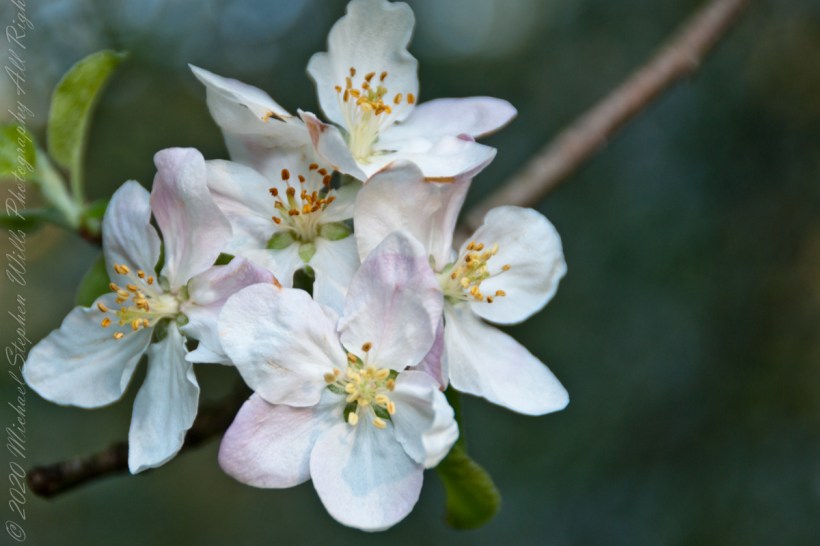
Feeding Apple Trees
A spring rite of ours is caring for three apple trees. We provide each, a Cortland, a McIntosh, a Delicious, with 15 fertilizer spikes ; 45 in all.
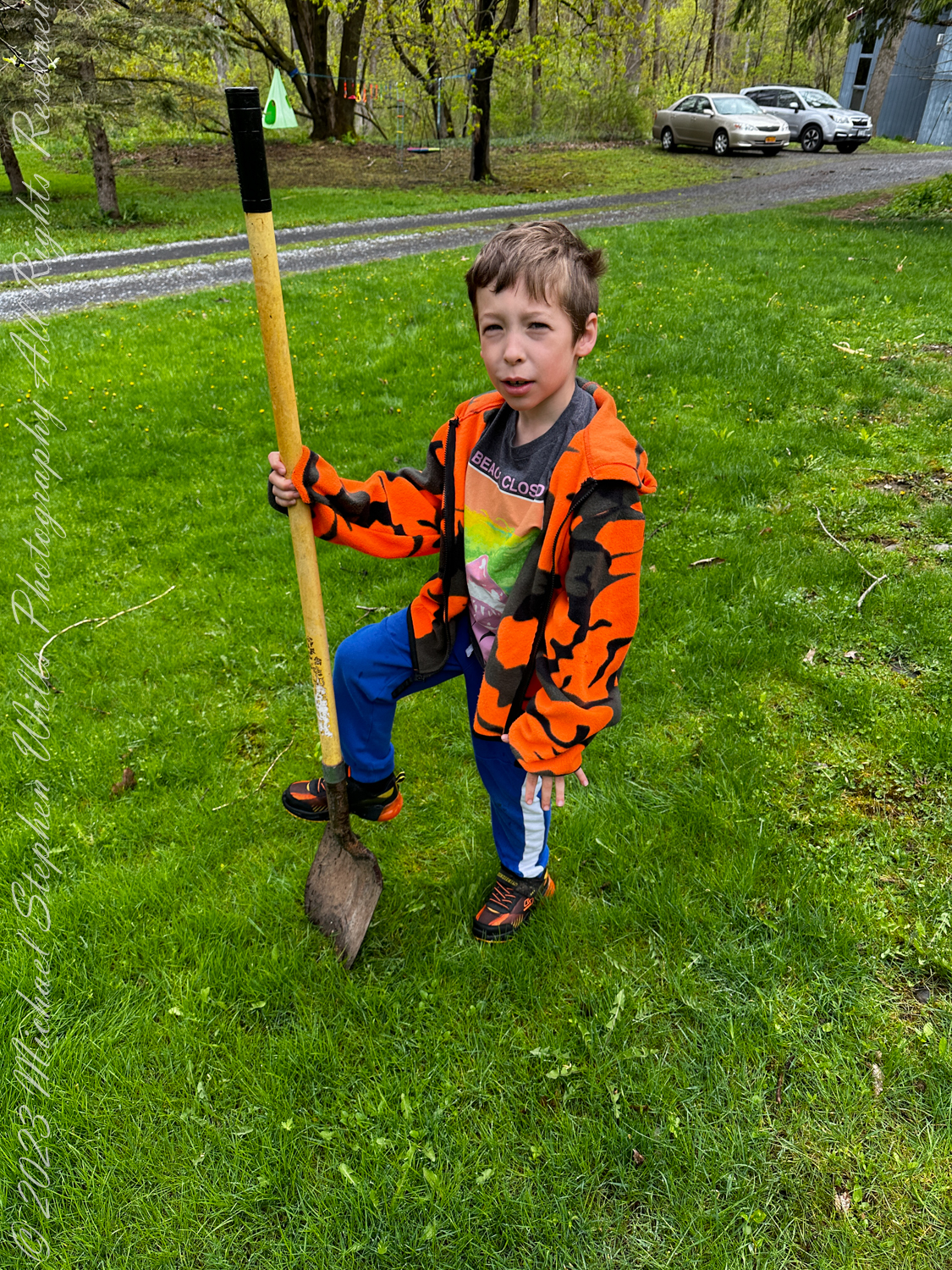
I am way past using a hammer to pound in each. The preferred method is to drive a space into the ground beneath the drip line (the other reach of the branches), lift the handle and drop the spike into the ground, remove the spade and tamp down the ground.
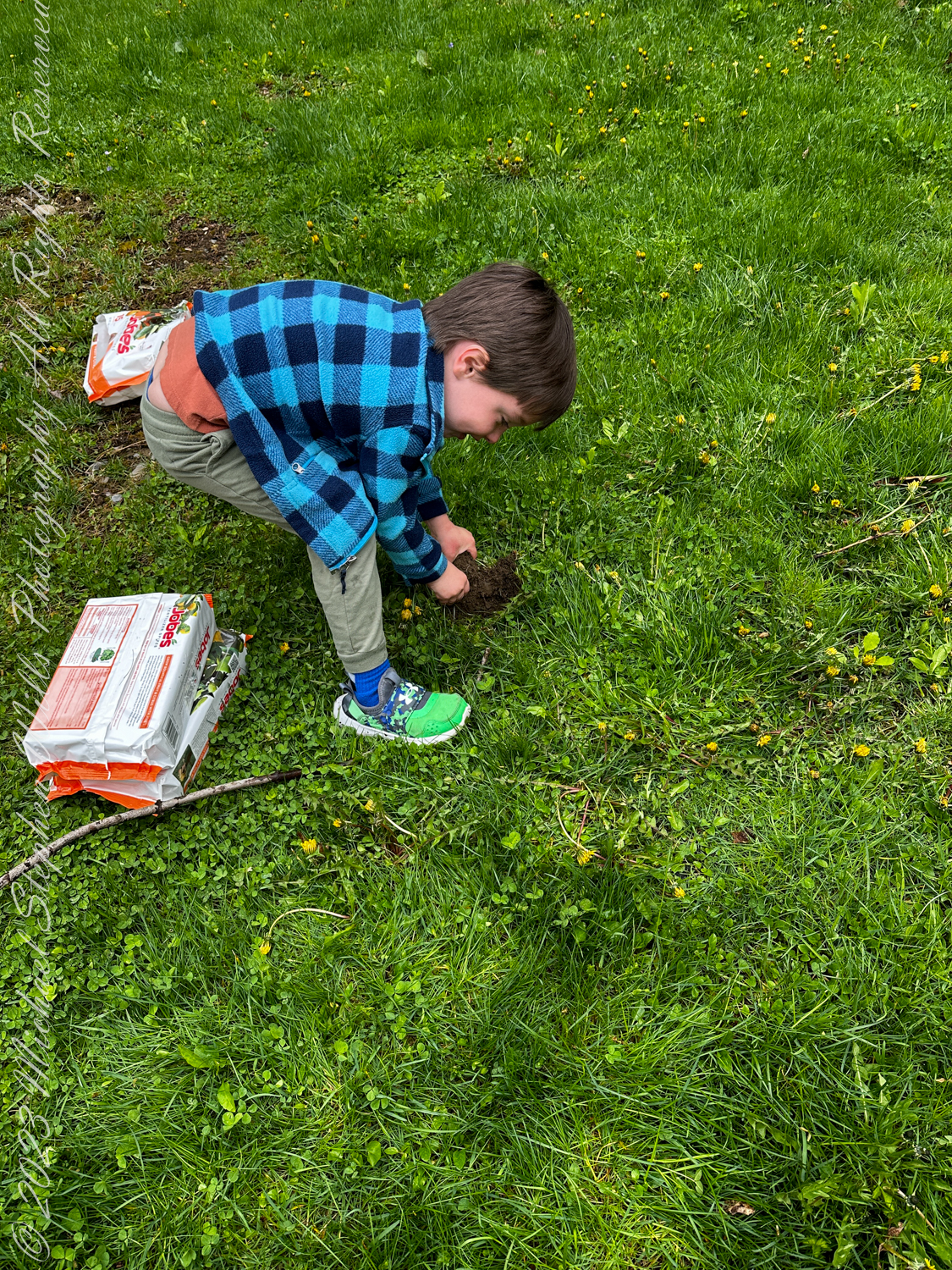
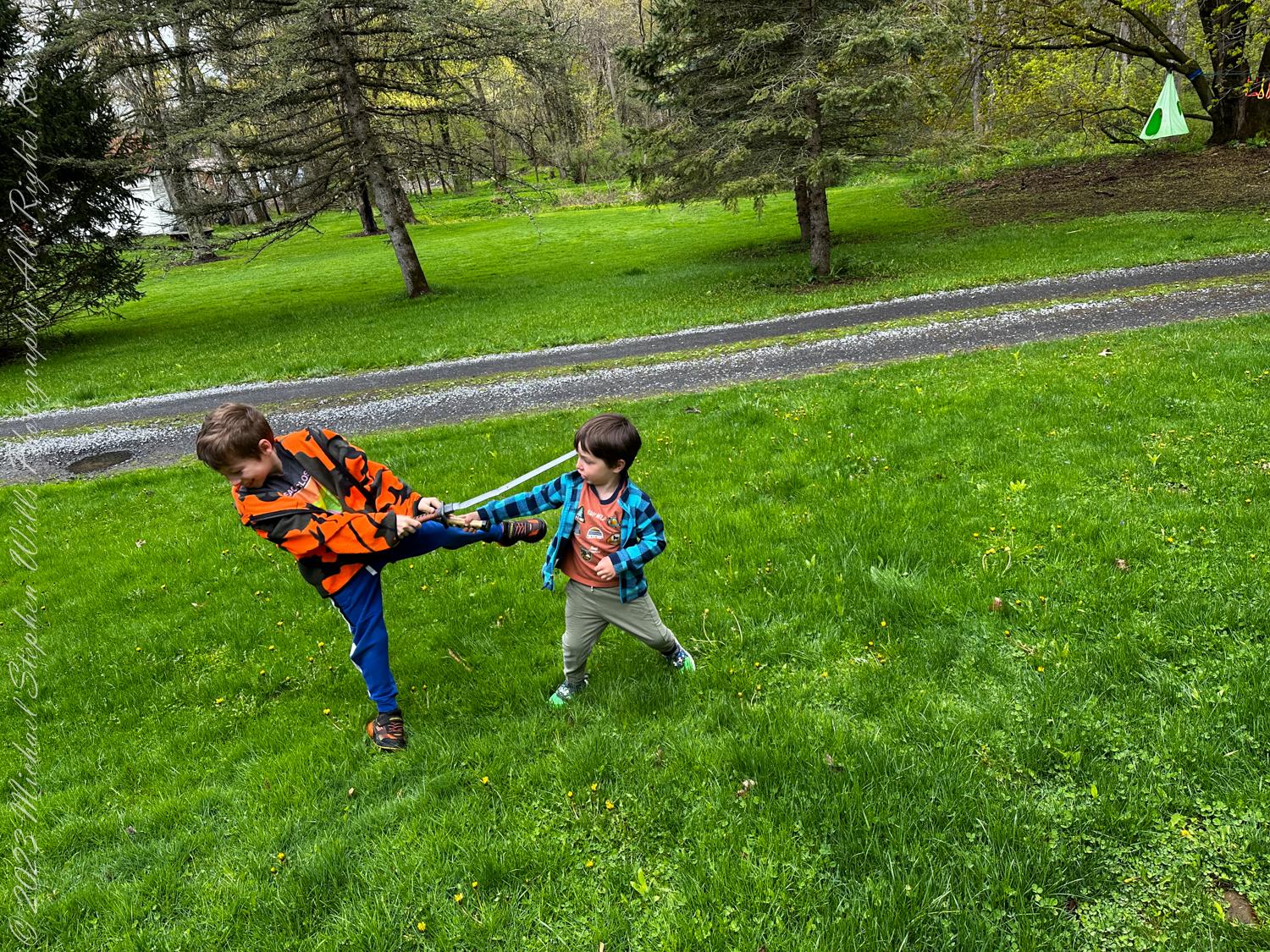
These helpers are now experts in the dropping and counting. Then, enough is enough, time for play.
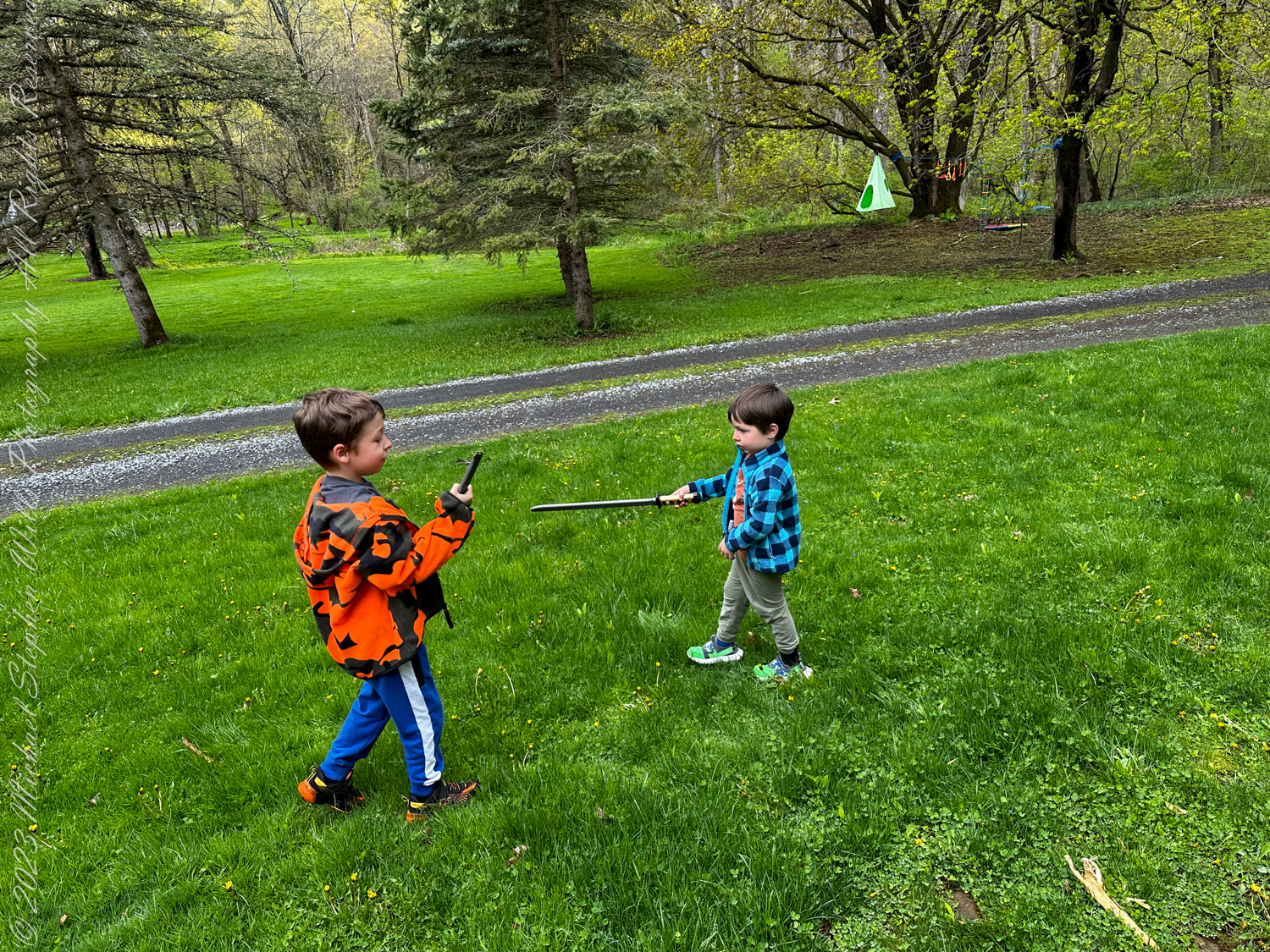
And lunch….


from our porch




crack of dawn
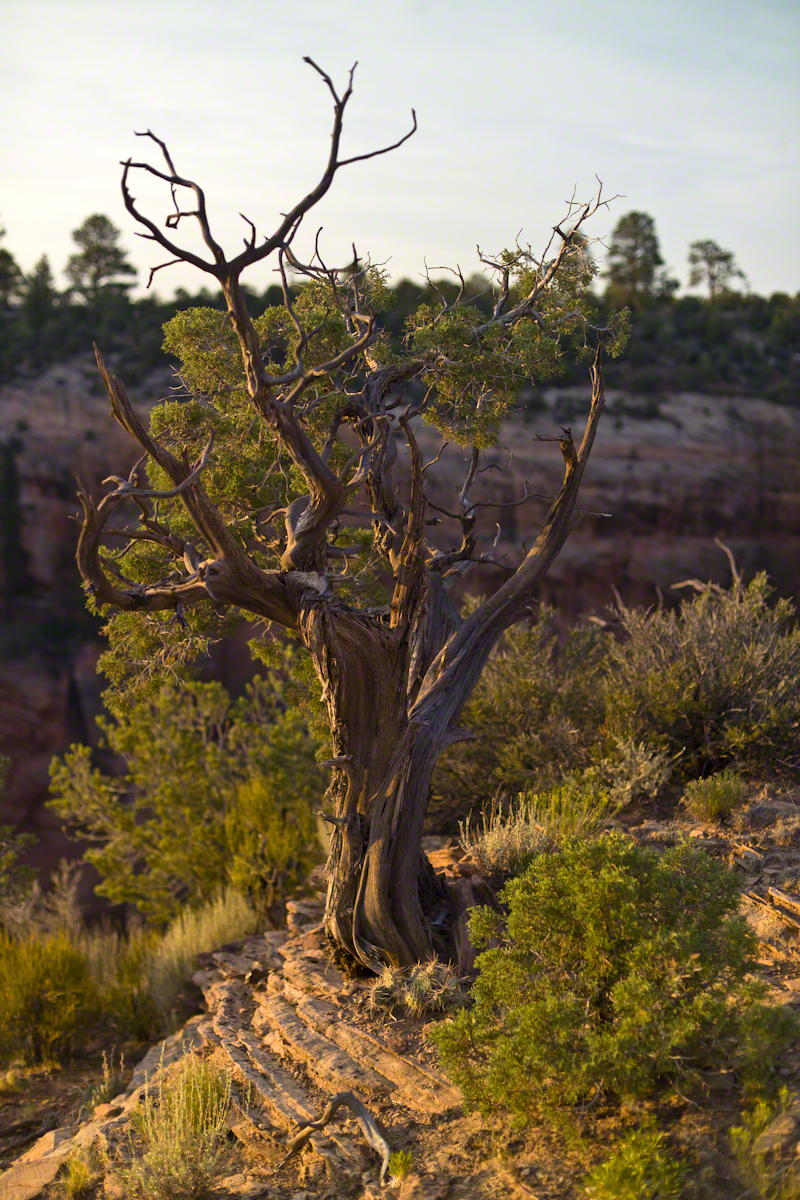
In this post we start the day of my posting “Family Trek“, July 19, 2008, when, well before the sun rose at 6:23 am Mountain Daylight Time (the Navajo Reservation observes daylight savings, the rest of Arizona does not), Pam and I were at the Spider Rock Overlook.
Most visitors to the canyon make use of a system of roads and parking lots next to strategic views. There is the White House Overlook we visited our first day, July 18, to hike from the trailhead into the canyon. There are also, on the south side of the canyon:
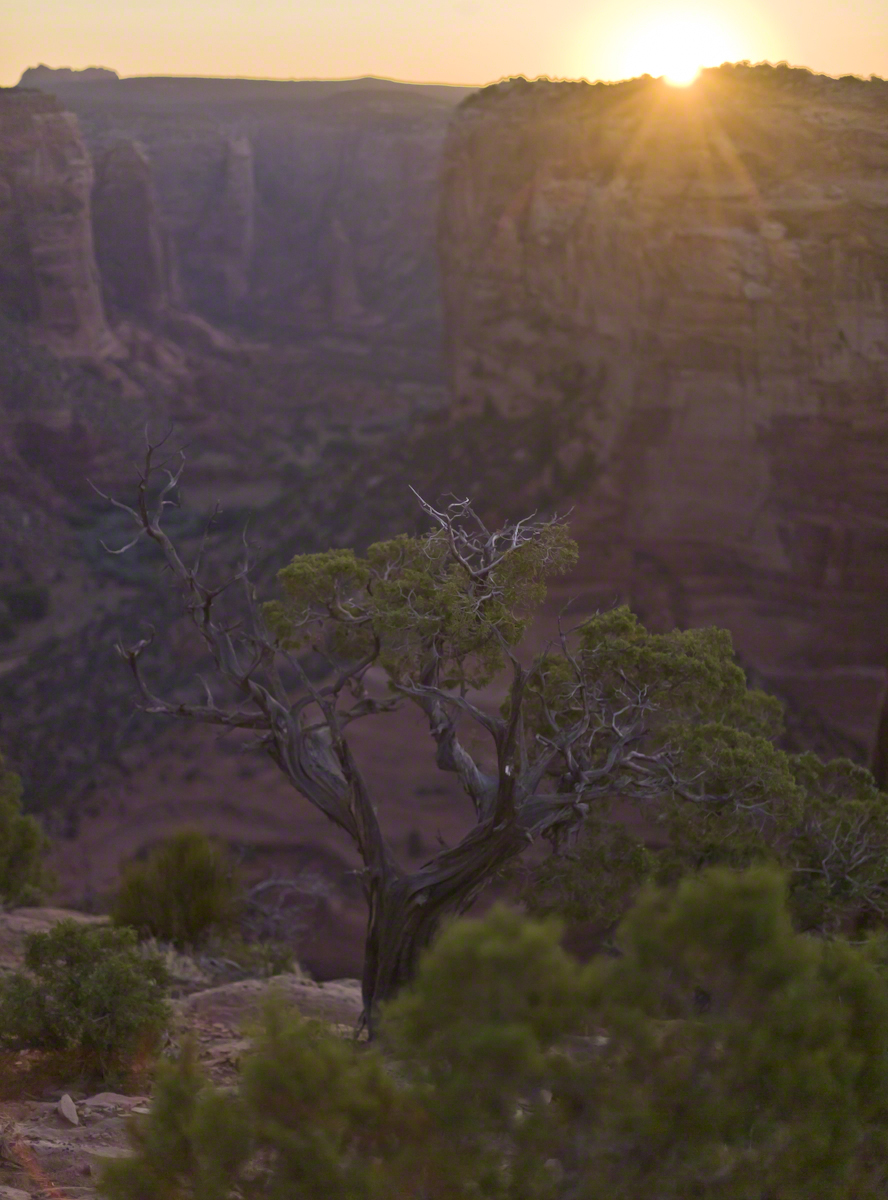
While getting ready I scoped out the location for interesting visual tropes. Utah Junipers are exceptionally hardy shrubs, stressed individual plants grow into compelling forms shaped by hardship. As the sun rose, this specimen emerged from the gloom and caught the first sun rays.
Enjoy!!
Chicago Bog, part of Lime Hollow Nature Center
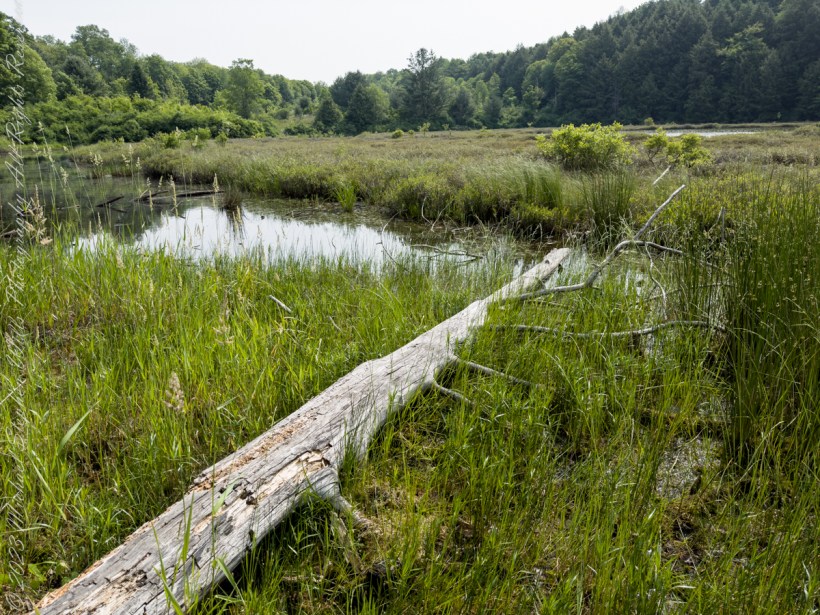
The grandchildren and I hiked the 0.6 mile trail through old growth forest to visit a bog. In the 1830’s there was a village named Chicago along Gracie Road, which gives it the name we have today. The Chicago Bog is home to many carnivorous plants, including sundew, the pitcher plant, and more. The deepest depth of the bog is about 7.2 ft. The bog is along the Phillips Memorial Trail, which can be found on Gracie Road. Lime Hollow Nature Center, Cortland, New York.
Listen to the Wood Thrush and other bird song in this short video.
A dragonfly landed on the log, in the above images, lying at my feet. This male Chalk-fronted Corporal (Ladona julia) is a skimmer dragonfly found in the northern United States and southern Canada.
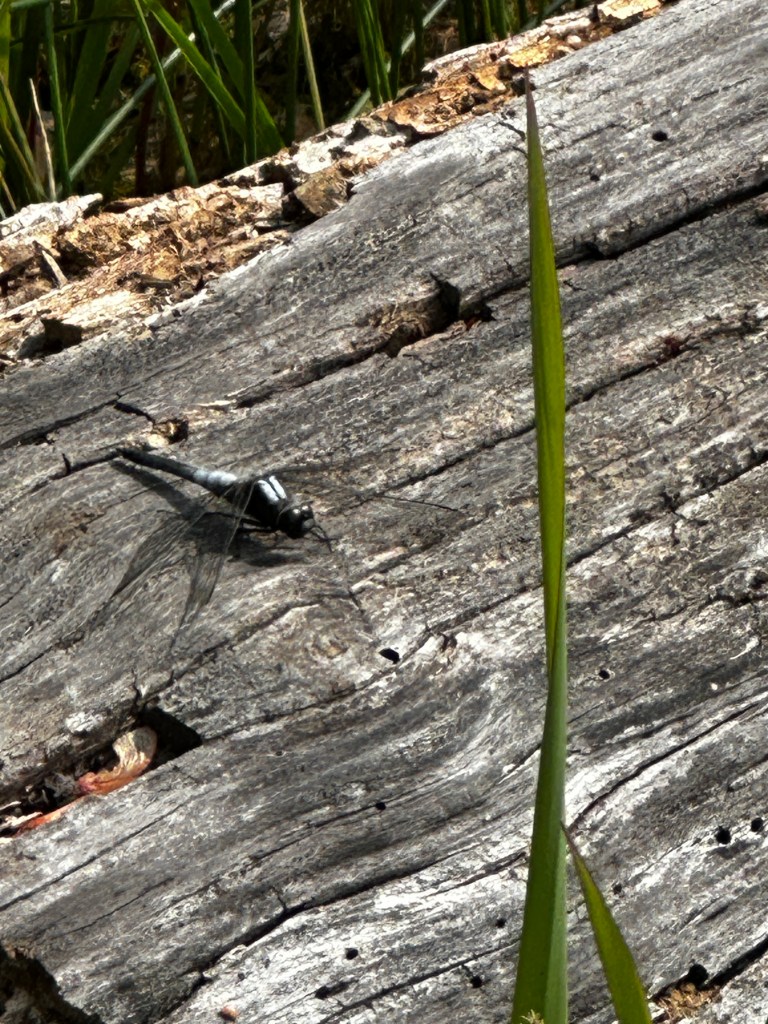
Juveniles of both sexes are light reddish brown, with white shoulder stripes and a black stripe down the middle of the abdomen. As they mature, males develop a white pruinescence on the top of the thorax and at the base of the abdomen, while the rest of the abdomen turns black. Females become almost uniformly dark brown, with a dusting of gray pruinescence near the base of the abdomen; a few develop the same color pattern as the males.
Chalk-fronted corporals often perch horizontally on the ground or on floating objects in the water as you can see it doing here. They are gregarious for dragonflies and are commonly seen perching in groups. They readily approach humans to feed on the mosquitoes and biting flies that humans attract.
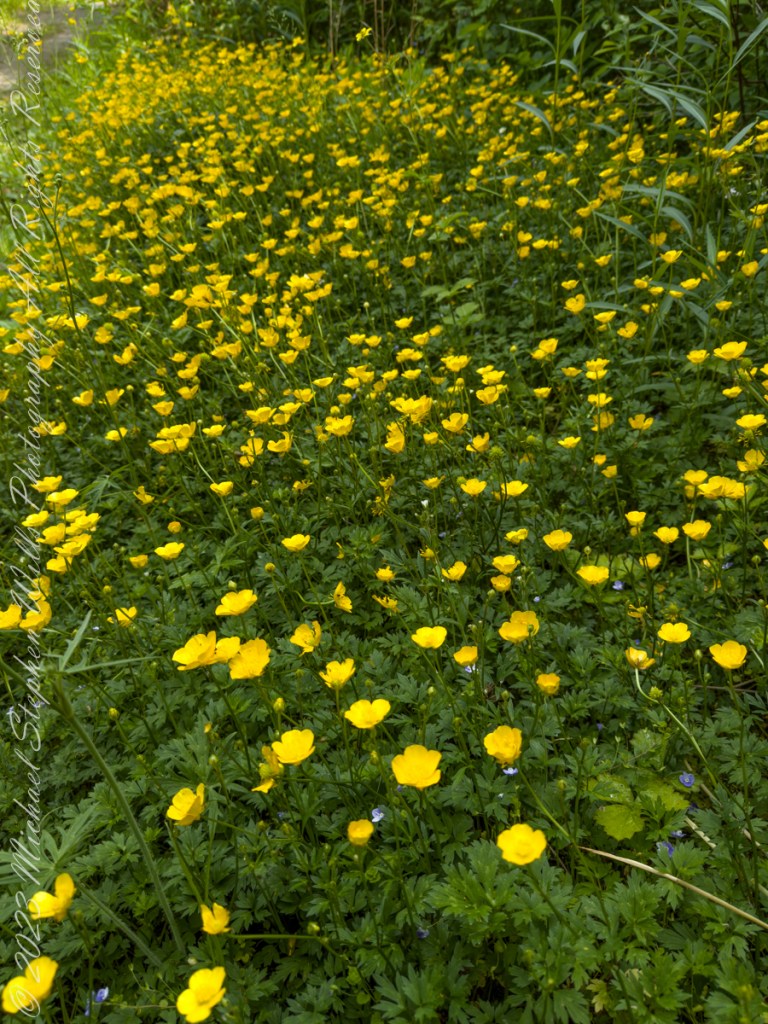
We noticed a large patch of buttercups growing in a sunny patch along the trail. Petals of these buttercups are highly lustrous owing to a special coloration mechanism: the petal’s upper surface is very smooth causing a mirror-like reflection. The flash aids in attracting pollinating insects and temperature regulation of the flower’s reproductive organs.
Click me for “Celestial Geese with two haiku by Issa”.
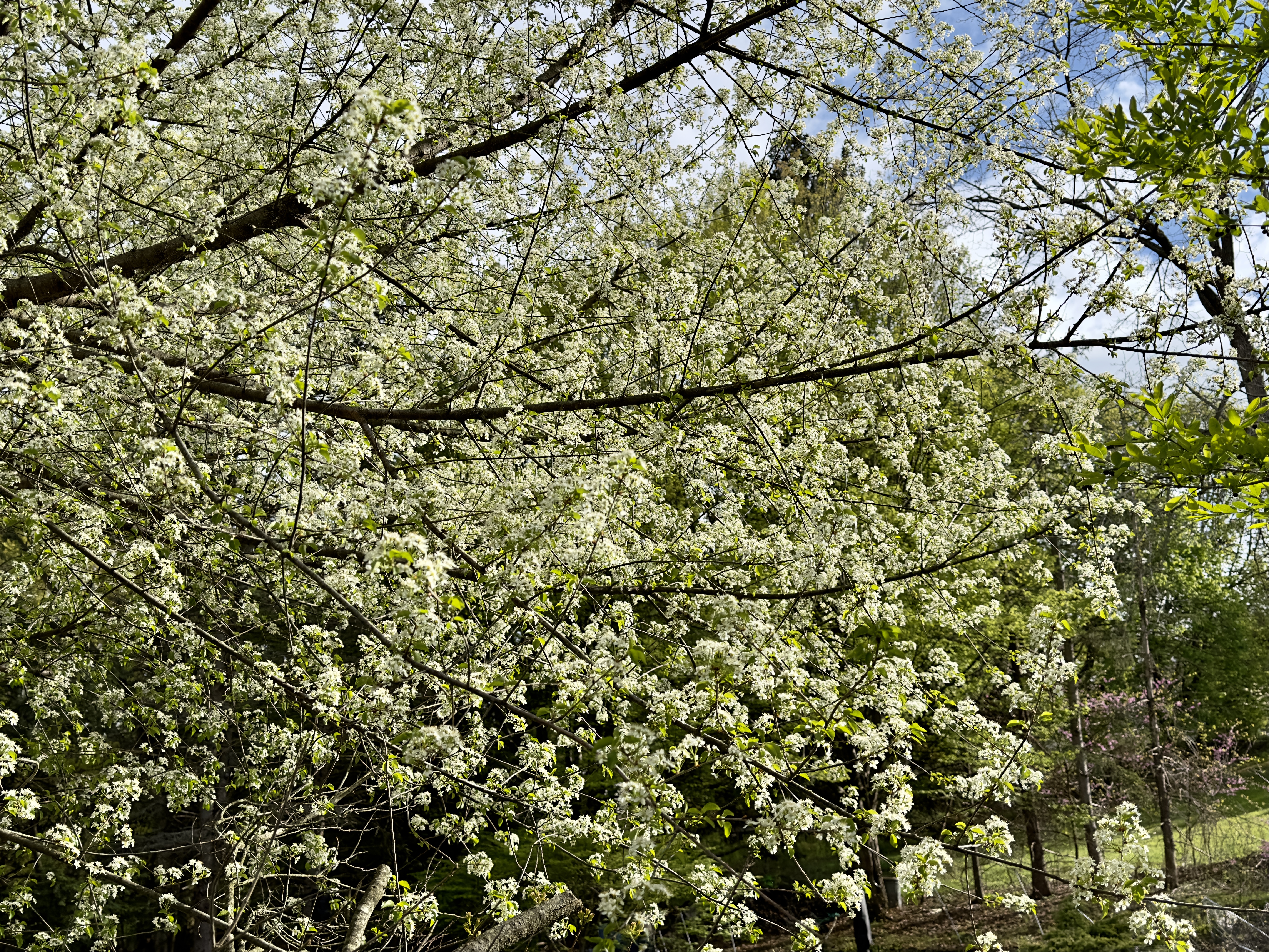
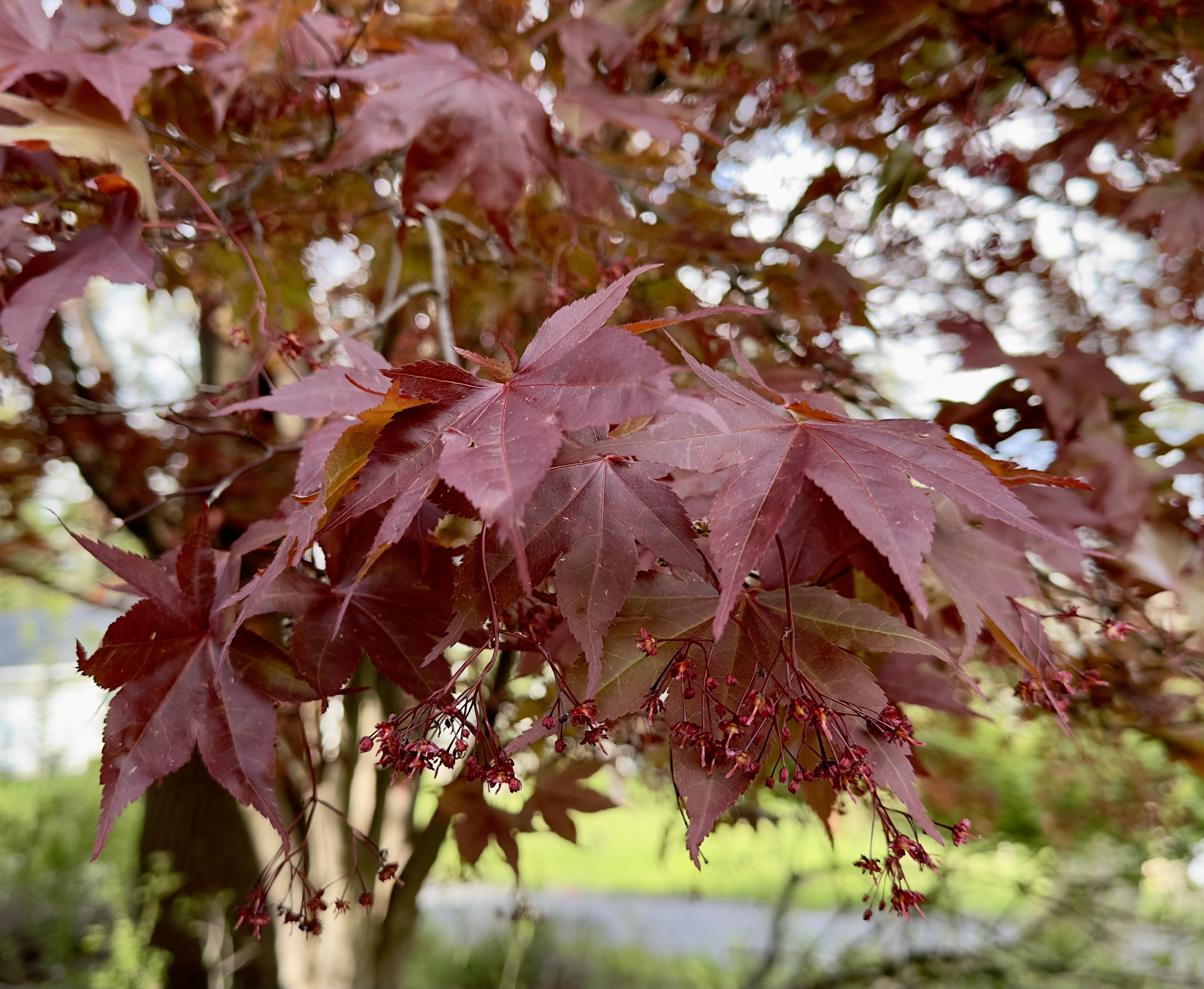
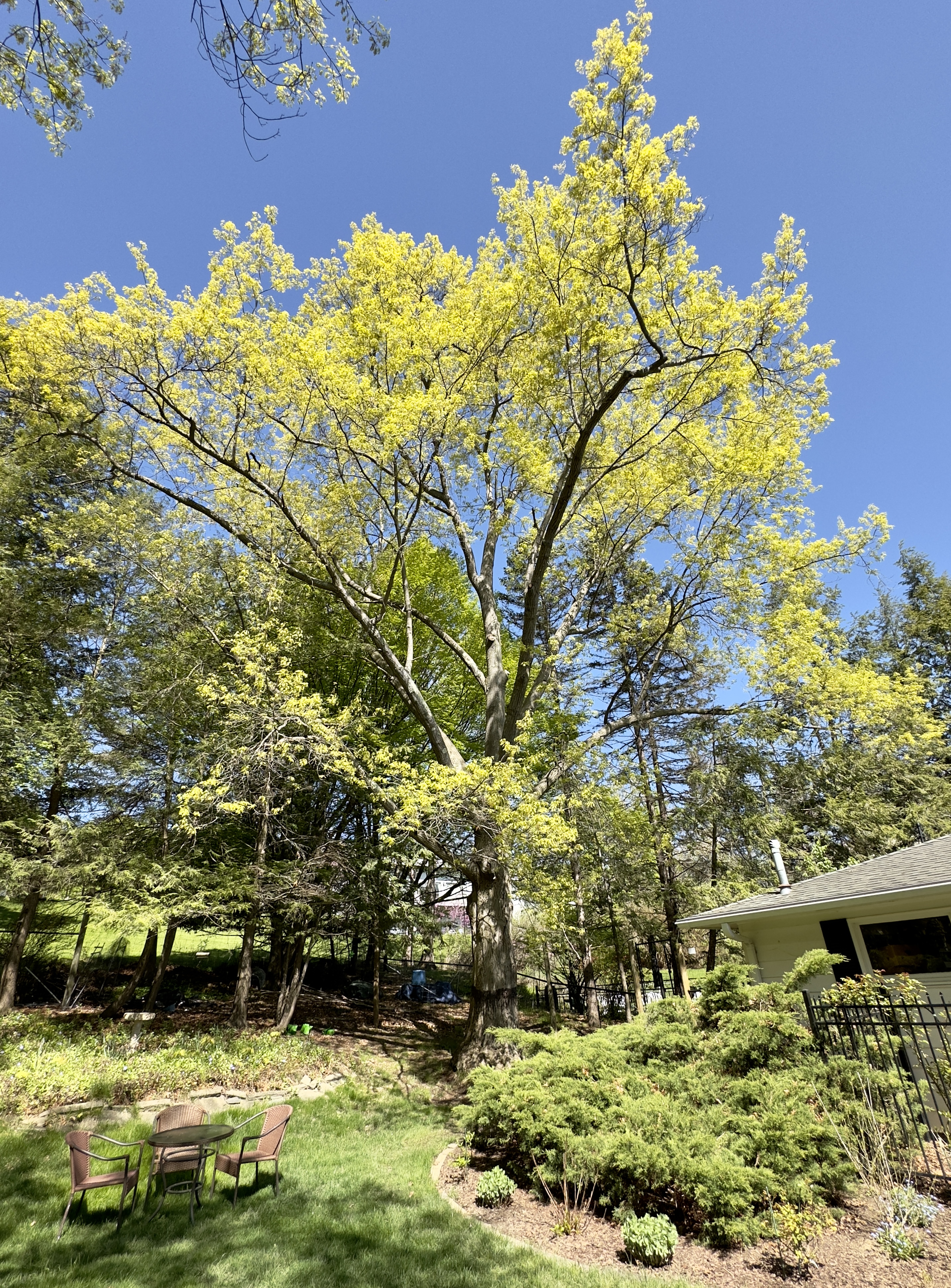
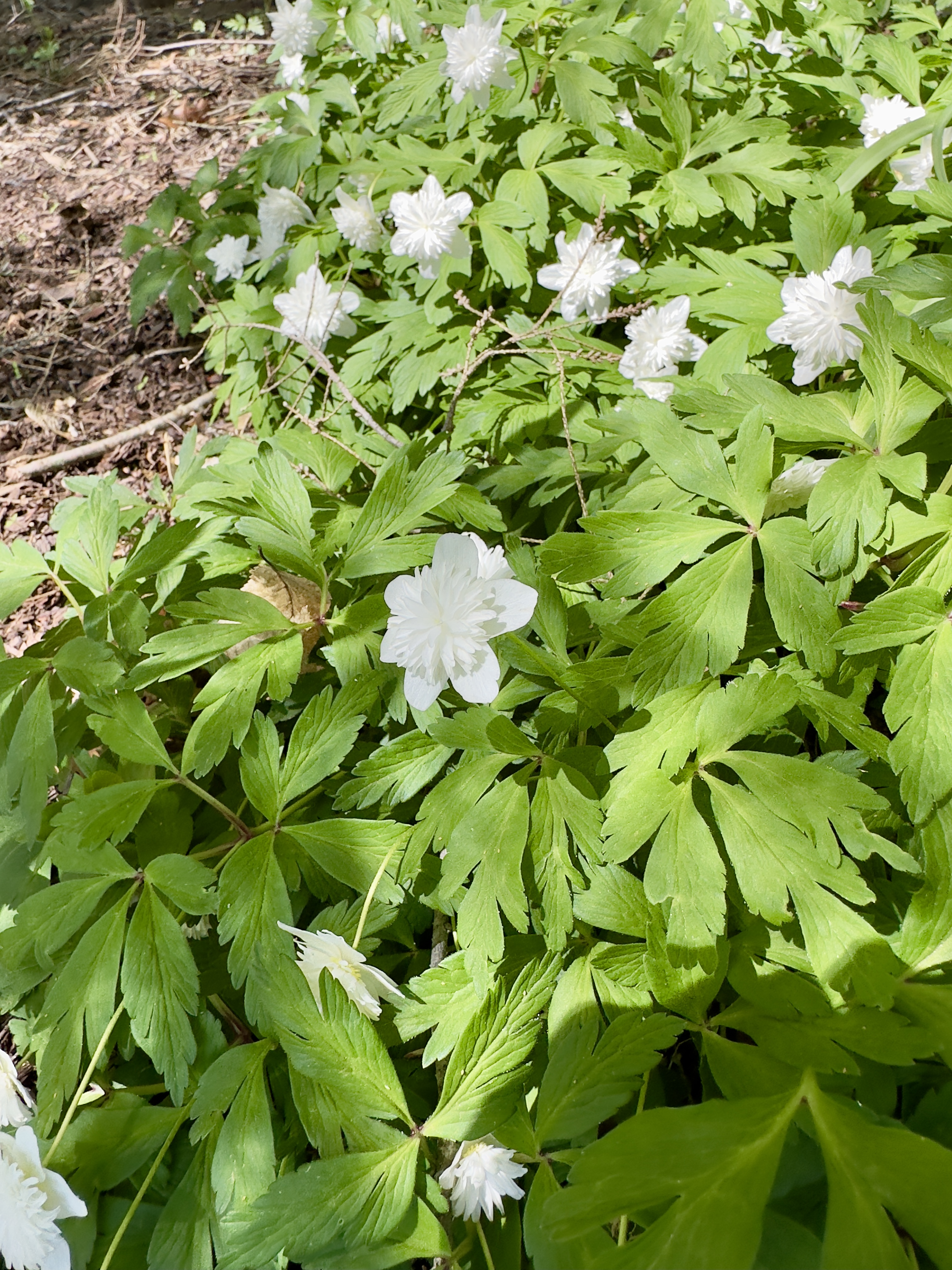
In Springtime
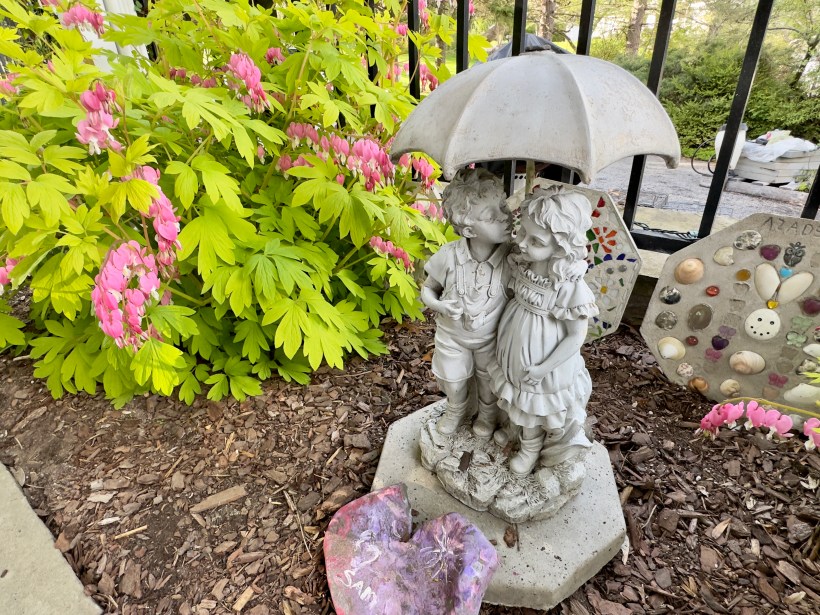
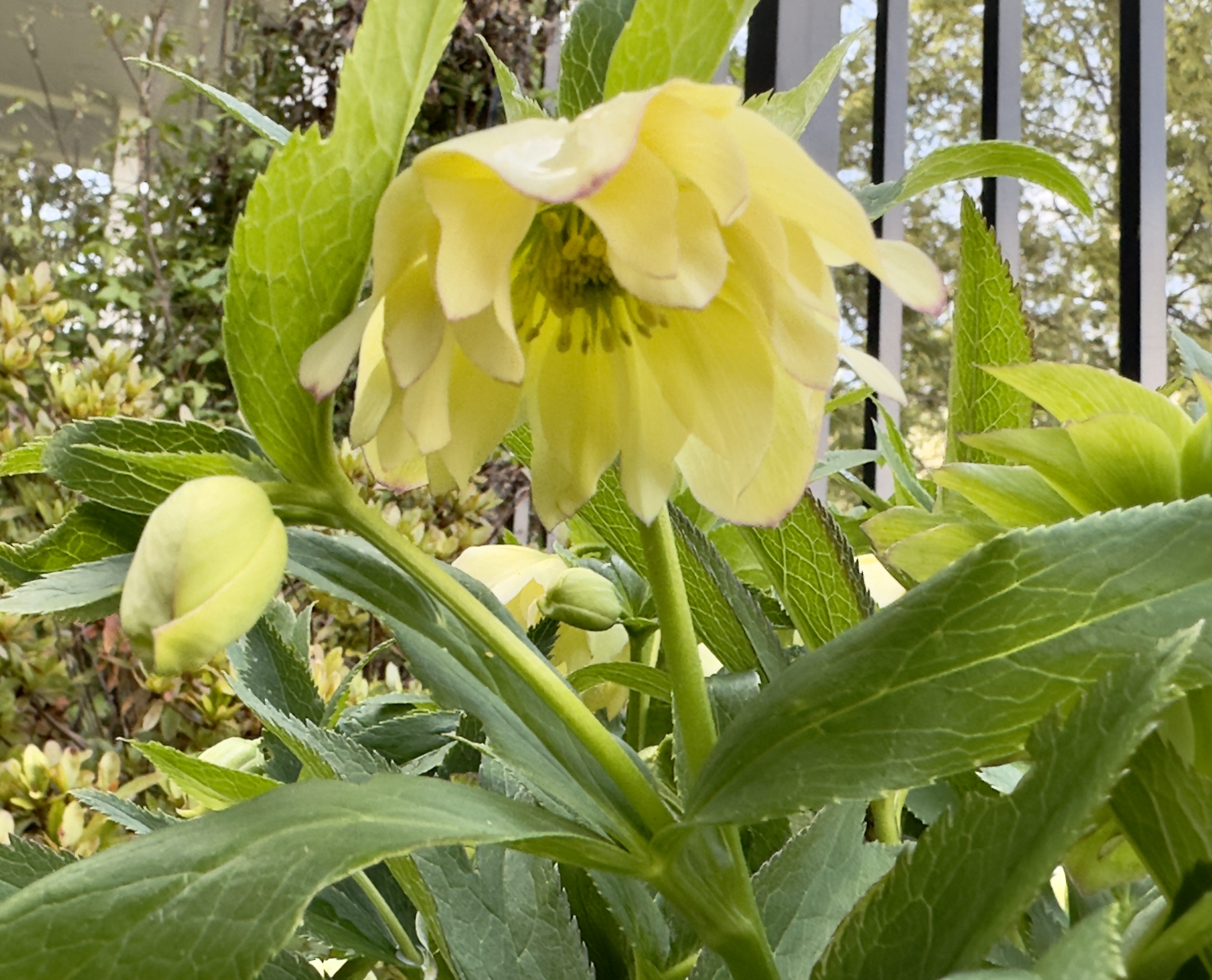
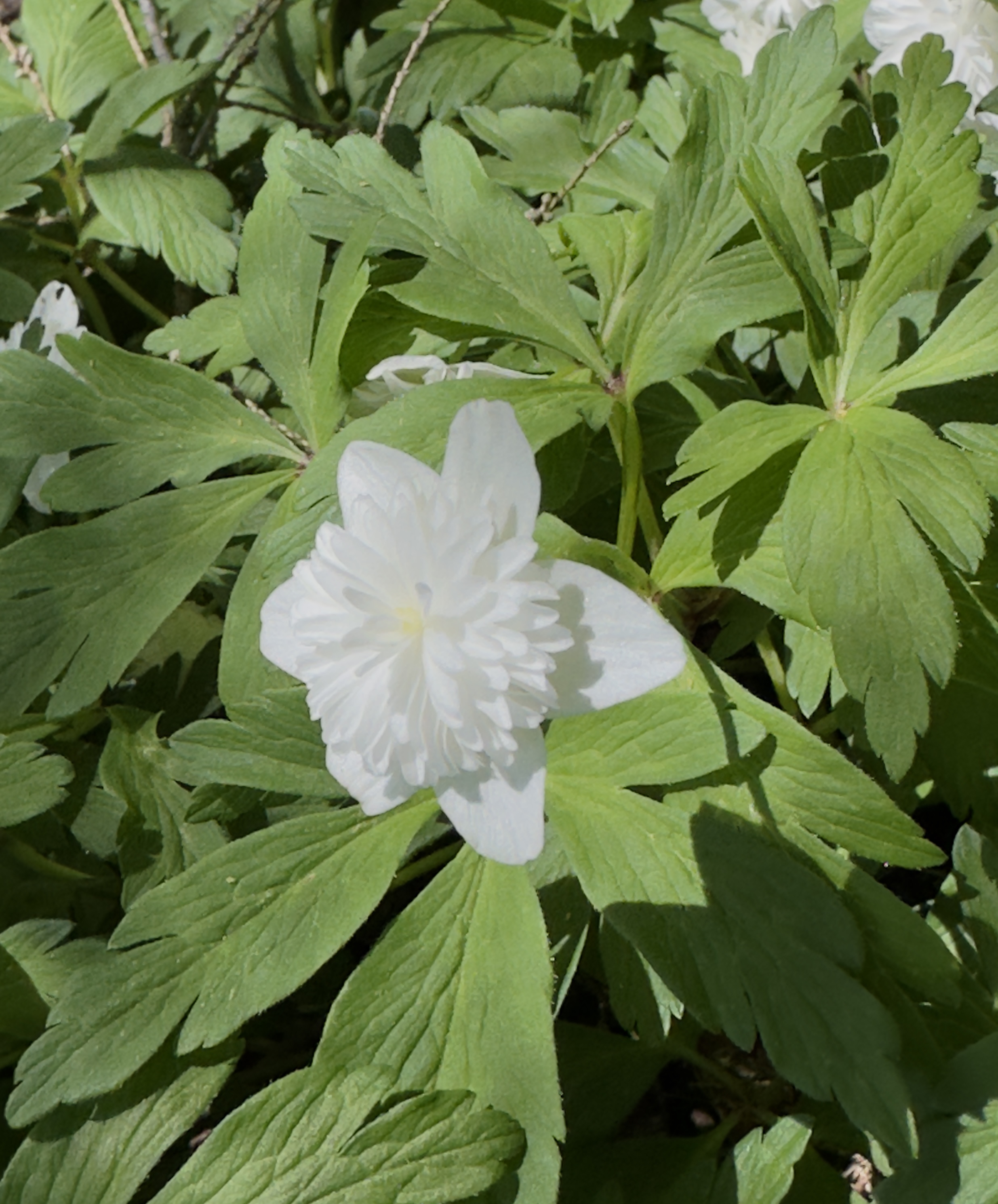
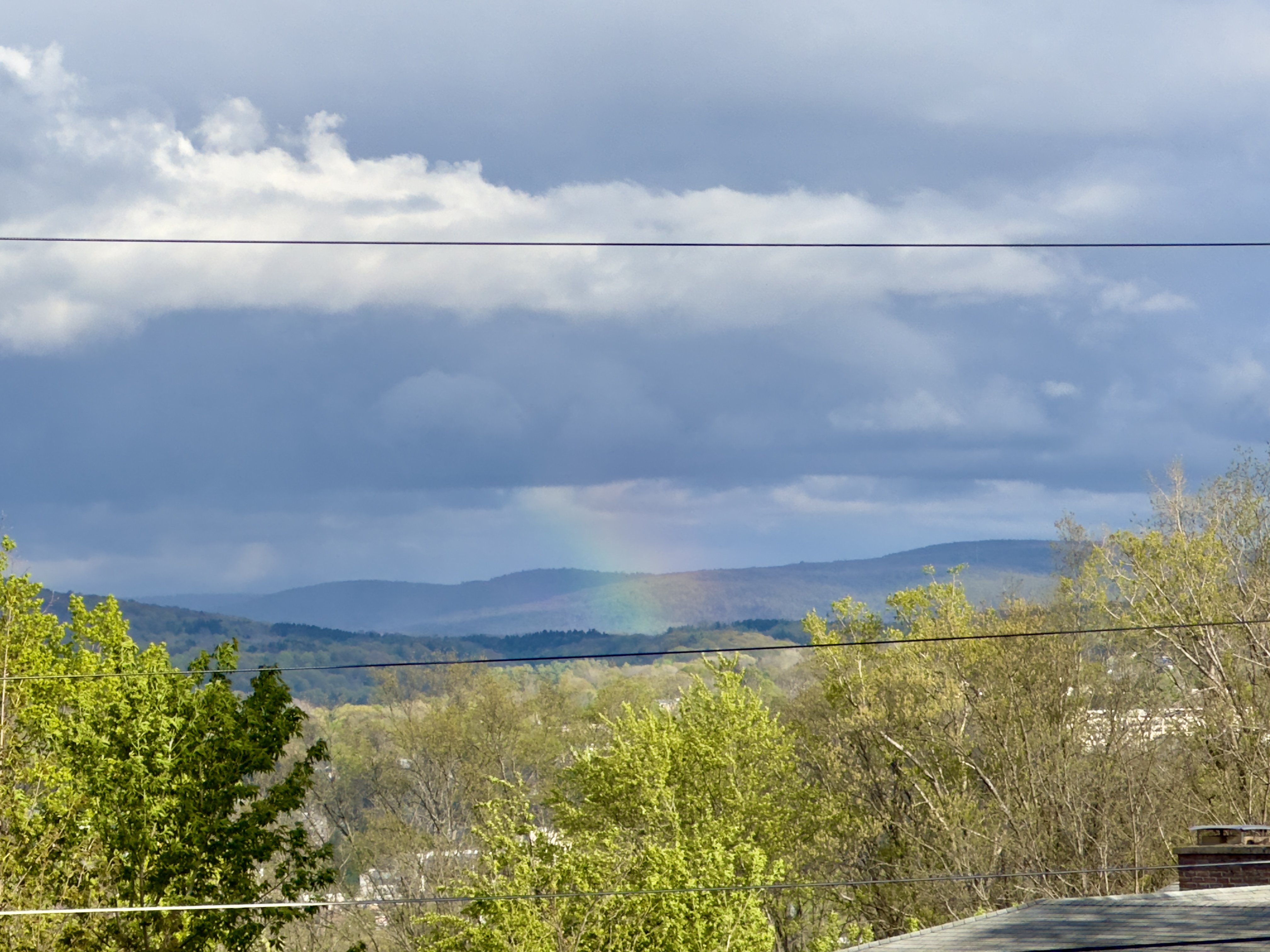
A few days past May Day 2023 I traversed our home gardens with the Apple Phone 14 ProMax to see what I could see…..
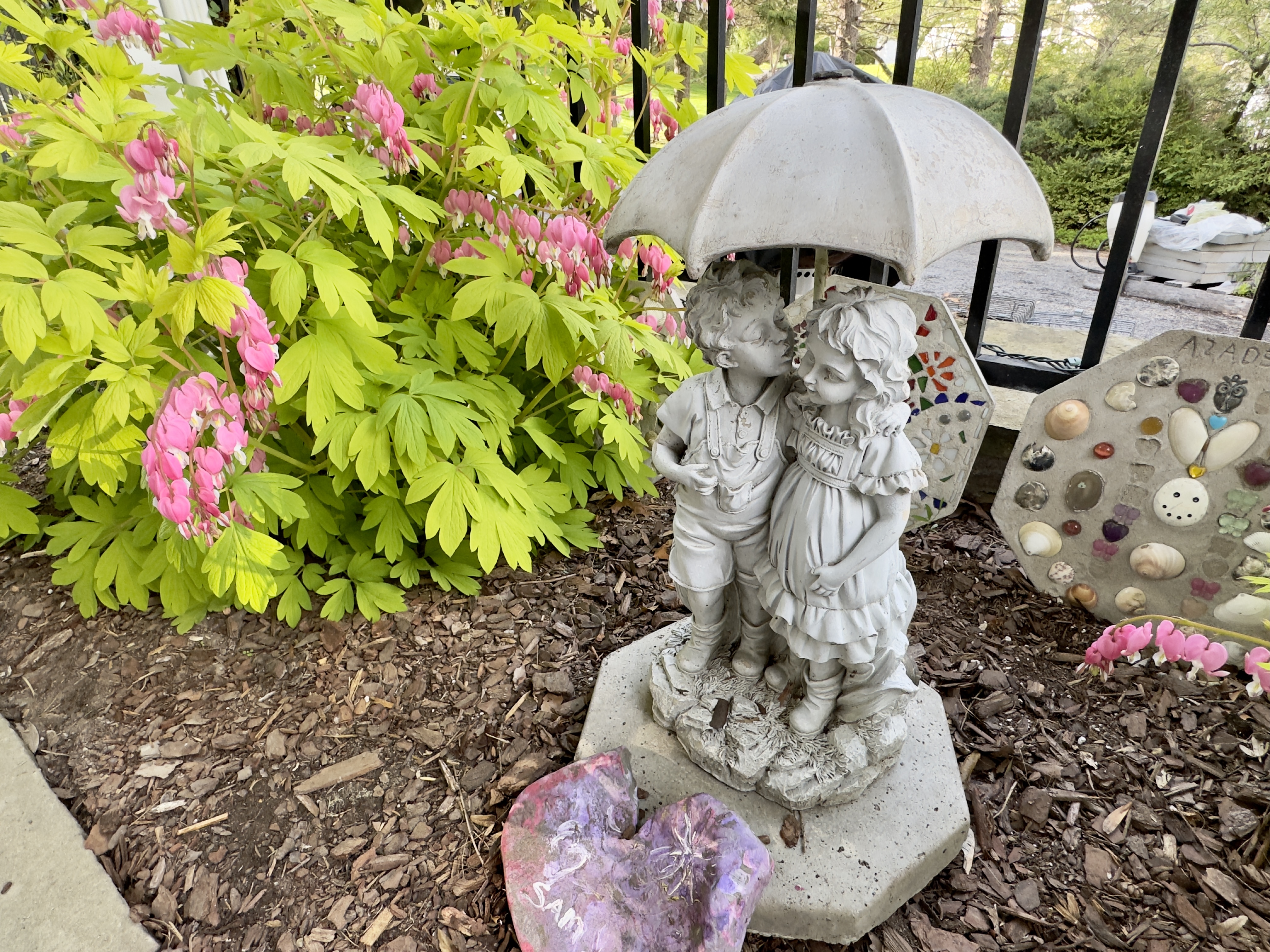
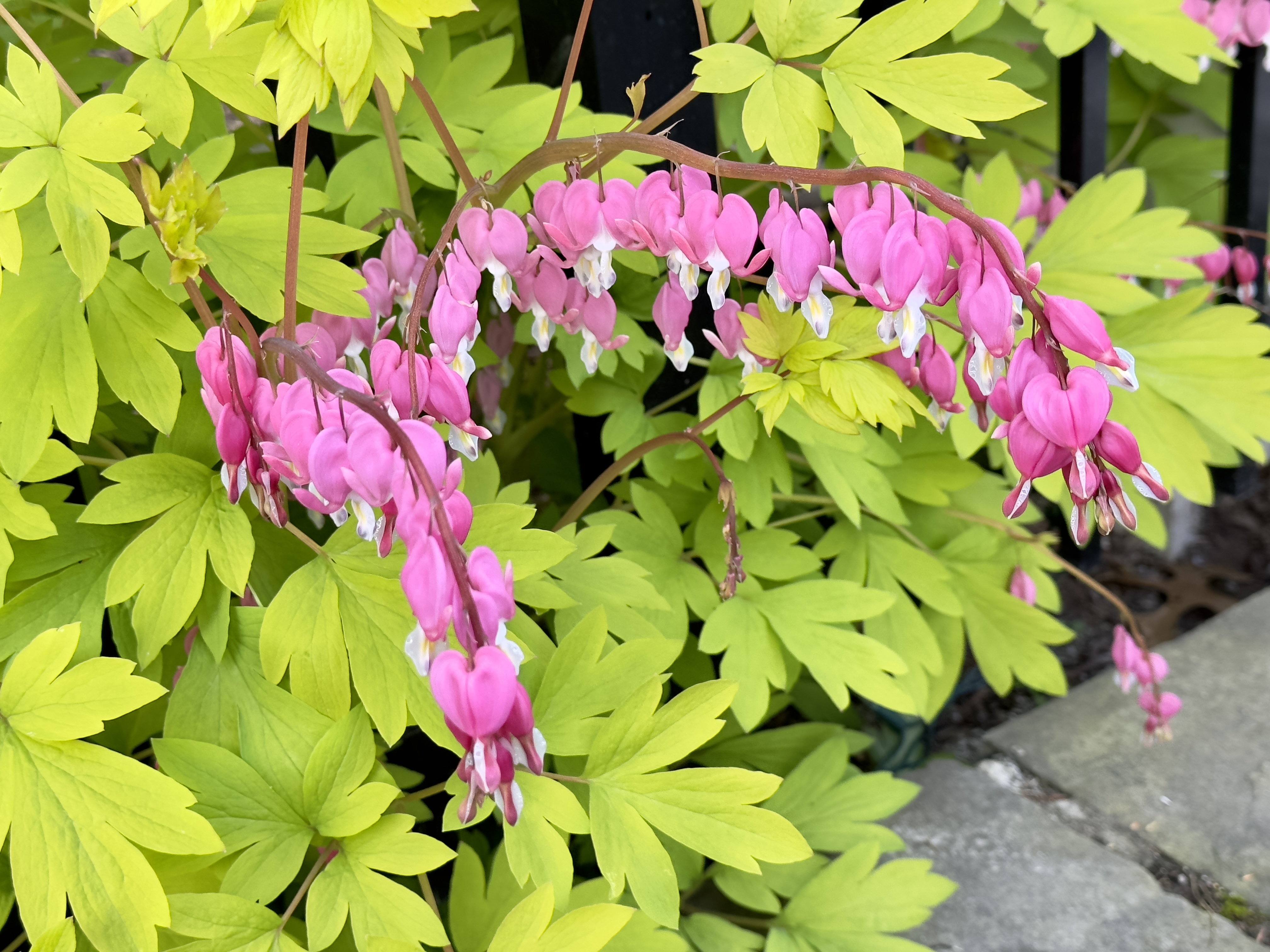
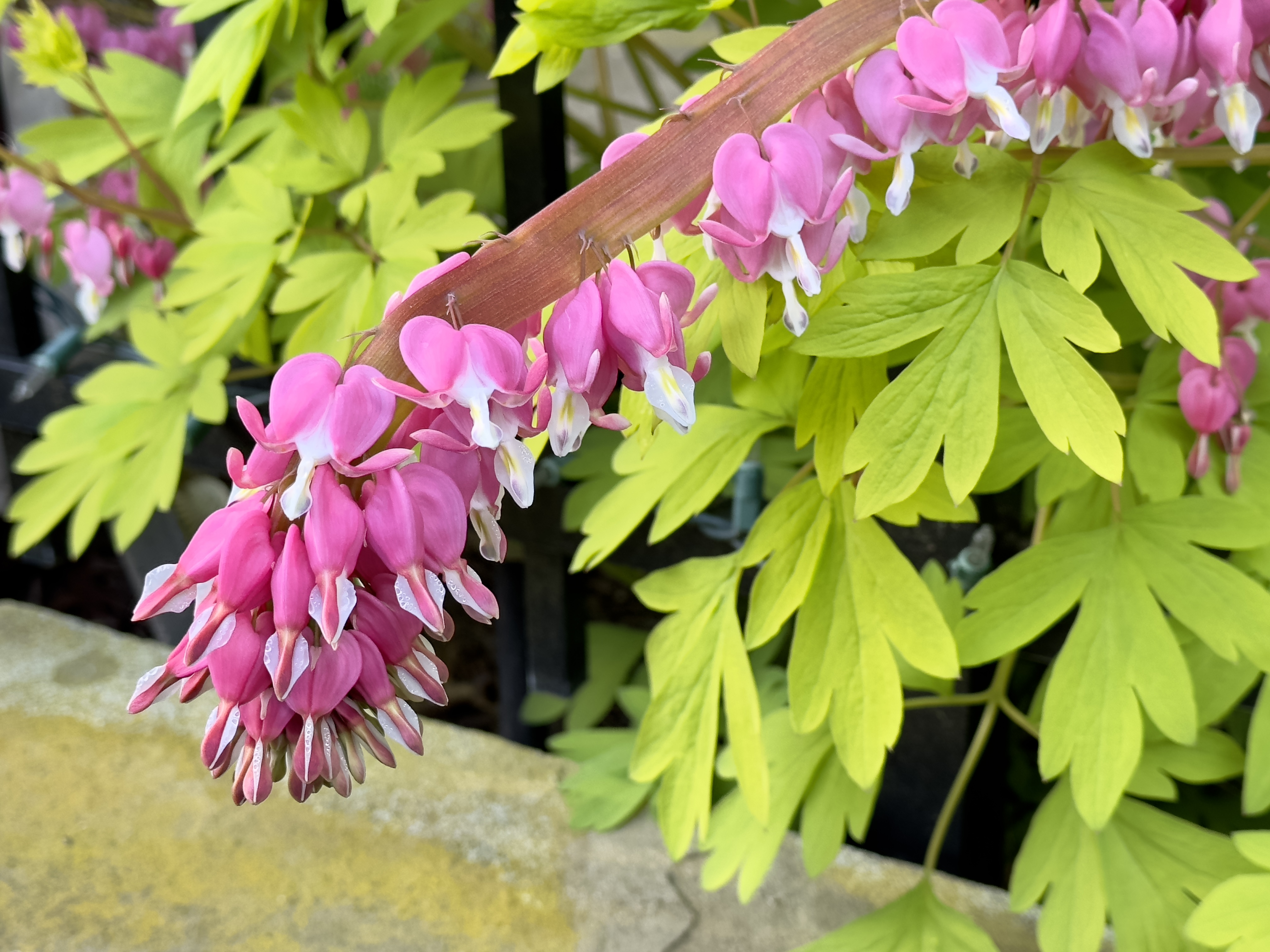
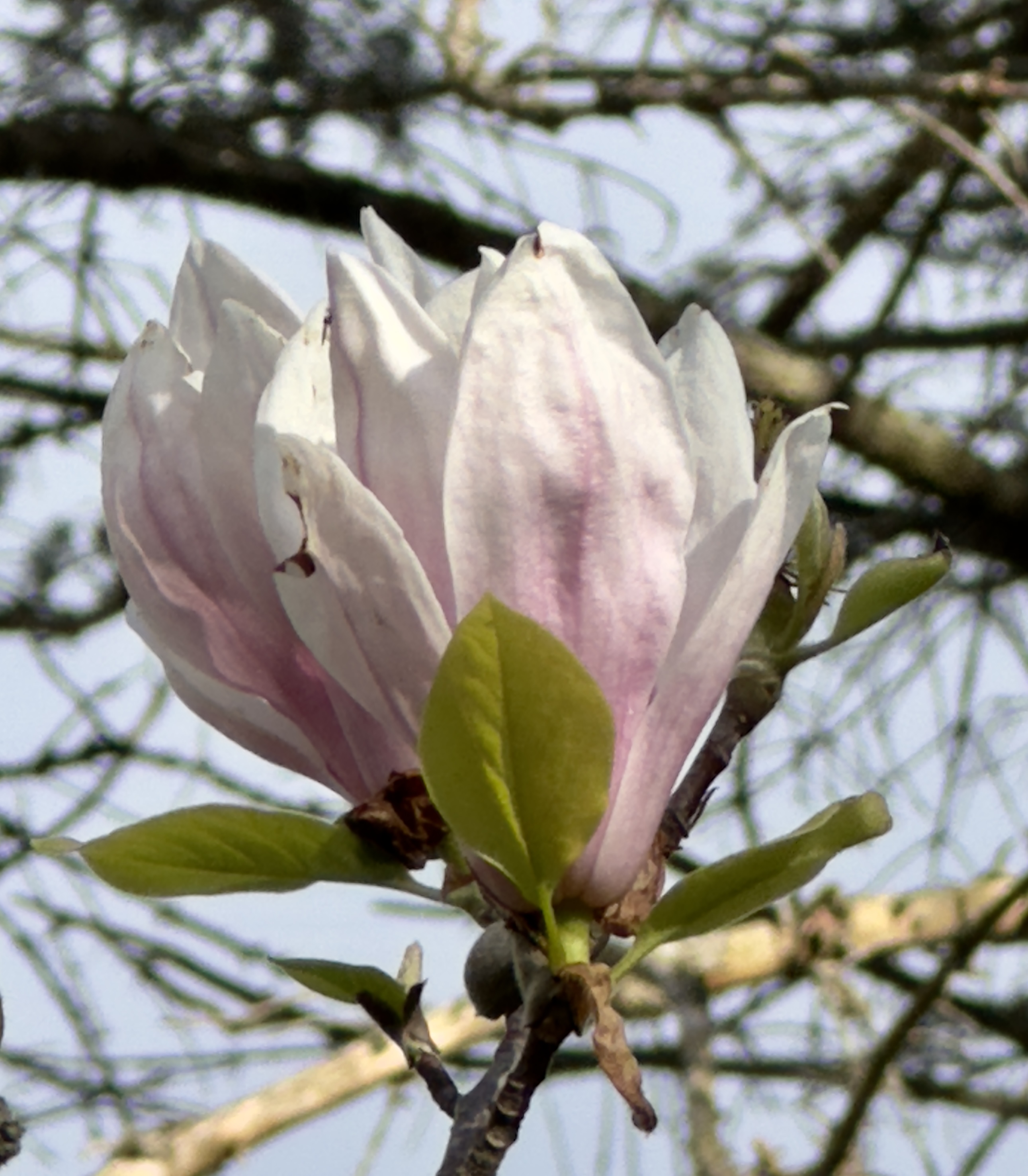
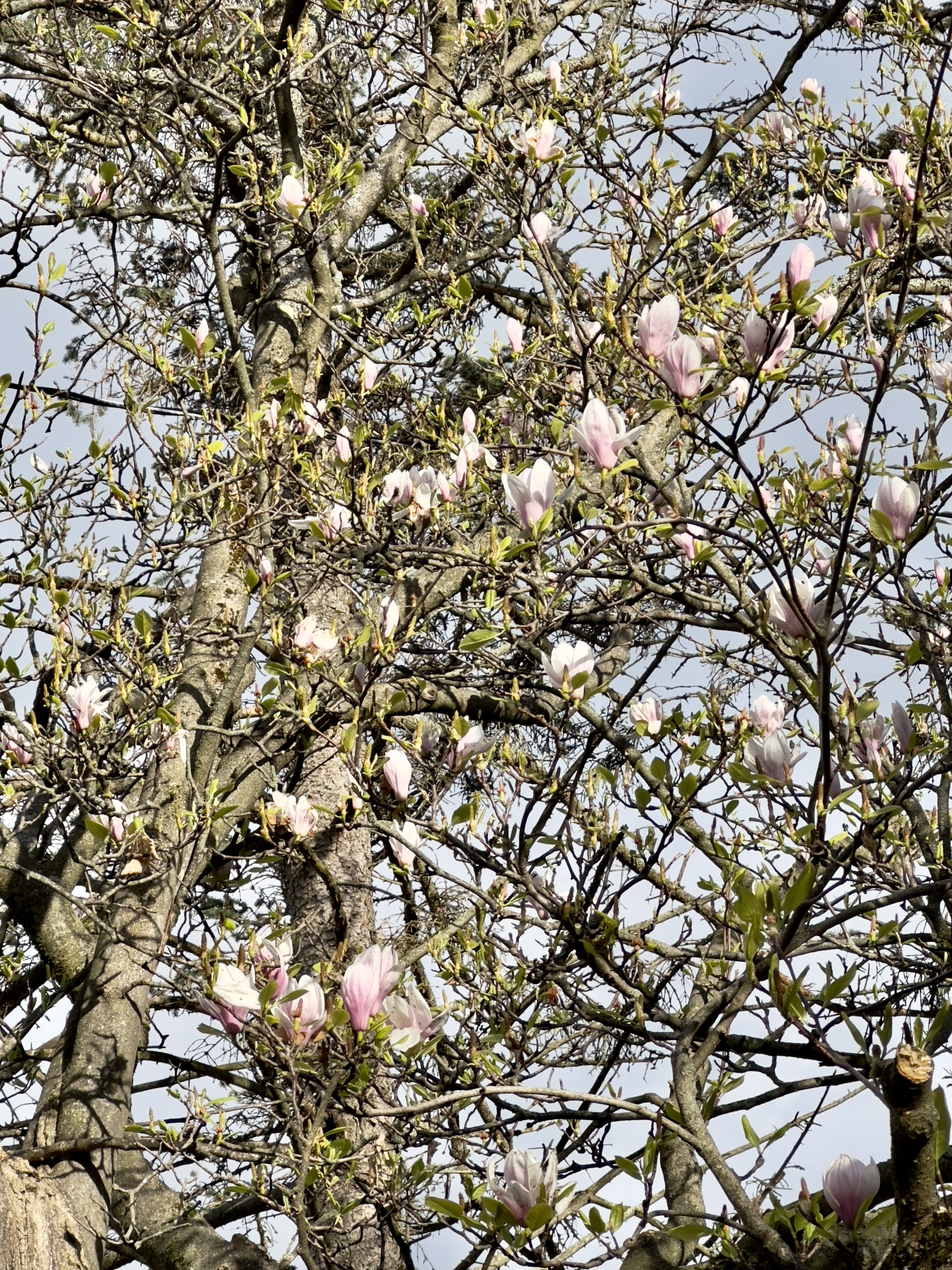
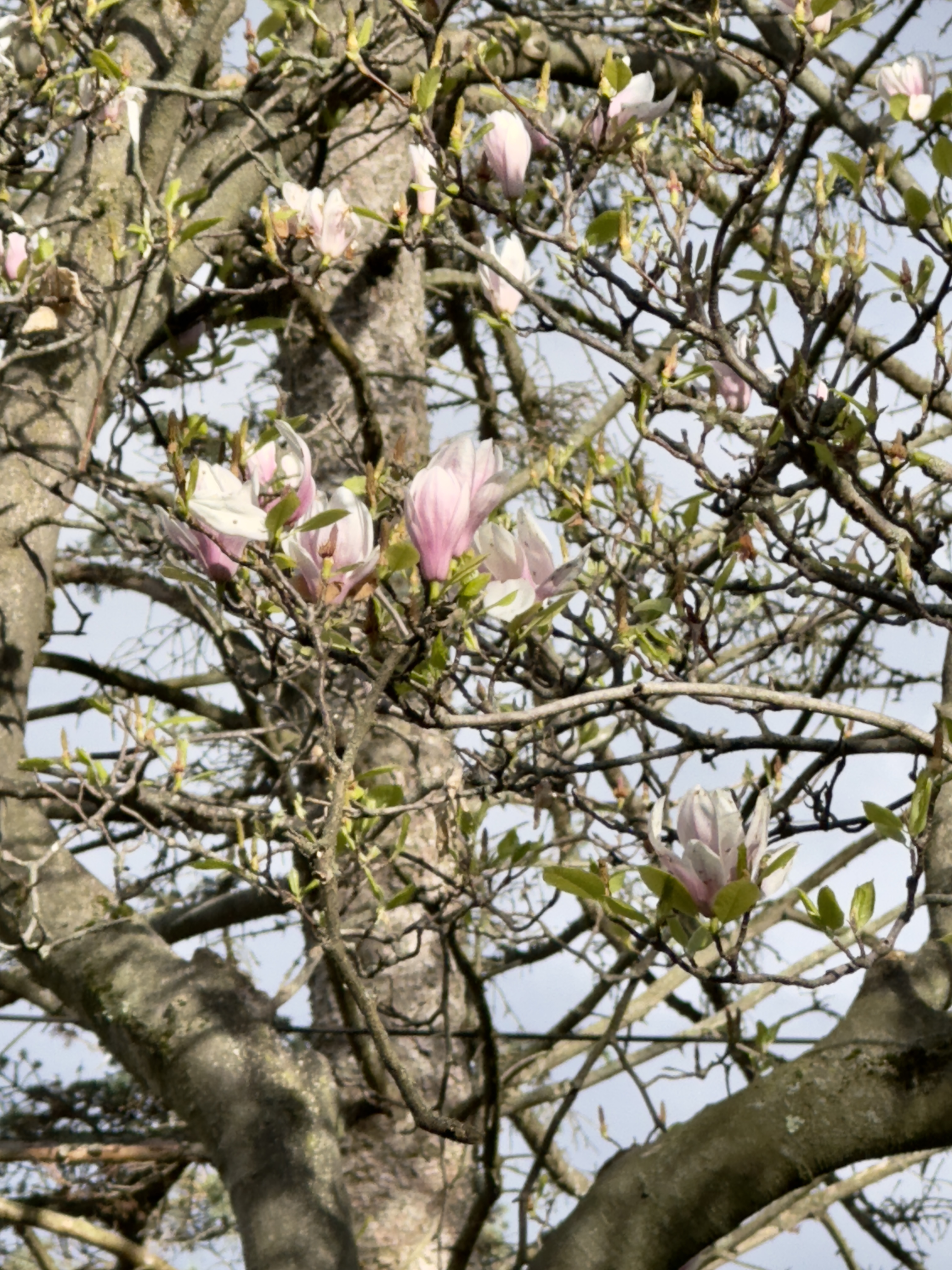
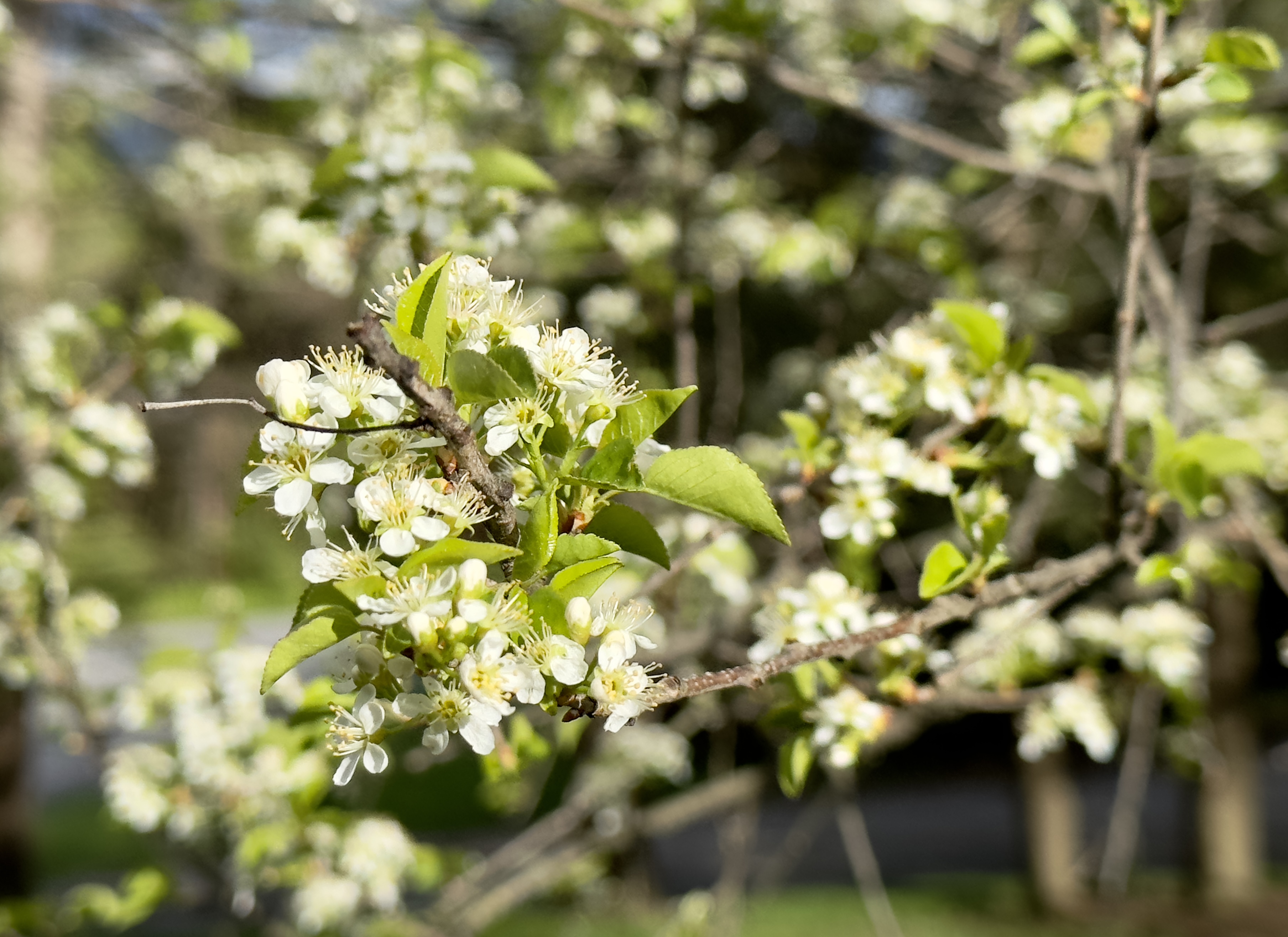
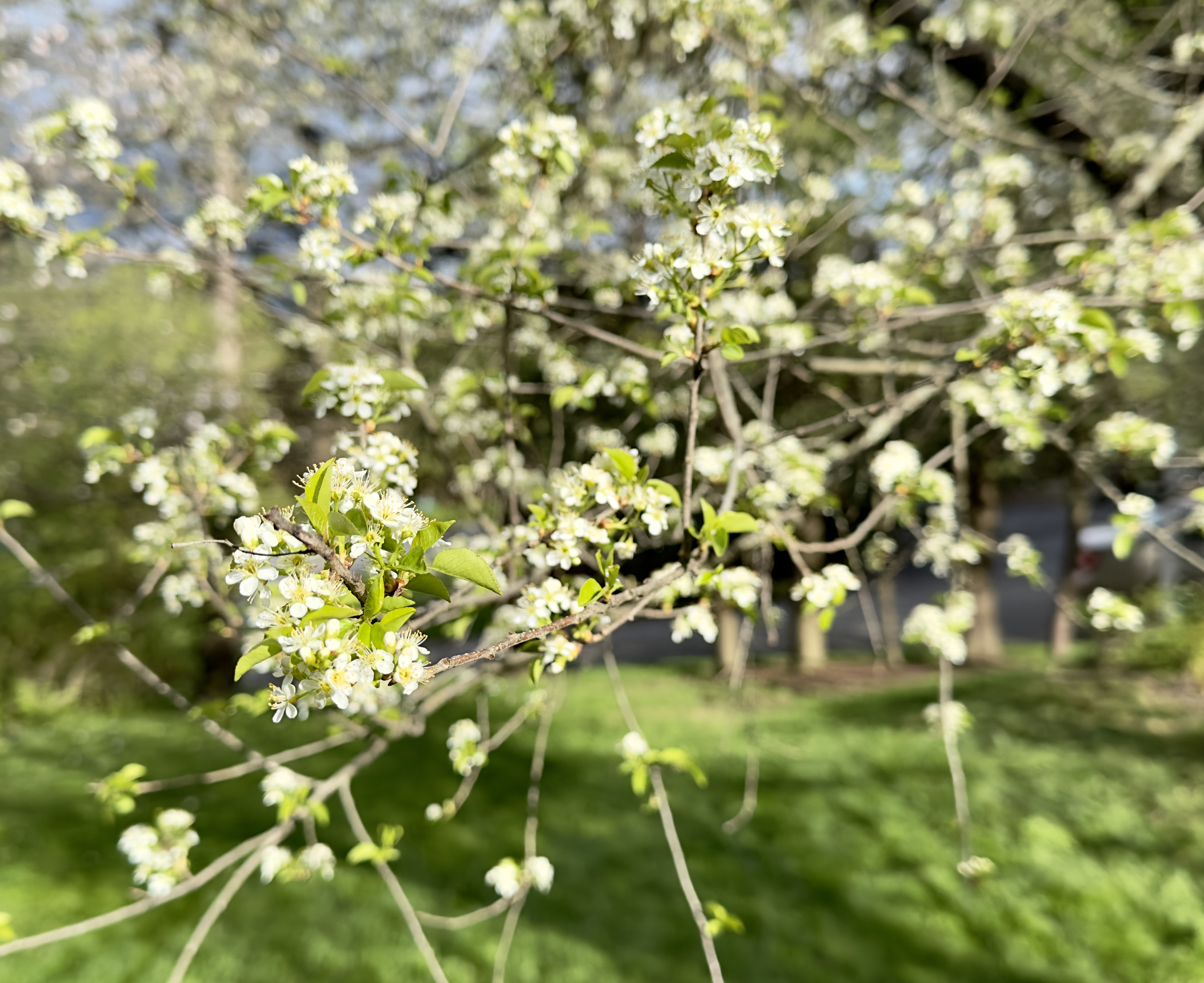
desert survival
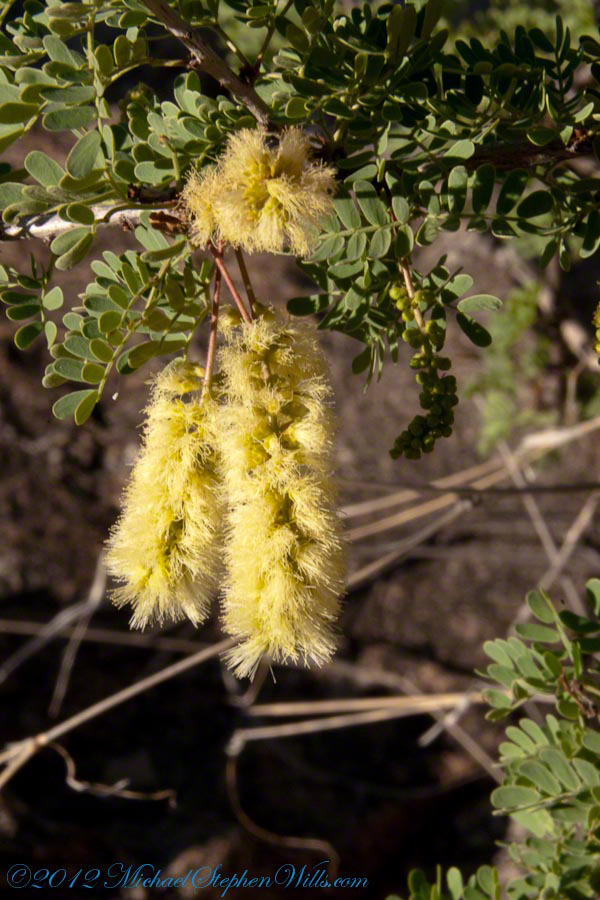
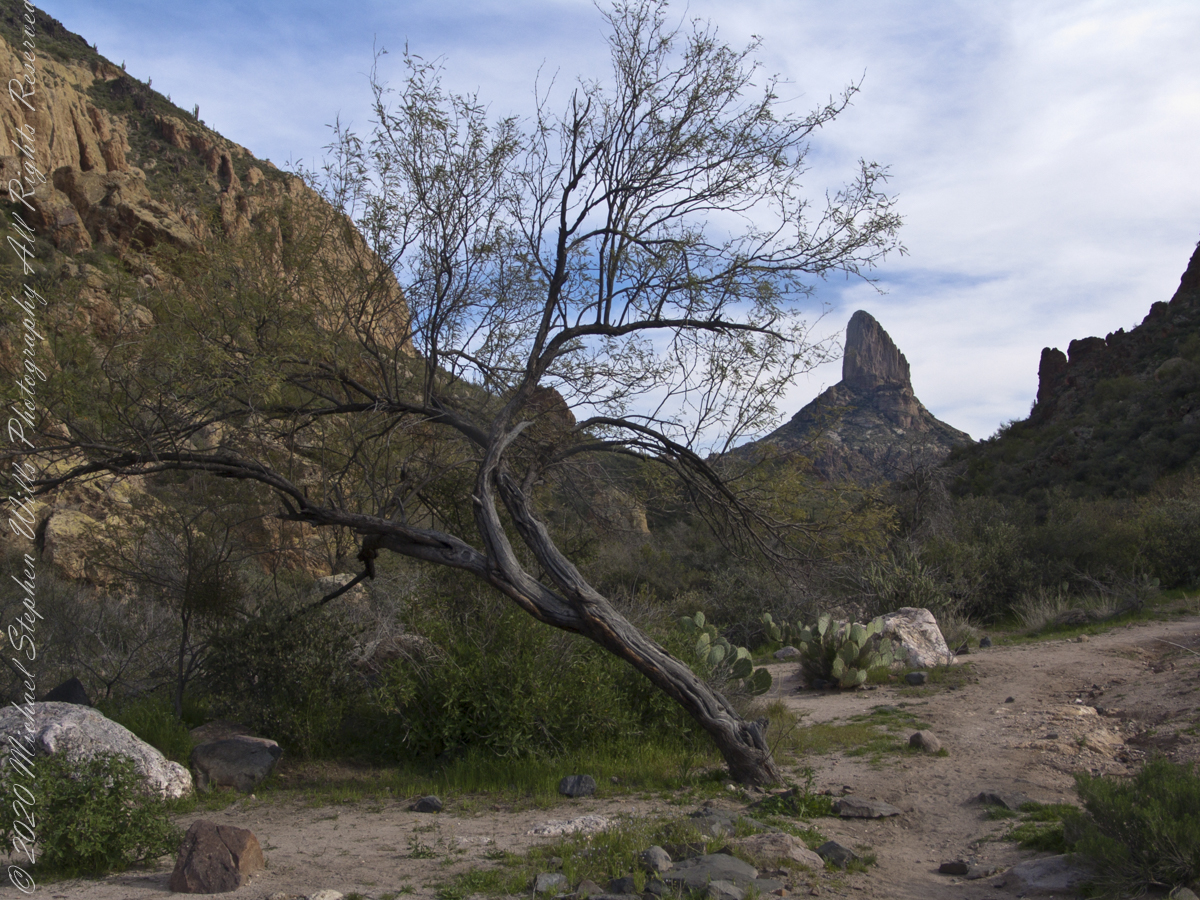
Mesquite is the Sonoran Desert smell carried by distant rain, omnipresent and humble, a survivor with tap root extending 190 feet down to draw on the water table.
Prosopis is the scientific name for about 40 species of leguminous trees. Present in North America since the Pliocene era, mesquite wood has been dated to 1300 BC.
I found this flowering mesquite bush in Finger Rock Canyon of the Catalina Mountains outside Tucson, Arizona.
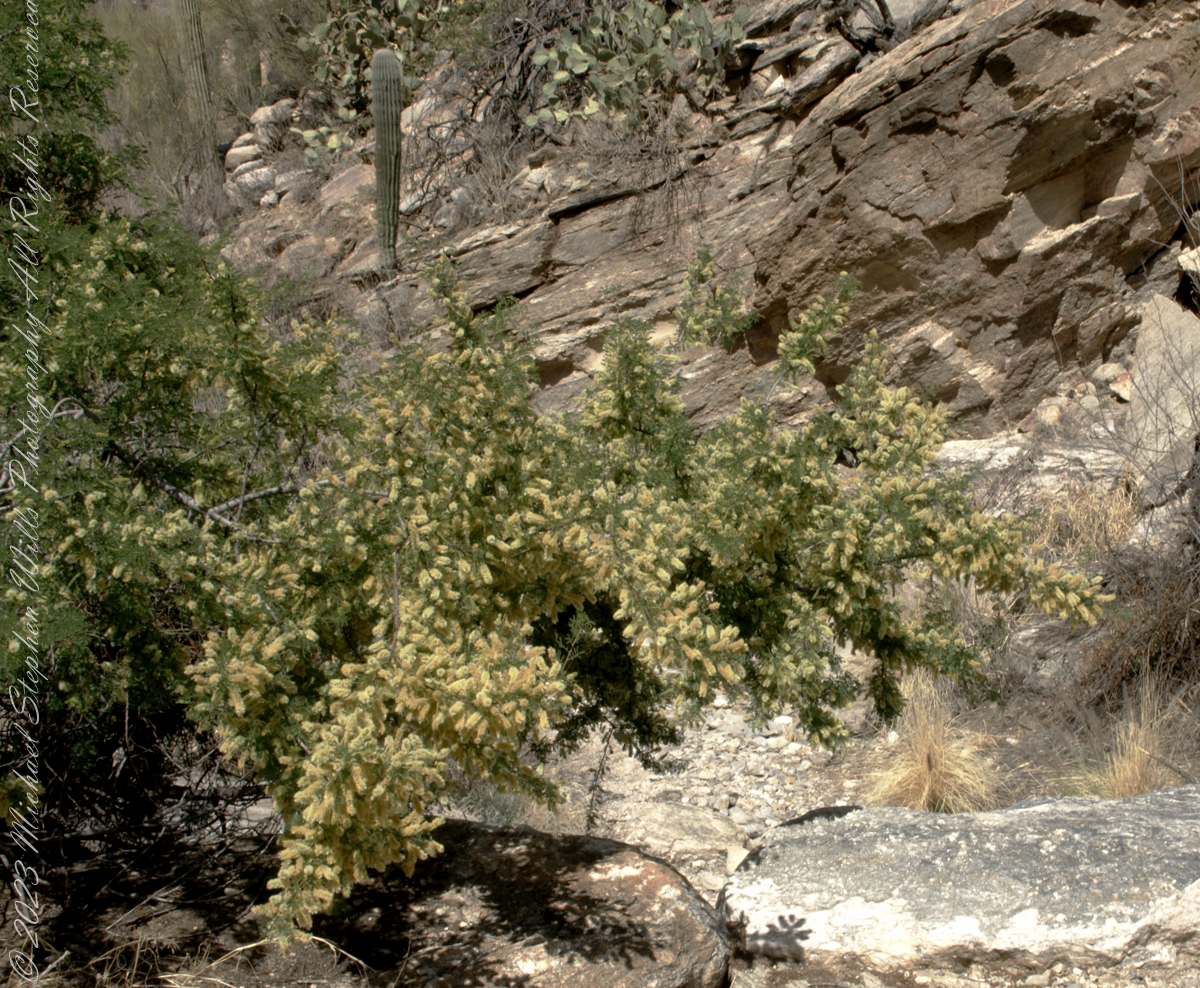
They are thought to have evolved with megafauna in the New World. The loss of North American megafauna at the end of the Pleistocene era gave way to one theory of how the Prosopis spp. were able to survive.
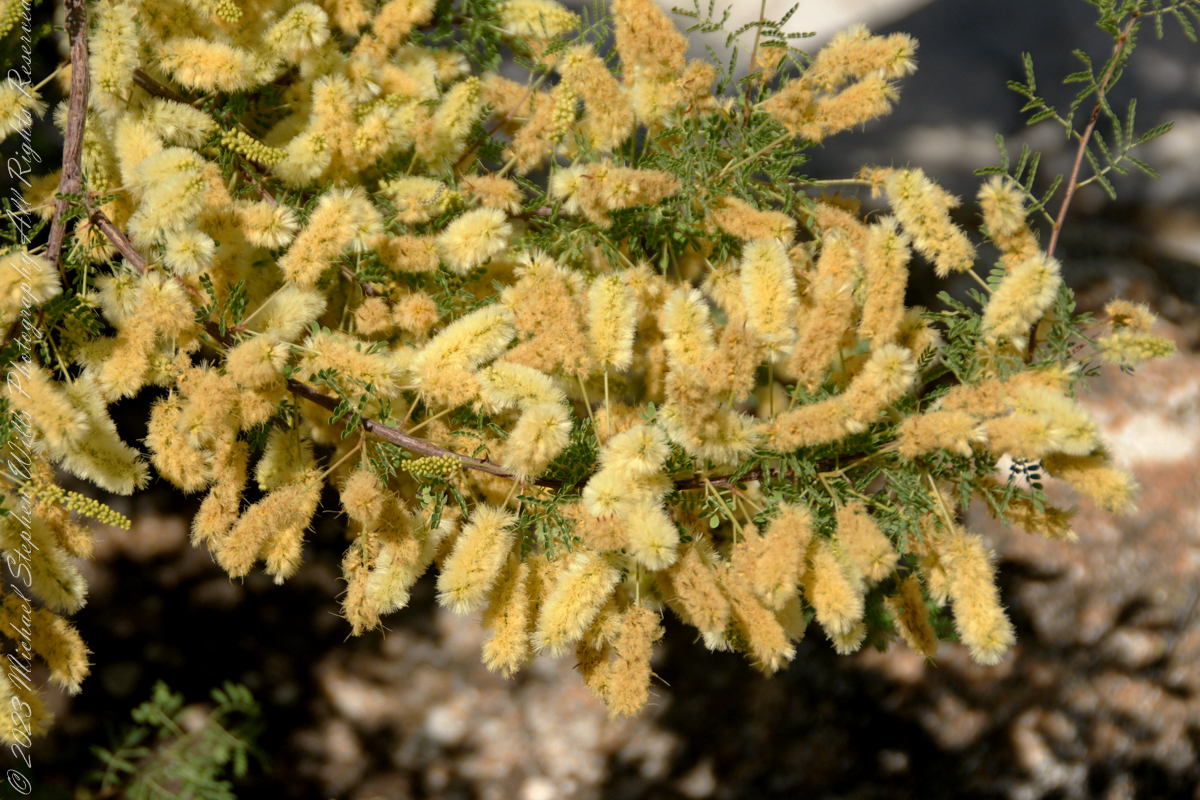
One theory is that the loss of the megafauna allowed Prosopis spp. to use their fruit pods to attract other organisms to spread their seeds; then, with the introduction of livestock, they were able to spread into grasslands.
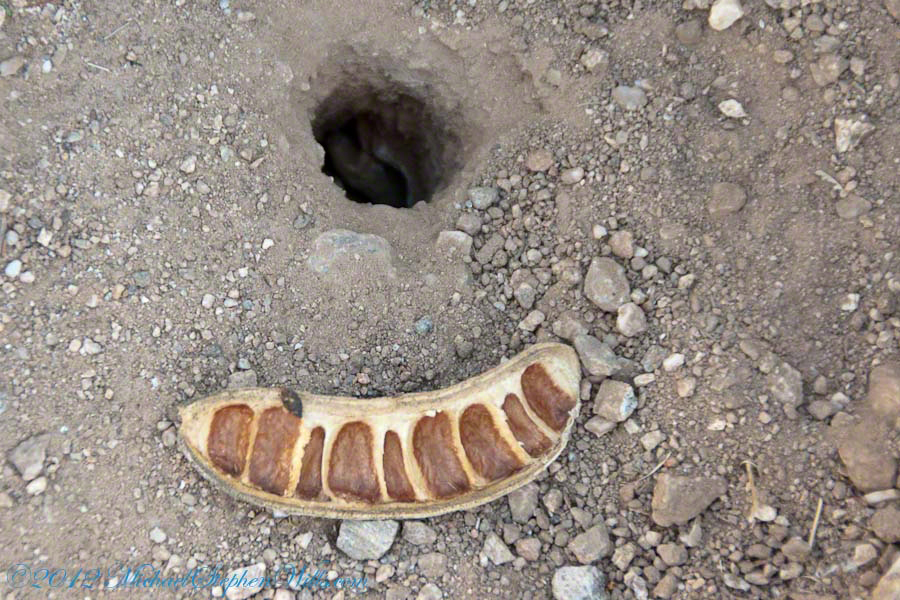
The plentiful legumes that develop from these flowers are edible when cooked. The shape and color of the seeds can be understood from this empty seed pod that happens to lie near a tarantula burrow.
Click me to read more about the uses of mesquite.
Copyright 2023 Michael Stephen Wills All Rights Reserved
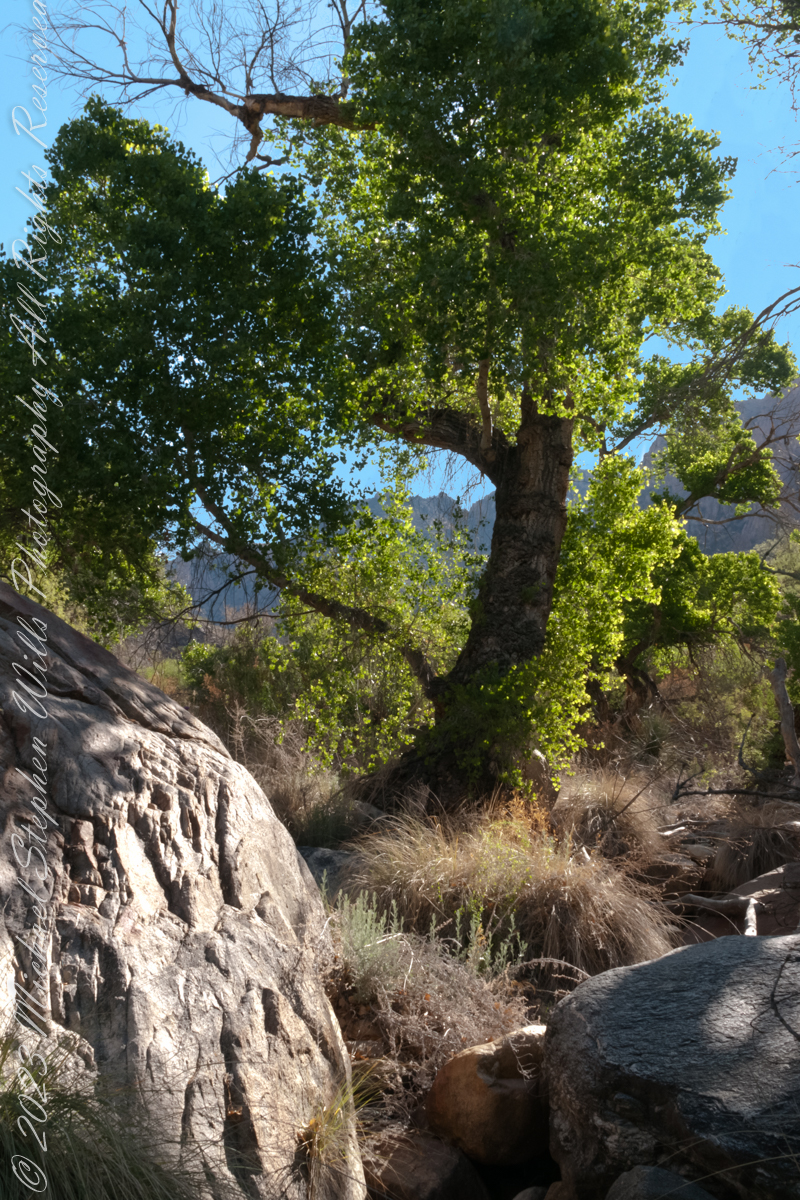
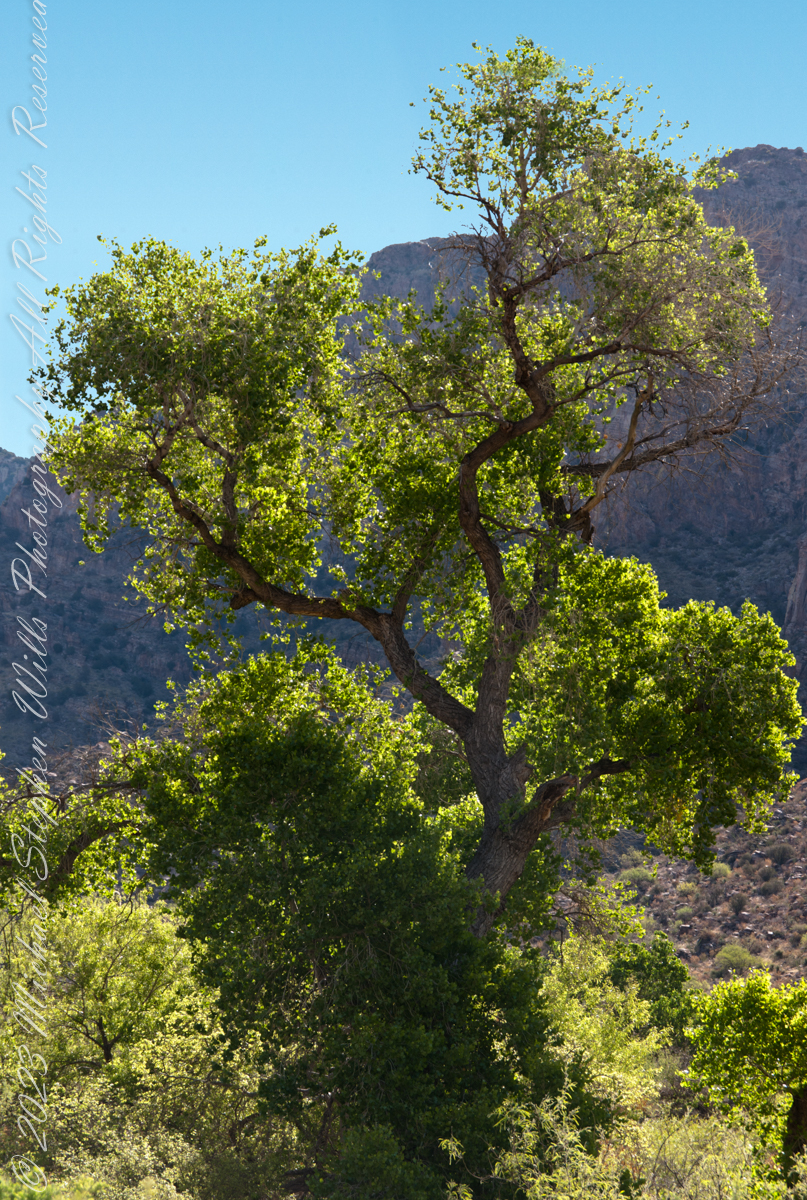
The cottonwood’s deep roots draw water from a mountain stream.
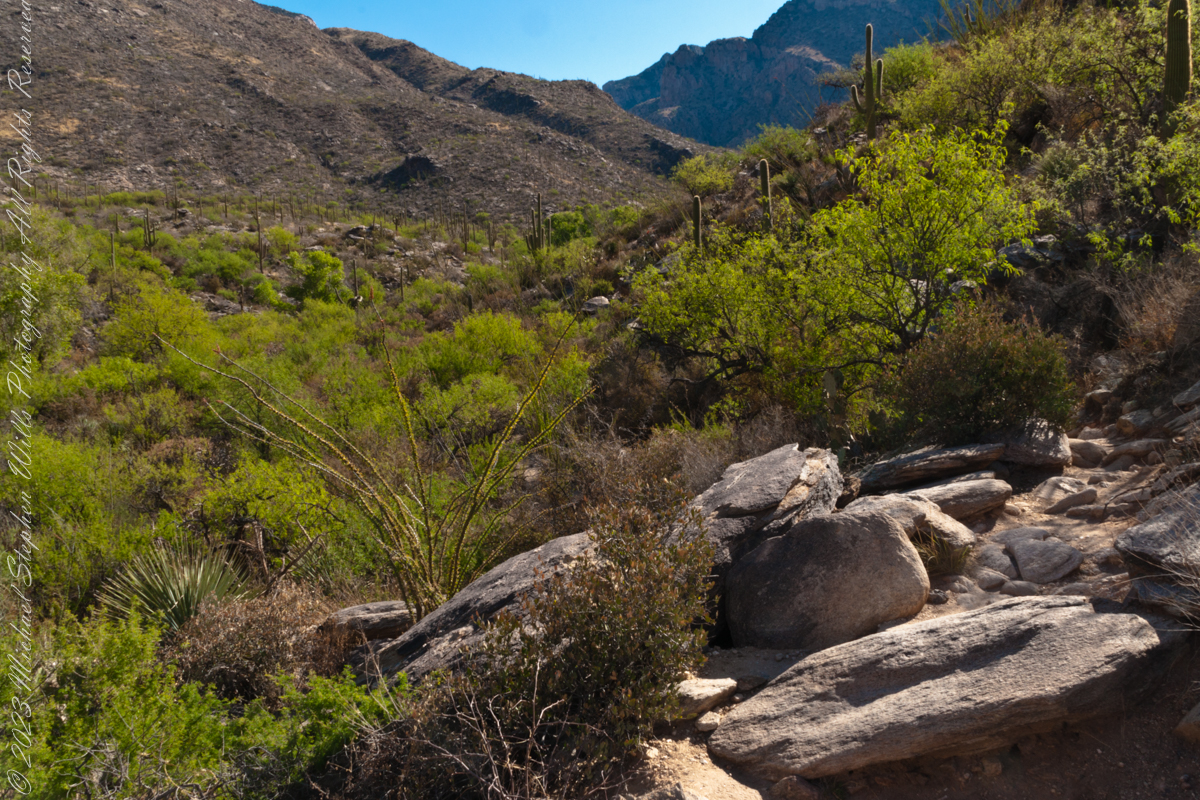
Looking back down Pima Canyon on a spring morning plenty of green under the unrelenting sun.
A large Fremont’s Cottonwood Offers shade and protection along the Pima Canyon Trail.
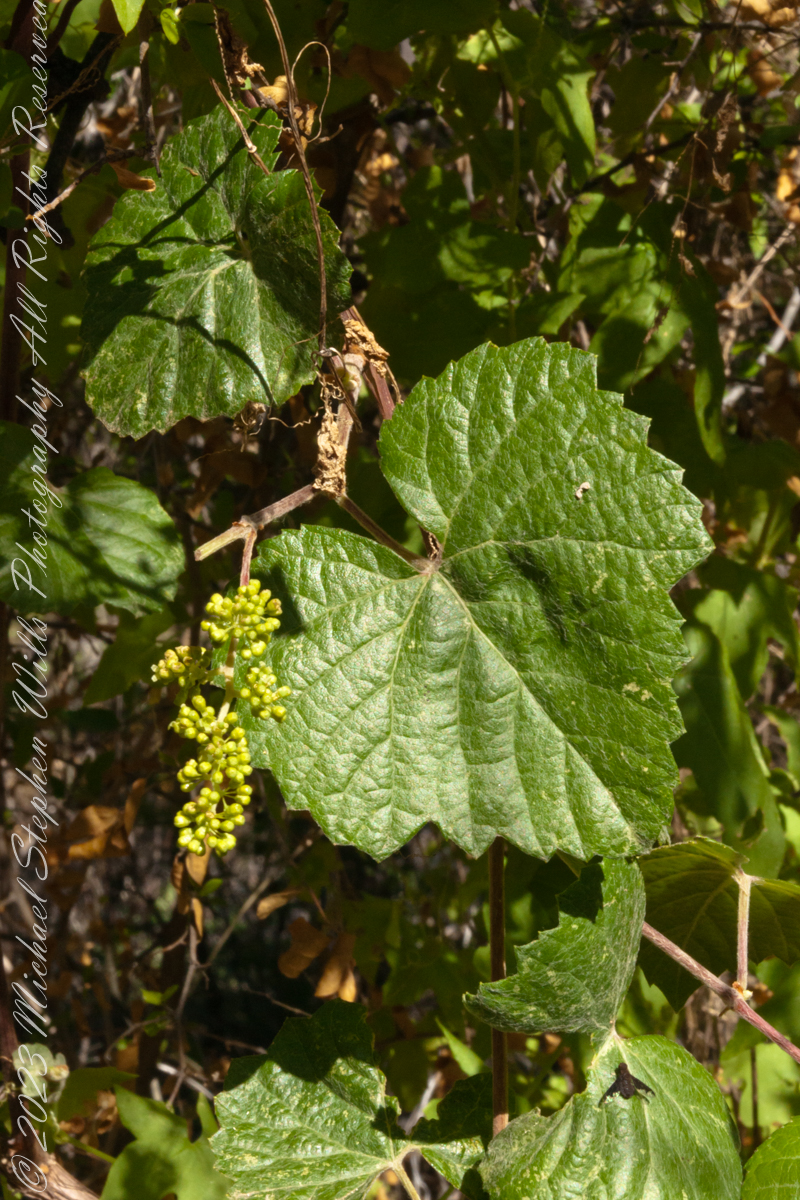
In the shade, a grapevine, offers a vain promise of grapes.
The cottonwood’s deep roots draw water from a mountain stream.
Native Americans in the Western United States and Mexico used parts of Frémont’s cottonwood variously for a medicine, in basket weaving, for tool making, and for musical instruments. The inner bark of Frémont’s cottonwood contains vitamin C and was chewed as an antiscorbutic – treatment for vitamin C deficiency. The bark and leaves could be used to make poultices to reduce inflammation or to treat wounds.
The Pima people of southern Arizona and northern Mexico lived along Sonoran Desert watercourses and used twigs from the tree in the fine and intricate baskets they wove. The Cahuilla people of southern California used the tree’s wood for tool making, the Pueblo peoples for drums, and the Lower Colorado River Quechan people in ritual cremations. The Hopi of Northeastern Arizona carve the root of the cottonwood to create kachina dolls.
Water and Shadows
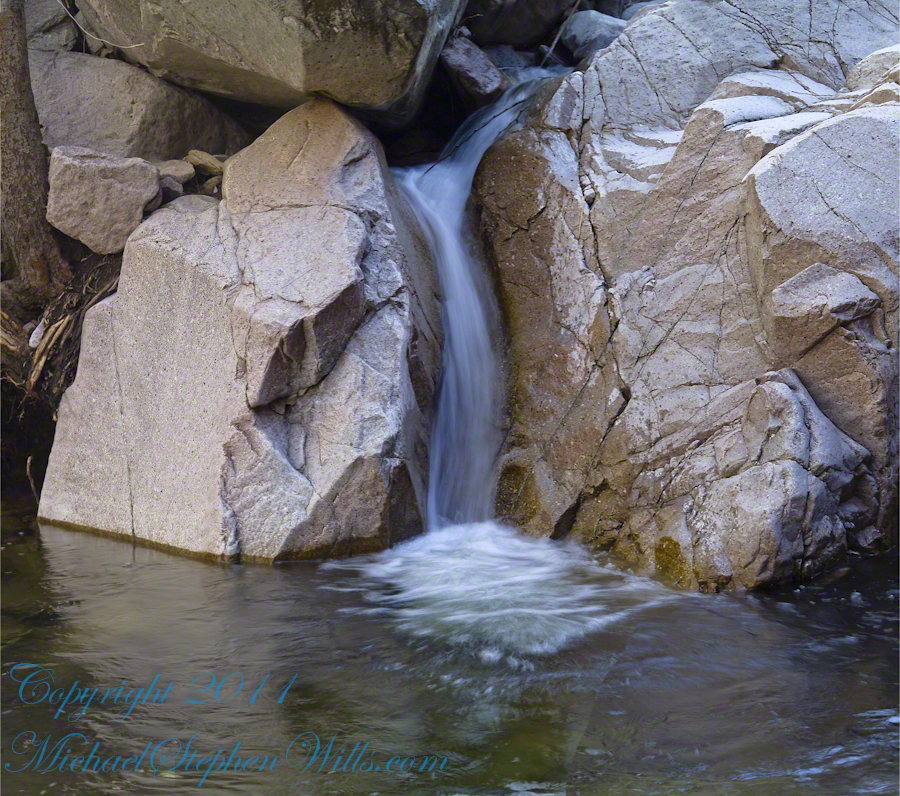
With the afternoon in front of me, the trip back to camp was a slow pleasure. On the way in, I noted several stopping points to capture photographs. Here a natural rock sluice offers a foot tall waterfall, mirroring Reavis Falls, bracketed by white igneous stone.
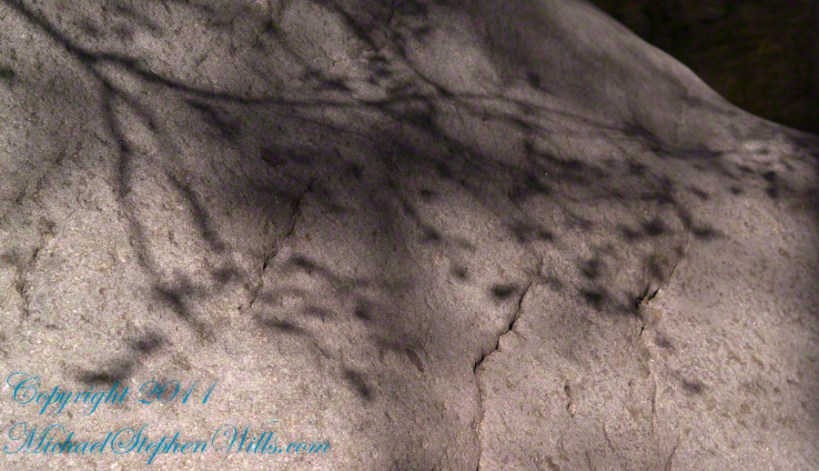
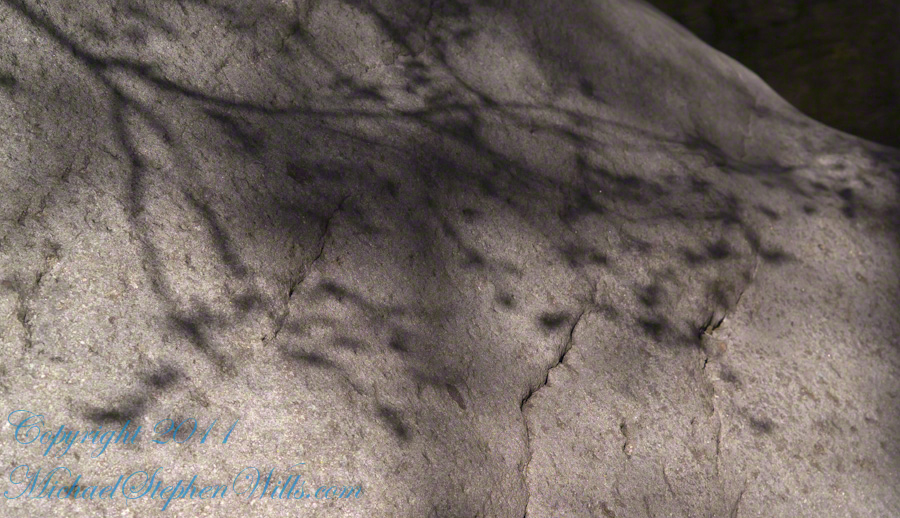
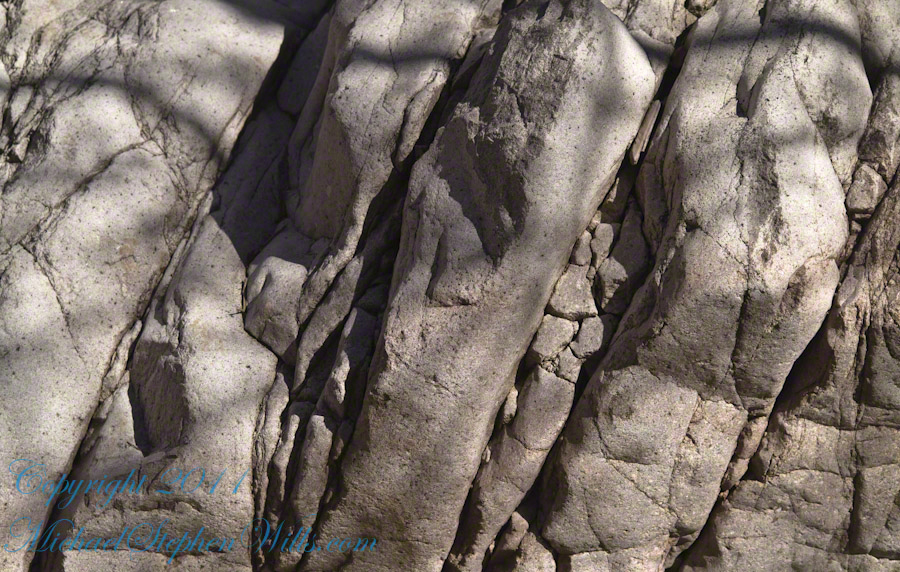
This same stone offers a screen, the bright spring sun throwing the sparse leaves into sharp relief.
 Michael Stephen Wills Photography