Ephemeral Waterfall

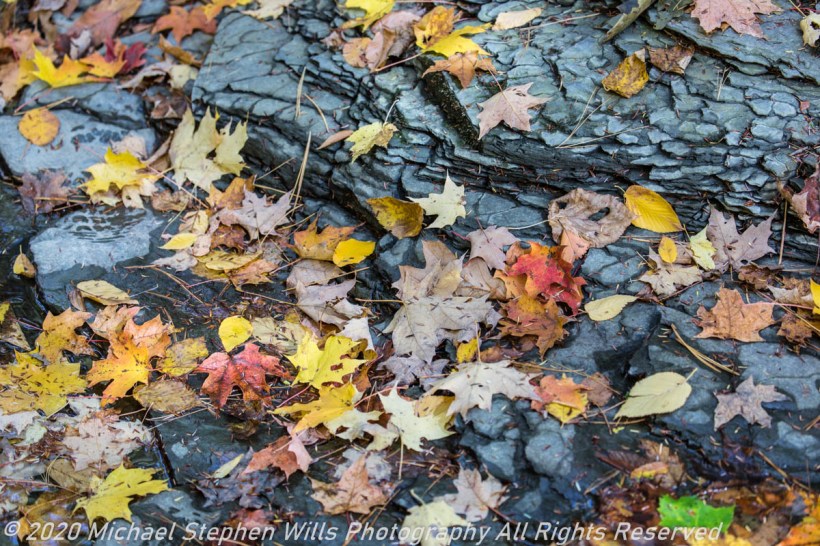
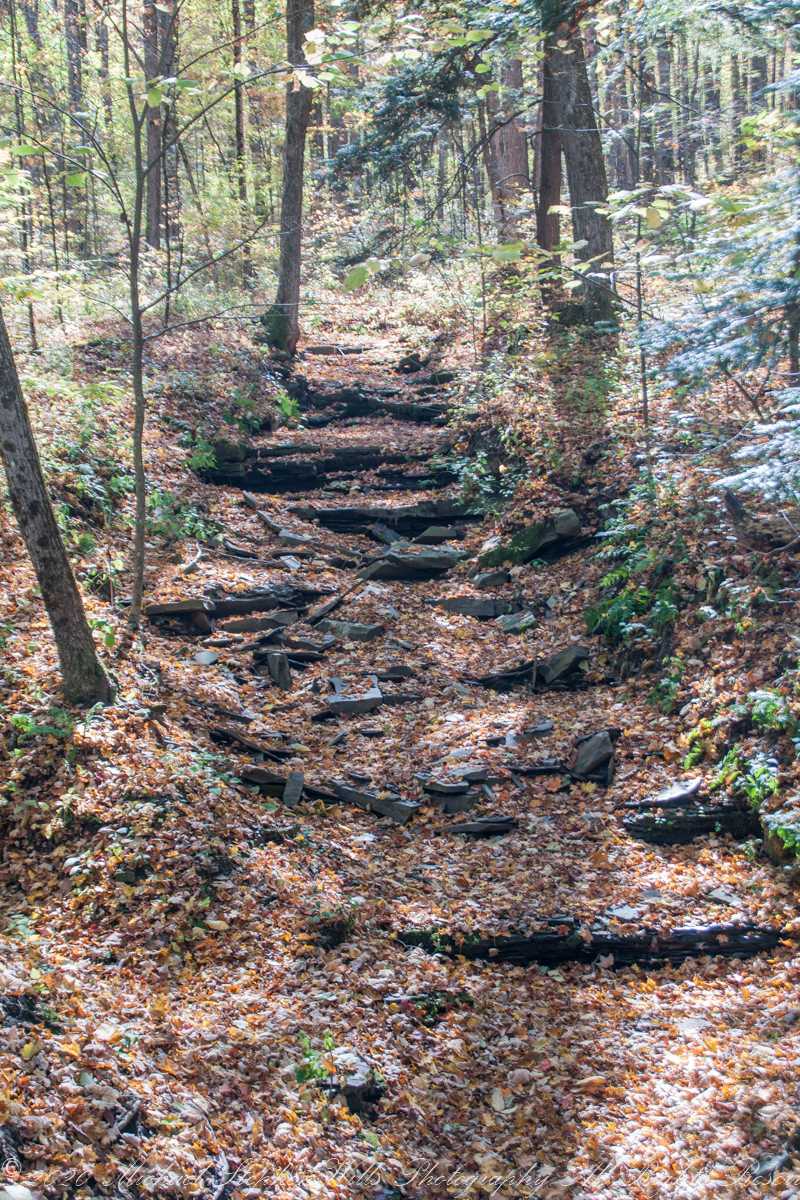
Fillmore Glen State Park in Moravia, New York, offers a changing landscape that serves as a living canvas, with the ironically named Dry Creek feeding its lush greenery. The ebb and flow of water from the creek creates a dynamic setting. Seasons dramatically alter the scenery, from tranquil springs to vibrantly colored autumns, beautifully captured through fine art photography.

Continue reading “Ephemeral Waterfall”

Reflected Sunset

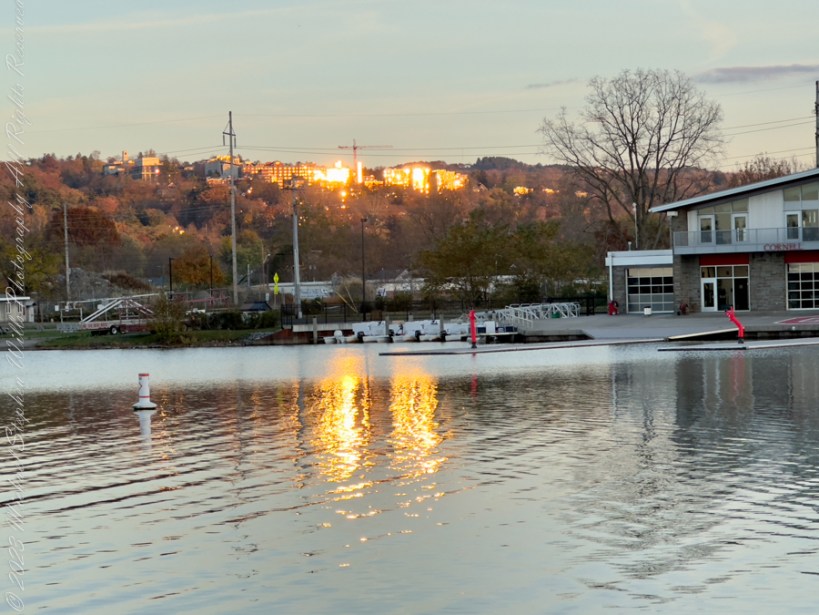
An evening at Cayuga Lake Inlet, home to the Cornell University Crew, is depicted as a serene haven for reflection. The Collyer Boathouse, vital to the local lore, sits across the inlet holding a rich history of crew camaraderie and competition.

Continue reading “Reflected Sunset”

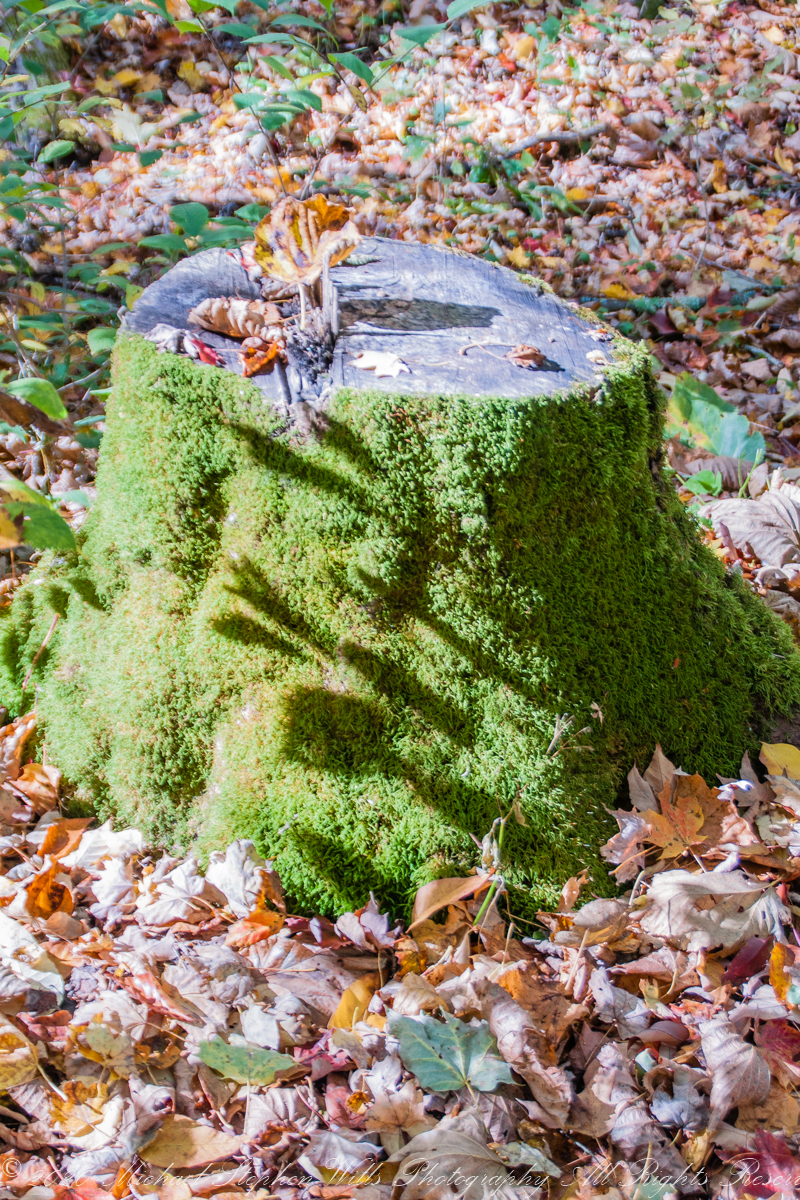
Hands of Frogs and the Innocence of Babies

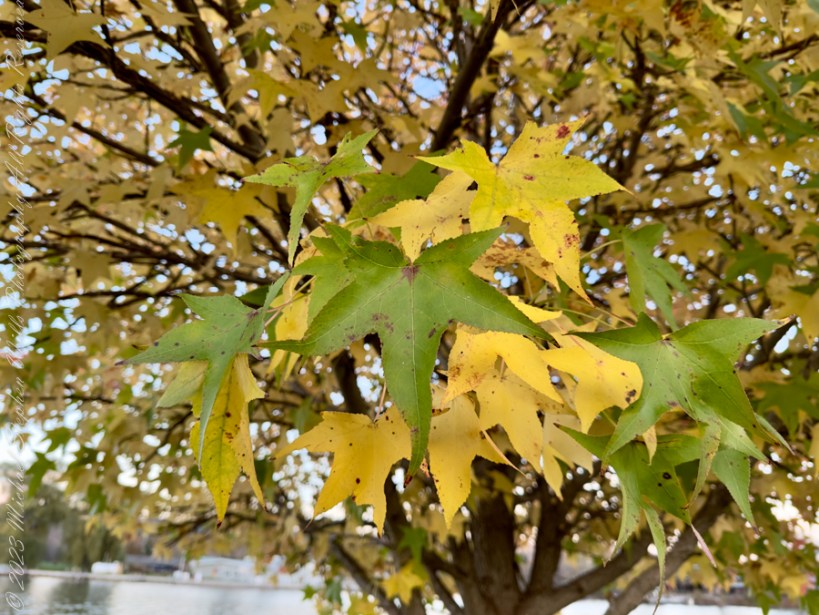
Autumn leaves whisper,
By the calm inlet they dance,
Maple’s red embrace,
History in every branch,
Nature’s heart in silent chant.

Continue reading “Hands of Frogs and the Innocence of Babies”

Thayer Preserve Suite

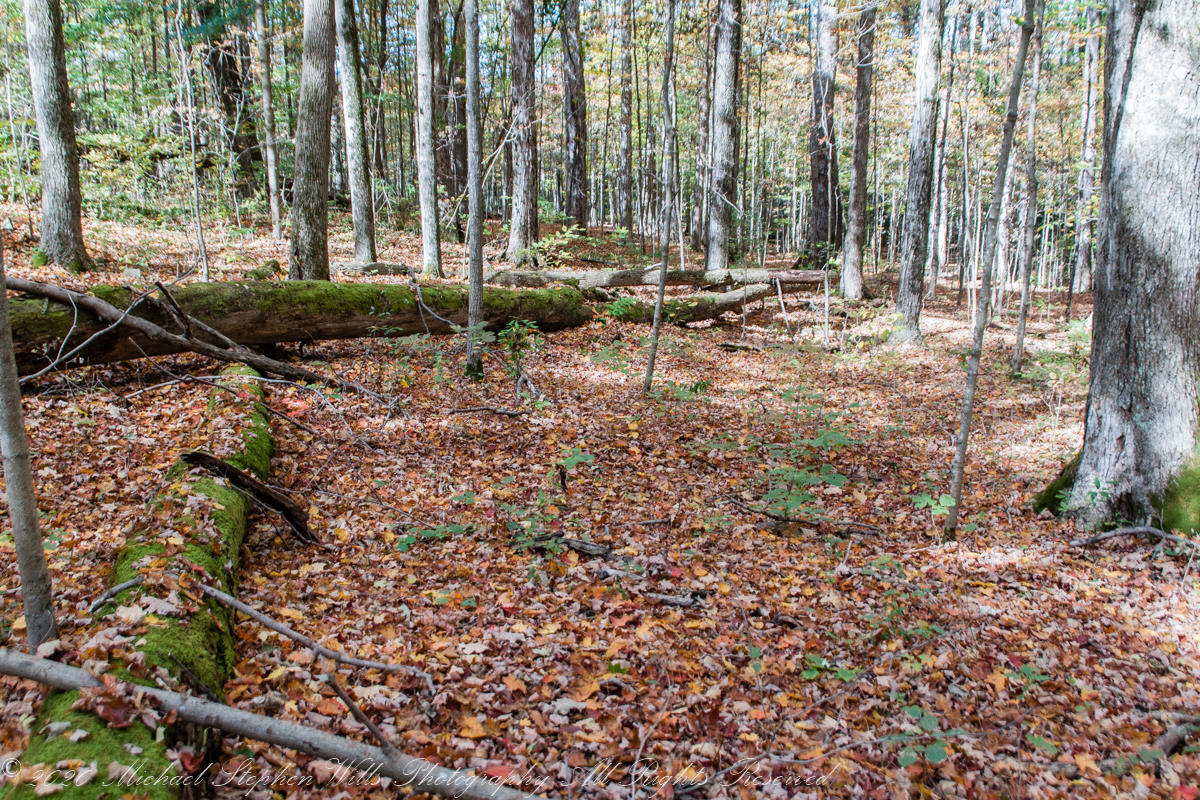
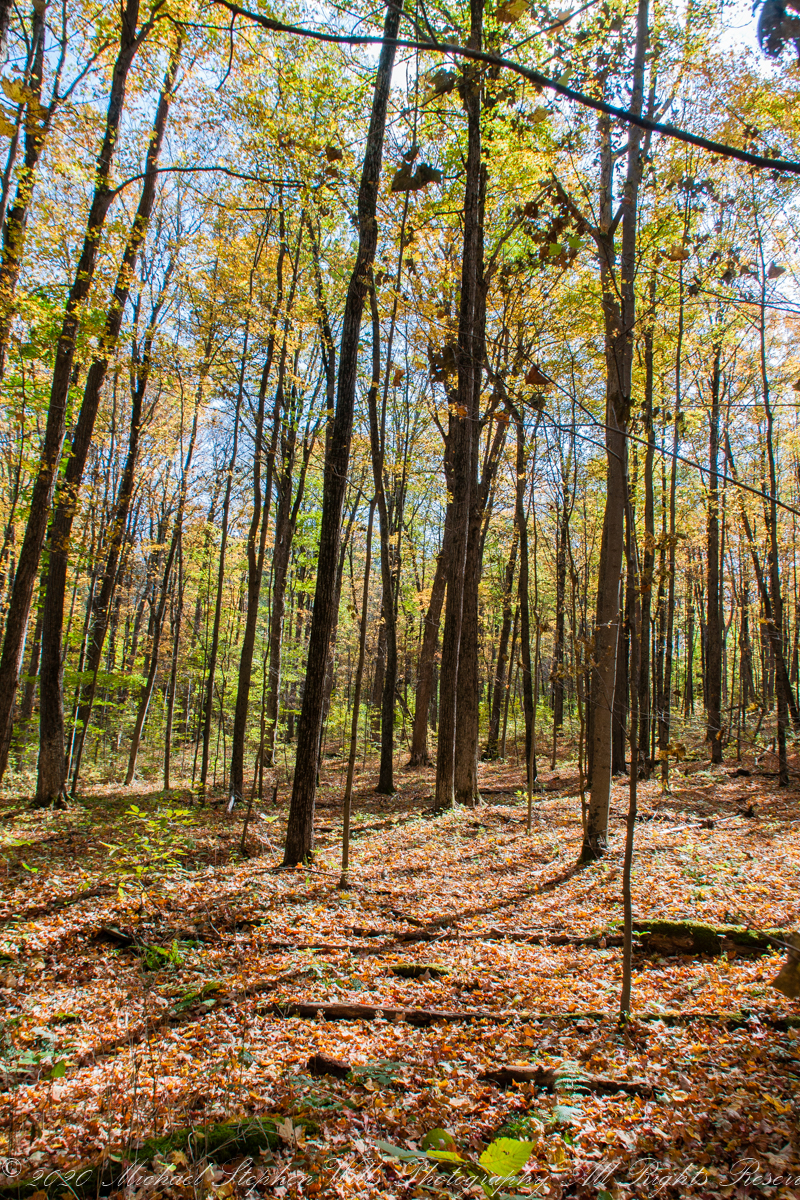
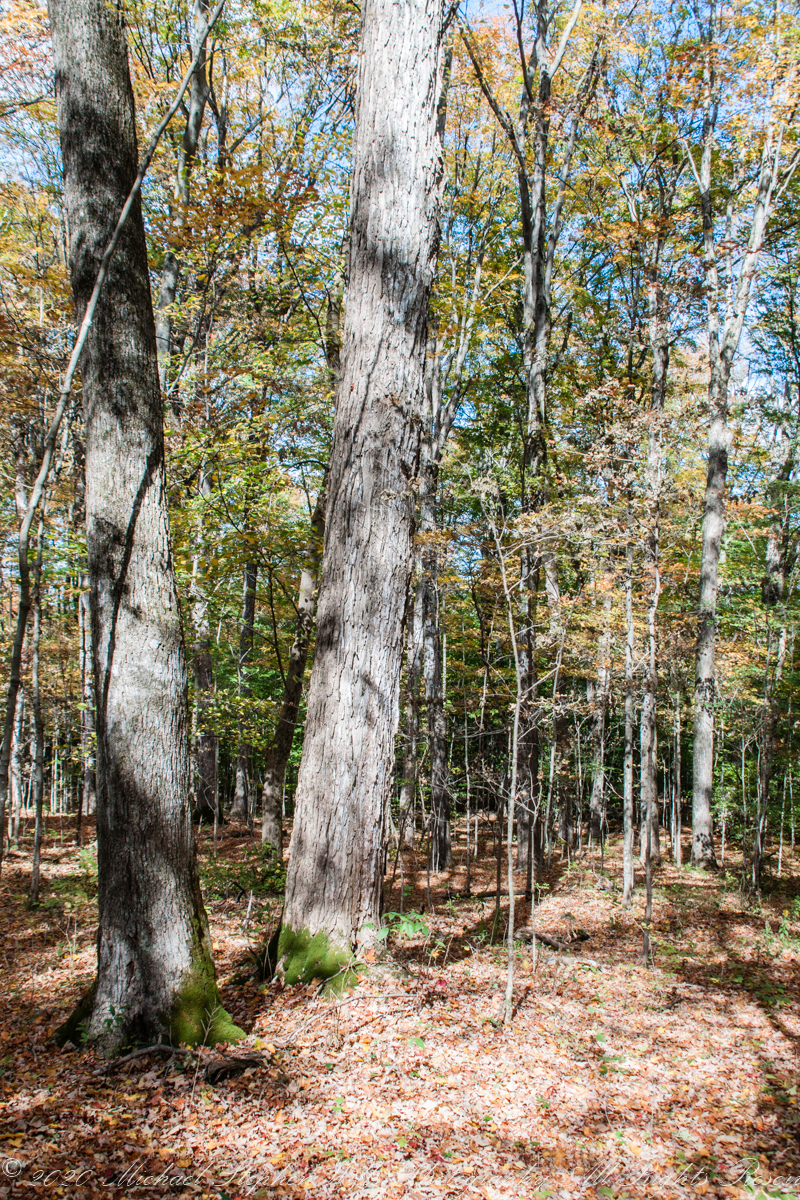
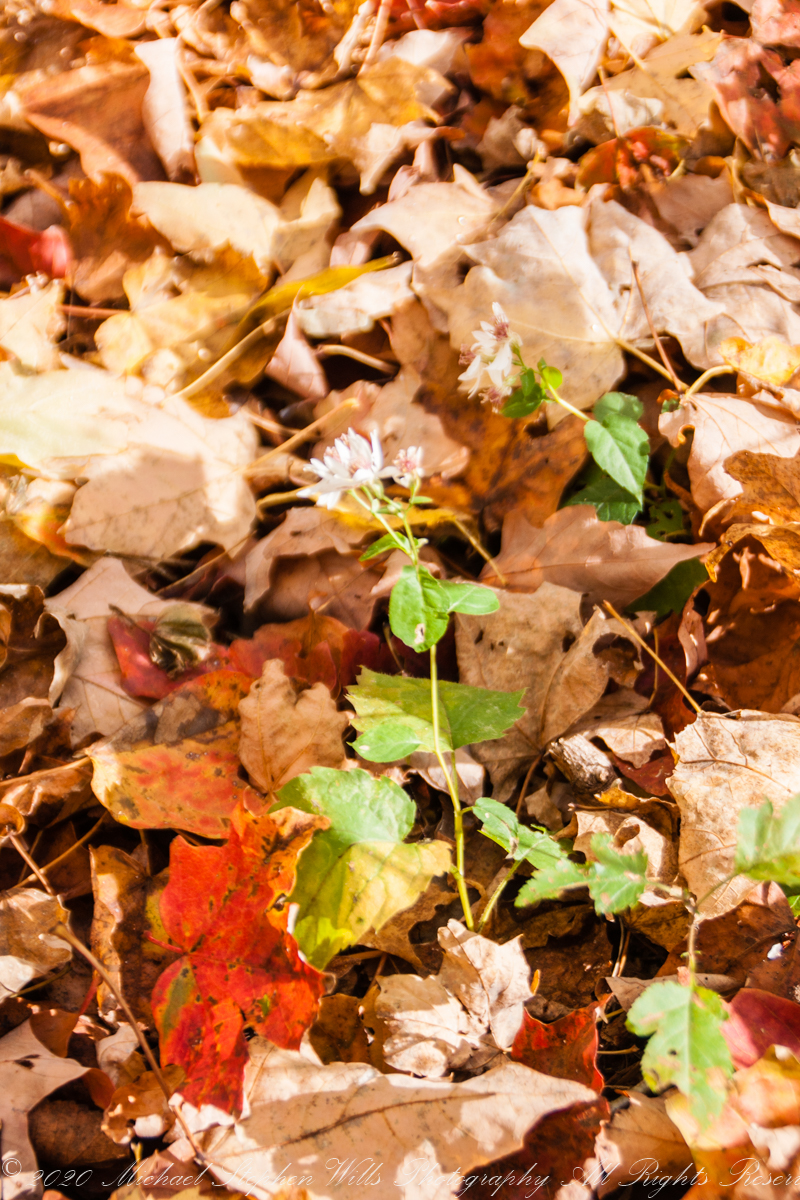
Michael Stephen Wills’ photos depict the vibrant nature of the Finger Lakes.

Continue reading “Thayer Preserve Suite”

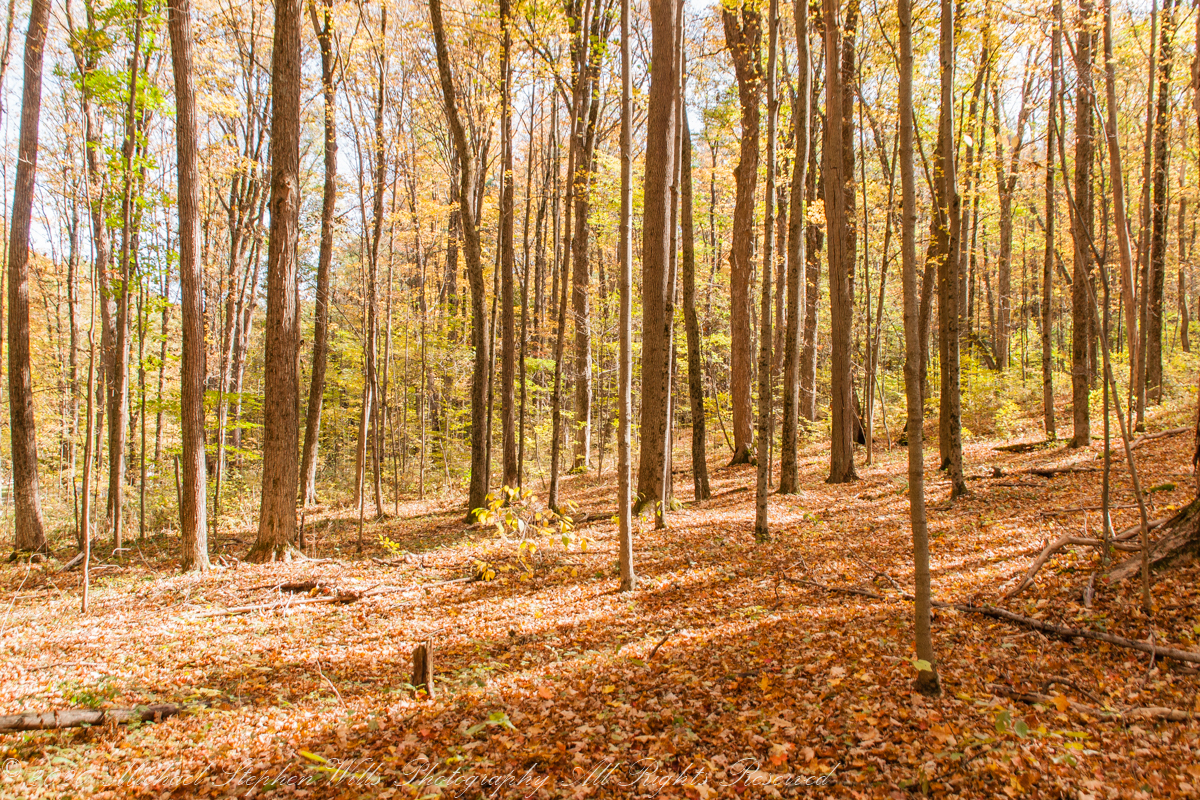
Autumn Hillside

Fillmore Glen Autumn

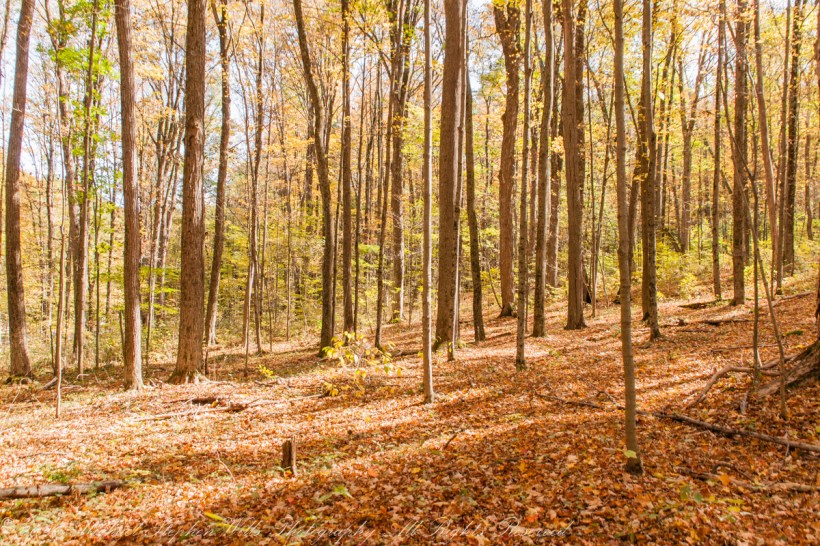
The first week of November 2023 I posted a series of photographs from Fillmore Glen from the Canon 5D Mark IV. Today, I present a series of photographs from the same day using the Sony Alpha 700 dslr using a variable 18-200 mm lens.

Hint: click image for larger view. Ctrl/+ to enlarge / Ctrl/- to reduce

Click Me to view my photographs on Getty.

Copyright 2023 Michael Stephen Wills All Rights Reserved http://www.MichaelStephenWills.com

Thayer Preserve: Autumn Still Life 6

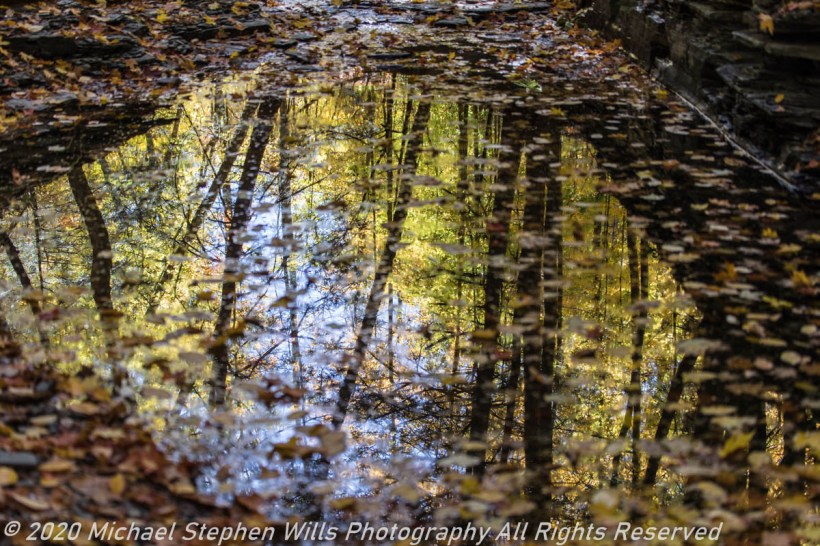
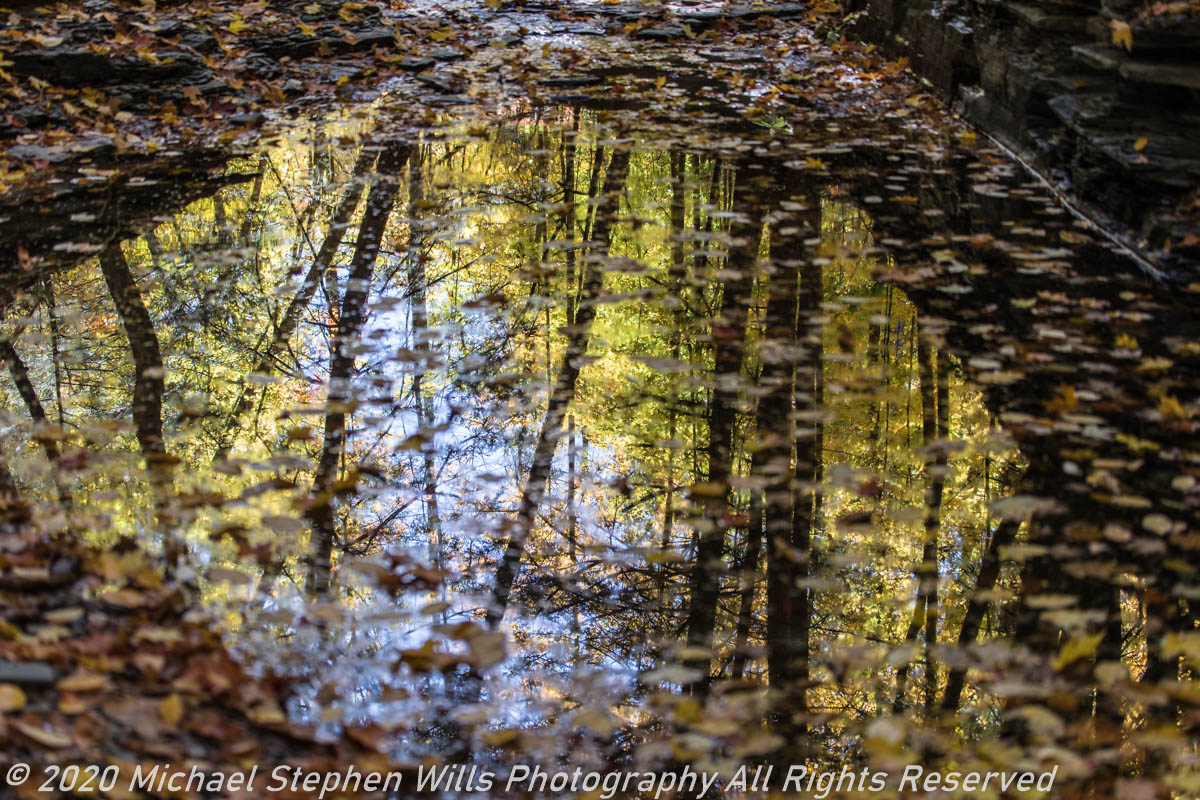
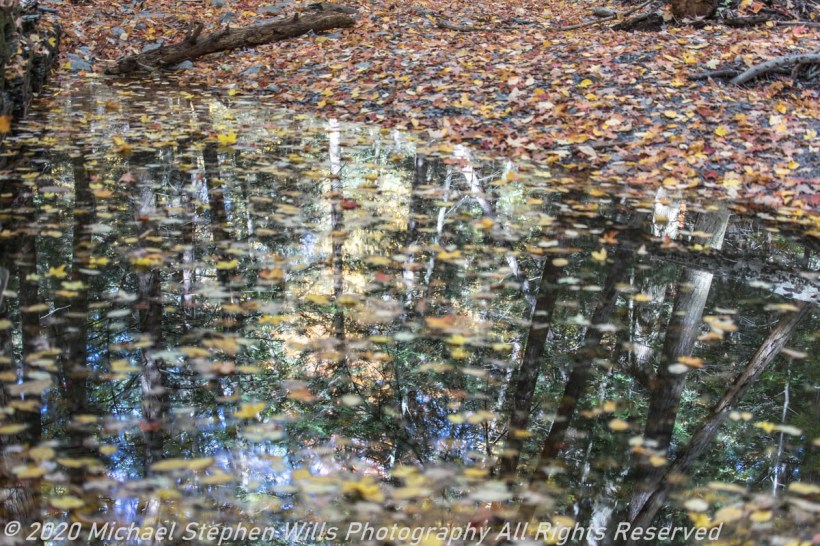
In the Thayer Preserve during a dry autumn, Lick Creek forms still pools that act like nature’s mirrors, capturing the autumnal scenery in a breathtaking display of reflection. Scattered maple leaves add depth, disrupting yet enhancing the scene’s tranquility. These pools offer a unique perspective of nature’s beauty, sketching a vivid picture of changing seasons. As the dry season progresses, the mirror-like pools shrink, encapsulating the fleeting beauty of autumn.

In Thayer Preserve, where Lick Creek meanders, a unique spectacle unfolds during a dry autumn. Here, still pools form along the creek, transforming into natural mirrors. These pools capture a moment in time, reflecting an autumnal world above.

The scene is breathtaking. A bright sky, painted in shades of blue, stretches endlessly above. Trees, adorned in brilliant yellow, stand tall, their leaves like nature’s own gold. In these pools, their reflections are so clear, so vivid, it’s as if another world lies just beneath the surface. This is nature’s artistry at its finest, a canvas where the sky meets the earth in a tranquil embrace.

But there’s a twist in this serene tableau. Maple leaves, scattered across the water’s surface, disrupt the mirror-like stillness. They are like brushstrokes on a masterpiece, adding texture and depth. These leaves, once part of the lofty canopy, now rest on the water, each one a reminder of the fleeting nature of beauty. They break the illusion, yet somehow enhance it, adding a touch of reality to this dreamlike scene.

This is a place of contrasts. The still pools contrasts with the dynamic life of the forest. The unbroken reflections contrast with the scattered leaves. It’s as if nature is playing a game of hide and seek with reality, teasing the observer with glimpses of both the real and the reflected world.

In Thayer Preserve, the story of autumn is told not just in the changing leaves but in the waters of Lick Creek. These pools are like nature’s mirrors, reflecting the season’s palette. They offer a different perspective, a view from below, where the sky and trees trade places with their watery twins.

Click photograph for larger view. Use combination keys to enlarge/reduce: Ctrl+ (Control / Plus) and Ctrl- (Control / Minus)

As one walks along Lick Creek, the beauty of Thayer Preserve unfolds in these reflective pools. Each step brings a new image, a new blend of sky, tree, and water. It’s like walking through a gallery where nature is the artist, and each pool is a frame capturing a moment of autumnal splendor.

These pools are more than just a feature of the landscape. They are storytellers. They tell of a season of change, of a time when the world dresses in its most vibrant colors before the quiet of winter. They speak of the cycle of life, of leaves that fall to rise again in the reflections.

As autumn progresses and the dry season deepens, these pools will shrink, their reflections fading away. But for now, they are here, holding within them a world of brilliant yellows and blues, a world where the sky lies beneath your feet, and the trees grow upside-down.

This is the magic of Thayer Preserve in autumn. It’s a place where nature plays with perceptions, where reflections create a world as real as it is illusory. Here, on the banks of Lick Creek, the still pools are not just bodies of water. They are windows into another world, a world where nature’s beauty is doubled, and the ordinary becomes extraordinary.

Click Me to view my photographs on Getty.

Copyright 2023 Michael Stephen Wills All Rights Reserved http://www.MichaelStephenWills.com

A Visit with Tom and Hen Turkey

Happy Thanksgiving

The Catskill Mountains are not mountains. The Catskills started as a high plateau. Over eons, before the first humans, water, the sun, and wind carved high steep peaks: rounded, forested and teeming with life.


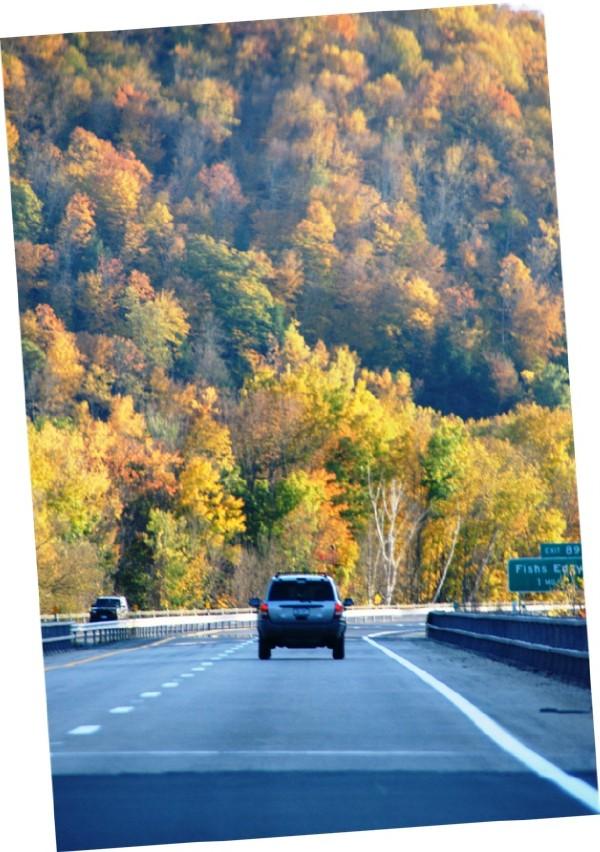
October 2008, on a return trip from family on Long Island, we traveled the winding road called “Route 17”, through the high autumn hillsides.

Route 17_FishsEddy_throughTheWindshield– CLICK ME!!!!

Click me for more Autumn Magic from my Online Gallery

Fishs Eddy

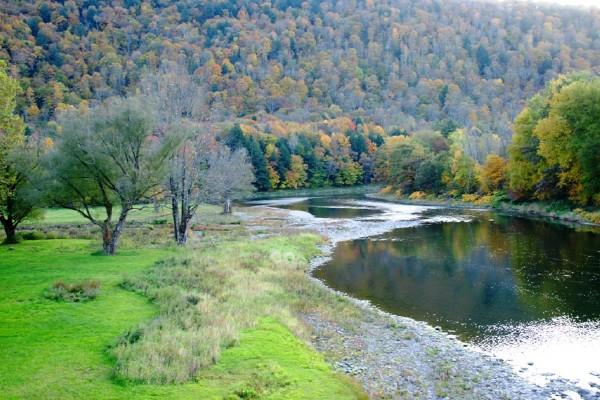
As the sun passed over the western hills we stopped to explore a place called “Fishs Eddy”, a town on the banks of the Delaware River.

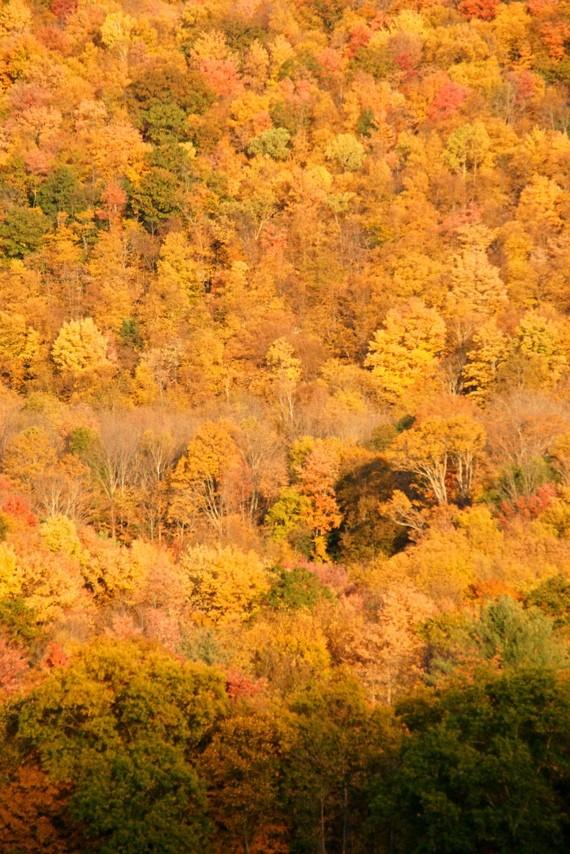
On the east side, facing sunset is a formation that would be a cliff if it was not for the hardwood trees growing from every available nook, crevice. Everywhere a root could be sunk, roots fed trees that, one late October afternoon, made a hill bright with autumn.

Turkey Habitat

Turkeys live in this type of habitat. We took a trail, barely a road that climbed past failed farms and hunting shacks.

Click me for more Autumn Magic from my Online Gallery

The Hens Flee

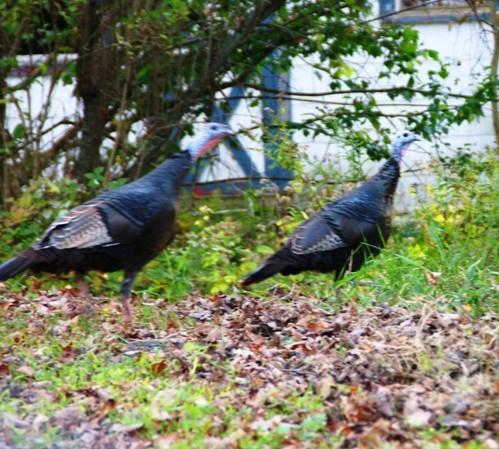
On a level place, in front of a ruined home, we came upon a Tom (male) turkey and his four hens. The hens fled at the sight of us.
With barely time to raise the camera I caught Tom and the last hen as she fled into the bushes.

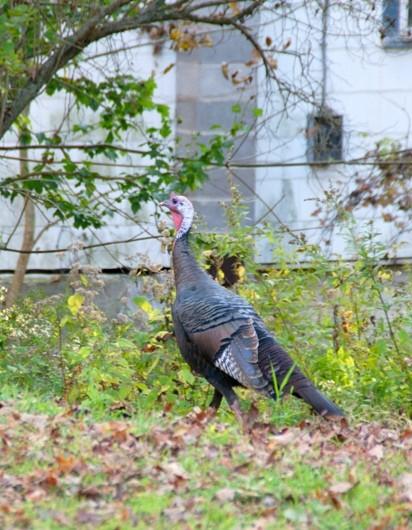
Tom Turkey Defiant

I say she, because Tom stayed behind. He stood erect, all three feet of him, defiant and strutting in a direction opposite from the hens.


This is the bird Benjamin Franklin proposed as the national emblem of the new United State of America (the bald eagle won that competition).


Hunted into almost oblivion, across the United States the wild turkey is making a dramatic comeback in many places, including the forests and farmland of rural New York State

This fellow made no noise. His strutting posture and head bobbing said it all.


We left Tom Turkey in peace to his domain and hens.

Click Me to view my photographs on Getty.

Copyright 2023 Michael Stephen Wills All Rights Reserved http://www.MichaelStephenWills.com

Mirror

…on the wall

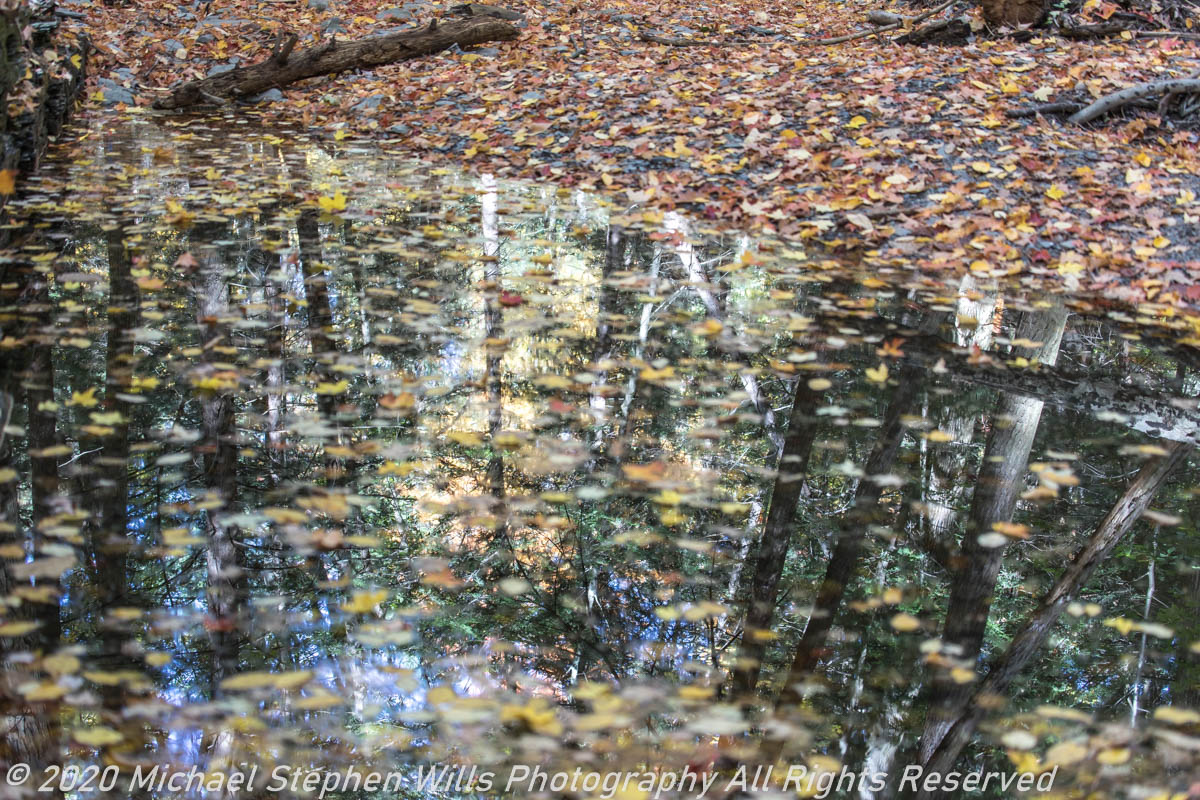
On Lick Brook, Thayer Preserve, still pools become mirrors at low flow during a dry autumn.

Click photograph for larger view. Use combination keys to enlarge/reduce: Ctrl+ (Control / Plus) and Ctrl- (Control / Minus)

Click Me to view my photographs on Getty.

Copyright 2023 Michael Stephen Wills All Rights Reserved http://www.MichaelStephenWills.com

White House Ruin

In 2003 and 2008, the author visited and photographed White House Ruin in Canyon de Chelly, observing changes in landscape.

In November 2003, my son Sean and I journeyed up Route 191 from Petrified Forest National Park, arriving in Chinle on a crisp autumn afternoon. My photography equipment at the time was modest: a Sony Point and Shoot 5 MP camera with filters, a purse-like over-the-shoulder bag, and a basic tripod from Kmart.

We reached the White House trailhead in Canyon de Chelly and began our hike. The trail was quiet, and as the sun set at 5:20 pm, we found ourselves virtually alone. A dense growth of Russian Olive trees dominated the wash at that time. In the dimming light, I captured a distant shot of the White House Ruin, whitewashed, set against the backdrop of autumn-hued Russian Olive foliage. Nearby, a grove of Cottonwoods, still green, stood near the canyon wall.

By the time Pam and I returned in July 2008, four years and nine months later, the landscape had changed. The invasive Russian Olives had been removed, and the White House Ruin was no longer painted white.

The same Route 191 that Sean and I had taken in 2003 led us through the Four Corners region of Northern Arizona. Pam and I had traveled from Colorado, arriving in the late afternoon. This time, the Navajo Reservation’s adherence to daylight savings time meant the sun wouldn’t set until 8:33 pm. My aim was to photograph the White House Ruin that I had missed years earlier.

That July day the sun set 8:33 pm as the Navajo Reservation observes daylight savings time. My goal was to photograph the White House Ruin I missed in 2003. We arrived at the trail head. My photography kit was expanded from 2003, now included a Kodak DSC Pro slr/C, the “C” meaning “Canon” lens mounting, a Sony 700 alpha slr (I only use a variable lens), Manfrotto tripod with hydrostatic ball head, and the backpack style Lowe camera case. With the tripod it is over 25 pounds.

With this on my back I was prepared to boogie down the trail. At the height of tourist season there were many more people at the trailhead. Pam, being a friendly person, started a conversation while I ploughed ahead along the flat canyon rim. It is solid red sandstone, beautiful, generally level with enough unevenness to require attention. When Pam saw how far ahead I was she tried to catch up, tripped, fell hard.

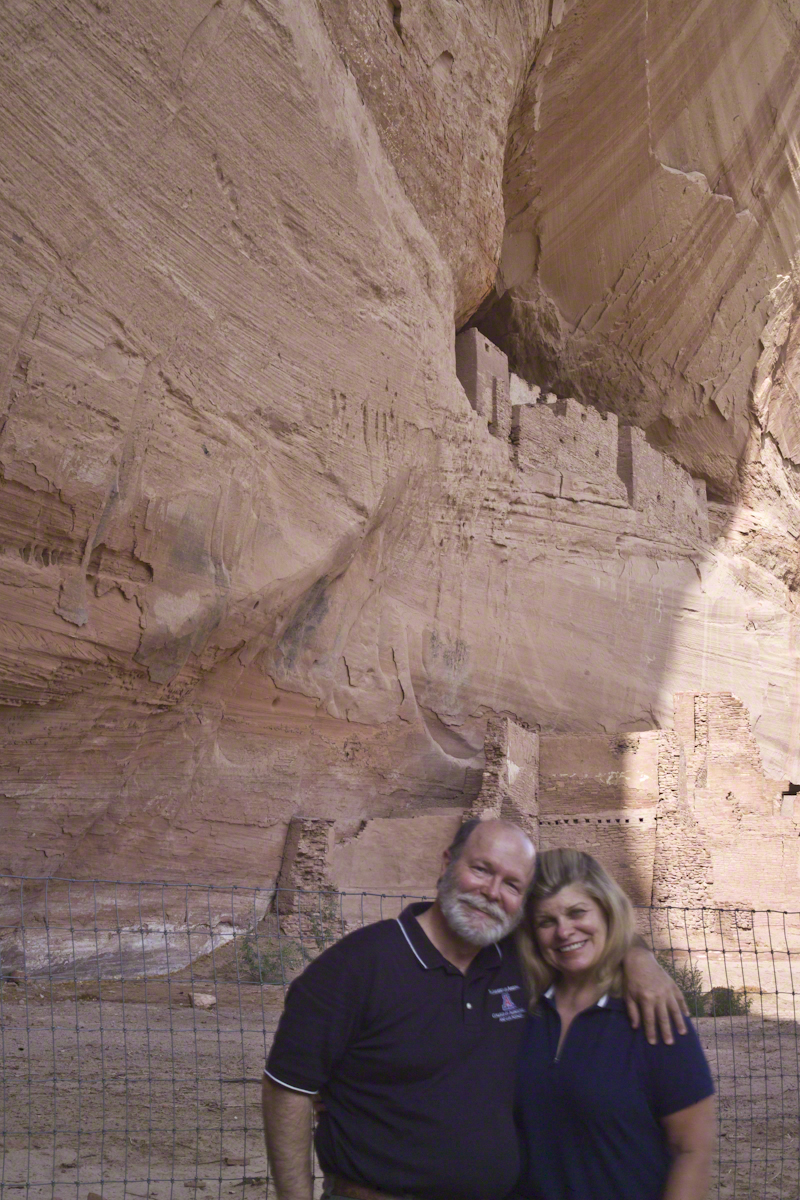
I backtracked to Pam and we decided what to do. She thought, maybe, the fall broke a rib. We decided to proceed and descended, slowly, together. Here we are in front of the ruin. The sun, low in the sky, is moving below the south canyon wall. This is a perfect time, and I used both cameras.

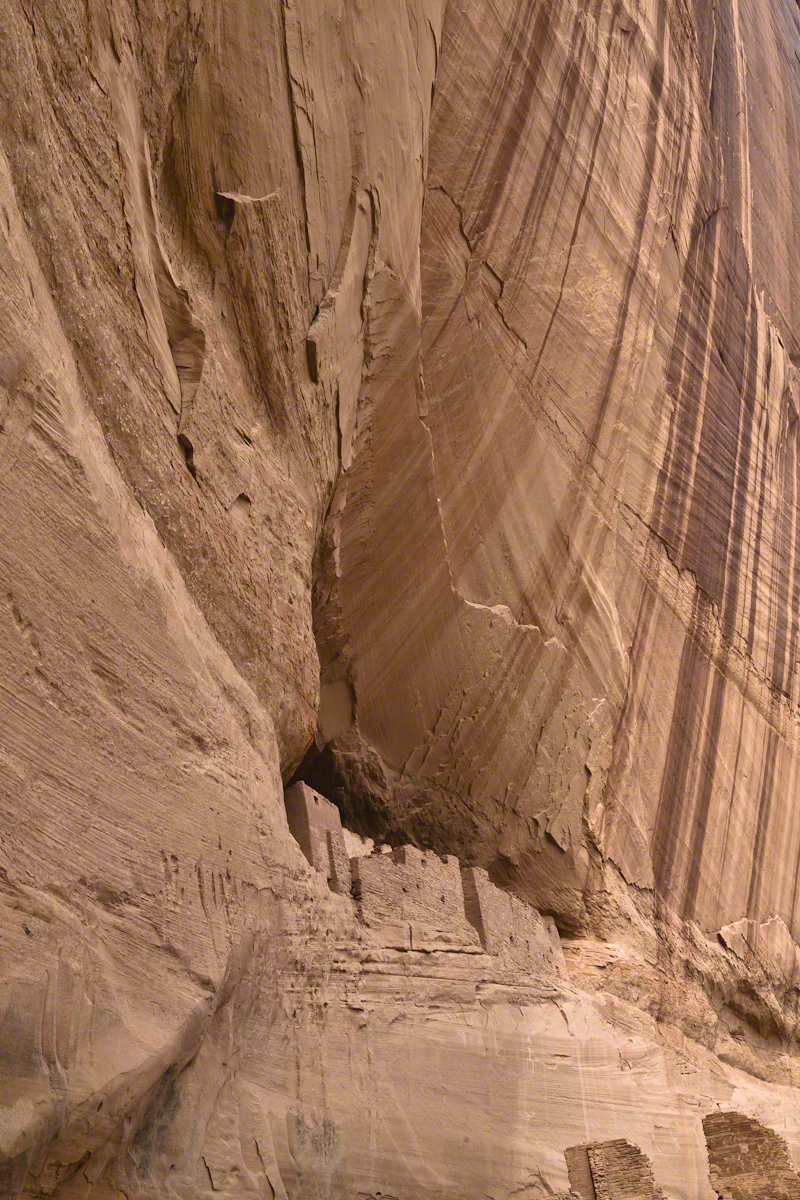
The sweep of cliff and desert varnish was my intent to capture. Here it is through the Canon 50 mm lens.

Click link for this White House photograph in my Online gallery.

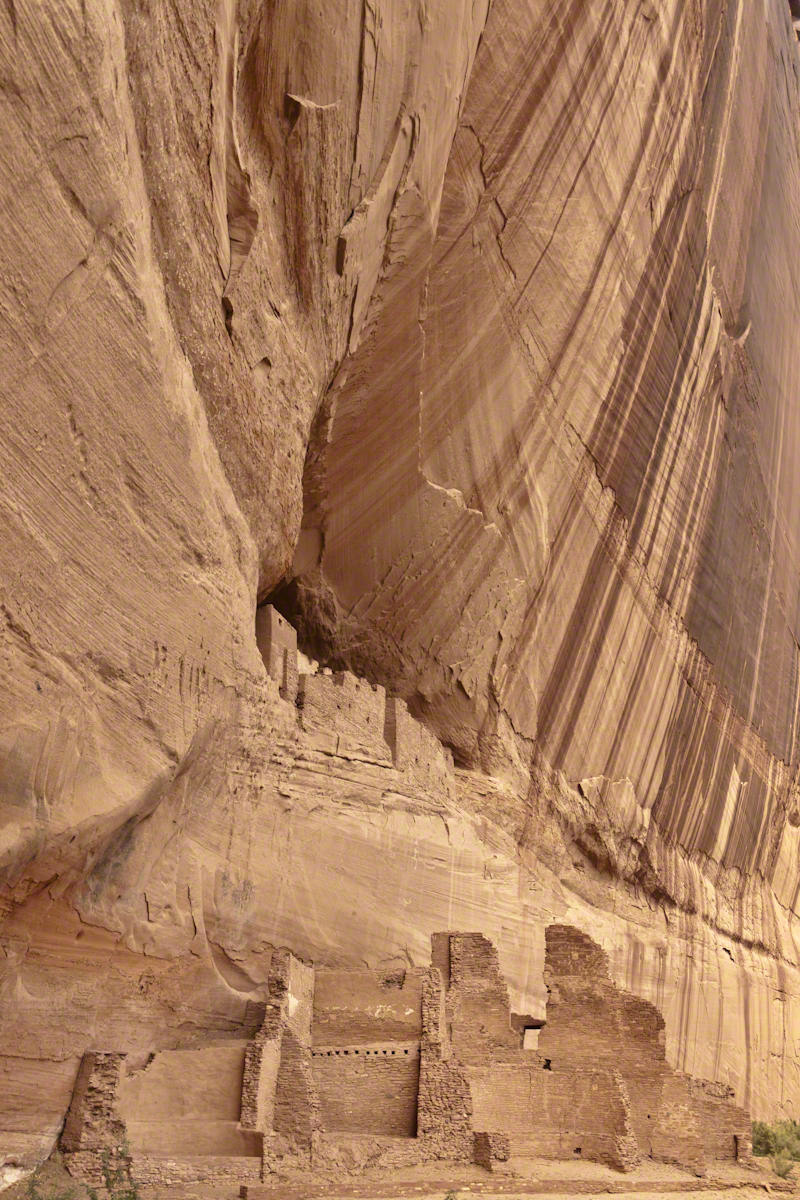
I captured this version with the Sony Alpha 700 slr, the variable lens set to widest angle.

Click link for this White House photograph from my online gallery.

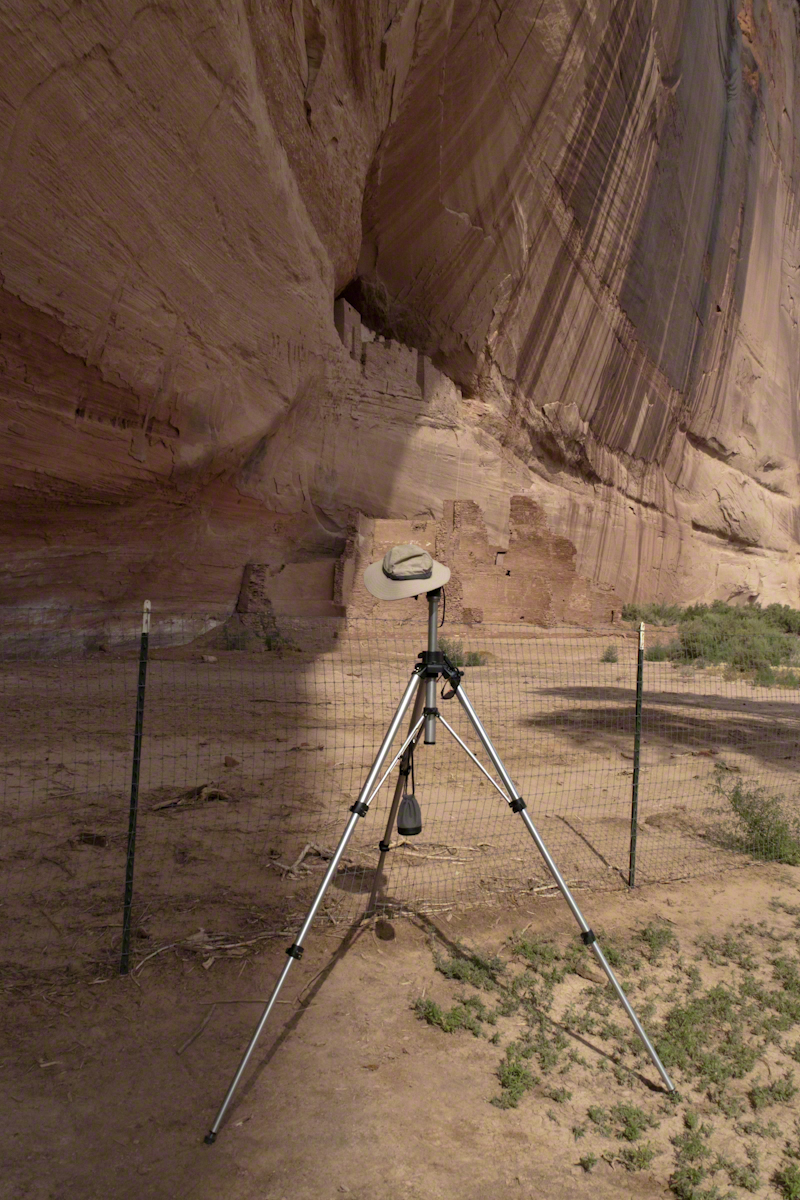
Here the camera setup waits out the sun…..

Click Me to view my photographs on Getty.

Copyright 2023 Michael Stephen Wills All Rights Reserved http://www.MichaelStephenWills.com

Autumn Evening Hike, turning home

through Devil’s Kitchen to Lucifer Falls

In this third part, we continue hiking Treman gorge, approaching Lucifer Falls, viewing another waterfall further downstream and returning to the trailhead.

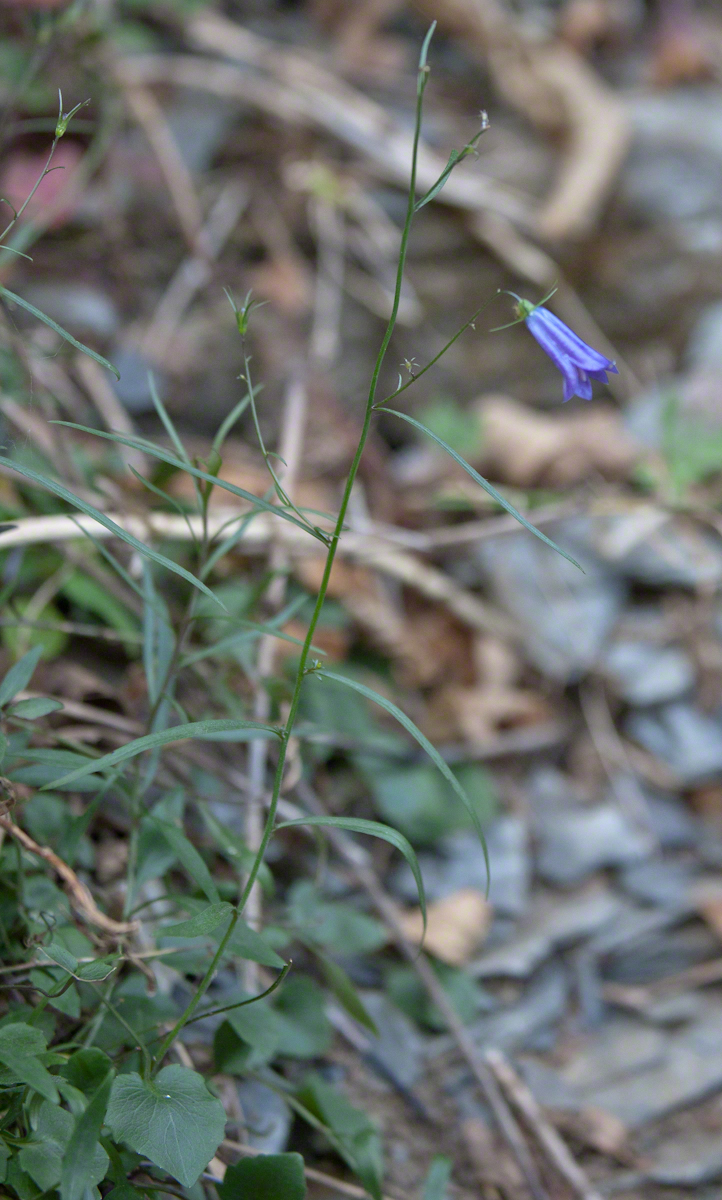
 Tiny Trumpet, unknown

I have never achieved a satisfactory capture of the waterfall in the Devil’s Kitchen, a place where the creek flow is diverted south by a projecting ridge. Less than 100 feet later the easterly direction is regained where the water plummets over Lucifer Falls.

The annual in fall of rock in Devil’s Kitchen uproots and crushes plants growing there. There is scant soil, the roots of this shiny purple trumpet bloom took hold in a microscopic crack. The plant is so thin, the flower so tiny it is lucky my gaze found it.

Click link for my fine art print “After the Rain: Showy Lady Slippers.”

After searching all my plant identification references, this plan is unknown to me.  Please help with identification. The bloom is 1/4 inch long.

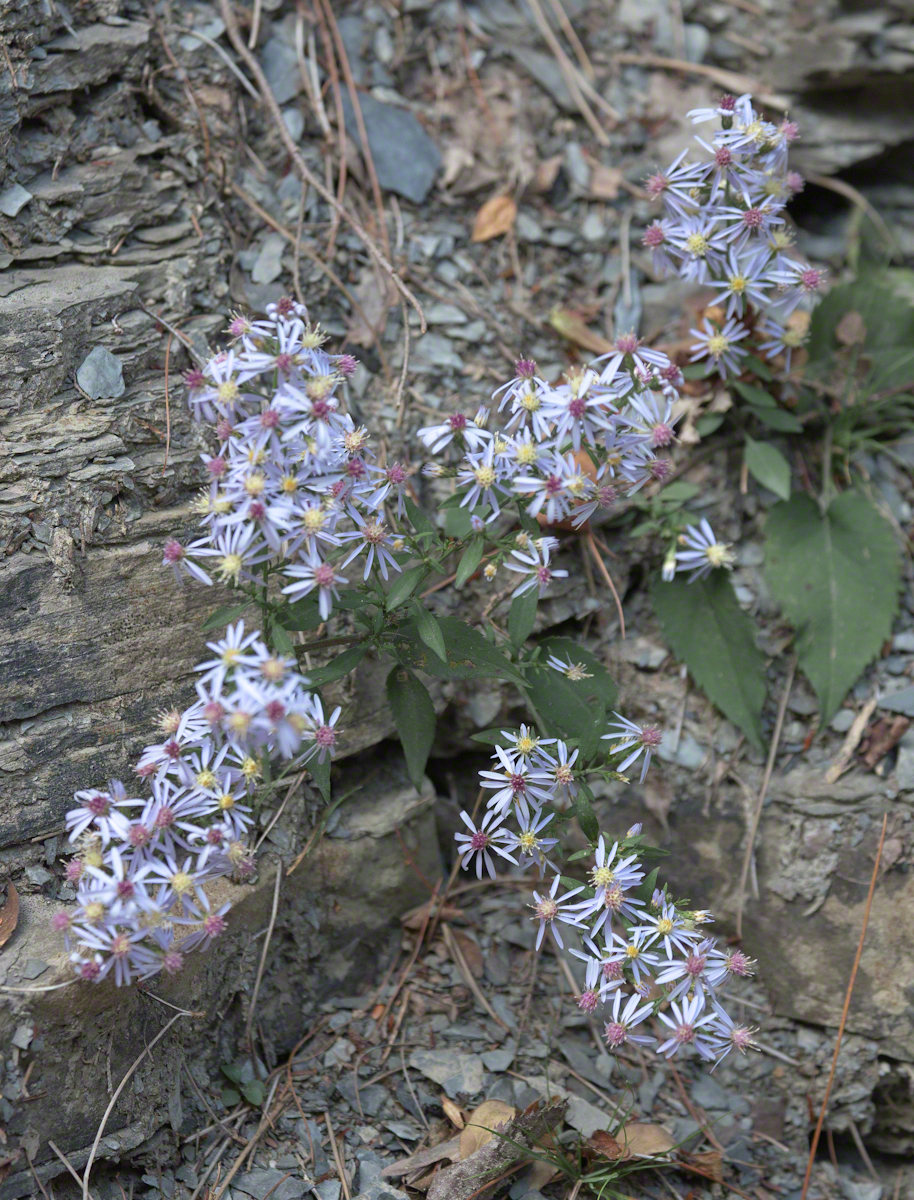
Not far away, these asters grow from a slightly wider crack.  Pam pointed them out to me. I was drawn by the striking color difference of the heads growing from a single stalk.

Click link for my fine art print “Purple Asters.”

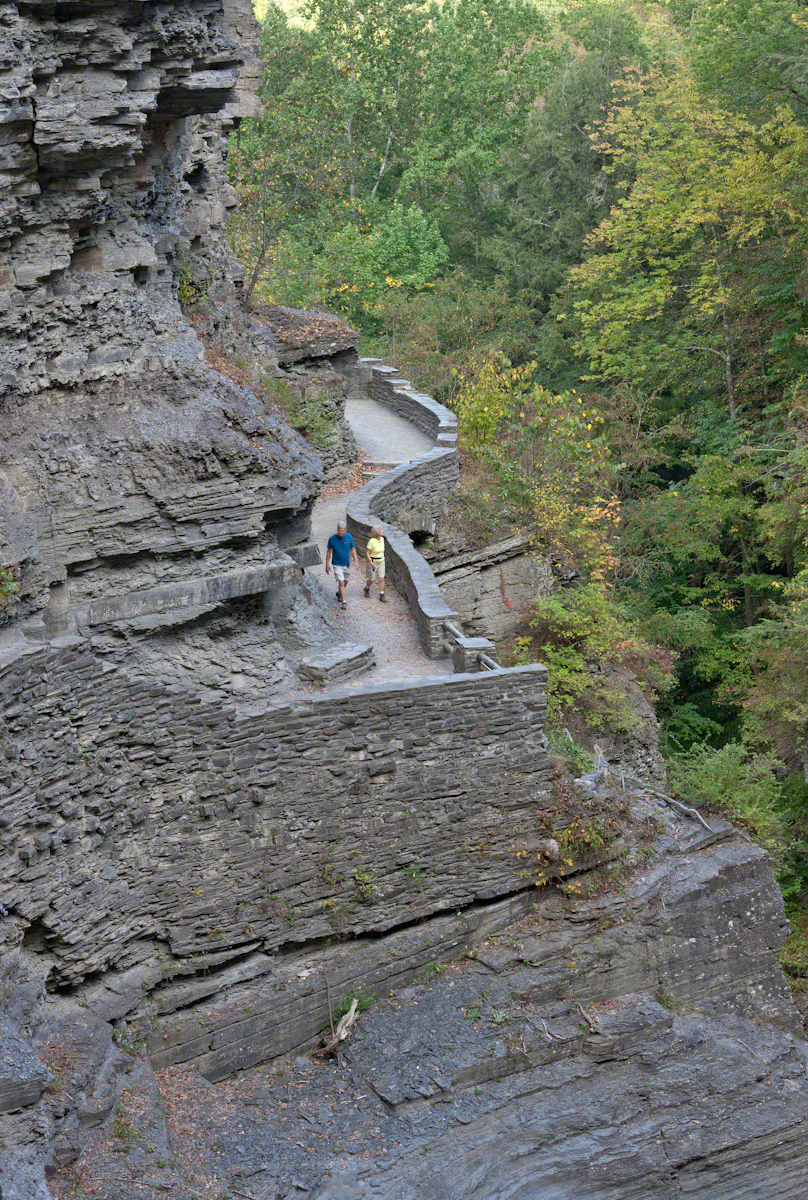
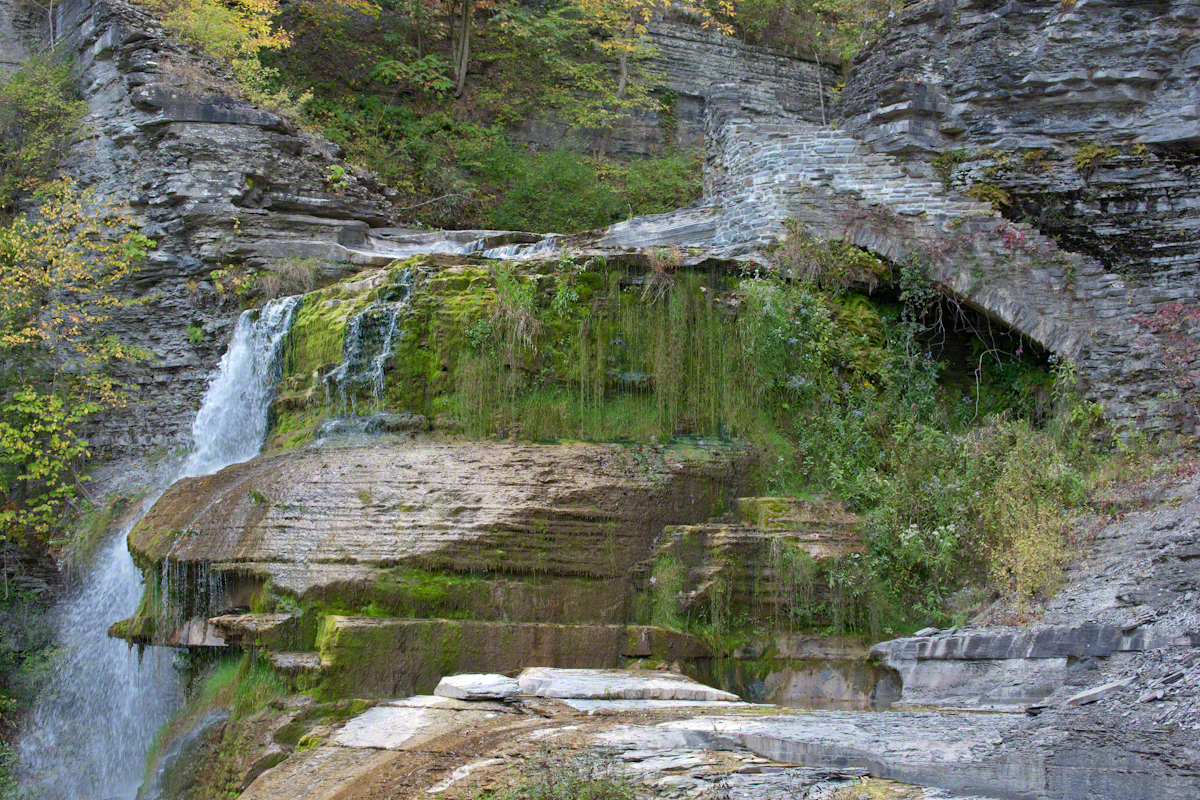
As trail winds around the ridge a stone wall rises on the right and for good reason.  The stream shortly reaches the brink of Lucifer Falls, 115 feet high.  Gorge walls fall away, the trail steepens.  Here is the view from the trail next to the brink.

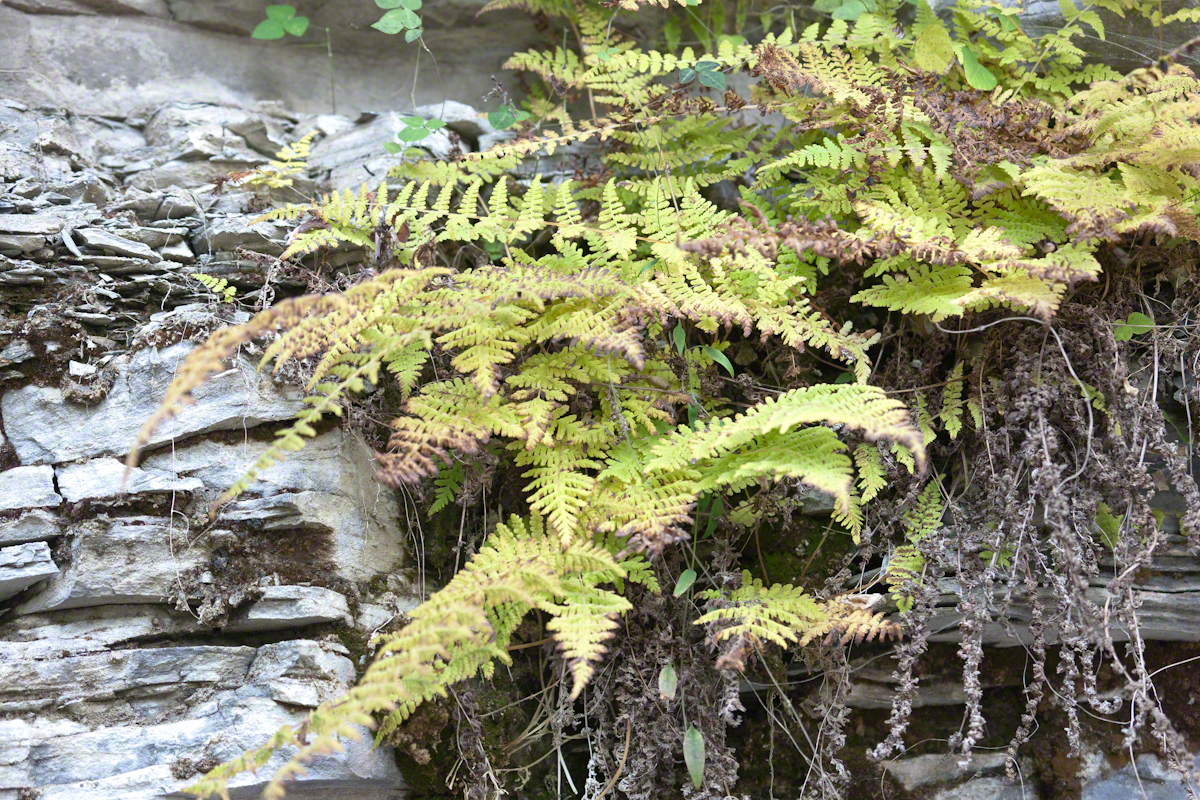
At hand, on the right, a growth of ferns has survived many seasons.  Flowering plants are, in geological time (across billions of years), a relatively recent development compared to these non-flowering ferns.  The first flowering plants appears 120 million years ago compared to the first ferns, 360 million years ago.  Oddly enough, the spread of flowering plants affected evolution of ferns, an increase of fern speciation in parallel to the rise of flower plants.

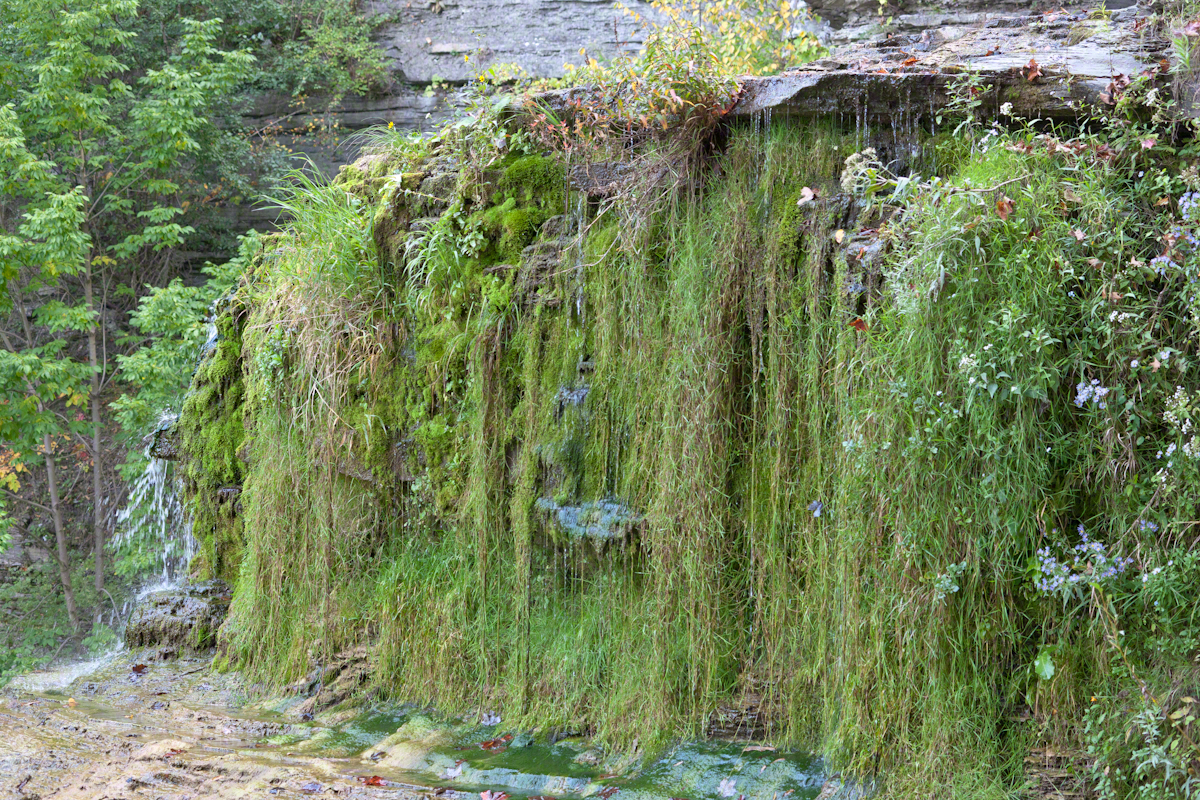
While descending the stairs next to the falls brink, look to the right to see this ecosystem, a result of water seeping from the sedimentary rock stratification.

Here you can see how, at lower flow levels, the inactive sections of the fall lip become a garden.  In our climate, the entire brink is active for rare and brief intervals during spring thaws.  Note how, closer to the active brink, the grasses give way to mosses.  Where grasses grow the brink is almost never active.

The trail wall is a lighter color than the cliff, this is how you can see, on the right, the steep trail descent.

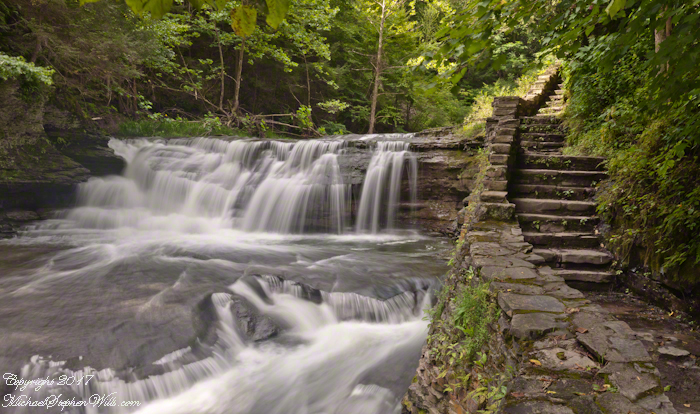
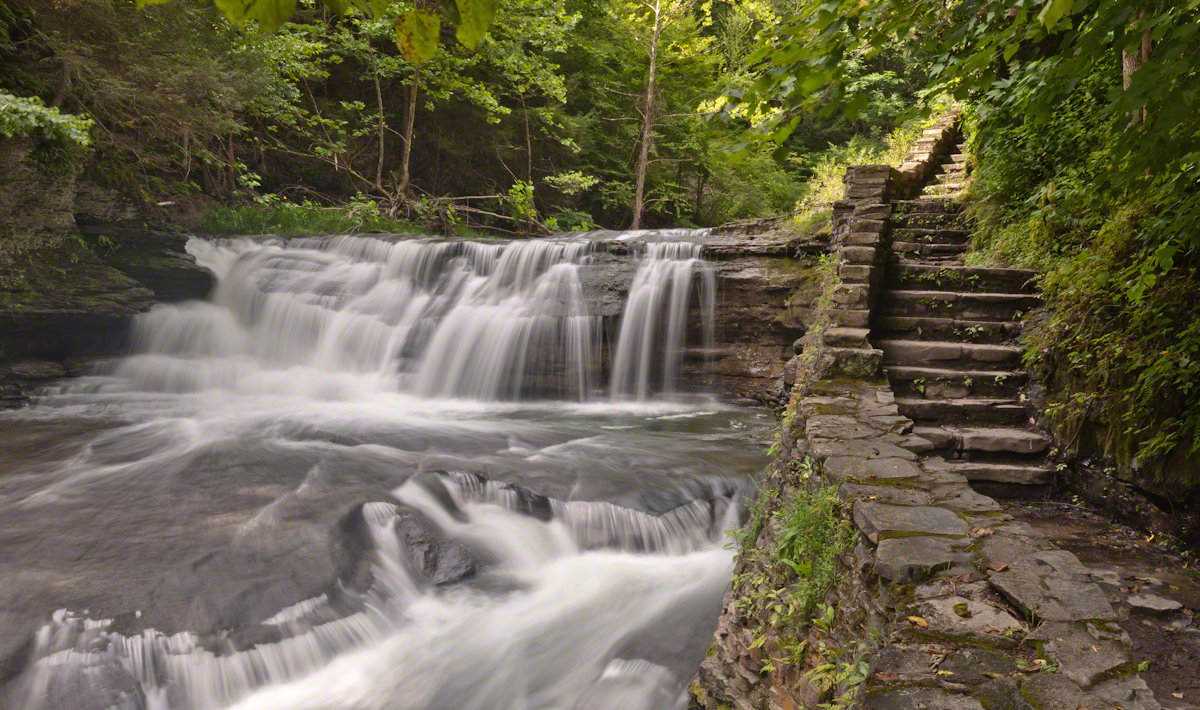
Pam and I turned around here.  This is some work I did August 2014 of a notable fall downstream from Lucifer.  I used the 24 mm Canon lens here, cropping the image.  My goal was to include the stair, for interest, with sunlight on the upper stairs; the water in shade.

Click link for my fine art print “Woodland Falls.”

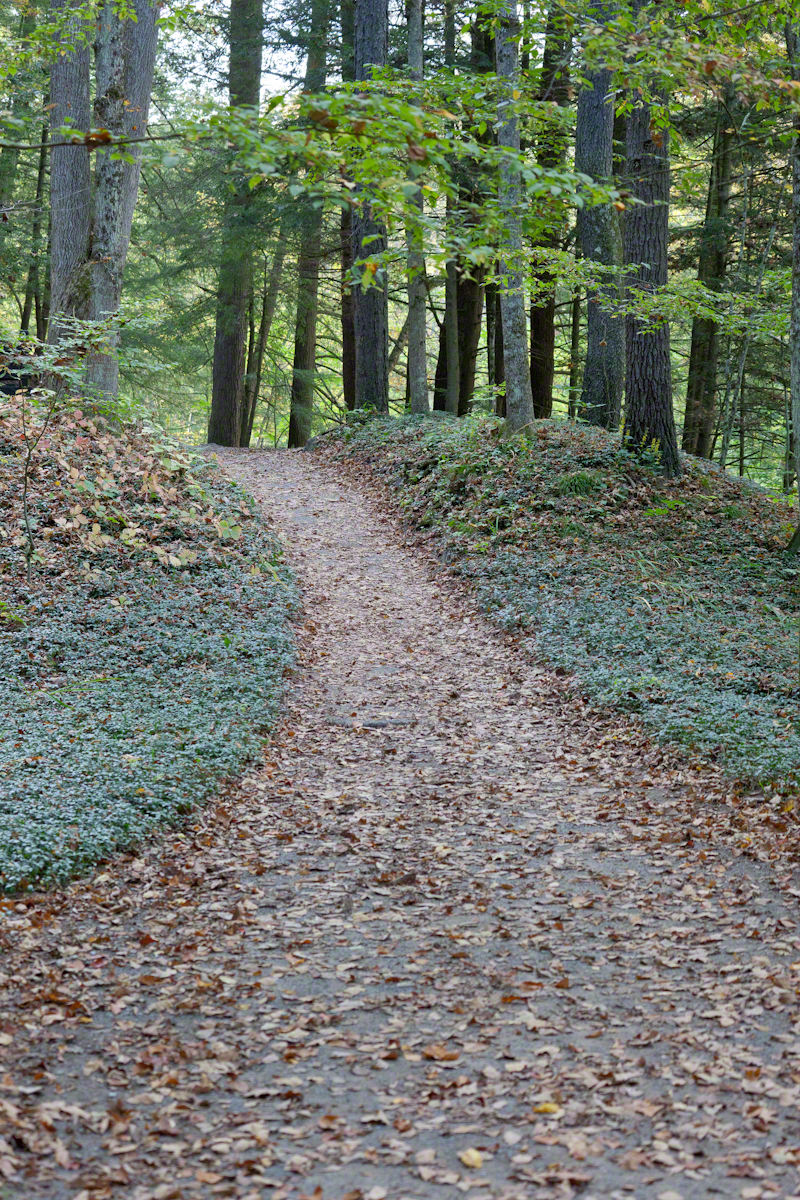
Myrtle borders the trail as it rises from the gorge entrance.

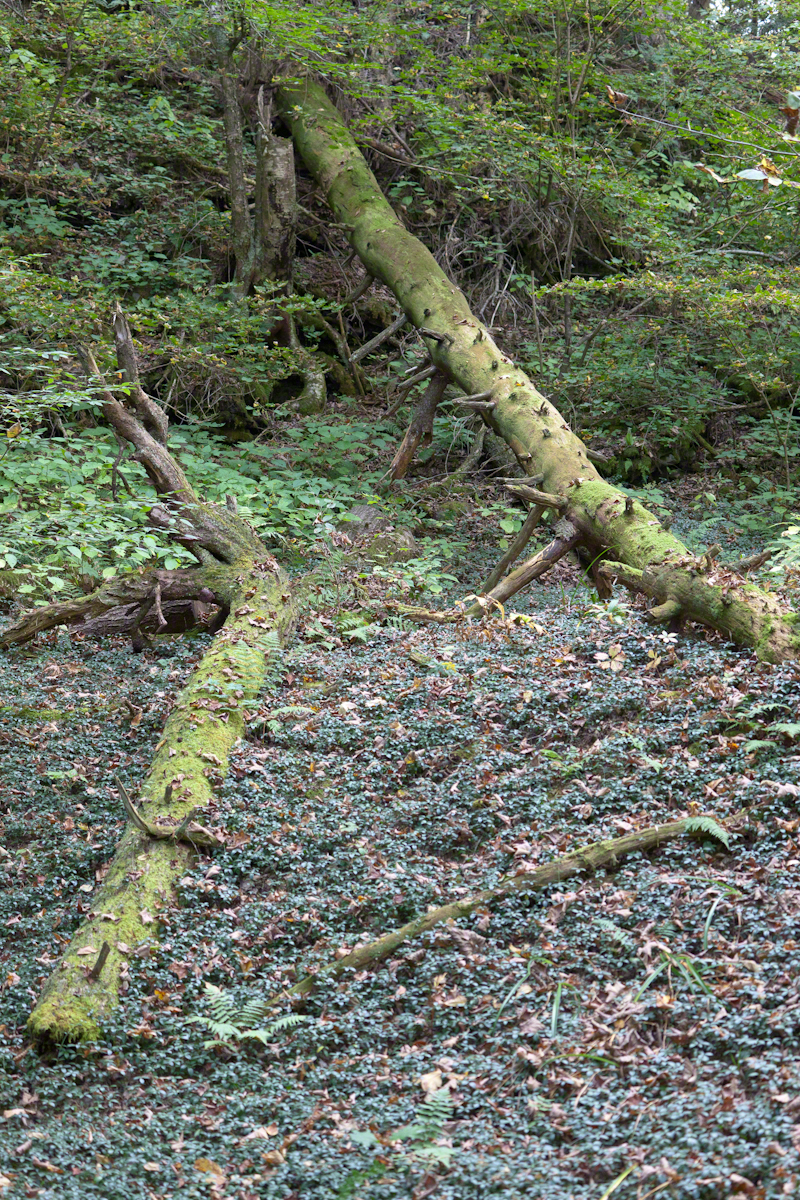
Tree trunks fallen from the gorge walls are left to decay, restoring the soil.  The trunks are covered by moss among a thick growth of myrtle and a few ferns.

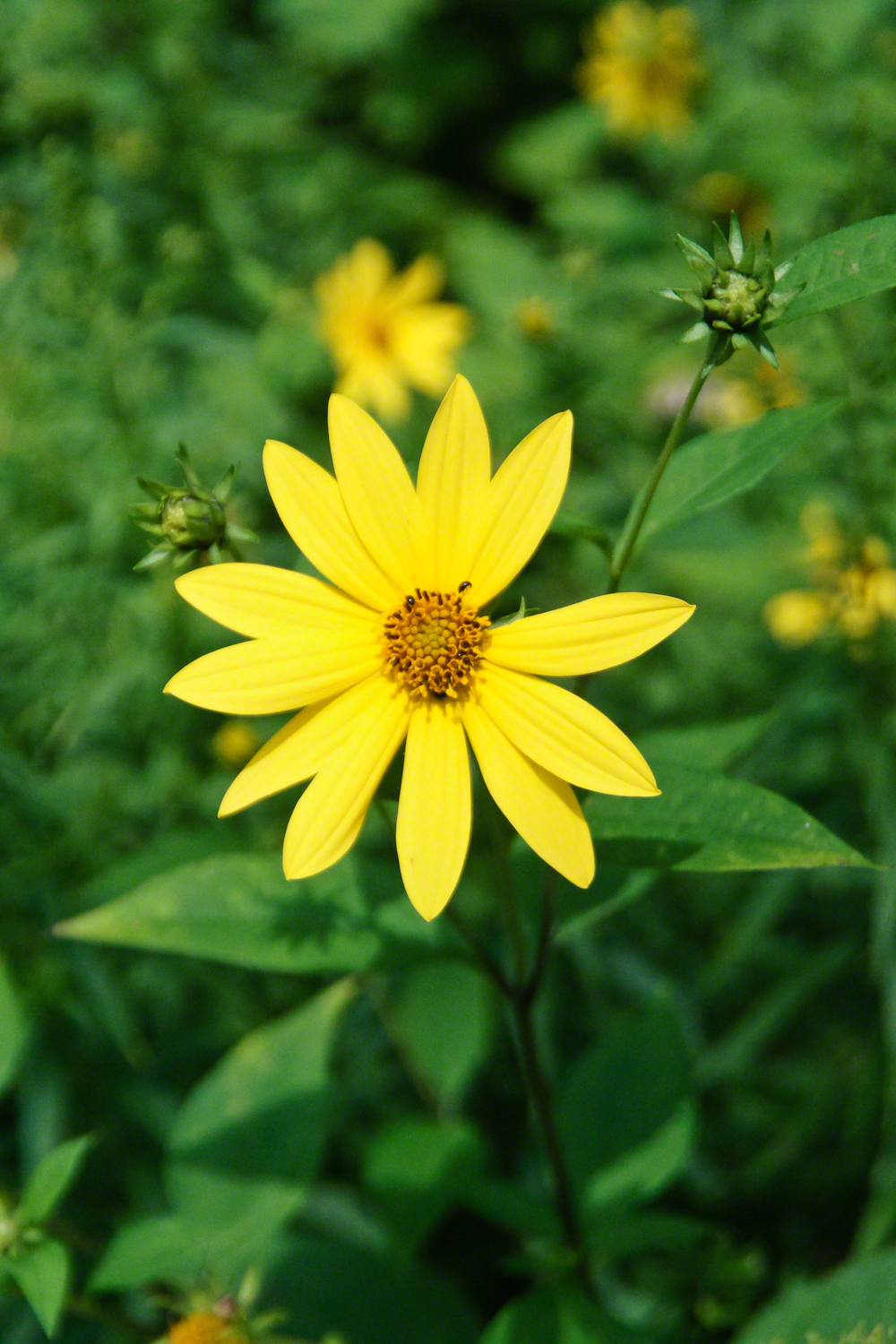
To finish, here is an image that may broaden your understanding of sunflowers. These smaller, ornamental sunflowers are, at first, difficult to place. Look carefully at the center, composed of many tiny flowers (florets). In crop sunflowers each of these becomes a seed. In this image, shiny beetles are feasting.

The End of this Evening Hike in Treman Gorge

Click me for more postings of Autumnal Beauty
Click Me to view my photographs on Getty.
Copyright 2023 Michael Stephen Wills All Rights Reserved http://www.MichaelStephenWills.com