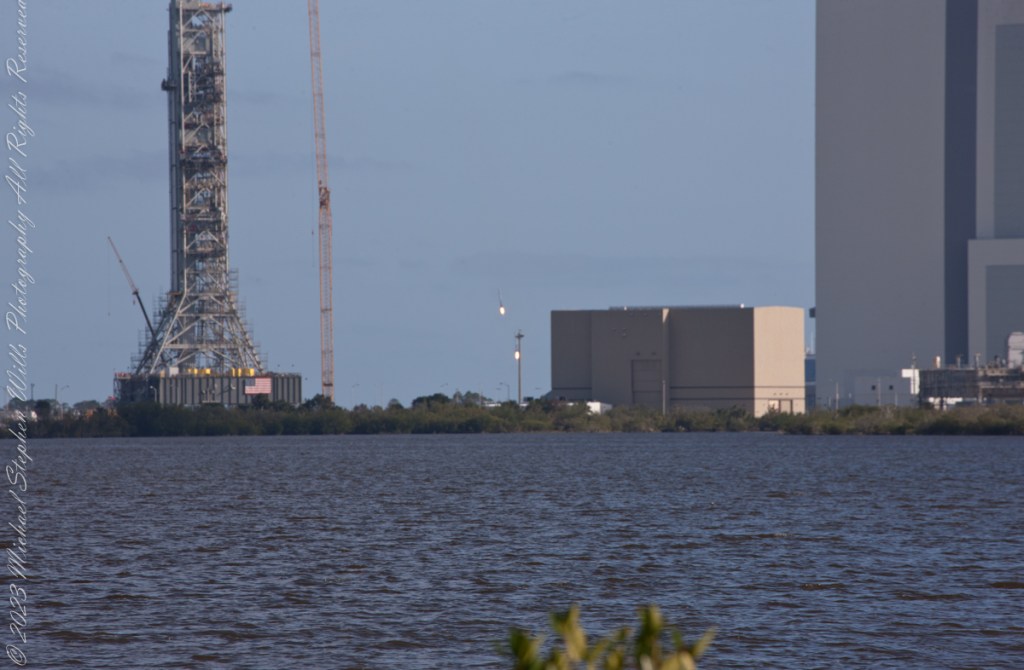
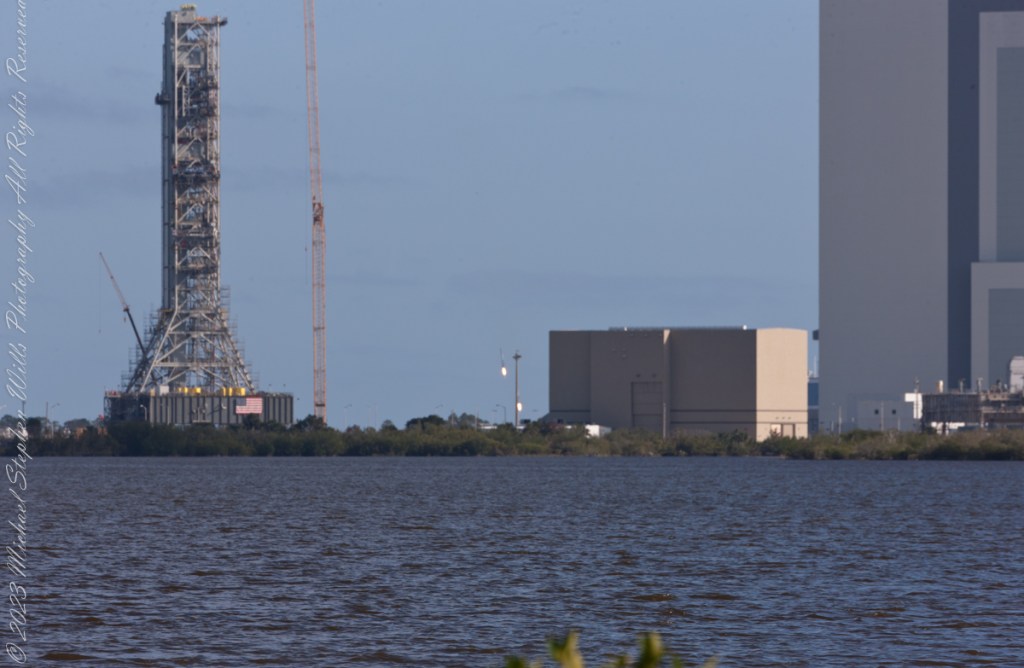
Behind the Scenes of the Final Frontier: Our Tour with NASA’s “Launch Director” – 1

Discover an insider’s voyage to the heart of NASA’s launch operations with us as we relive the awe-inspiring Kennedy Space Center Tour, where every corner whispers tales of cosmic ventures and human courage.

Introduction

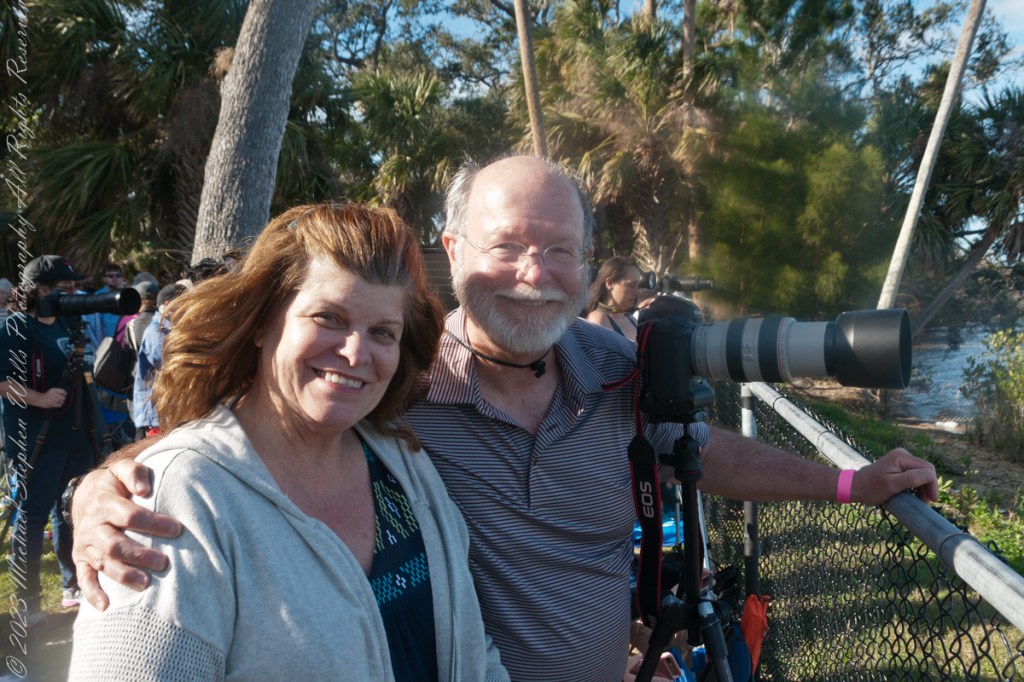
Late winter 2017 my wife Pam and I embarked on an extraordinary adventure that would etch an indelible mark on our memories. On March 2nd, we had the unique privilege of experiencing the Kennedy Space Center through the eyes of a NASA Launch Director. This wasn’t just any tour; it was a journey through the heart of space exploration, a narrative brought to life by someone who had been at the helm of launching dreams into the cosmos.

The Kennedy Space Center, a beacon of human achievement on Florida’s coastline, stood before us, brimming with stories of courage, innovation, and the relentless pursuit of the unknown. As we stepped onto the grounds, we were not just visitors but participants in a legacy stretching back to the earliest days of space travel. The “NASA Launch Director Tour” promised an inside look at the complexities and triumphs of space missions, a perspective few ever witness.

This series of blog posts is an attempt to capture the essence of that day, to share the insights, emotions, and awe-inspiring moments we experienced. From the thunderous silence of the launch pads to the intimate stories of missions past, each post will explore a different facet of our journey. Join us as we relive an unforgettable exploration of human ingenuity and the boundless reaches of space, all through the lens of a day that brought the stars within reach.

Gathering and Introductions

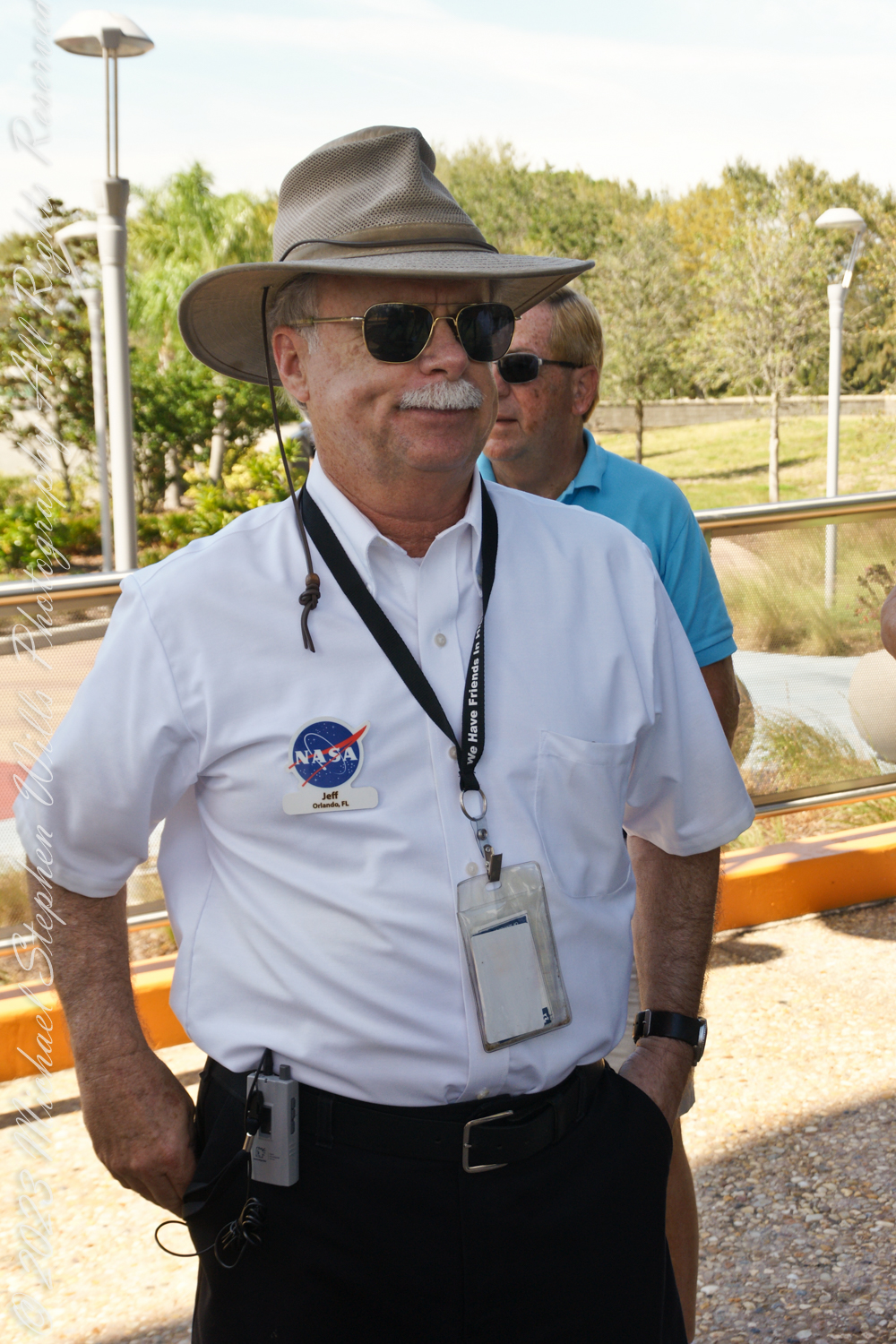
On the negative side, we enjoyed the expertise of “Jeff” who stood in for the retired Launch Director who was “out sick.” On the positive side, our very expensive fee for the tour was refunded. Jeff was everything we could expect from the tour — he had extensive and detailed insider knowledge of NASA and the launch facilities.

Jeff, our substitute guide

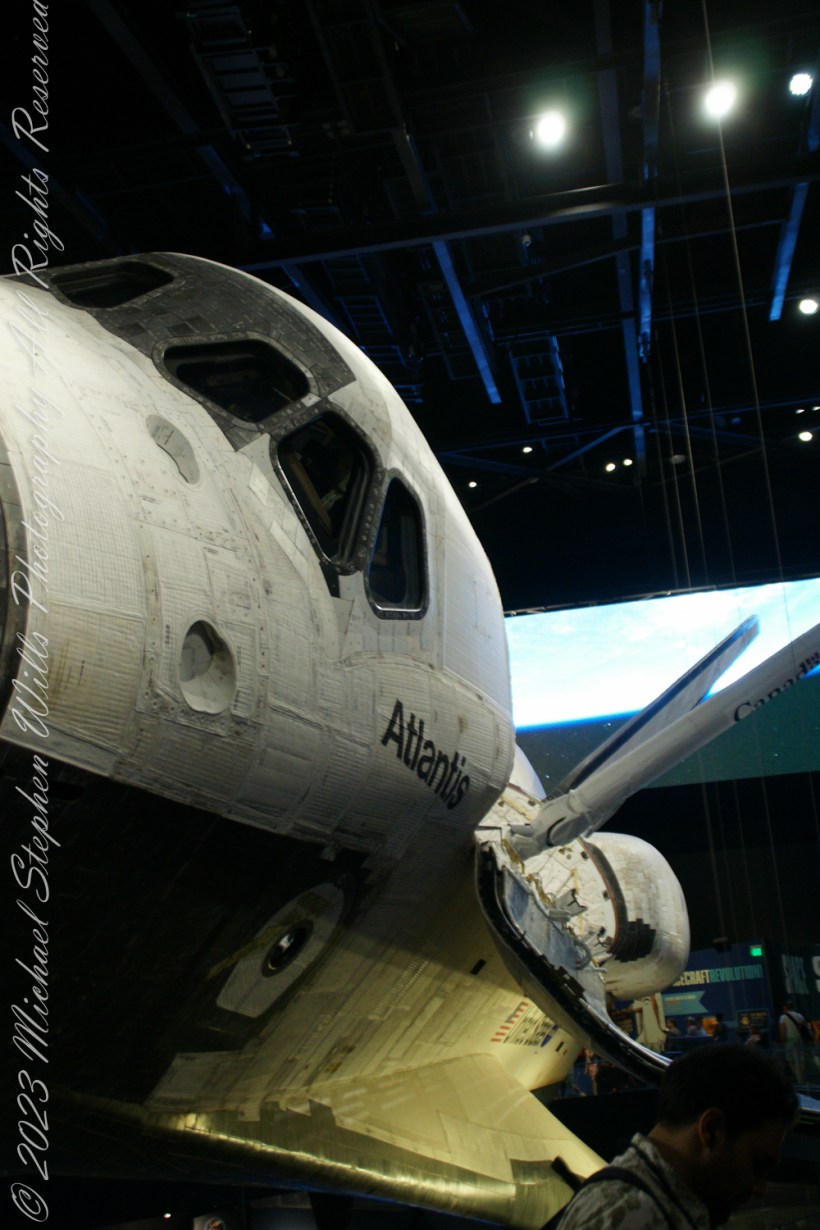
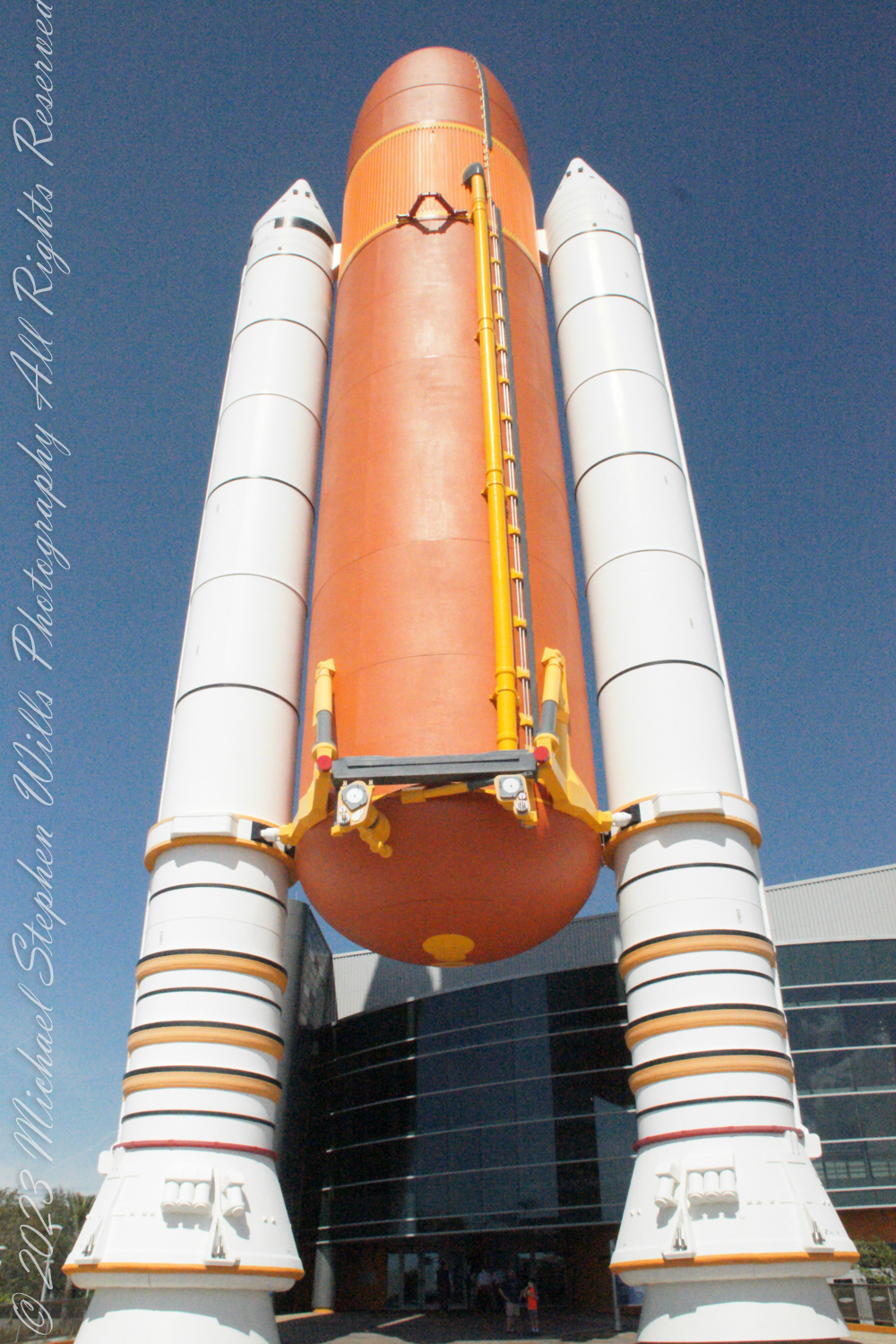
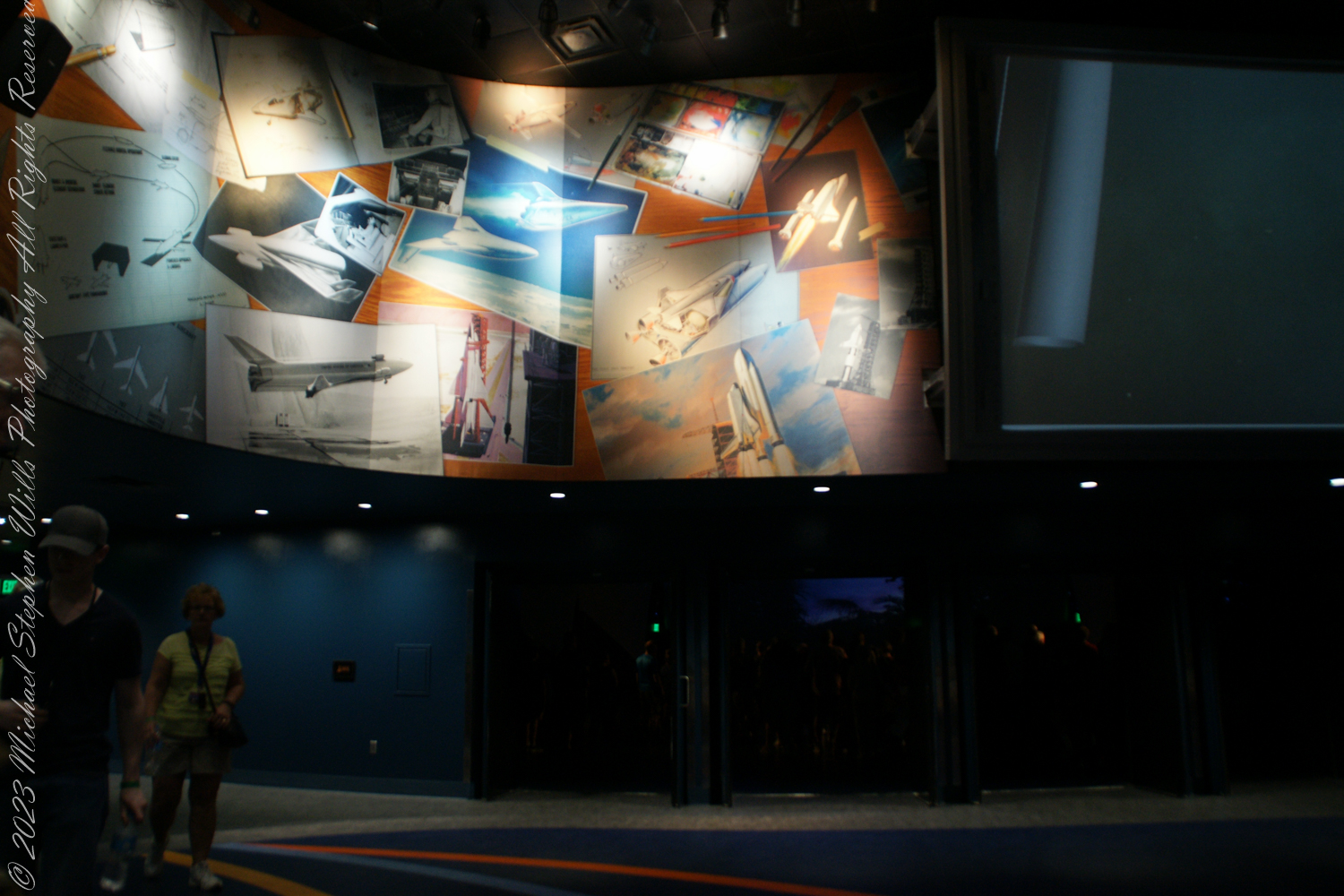
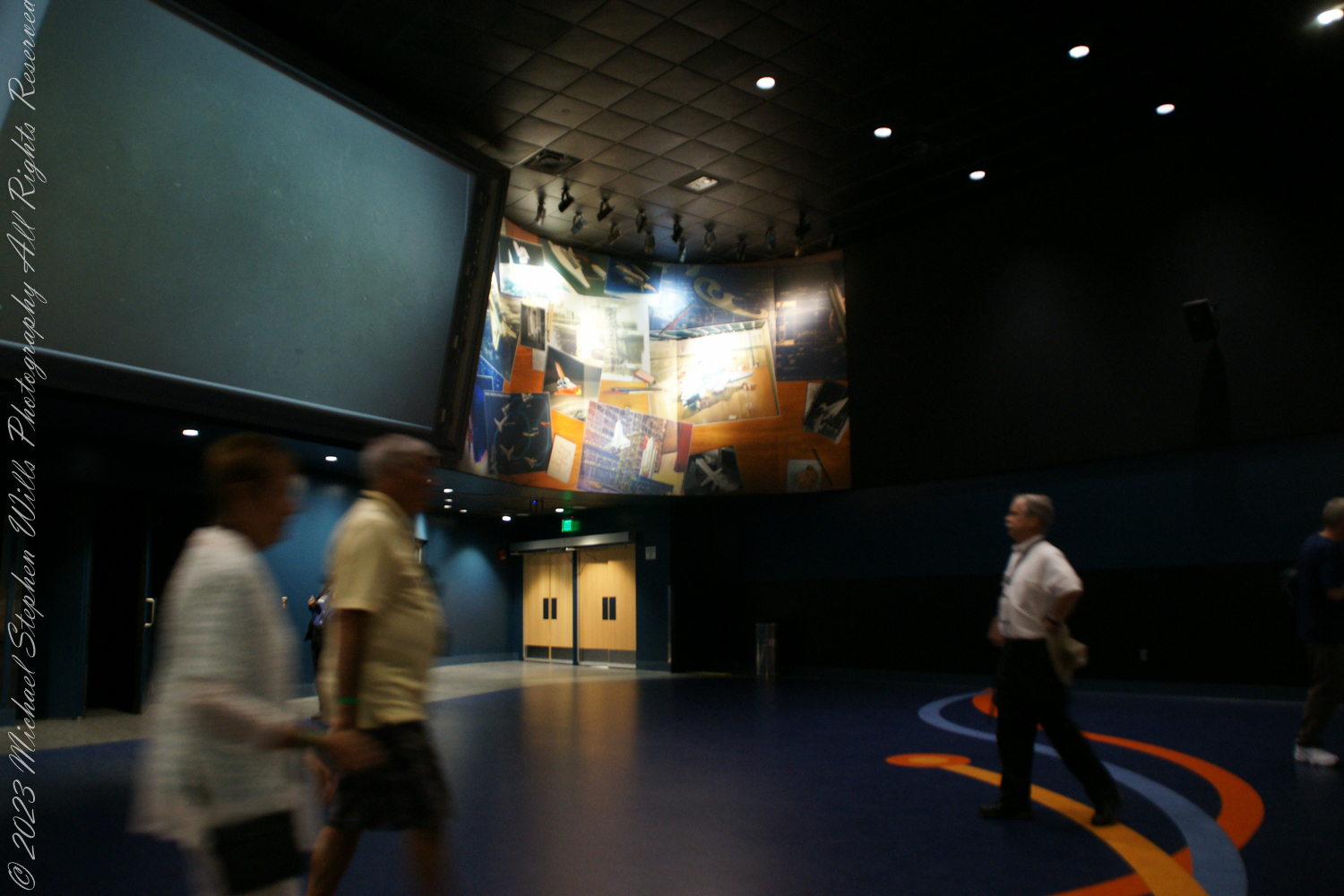
We gathered in a media room, an antechamber to the Space Shuttle Atlantis.

Entry to the Atlantis and the

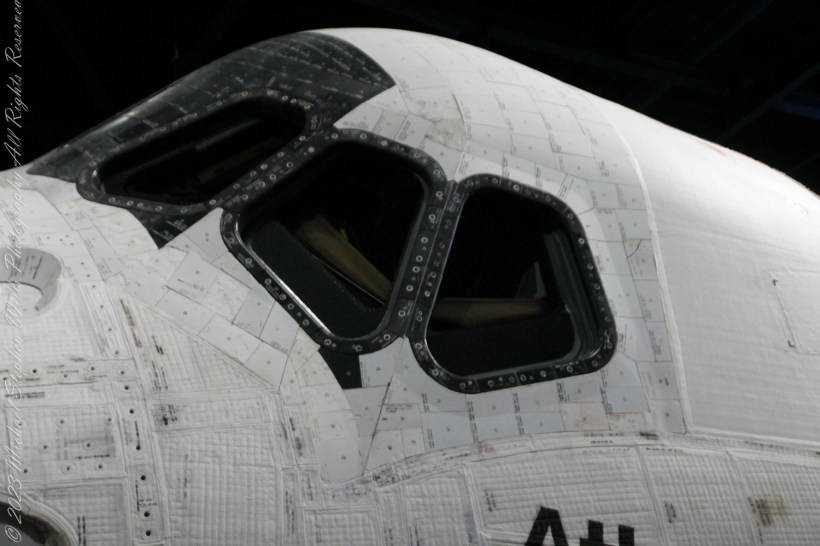
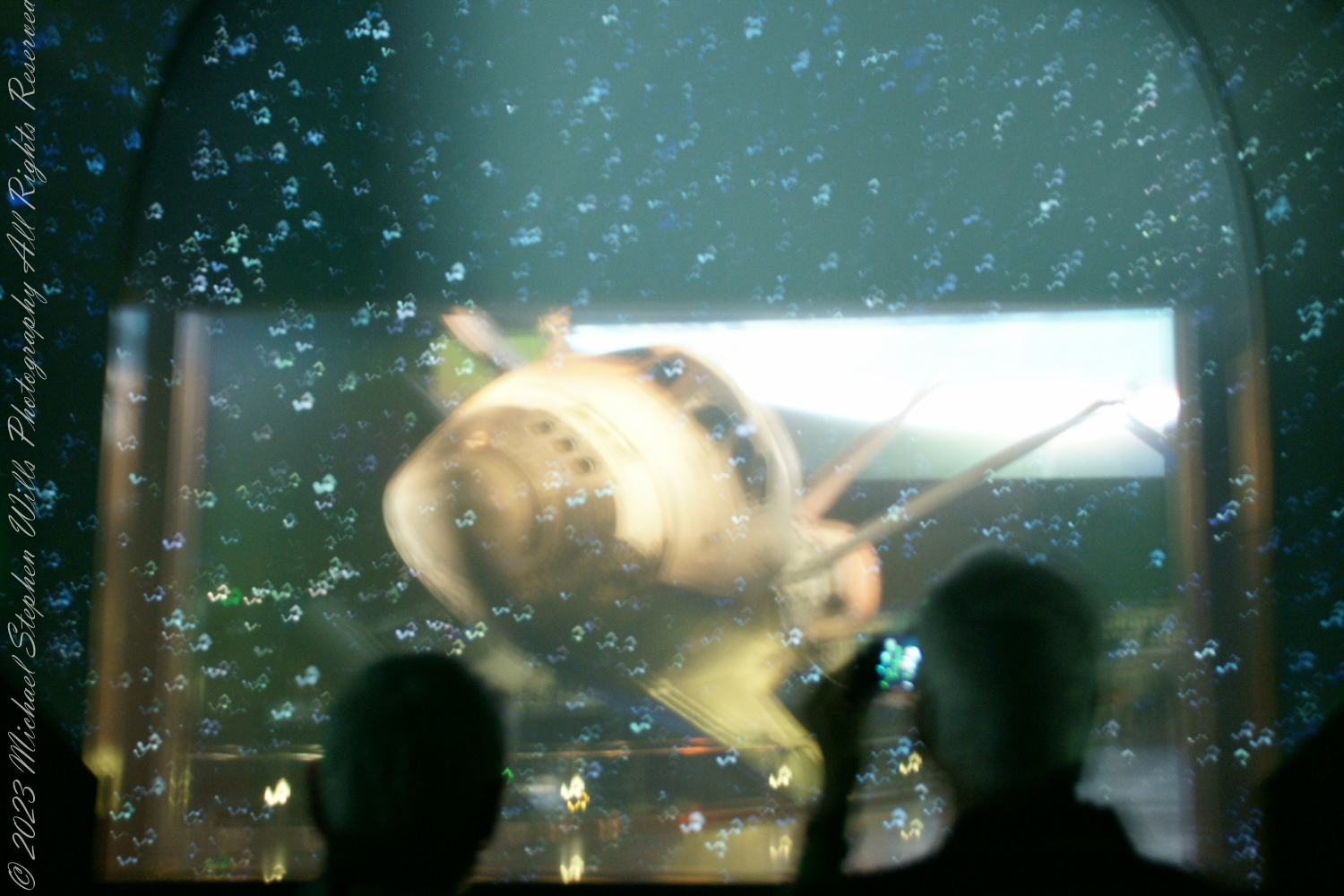
Space Shuttle Atlantis lifted off on its maiden voyage STS-51-J on October 3, 1985. This was the second shuttle mission that was a dedicated Department of Defense mission. It flew one other mission, STS-61-B (the second shuttle night launch) before the Challenger disaster temporarily grounded the shuttle fleet in 1986. Among the five Space Shuttles flown into space, Atlantis conducted a subsequent mission in the shortest time after the previous mission (turnaround time) when it launched in November 1985 on STS-61-B, only 50 days after its previous mission, STS-51-J in October 1985. Atlantis was then used for ten flights from 1988 to 1992. Two of these, both flown in 1989, deployed the planetary probes Magellan to Venus (on STS-30) and Galileo to Jupiter (on STS-34). With STS-30 Atlantis became the first Space Shuttle to launch an interplanetary probe.

The orbiter’s aluminum structure could not withstand temperatures over 175 °C (347 °F) without structural failure. Aerodynamic heating during reentry would push the temperature well above this level in areas, so an effective insulator was needed.

The Thermal protection system (TPS) covered essentially the entire orbiter surface, and consisted of seven different materials in varying locations based on amount of required heat protection:

–Reinforced carbon–carbon (RCC), used in the nose cap, the chin area between the nose cap and nose landing gear doors, the arrowhead aft of the nose landing gear door, and the wing leading edges. Used where reentry temperature exceeded 1,260 °C (2,300 °F).

Reinforced carbon–carbon (RCC) of the nose cap and “chin area”


–High-temperature reusable surface insulation (HRSI) tiles, used on the orbiter underside. Made of coated LI-900 silica ceramics. Used where reentry temperature was below 1,260 °C.
–Fibrous refractory composite insulation (FRCI) tiles, used to provide improved strength, durability, resistance to coating cracking and weight reduction. Some HRSI tiles were replaced by this type.
–Flexible Insulation Blankets (FIB), a quilted, flexible blanket-like surface insulation. Used where reentry temperature was below 649 °C (1,200 °F).

–Low-temperature Reusable Surface Insulation (LRSI) tiles, formerly used on the upper fuselage, but were mostly replaced by FIB. Used in temperature ranges roughly similar to FIB.
–Toughened unipiece fibrous insulation (TUFI) tiles, a stronger, tougher tile which came into use in 1996. Used in high and low temperature areas.
–Felt reusable surface insulation (FRSI). White Nomex felt blankets on the upper payload bay doors, portions of the mid fuselage and aft fuselage sides, portions of the upper wing surface and a portion of the OMS/RCS pods. Used where temperatures stayed below 371 °C (700 °F).
Each type of TPS had specific heat protection, impact resistance, and weight characteristics, which determined the locations where it was used and the amount used.

The shuttle TPS had three key characteristics that distinguished it from the TPS used on previous spacecraft:

Reusable
Previous spacecraft generally used ablative heat shields which burned off during reentry and so could not be reused. This insulation was robust and reliable, and the single-use nature was appropriate for a single-use vehicle. By contrast, the reusable shuttle required a reusable thermal protection system.
Lightweight
Previous ablative heat shields were very heavy. For example, the ablative heat shield on the Apollo Command Module comprised about 15% of the vehicle weight. The winged shuttle had much more surface area than previous spacecraft, so a lightweight TPS was crucial.
Fragile
The only known technology in the early 1970s with the required thermal and weight characteristics was also so fragile, due to the very low density, that one could easily crush a TPS tile by hand.

Reinforced carbon–carbon (RCC) of the nose cap, close-up

The Space Shuttle thermal protection system (TPS) is the barrier that protected the Space Shuttle Orbiter during the searing 1,650 °C (3,000 °F) heat of atmospheric reentry. A secondary goal was to protect from the heat and cold of space while in orbit.


During the launch of STS-27 in 1988, a piece of insulation shed from the right solid rocket booster struck the underside of the vehicle, severely damaging over 700 tiles and removing one tile altogether. The crew were instructed to use the remote manipulator system to survey the condition of the underside of the right wing, ultimately finding substantial tile damage. Due to the classified nature of the mission, the only images transferred to the mission control center were encrypted and of extremely poor quality. Mission control personnel deemed the damage to be “lights and shadows” and instructed the crew to proceed with the mission as usual, infuriating many of the crew. Upon landing, Atlantis became the single-most-damaged shuttle to successfully land. The survival of the crew is attributed to a steel L band antenna plate which was positioned directly under the missing tile. A similar situation would eventually lead to the loss of the shuttle Columbia in 2003, albeit on the more critical reinforced carbon-carbon.

References: extensive sections of the following Wikipedia articles were quoted, "Space Shuttle thermal protection system," "Space Shuttle  Atlantis."

Copyright 2024 Michael Stephen Wills All Rights Reserved

Between Dunes and Discovery: Embracing History at Kennedy Space Center

Explore Cape Canaveral National Seashore and Kennedy Space Center with us, where pristine beaches meet the legacy of human space exploration, and feel the awe of standing where history was made.

A Journey Through Time and Space: Our Visit to Cape Canaveral National Seashore and Kennedy Space Center

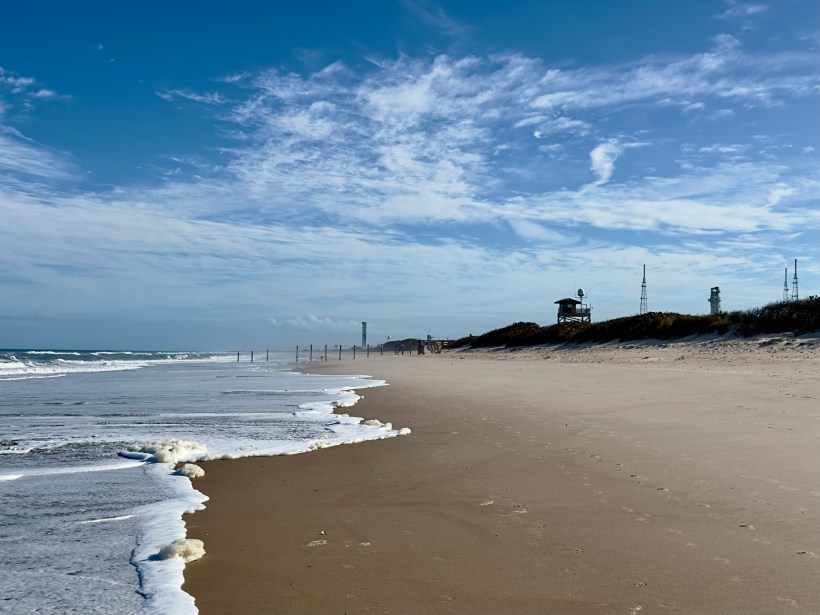
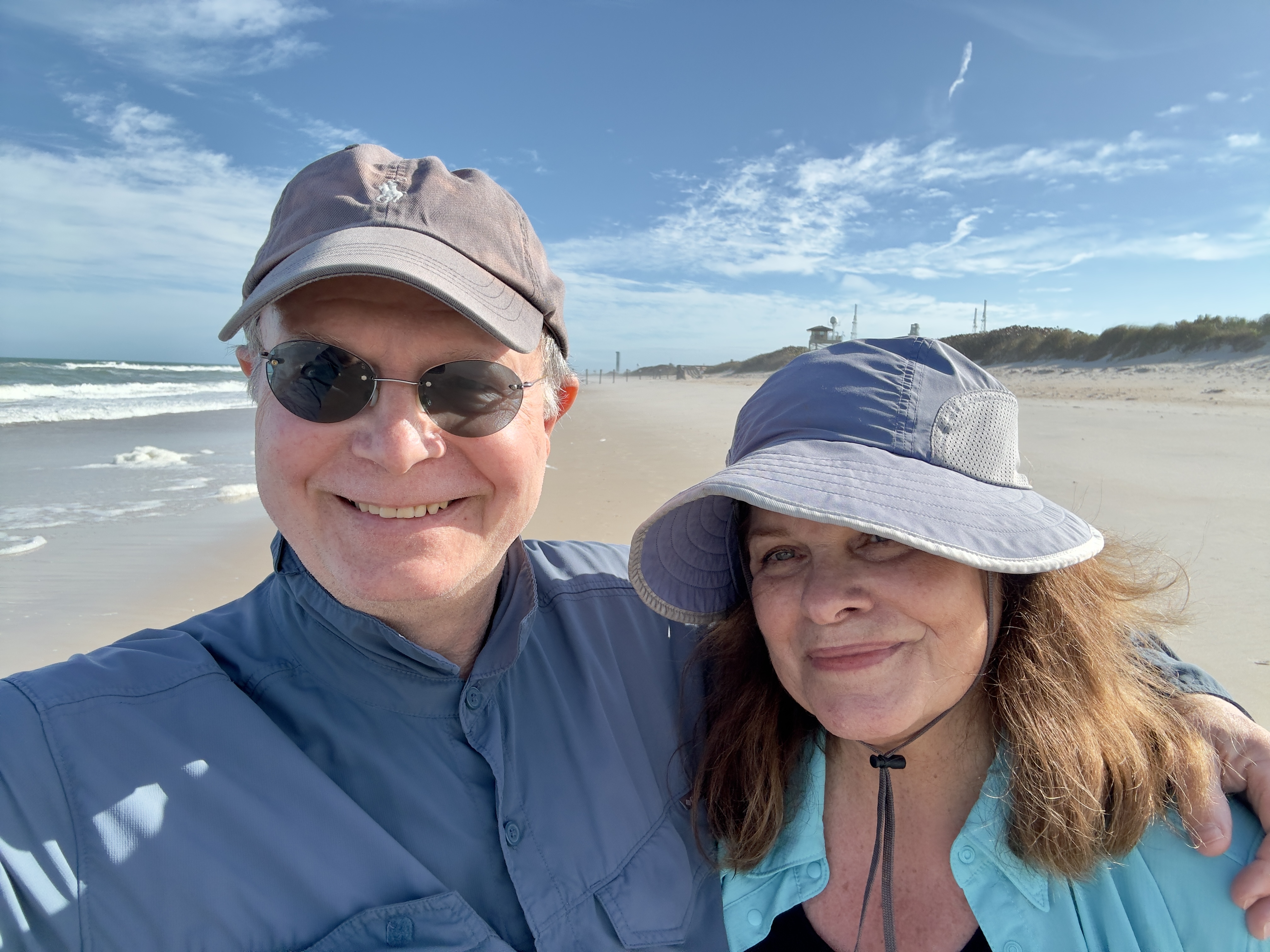
As we arrived at the pristine shores of Playalinda Beach within the Canaveral National Seashore, the gentle whisper of waves against the shoreline beckoned us. The sun kissed the horizon, casting a warm glow across the 24 miles of untouched, protected coastline that lay before us. Here, on the east coast of Florida, where crystal-blue waters embrace the shell-laden sands, we found ourselves at the intersection of natural beauty and human achievement.

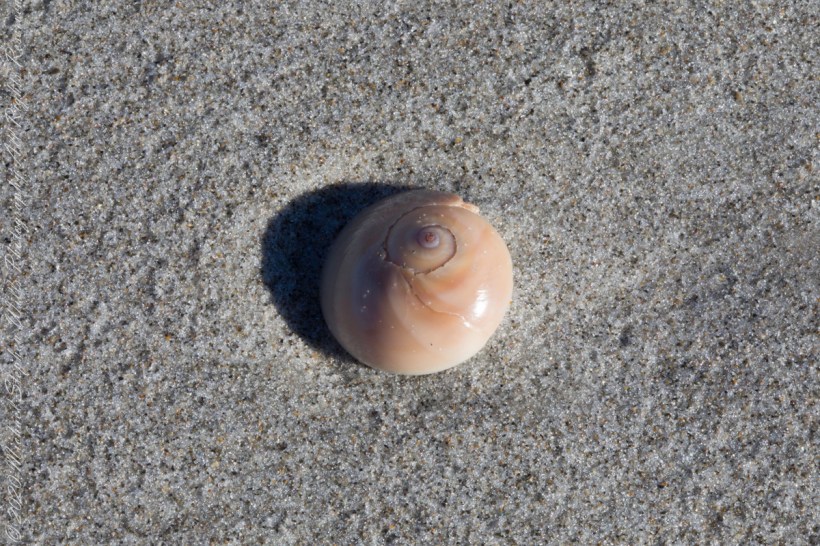
Shell of the Moon Snail (Naticidae) found in the surf wash.

The Serenity of Playalinda

We strode along the boardwalk, passing through dunes adorned with sea oats, to find our spot upon the soft sands of Playalinda. The beach, known for its tranquility and the chance to observe a vibrant array of wildlife, offered us a moment of peace. With no distractions—no concessions, no showers, just nature—we were able to disconnect from the world and reconnect with the earth. From our vantage point, the Merritt Island Wildlife Refuge across the water was a haven for migrating birds, dolphins, and, with some luck and the right season, sea turtles nest on the beach itself.

Witness to History: The Apollo 11 Legacy

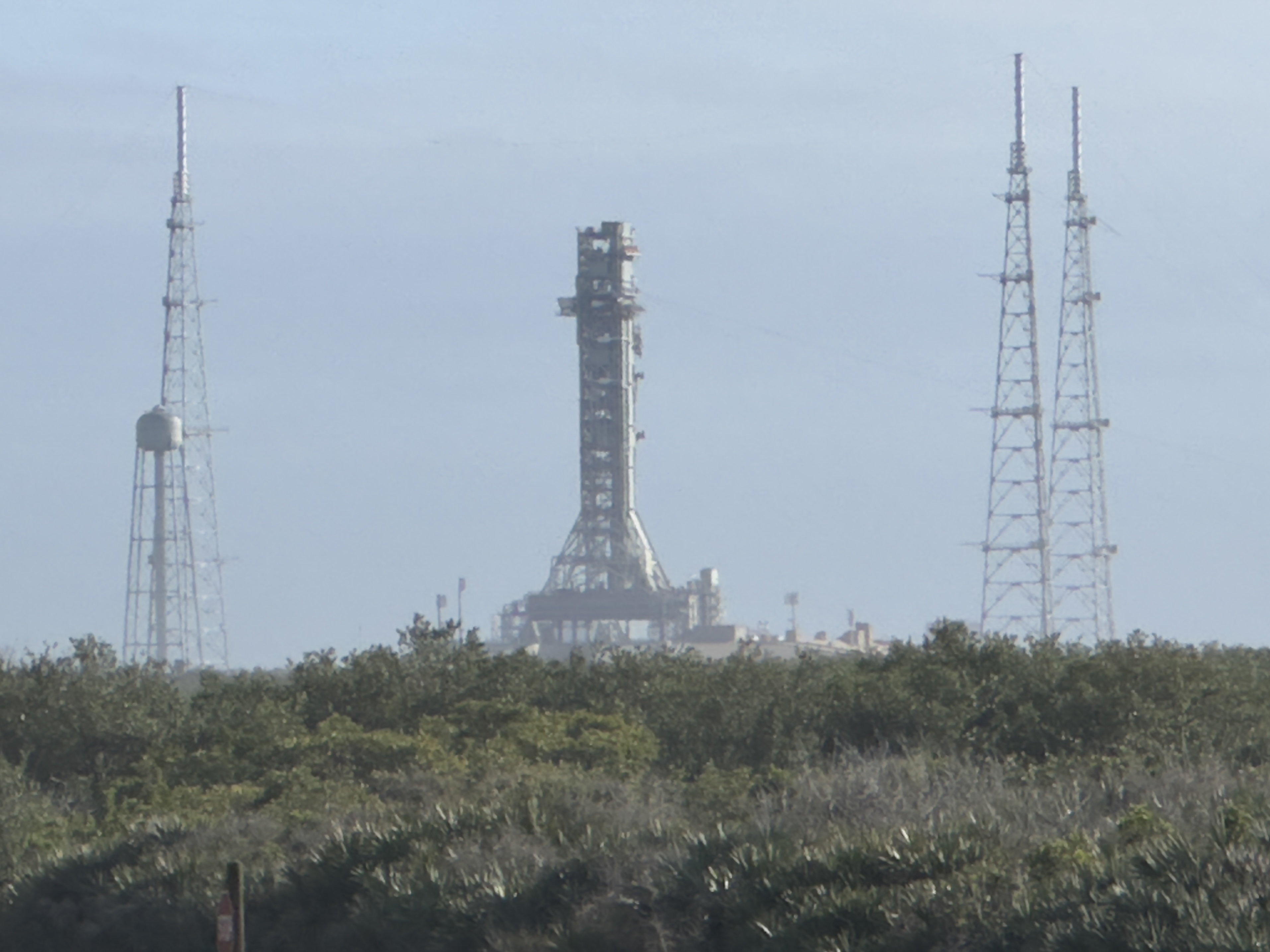
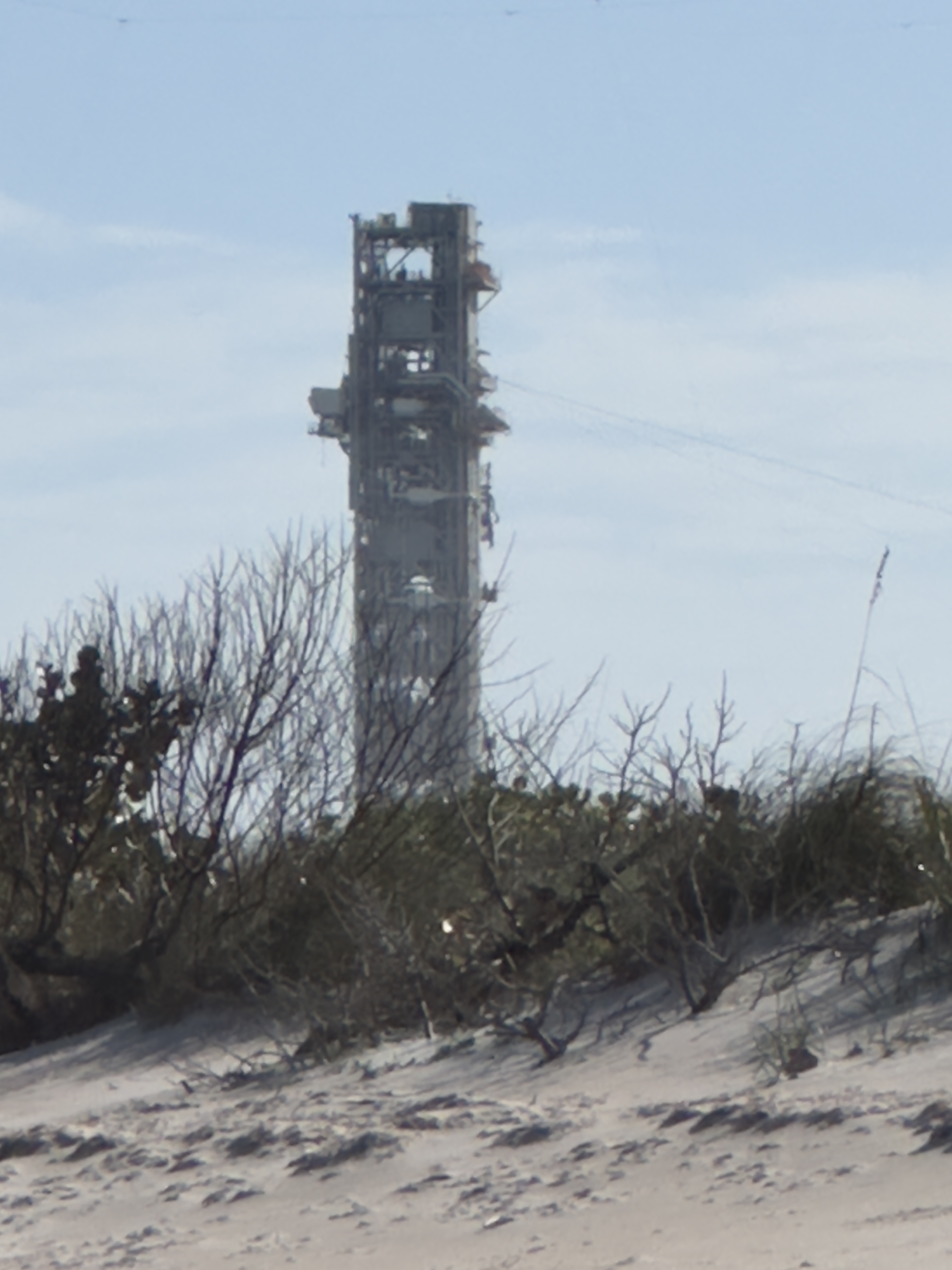
But it wasn’t just the natural allure that drew us here. Playalinda holds a unique position, offering an unobstructed view of the historic launch pads of Kennedy Space Center, where Apollo 11 began its monumental journey to the Moon. As we walked south towards the fence bordering the Space Center, the anticipation built within us. Here, we were tracing the footsteps of giants, those brave astronauts who dared to venture into the unknown.

The Vistas of Exploration

Each step brought us closer to the site where humanity took one of its most significant leaps. Gazing upon the launch complex from the fence, we were reminded of the powerful forces harnessed to break the bonds of gravity. Imagining the roar of the engines, the earth-shaking vibrations, and the fiery ascent of the Saturn V rocket, we felt a deep connection to the past and a sense of awe for the pioneering spirit that propelled us into a new era of exploration.

Reflections Amidst the Dunes

As we wandered back along the beach, the foam of the ocean’s edge lapping at our feet, we reflected on the duality of our surroundings. Here, in this place of quiet solitude, we also stood at the forefront of human innovation and ambition. The juxtaposition of the peaceful beach with the technological marvels just a stone’s throw away was not lost on us.

Our journey to the Cape Canaveral National Seashore and the Kennedy Space Center fence was more than just a visit to a beach or a historic site; it was a pilgrimage to a place where dreams materialize and reach for the stars. It was here that we came to understand the full spectrum of emotions that accompany great achievements—the hope, the fear, the triumph.

Conclusion

Our visit to the Cape Canaveral National Seashore and the Kennedy Space Center was an experience that will linger in our memories for years to come. It was a reminder of what we can achieve when we are united by a common goal, and it filled us with pride and optimism for the future. As we looked back one last time, the setting sun seemed to whisper a promise of the wonders yet to come, both here on the shores of Playalinda and in the vast expanse of space that awaits us.

Copyright 2024 Michael Stephen Wills All Rights Reserved

Illuminating Discoveries: Solving the Red Light Enigma in Cocoa Beach

Dive into a fictional adventure in Cocoa Beach, where a mysterious red light sparks curiosity. Join Emma and Alex as they unravel the surprising truth behind a crimson glow.

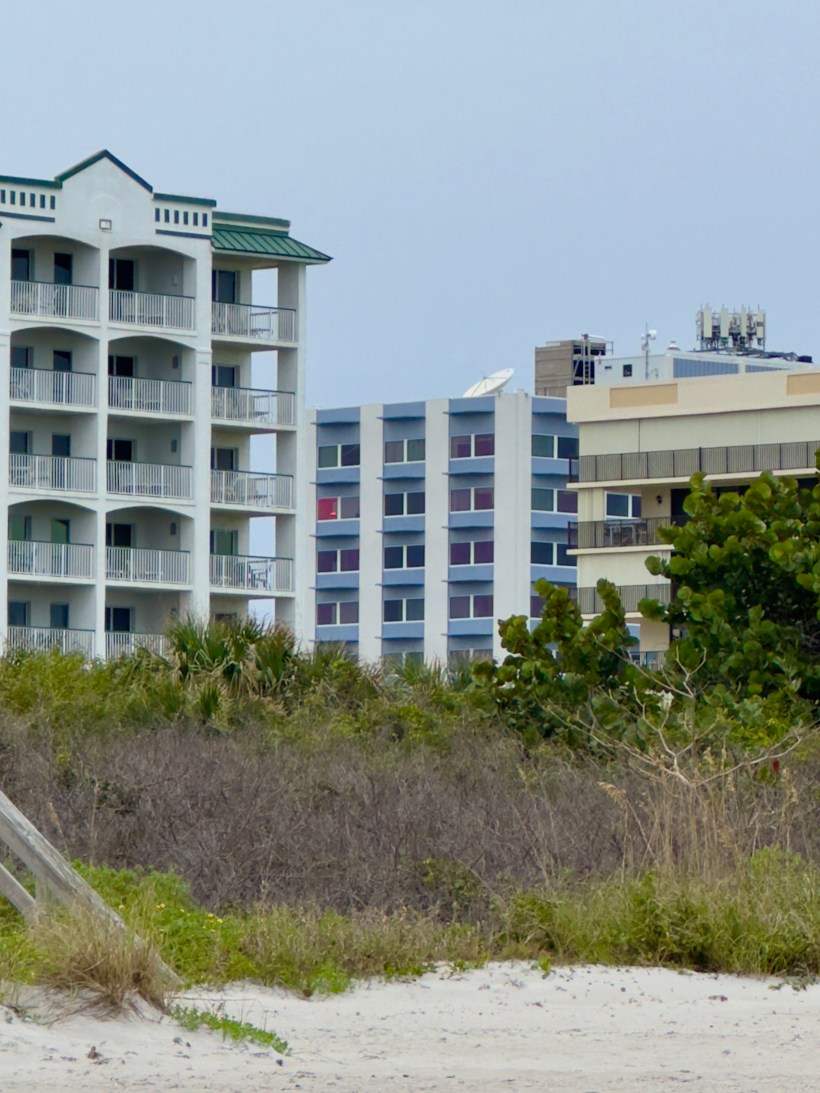
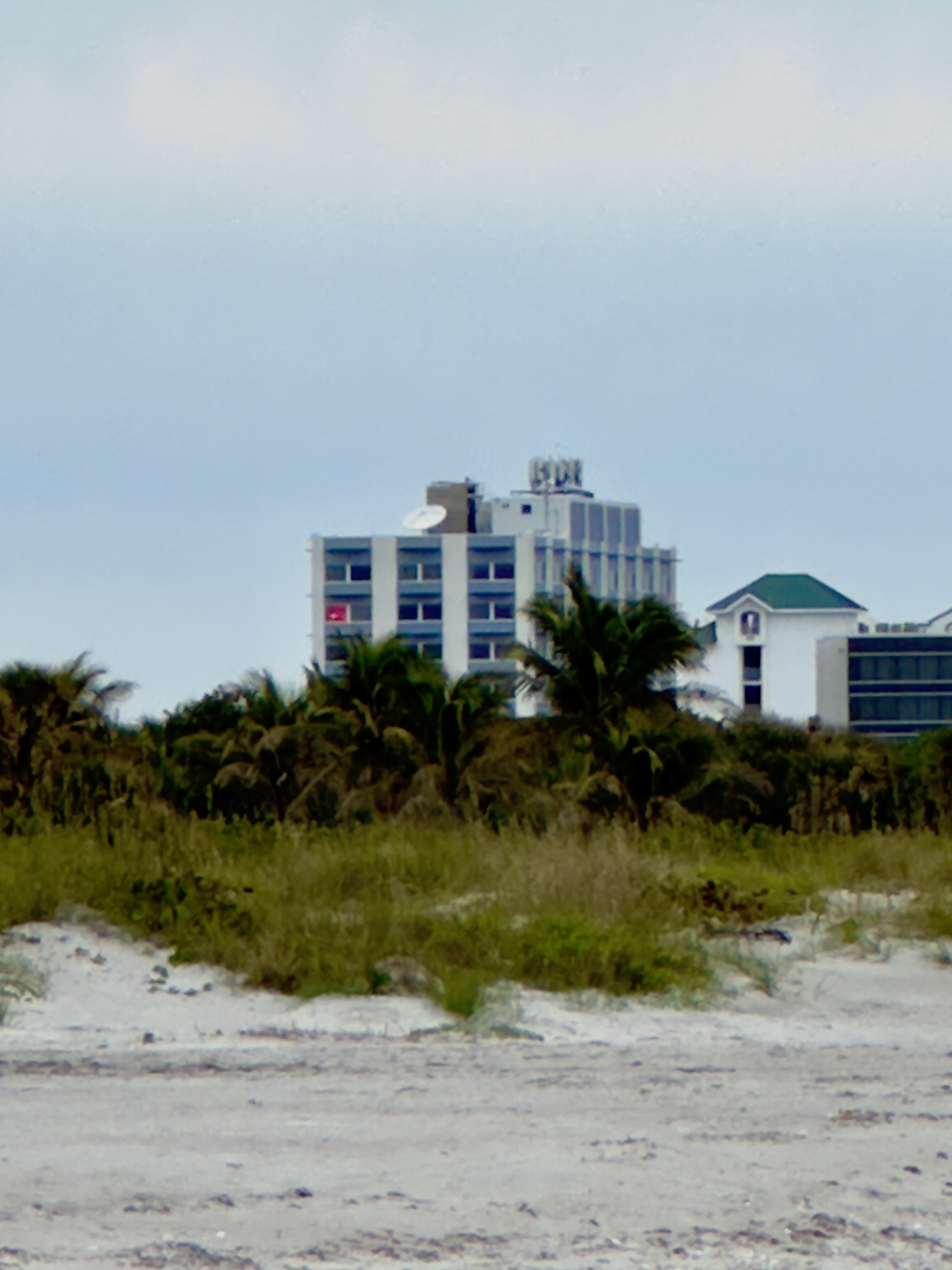
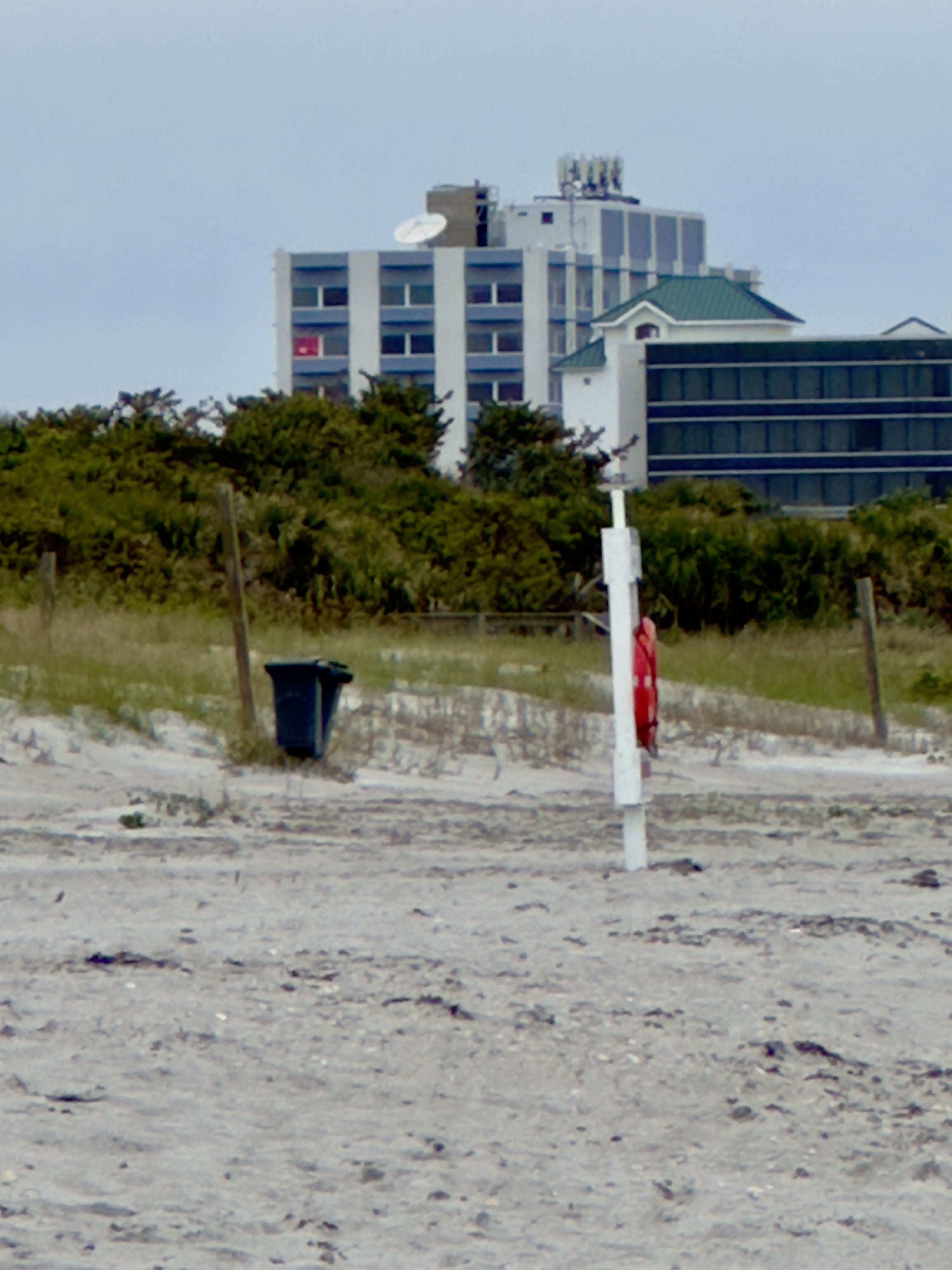
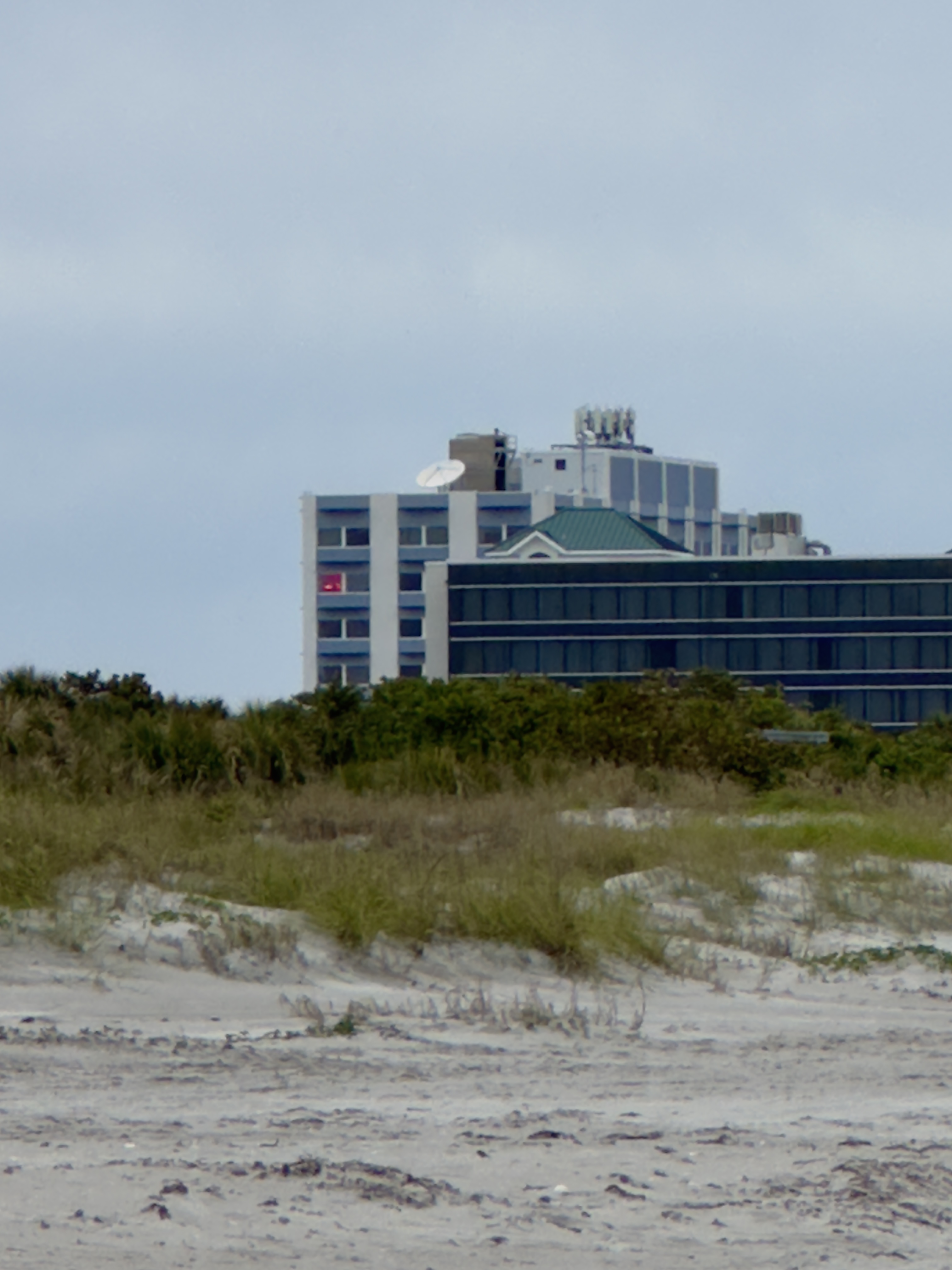
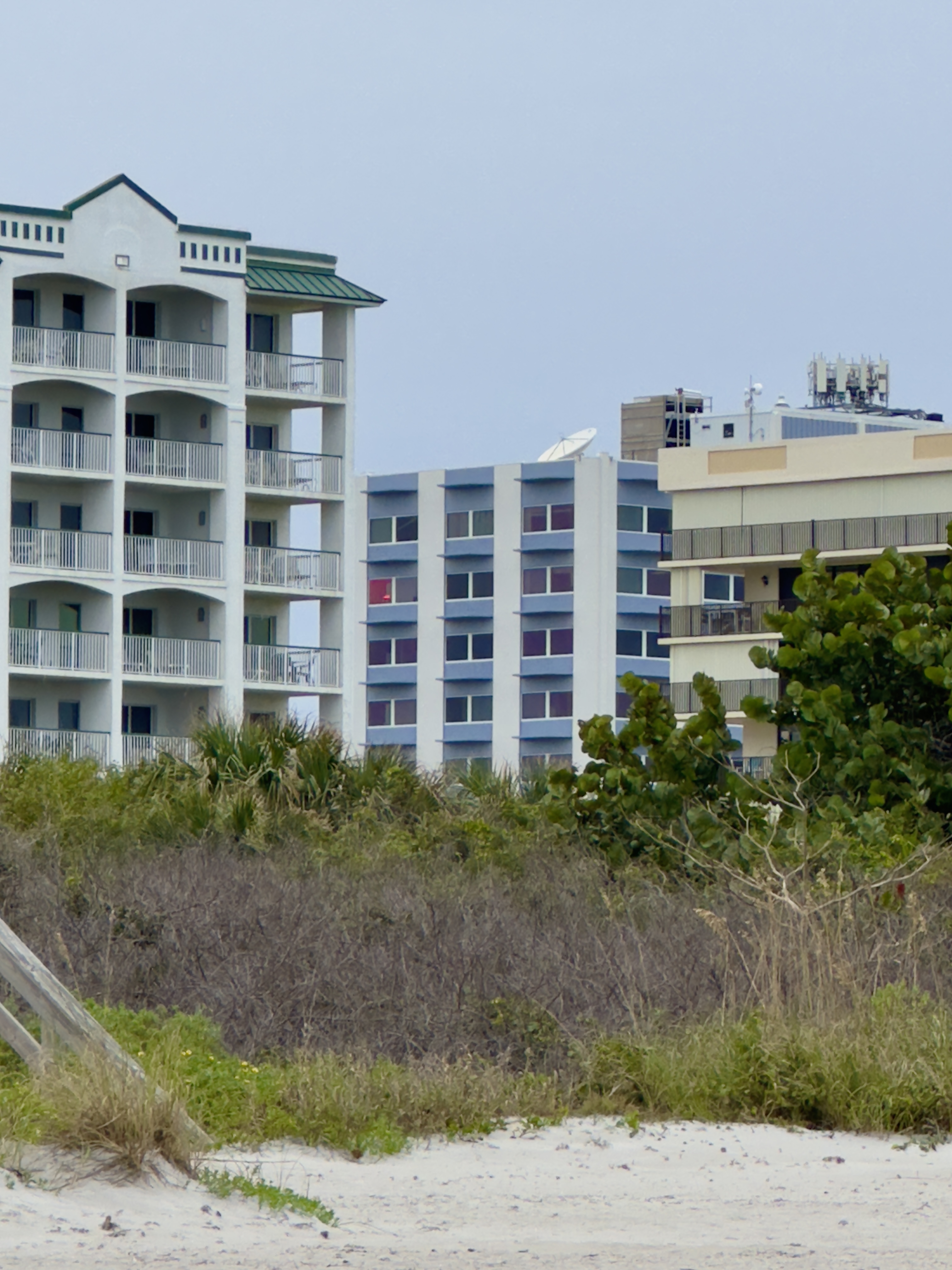
I’ve always been captivated by the unusual, so when I first saw that mysterious red light beaming from the ninth floor of the Cape Royal Office Condominium in Cocoa Beach, I was instantly hooked. The theories around town were wild—some said it was a secret alien signal, others whispered about hidden, illicit activities.

I knew I needed help to investigate, and who better than Emma, the local journalist with a knack for uncovering the truth? I approached her with my theory, and her eyes lit up with curiosity. “Alex, this sounds like a story worth exploring. Let’s see what’s really going on with that red light,” she said enthusiastically.

Disguised as potential clients, we managed to get access to the ninth floor. The anticipation was palpable as we walked through the doors of Howe Photonics, only to find a busy office, not the den of intrigue we’d imagined.

“Hi, I’m Gary Howe,” the managing director greeted us with a knowing smile. “I assume you’re here about the red light?”

I exchanged a look with Emma. “Yes, we are,” she said. “There’s been a lot of speculation in town about it.”

Gary chuckled. “Well, let me clear things up. We specialize in red light therapy systems. The light you’ve seen is from our custom-made LEDs used for therapeutic purposes. They’ve been approved by the FDA.”

I was stunned. “So, it’s not a signal to aliens or anything like that?” I asked, half-joking.

“No, Alex, nothing as exciting as that,” Gary replied with a smile.

Emma and I learned more about the therapy and its benefits from Gary and his son, Howard. I couldn’t help but feel a sense of wonder at the science behind it all. Emma, always the professional, asked insightful questions, capturing every detail.

Gary then offered us a chance to try the therapy. As I relaxed under the soothing red light, I felt a wave of calmness and rejuvenation. “This is incredible, Emma. It’s so different from what we imagined.”

Returning to Cocoa Beach, we were eager to share our findings. Emma penned a detailed article for the local paper, while I created a documentary featuring interviews with the Howes and locals like Judith Brinkly, who had seen remarkable results from the therapy.

The story of the red light shifted from mystery to a source of health and wellness. The once-feared glow now drew people in, eager to experience the benefits for themselves. The mysterious red light, previously the subject of wild rumors, became a celebrated part of our community.

Reflecting on our adventure, I’m grateful for Emma’s support and insight. “You know, Emma, we really changed the narrative here. It’s amazing what a little curiosity and investigation can do.”

Emma smiled. “Absolutely, Alex. We turned fear into understanding and appreciation. That’s the power of seeking the truth.”

The red light of the Cape Royal Office Condominium, once a symbol of mystery and intrigue, now stood as a beacon of hope and healing. Emma and I had uncovered not just a story, but a testament to the power of curiosity and the pursuit of truth.

Note: the persons named in this story are fictional characters. The building and the nature of the red light is real.

Copyright 2024 Michael Stephen Wills All Rights Reserved

Arrival

Here we have a pleasant carriage rental trip, exploring and photographing the Aran Islands.

Continue reading “Arrival”

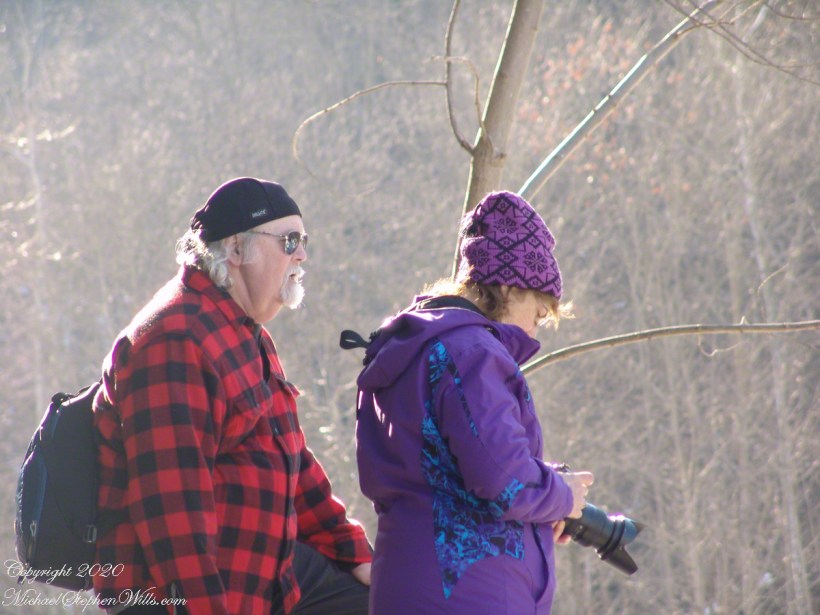
Winter People Watching

Happy New Year’s Eve

Continue reading “Winter People Watching”

Gateway to the Universe

Hartung–Boothroyd Observatory is a leading educational facility, aiding in the study of astrophysics, tracking asteroids, and fostering diverse academic collaborations.

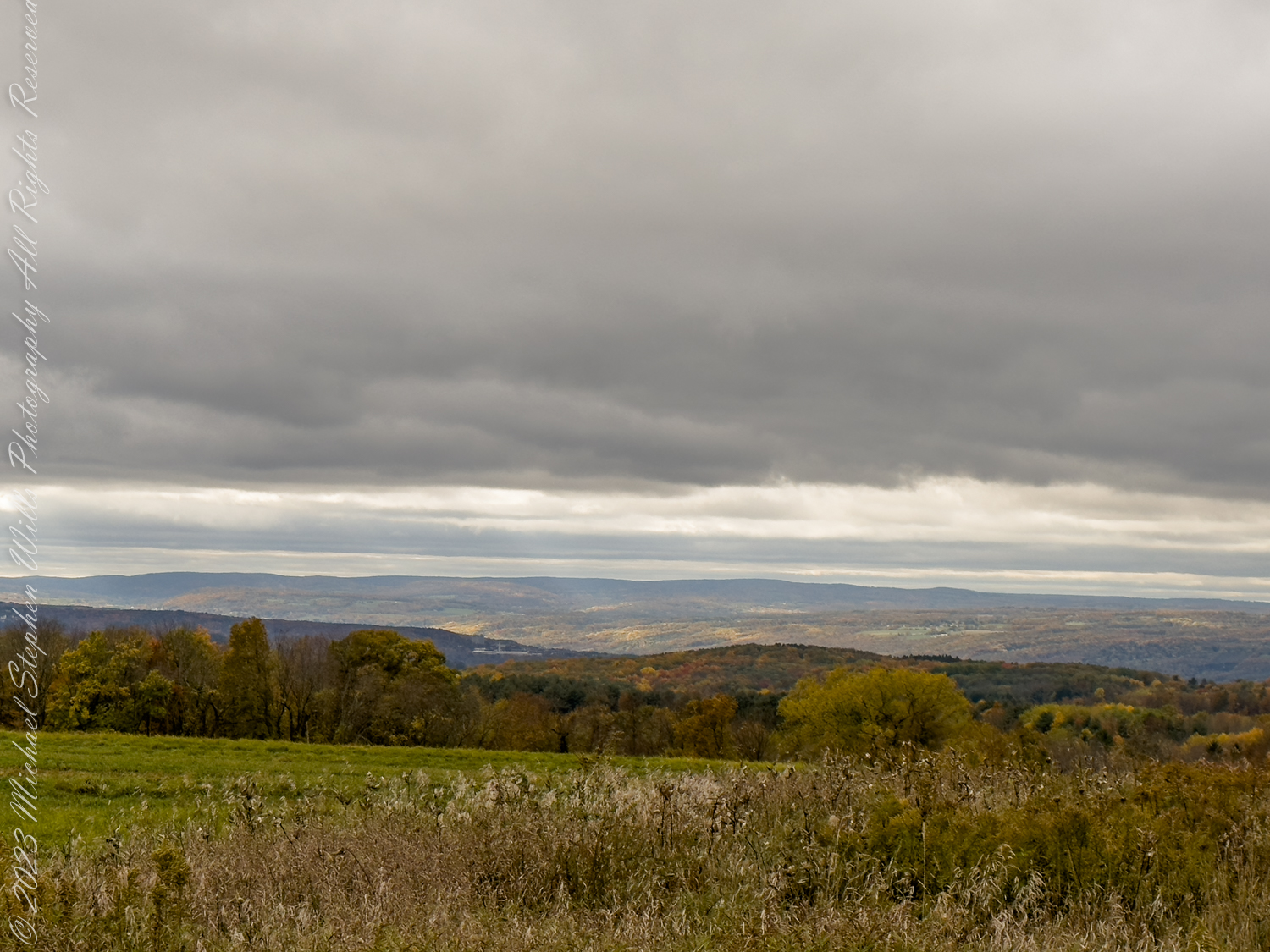
Perched on Mount Pleasant in the town of Dryden, New York, the Hartung-Boothroyd Observatory (HBO) stands as a testament to the celestial curiosity that Cornell University has nurtured for decades. It is a gateway to the stars, a place where the heavens unfold in wondrous detail to the eyes of astrophiles and the lenses of powerful telescopes.

The observatory is home to a reflecting telescope, one of the largest in New York State dedicated to both education and research. This remarkable instrument, housed under a retractable dome, has provided students and researchers with direct experience in astronomical observations since its establishment in 1974.

HBO isn’t just an observatory; it is a bridge between the terrestrial and the cosmic. It represents an educational philosophy that values direct engagement with the subject of study. Undergraduates, graduates, and faculty members flock to the facility to engage in projects that range from studying variable stars and exoplanets to tracking asteroids. Here, theoretical astrophysics meets the tactile world, allowing for an integrated understanding of the universe’s complexities.

It is used mainly as a Cornell University (Ithaca, New York) teaching facility for upper-level astronomy classes. The observatory is named financial contributions of M. John Hartung ’08 (chemical industrialist and donor) and in honor of the labor of Samuel L. Boothroyd (founding professor and chairman of astronomy 1921–1942). The telescope construction began in the 1930s and the observatory was dedicated in 1974. It contains the James R. Houck 60 centimeter telescope and various instruments.

The James R. Houck telescope at HBO was a project initiated by its namesake in 1972, using optics and a lightweight tube which had been fabricated in the late 1930s by Samuel T. Boothroyd, Cornell’s first astronomer, and a mounting constructed by George Gull ’72 as his senior design thesis in Mechanical Engineering.

The telescope, control electronics and instruments are largely the result of work done by undergraduates since 1970. It was manufactured by the students at the Tompkins, Tioga and Seneca BOCES and by Therm, Inc., with mirror coatings by Evaporated Metal Films corporation, all in Ithaca. The latter corporation was founded by members of Boothroyd’s scientific team, as he pioneered the use of evaporated metal coatings in astronomical optics. The telescope and observatory were dedicated in 1974.

The primary mirror is made of Pyrex from the Corning Glass Works and is in fact from a 1/8-scale test pour by the Corning company in preparation for the making of the 200″ Palomar mirror. It is 0.635 m (25 inches) in size, but the outer half inch is masked. The focal length of the mirror is 2.5m (100″) or f/4.

The Cassegrain design of the James R. Houck telescope is a combination of a primary concave mirror and a secondary convex mirror, often used in optical telescopes, the main characteristic being that the optical path folds back onto itself, relative to the optical system’s primary mirror entrance aperture. This design puts the focal point at a convenient location behind the primary mirror and the convex secondary adds a telephoto effect creating a much longer focal length in a mechanically short system.

View south

The secondary is an 8″ mirror made of Cervit (a low thermal coefficient material). In combination with the primary, it yields a final f/13.5 beam to the nominal focus, which lies 18.5″ behind the primary mirror’s vertex. At nominal focus, the plate scale is about 24 arcsec/mm, with an effective focal length of 8.57 m.

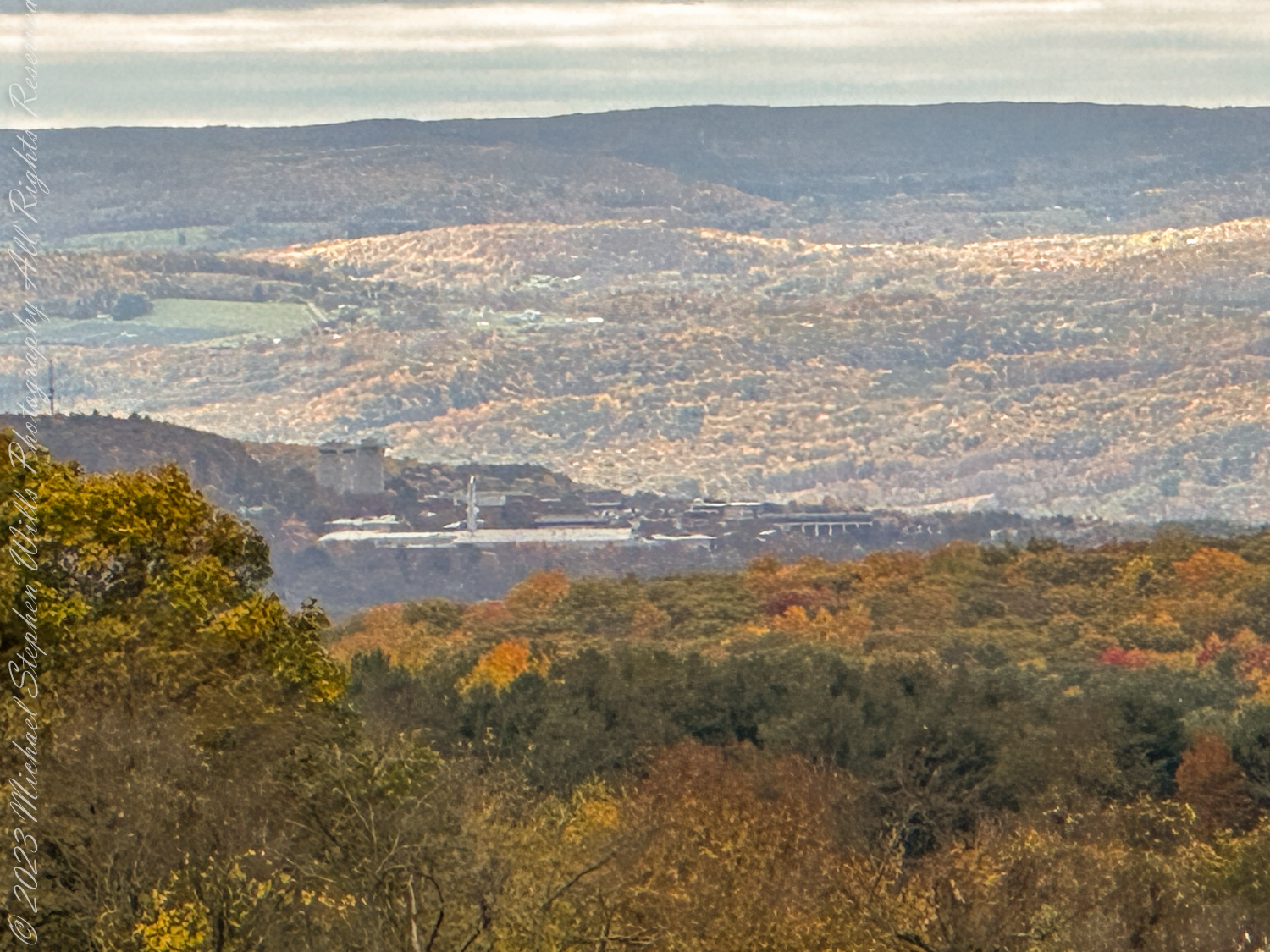
View southwest toward Ithaca College

The telescope, control electronics and instruments are largely the result of work done by undergraduates since 1970. It was manufactured by the students at the Tompkins, Tioga and Seneca BOCES and by Therm, Inc., with mirror coatings by Evaporated Metal Films corporation, all in Ithaca. The latter corporation was founded by members of Boothroyd’s scientific team, as he pioneered the use of evaporated metal coatings in astronomical optics.

The dome itself, like all professional observatories, is unheated. The telescope and instrumentation can be controlled from a neighboring control room which is heated and offers standard amenities plus several computers for simultaneous data reduction.

The observatory was founded by James Houck and managed by him through 2006. The principal contact is Don Barry, who managed the facility from 2006-2015, and taught Experimental Astronomy using the facility.

“Graduates” of the HBO project are now senior engineers and technical managers as well as graduate students, research associates and faculty at major universities.

Moreover, the observatory is a beacon for interdisciplinary collaboration. It’s not uncommon to find astronomers working alongside computer scientists, engineers, and educators. This cross-pollination of ideas enhances the potential for innovation, fostering new techniques in data analysis, instrument design, and educational methods. The observatory’s role extends beyond its primary function; it is a hub of convergence for diverse academic disciplines, all under the umbrella of exploring the unknown.

HBO also contributes to the global astronomical community through its research. The data collected here feed into larger networks of observation and analysis, aiding in the collective endeavor of mapping and understanding the universe. Its strategic location in upstate New York, away from the light pollution of large urban centers, grants it relatively clear night skies, making it an invaluable resource for both optical astronomy and astrophotography.

In an era where space exploration has captured the public imagination like never before, observatories such as the Hartung-Boothroyd are more crucial than ever. They serve as terrestrial launchpads, propelling minds into the realm of scientific inquiry. Here, the vastness of space becomes approachable, the mechanics of the cosmos decipherable, and the mysteries of the universe a little less mysterious.

As the night falls and the stars emerge, the Hartung-Boothroyd Observatory continues its silent vigil over the heavens. It stands as a beacon of knowledge and discovery, an educational catalyst, and a gateway to the stars. For the students and astronomers who work from this dome on Mount Pleasant, HBO is more than an observatory—it is a vessel navigating the infinite ocean of the night sky, a journey that begins in the heart of Cornell University and extends to the edges of the observable universe.
Copyright 2023 Michael Stephen Wills All Rights Reserved http://www.MichaelStephenWills.com

ScienceCenter with Grandchildren

The ScienceCenter museum encourages learning about nanotechnology’s prevalence and unpredictable, unique behaviors.
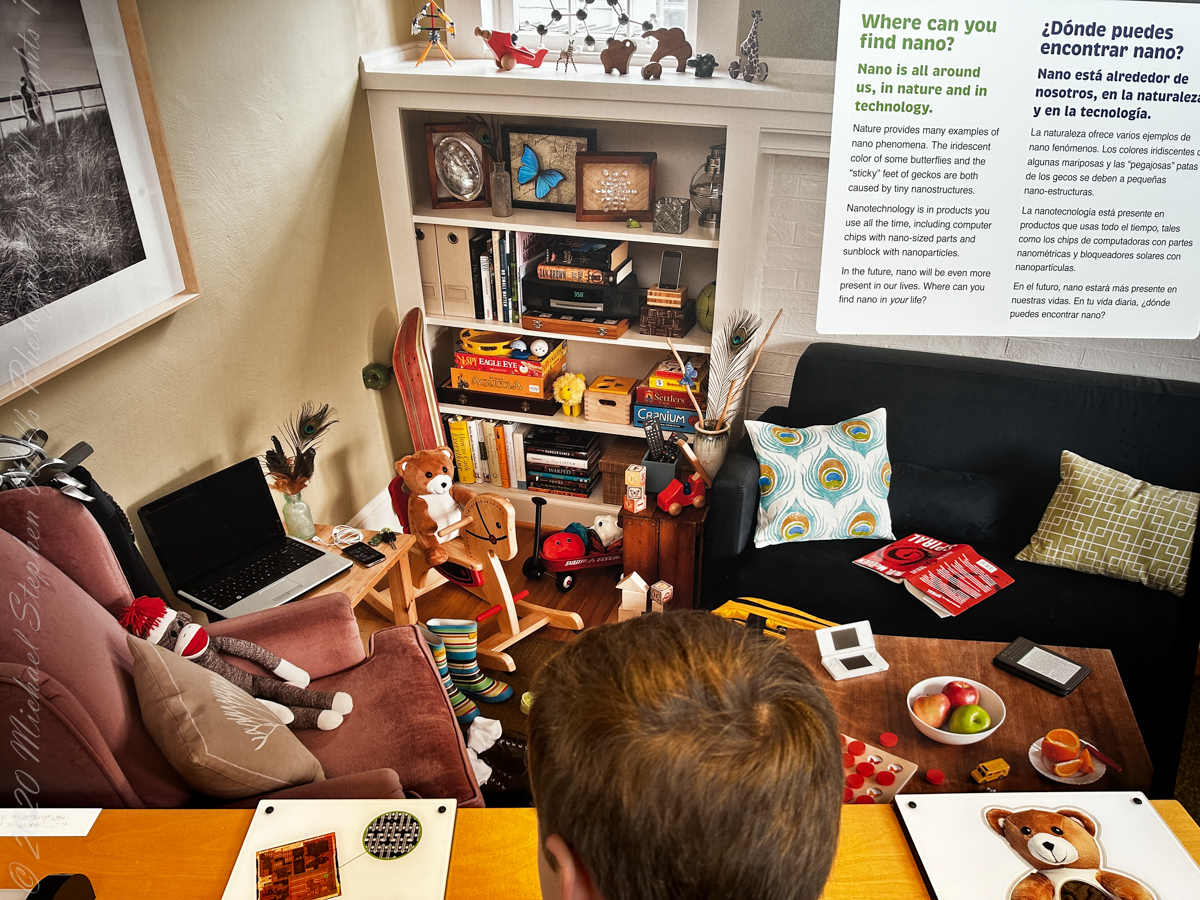
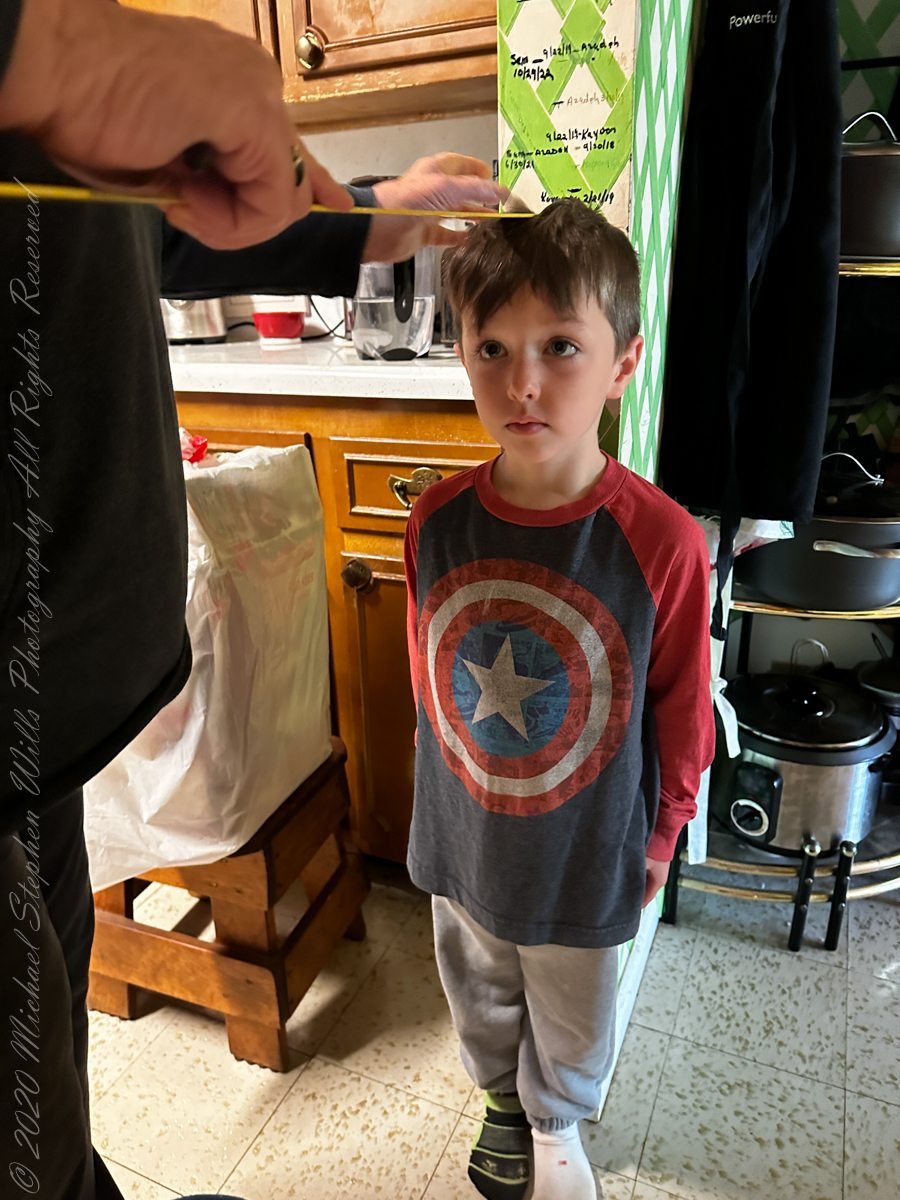
Our day of science began with measurement: each grandchild’s growth is represented on this corner. Even as young adults they visit and are re-measured. Here Rory is making his mark.

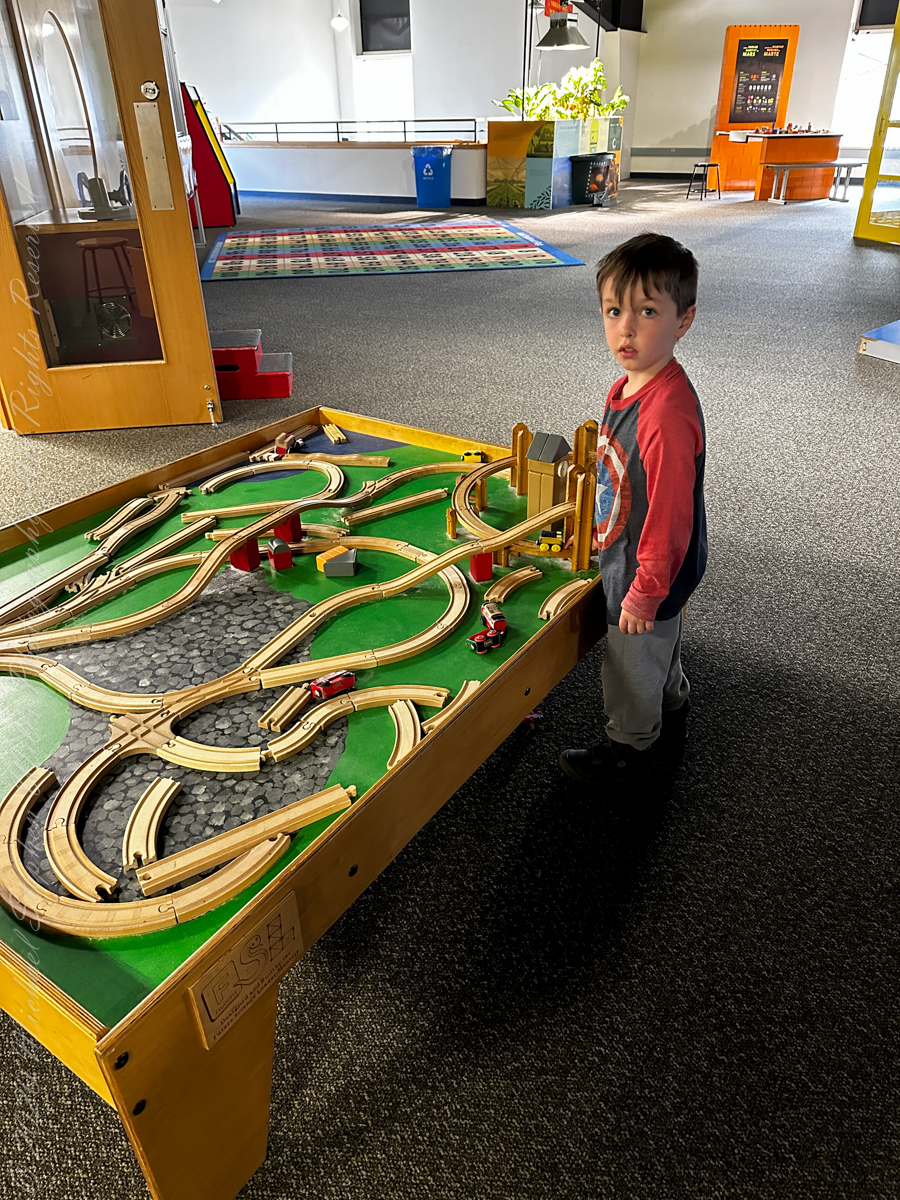
Our science inspired museum, ScienceCenter, is full of fun activities.
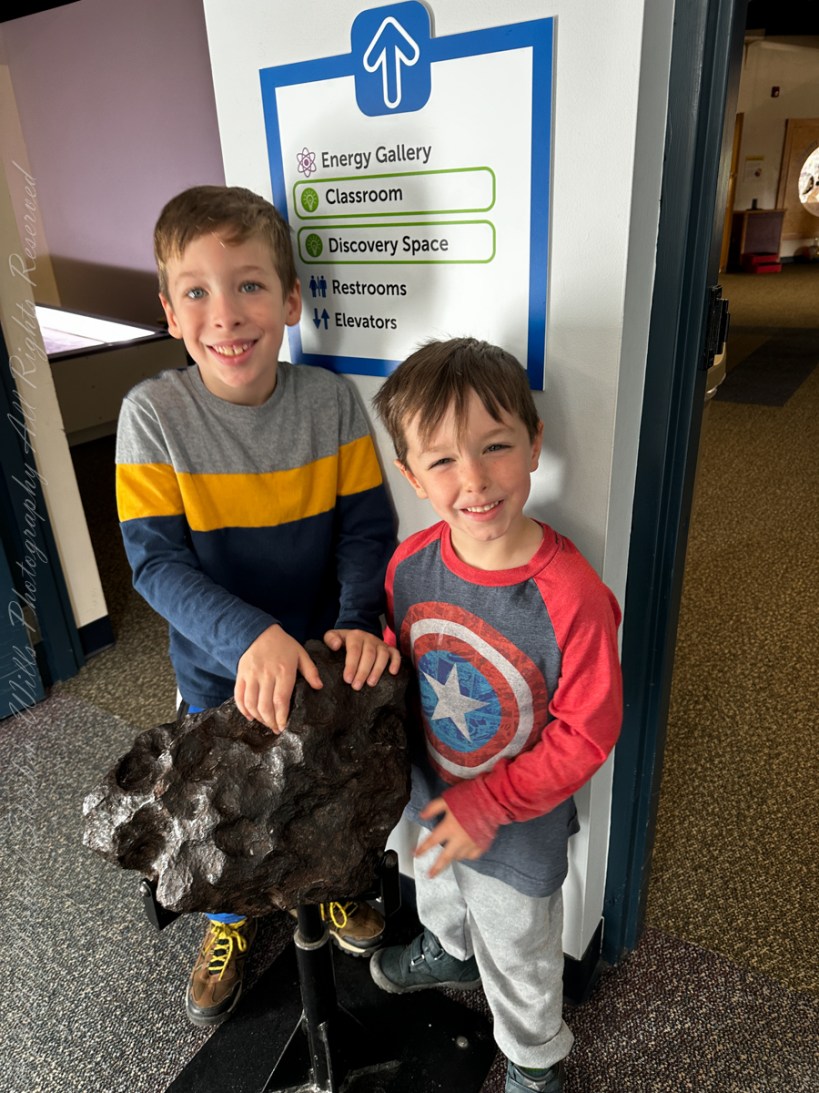
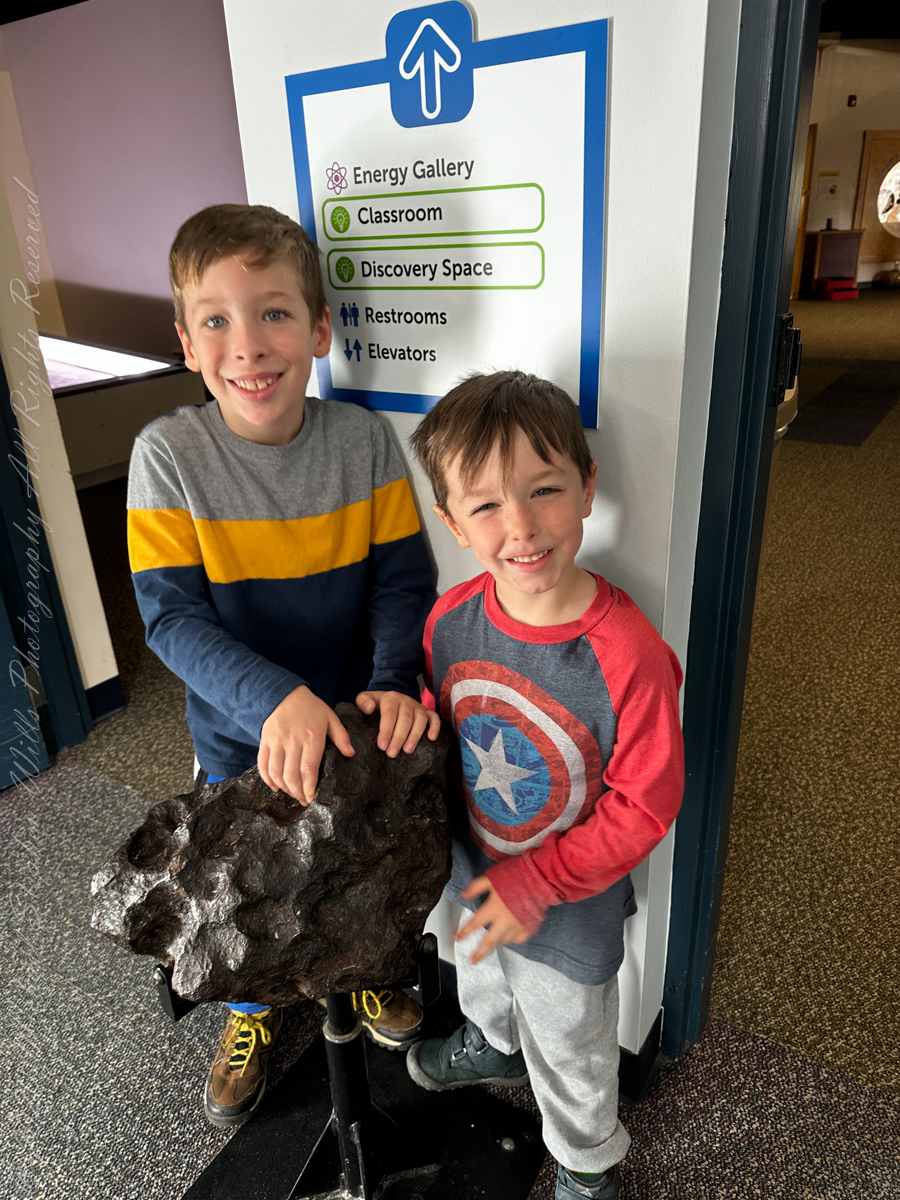
Nothing like touching a space object: an iron-nickel meteorite.
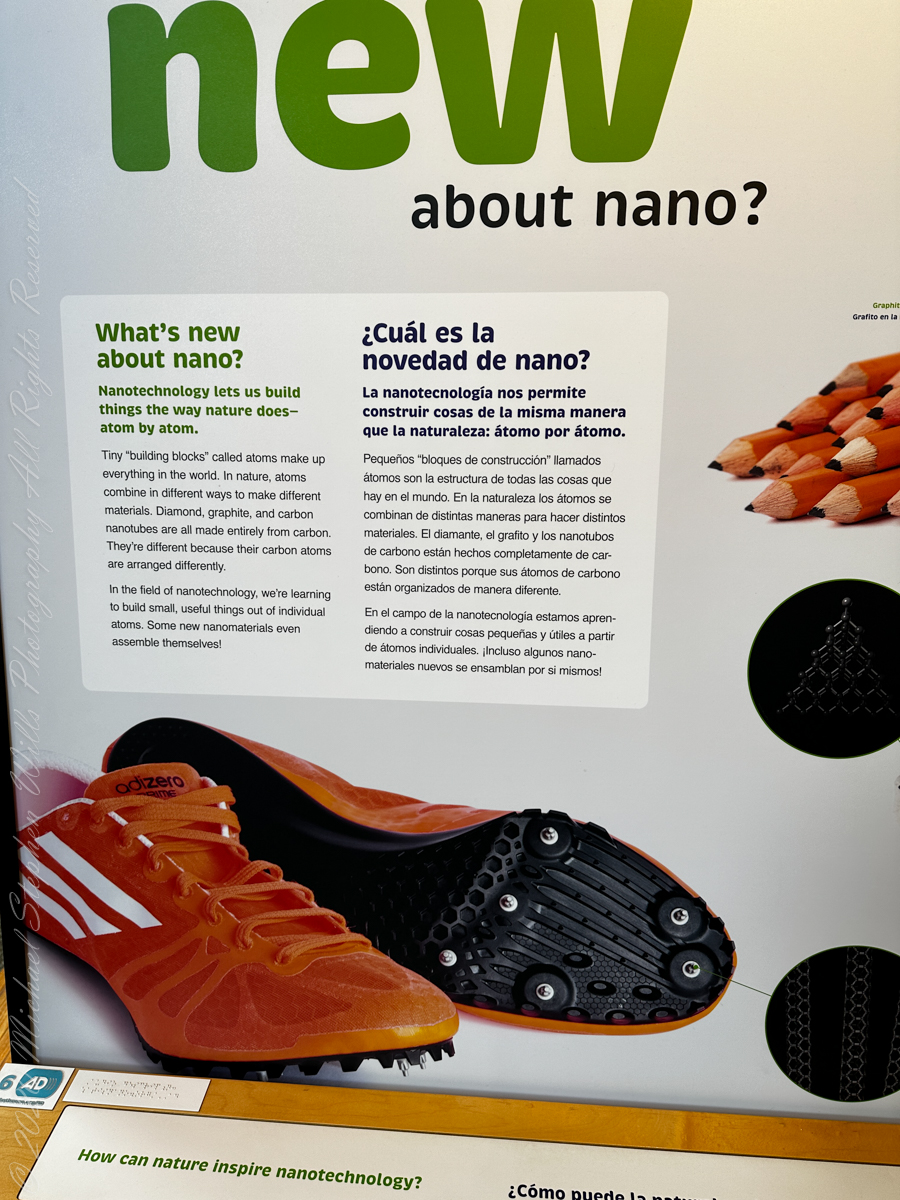
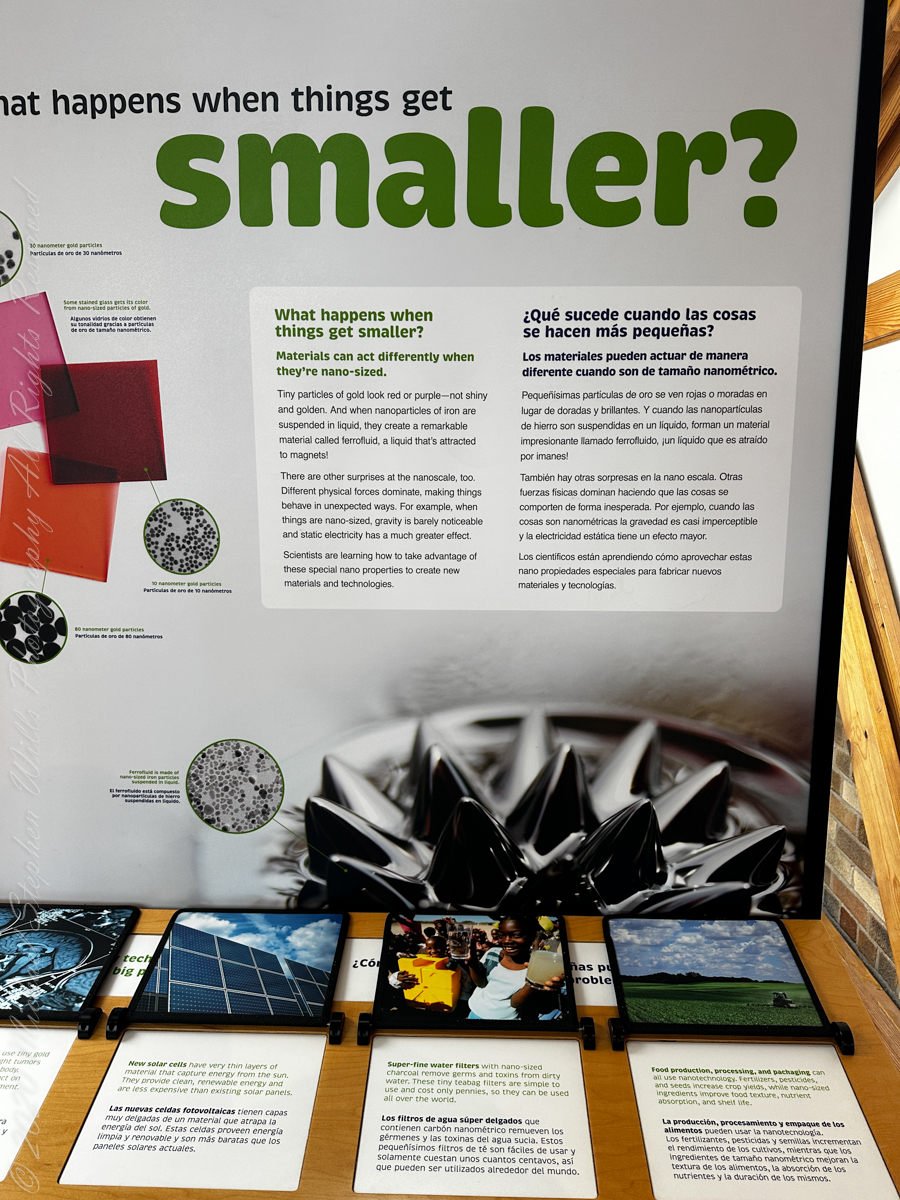
So much to learn and discover. Here is Sam perusing a “nano” display.

Nanotechnology is pervasive, existing both in nature and within our technological innovations. Nature offers numerous instances of nanoscale phenomena. For instance, the iridescent hues seen in certain butterflies and the adhesive properties of geckos’ feet are both outcomes of nanostructures.

In our everyday products, nanotechnology plays a significant role. You’ll find it in items you use regularly, such as computer chips featuring minuscule nano-sized components and sunscreen containing nanoparticles. Looking ahead, nanotechnology will play an even more prominent role in our lives.

The question is: Where can you spot the influence of nanotechnology in your own life?

Materials exhibit distinct behaviors at the nanoscale. Tiny particles of gold appear red or purple, as opposed to their conventional shiny, golden appearance. When nanoparticles of iron are dispersed in a liquid, they give rise to a remarkable substance known as ferrofluid, which is a liquid that exhibits a magnetic attraction.

The nanoscale realm also harbors other surprising phenomena. Here, different physical forces dominate, leading to unexpected behaviors. For instance, at nanoscale the force of gravity becomes nearly imperceptible, while static electricity exerts a much greater influence.

Scientists are actively exploring ways to harness these unique nanoscale properties in the development of novel materials and cutting-edge technologies.

Nanotechnology enables us to construct structures much like nature does: atom by atom. Everything in the world is composed of “building blocks” known as atoms. In nature, varied combinations of atoms create diverse materials. For instance, diamond, graphite, and carbon nanotubes are all composed entirely of carbon atoms, but their unique properties emerge from the distinct arrangements of these carbon atoms.

In the field of nanotechnology, we are gaining the knowledge and capability to craft small, functional objects from individual atoms. Remarkably, some new nanomaterials have the capacity to self-assemble, opening up new possibilities for nanotechnology.

Copyright 2023 Michael Stephen Wills All Rights Reserved

Pam’s Photography

Here is a sample of my wife Pam’s photography skills by way of a video with music created by her IPhone 8.

In and around Cocoa Beach and Brevard County, January and February

Copyright 2023 Michael Stephen Wills All Rights Reserved

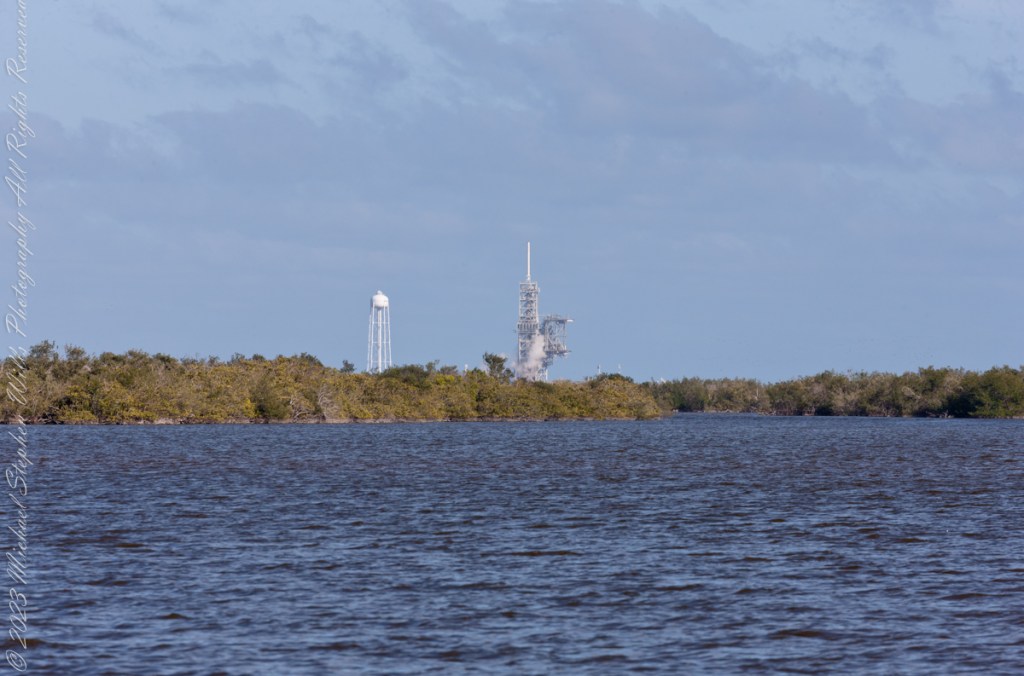
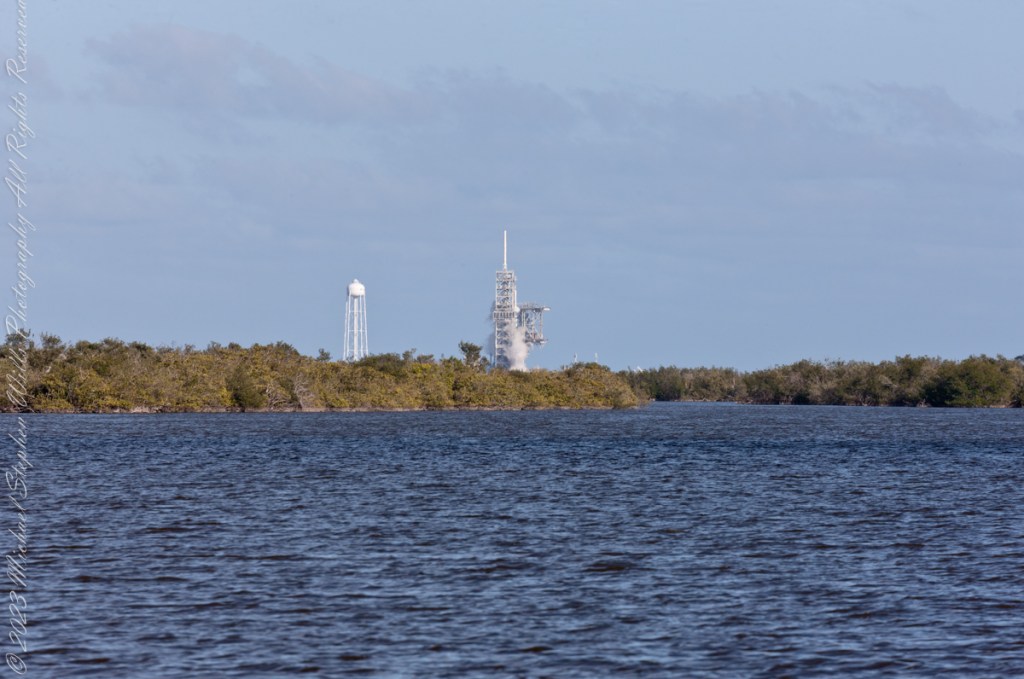
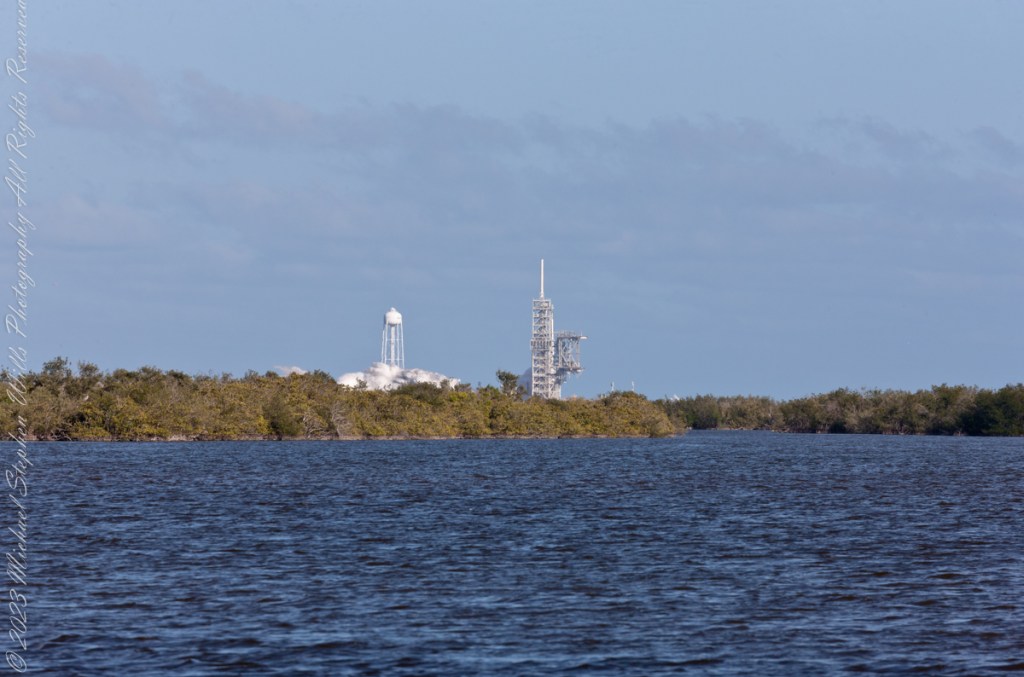
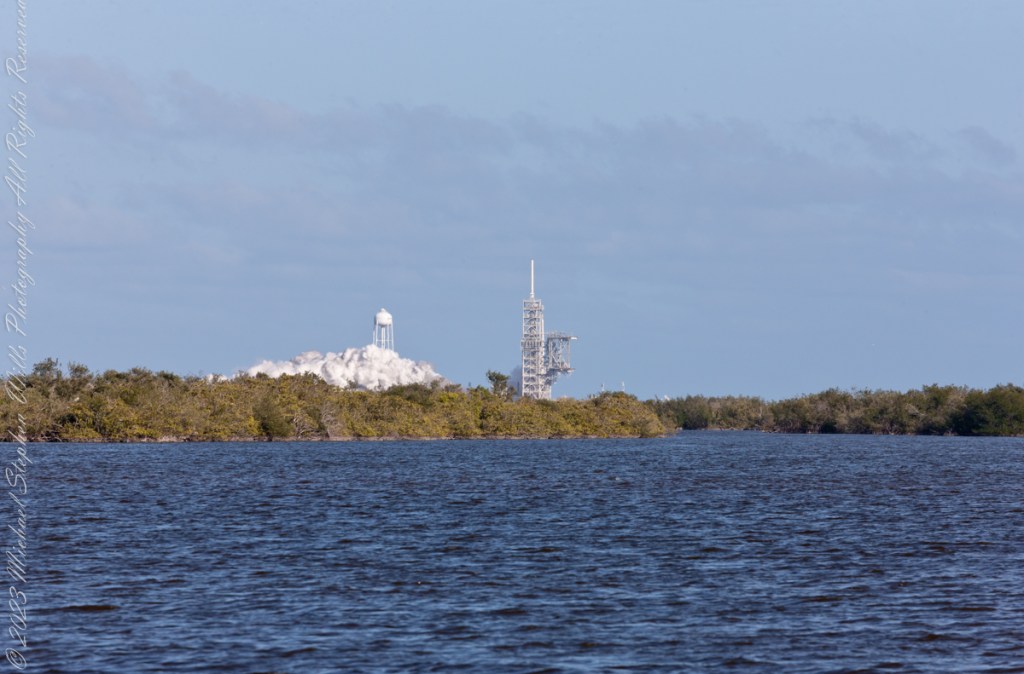
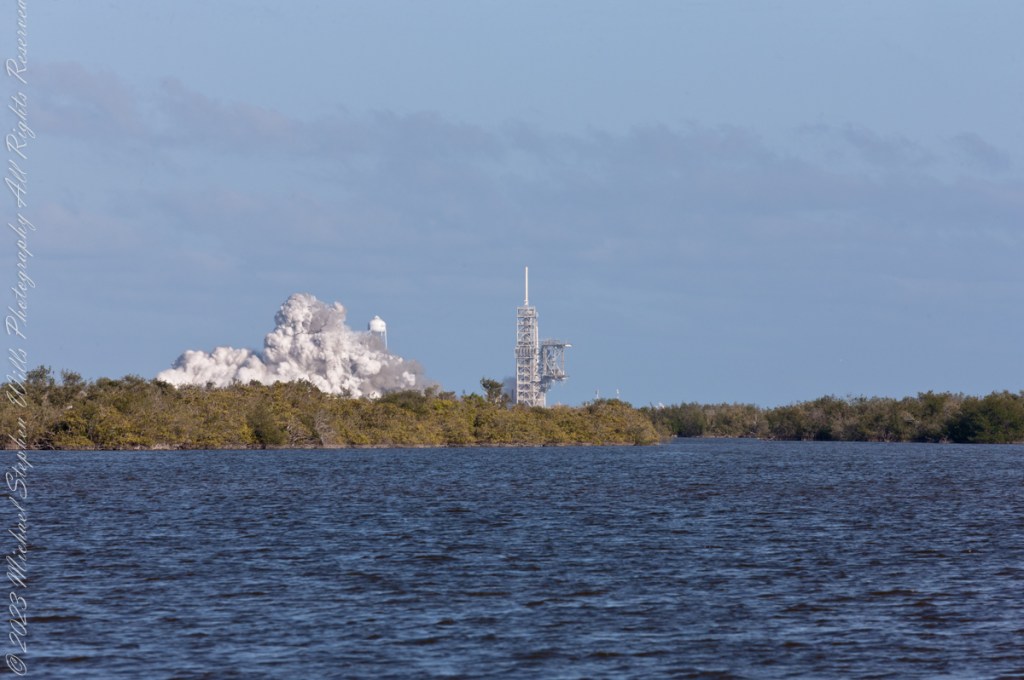
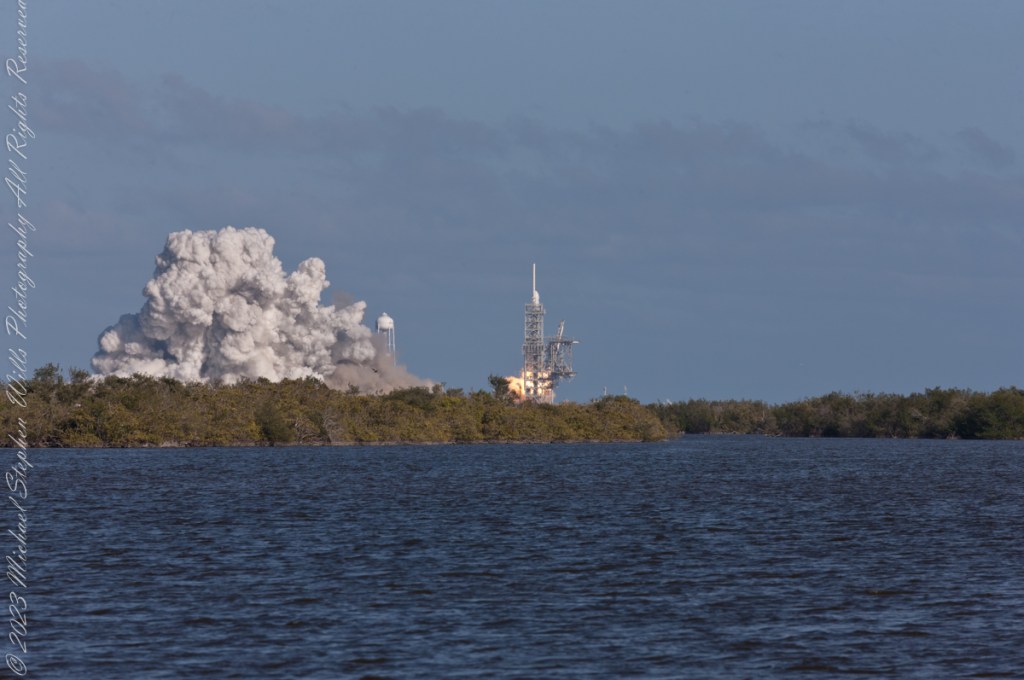
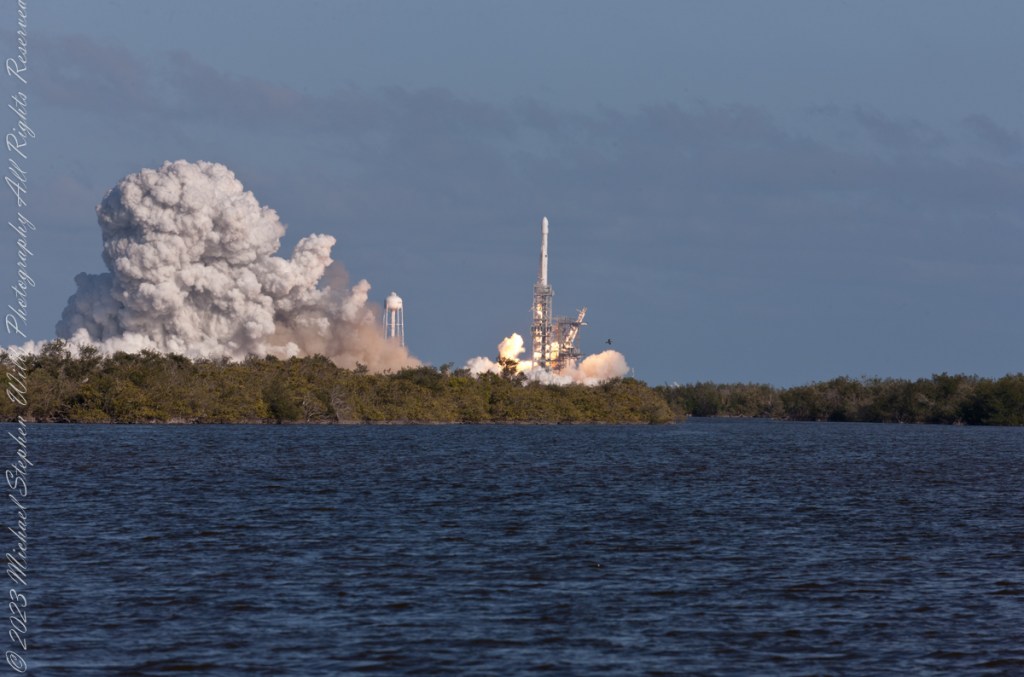
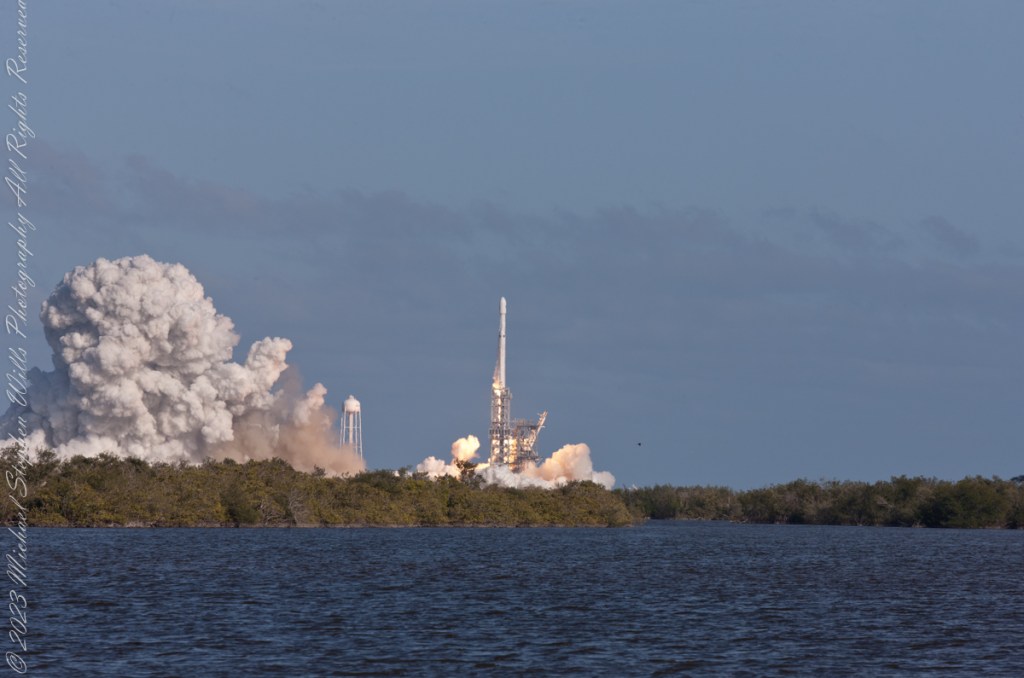
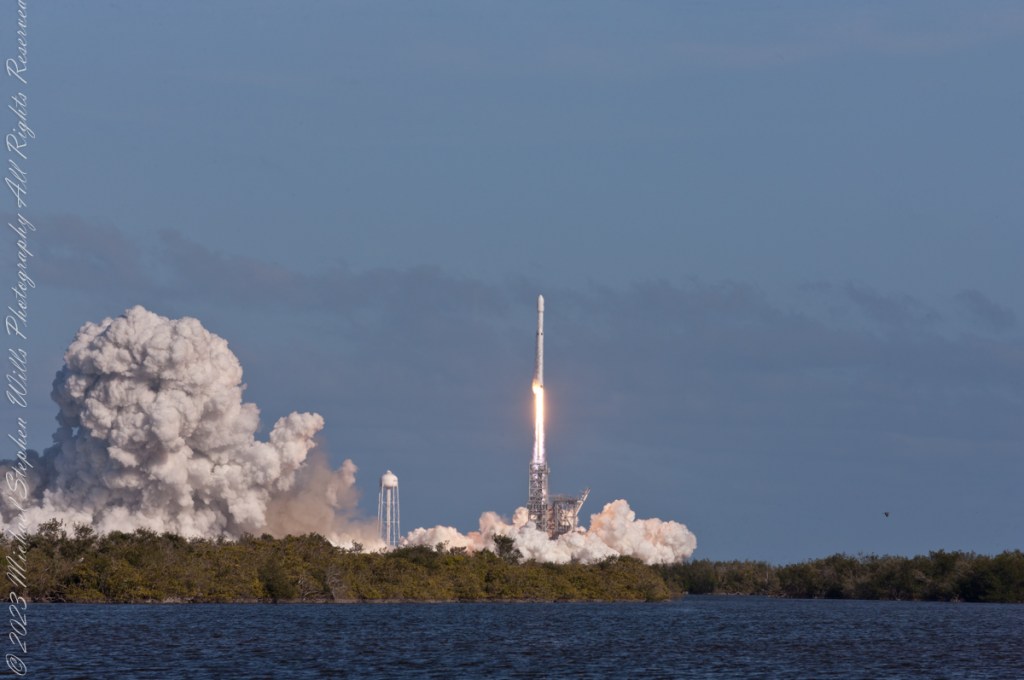
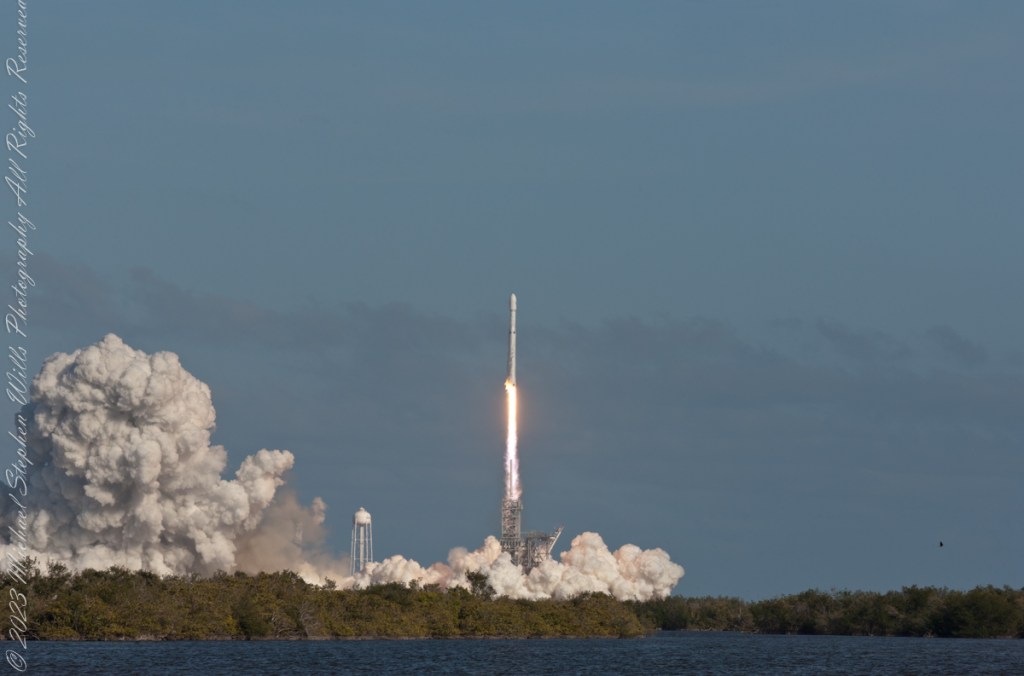
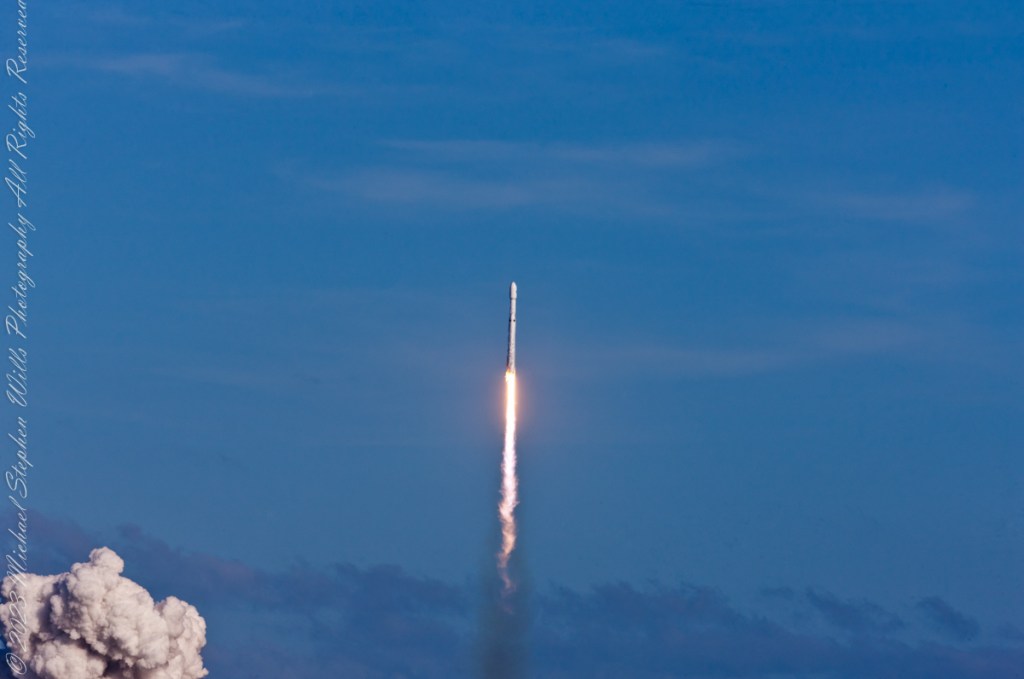
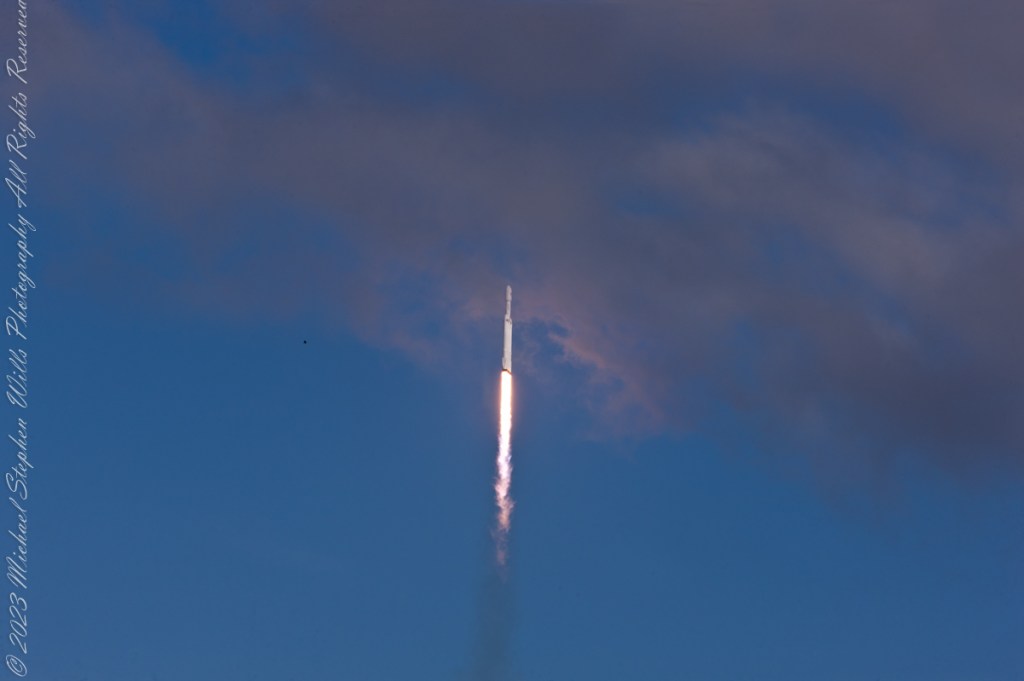
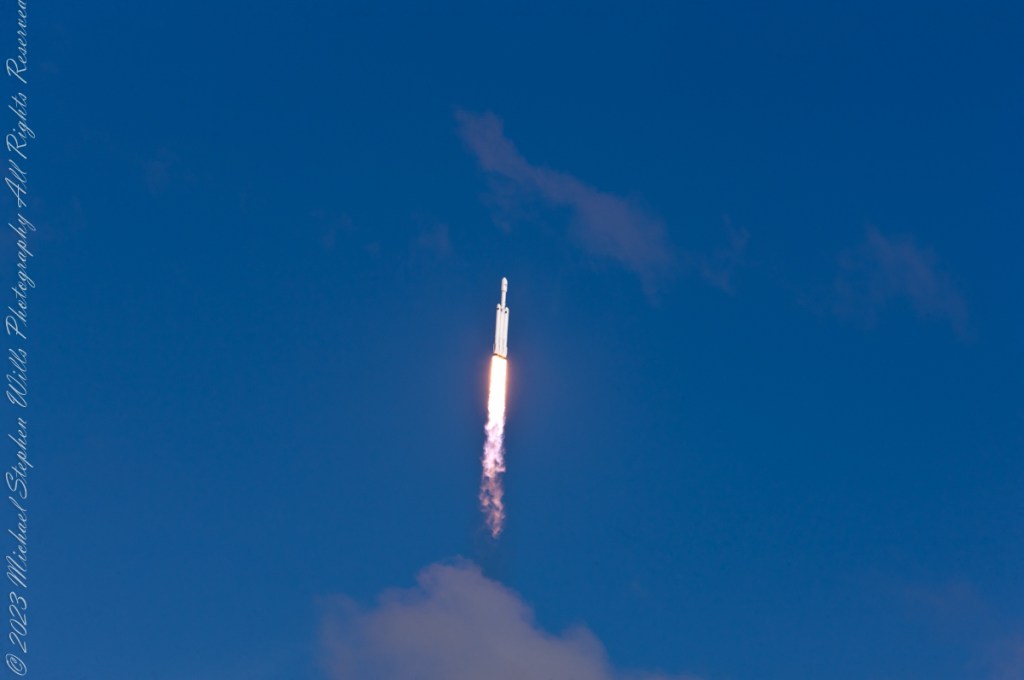
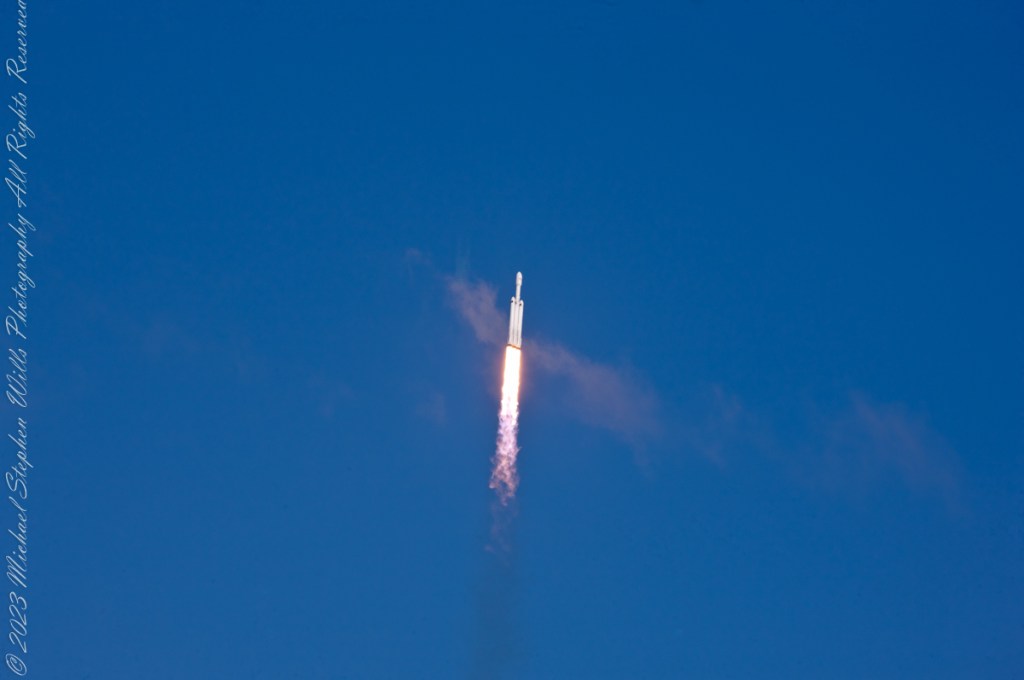
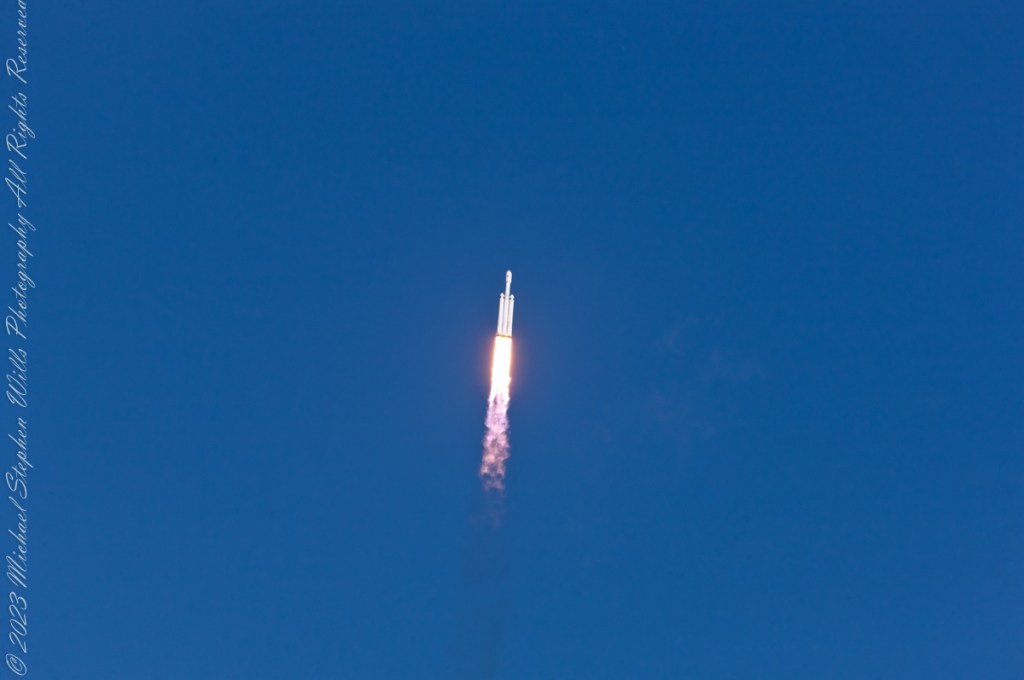
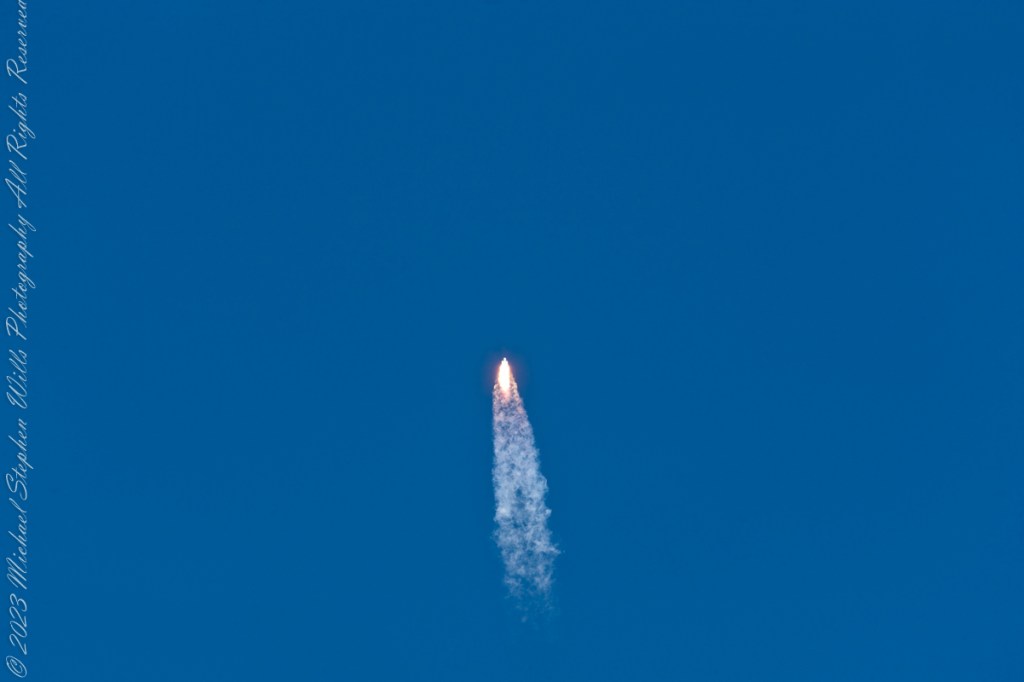
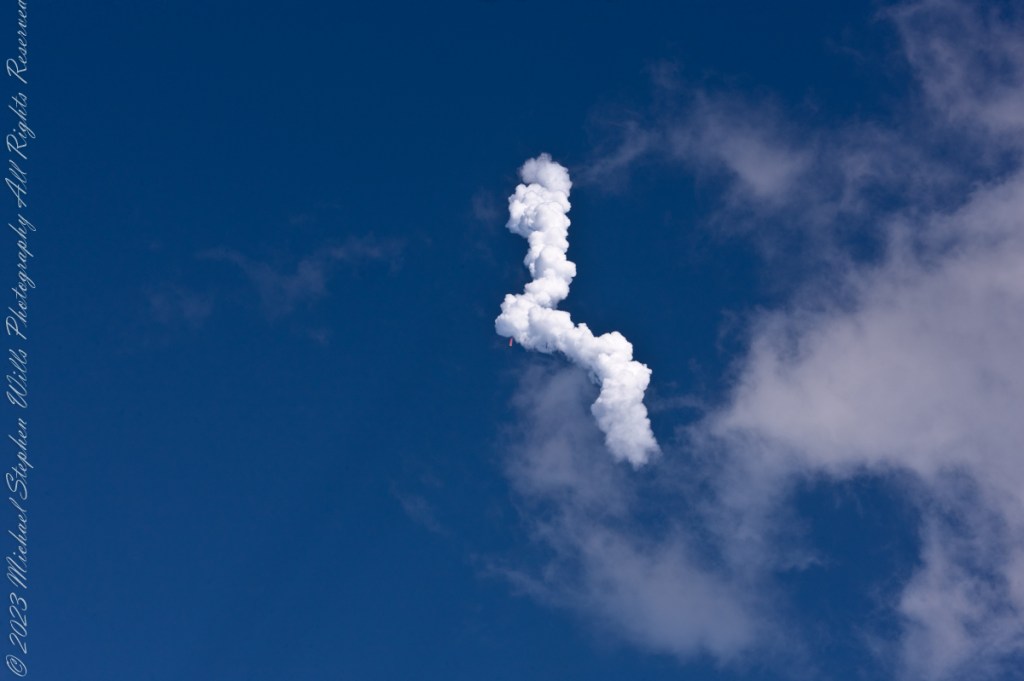
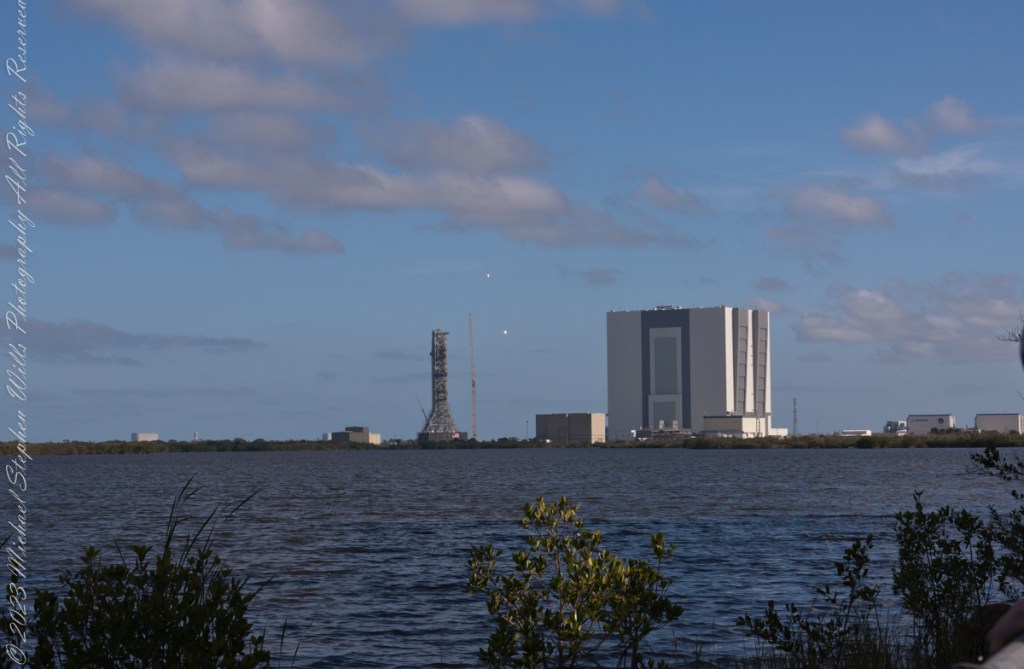
Falcon Heavy First Launch

February 6, 2018

Falcon Heavy is a partially reusable super heavy-lift launch vehicle[a] that can carry cargo into Earth orbit, and beyond. It is designed, manufactured and launched by American aerospace company SpaceX.

The rocket consists of a center core on which two Falcon 9 boosters are attached, and a second stage on top of the center core. Falcon Heavy has the second highest payload capacity of any currently operational launch vehicle behind NASA’s Space Launch System, and the fourth-highest capacity of any rocket to reach orbit, trailing behind the SLS, Energia and the Saturn V.

SpaceX conducted Falcon Heavy’s maiden launch on 6 February 2018, at 20:45 UTC. As a dummy payload, the rocket carried a Tesla Roadster belonging to SpaceX founder Elon Musk, with a mannequin dubbed “Starman” in the driver’s seat. The second Falcon Heavy launch occurred on 11 April 2019, and all three booster rockets successfully returned to Earth. The third Falcon Heavy launch successfully occurred on 25 June 2019. Since then, Falcon Heavy has been certified for the National Security Space Launch (NSSL) program.

Falcon Heavy was designed to be able to carry humans into space beyond low Earth orbit, although as of February 2018, SpaceX does not intend to transport people on Falcon Heavy, nor pursue the human-rating certification process to transport NASA astronauts. Both Falcon Heavy and Falcon 9 are expected to eventually be superseded by the Starship launch system, currently being developed.

On 6 February 2018, after a delay of over two hours due to high winds, Falcon Heavy lifted off at 20:45 UTC. Its side boosters landed safely on Landing Zones 1 and 2 a few minutes later. However, only one of the three engines on the center booster that were intended to restart ignited during descent, causing the booster to be destroyed upon impacting the ocean at a speed of over 480 km/h (300 mph).

Initially, Elon Musk tweeted that the Roadster had overshot its planned heliocentric orbit, and would reach the asteroid belt. Later, observations by telescopes showed that the Roadster would only slightly exceed the orbit of Mars at aphelion.

Reference: Wikipedia, “Falcon Heavy

Copyright 2023 Michael Stephen Wills All Rights

Pinelands Connections I

Geneology and DNA

“From the fire tower on Bear Swamp Hill, in Washington Township, Burlington County, New Jersey, the view usually extends about twelve miles. To the north, forest land reaches to the horizon. The trees are mainly oaks and pines, and the pine predominate. Occasionally, there are long, dark, serrated stands of Atlantic white cedars, so tall and so closely set that they seem spread against the sky on the ridges of hills, when in fact they grow along streams that flow through the forest. To the east, the view is similar, and few people who are not native to the region can discern essential differences from the high cabin of the fire tower, even though one difference is that huge areas out in this direction are covered with dwarf forests, where a man can stand among the trees and see for miles over their uppermost branches. To the south, the view is twice broken slightly — by a lake and by a cranberry bog — both otherwise it, too, goes to the horizon in forest. To the west, pines, oaks, and cedars continue all the way, and the western horizon includes the summit of another hill — Apple Pie Hill — and the outline of another fire tower, from which the view three hundred and sixty degrees around is virtually the same as the view from Bear Swamp Hill, where, in a moment’s sweeping glance, a person can see hundreds of square miles of wilderness. The picture of New Jersey that most people hold in their minds is so different from this one that, considered beside it, the Pine Barrens, as they are called, become as incongruous as they are beautiful.” From The New Yorker magazine, November 26, 1967, “Profiles, The Pine Barrens I” creative non-fiction by the great John McPhee.

This quote captures the contours of a place, now known as “The Pinelands,” a corner of Burlington County, New Jersey my English, Irish, Scottish ancestors settled from 1677 until my grandfather, James Edward Wills, left for northern New Jersey, Asbury Park, in the first years of the twentieth century. This past decade, more so since retirement 2017, I’ve explored these two hundred and twenty (220) or so years beginning with amorphous asides over the years from my father and second hand through my sisters then through online research via Ancestry.com (Ancestry) and other searches.

From my father and sisters I knew to search southern New Jersey. The United States decennial census, “thank you Constitution,” listed a George and Margaret Wills with my grandfather among their children. Great Grandfather George Wills was listed as a 14 year old child of George and Mary Wills in the 1850 census. How could I be sure? DNA technology with internet based social interaction helped there. I was contacted by a Dellett descendant, identified by DNA as a fourth cousin, who claimed Mary Wills as a double great aunt, the daughter of James and Ann Dellett. Here is a screen capture of an Ancestry “ThruLines” analysis showing the six living ancestors of James and Ann in the database. I removed the names and photos of the other five to preserve privacy. The DNA fourth cousin relationship was an exact match to the family tree.

Cousin Delette provided antique photographs of George and Mary. I did a “FindAGrave” search, their final resting place is in a place named Tabernacle, Burlington County, New Jersey. September 2019 my wife Pam and I did a weekend tour with a bed and breakfast base in the city of Burlington, New Jersey. The rest of the photos in the following slideshow are from that weekend.

Here is the same Ancestry “ThruLines” analysis with the immediate family links exploded. through my “first cousin 1 time removed” I was able to communicate with a “lost” niece of my father who shared reminiscences of him from the time he was just released from World War II Naval Service, before meeting Mom.

….Click me for Pineland Connections II.

Copyright 2023 Michael Stephen Wills All Rights Reserved