Look Up, Then Out

Look Around

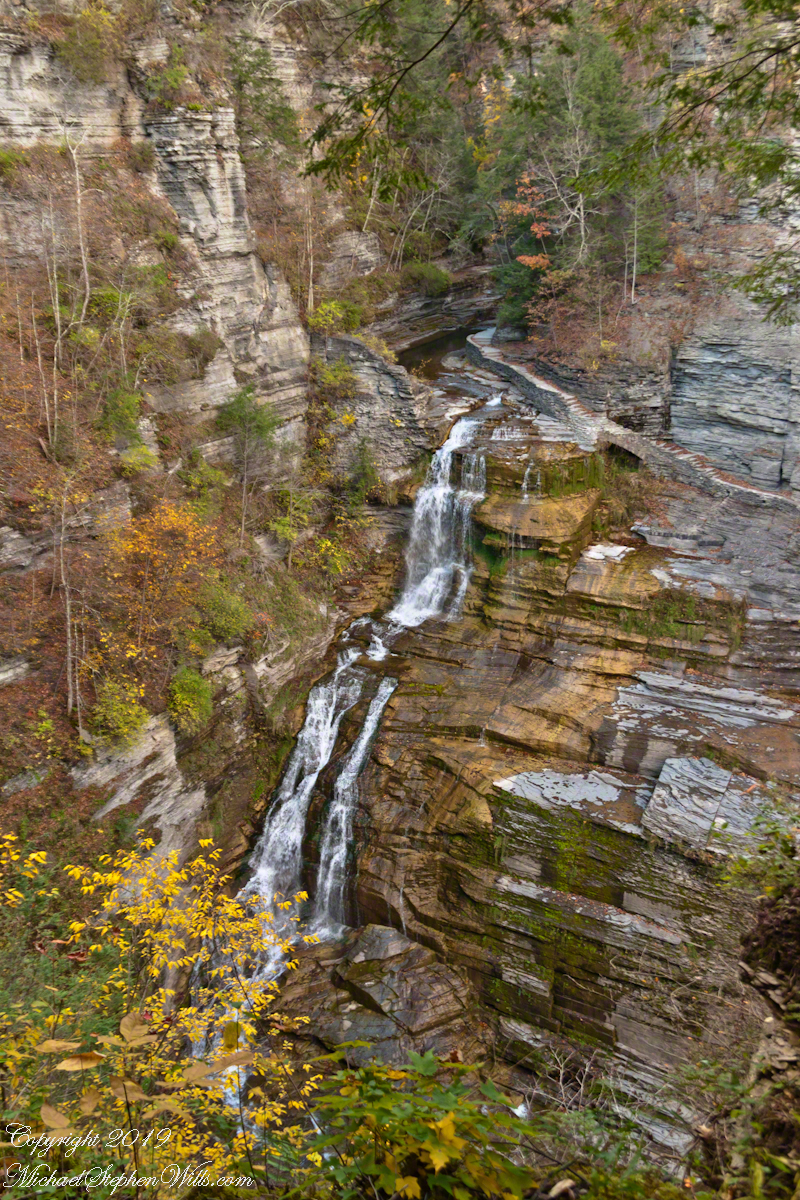
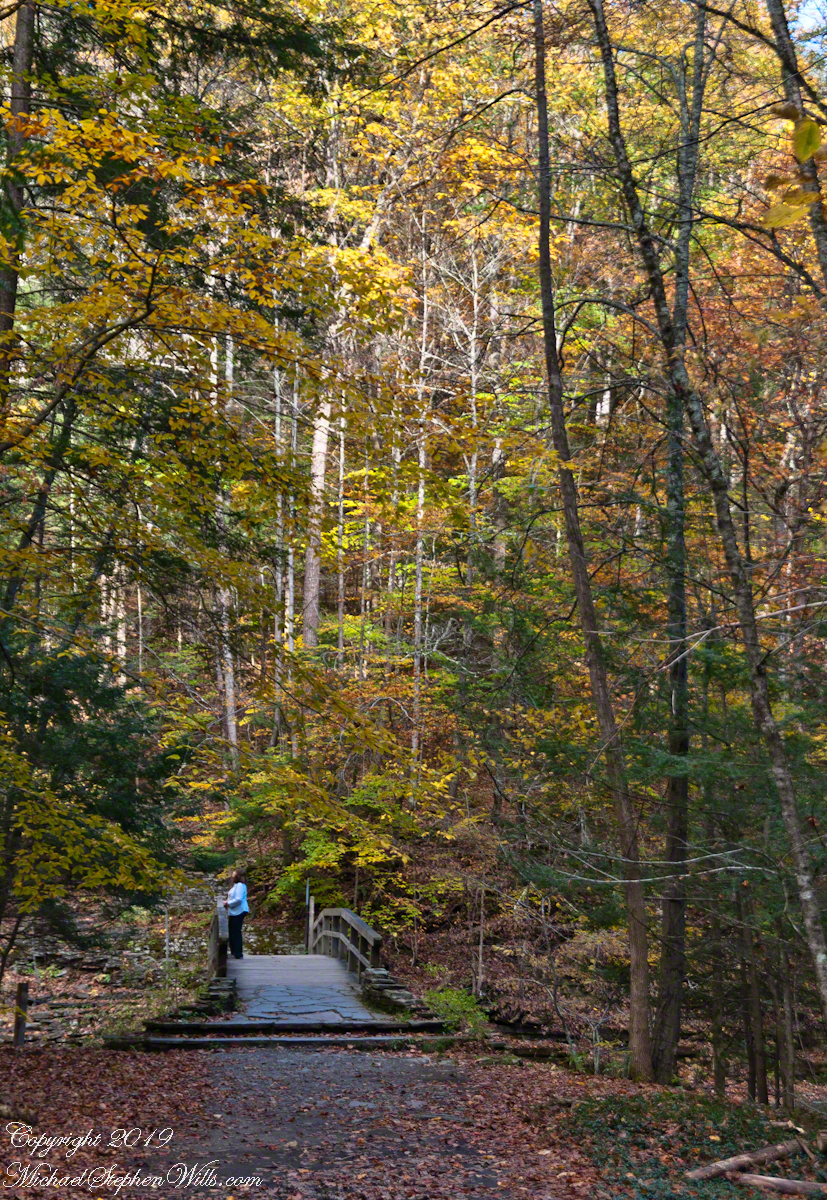
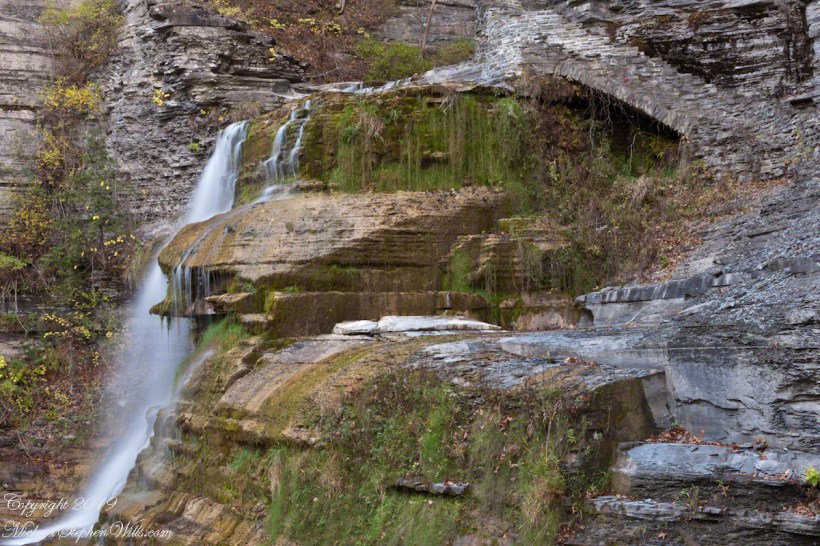
Standing on the trail alongside Lucifer Falls, crane your neck, up and up to the cliff top. Look closely to see the protective rock wall of the overlook.

Click photograph for a slideshow. To do this from WordPress Reader, you need to first click the title of this post to open the page on my site.

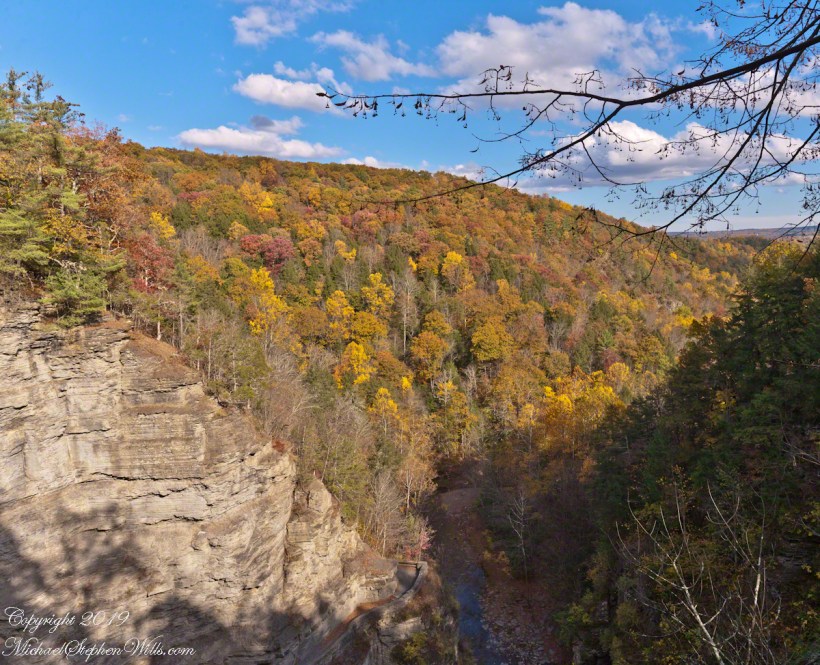
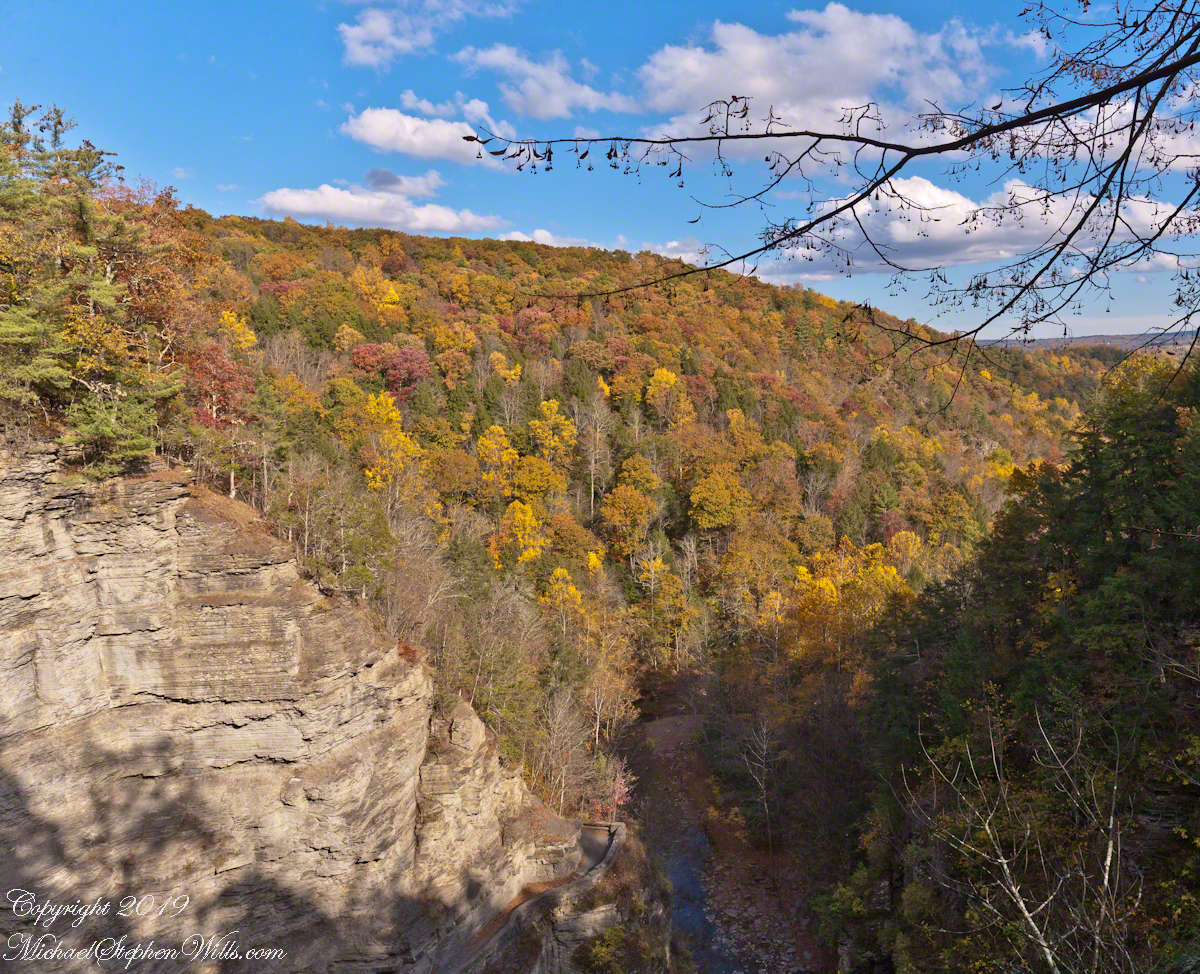
The Rim Trail includes this overlook of Lucifer Falls with, upstream, the Devil’s Kitchen waterfall, the path of the Gorge Trail in between.

The full sweep of Lucifer Falls on an autumn evening, the sun hidden behind the gorge walls. Here the Gorge Trail emerges from the shelter of the gorge, emerging into a dizzying view.

Copyright 2022 All Rights Reserved Michael Stephen Wills

On the Edge

On the way to “Devil’s Kitchen”
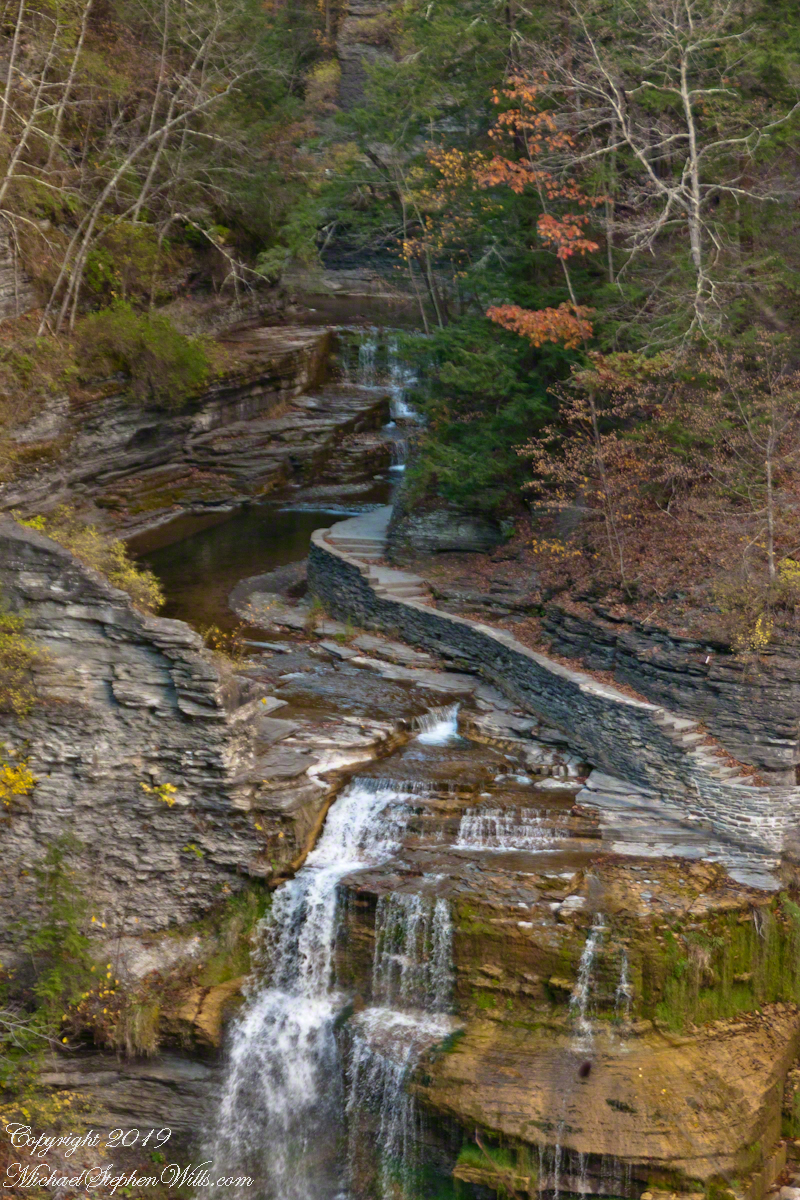
This trail, built into the slate/sandstone gorge wall, follows the descent of Lucifer Falls. Here we view the brink and the path alongside. Follow this trail to Devil’s Kitchen, up and around the corner.

Click photograph for a larger view

Copyright 2022 All Rights Reserved Michael Stephen Wills

Bench Sitting Nature Watch

a monarch in steady progress south

On a sunny autumn morning we set out, my soon to be three grandson Sam and I, to the Lime Hollow Nature Center near Cortland for an adventure.  For the first time I brought a newly purchased iPhone 7 instead of the usual slr camera.  The phone can be carried in a pocket and is simpler to us, to allow me to give full attention to Sam.

WillsSamuelJackBenchsitting20181014-1

At the start is a large, today sunlit, field with an “art trail.”  There are various anthropomorphic transformations on the trees and a very large sculpture of a blue face.  Here is a tree from another place near here, to give you an idea.

PumpkinFarmTreeFace2012

I do not point out the tree faces to Sam.  His Mom likes to say he enjoys being frightened and, when the blue face came into view, he turned back and said, “home.”  Sam was mildly anxious, so I carried him and tried to turn him up the trail away from the face.  He turned to keep an eye on it while I assured him it could not move.  This and a climb up a 230 foot hill were the only times he didn’t walk the half mile to a open grassy knoll with a bench.

WillsSamuelJackBenchsitting20181014-2

There we sat for 30 minutes, still and watching, Sam and I talked about our sightings:
1. The sunlit sky of clouds, from a milky blue towards the north to, overhead, a bright robins egg blue.
2. A circling hawk, shadow crossing over us.
3. One blue jay in a maple turning red, loudly calling over and over.
4. A little while after a second jay, landing in a tree turned yellow, drawn in and giving answer.
5. A monarch butterfly’s steady progress south. Such a strong gliding path.
6. A yellow butterfly who did not leave us, fluttering round and round.
7. Four honking Canadian geese flying north east, turned to check out a nearby pond, the returned to the original heading.
8. The sound of wind through the trees, listening to the sound made by each tree.
9. The late season golden rod, now dried gray.
10. A distant chittering red squirrel.
11. Distant peeper frogs in the swamps at the foot of the hill.

Sam did not want to leave the bench, eventually we headed on to the pond the geese checked out.

WillsSamuelJackBenchsitting20181014-3

I used the “panoramic” feature of the iPhone 7 for this shot. On the hill we were sheltered by trees and bushes from the steady northeast wind. Here, on a bench by the pond, that direction was open to the wind. The sun kept us warm. It was clear why the geese did not land, the water surface was deserted, filled only by rippling wind driven waves.

On our walk back we sat on a bench on the edge of the art trail field, the blue face out of sight. A woman, the only other person encountered, emerged from one of the trails cut from the brush, camera in hand. She was collecting images for a Cortland Historical Society publication and asked to take our photograph. “OK,”, I said and gave the story of living here for 25 years in the house on Fall Creek where my son’s family lives now. She replied, “My daughter is in San Francisco. We don’t know who will have our house when we are gone.”

Click me for “Celestial Geese with two haiku by Issa”.

Copyright 2022 Michael Stephen Wills All Rights Reserved

Named For A Horse

with Aylor’s Arch

Dutchman Trail turns right up ahead to proceed between Palamino Mountain and Black Top Mesa, both shown in this photograph. The ridge of the mountain reminds some of a horse and there is an arch, Aylor Arch, on the southern side: here was approach the north side. Aylor is the family name of gold prospectors who set up camp on that south side close to where we will spend the night below Weavers Needle.

Click Me for my Online Gallery

View of Palamino Mountain and Black Top Mesa from Dutchman’s trail.

Black Top Mesa is named for a layer of black basalt. Look closely to see the crags on the mesa (the flat-topped mountain) are black. Gold prospectors who combed Black Top Mesa over the years found not one speck of gold.

References:

Explore Aylor’s Arch

Read more about the Aylors and Palamino Mountain

Copyright 2024 Michael Stephen Wills All Rights Reserved

Mass Bloom

“Princess of the Night” one evening

Our Night Blooming Cereus produced to date fifteen (15) flowers this spring and summer. These opened July 26th after sunset.

Click pic for larger view in a new browser tab. If you are in WordPress Reader, open the post to use this feature.

These were captured with the Canon EOS 5D Mark IV dslr with a 50mm f/1.4 lens on a Manfrotto tripod. In the following closeup from the lower right is visible a flower bud and spent bloom among the flowers.

Click me for another Cereus Post.

Copyright 2022 Michael Stephen Wills All Rights Reserved

Rambling Images

Three Summer Hikes

“Out in the meadow, I picked a wild sunflower, and as I looked into its golden heart, such a wave of homesickness came over me that I almost wept.  I wanted Mother, with her gentle voice and quiet firmness; I longed to hear Father’s jolly songs and to see his twinkling blue eyes; I was lonesome for the sister with whom I used to play in the meadow picking daisies and wild sunflowers.”

from “Laura Ingalls Wilder, Farm Journalist, Writings from the Ozarks” edited by Stephen W. Hines”

Click me for “Summer Dream, Buttermilk Falls” in my Fine Art Gallery

Cornell Plantations

Click photograph for a larger view.

Taughannock Falls

Buttermilk Falls, upper

A quiet moment……

Copyright 2022, Michael Stephen Wills All Rights Reserved

Gorge Jewels

“J” trees and a charming weed

Friday last Pam and I joined a “James Potorti Memorial Gorge Walk” through Buttermilk Falls State Park where we learned interesting facts connected to one of my most successful photographs, “Summer Dream: Buttermilk Falls.” This is the fifth and final post of this series.

Final Photograph of my “Creek Views” post — not waterfall in distance

Upper Buttermilk Gorge Trail

Below is a photograph of that distant waterfall. Taken using a tripod mounted Canon EOS 1DS Mark III body with the Canon lens EF 24mm f/1.4L II USM w/a neutral density filter (0.6 as I recall) it is from an early morning solo walk, July 2018.

This photograph is one of a series from that day. Here is a link to my waterfall photographs on Getty IStock, including the series captured on that July 2018 morning.

Click any photograph for a larger view.
Natural steps

J Tree

A characteristic of Finger Lakes Gorges is a constant infall from fragile sedimentary walls. Tree roots hold the slopes in place until the inevitable slippage. Tree trunks bear the mark, as you can see from tree to the right of the steps. Slippage moves the trunk horizontal, subsequent growth toward the sun curves the trunk. In extreme cases the tree forms the shape of an umbrella handle.

More examples of this slippage are seen on the right creek bank in the following photograph from my post of this series, “Creek Views.”

More curved trees

Impatiens capensis

Emerging from the gorge, soil accumulates on narrow shelves where this Jewelweed plant grows. Here we leave the gorge for now.

(Impatiens capensis) growing along the upper portion of the Buttermilk Sate Park Gorge Trail in early September, just after Labor Day. This photograph shows the plant growth pattern and the surrounding environment.

In Memorium

James Potorti was a native of Ithaca who perished at 52 years of age in New York City on September 11, 2001 were he worked on the 96th floor of 1 World Trade Center.

Copyright 2022, Michael Stephen Wills All Rights Reserved

Creek Views

off the path

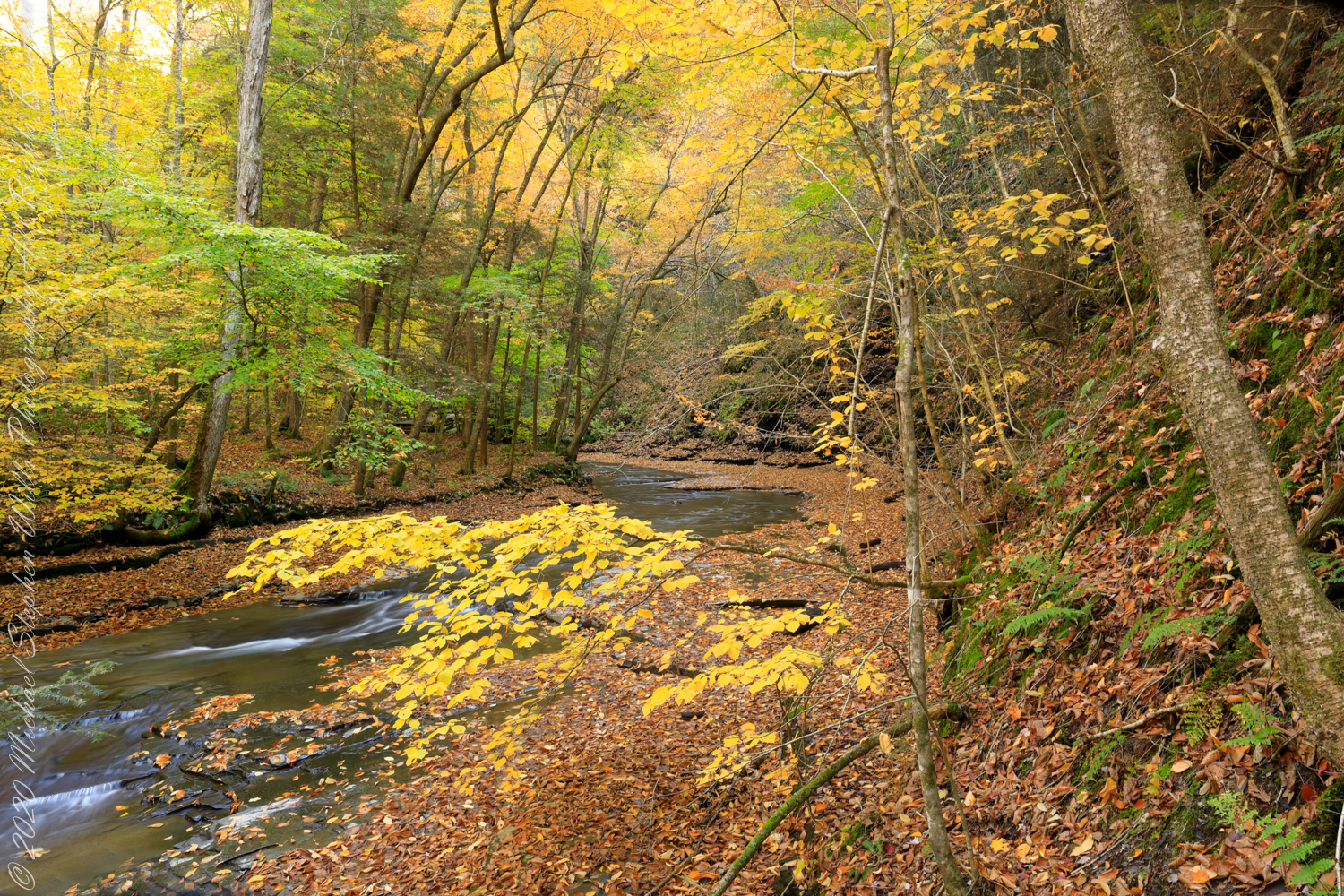
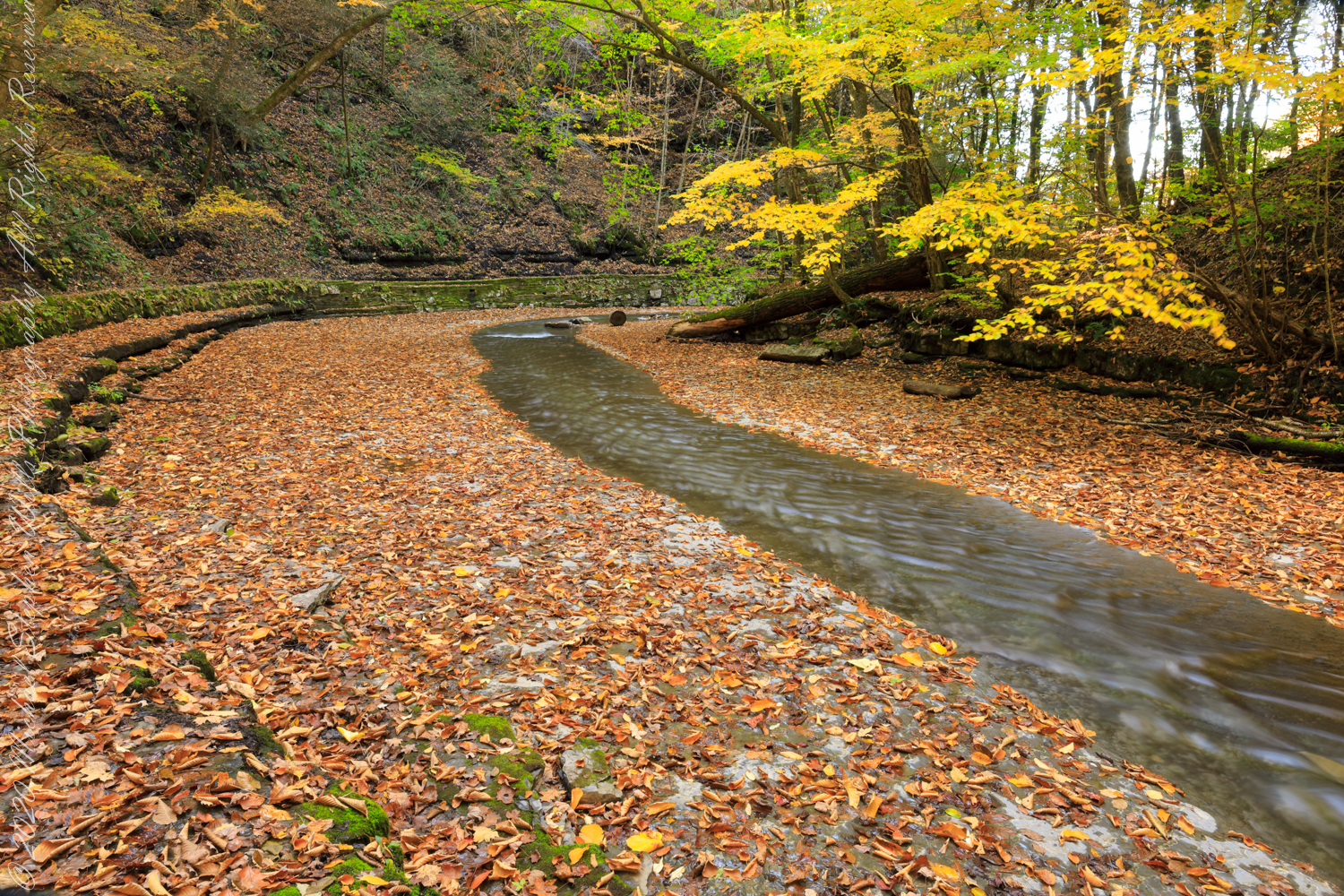
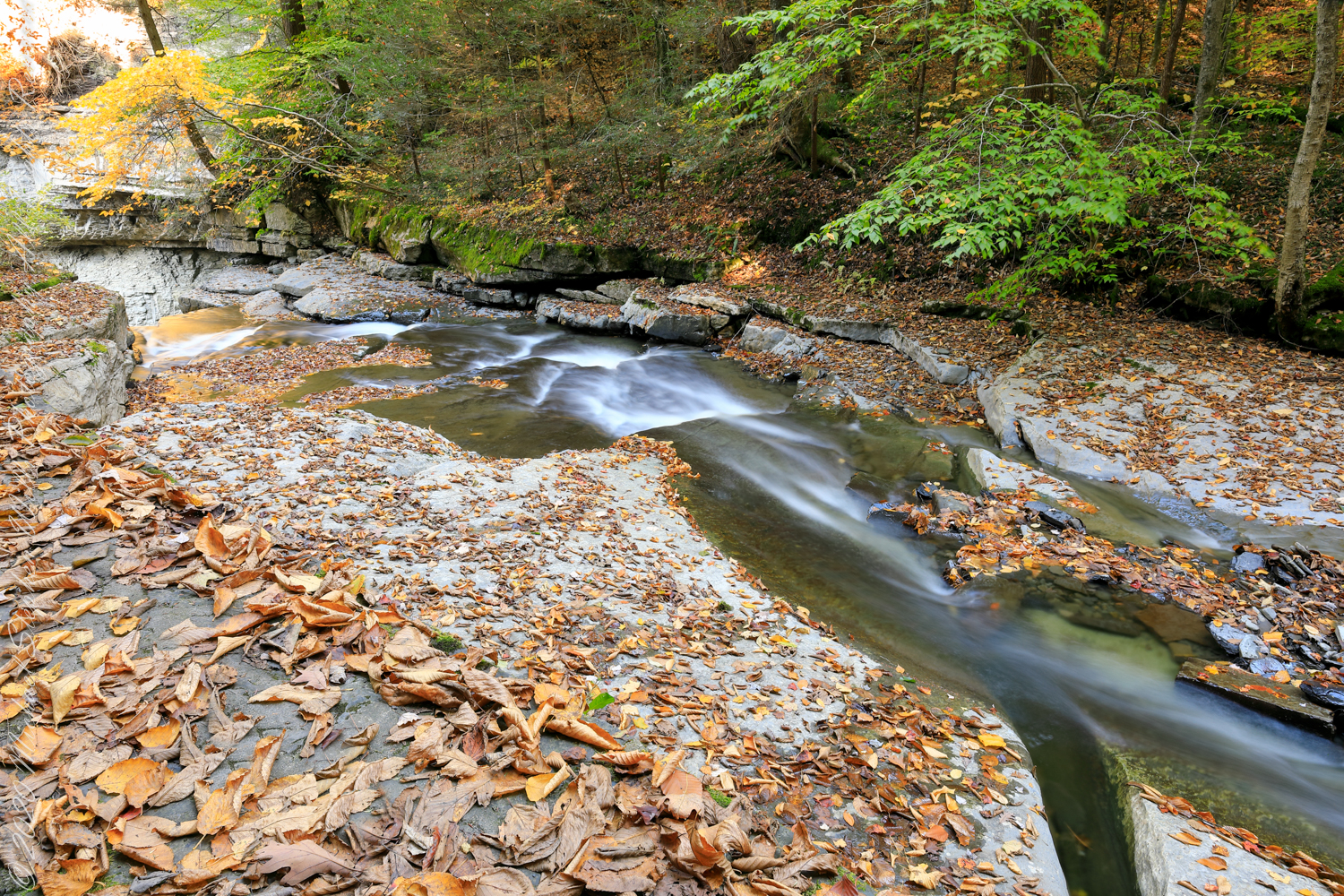
Friday last Pam and I joined a “James Potorti Memorial Gorge Walk” through Buttermilk Falls State Park where we learned interesting facts connected to one of my most successful photographs, “Summer Dream: Buttermilk Falls.” This is the fourth post of this series.

Starting Point

Buttermilk Falls State Park has two parks, upper and lower. Friday’s hike began at lower park. Using GoogleEarth I see the half mile trail along the lower gorge climbs 506 feet, 355 feet of this is ascended in 300 steps in the first quarter mile. Here is a view of the magnificent cascade that greets lower park visitors.

To my knowledge, nobody has ascended the creek bed at this point. The climb is not impossible, people with technical rock climbing skills and equipment can do it. We use the trail. Most often, Pam and I visit the upper park and walk down the gorge to the top of this ascent. Friday, we walk up with everyone else.

Creek Level Photographs

On a July morning 2018 I walked Buttermilk Creek from the scene of my “Summer Dream: Buttermilk Falls”, up the steps on the right of that photograph to where the water flows across a flat expanse of stone. The following three photographs from that walk were taken using a tripod mounted Canon EOS 1DS Mark III body with the Canon lens EF 24mm f/1.4L II USM w/a neutral density filter (0.6 as I recall).

Click any photograph for a larger view.
Natural steps

Low Flow

The “secret” behind my successful “Summer Dream: Buttermilk Falls” photograph is waiting for a seasonal low creek flow. For the same reason, this is a safe time to walk this part of the creek to capture the scene. See the previous post, “Walking Buttermilk Creek”, for the entry to this creek level walk. Attempting to walk the creek in other seasons can be fatal….there is a plaque along the trail memorializing an attempted rescue during a March flood where two people died: the rescued and the rescuer.

At high water the creek gouged a channel through the limestone creek bed

The most difficult passage was through the above photograph. I walked along that narrow, water level ledge using the tripod as a third leg. Here is a link to my waterfall photographs on Getty IStock, including the series captured on that July 2018 morning.

Time to Exit the Creek Bed

In Memorium

James Potorti was a native of Ithaca who perished at 52 years of age in New York City on September 11, 2001 were he worked on the 96th floor of 1 World Trade Center.

Copyright 2022, Michael Stephen Wills All Rights Reserved

Walking Buttermilk Creek

getting our feet wet

Friday last Pam and I joined a “James Potorti Memorial Gorge Walk” through Buttermilk Falls State Park where we learned interesting facts connected to one of my most successful photographs, “Summer Dream: Buttermilk Falls.” This is the third post of this series.

On the path vs. in the creek

Friday’s hike began at the bottom, here we are at the start of the 400 foot climb, 300 steps, along cascading waterfalls.

Responsible Adults Staying on the path

Everyone stays on the path at this point, here is a video that demonstrates why.

Falls along the 300 step climb

Hiking with the grandchildren we prefer the upper park, walking along the road to a place where the creek flows over the pavement. They love taking off shoes and jumping in.

Click any photograph for a larger view.
Children wading Buttermilk Creek, take note of the shirt, “The Party Has Arrived.”

On a July morning 2018 I walked Buttermilk Creek from the scene of my “Summer Dream: Buttermilk Falls”, up the steps on the right of that photograph to where the water flows across a flat expanse of stone. This photograph from that walk was taken using a tripod mounted Canon EOS 1DS Mark III body with the Canon lens EF 24mm f/1.4L II USM w/a neutral density filter (0.6 as I recall).

Off the Path

Here is where the creek bed is flat enough to allow me to follow it when I wear waterproof boots. Note: it is against park rules to do this and the fines are steep, although some summer days it is a free-for-all of visitors in bathing suits, it looks like the beach. This session started shortly after sunrise, around 5:30 am at the best lighting, so there were no witnesses. When the sun shines over the gorge rim there are too many hot spots, the contrast between shadow and sunlight is too distracting.

In Memorium

Friday is the first visit I noticed this bronze water fountain in the lower park. The land for the park was an early 20th Century donation. The inscription text is in the photograph caption.

“This fountain is a token of gratitude to Robert and Laura Treman who led the founding of our rural parks.”

James Potorti was a native of Ithaca who perished at 52 years of age in New York City on September 11, 2001 were he worked on the 96th floor of 1 World Trade Center.

Copyright 2022, Michael Stephen Wills All Rights Reserved

Ancient “Fracking”

a form revealed

Friday last Pam and I joined a “James Potorti Memorial Gorge Walk” through Buttermilk Falls State Park where we learned interesting facts connected to one of my most successful photographs, “Summer Dream: Buttermilk Falls.” This is the second post of this series.

Click me for “Summer Dream, Buttermilk Falls” in my Fine Art Gallery.

Many Right Angles, Why?

On a July morning 2018 I walked Buttermilk Creek from the scene of my “Summer Dream: Buttermilk Falls”, up the steps on the right of that photograph to where the water flows across a flat expanse of stone. This is a photograph of that expanse taken using a tripod mounted Canon EOS 1DS Mark III body with the Canon lens EF 24mm f/1.4L II USM w/a neutral density filter (0.6 as I recall).

Click photograph for a larger view.
“Summertime Cascades – 2018”

For a scene from nature there are many straight lines and, even, right angles in addition to the layering of the sedimentary rock from its origin as eroded material from the ancient Arcadia mountains collected on the floor of a warm shallow sea. We learned from Friday’s walking tour this sea was close to the equator at that time, riding on a tectonic plate that’s since drifted north. This North American Plate jostling with the others.

Beneath these rocks were older formations in which decomposed organic matter had transformed to methane gas. When the African plate and this pressed together, the stressed rocks weakened at right angles to the force, each stress point joining others in straight lines. The methane gas pressure from below forced the weak points to open a straight line fractures.

As the plates continued to move, orientation to the African plate transformed by ninety degrees and the two pressed together again. Methane gas pressure was present, causing straight line fractures at right angles to the others. Everywhere these rocks are exposed across the Finger Lakes region we see these right angle fractures.

In Memorium

James Potorti was a native of Ithaca who perished at 52 years of age in New York City on September 11, 2001 were he worked on the 96th floor of 1 World Trade Center.

Copyright 2022, Michael Stephen Wills All Rights Reserved