The Majestic Cottonwoods of Stewart Park

Discover the timeless beauty of two towering Cottonwood trees along the shores of Cayuga Lake. Explore their natural history, cultural significance, and how they’ve shaped the landscape of Stewart Park for generations.

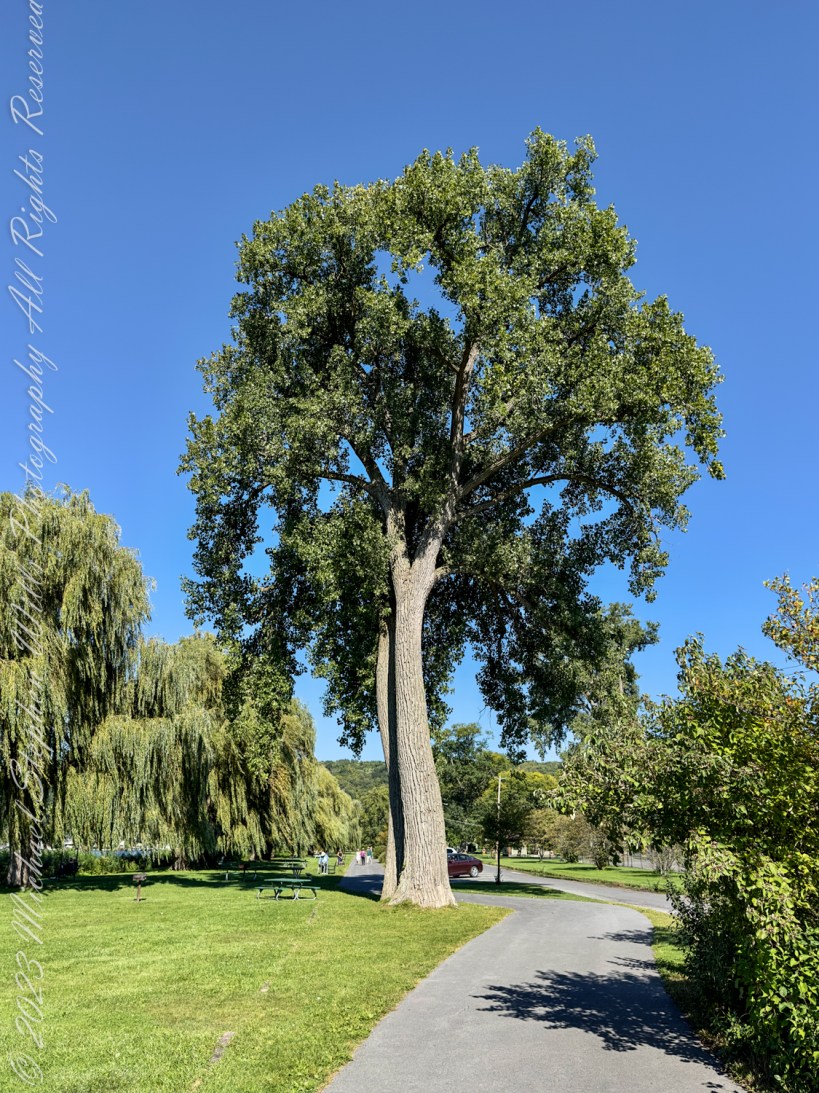
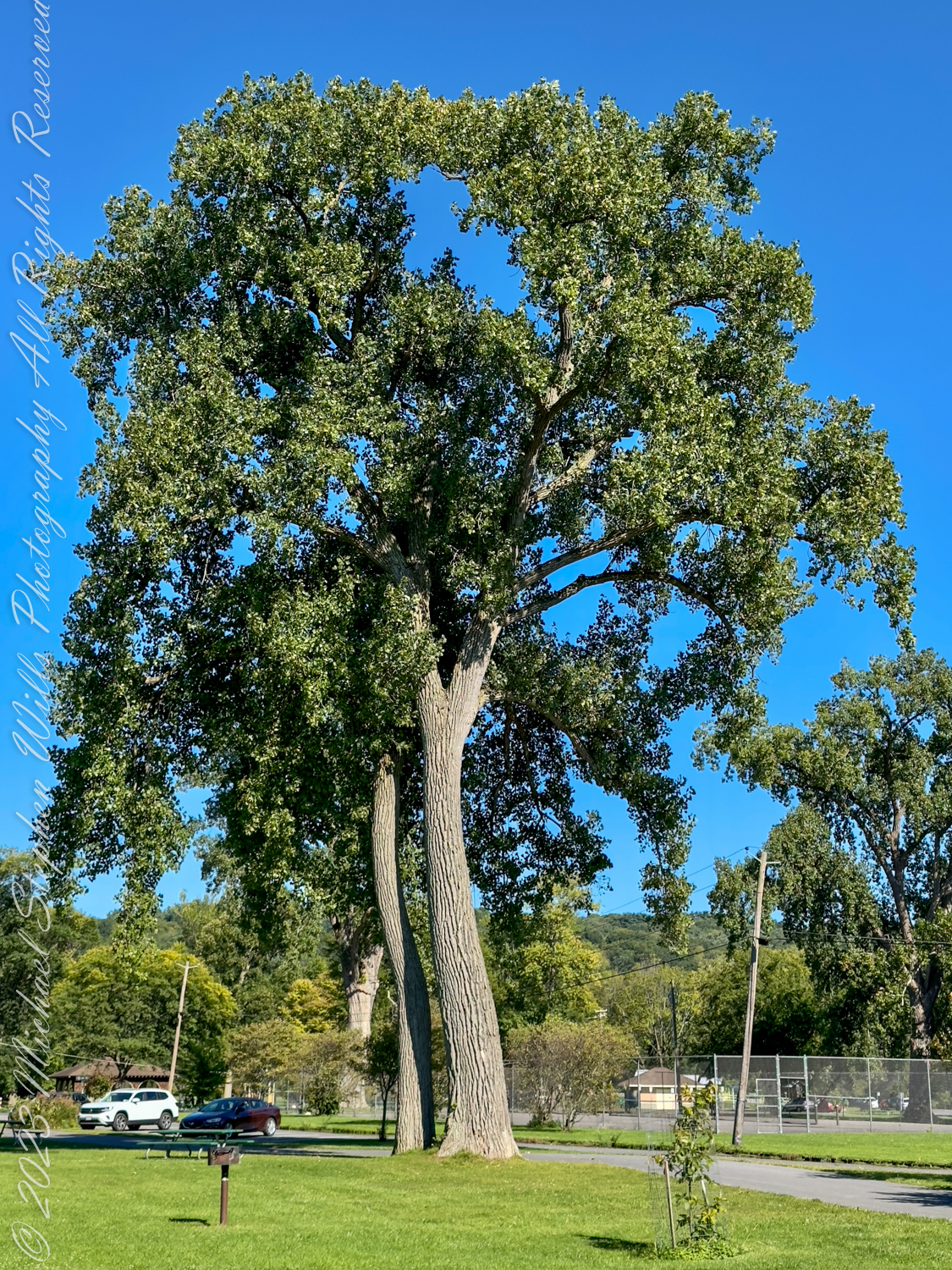
Walking with Pam in Stewart Park, the shores of Cayuga Lake shimmer under the bright September sun, offering a serene setting for reflection. Ahead, two towering Cottonwood trees stand in quiet majesty, their branches spreading wide, casting long shadows over the grass and walkway. Drawn toward them, I find myself in awe of their presence—these two trees, ancient sentinels by the water, who have silently borne witness to the changing world around them.

View Facing East/Southeast, September 10, 2024

Cottonwoods, scientifically known as Populus deltoides, are members of the poplar family and are among the tallest trees in North America. The ones before me have thrived for decades, their thick, furrowed trunks a testament to the endurance of life on the edge of the lake. It’s remarkable to think of all the storms and seasons they’ve weathered—their roots digging deep into the moist earth, nourished by the lake’s constant ebb and flow. I feel as though these trees, standing side by side, companions, connected through the unseen networks of roots beneath the soil. Their relationship to one another seems profound, they have grown up together, providing support and strength as they aged. Their canopies overlapping as though embracing one another.

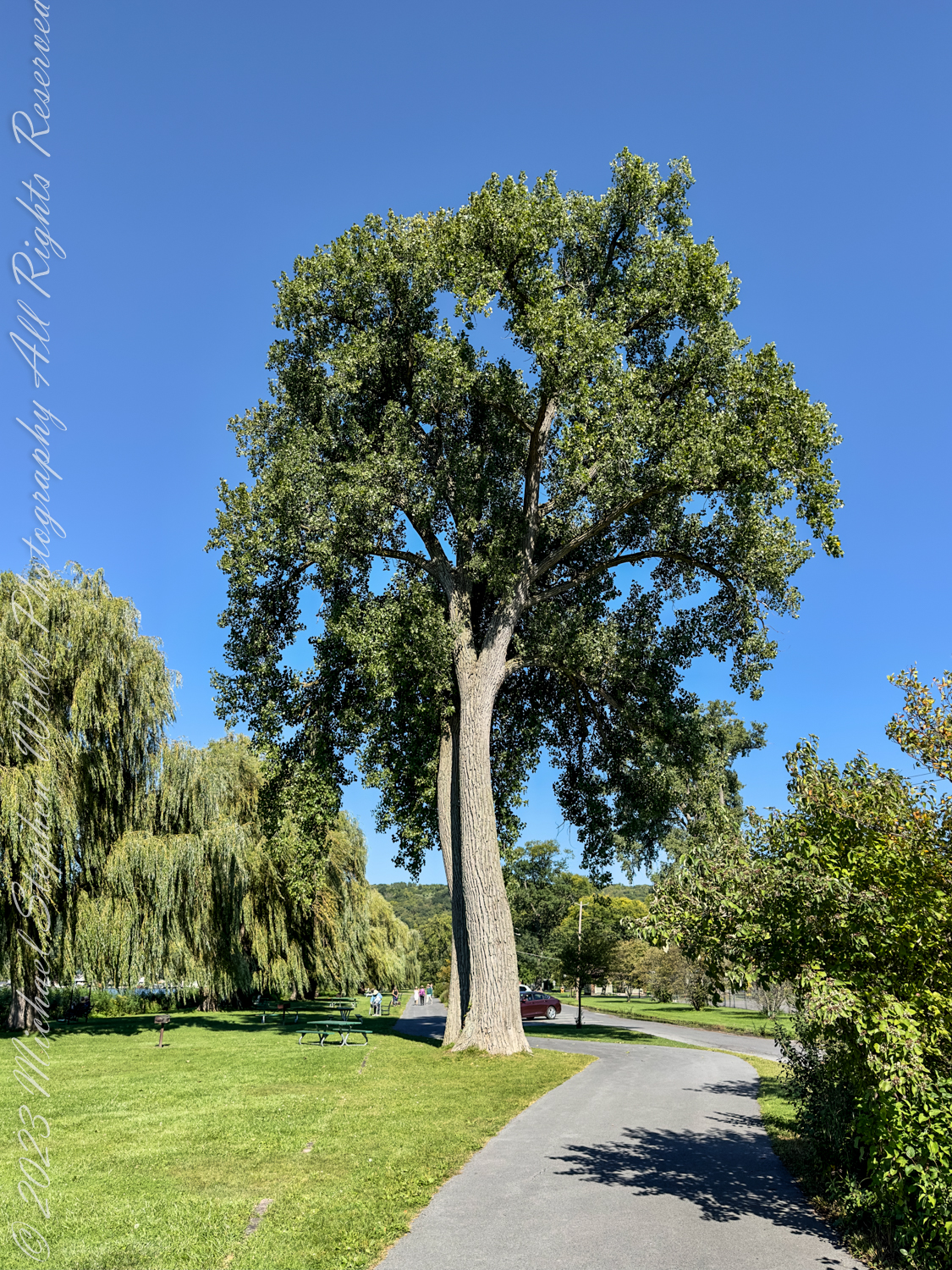
There’s an undeniable symmetry to their relationship, both in form and function. One can imagine them as silent witnesses to the changing landscape around them—the gradual expansion of the park, the families that come and go, the laughter of children playing nearby, and the quiet conversations of couples walking hand in hand. These trees have become part of the fabric of Stewart Park, deeply entwined with the human history that unfolds here every day.

View Facing East, September 10, 2024

The branches reach skyward, their leaves shimmering in the breeze, producing the characteristic fluttering sound of Cottonwoods. There’s something deeply soothing about this rustling—the way the wind seems to dance through the leaves, creating a rhythm that feels eternal. It reminds me that these trees have long been part of human experience, a backdrop to countless strolls, picnics, and quiet moments of contemplation here at Stewart Park.

Cottonwoods are fast-growing, often found near bodies of water where their shallow roots can tap into consistent moisture. And yet, their rapid growth comes with a trade-off; their wood is soft and brittle, prone to breaking in high winds. But in Stewart Park, these two trees have found a perfect balance, their large, sweeping canopies offering shade and shelter without suffering too much damage from the storms that blow through the Finger Lakes. Their resilience is remarkable—a reminder of nature’s ability to thrive in challenging conditions.

Historically, Cottonwoods have played a significant role in the lives of the people who encountered them. Native Americans once used the bark for medicinal purposes and fashioned the wood into canoes. Early settlers appreciated the trees for their rapid growth and ability to provide shade and timber in otherwise open expanses of the Midwest and Northeast. Even today, their legacy endures as they continue to offer shade and shelter, albeit more for leisure than for survival.

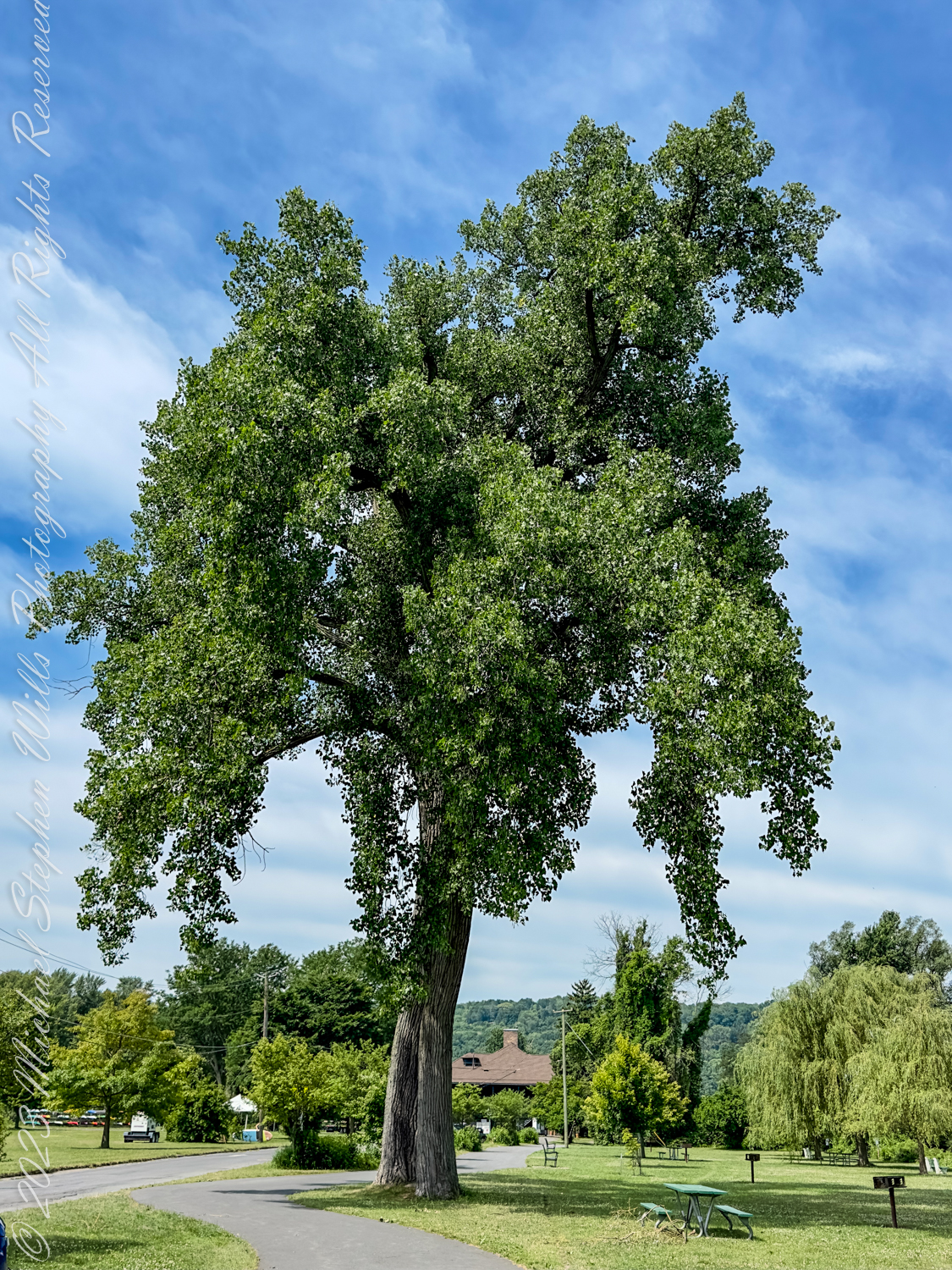
I notice how the pathway itself bends gently to accommodate the Cottonwoods. The paved trail, so clearly designed with these majestic trees in mind, arcs around their broad bases as if to honor their presence. In a world where nature is so often bent to human will, it’s refreshing to see this small, quiet gesture of deference—a reminder that in our modern parks, nature can sometimes lead the way.

View Facing West, June 25, 2024

The path doesn’t cut through or impose upon these trees. Instead, it respects their claim to the land, curving around them in a way that feels organic, almost reverent. The roots of these Cottonwoods must reach far beyond what I can see, extending outward in all directions beneath the soil, beneath the path itself. It’s as though the trees and the human-made elements of the park have reached a compromise—a harmonious balance where both can coexist without either having to sacrifice too much.

In their wisdom, the planners of this park understood that these trees had already laid their claim long before the park’s paths were laid out. It’s a small but profound testament to the enduring power of nature and the foresight of those who designed this space. As I walk along the path, I feel the subtle shift in the landscape—the way the curve of the trail encourages a more leisurely pace, inviting visitors to pause for a moment and take in the grandeur of these ancient trees.

The curve itself creates a sense of flow, as if the path is gently nudging us toward a deeper appreciation of the Cottonwoods. There’s no rush here. The trees stand in their place, rooted and steadfast, while we are invited to move around them, to change our course slightly in order to make space for something larger than ourselves. The path becomes a metaphor for our relationship with nature—we must sometimes bend and yield to its greater forces, rather than insist on our own straight and rigid lines.

This curved path speaks to the broader theme of adaptability—how both nature and humanity have learned to accommodate one another. The Cottonwoods have withstood the test of time, their roots dug deep into the soil, while we have found ways to move alongside them, adjusting our course to allow for their growth. It’s a quiet but powerful reminder of the importance of coexistence and respect, of making space for the natural world rather than always seeking to dominate it.

As we pass by, I notice the texture of their bark—deeply furrowed and rough, a tactile reminder of the passage of time. Each ridge and crevice holds the story of countless seasons—of dry summers, harsh winters, and everything in between. I reach out and touch one of the trunks, feeling the coolness of the bark under my hand. There’s a vitality here that can only be sensed up close, a quiet hum of life that pulses just beneath the surface.

Yet, despite their imposing size and age, the Cottonwoods remain humble in their role. They do not demand attention like a flowering dogwood or a brightly colored maple. Instead, they offer something more enduring—a quiet, steady presence that provides shelter and shade without fanfare. Their leaves turn a brilliant yellow in autumn, adding to the kaleidoscope of colors that make up the Finger Lakes’ fall landscape. But even in winter, when the leaves are gone, their bare branches stand against the cold sky, offering a stark beauty all their own.

As I step back to take in the full view of these two Cottonwoods, I am filled with a sense of gratitude. Their lives, so intimately tied to this place, remind me of the interconnectedness of all living things—the way nature, time, and humanity overlap in ways both seen and unseen. These trees, growing together on the shores of Cayuga Lake, are not just part of the landscape—they are part of the story of Stewart Park and, in a broader sense, the story of this region. They remind me that, like them, we are all shaped by our surroundings, by the people and places that stand beside us as we grow. And in that way, we are never truly alone.

Copyright 2024 Michael Stephen Wills All Rights Reserved

Echoes of Autumn: Finding Beauty and Wonder in a Willow’s Fungal Bloom

On a sunny September morning along the shores of Cayuga Lake, I encountered the vibrant Chicken of the Woods fungus. Its striking colors and intriguing history make it a fascinating discovery in nature’s ongoing cycle of life and decay.

A Serendipitous Discovery on a September Morning


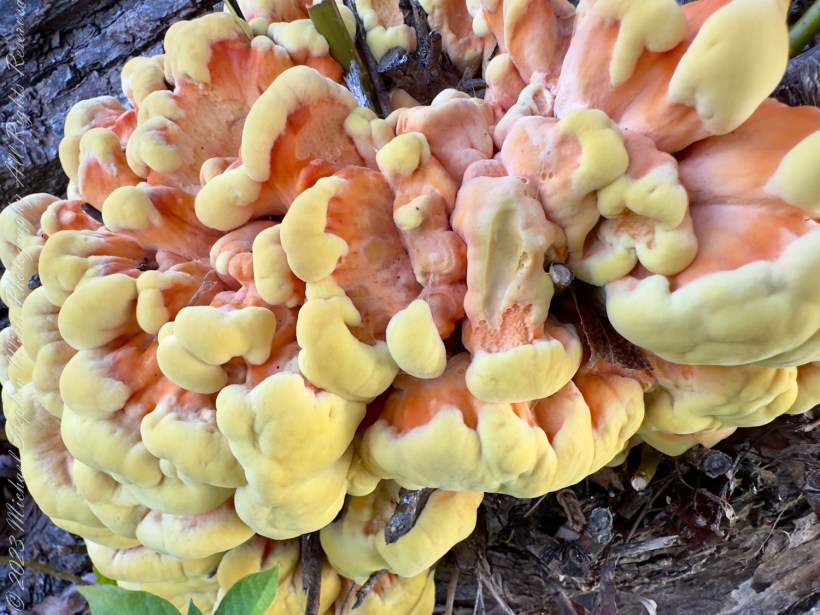
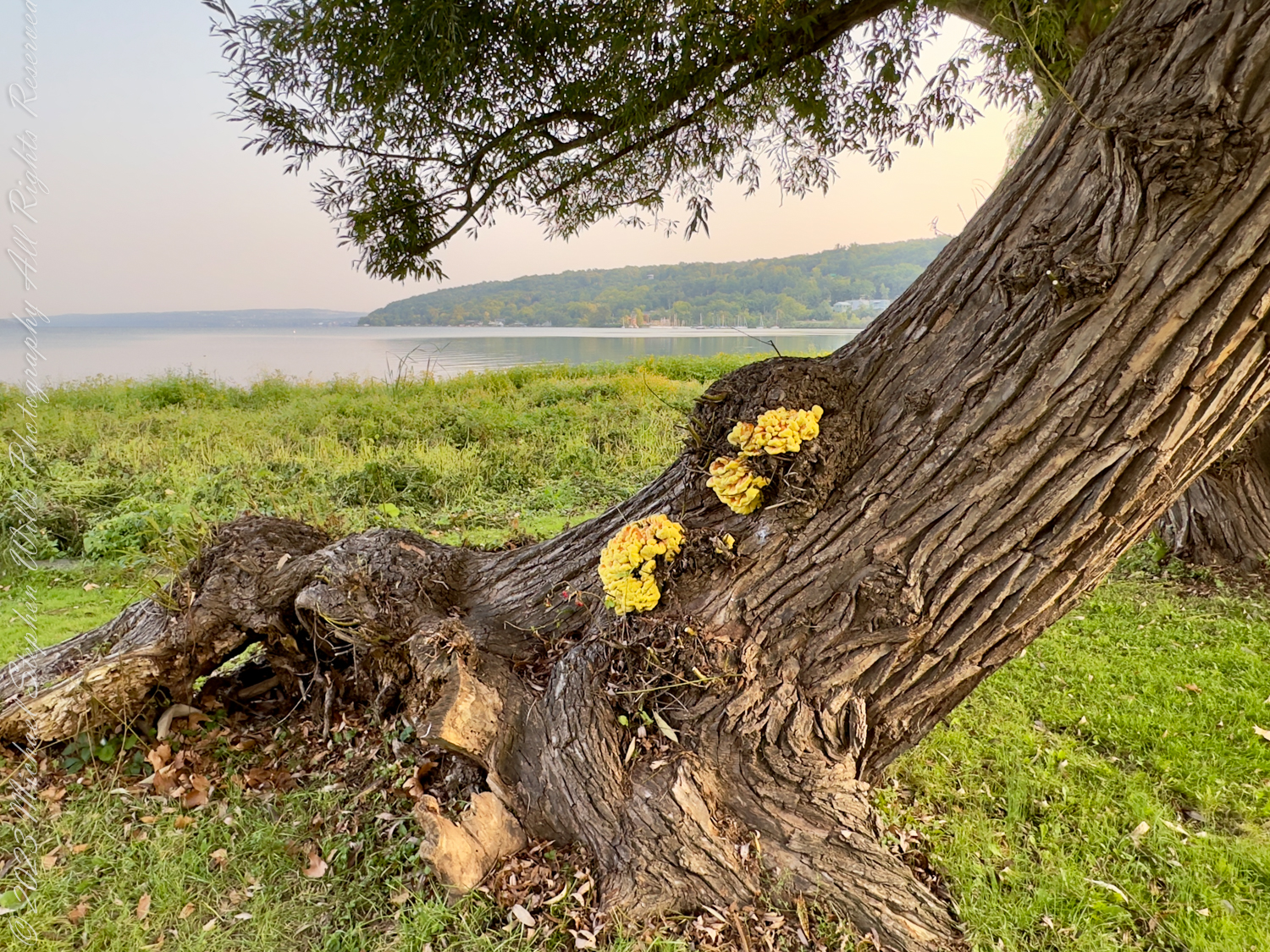
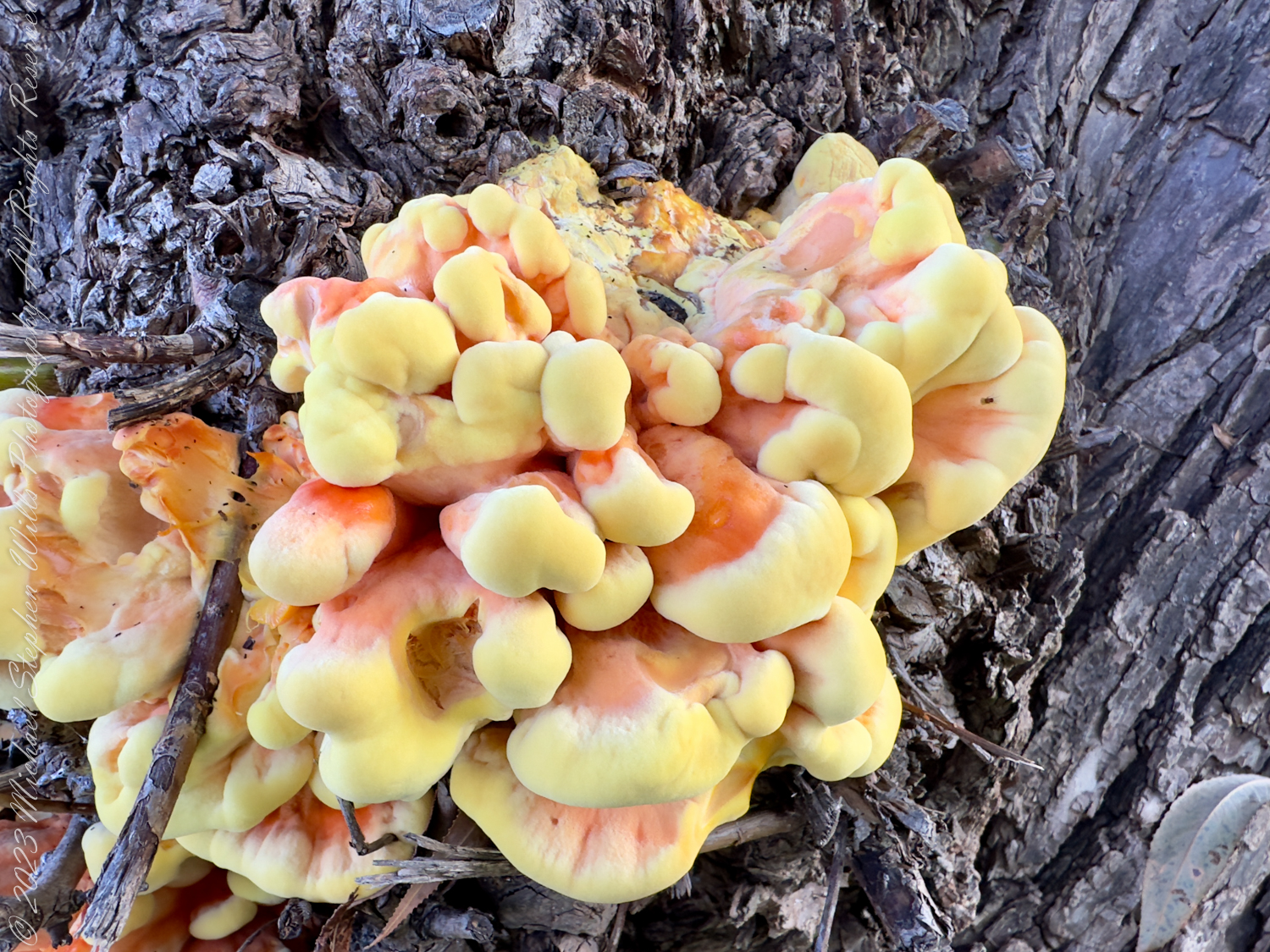
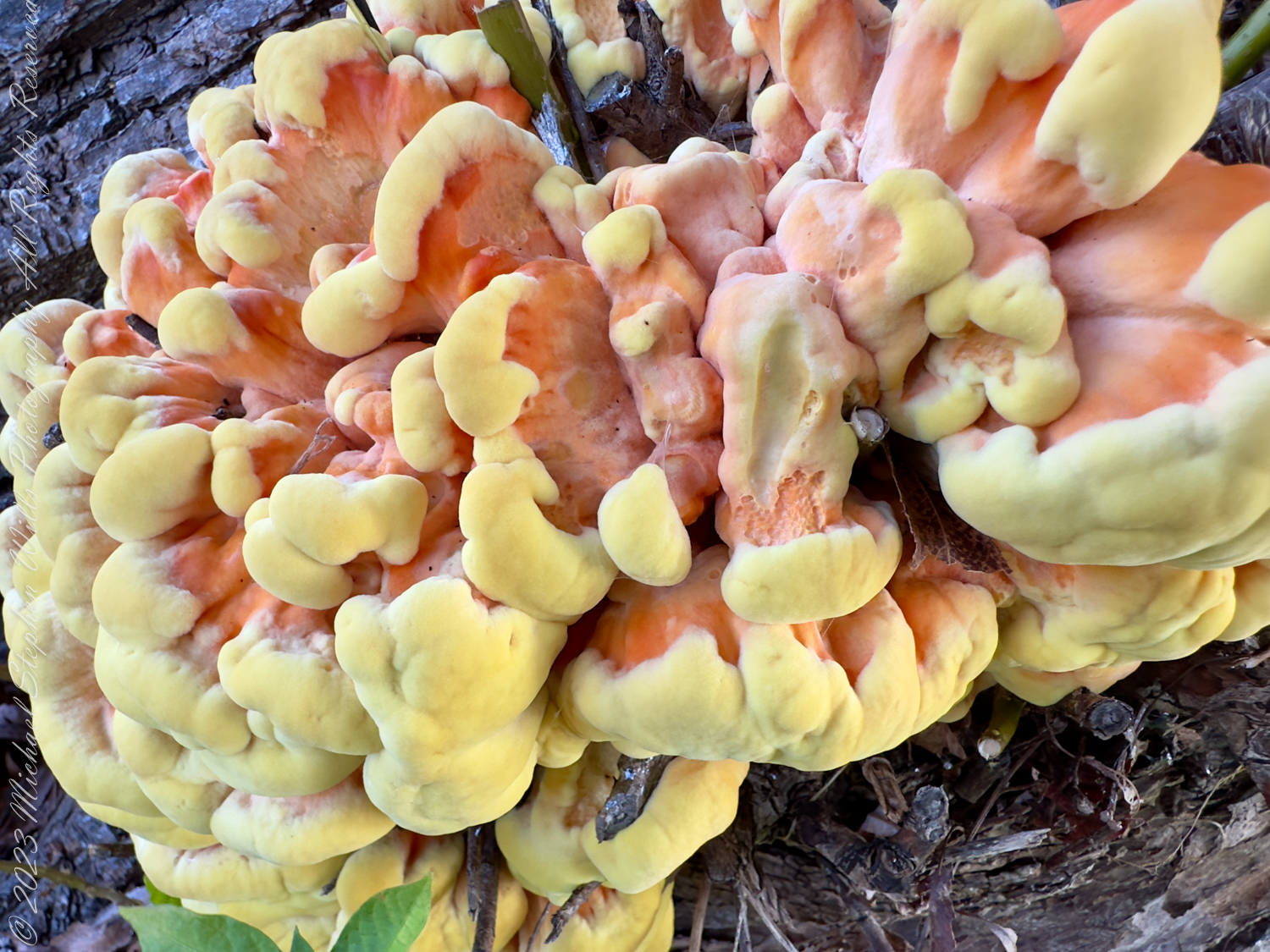
It was a crisp, sunny September morning when Pam and I set out for a leisurely walk along the shore of Cayuga Lake in Ithaca, New York. The lake shimmered in the morning light, framed by the early hints of fall colors on the surrounding hills. We had been walking for some time, enjoying the peaceful rhythm of nature, when something unusual caught my eye—a cluster of bright yellow-orange growths on the trunk of an apparently hale White Willow tree.

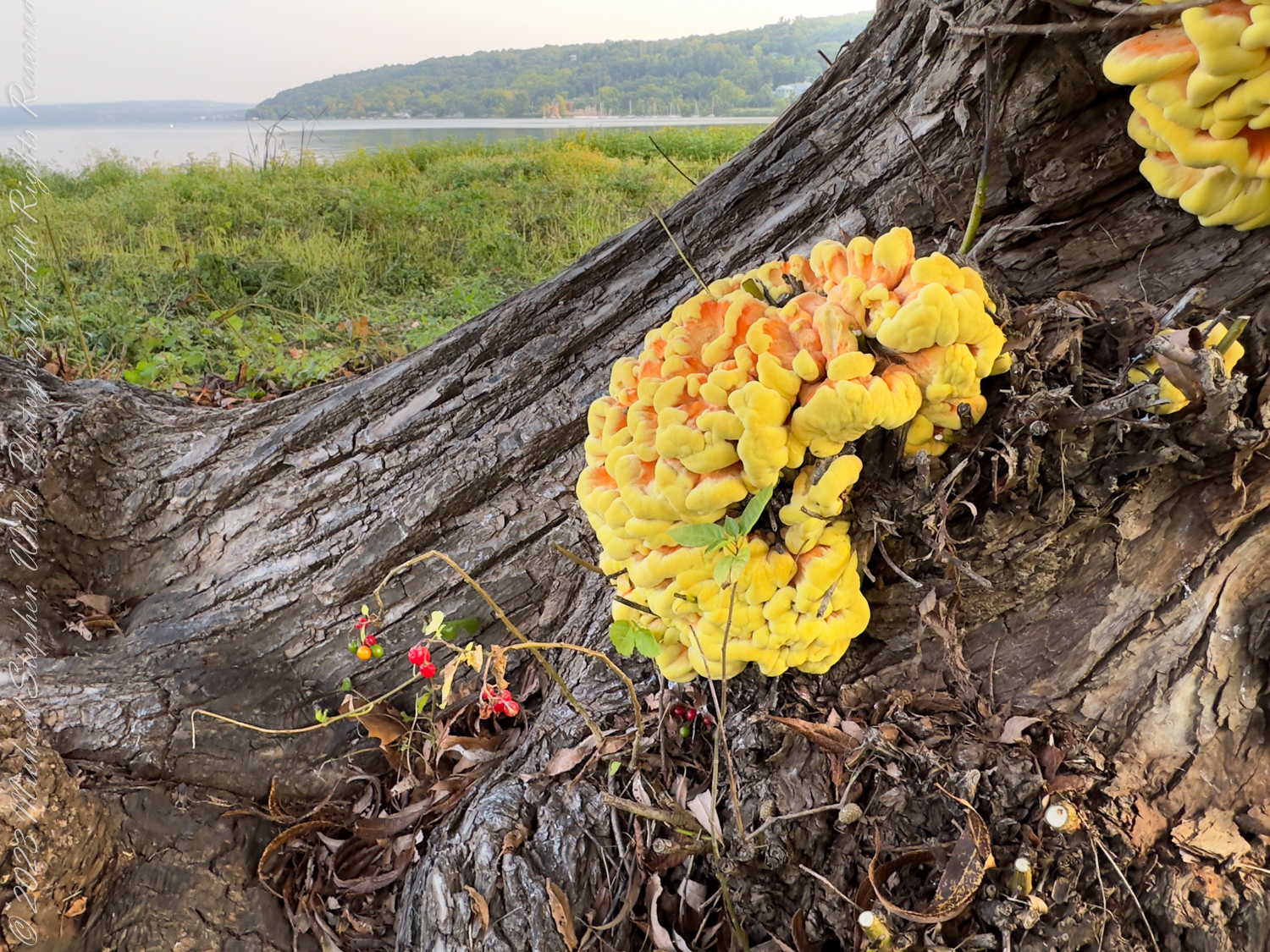
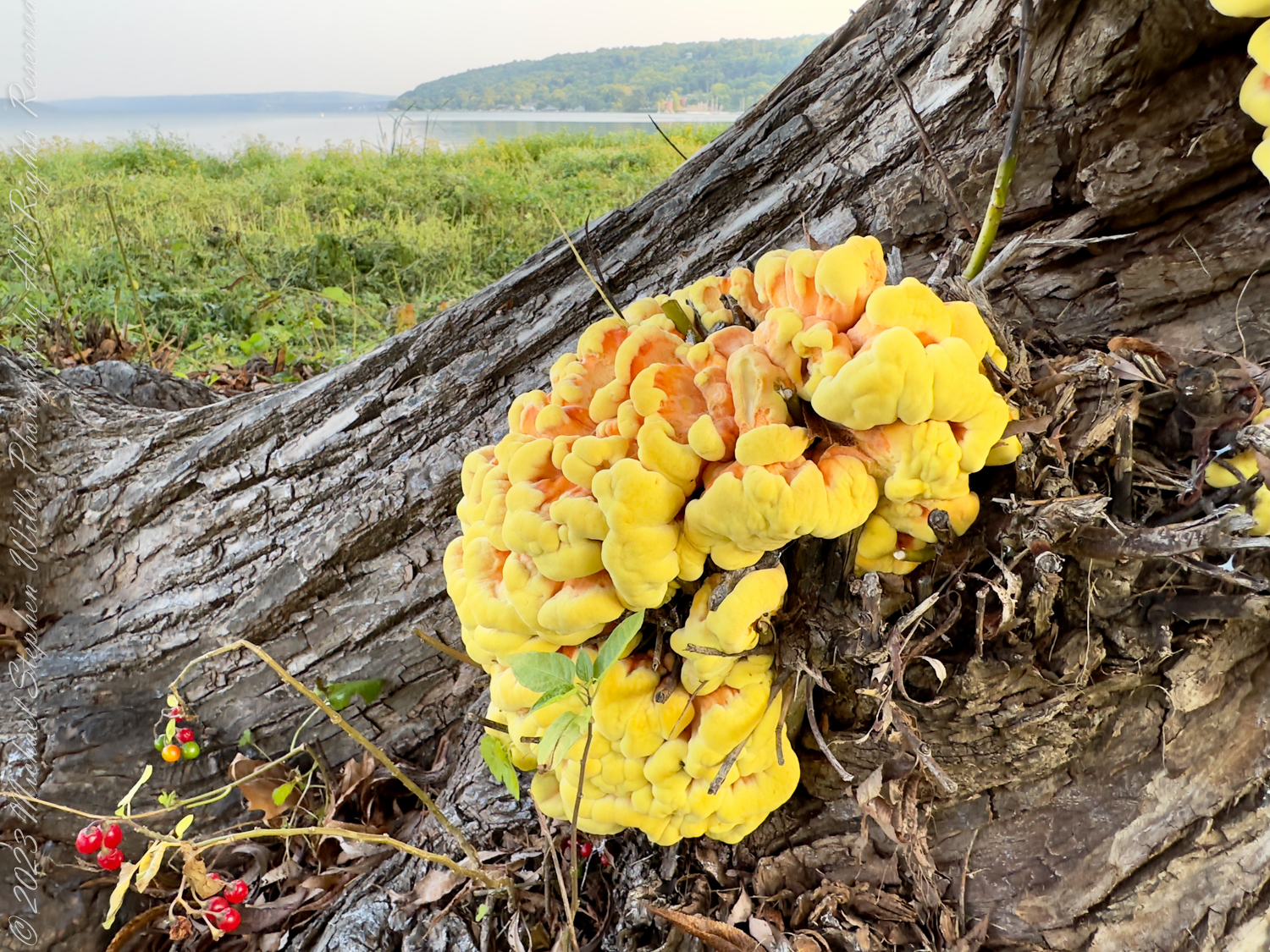
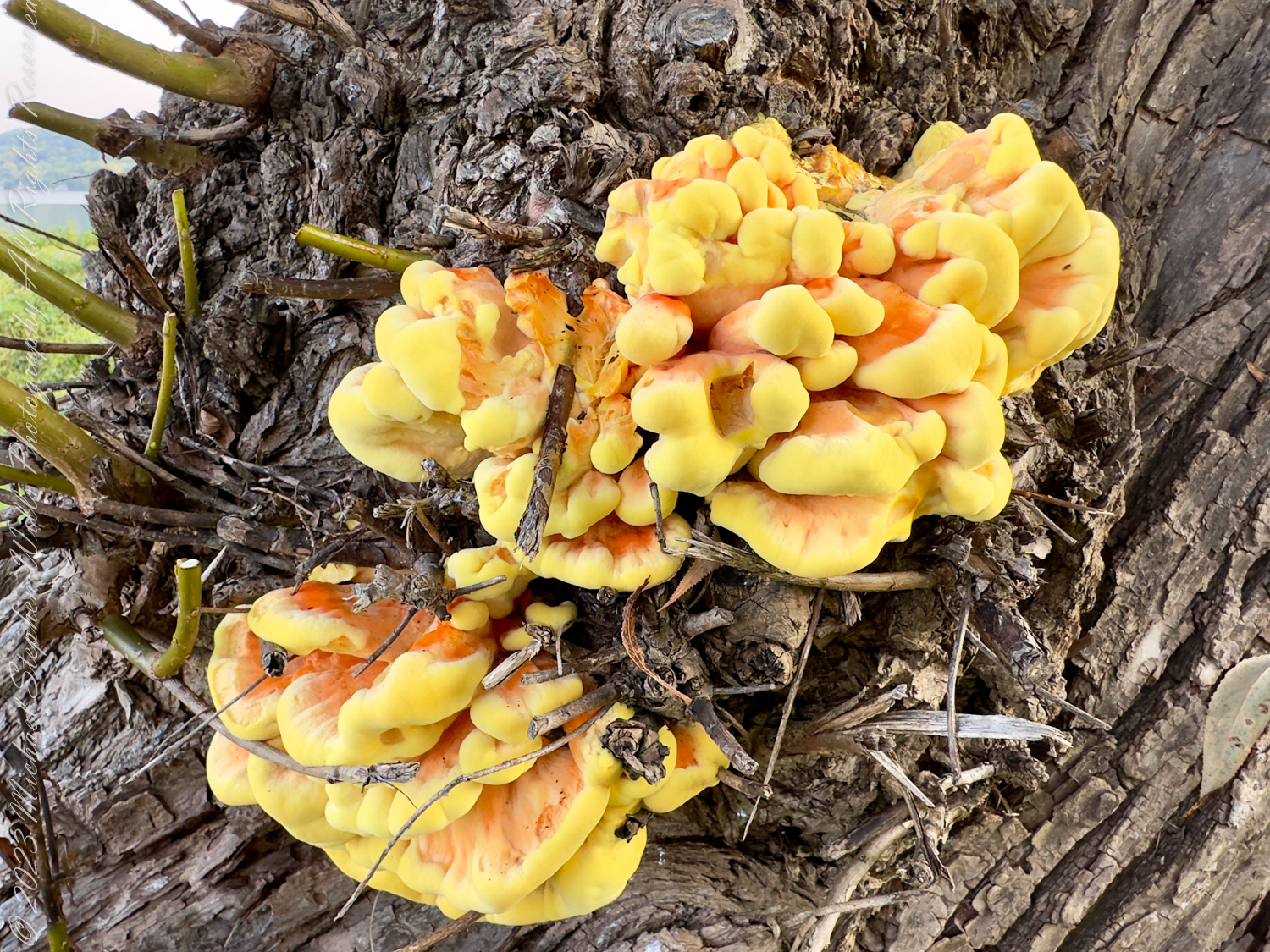
Curious, I approached the tree, and upon closer inspection, I realized these growths were something special, took these photographs of the vibrant clusters and later researched them to be Laetiporus sulphureus, commonly known as Chicken of the Woods. The striking colors of the fungus, a combination of deep orange and golden yellow, stood out in stark contrast to the gnarled, dark bark of the willow. It was a discovery that sparked a deeper interest in learning about the fascinating history and characteristics of this unique fungus.

The Vibrant History of Chicken of the Woods


Laetiporus sulphureus has been known to mycologists and naturalists for centuries, and its distinctive appearance has earned it a place among the most recognizable fungi in the world. Its common name, Chicken of the Woods, stems from the texture and flavor of its flesh, which, when cooked, is said to resemble that of chicken. This has made it a popular edible mushroom among foragers, particularly in Europe and North America, where it often grows on hardwood trees such as oak, cherry, and, as I found, occasionally on willows.

The fungus was first scientifically described by German mycologist August Batsch in 1789. Since then, it has been the subject of numerous studies, particularly due to its unique ability to grow on living trees, decaying wood, and sometimes even on dead trunks. This dual nature makes it both a decomposer and a potential pathogen, depending on the health of its host tree.

Historically, Chicken of the Woods has had various uses, ranging from culinary to medicinal. In traditional folk medicine, it was used for its antibacterial properties, and some cultures believed it could help heal wounds or infections when applied as a poultice. Today, research continues into its potential medicinal applications, including its possible role in supporting immune function and its antioxidant properties.

A Friend to Some, a Foe to Trees


While Laetiporus sulphureus may delight foragers and mushroom enthusiasts, it is not always welcomed by the trees it inhabits. The fungus is classified as a saprotroph, meaning it feeds on dead or decaying organic matter. However, it is also capable of acting as a parasite, attacking the heartwood of living trees. Over time, the fungus can cause brown rot, a form of decay that weakens the tree from the inside out. For trees already compromised by age or environmental stress, an infestation of Chicken of the Woods can be the final blow, leading to their eventual death and collapse.

The willow tree I encountered by Cayuga Lake had clearly seen many seasons, its twisted trunk and sprawling limbs a testament to decades of life along the shoreline. The presence of the fungus, while beautiful and intriguing, could also be an indicator that this tree was in decline. Still, the symbiotic relationship between the tree and the fungus was a reminder of nature’s cycles—of life, decay, and renewal.

Culinary and Medicinal Uses of Chicken of the Woods


One of the most interesting aspects of Chicken of the Woods is its edibility. Foragers and chefs alike prize the young, tender fruiting bodies for their chicken-like texture and mild flavor. When prepared properly, the fungus can be sautéed, fried, or even used in stews, providing a nutritious and flavorful addition to a variety of dishes. However, caution is required, as some individuals may experience allergic reactions or gastrointestinal upset after consuming it. Additionally, older specimens of the fungus can become woody and less palatable.

Beyond the kitchen, Chicken of the Woods has a history of medicinal use. In some cultures, it has been used to treat ailments ranging from respiratory infections to digestive issues. Modern research is beginning to explore the bioactive compounds present in the fungus, with preliminary studies suggesting that it may have antibacterial and antioxidant properties. These potential health benefits add yet another layer of intrigue to this already fascinating species.

An Essential Role in the Ecosystem


As well as serving human needs, Chicken of the Woods also plays a vital role in the ecosystems it inhabits. As a decomposer, the fungus breaks down dead and decaying wood, returning valuable nutrients to the soil and promoting the growth of new plant life. In this way, it contributes to the cycle of life and death that sustains forest ecosystems. Various insects and animals, including beetles and birds, may also use the fungus as a food source or shelter, further highlighting its ecological importance.

A Lasting Impression


As Pam and I continued our walk along Cayuga Lake, I couldn’t help but feel a sense of gratitude for the serendipitous discovery I had made that morning. The sight of the Chicken of the Woods clinging to the willow tree was a vivid reminder of nature’s endless capacity for surprise and wonder. Though this fungus may be humble in its origin, its history, uses, and ecological significance elevate it to a position of great interest and value in the natural world.

In that quiet September morning light, standing beside the lake with the colors of early autumn beginning to emerge, I realized that moments like these—moments of connection with nature—are what keep me returning to the trails and shores of Ithaca, always eager for the next discovery.

Copyright 2024 Michael Stephen Wills All Rights Reserved

Ode to a January Sunrise at Cocoa Beach

Awake to the radiant grace of dawn, where golden light adorns the sky and the ocean reflects its splendor. Witness the serene dance of nature in a peaceful, inspiring January sunrise at Cocoa Beach.

Awake, my soul, to morning’s radiant grace, as dawn’s first light adorns the sky’s embrace. Behold the scene where heaven meets the sea, a tapestry of hues, divinely free.

The eastern sky ignites with golden fire, each ray a herald of the sun’s desire. In softest pinks and boldest crimsons cast, the night retreats, and day arrives at last.

The ocean, kissed by dawn’s ethereal light, reflects the splendor of the coming sight. Waves gently lap upon the sandy shore; their whispered secrets speak of days of yore.

The palm trees sway in rhythmic, gentle dance, their silhouettes in morning’s light enhance. A peaceful stillness wraps the world in awe, as nature’s beauty strikes the heart with awe.

The scattered clouds, with edges tinged in gold, Frame the horizon as the day unfolds. They drift like dreams upon the waking breeze, in harmony with rustling leaves of trees.

And as the sun ascends its royal throne, Its warmth and light through every vein is known. A new day born, with promise in its wake, invites the heart to rise and dreams to take.

Imagine, seagulls soar on wings of pure delight, their cries a chorus to the morning’s light. They glide and dive with effortless grace, their freedom echoes in this sacred space.

On distant sands, the footprints of the few mark early risers greeting morning’s hue. Their presence, fleeting, soon to be erased, by tides that sweep the shore in gentle haste.

Oh, glorious dawn, thy beauty so profound, Inspire the soul where peace and love abound. Let hearts be lifted by thy gentle hand, to cherish all that’s wondrous in this land.

For in this moment, all the world is still, the chaos of the night’s dark dreams to kill. A symphony of light and life begins, as morning’s joy through every fiber sings.

So let us honor this celestial show, where sky and sea in radiant colors glow. In silent reverence, we stand and gaze, at dawn’s first light, and marvel at its blaze.

Awake, my soul, and bask in morning’s gleam, embrace the beauty of this waking dream. For in the sunrise, hope and peace reside, a timeless gift the heavens do provide.

Copyright 2024 Michael Stephen Wills All Rights Reserved

Our Day at Cayuga Nature Center and Finger Lakes Beekeepers Club Learning Apiary

Join us on a captivating adventure at the Cayuga Nature Center’s Treetops Treehouse and the Finger Lakes Beekeepers Club Learning Apiary. Discover the wonders of the forest canopy, marvel at the intricate world of honeybees, and meet a tiny land snail that sparked the curiosity of two young explorers. Dive into a day filled with discovery, learning, and unforgettable moments in nature.

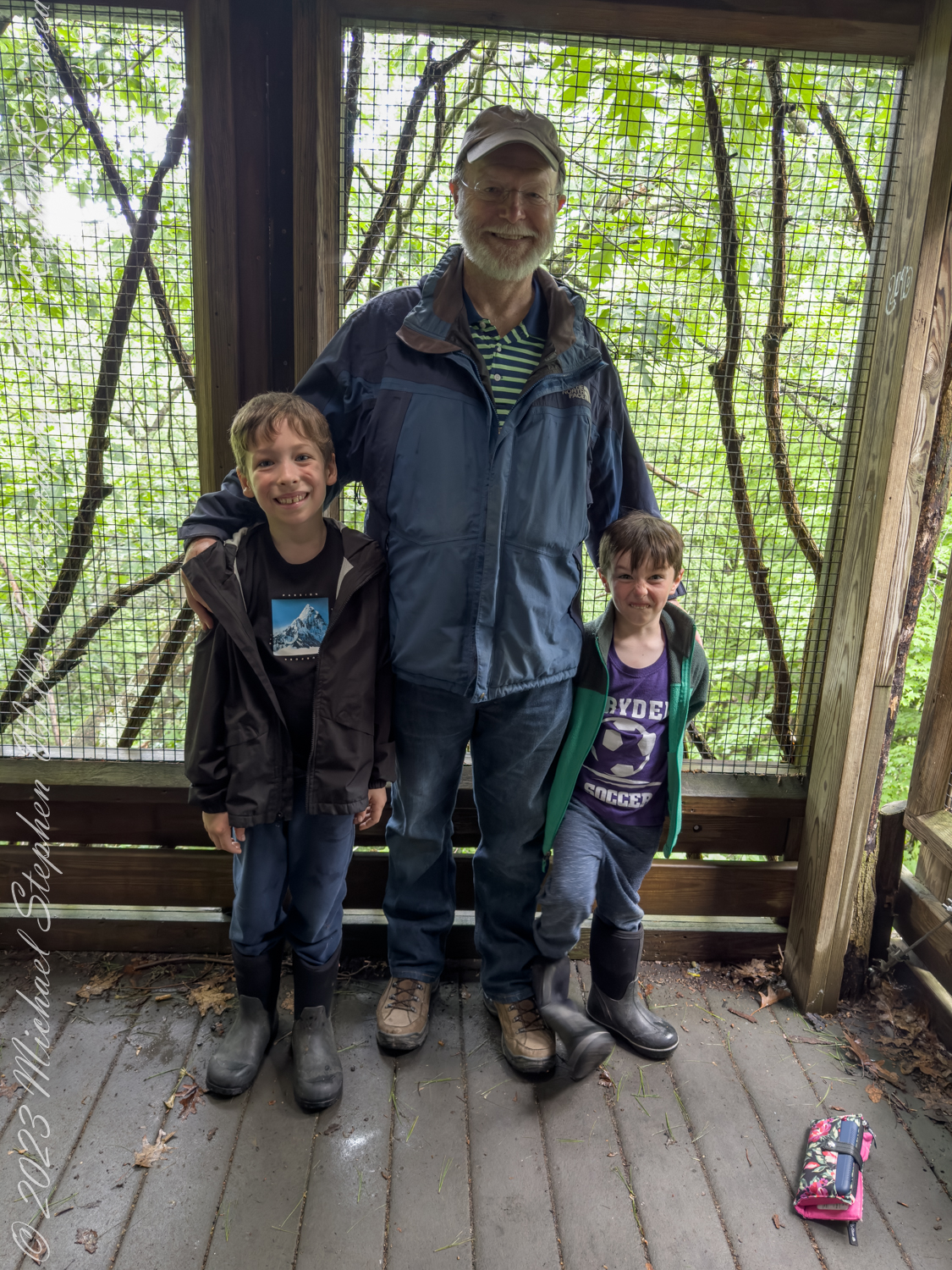
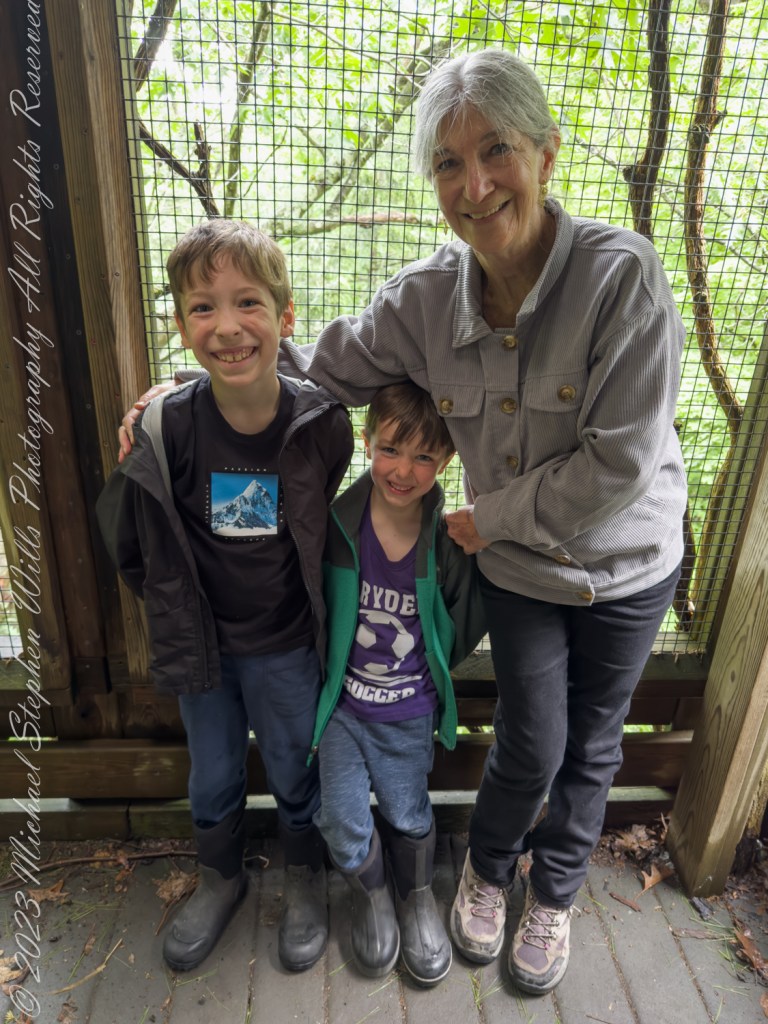
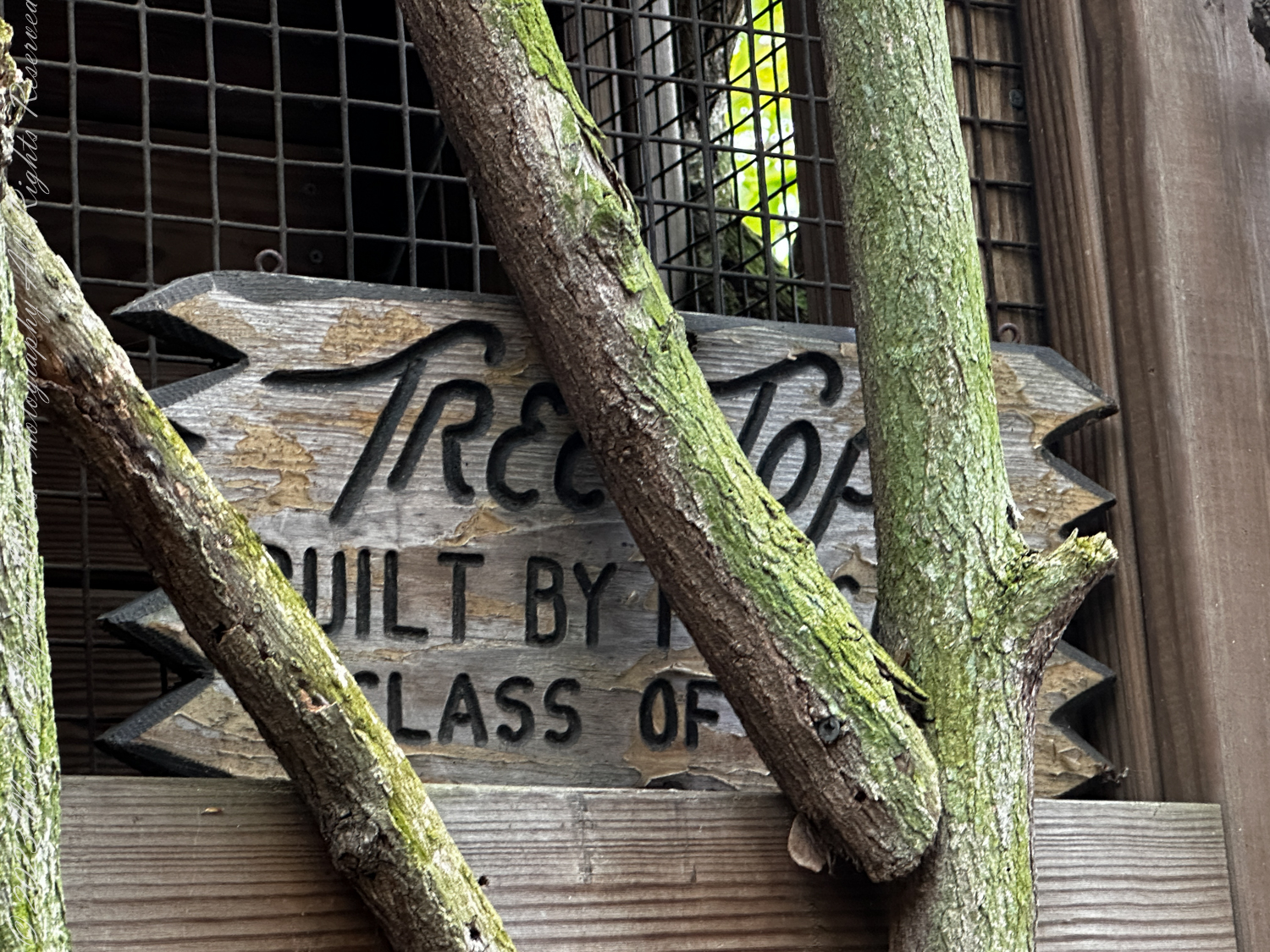
The morning air was crisp and filled with the promise of adventure as we set off for the Cayuga Nature Center, a hidden gem nestled in the heart of Ithaca. The destination: the Treetops Treehouse, a magical structure that promised an immersive experience in nature for me, my sister Diane and two grandsons, Sam and Rory.

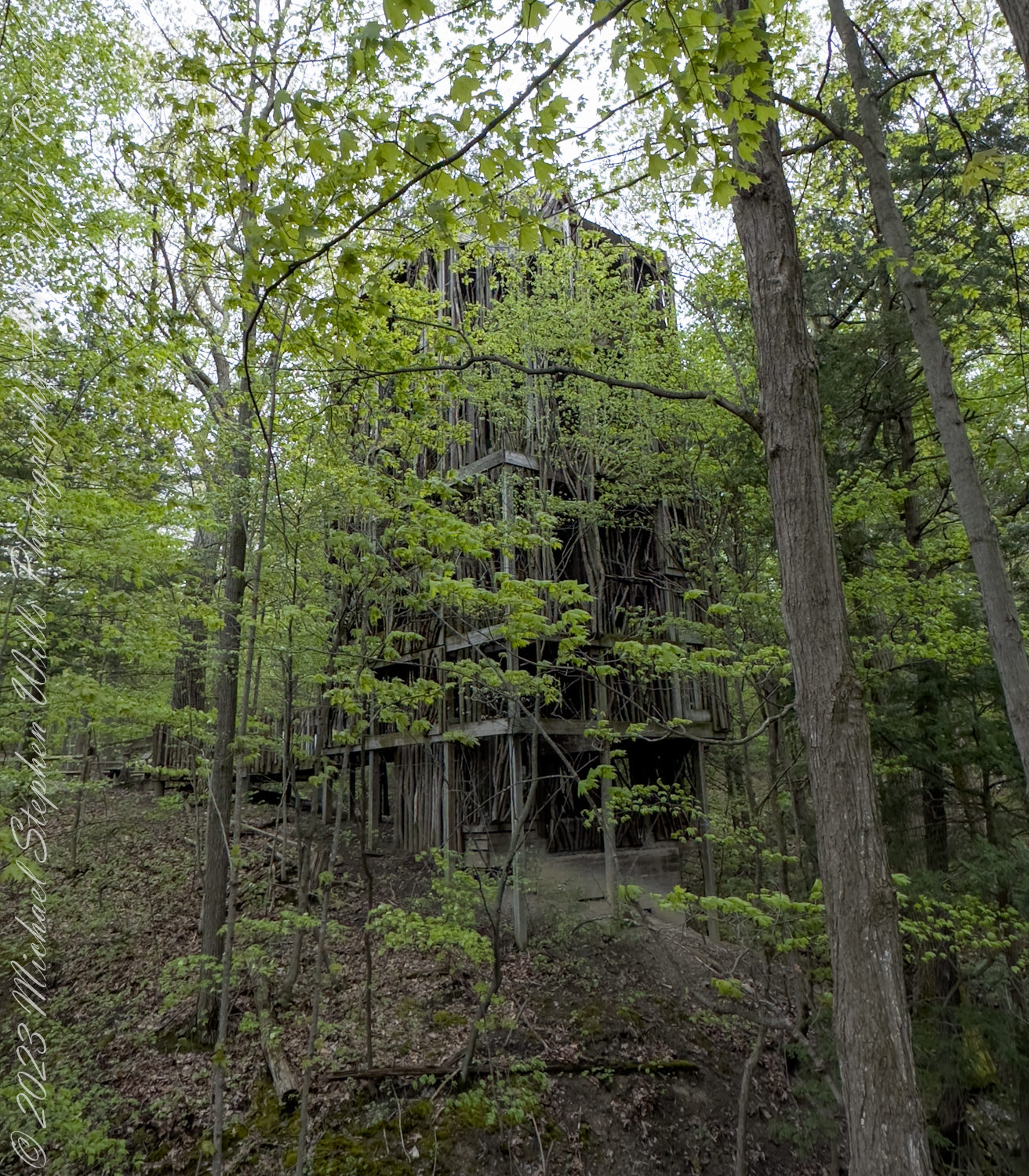
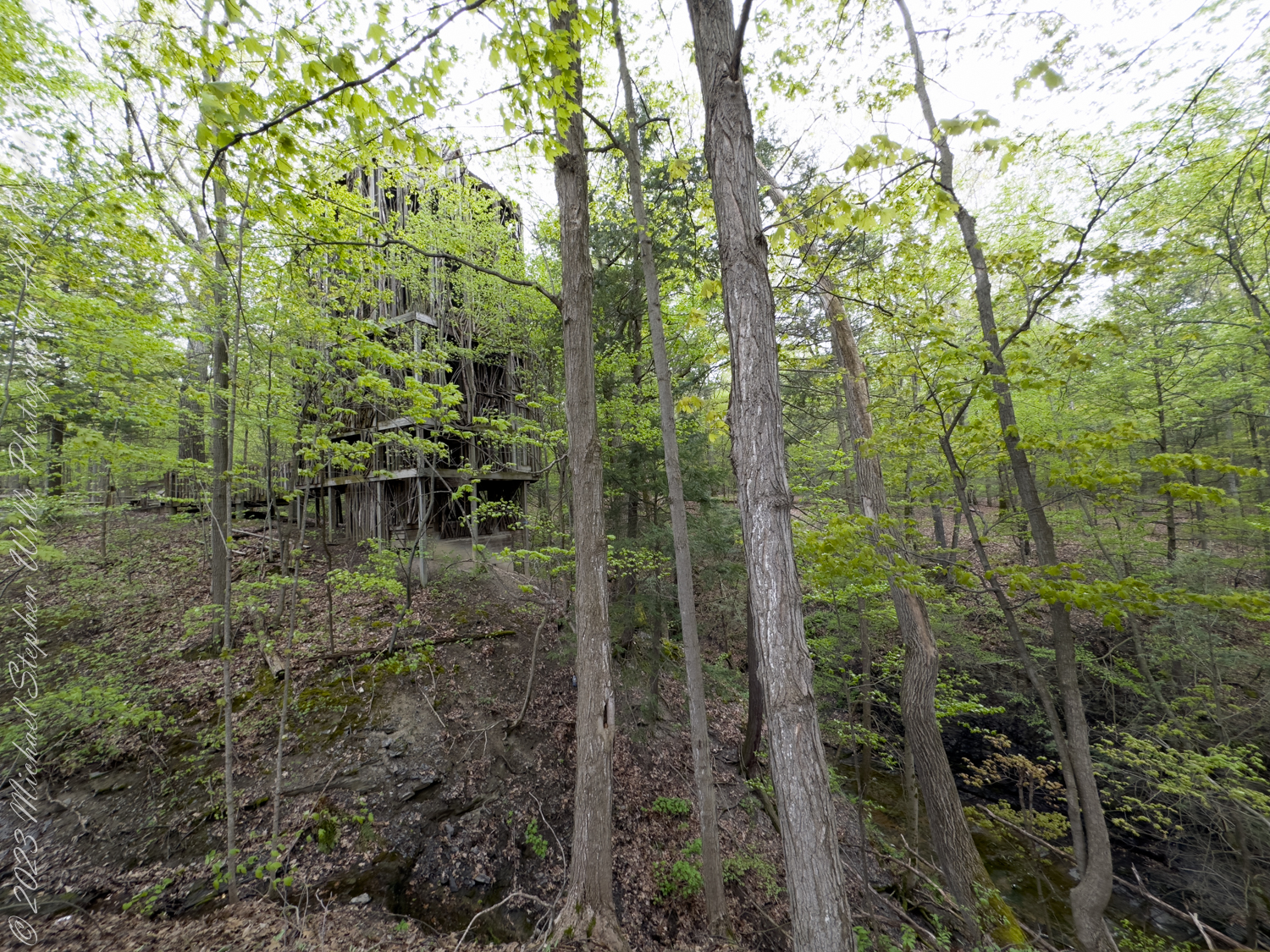
As we approached the treehouse, the boys’ excitement was palpable. The Treetops Treehouse is a marvel of rustic architecture, a multi-level structure that blends seamlessly with the surrounding forest. It was designed to give visitors a bird’s-eye view of the forest canopy, allowing for a unique perspective on the local flora and fauna.

Exploring the Treetops

Upon arrival, we were greeted by the gentle rustle of leaves and the chorus of bird songs. The boys raced ahead, eager to explore the winding pathways and hidden nooks of the treehouse. The structure is constructed entirely of wood, with sturdy railings and wide platforms that offer panoramic views of the forest.

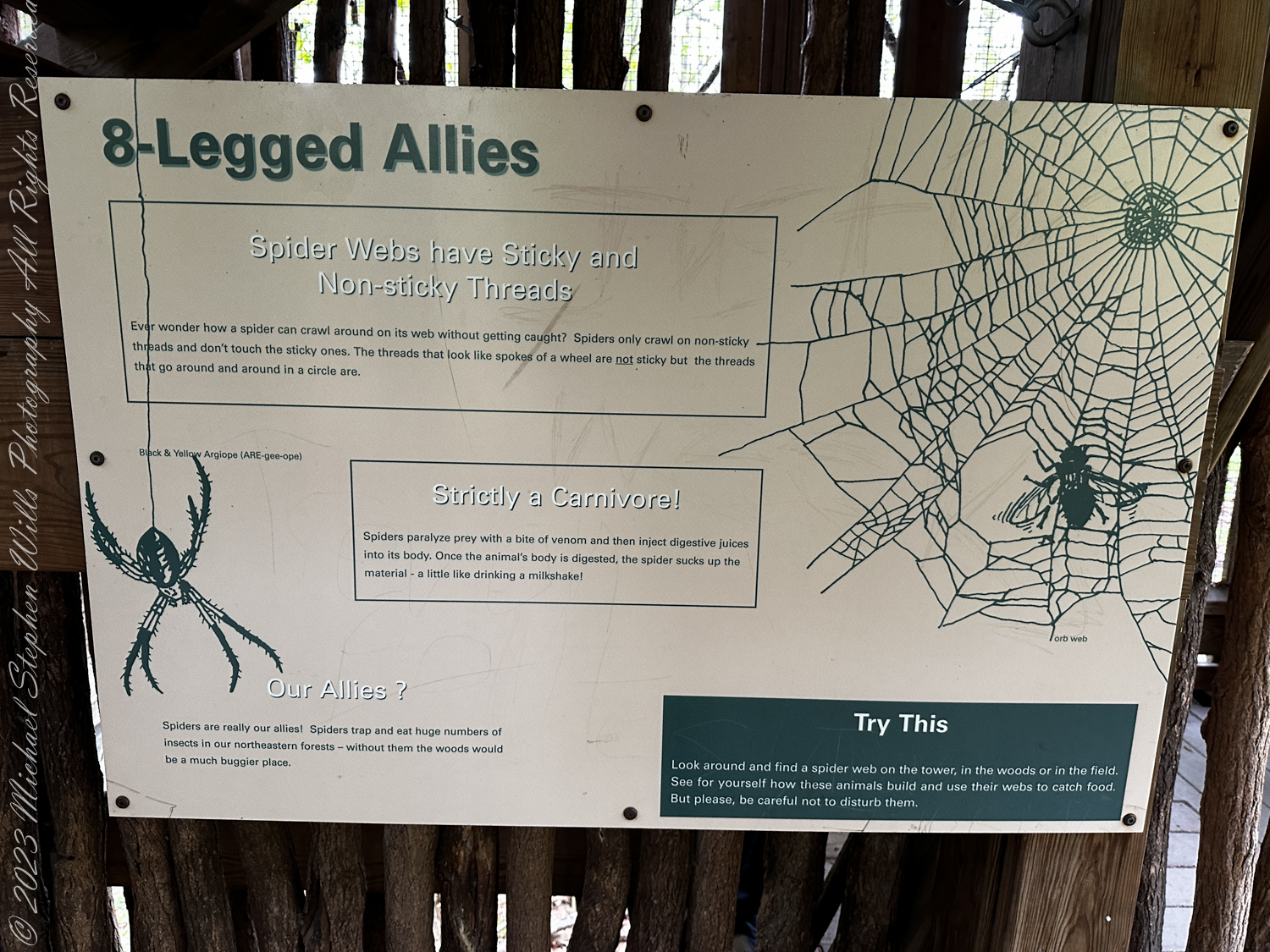
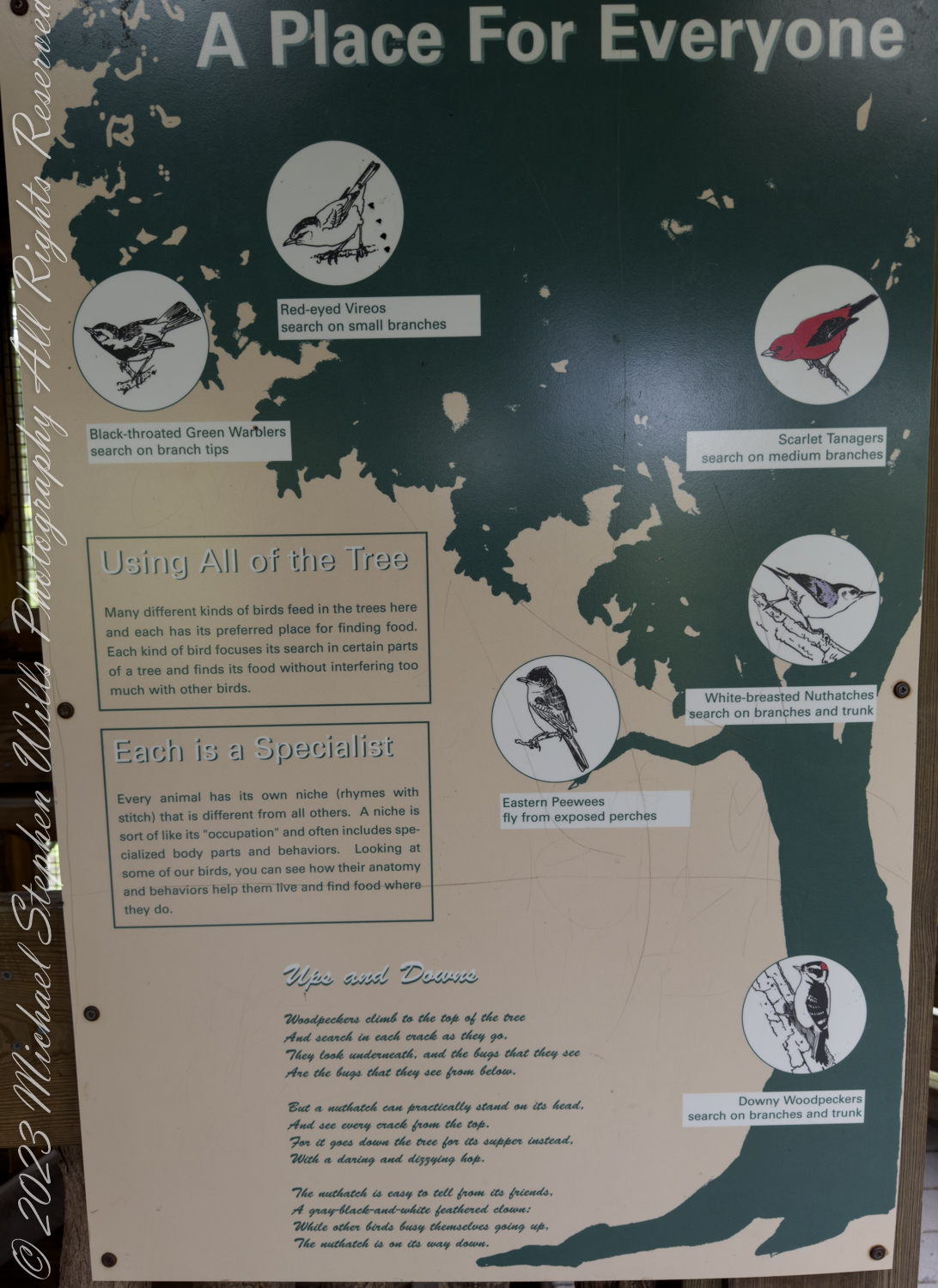
We were particularly fascinated by the various interpretive signs that explained the local ecosystem. We learned about the different species of trees, the birds that nested in the canopy, and the small mammals that scurried along the forest floor. It was a delight to sparked their curiosity of the natural world.

Discovering a Land Snail

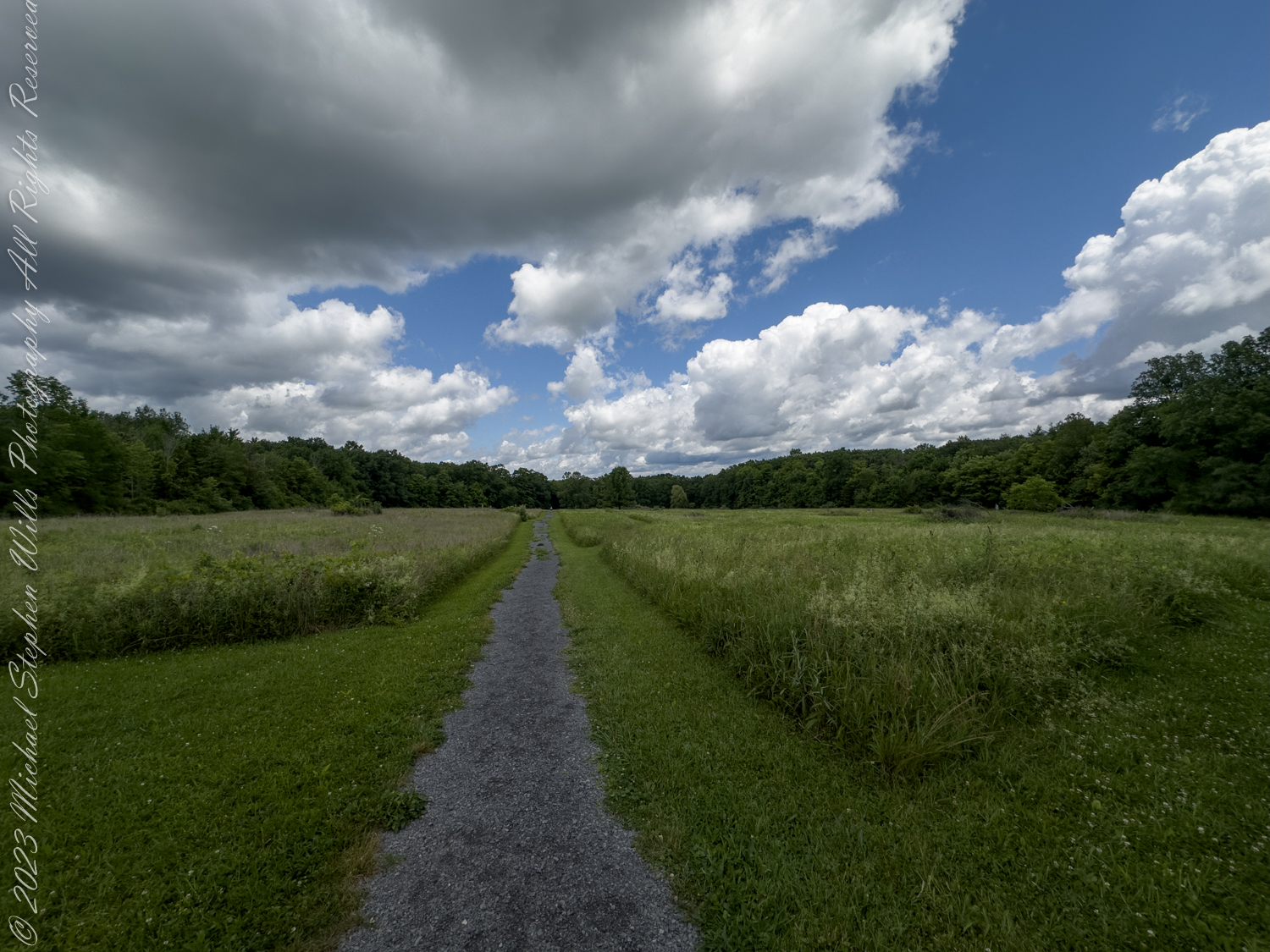
Meadow Trail

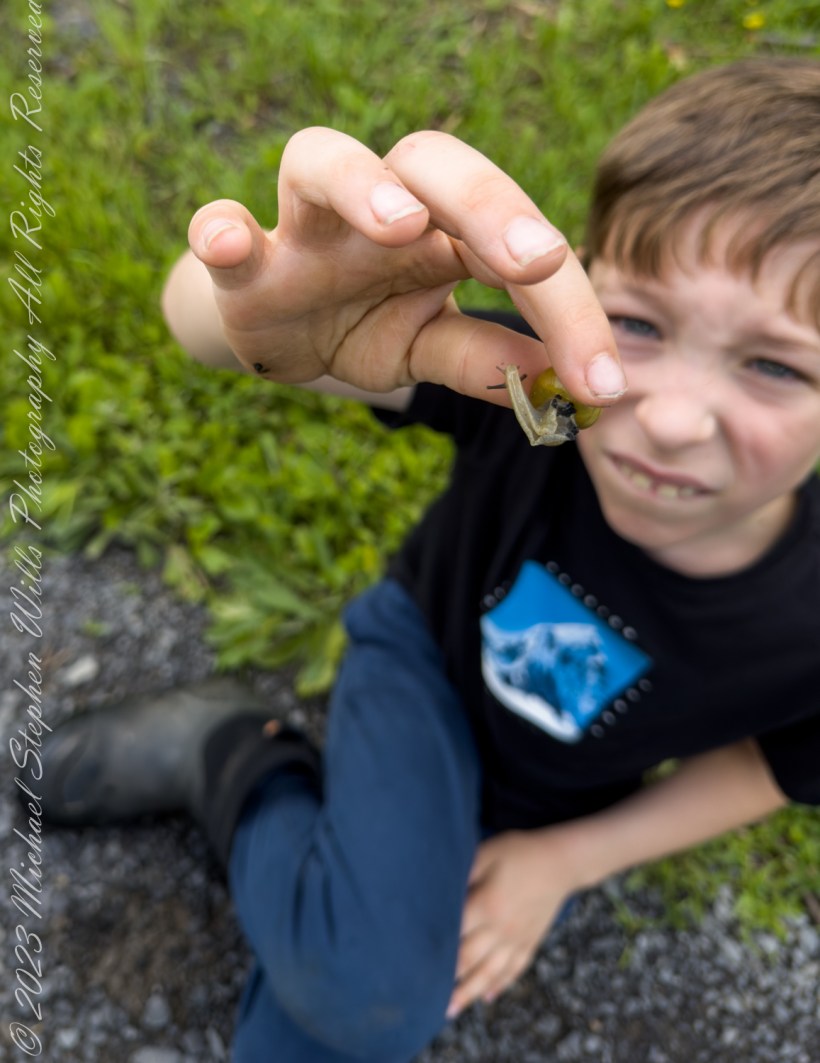
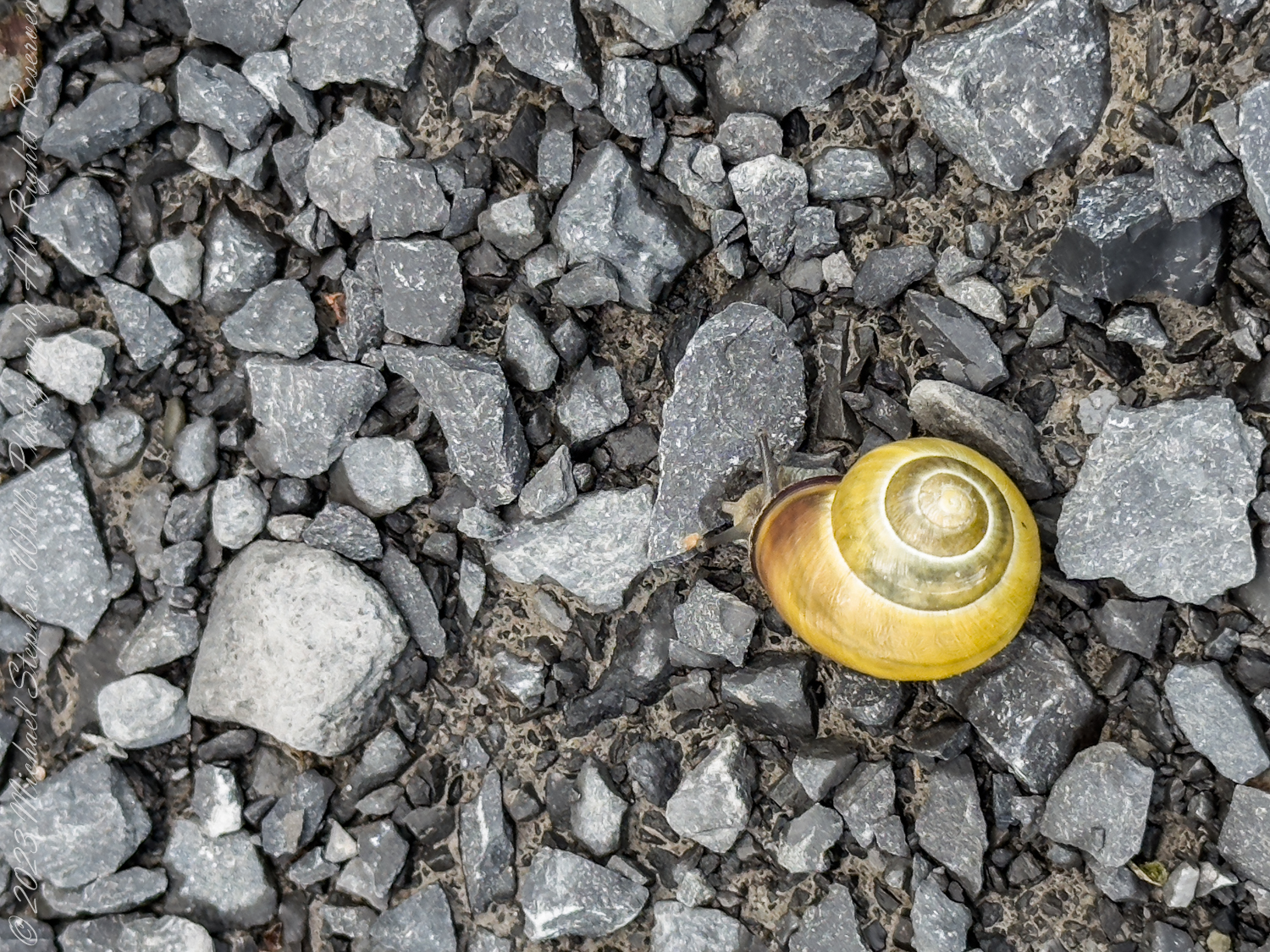
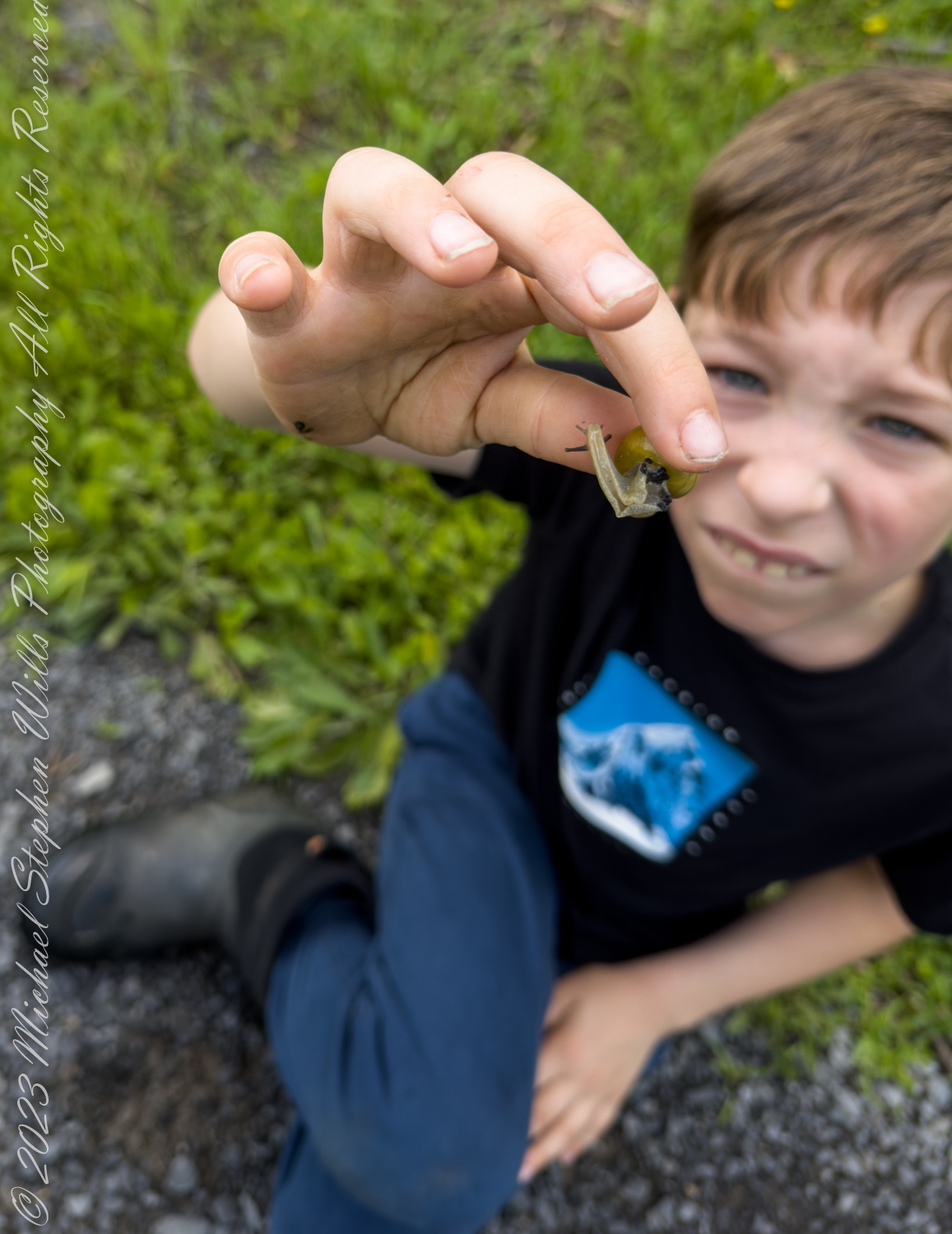
Afterwards, walking along a meadow trail, Rory’s keen eyes spotted something unusual on the ground. Nestled among the fallen leaves was a small land snail, its delicate shell glistening in the dappled sunlight. The boys and I gathered around to observe this tiny marvel of nature.

The snail appeared to be from the genus Triodopsis or Neohelix, possibly Triodopsis albolabris or Neohelix albolabris, known for their white-lipped shells. These snails are common in moist, forested environments and play a crucial role in the ecosystem as decomposers. They feed on decaying plant material, helping to recycle nutrients back into the soil.

The Learning Apiary

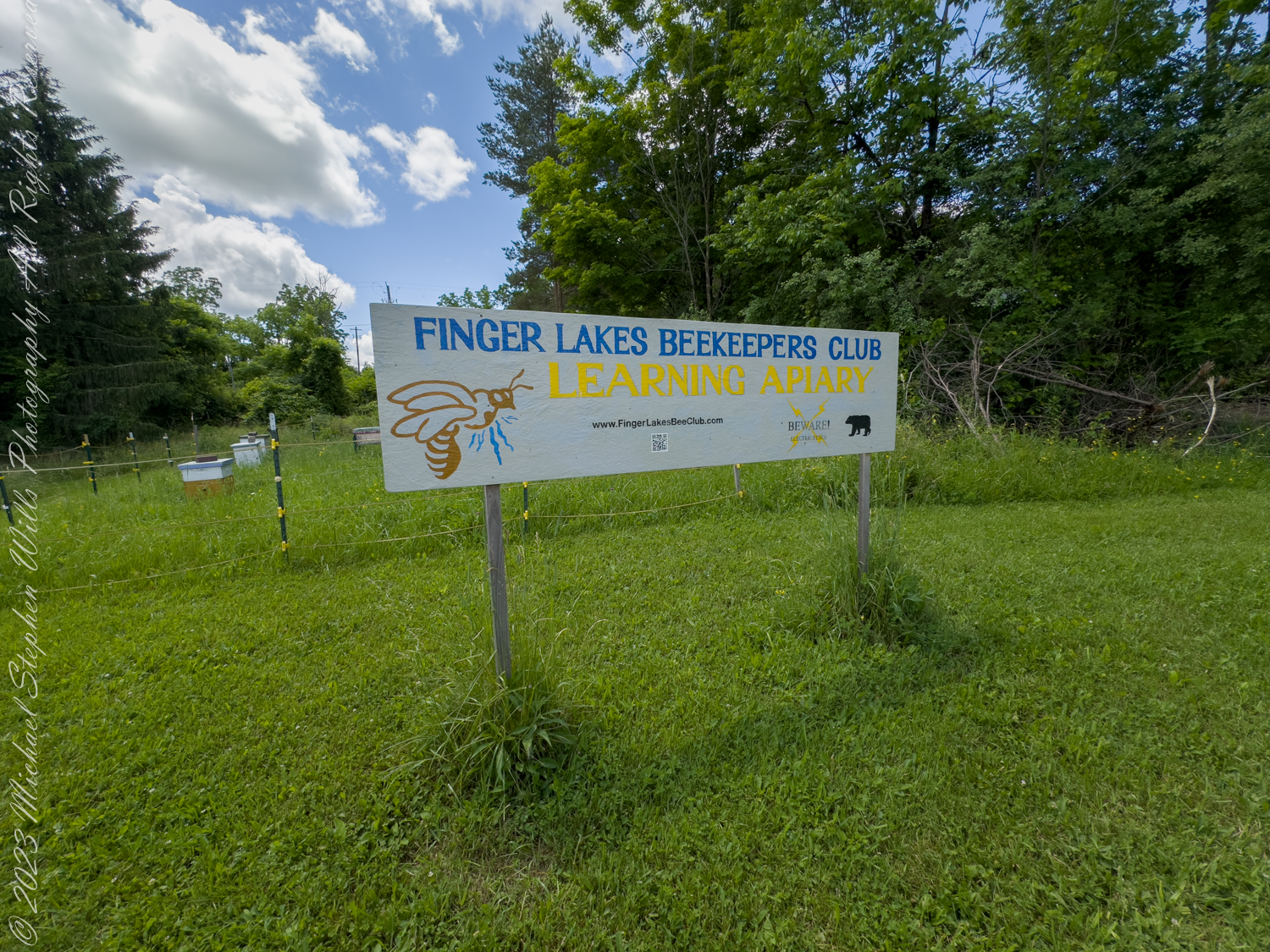
Further along the meadow trail, we made our way to the Finger Lakes Beekeepers Club Learning Apiary. The apiary is a place of learning and discovery, where visitors can gain insight into the fascinating world of honeybees and beekeeping.
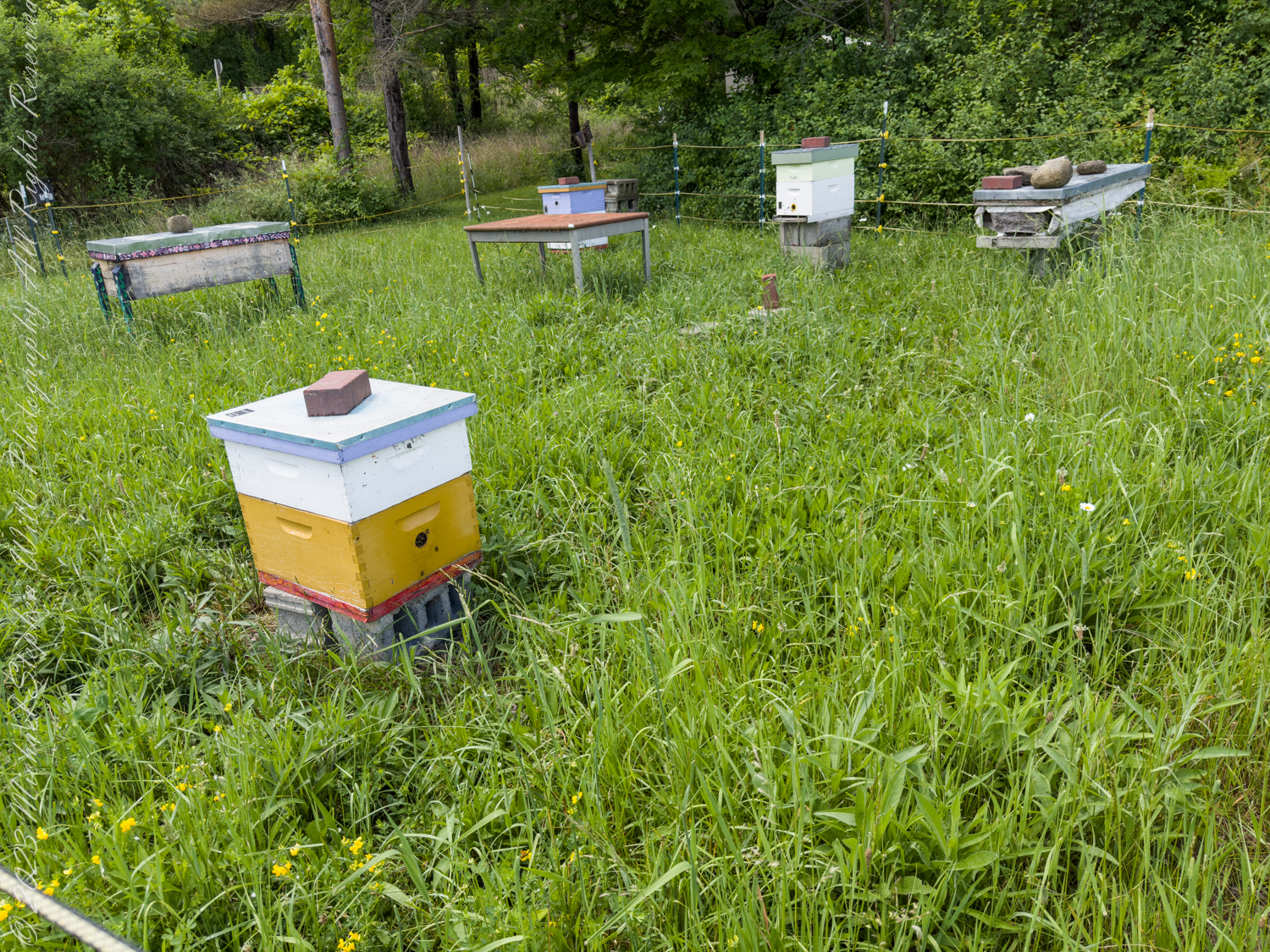
The apiary is composed of several beehives, each carefully maintained by members of the Beekeepers Club. We were careful to keep our distance from the electrified fence, protection against marauding bears and humans.

“ever-busy bees”

Wildflowers in Bloom

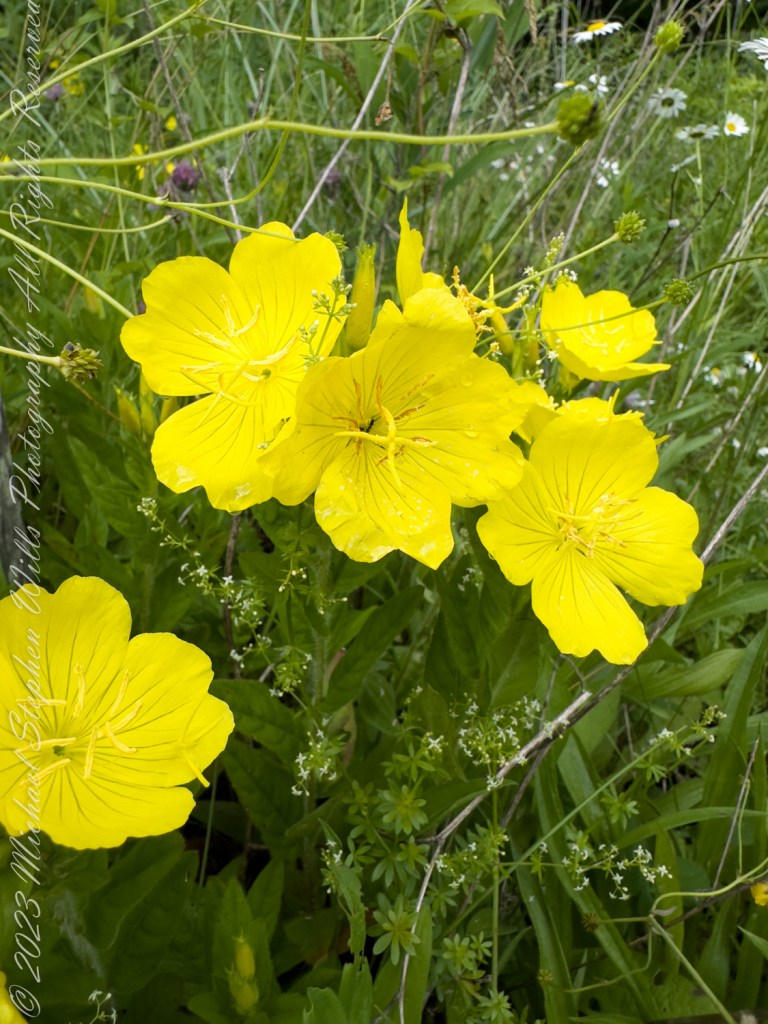
Narrow Leaved Sundrops

As we walked back from the apiary, the trail was lined with a vibrant display of wildflowers. The late spring bloom painted the landscape with splashes of color, from the golden yellows of evening primrose to the delicate whites of daisies.

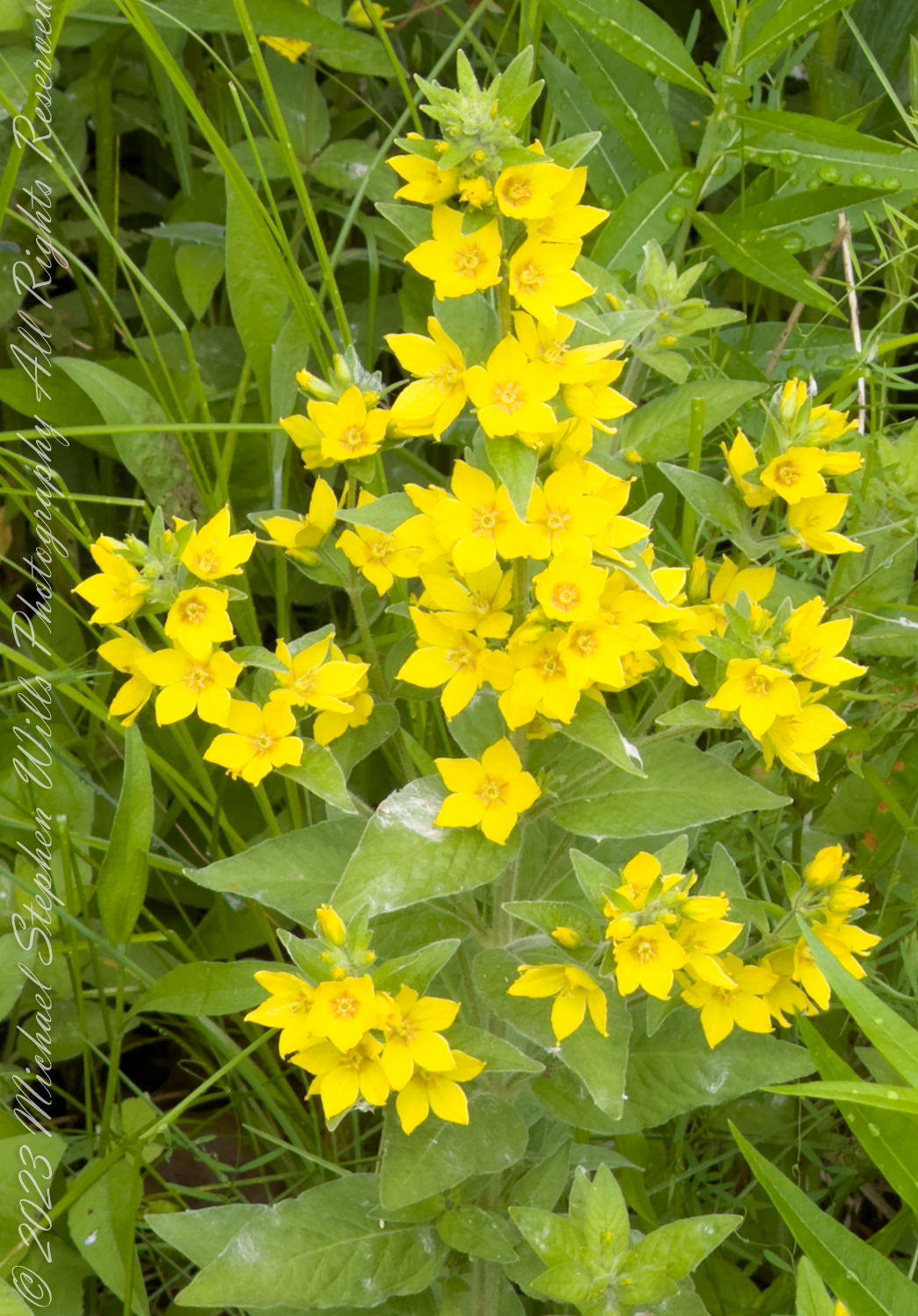
Large Yellow Loosestrife

One particular cluster of bright yellow flowers caught our attention. It was the Lysimachia punctata, commonly known as yellow loosestrife. These star-shaped flowers grow in dense clusters and are a favorite among pollinators. The boys marveled at the intricate patterns and vibrant colors, adding another layer of wonder to our day.
Reflections on a Memorable Day

As the day drew to a close, we found a quiet spot to sit and reflect on our adventures. The boys were bubbling with stories to tell their parents—of the towering treehouse, the tiny snail, the bustling beehives, and the fields of wildflowers. It was a day filled with discovery and learning, one that brought us closer to nature and to each other.

The Cayuga Nature Center and the Finger Lakes Beekeepers Club Learning Apiary provided a perfect setting for an outing that was both educational and exhilarating. The experiences we shared will undoubtedly leave a lasting impression on Sam and Rory, nurturing their love for the natural world and the myriad forms of life that inhabit it.

Meadow View

As we packed up and headed home, the boys already began planning our next adventure. The allure of the natural world, with its endless mysteries and wonders, had woven its spell, and we were eager to explore more of what it had to offer.

Copyright 2024 Michael Stephen Wills All Rights Reserved

A Late Winter Walk Through Cornell University Campus

Explore a late winter walk through Cornell University’s scenic campus, discovering blooming snowdrops, historic landmarks, and the striking “Magna Dancer” sculpture. Uncover the beauty and heritage captured in each step of this serene journey.


On the late winter afternoon of March 1, 2024, I decided to take a long walk starting from Cascadilla Park Road, making my way up through the Cornell University campus, and ending at Fall Creek near the Mundy Wildflower Garden before returning to my starting point. The sun was shining brightly, casting long shadows, and the crisp air was filled with a hint of spring. Carrying an Apple IPhone 14 Pro Max smartphone, I set off to capture the beauty and essence of this serene day.

Starting Point: Cascadilla Park Road

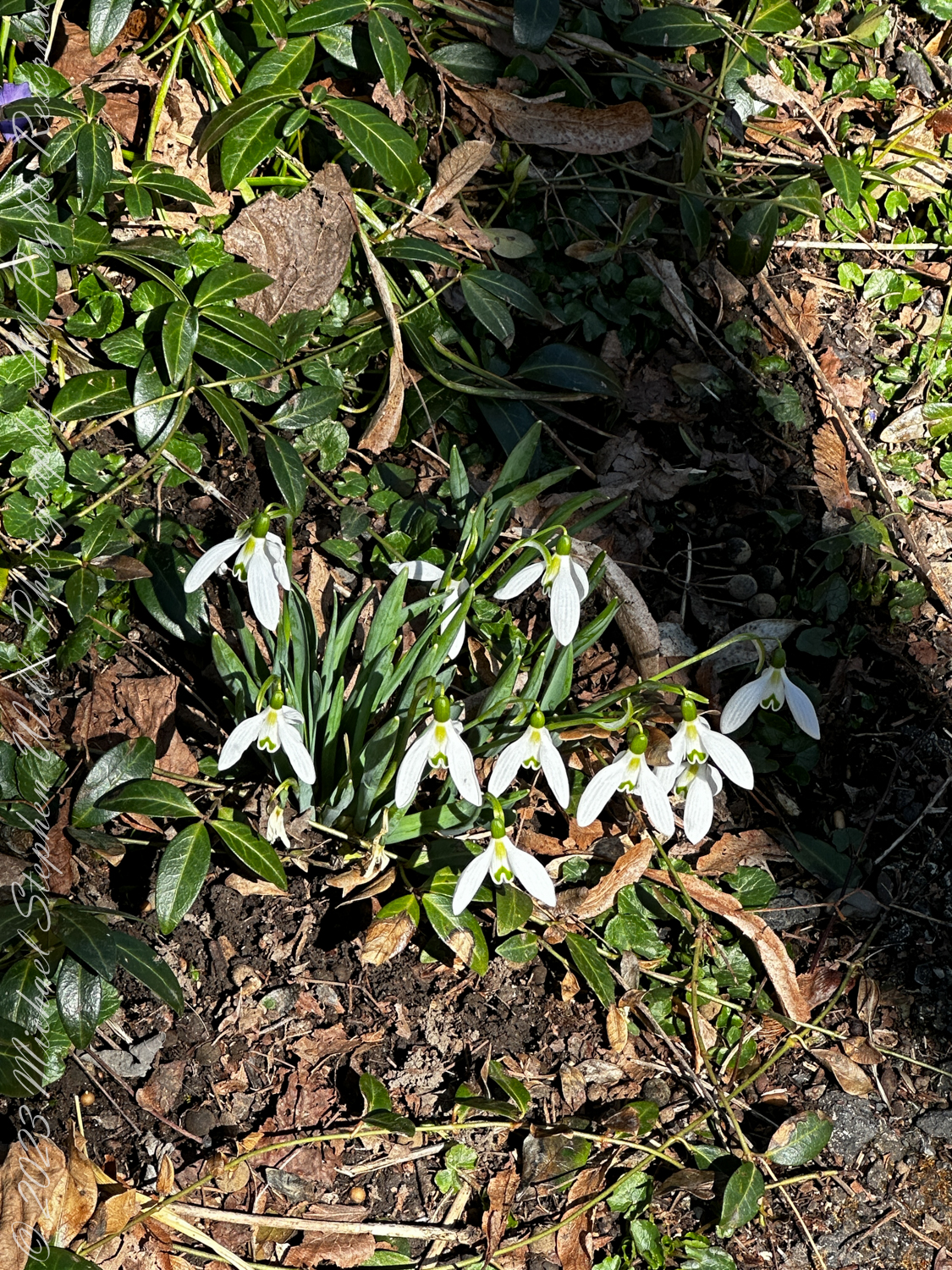
The walk began on Cascadilla Park Road, where I was greeted by a delightful patch of snowdrops (Galanthus nivalis) nestled among the glossy green leaves of periwinkle (Vinca minor). These delicate white flowers, blooming despite the chill, were a hopeful sign of the approaching spring. Their pristine petals contrasted beautifully with the dark, shiny leaves, creating a picturesque start to my journey.

These flowers were found in a garden on Cascadilla Park Road, Ithaca, March 1, 2024. Snowdrops (Galanthus nivalis) are among the first flowers to bloom in late winter and early spring, often pushing up through the snow. These plants are known for their nodding, white, bell-shaped flowers and are a common sight in gardens during this time of year. The glossy green leaves belong to a plant known as Periwinkle (Vinca minor). Periwinkle is a popular ground cover plant, often found in gardens due to its ability to spread quickly and form a dense mat of evergreen foliage. It typically has glossy, dark green leaves and produces small, blue or purple star-shaped flowers in the spring.

Climbing the Steps to Steps to Myron Taylor Hall

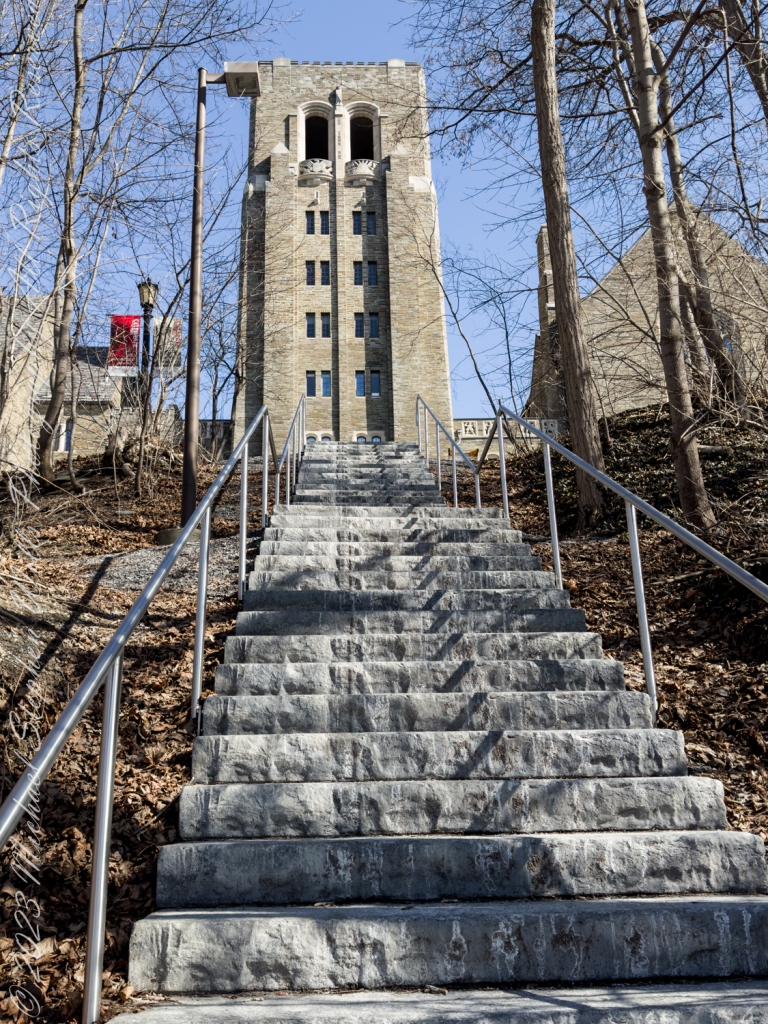
My path led me up flights of granite steps toward Myron Taylor Hall. As I climbed, I could feel the history and tradition of Cornell University enveloping me. The McGraw Tower bells chimed softly, adding a melodic backdrop to my ascent.

Steep steps leading from a parking lot off West Avenue to the Cornell Law School (Myron Taylor Hall).

Discovering “Magna Dancer”

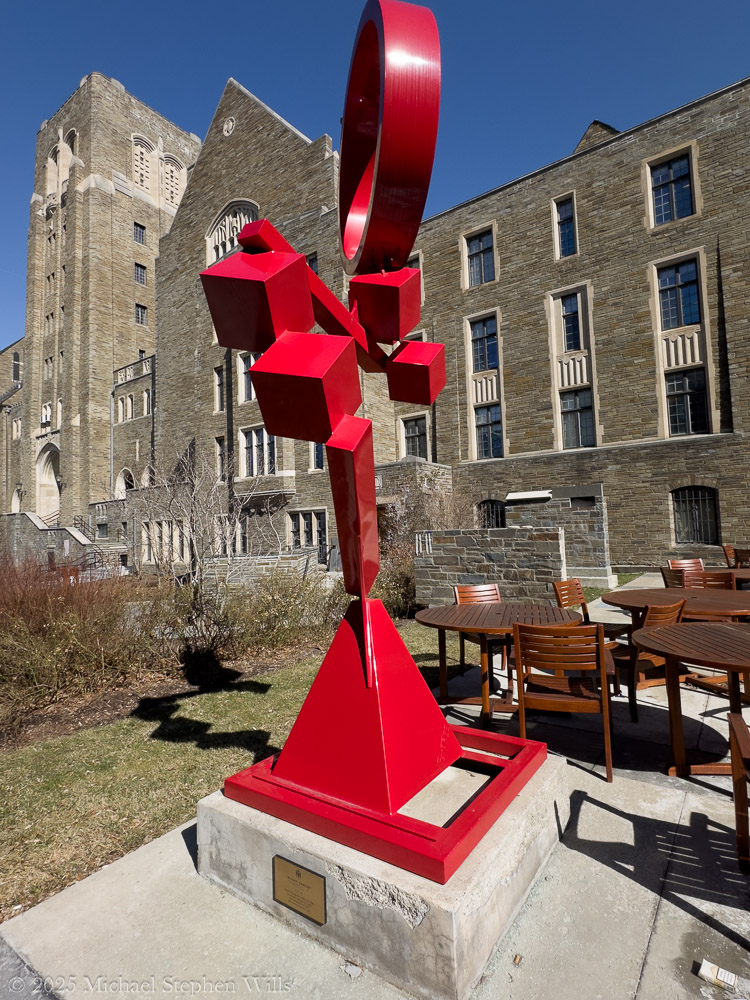
Reaching the top of the steps, I encountered, at the entrance to Hughes Hall museum, the striking “Magna Dancer” sculpture by Arline Peartree. Its bold red forms stood out vividly against the backdrop of the historic stone buildings. The plaque at the base provided a glimpse into its significance, commemorating the contributions of Cornell alumni. The sculpture’s dynamic lines and vibrant color injected a sense of modernity into the historic setting.

“Magna Dancer” steel and enamel sculpture, 1992 by Arline Peartree. Plaque on the sculpture plinth located outside Hughes Hall (behind Myron Taylor Hall – Cornell Law School), 241 Campus Road

Winter Buds and the Robinson Herb Garden

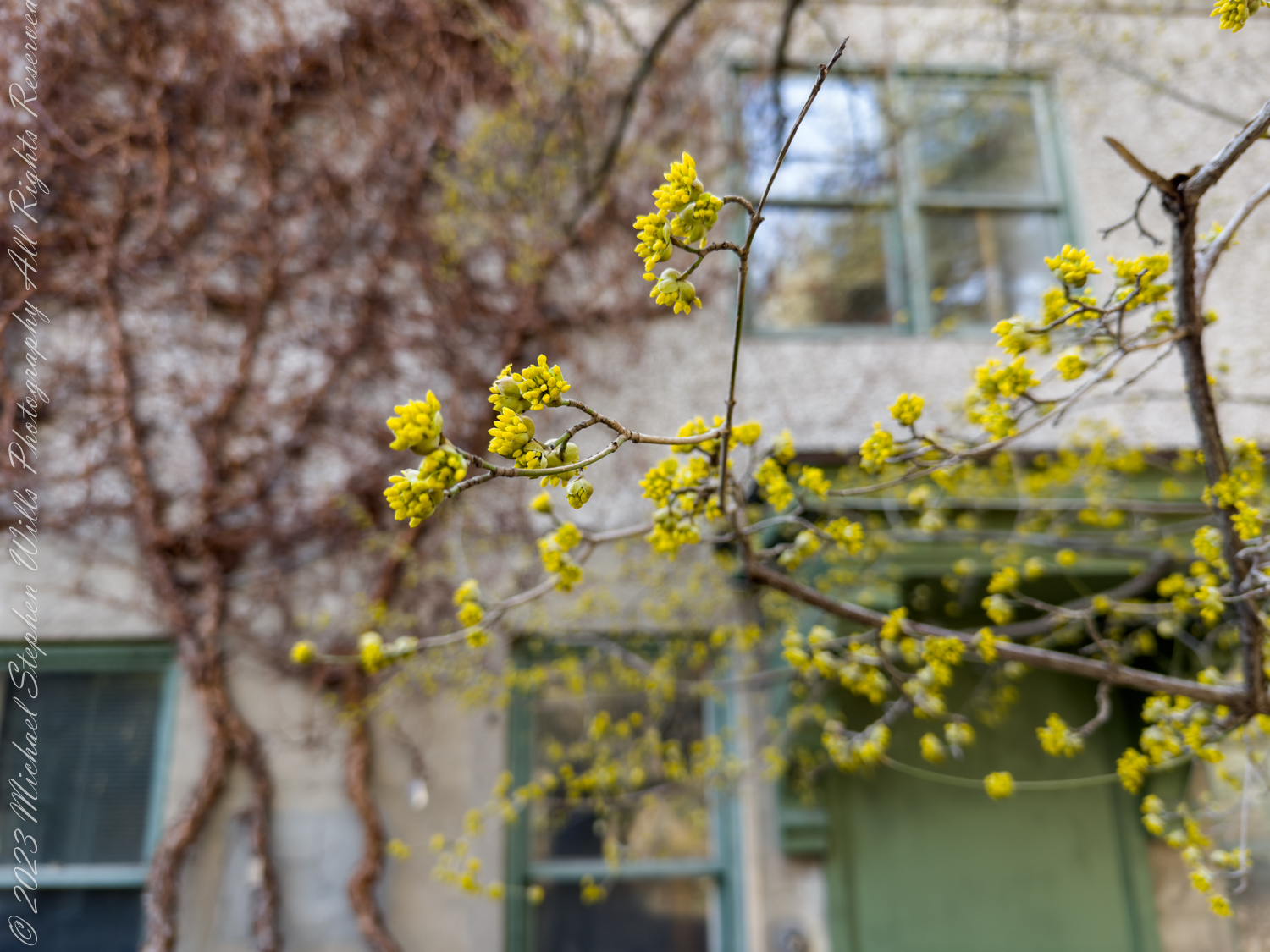
Here, I passed through the Robinson Herb Garden, where the late winter buds of a Cornelian Cherry Dogwood (Cornus mas) were beginning to unfurl. These bright yellow clusters heralded the arrival of spring, standing out against the bare branches and muted tones of the garden. It was a reminder of the cyclical nature of life and the resilience of the natural world.

The tree in the photograph with the yellow buds is a Cornelian Cherry Dogwood (Cornus mas). It is one of the first trees to bloom in late winter to early spring, producing clusters of small, bright yellow flowers before the leaves emerge. Cornelian Cherry Dogwood is often used in landscapes and gardens for its early bloom and attractive appearance. This tree grown in the Robinson Herb Garden, Cornell University

Mundy Wildflower Garden and Fall Creek

At Mundy Wildflower Garden, a hidden gem nestled beside Fall Creek, the landscape transformed into a tranquil haven, with the gentle sound of water flowing nearby. Though it was still early in the season, the promise of blooming wildflowers lingered in the air. The garden’s carefully maintained paths and rustic benches invited quiet contemplation.

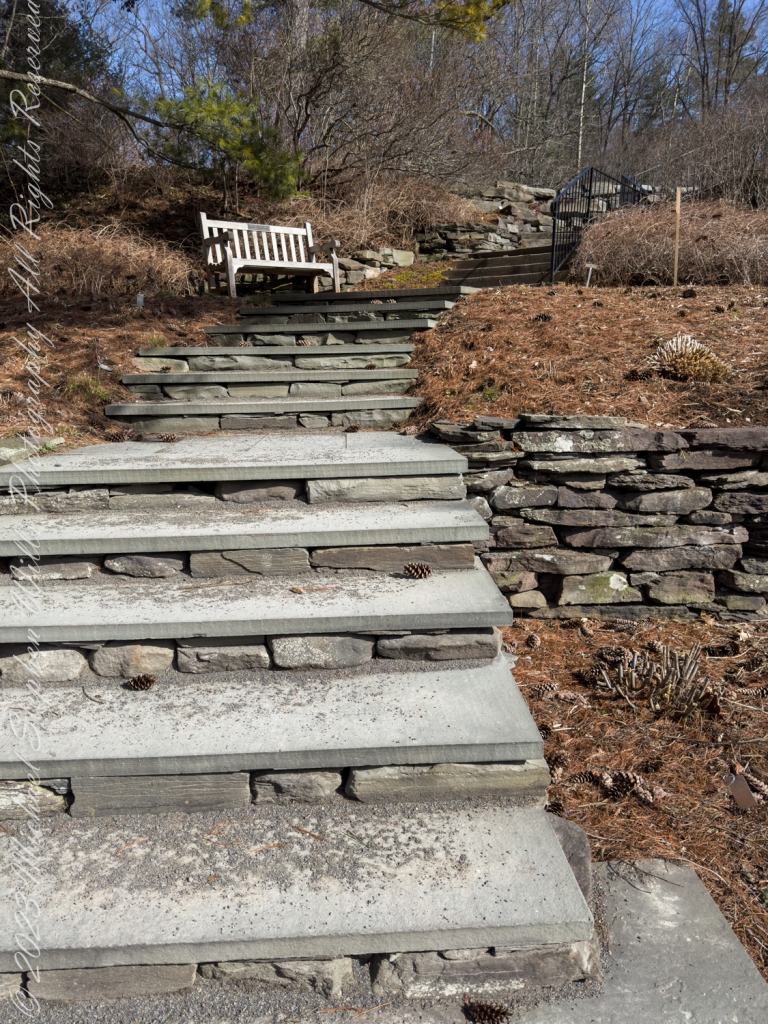
These steps lead from the Robison New York State Herb Garden to Judd Falls Road and the Mundy Wildflower Garden

Exploring the Common Ferns Display

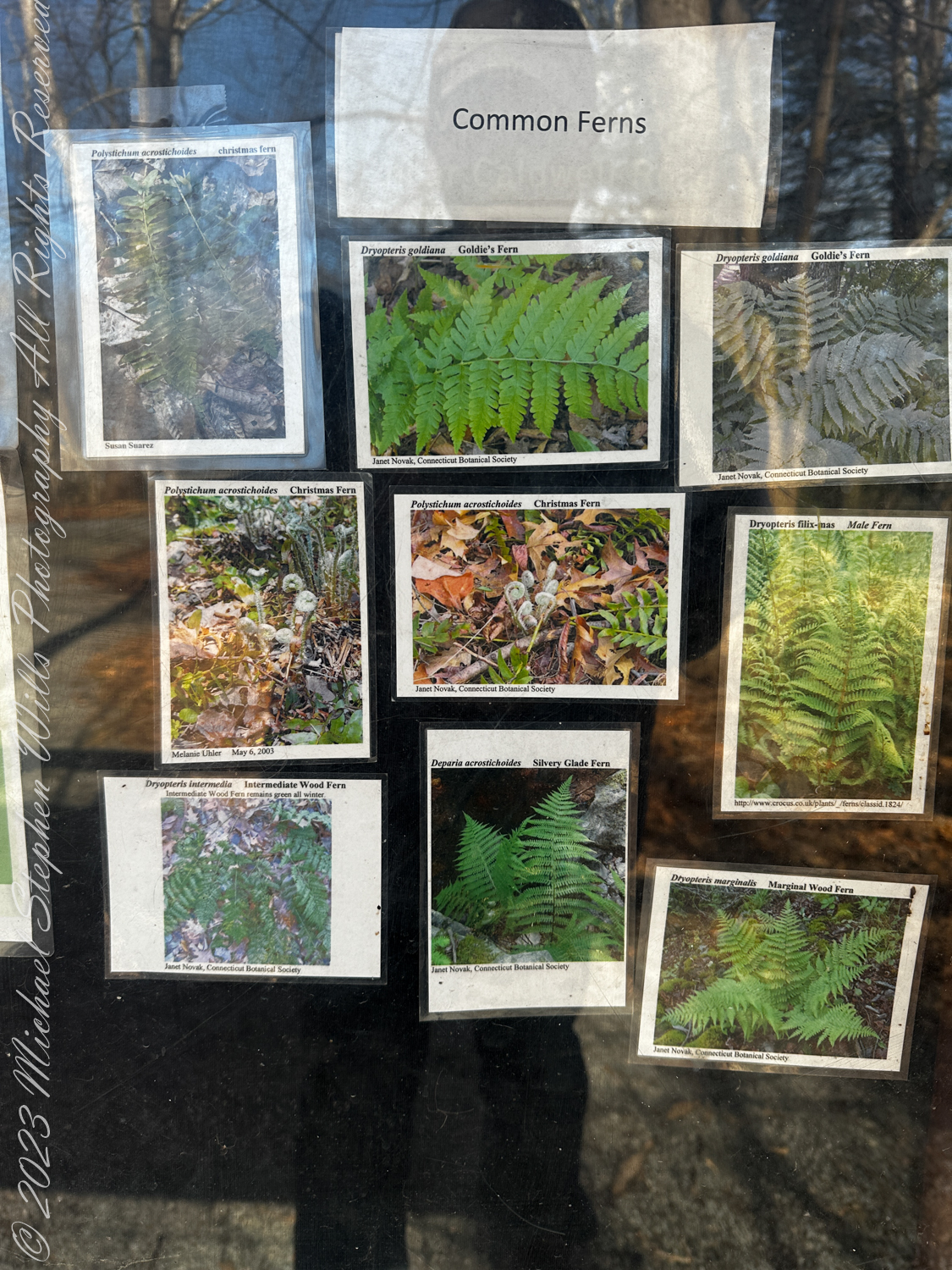
As I ventured further, I came across a display showcasing common ferns. The display included photographs and names of various ferns, such as the Christmas Fern (Polystichum acrostichoides) and Goldie’s Fern (Dryopteris goldiana). This educational exhibit was both informative and visually appealing, highlighting the diverse flora found on the campus.

Displayed on a display in the Mundy Wildflower Garden, part of Cornell (University) Botanical Gardens.

Observing the Weather Station

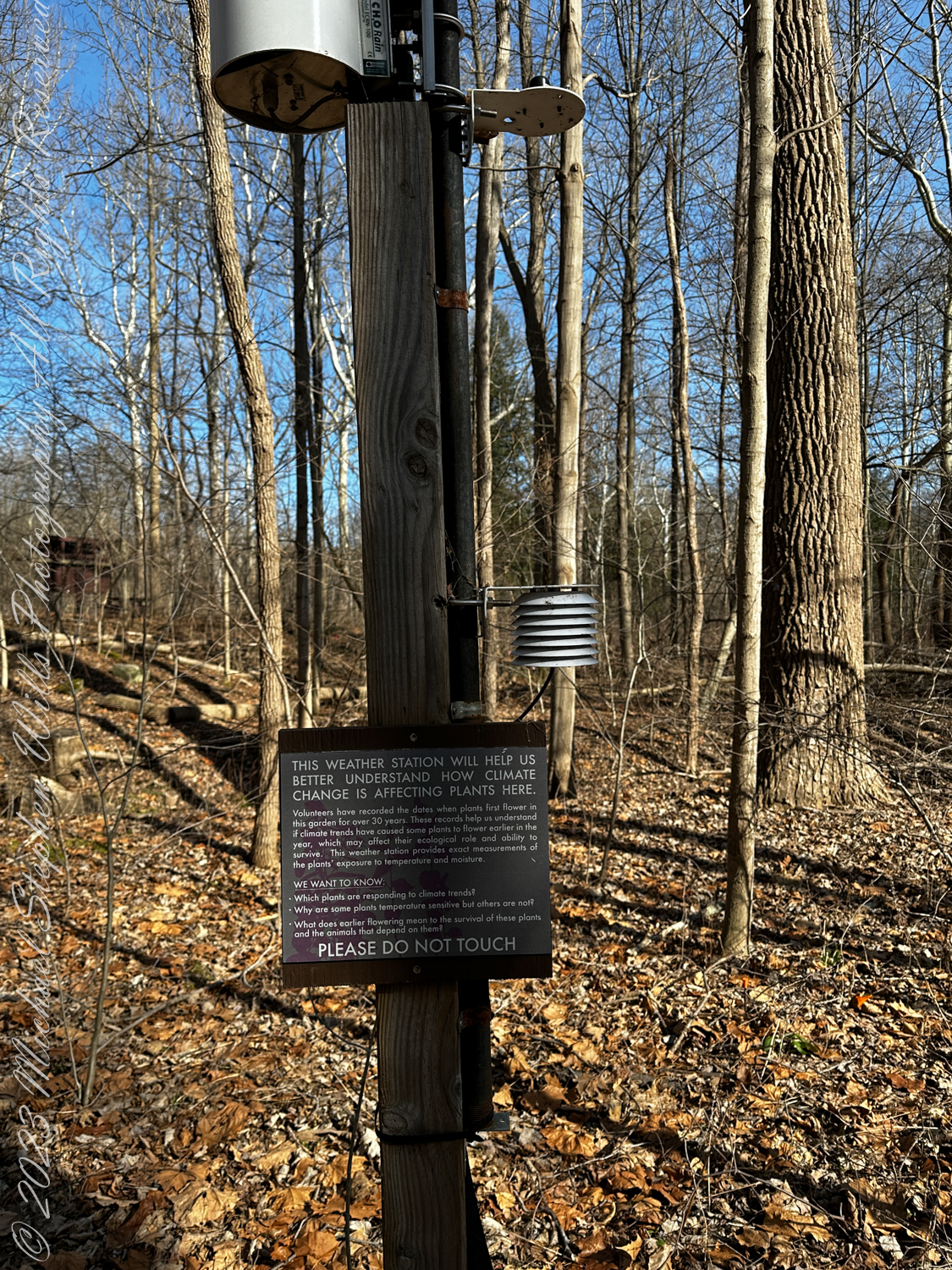
Nearby, a weather station stood tall, equipped with various sensors to monitor climate conditions. A sign explained its purpose: to help understand how climate change is affecting plants in the area. The data collected here would provide valuable insights into the phenological changes occurring within the garden.

Traversing the Slope to Olin Library

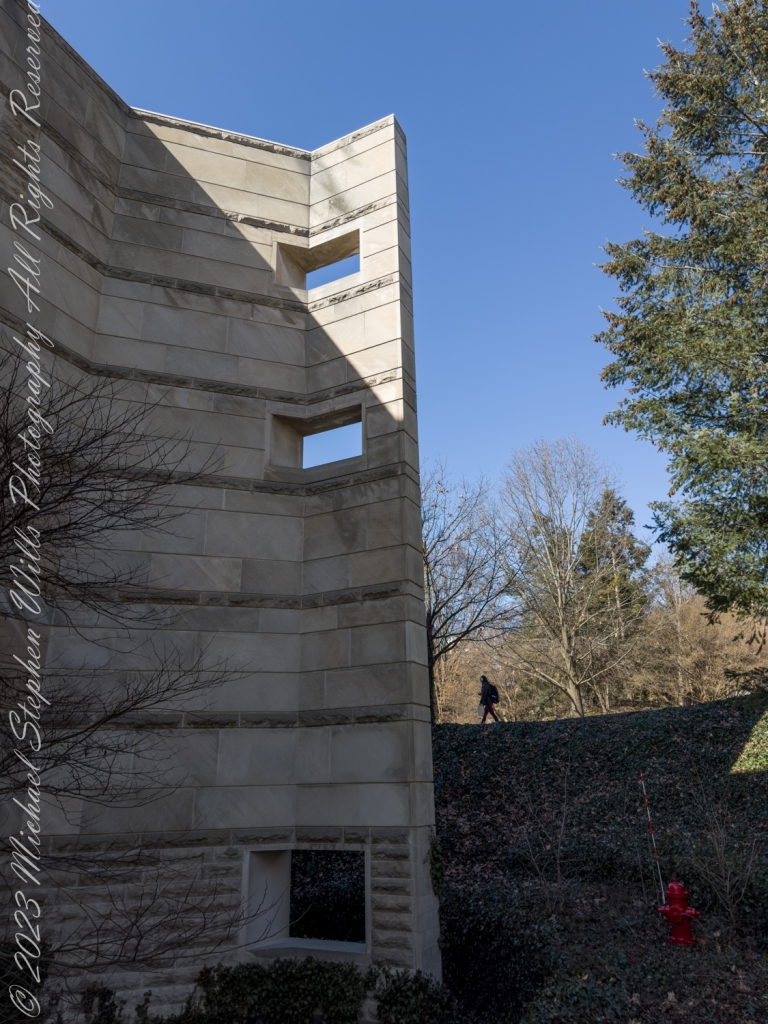
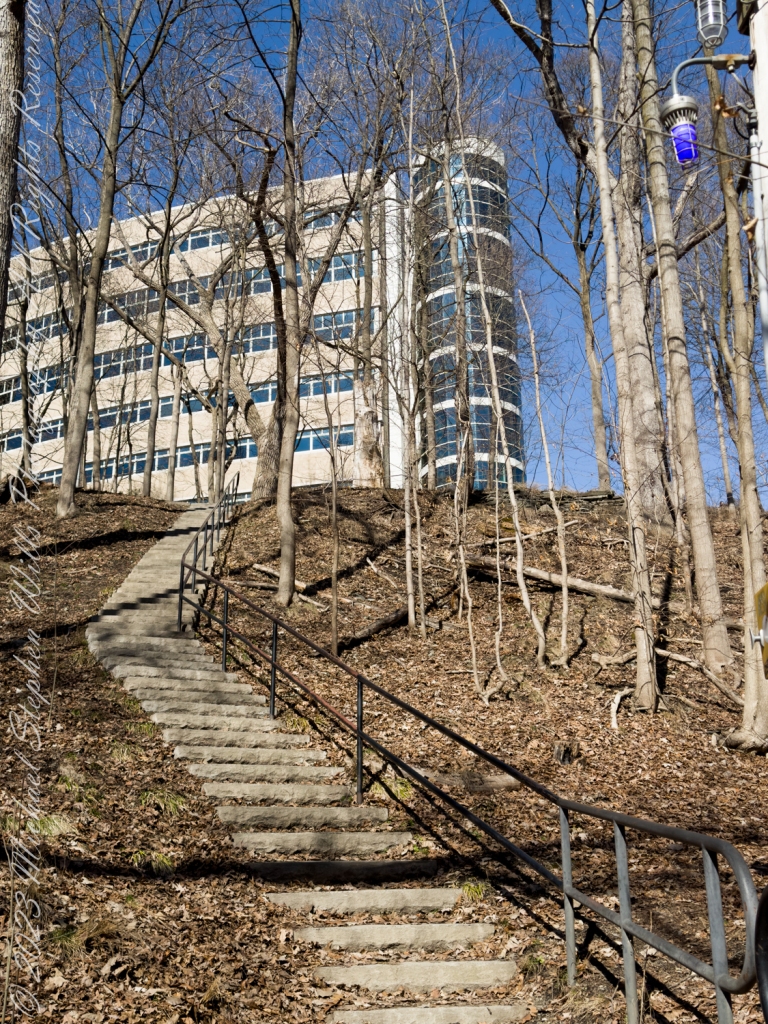
Returning, I made my way toward Olin Library. The path took me along a steep incline, “Lib Hill,” where I could see the stark branches of deciduous trees reaching toward the sky. The steps seemed to stretch endlessly upward, mirroring the journey of knowledge that students undertake within the library’s walls. The modern architecture of the library contrasted sharply with the surrounding natural landscape, symbolizing the intersection of nature and human achievement.

Approaching McGraw Tower

As I neared the heart of the campus, the McGraw Tower stood tall and prominent, albeit encased in scaffolding for restoration work. The historic building, with its distinctive clock face, was an emblem of Cornell’s rich heritage. Despite the scaffolding, the tower retained its majestic presence, a testament to the ongoing efforts to preserve its legacy.

This view is from Central Avenue. Morrill Hall is on the left. The tower is part of Uris Library. Cornell University, Ithaca, Tompkins County, New York State

Returning to Cascadilla Park Road

As descended the hill, following Cascadilla Creek, reflecting on the six mile journey, I felt a profound connection to the enduring beauty and resilience of both nature and human creativity. The walk had taken me through time and space, from historic landmarks to natural wonders, each step revealing a new facet of the Cornell University campus.

Reflecting on History

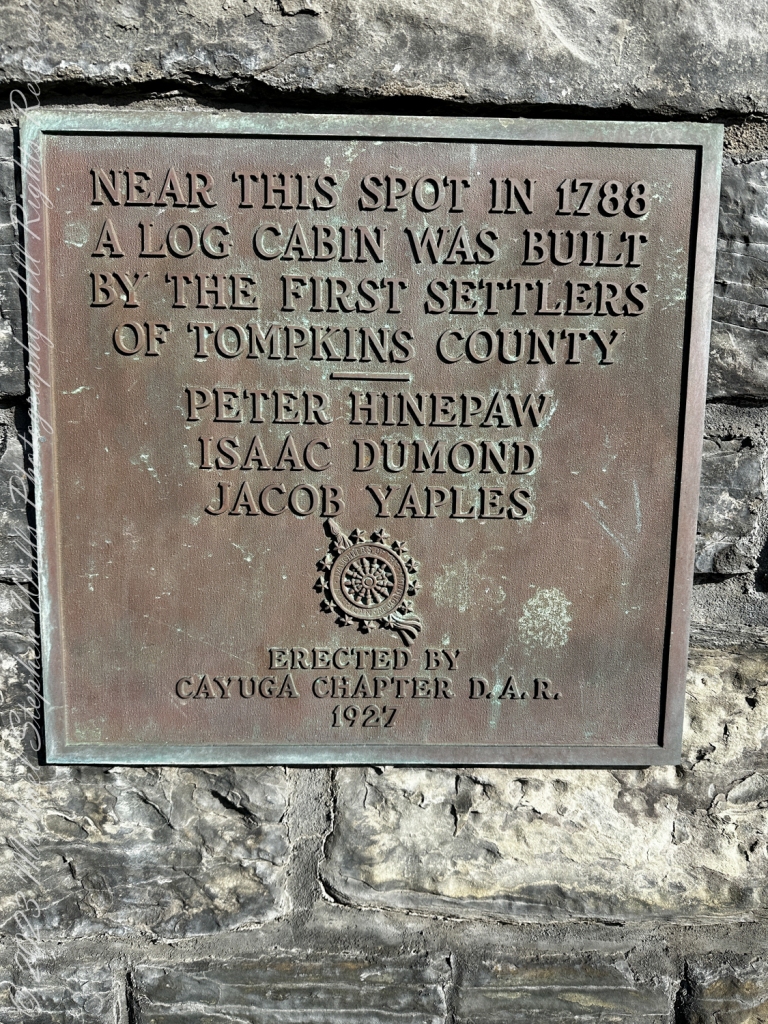
My walk took me past a plaque commemorating the site of the first settlers’ log cabin in Tompkins County, built in 1788. The plaque, erected by the Cayuga Chapter D.A.R. in 1927, was a poignant reminder of the area’s deep-rooted history and the pioneering spirit that shaped it.

This plaque on the corner of University Avenue and Cascadilla Park Road Road, “Near this spot in 1788 a log cabin was built by the first settlers of Tompkins County — Peter Hinepaw, Isaac Dumond, Jacob Yaples. Erected by Cayuga Chapter Daughters of the American Revolution 1927

This late winter walk, captured through my lens, was a celebration of the quiet splendor of the season and the enduring spirit of a place that thrives on discovery and growth.

Copyright 2024 Michael Stephen Wills All Rights Reserved

The Joy of Adventure at Treetops

Join us as we explore the enchanting “Treetops” treehouse at Cayuga Nature Center. Discover the joy of hide and seek, and the magic of nature, through the eyes of my grandsons on a serene Sunday morning.

The air was crisp and cool as I strolled hand in hand with my grandsons, Sam and Rory, through the vibrant greens of the Cayuga Nature Center. The leaves rustled gently in the Sunday morning breeze, their whispers the only company we had. It was a quiet, serene moment, with no one else around, and the boys’ excitement was palpable as they chattered about their previous visits.

“Grandpa, do you remember this place?” Sam asked, his eyes twinkling with anticipation. Rory, not to be outdone, chimed in, “We have to show you the treehouse! It’s the best part!”

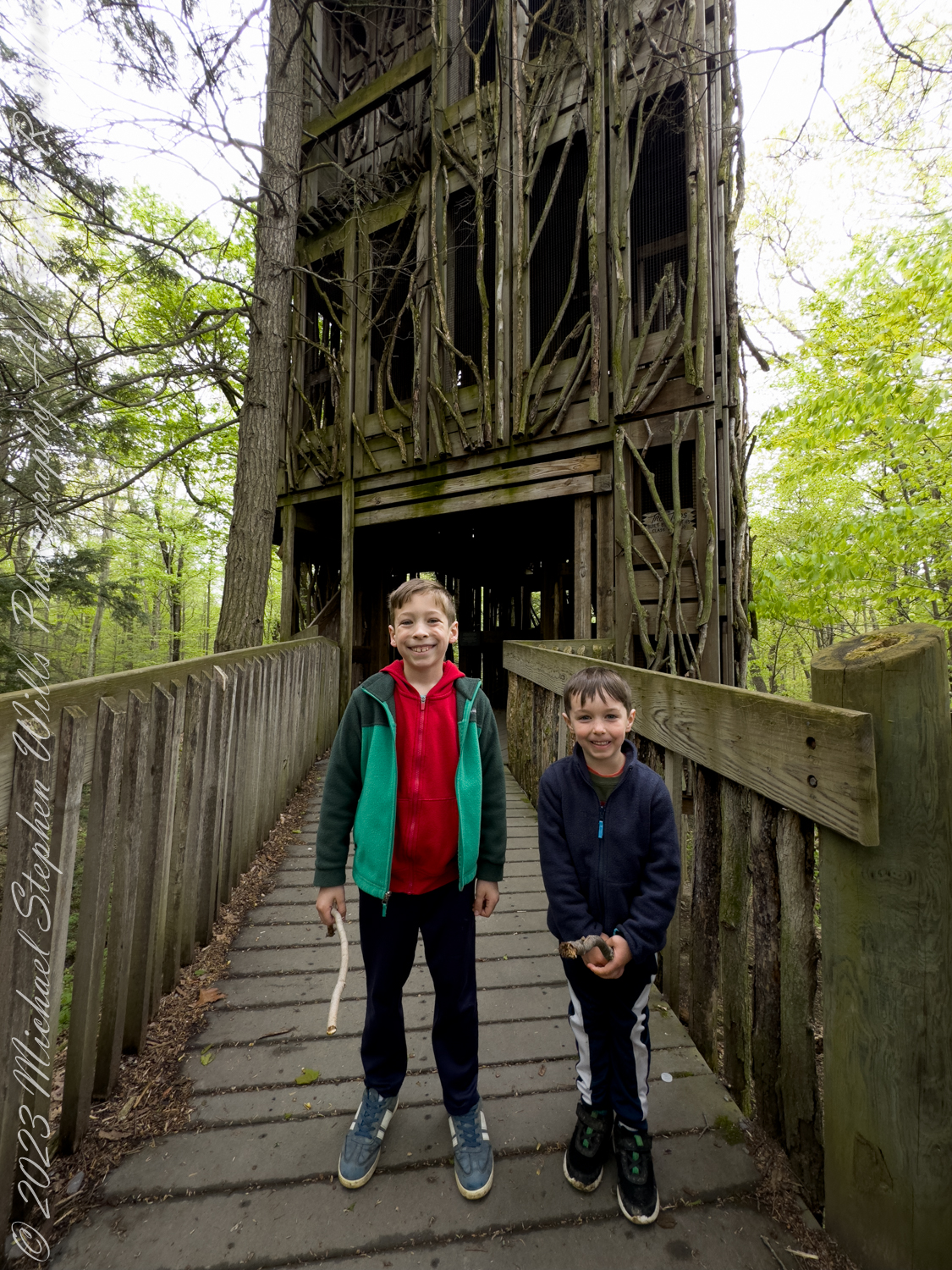
Their enthusiasm was infectious, and I found myself eager to see this magical place they spoke of. We followed a winding path, each step bringing us deeper into the lush woodland, until at last, the imposing structure of the “Treetops” treehouse came into view. It stood tall and mysterious; an intricate wooden edifice cloaked in the verdant embrace of the forest.

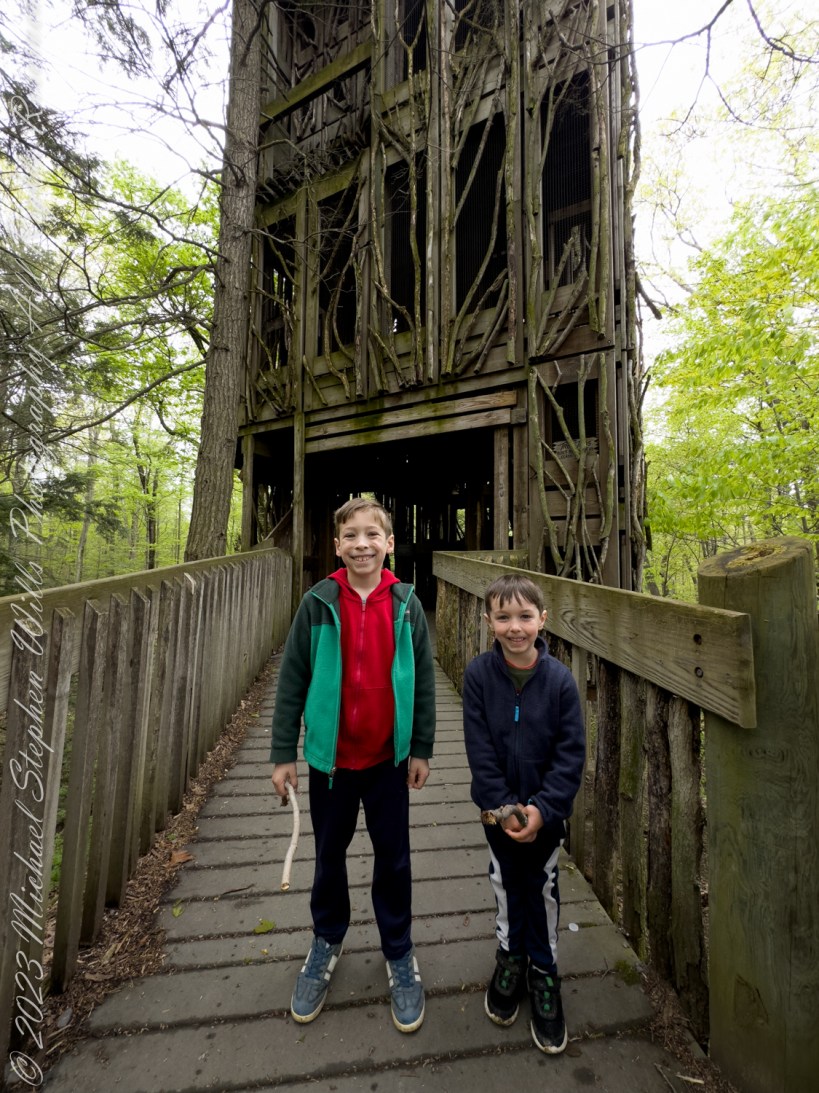
The treehouse was a marvel, its towering form constructed of twisted branches and sturdy planks, blending seamlessly with the natural surroundings. A wooden bridge led up to the entrance, and as we approached, the boys’ pace quickened.

“Let’s play hide and seek!” Rory suggested, his voice echoing with excitement. Sam nodded vigorously, already darting towards the treehouse entrance. “You count, Grandpa!” he called over his shoulder.

I began counting aloud, my voice mingling with the sounds of nature—the chirping of birds, the gentle rustle of leaves. When I reached twenty, I opened my eyes to find the boys had disappeared into the labyrinth of the treehouse. I stepped inside, the cool shade a welcome respite from the sun’s gentle warmth.

The interior was a maze of hidden nooks and winding staircases, each turn revealing a new secret. I could hear the faint giggles of the boys as they tried to stifle their laughter. The treehouse was alive with the echoes of their joy, each sound bouncing off the wooden walls like a symphony of childhood exuberance.

As I navigated the winding paths, I couldn’t help but marvel at the intricate details of the structure. The signs scattered throughout added an educational touch, detailing the lives of the birds and spiders that called this place home. One sign, titled “A Place For Everyone,” explained how each bird species had its niche, much like the boys had found their hiding spots.

“Found you!” I called out, spotting Sam’s bright red shirt from behind a wooden beam. He laughed and dashed off, his footsteps a rhythmic drumbeat on the wooden floor. Rory was next, his giggles giving away his hiding spot behind a thick cluster of branches.

We continued our game, the treehouse transforming into a magical playground where time seemed to stand still. The boys’ laughter filled the air, mingling with the natural symphony of the forest. We explored every corner, from the highest platform with its breathtaking view of the surrounding forest to the dark, cozy nooks perfect for hiding.

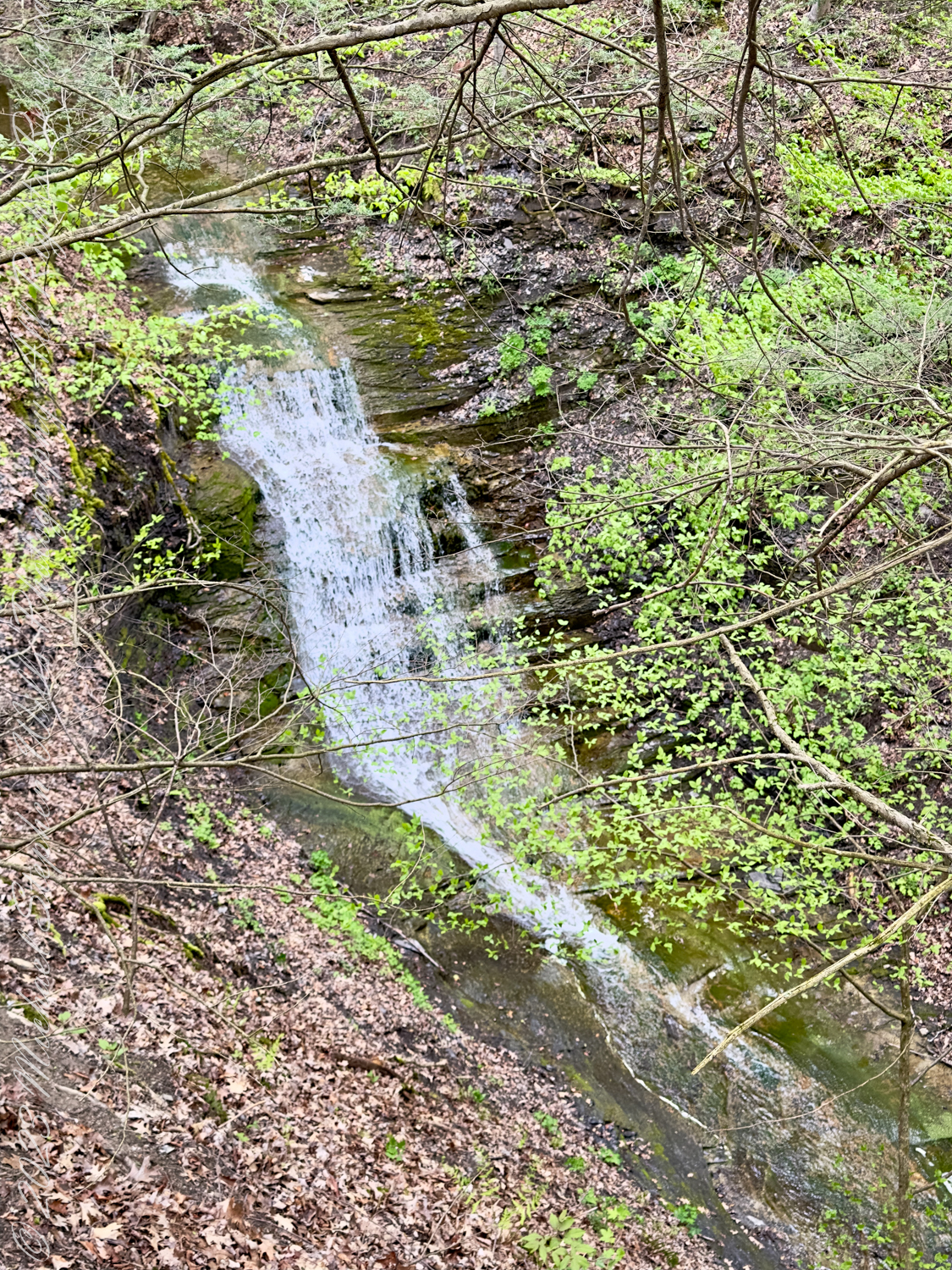
Phillips Falls is a picturesque waterfall located on Comstock Creek in view of the Treetops treehouse within the Cayuga Nature Center in Ithaca, New York. The falls are a highlight of the Nature Center, offering visitors a scenic and tranquil spot to enjoy the natural beauty of the area. The waterfall is accessible via the nature trails that wind through the Center’s diverse landscapes, including forests and meadows. Here are a few key points about Phillips Falls: Scenic Beauty: Phillips Falls is known for its serene and beautiful setting, making it a popular spot for nature enthusiasts, hikers, and photographers. Hiking Trails: The falls can be reached by hiking trails within the Cayuga Nature Center. The trails vary in difficulty, providing options for different levels of hikers. Educational Programs: The Cayuga Nature Center often includes Phillips Falls in its educational programs and guided tours, focusing on the ecology and geology of the area. Wildlife Habitat: The area around Phillips Falls is home to a variety of wildlife, making it a great spot for birdwatching and observing other animals in their natural habitat. Seasonal Changes: The appearance and flow of the waterfall can change with the seasons, offering a different experience for visitors throughout the year. Overall, Phillips Falls is a cherished natural feature of the Cayuga Nature Center, providing both a peaceful retreat and an educational experience for visitors.

After our game, we stood on the bridge, looking out over the creek below. The water sparkled in the sunlight, a serene contrast to our playful morning. “This place is amazing,” I said, turning to the boys. They nodded, their faces flushed with happiness.

“We love coming here,” Sam said. “It’s like a secret world.”

Rory nodded in agreement. “And now you know our secret too, Grandpa.”

As we made our way back down the path, I felt a deep sense of gratitude for this moment, for the chance to share in the boys’ joy and to see the world through their eyes. The “Treetops” treehouse had not only been a place of play but also a bridge between generations, a testament to the simple, timeless pleasures of exploring nature together.

Phillips Falls on Comstock Creek, seen from Treetops

Copyright 2024 Michael Stephen Wills All Rights Reserved

Wind Riders: A Seven-Year Saga of Beach and Ocean Kiteboarders

Embark on a journey with kiteboarders who harness the wind and surf, mastering both beach and ocean. Witness the evolution of this thrilling sport over seven years, from the sandy shore to the open waves.

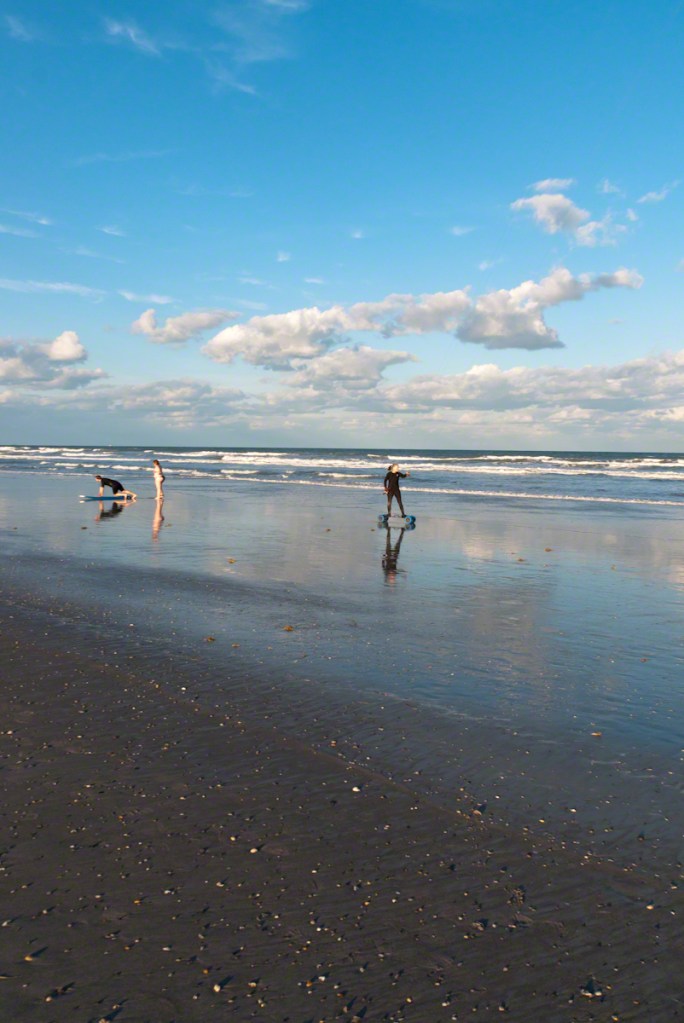
Cocoa Beach, with its rhythmic waves, is a destination that stirs a sense of adventure. Seven years ago, March 2017, as I strolled along its sandy shores, my attention was captured by a curious sight: several people gliding effortlessly across the beach, seemingly with the wind at their command. These weren’t your typical surfers or skateboarders—they were kiteboarders, harnessing the power of the wind with large kites that stretched high into the sky. I was transfixed by the sight of their wheels skimming along the wet sand, leaving tracks like an artist’s brushstroke on a canvas.

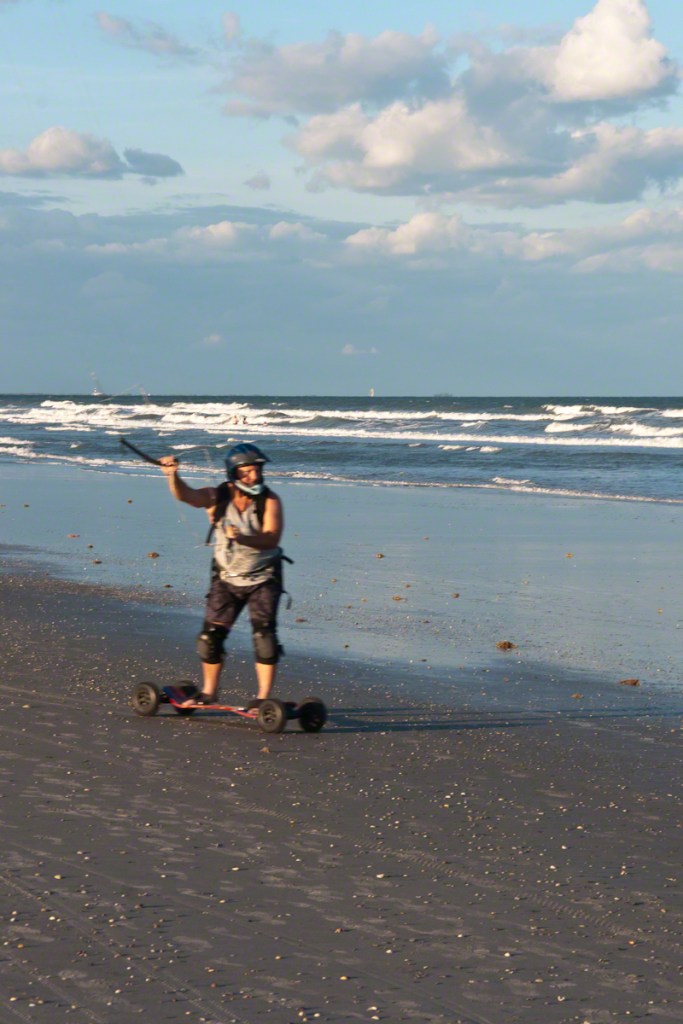
The beach was alive with energy. The wind, the driving force behind the kiteboarders, was gusty, rippling the surface of the ocean and creating perfect waves for surfers. But the kiteboarders were on a different mission. They had wheels attached to large boards, akin to skateboards but bulkier. They wore helmets and pads, visibly prepared for a sport that seemed to demand not just skill but a dose of courage.

One rider caught my eye, with his bright blue helmet and focused gaze. He adjusted the lines of his kite like a master puppeteer, maneuvering himself with precision as he glided along the shore. The kite seemed an extension of his own limbs, responding seamlessly to his every movement. It was exhilarating to watch, the kite’s taut lines tracing invisible patterns in the sky as he shifted his weight, steering the board with expertise. With each gust of wind, he picked up speed, racing along the shore with a grin that spoke of pure joy.

Not far from him, a second kiteboarder, a woman, was testing her skills. Her kite had a distinct red pattern, vibrant against the backdrop of the sky. She handled it with ease, her body swaying in rhythm with the kite’s movements. It was like a dance, where the wind was both partner and lead, guiding her across the beach in wide arcs. Occasionally, she would glance over at the other riders, sharing nods of camaraderie that suggested a tight-knit community.

The sight reminded me of the joy of childhood, of riding bicycles down a hill, the wind whipping through your hair, feeling like you could conquer anything. But this was a more refined thrill, one that demanded an intimate understanding of nature’s forces. The kiteboarders were more than just athletes; they were artists painting their own masterpieces against the sky.

In the distance, I noticed a third rider. He was still finding his rhythm, his movements a little less sure, but the determination on his face was unmistakable. He kept his focus on the kite, battling the wind to gain control. Even as he stumbled a few times, his spirit didn’t falter. Each time he fell, he would rise, dust off the sand, and try again. It was a scene of persistence that spoke to the spirit of the sport—a reminder that mastery is not achieved without effort.

The sun began to dip toward the horizon, casting long shadows on the sand. The wind grew cooler, and the kiteboarders began to pack up their equipment. I found myself lingering a little longer, reflecting on what I had just witnessed. Kiteboarding seemed to embody the spirit of Cocoa Beach itself—a blend of adventure, community, and a deep connection with nature.

Walking away, I couldn’t help but feel inspired by their spirit of adventure. The kiteboarders had painted a vivid picture of resilience, joy, and the thrill of chasing the wind. They were, in a way, explorers charting a path on the very edge of land and sea, powered by nothing but wind and will.

Seven years later, this past winter of 2024, there was a kicking wind powering a group of three kiteboarders tackling the waves offshore, embracing the ocean waves in a spectacular display of skill.

Their kites stretched high against a steely sky, creating vibrant contrasts with their colorful patterns. One kiteboarder had a kite adorned in shades of turquoise, like a burst of sunlight riding the wind. He maneuvered deftly on the waves, rising high on the crest of each swell before swooping down into the troughs. His movements were fluid, and he rode each wave with a mastery that suggested years of experience.

The second rider, with a vivid blue kite, showed off his own skill set, to ride the waves with finesse, carving arcs through the water, creating a wake of white foam. He seemed almost weightless, gliding effortlessly, catching air whenever he hit a particularly high crest.

The third kiteboarder was the most daring of the trio, his kite blending with the overcast skt. He launched himself off the waves, soaring high into the air before coming down with a splash. Each leap seemed to defy gravity, and he twisted and turned in mid-air like an acrobat, displaying a level of athleticism that left the onlookers on the beach in awe. The wind and waves provided the perfect playground for his tricks, and he used every bit of it to his advantage.

The three kiteboarders moved in sync, communicating through gestures and nods, sometimes even shouting encouragement to each other over the sound of the crashing waves. They pushed one another to reach greater heights, to attempt more daring moves, and to revel in the shared joy of their sport. It was as if they were performing a choreographed routine, set to the rhythm of the sea.

Onlookers gathered along the shore, drawn by the mesmerizing sight of these kiteboarders taking on the ocean waves. The kiteboarders, with their vivid kites and breathtaking maneuvers, were like seagulls riding the wind, an exhilarating reminder of the power of nature and the joy of embracing it.

As the day wore on, the kiteboarders continued to ride the waves, their energy seemingly endless. The sea and sky were their canvas, and they painted across it in broad, sweeping strokes. Watching them was a thrilling reminder of the freedom and adventure that the ocean brings.

Copyright 2024 Michael Stephen Wills All Rights Reserved

Spring Outing IV

Turn to Light

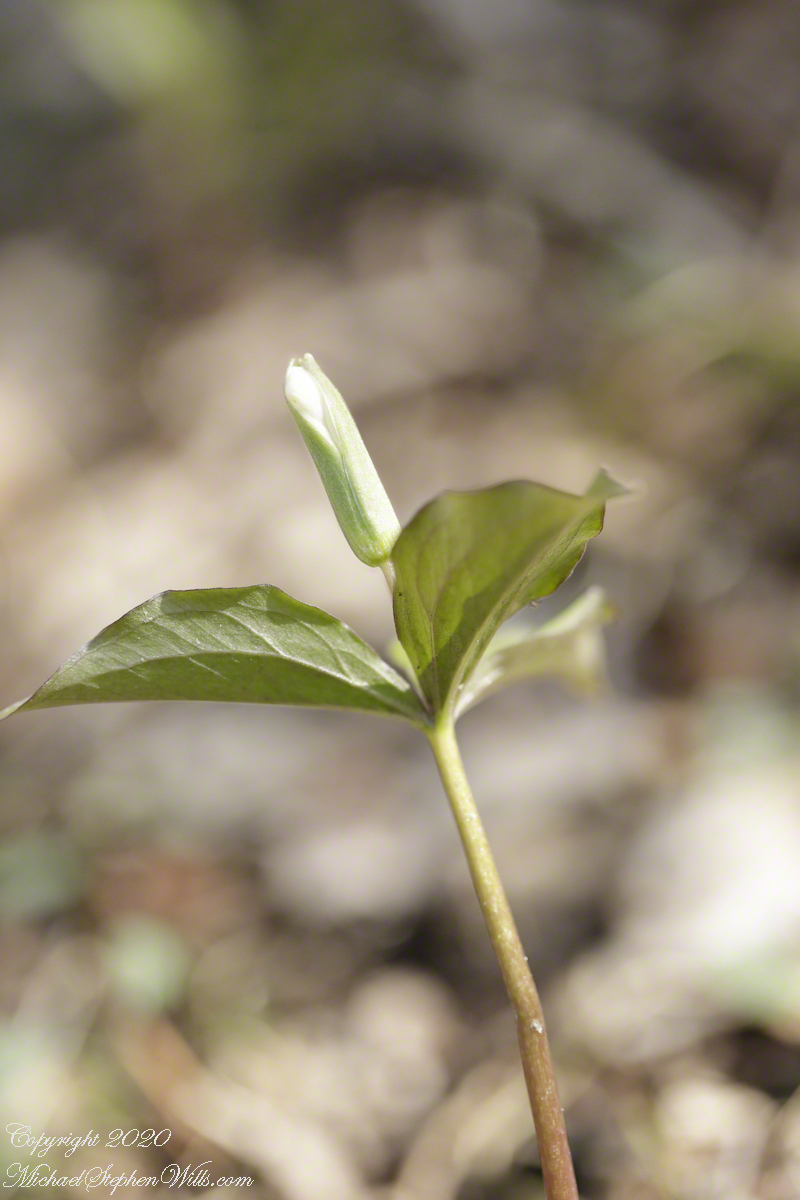
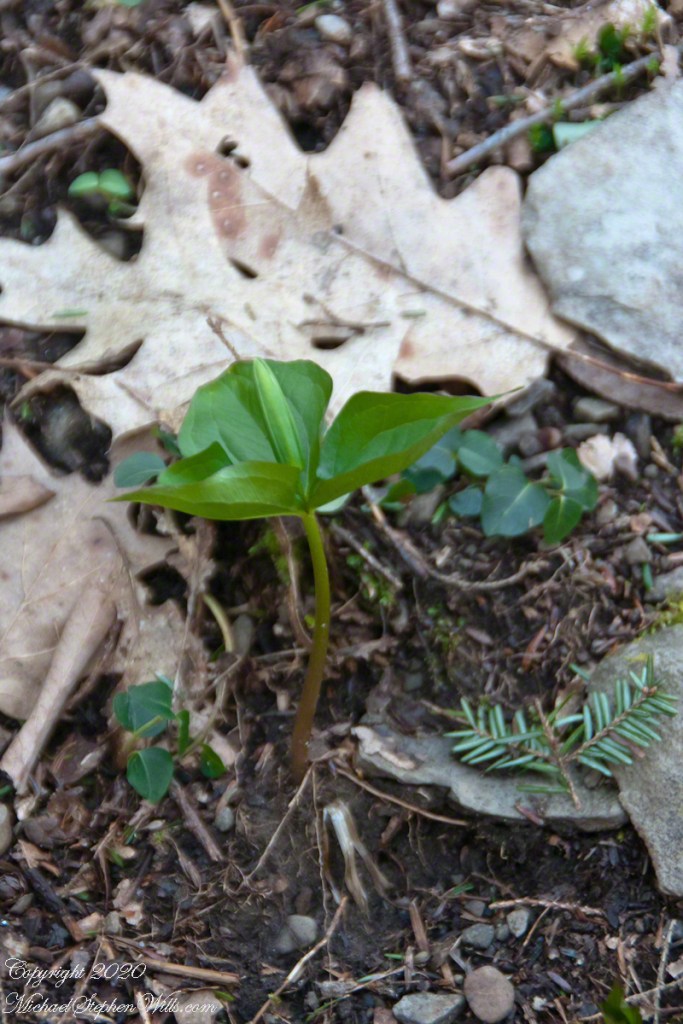
Wildflowers flourished where the slope turned to the north and late afternoon light spread across the small ravine created by a small stream. This early in the season White Trillium buds were forming between three green bracts.

Click photograph for a larger view. To do this from WordPress Reader, you need to first click the title of this post to open a new page.

The above photograph taken handheld with a variable zoom lens captures the plant and environment. On the forest floor is twig of hemlock, probably knocked off by squirrels feeding on the tiny cones. Oak leaves from last season frame the dark green bracts. We also see a few wintergreen leaves and the rich soil.

With the low light ISO is 2000, the f-stop of 5.6 allowed crisp details of the hemlock and wintergreen, the focus is soft on the oak leaves. Where is topography allowed sunlight, the White Trillium were a bit further along. Here is a bud opening.

Here I used a travel tripod and a macro lens with f-stop opened up to 3.2, not lens maximum, and all but the forward bract tip are in focus. A lower camera angle places surroundings in distance, allowing all to be blurred unrecognizable: the plant is the star of this shot. ISO 800 with the ample light. I was struggling with the spring breezes, having to wait for a break to take each exposure.

Copyright 2024 All Rights Reserved Michael Stephen Wills

Spring Outing III

Red Pine on the level

One hundred and fifty feet in a series of steep climbs is the effort expended to reach the relatively level portion of South Rim Trail where the tall Red Pines briefly reign. Here the trees thrive on the northeast facing slope. They grow in this way in one other location, in the upper park, on an eponymous trail.

Encounters with groups of people descending always demanded I step off the trail to allow social distancing. Everyone work a flimsy face covering, although Governor Coumo’s order covers situations where social distancing is not possible. As of you, we do not have the loose masks; but only the N95 or a full respirator (both acquired very early on, our respirators were purchased for spreading lawn chemicals and spray painting).

Click photograph for a larger view. To do this from WordPress Reader, you need to first click the title of this post to open a new page.

Red Pine (Pinus resinosa), also know as Norway Pine, shed pollen prolifically. Some Aprils my boots are covered with it, a dusting of yellow. Not today.

A species easy to spot among the green, an example of a shrub of the genus Gaultheria, though a very small specimen. The common name is wintergreen and I have never found larger specimens in Treman park. It is growing among the mosses on the wall of Enfield Glen South Rim.

The tough wintergreen leaves endue the cold seasons, the name is synonymous with evergreen.

Both shots are handheld, the macro is from a 100 mm “macro” fixed focus lens. ISO 2500, the f-stop to be wide open at 2.8 to gather the sparse light and present the subjects, blurring the immediate background. The overview shot is also a high ISO, 2000, the f-stop 5.8 on a variable focus lens set to 60 mm.

Copyright 2024 All Rights Reserved Michael Stephen Wills

Spring Outing II

Lower Waterfall

This series of posts opens with the ascent to where the wildflowers grow.

Click photograph for a larger view. To do this from WordPress Reader, you need to first click the title of this post to open a new page.

After just a taste of the climb to come, hikers are treated to an view of the Lower Falls of Enfield Creek. I call them the Wedding Cake. Summertime, a dam is erected, the water is deep enough to dive into the very cold creek water, lower than 70 degrees.

The trail is on a beetling crag.

Looking up Enfield Glen above the falls. Up to the trail, keeping distance was no problem. It is nowhere near as crowded as the trail to Taughannock Falls in February.

Copyright 2024 All Rights Reserved Michael Stephen Wills