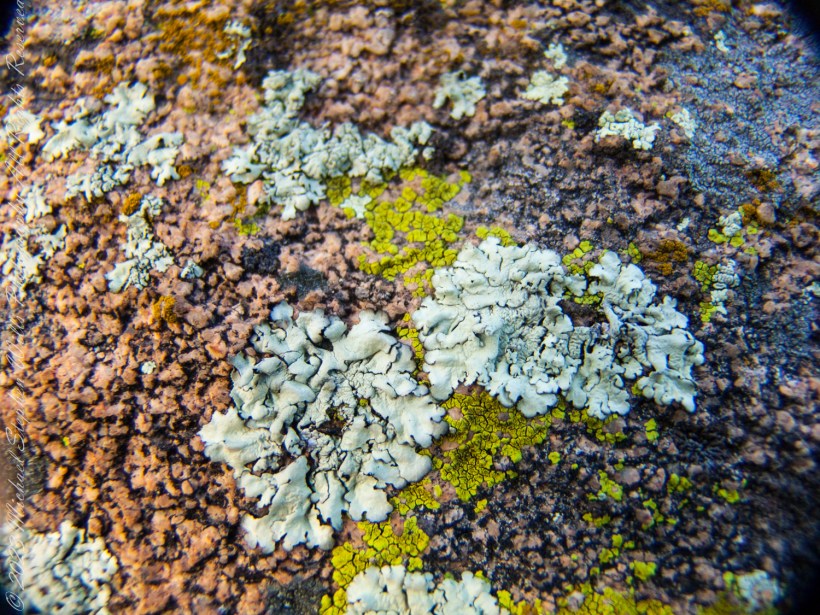
Lichens: Symbiosis Set on Stone
Discover a timeless world through my lens: delve into Arizona’s Rincon Wilderness, where lichens and hedgehog cacti narrate Earth’s enduring, untold story. Join me.
Discover a timeless world through my lens: delve into Arizona’s Rincon Wilderness, where lichens and hedgehog cacti narrate Earth’s enduring, untold story. Join me.
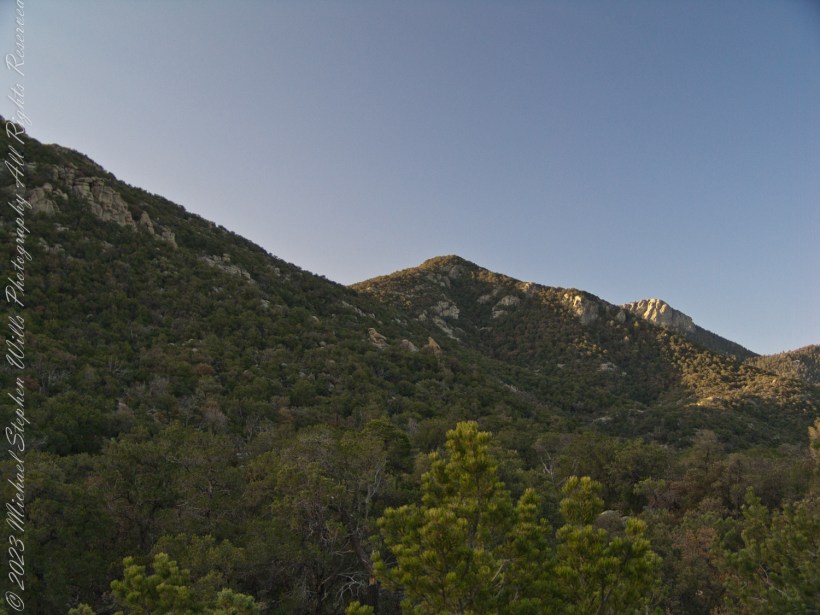
Step into the serene embrace of Happy Valley Saddle through our latest blog post, and wander with us as the dawn unfolds over the majestic Rincon Peak.
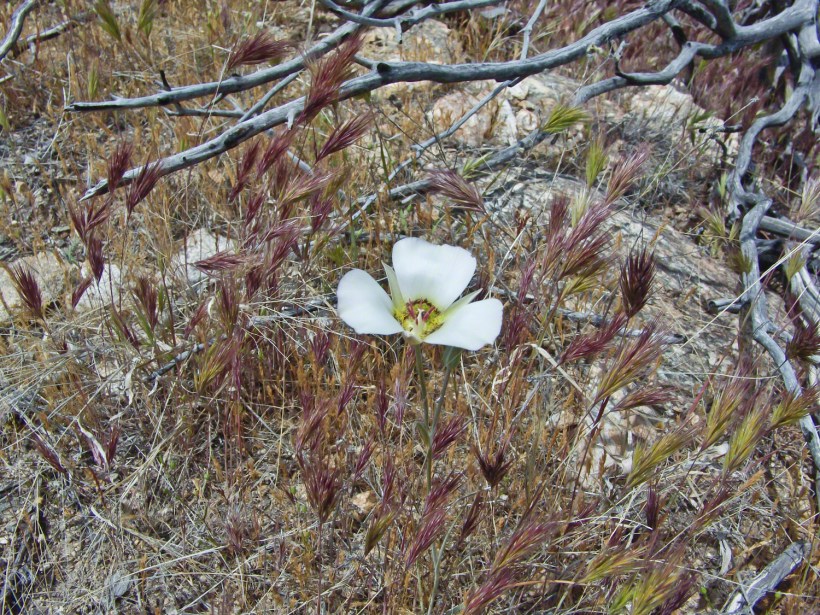
Discover the Sego Lily, Calochortus nuttallii, a symbol of resilience and beauty in the arid deserts of the West. Uncover its role in pioneer survival and its captivating presence on a serene April backpack into the Rincon Wilderness. Join us in exploring the enduring grace of this desert gem.

Morning’s first blush stirs,
Horizon whispers in gold
Day’s ancient new song.
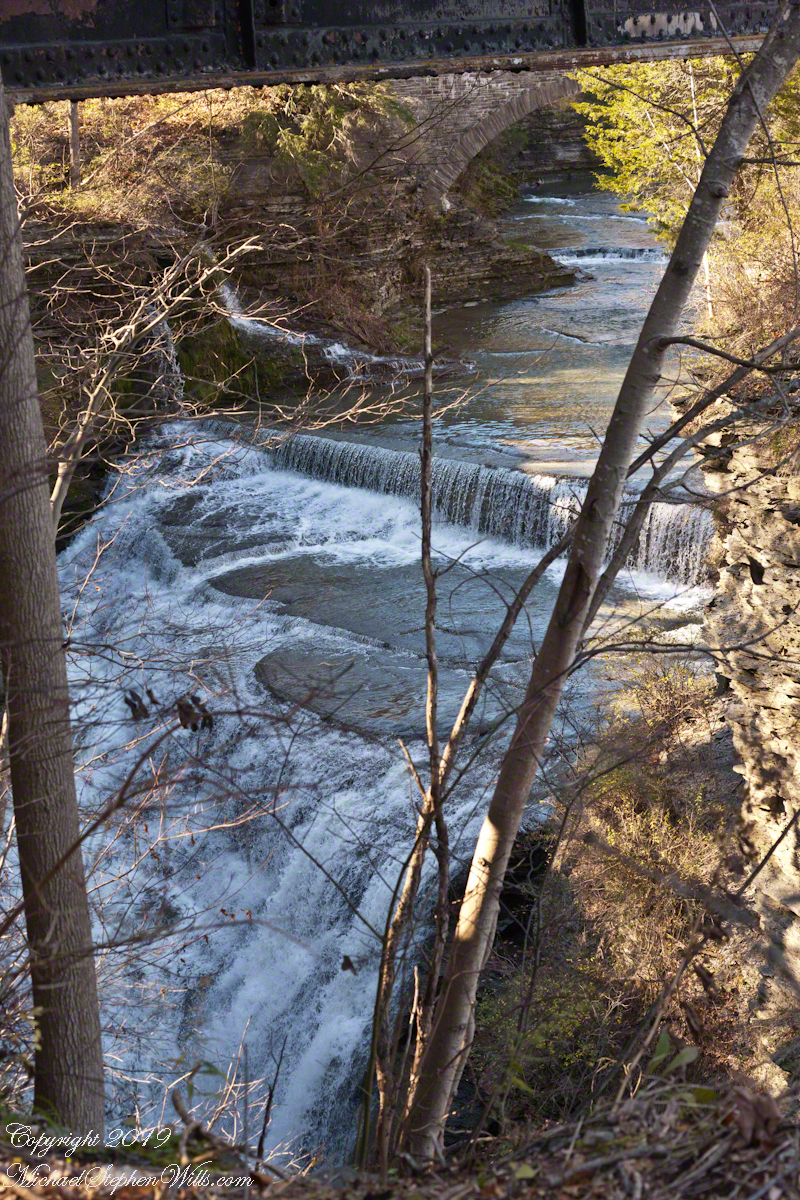
Experience here the frozen beauty of Taughannock Falls in winter, the verdant revival of spring, the lush warmth of summer, and autumn’s fiery transformation. The falls symbolize the unending cycle of seasons.
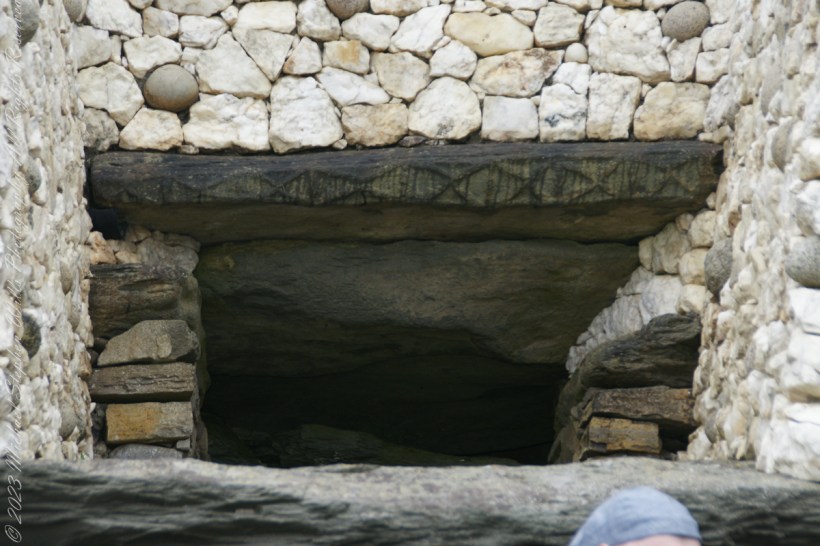
Step into the ancient world of Neolithic monuments and discover the astounding astronomical knowledge of our ancestors. Explore the Newgrange Lightbox in Ireland and similar marvels across Europe, revealing a deep connection between ancient peoples and the cosmos. Join me in unveiling these architectural wonders.
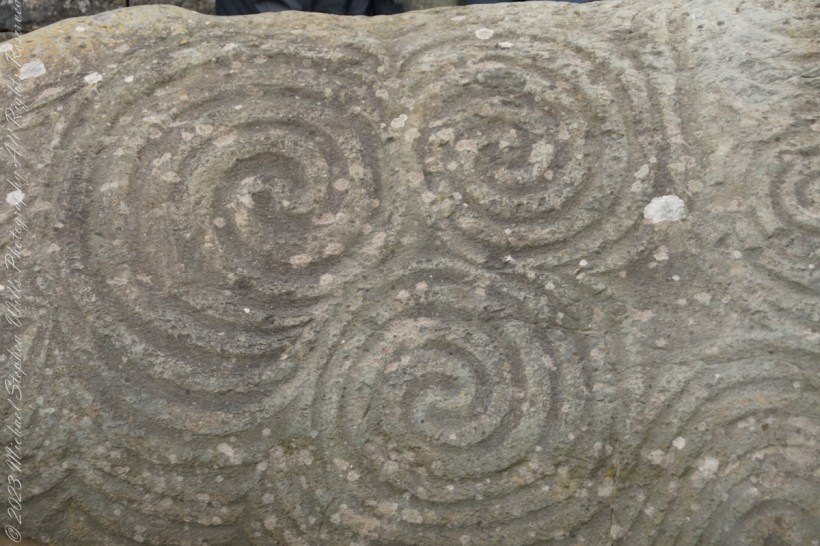
Discover the mysteries of the Newgrange monument’s Entrance Stone, a showcase of exquisite Neolithic rock art. Explore spirals, lozenges, and geometric designs that define European megalithic art and delve into their potential meanings and cultural significance. Join me in uncovering the secrets of this ancient Irish wonder.
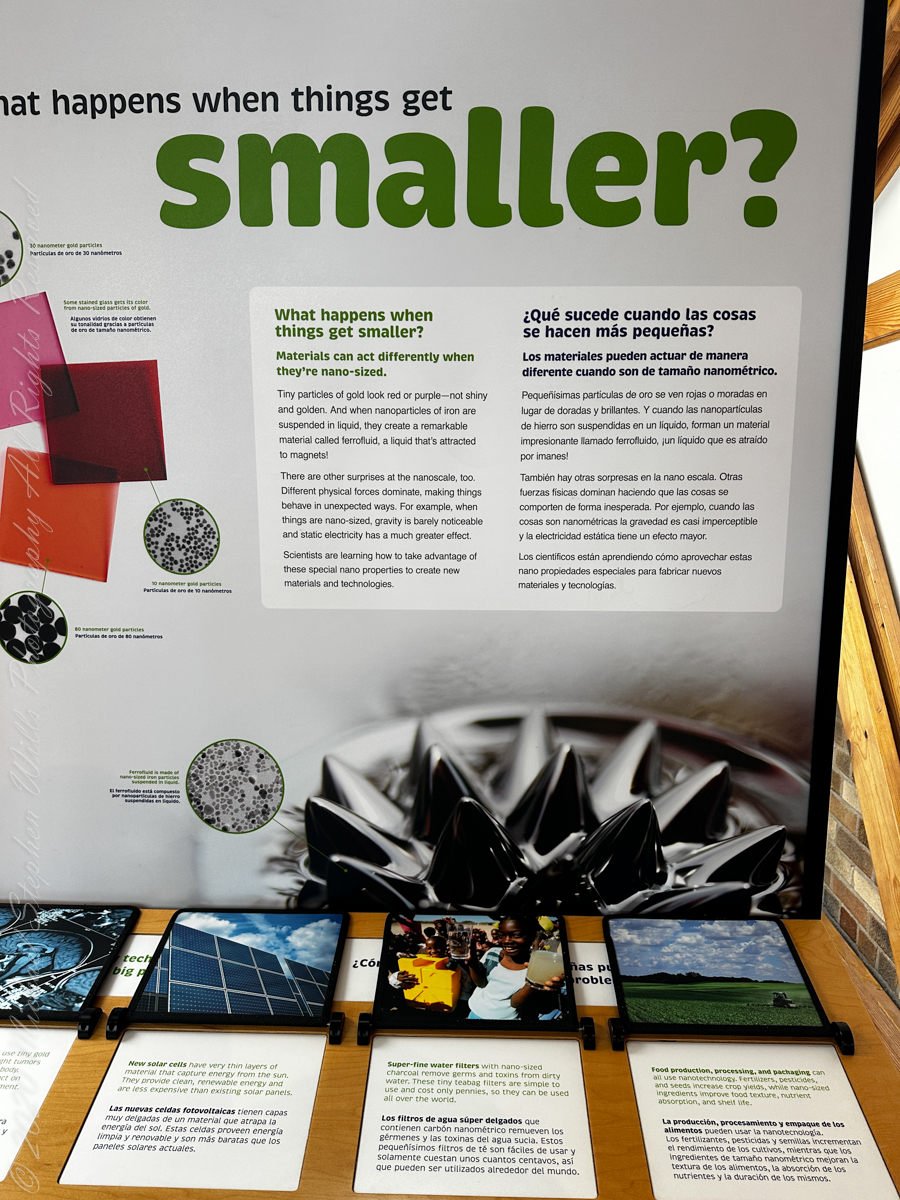
The ScienceCenter museum encourages learning about nanotechnology’s prevalence and unpredictable, unique behaviors.
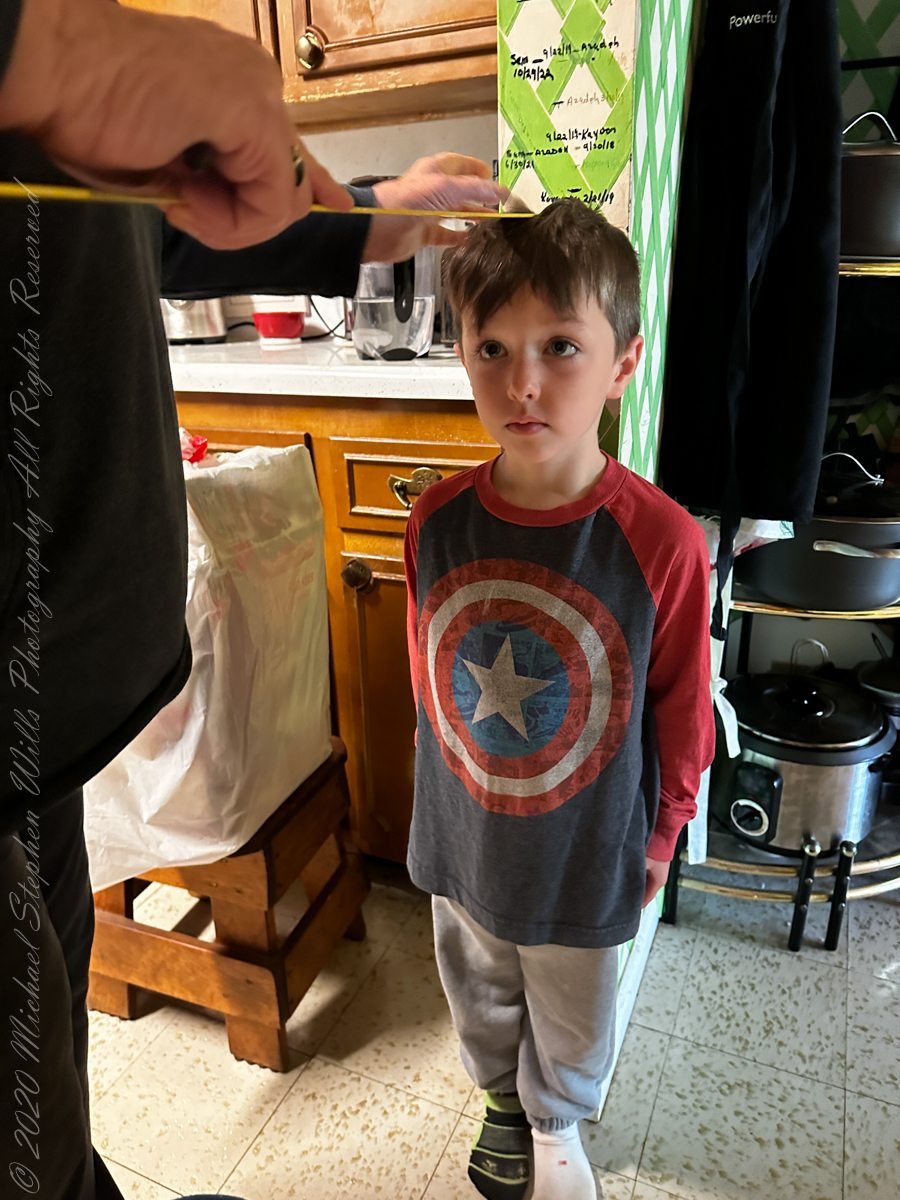
Our day of science began with measurement: each grandchild’s growth is represented on this corner. Even as young adults they visit and are re-measured. Here Rory is making his mark.
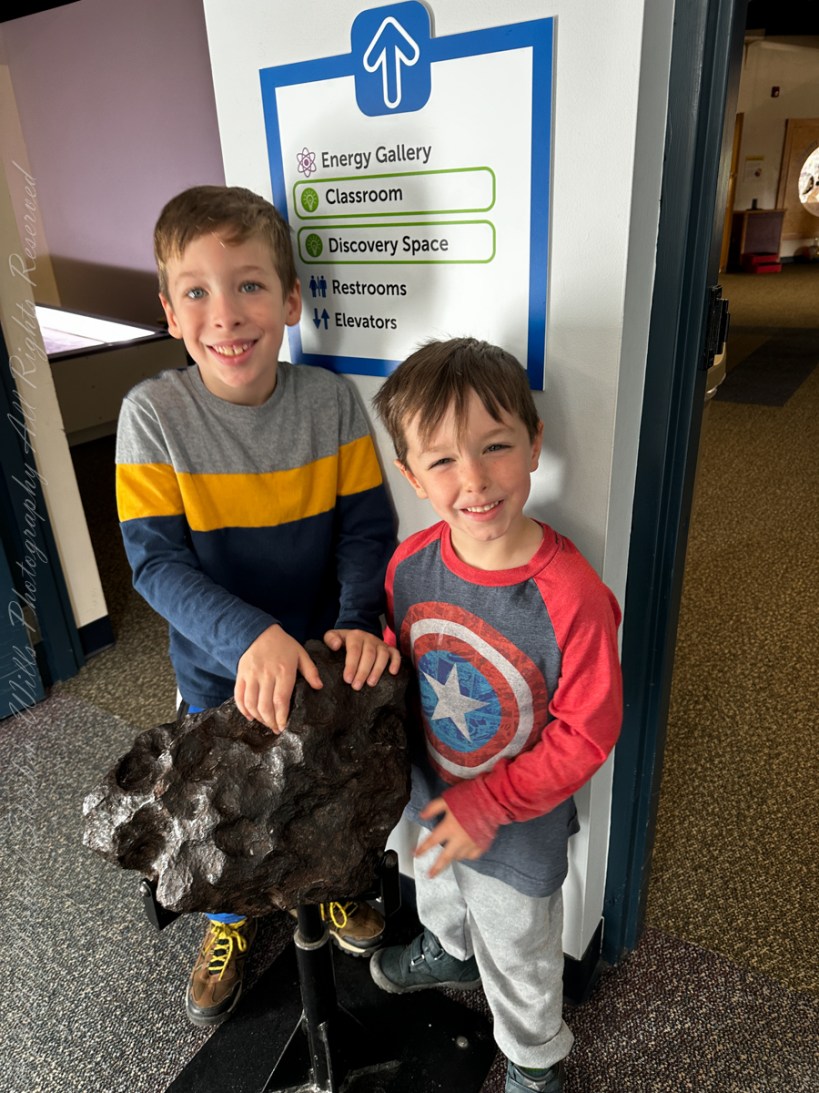
Our science inspired museum, ScienceCenter, is full of fun activities.

Nothing like touching a space object: an iron-nickel meteorite.
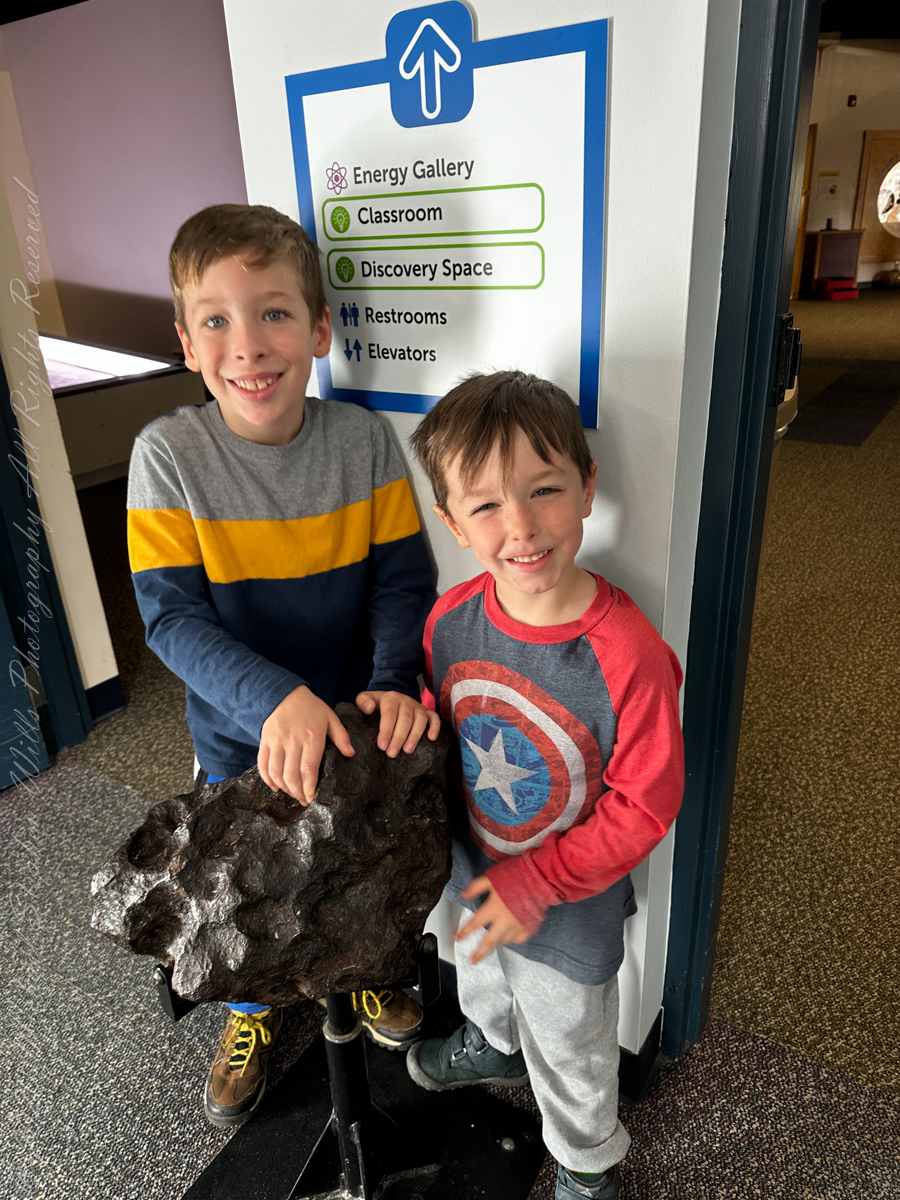
So much to learn and discover. Here is Sam perusing a “nano” display.
Nanotechnology is pervasive, existing both in nature and within our technological innovations. Nature offers numerous instances of nanoscale phenomena. For instance, the iridescent hues seen in certain butterflies and the adhesive properties of geckos’ feet are both outcomes of nanostructures.
In our everyday products, nanotechnology plays a significant role. You’ll find it in items you use regularly, such as computer chips featuring minuscule nano-sized components and sunscreen containing nanoparticles. Looking ahead, nanotechnology will play an even more prominent role in our lives.
The question is: Where can you spot the influence of nanotechnology in your own life?

Materials exhibit distinct behaviors at the nanoscale. Tiny particles of gold appear red or purple, as opposed to their conventional shiny, golden appearance. When nanoparticles of iron are dispersed in a liquid, they give rise to a remarkable substance known as ferrofluid, which is a liquid that exhibits a magnetic attraction.
The nanoscale realm also harbors other surprising phenomena. Here, different physical forces dominate, leading to unexpected behaviors. For instance, at nanoscale the force of gravity becomes nearly imperceptible, while static electricity exerts a much greater influence.
Scientists are actively exploring ways to harness these unique nanoscale properties in the development of novel materials and cutting-edge technologies.
Nanotechnology enables us to construct structures much like nature does: atom by atom. Everything in the world is composed of “building blocks” known as atoms. In nature, varied combinations of atoms create diverse materials. For instance, diamond, graphite, and carbon nanotubes are all composed entirely of carbon atoms, but their unique properties emerge from the distinct arrangements of these carbon atoms.
In the field of nanotechnology, we are gaining the knowledge and capability to craft small, functional objects from individual atoms. Remarkably, some new nanomaterials have the capacity to self-assemble, opening up new possibilities for nanotechnology.


The Newgrange facade and kerbstones consists of stones from various locations, believed to be transported by sea and river.
The Newgrange façade and entrance of today is a creation from the large quantity of small stones unearthed and conserved during excavation given form by a steel-reinforced concrete retention wall.

The brilliant white quartz cobblestones were collected from the Wicklow Mountains, 31 miles to the south. Our guide called them “sunstones” for the way they reflect sunlight. In the following photograph is white quartz, the same excavated 1967-1975 from the Newgrange site and incorporated into the facade, I collected from “Miners Way” along R756 (above Glendalough).

You can also see in these photographs dark rounded granodiorite cobbles from the Mourne Mountains, 31 miles to the north. Dark gabbro cobbles from the Cooley Mountains and banded siltstone from the shore at Carlingford Lough both locations on the Cooley Peninsula where my mother’s family still has farms.
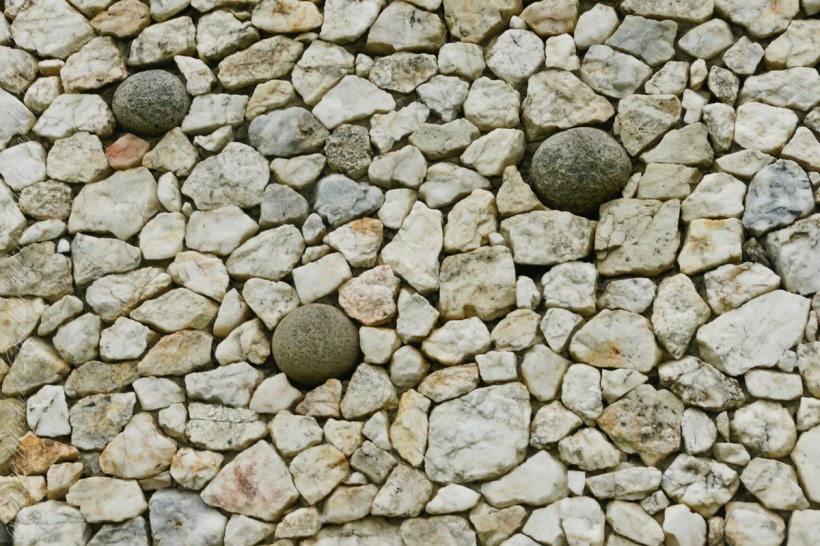
The stones may have been transported to Newgrange by sea and up the River Boyne by fastening them to the underside of boats at low tide. None of the structural slabs were quarried, for they show signs of having been weathered naturally, so they must have been collected and then transported, largely uphill, to the Newgrange site. The granite basins found inside the chambers also came from the Mournes.


Geological analysis indicates that the thousands of pebbles that make up the cairn, which together would have weighed about 200,000 tons, came from the nearby river terraces of the Boyne. There is a large pond in this area that is believed to be the site quarried for the pebbles by the builders of Newgrange.
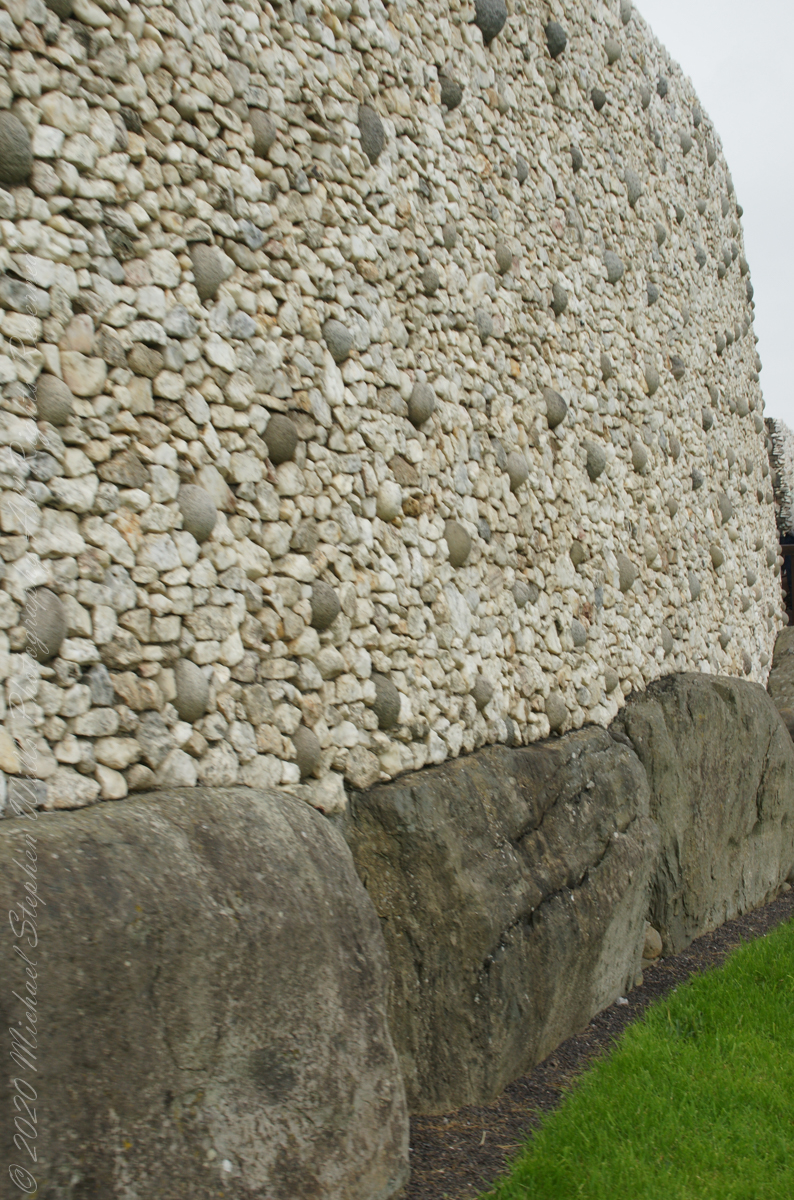
Most of the 547 slabs that make up the inner passage, chambers, and the outer kerbstones are greywacke. Some or all of them may have been brought from sites either 3 miles away or from the rocky beach at Clogherhead, County Louth, about 12 miles to the northeast.
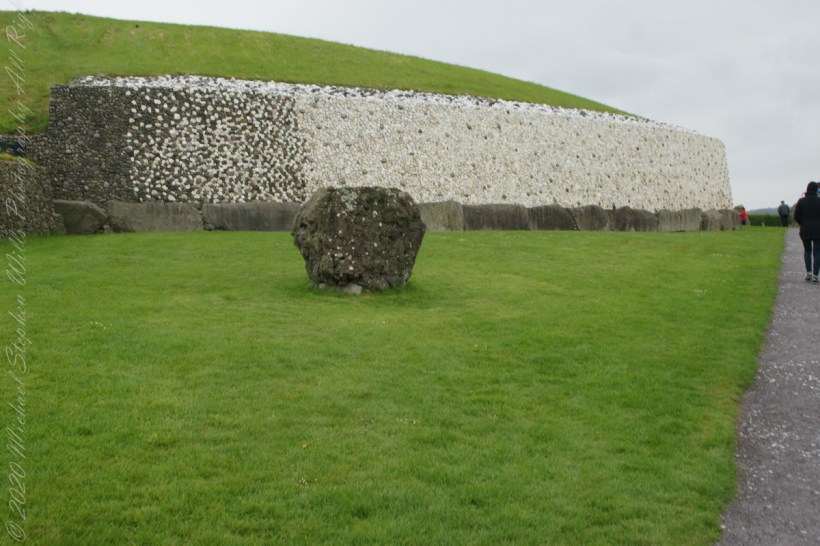
Approaching Newgrange for the first time
Michael Joseph “Brian” O’Kelly was selected to undertake the direction of the excavation of Newgrange during a 1961 meeting of “those who had a professional interest in the monument” organized by PJ Hartnett, the archaeological officer with Bord Fáilte Eireann (Irish Tourist Board) and a former pupil of Professor O’Kelly’s. Excavation commenced in 1962 and continued every summer for a four-month season up to and including 1975.
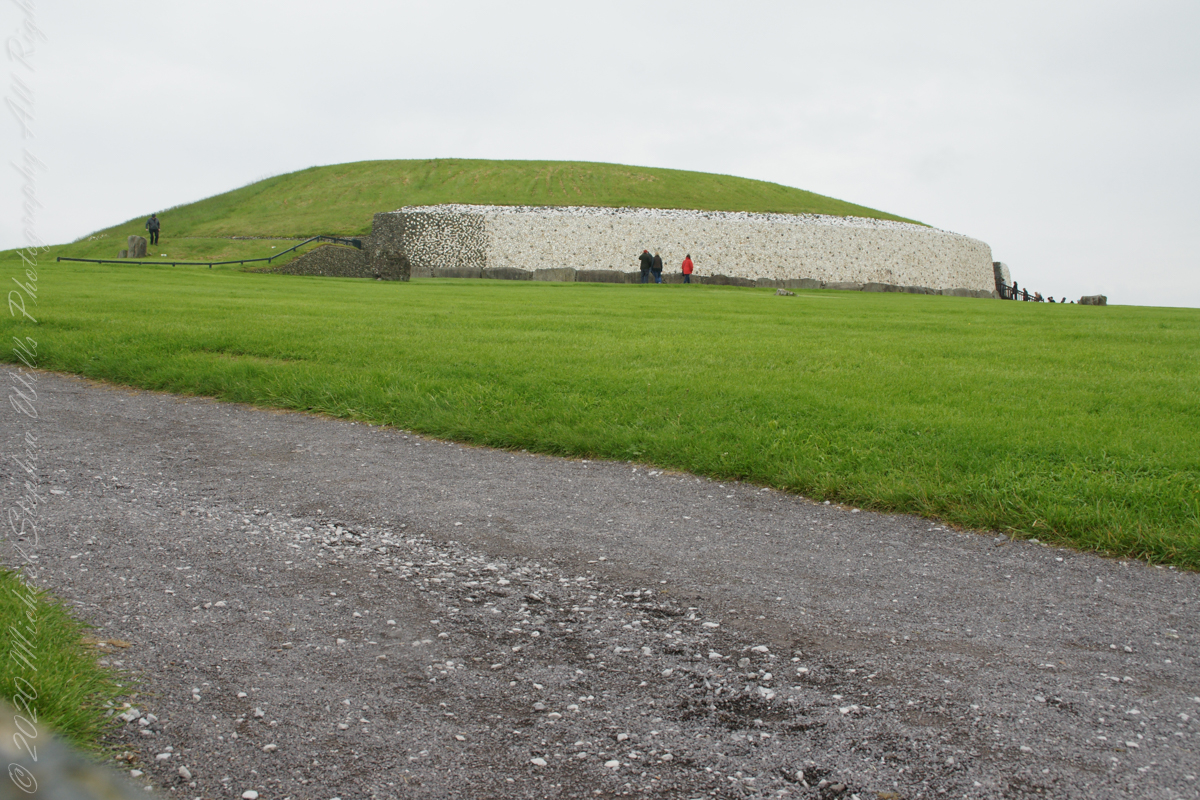
The aim of the excavation was to discover as much as possible about the archaeological and historical context of Newgrange and the people who built it and to discover what its original finished appearance was so as to direct a reconstruction, conservation and restoration of the structure to its former condition and appearance.
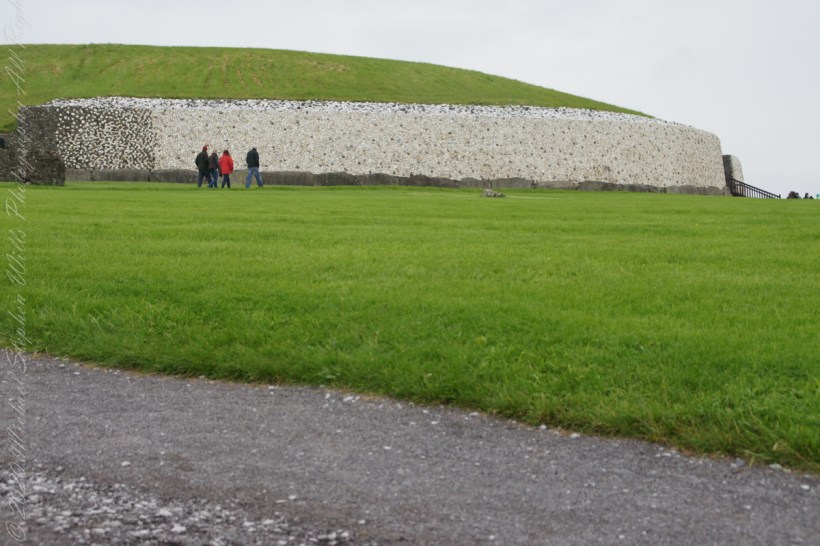
The last year of excavation was 1975, Michael J. wrote “We determined in 1975 that that should be our last season of excavation at Newgrange. We had investigated approximately one third of the structure and we had discovered much about it that was new, both in its structure and in its ornament, while radiocarbon had pushed its date back by 1,000 years……”
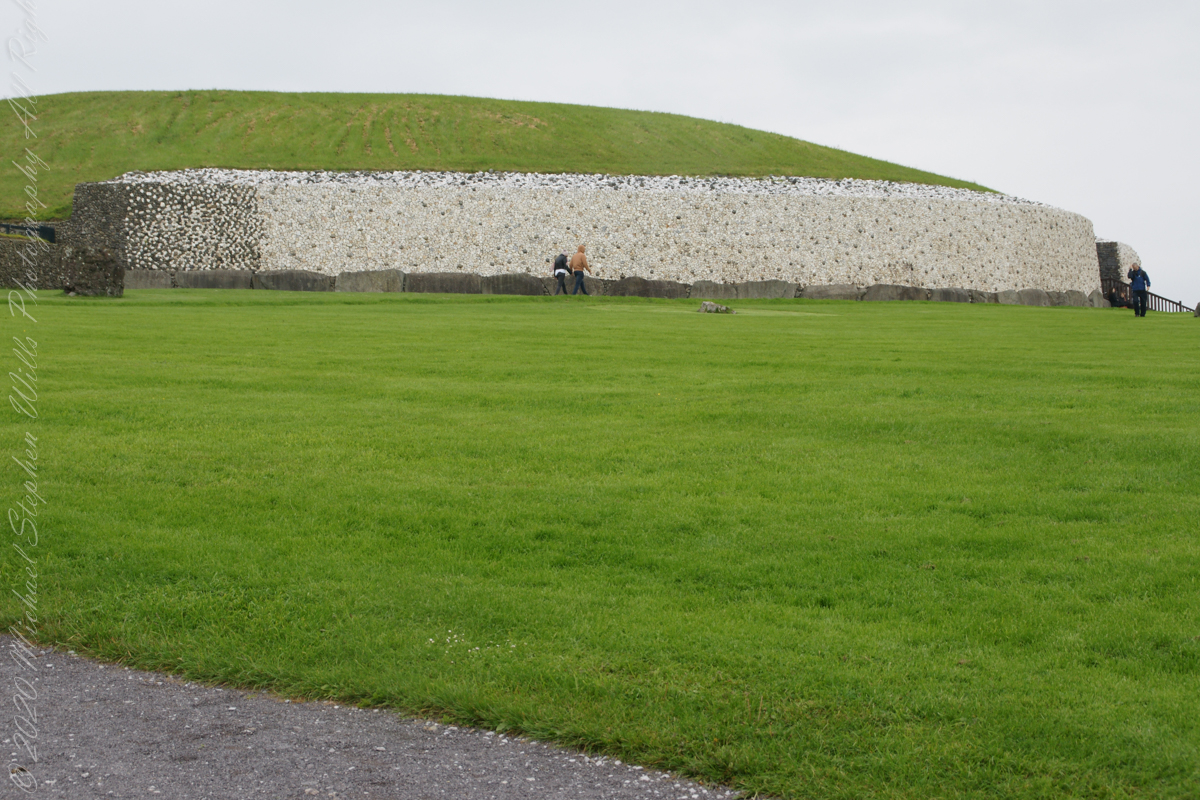
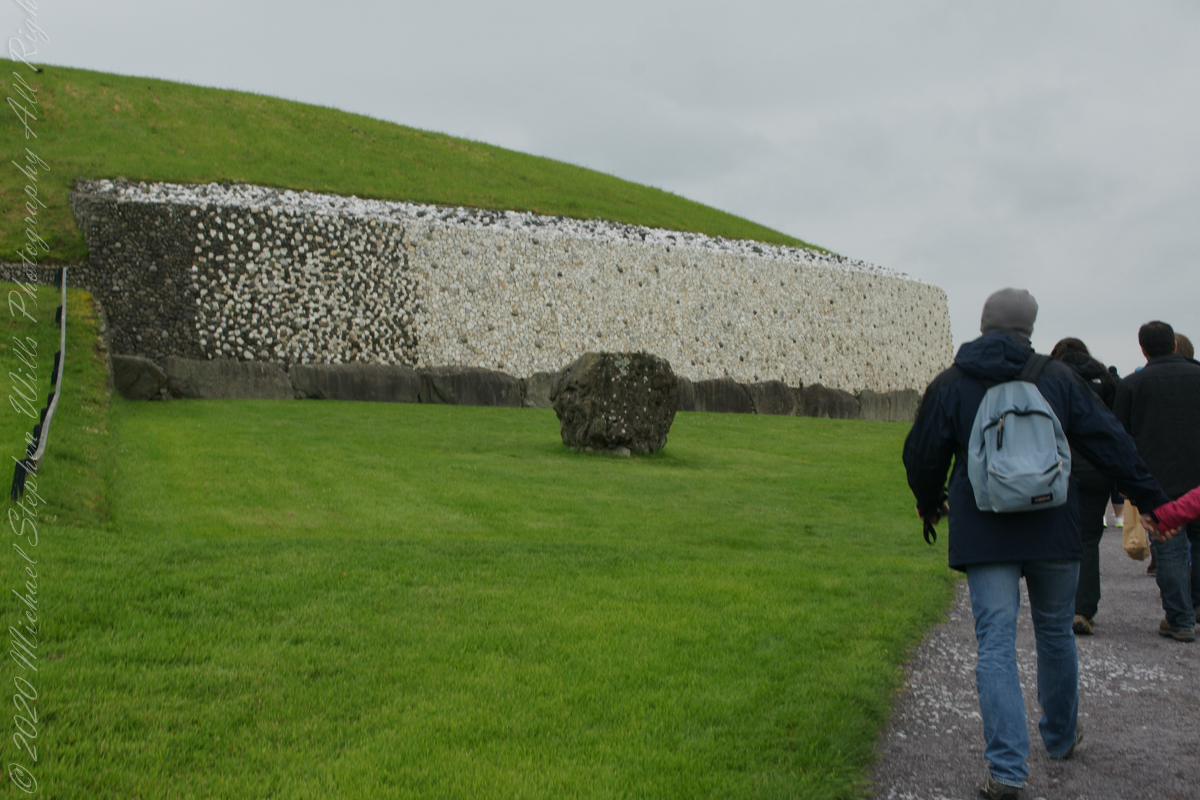
“…We felt that the other two thirds should be left for a future excavator, who, working with new knowledge and perhaps with better methods and new scientific approaches, should have large areas untouched by us in which to test, check and re-evaluate our findings.” From The Restoration of Newgrange by Michael J.O’Kelly. Antiquity LIII, 1979.
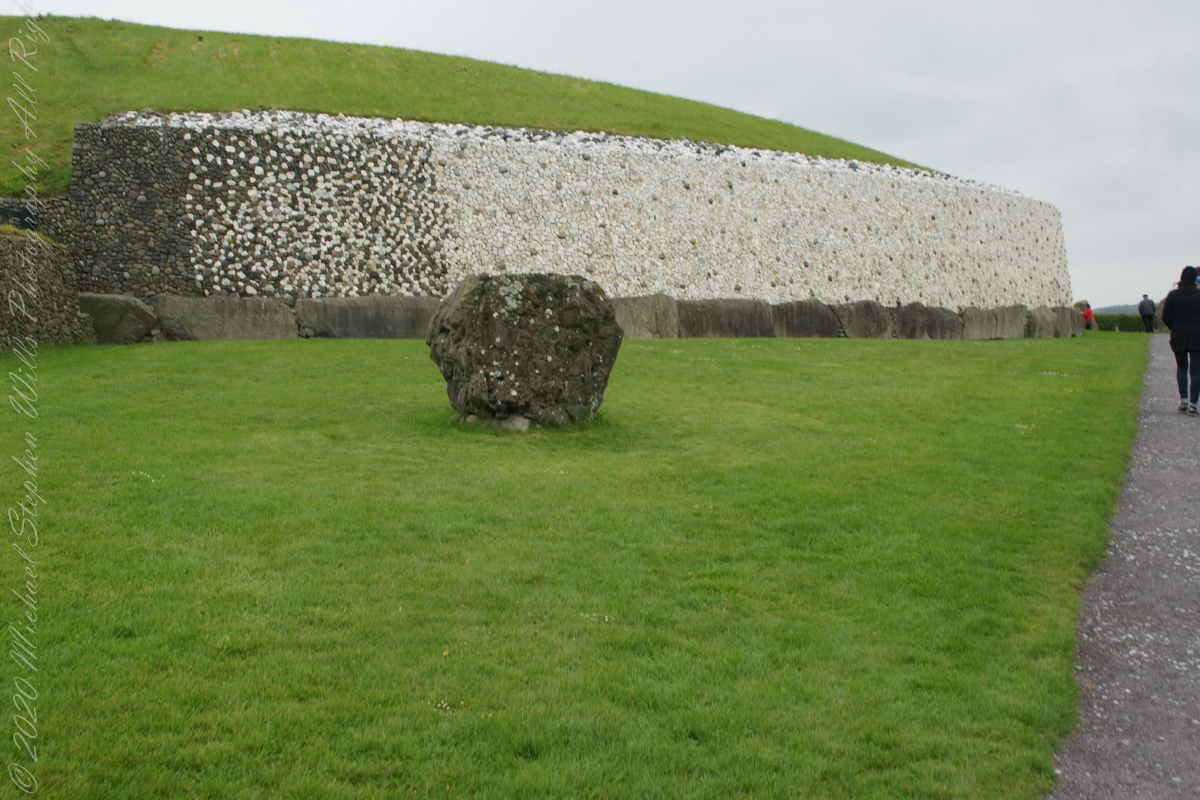
“Between the bright sky and the long glittering silver ribbon of the Boyne the land looks black and featureless. Great flocks of starlings are flying across the sky from their nighttime roosts to their daytime feeding places. The effect is very dramatic as the direct light of the sun brightens and casts a glow of light all over the chamber. I can even see parts of the roof and a reflected light shines right back into the back of the end chamber.” The recorded words of Prof O’Kelly spoken in the tomb of Newgrange on the 21st December 1969.
 Michael Stephen Wills Photography