My photographic style centers on the use of natural light to visualize emotion and evoke memory. The evolution of my style began early in the year 2002, with an imperative to capture personal and fleeting memories.
My son and I traveled to New York City, to view the first Saint Patrick's Day parade after September 11, 2001. My work from that parade was so successful and satisfying (see "New York Fire Department, Saint Patrick's Day 2002") I just never stopped.
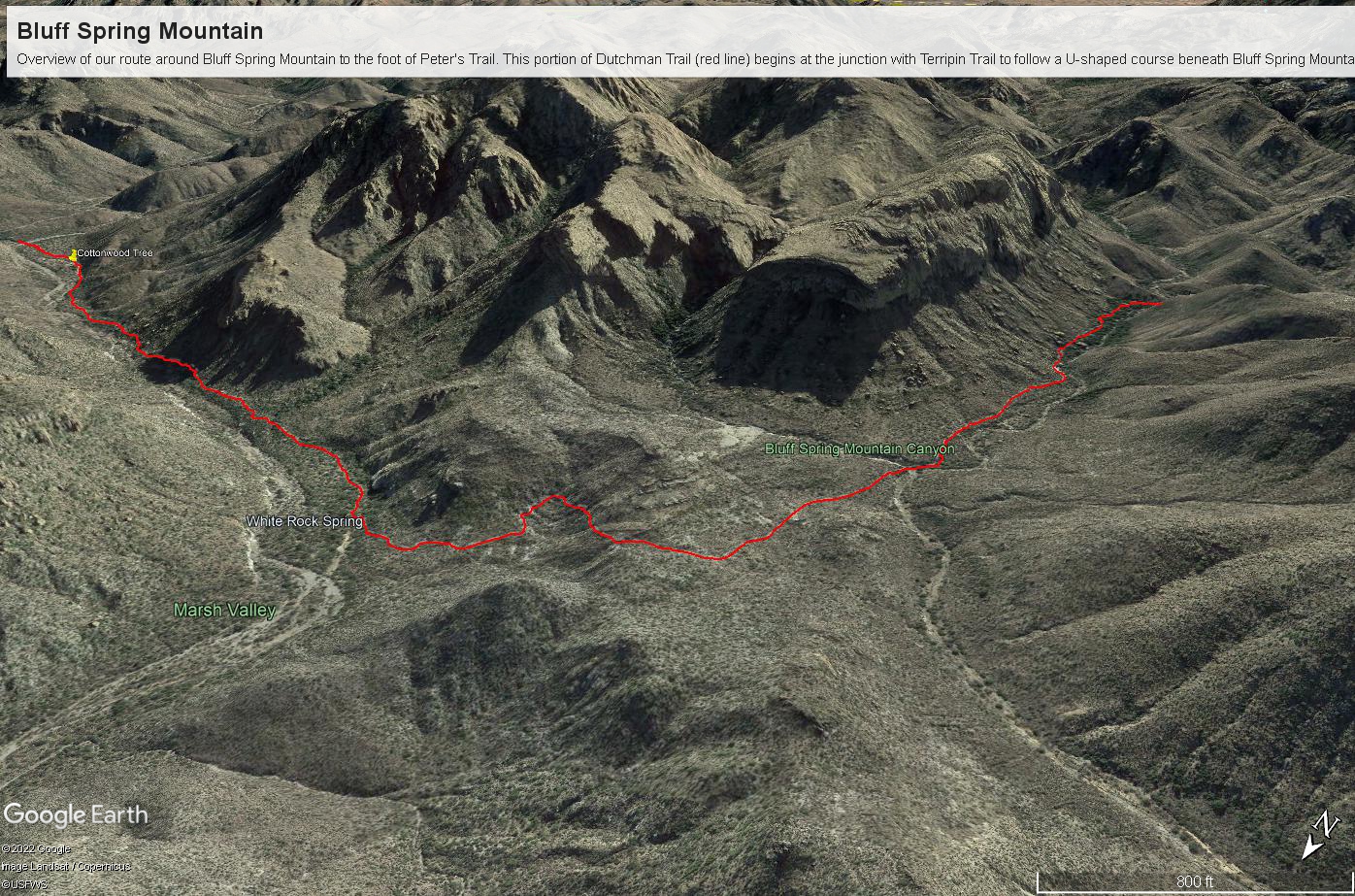
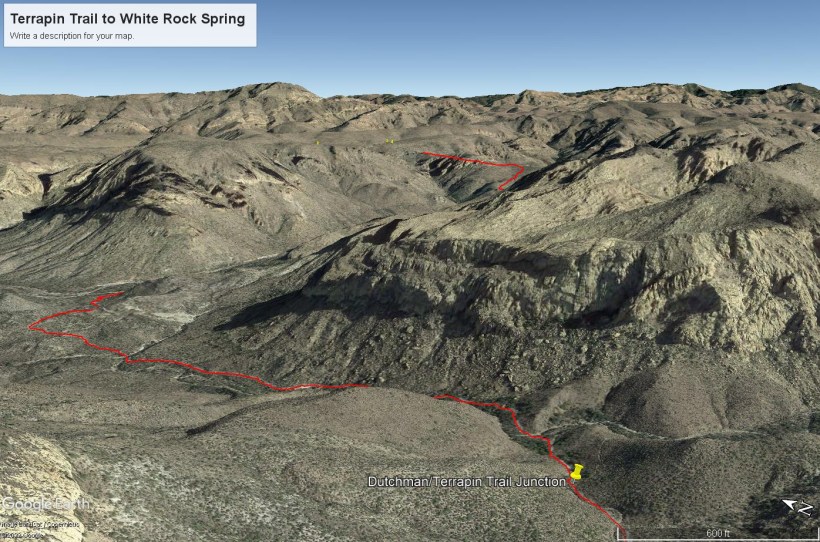
Here is a recap of the last few Superstition Wilderness posts. The expedition route, in red, starts on the right where Dutchman and Terrapin trails meet. The total distance is 2.6 miles. Photograph timestamps tell me about 2 hours passed — 1.3 miles per hour in this rough country.
Here is a gallery of photographs from this portion of our expedition.
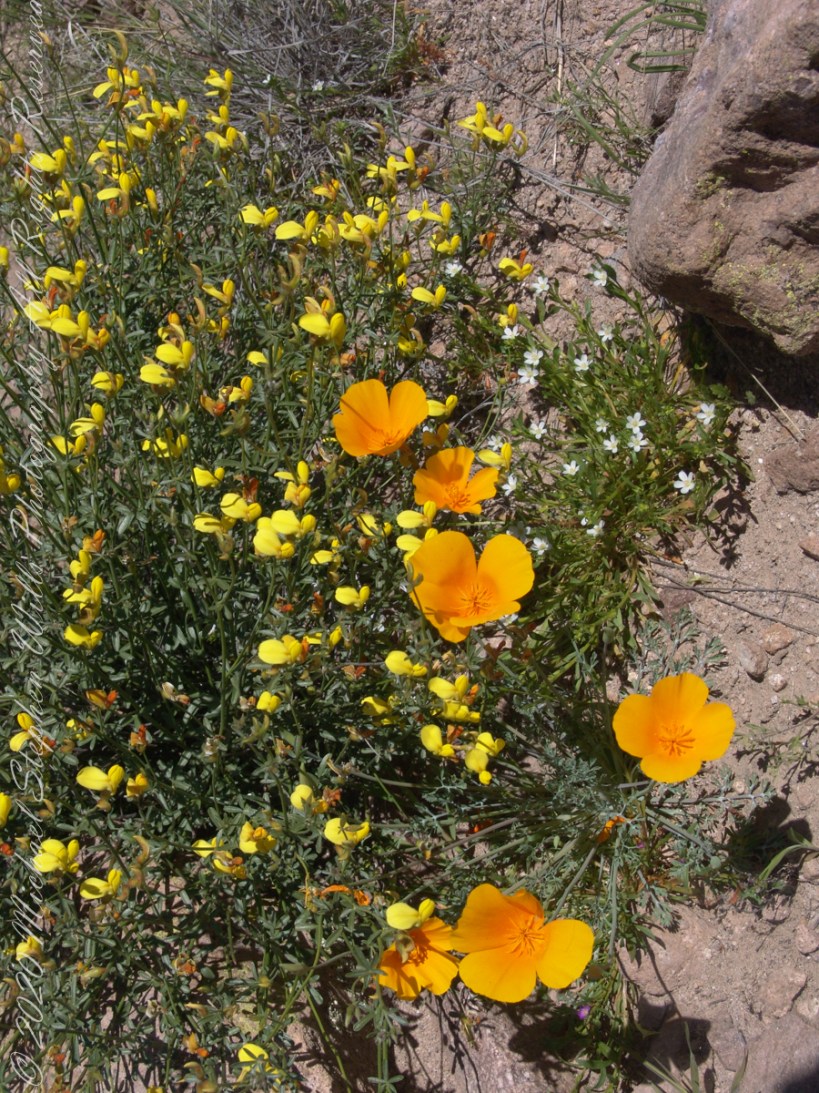
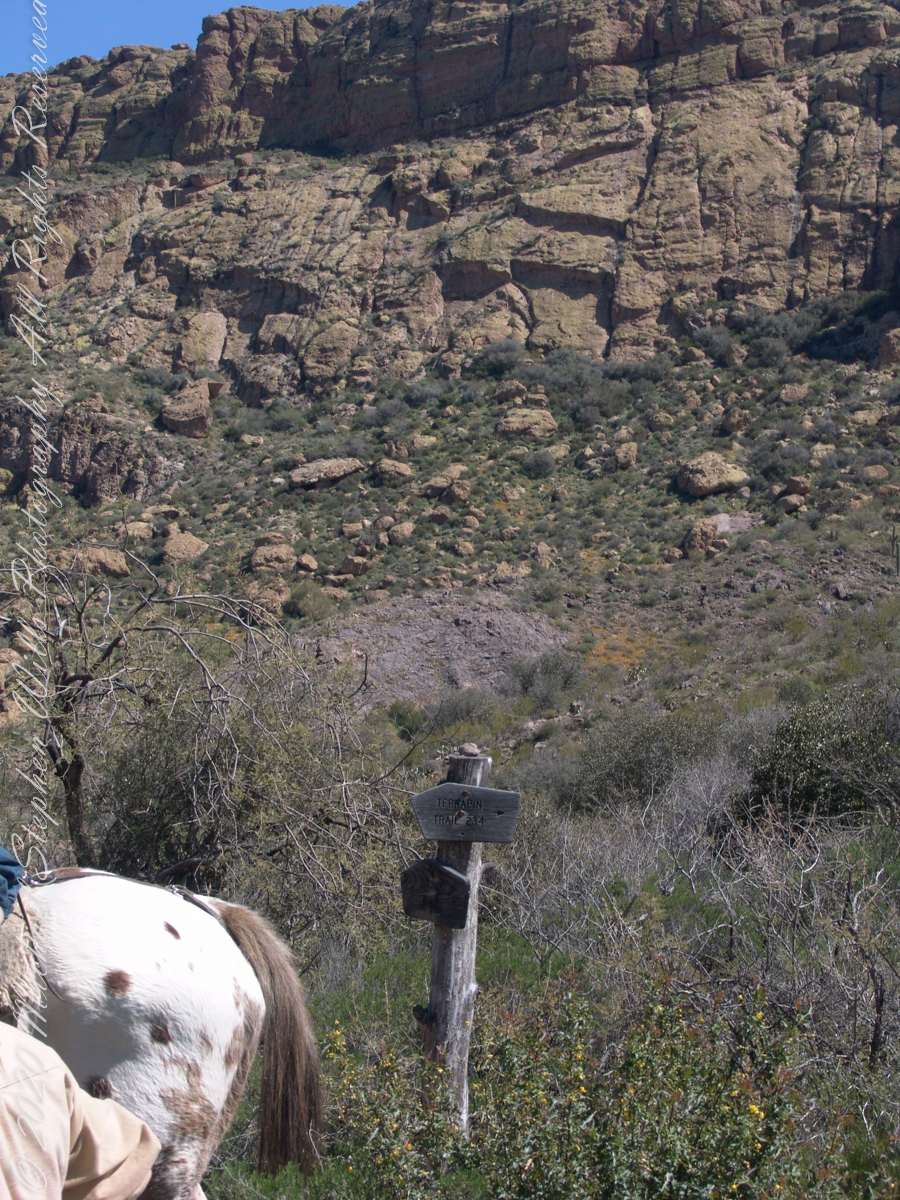
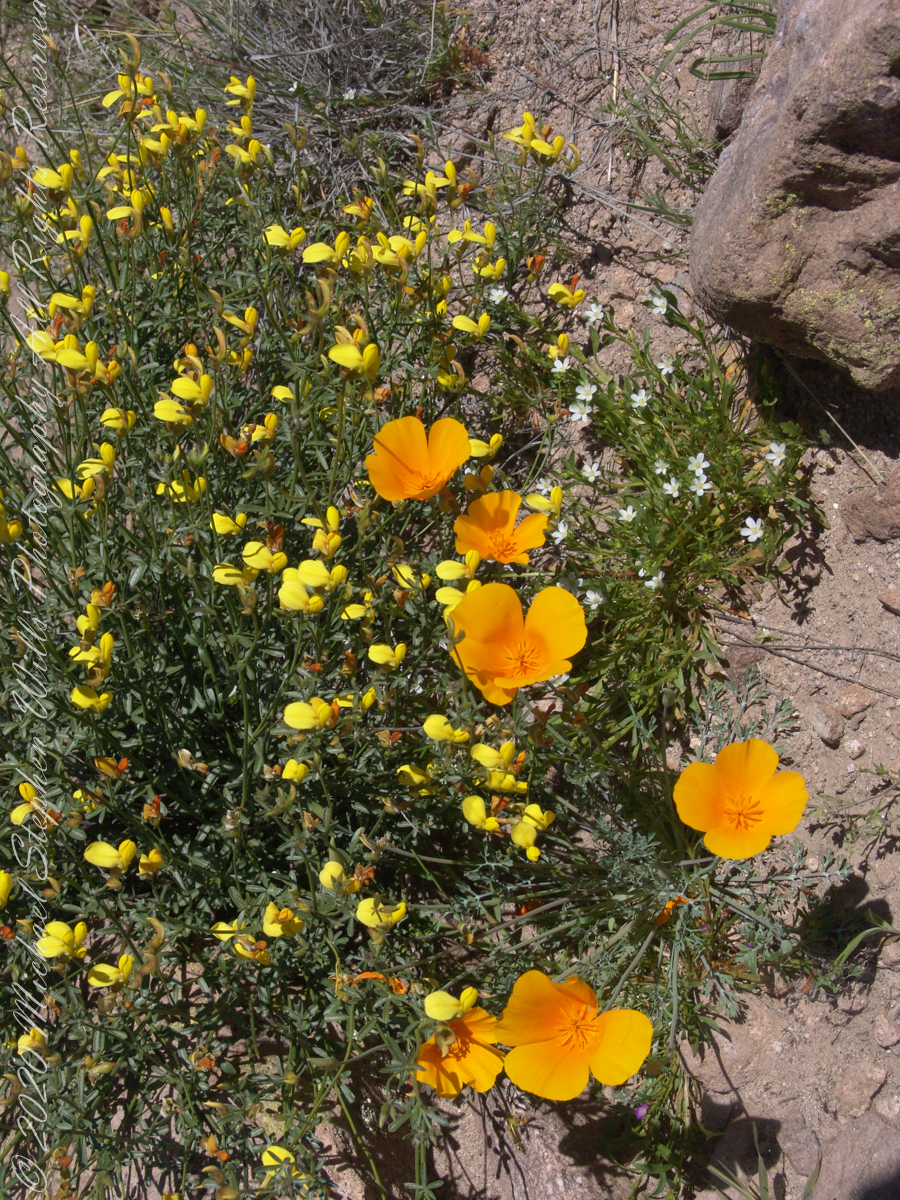
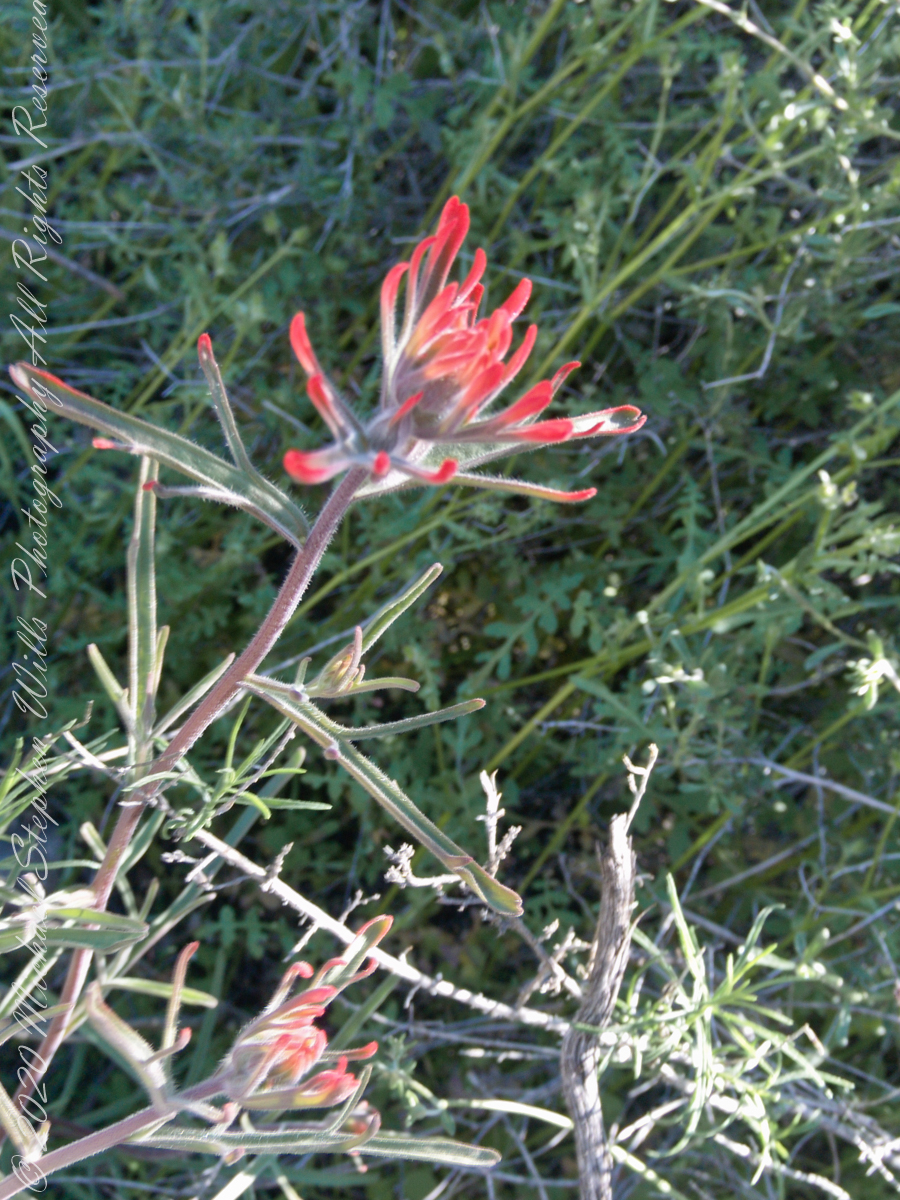
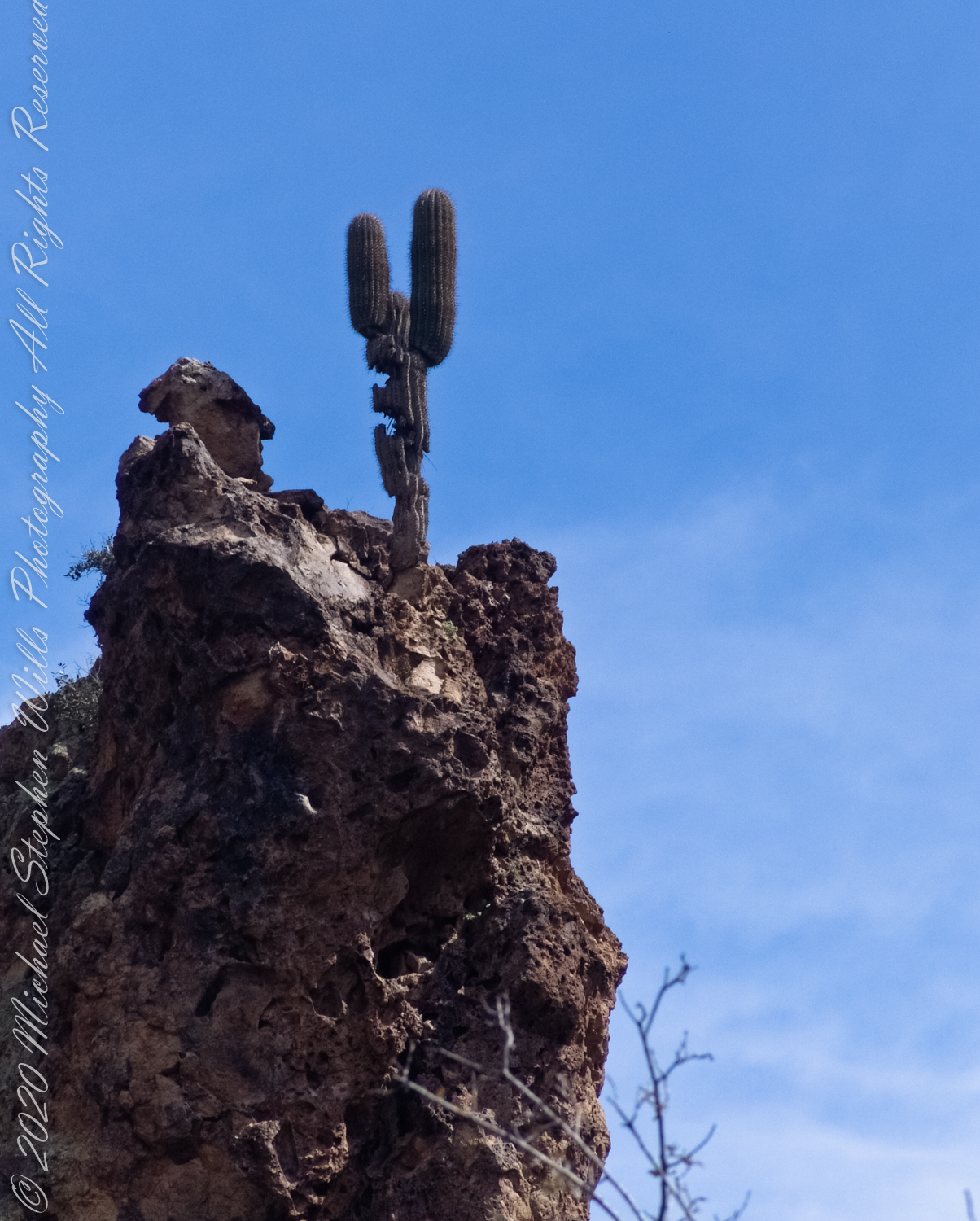
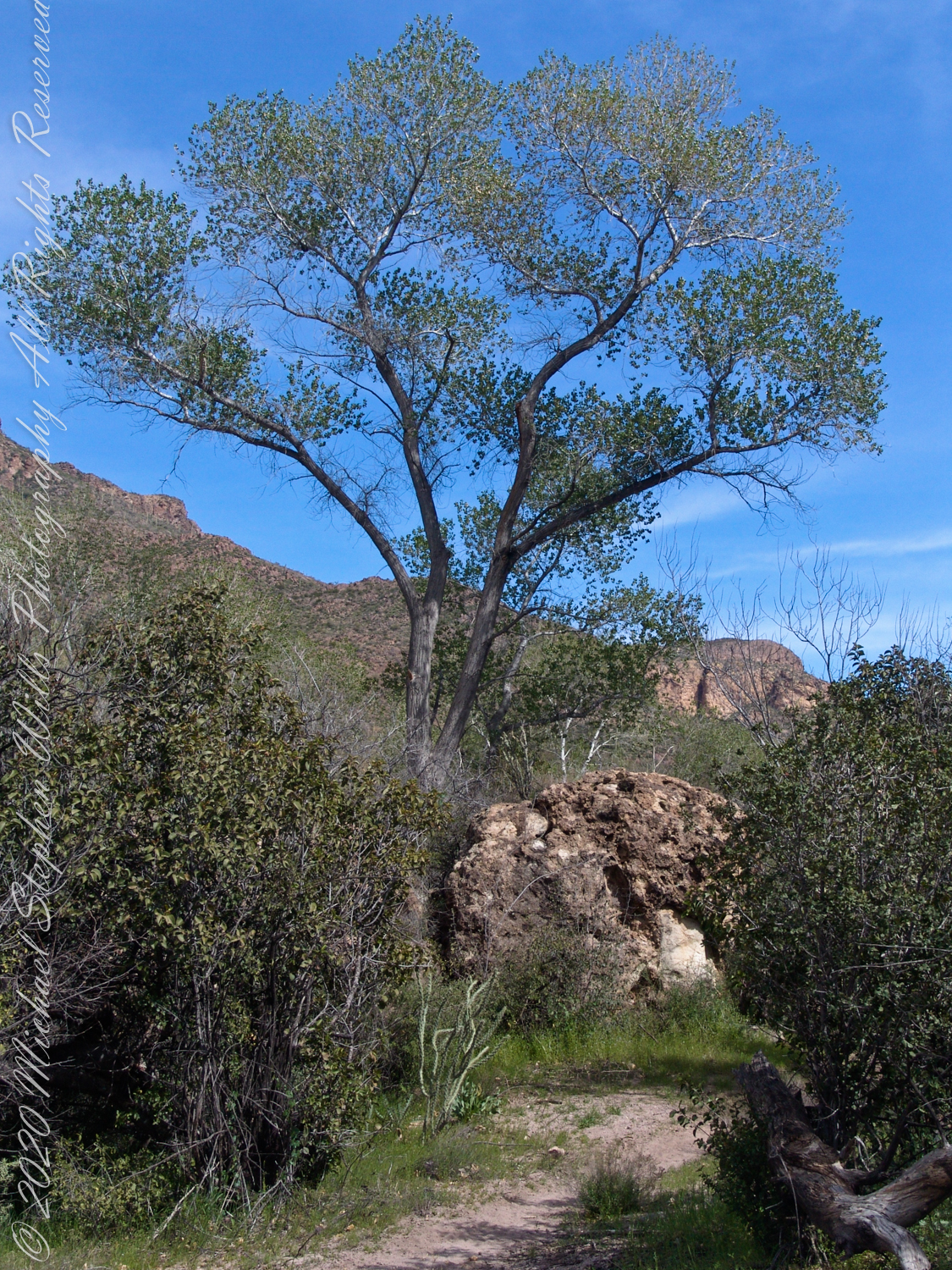
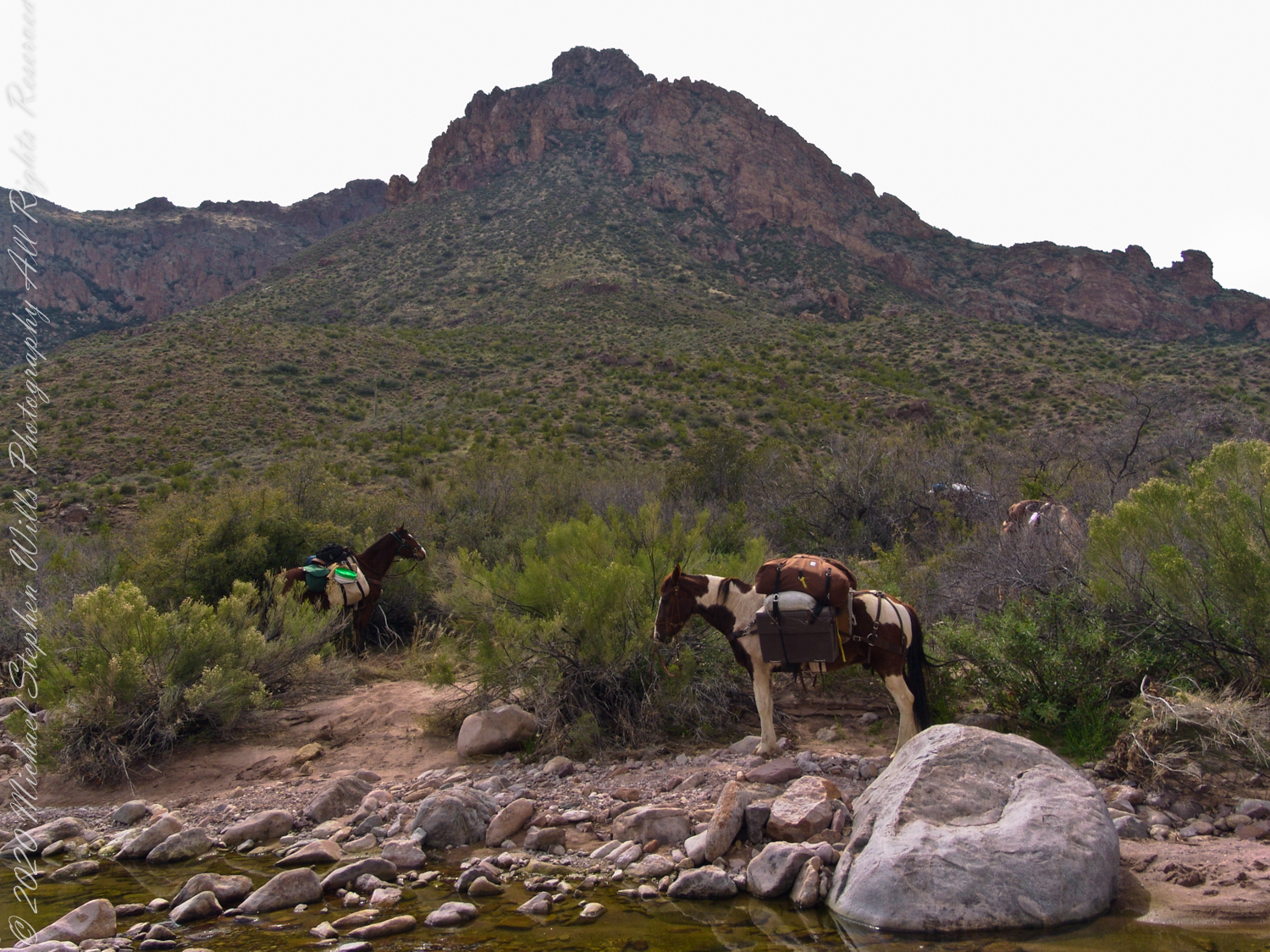
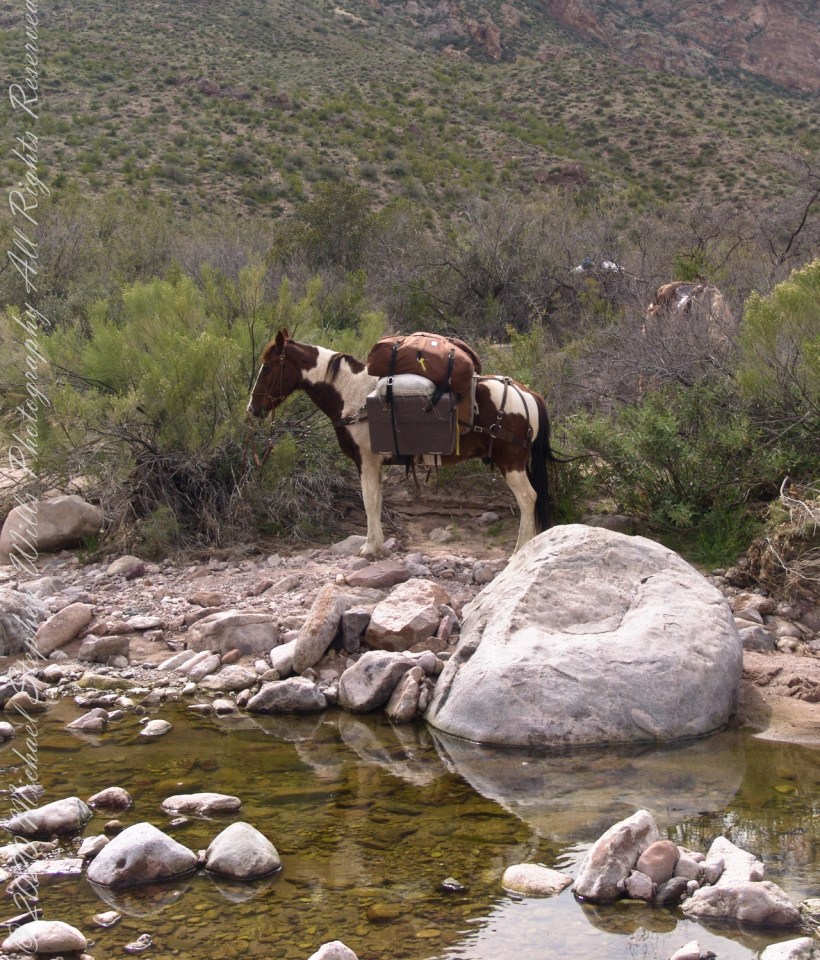
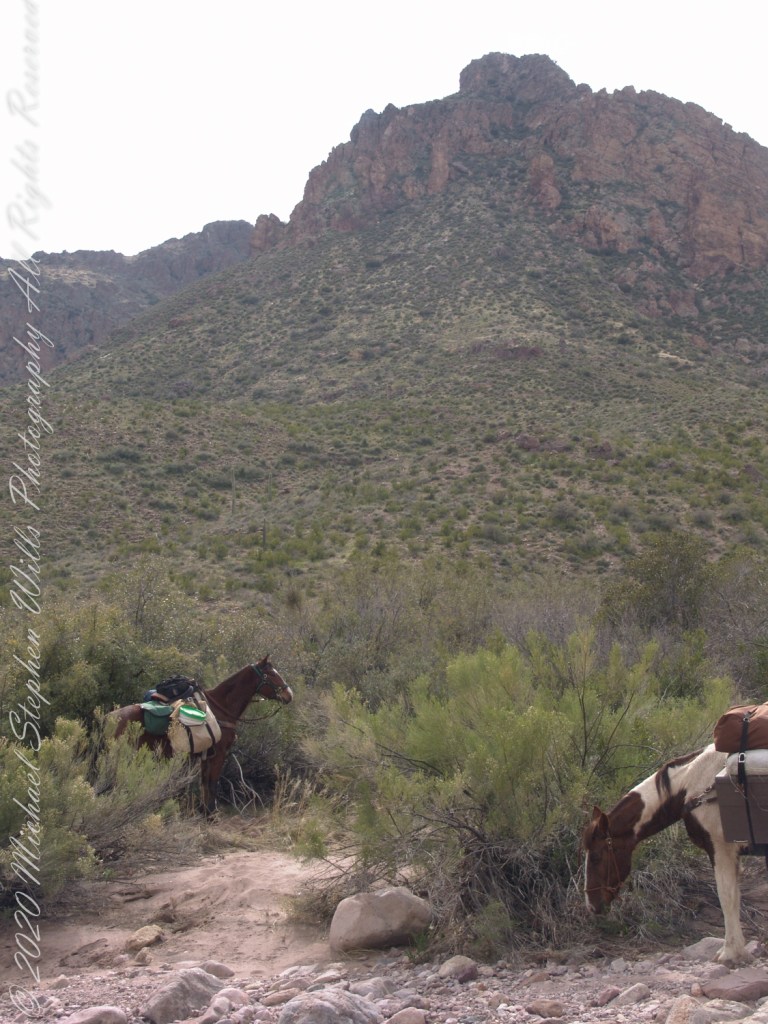
The beetling cliffs off Bluff Spring Mountain loom over where Terrapin and Dutchman trails meet. Patches of yellow are Mexican Poppies blooming on the talus slope. Terrapin Trail climbs the ridge, to right, Here is where I caught up with mounted expedition members, the spotted rump of an Appaloosa figures prominantly next to the sign post. Superstition Wilderness, Tonto National Forest, ArizonaTerrapin Trail almost immediately starts a climb up to an eponymous pass between Bluff Springs Mountain and Weavers Needle. From here, it is the best way into the mountain. The trail name is a misnomer, as terrapin (Malaclemys terrapin) turtle habitat is near the ocean. There is a desert tortoise (Gopherus agassizii) you might encounter during the rainy season as they are otherwise inactive. Superstition Wilderness, Tonto National Forest, ArizonaAl Conant at Terrapin and Dutchman trails. His Appaloosa is enjoying fresh grass. Superstition Wilderness, Tonto National Forest, ArizonaThe bright yellow flowers on right are a member of the pea (Fabaceae) family named Wright’s Deervetch (Acmispon wrightii) I am able to pick it out from many similar flowers due to the characterictis narror leaves with small hairs. These start out yellow, turning to red with age eventually forming brown seed pods. Mexican Poppy (Eschscholtzia californica) to the right. The small white flowers are Chickweed (Minuartia macrantha) of the family Carnation (Caryophyllaceae) . These are growing along Dutchman trail, March 2008, at the base of Bluff Spring Mountain. Superstition Wilderness, Tonto National Forest, ArizonaView from Dutchman Trail between Black Top Mesa and Bluff Springs Mountain, approaching White Rock Spring and LaBarge canyon. Looking Northwest, in the distance is Malapais Mountain behind Red Hills. Volcanic rock and Cholla cactus in foreground followed by Prickly Pear and Saguaro cactus. Superstition Wilderness, Tonto National Forest, ArizonaCastilleja is the genus name of this flower, also known as Prarie Fire. There are over 200 species throughout the Americas. On the Dutchman Trail, LaBarge Canyon, Superstition Wilderness, Tonto National Forest, ArizonaLost gold mine legends tell of Saguaros bearing secret markings leading to the hidden location of rich gold mines. This specimen lives in LaBarge Canyon, along the Dutchman trail.View North / Northwest on Dutchman Trail between Bluff Spring Mountain and Peter’s Mesa. The creek flowing from Charlebois, Music Mountain and LaBarge springs nourishes this Fremont’s Cottonwood (Populus fremontii) and other riparian flora. The tree is flanked by volcanic rock from an ancient eruption. Coordinates: 33°27’29.60″N , 111°20’56.23″W, LaBarge Canyon, Superstition Wilderness, Tonto National Forest, ArizonaColorado at the foot of Peter’s Trail near Charliebois CanyonBehind Colorado and “Ed’s Horse” (don’t recall the name) is Bluff Spring Mountain.
Copyright 2022 Michael Stephen Wills All Rights Reserved
The expedition party rested where Dutchman Trail intersected the creek, full of flow from Charlebois Canyon, Music Canyon and LaBarge springs. We filled the water reservoirs in preparation for the climb up to the night’s camping spot on Peter’s Mesa, a 1,300 foot climb over 1.2 miles.
Behind Colorado and “Ed’s Horse” (don’t recall the name) is Bluff Spring Mountain.
A view to west on Dutchman Trail between Bluff Spring Mountain and Peter’s Mesa. The creek flowing from Charlebois, Music Mountain and LaBarge springs nourishes this Fremont’s Cottonwood (Populus fremontii) and other riparian flora. The tree is flanked by volcanic rock from an ancient eruption.
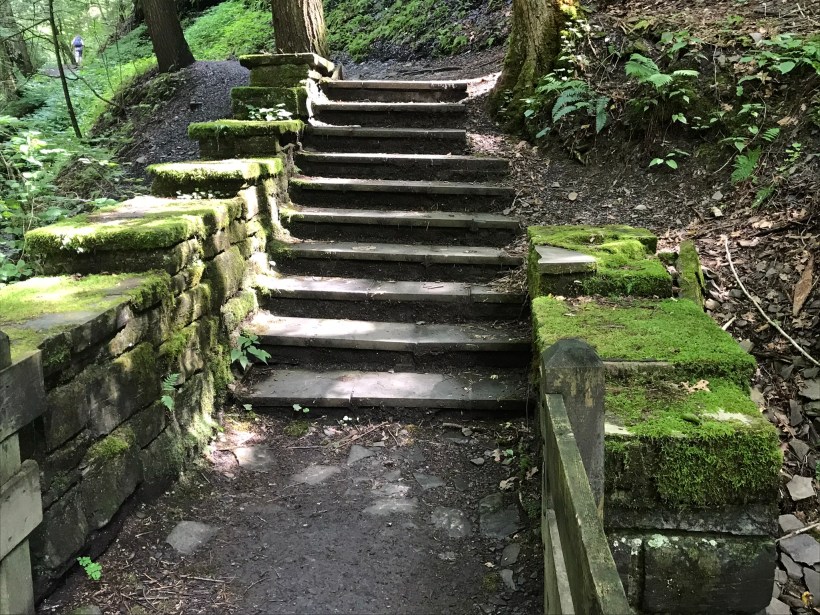
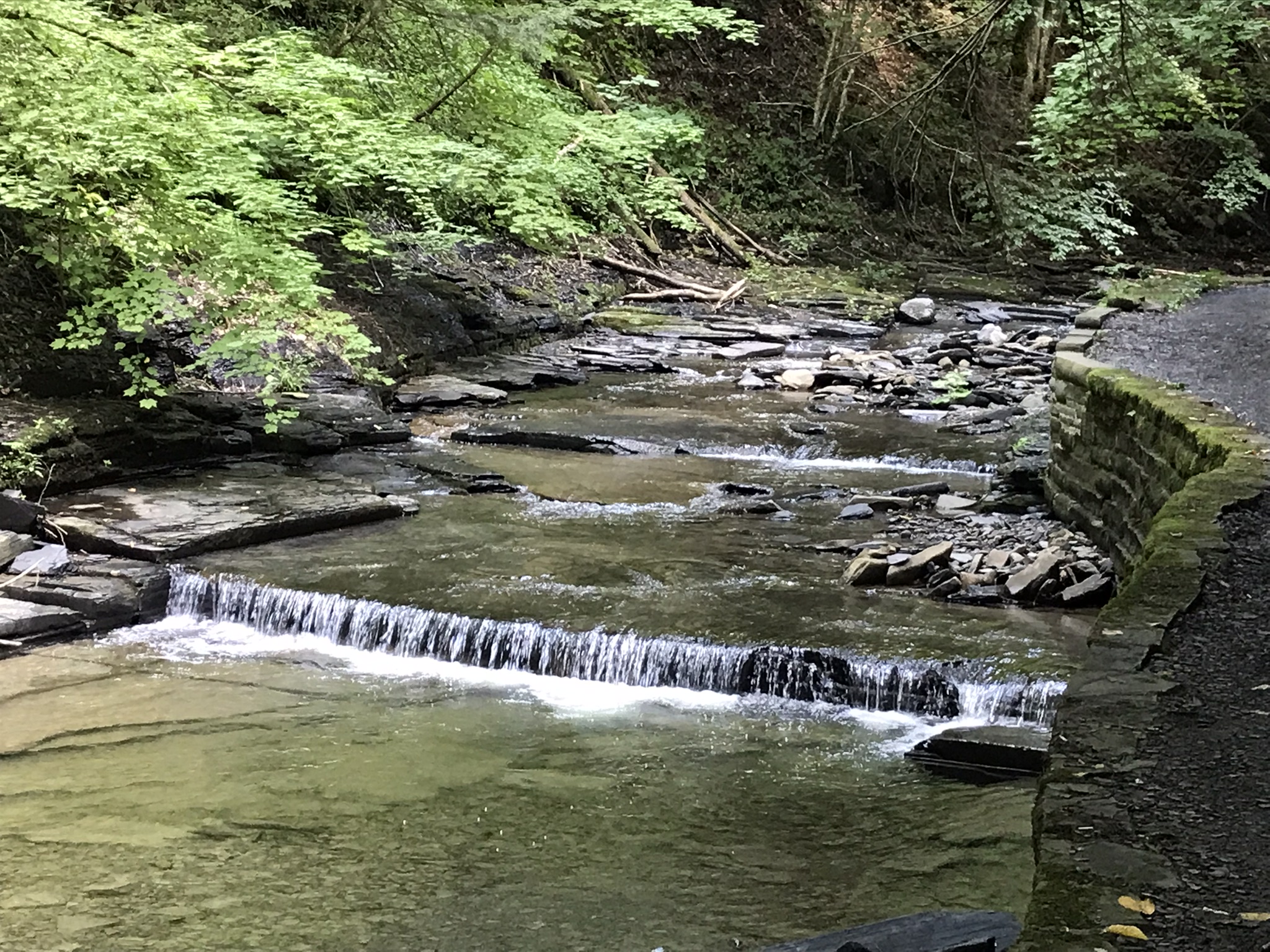
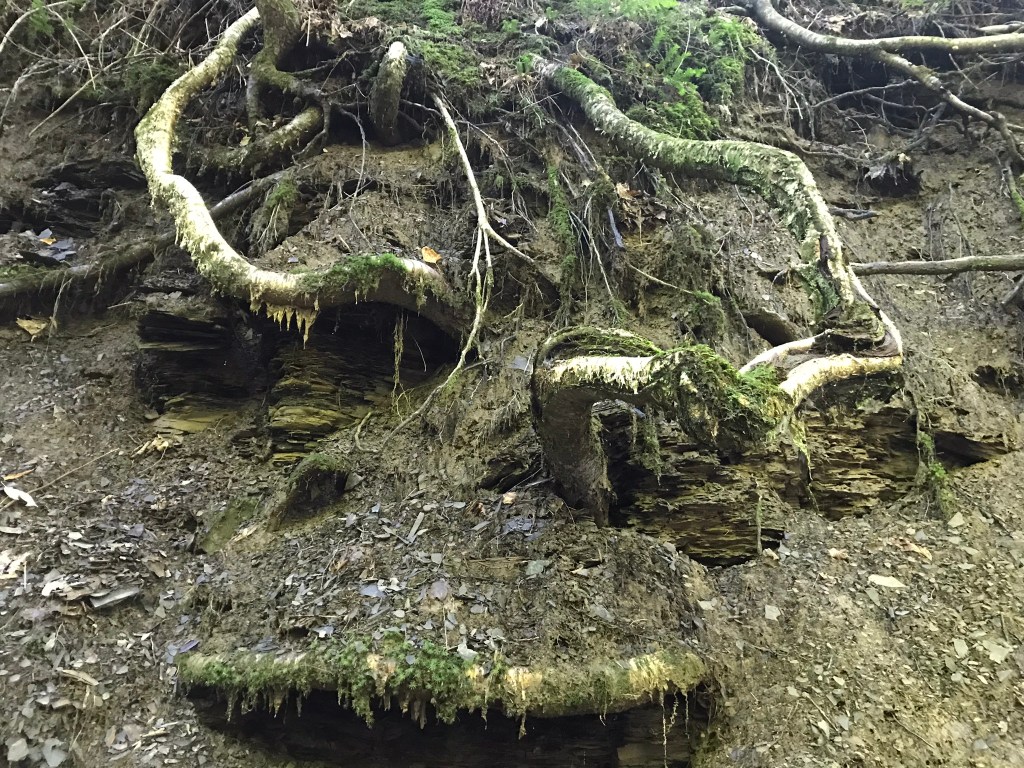
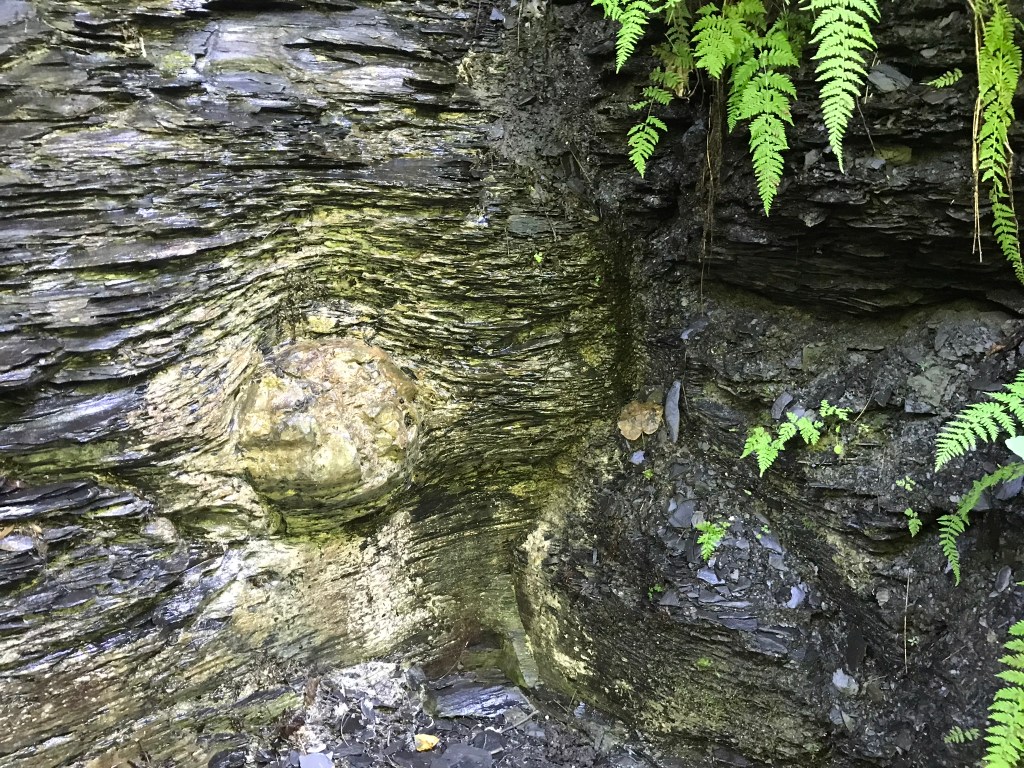
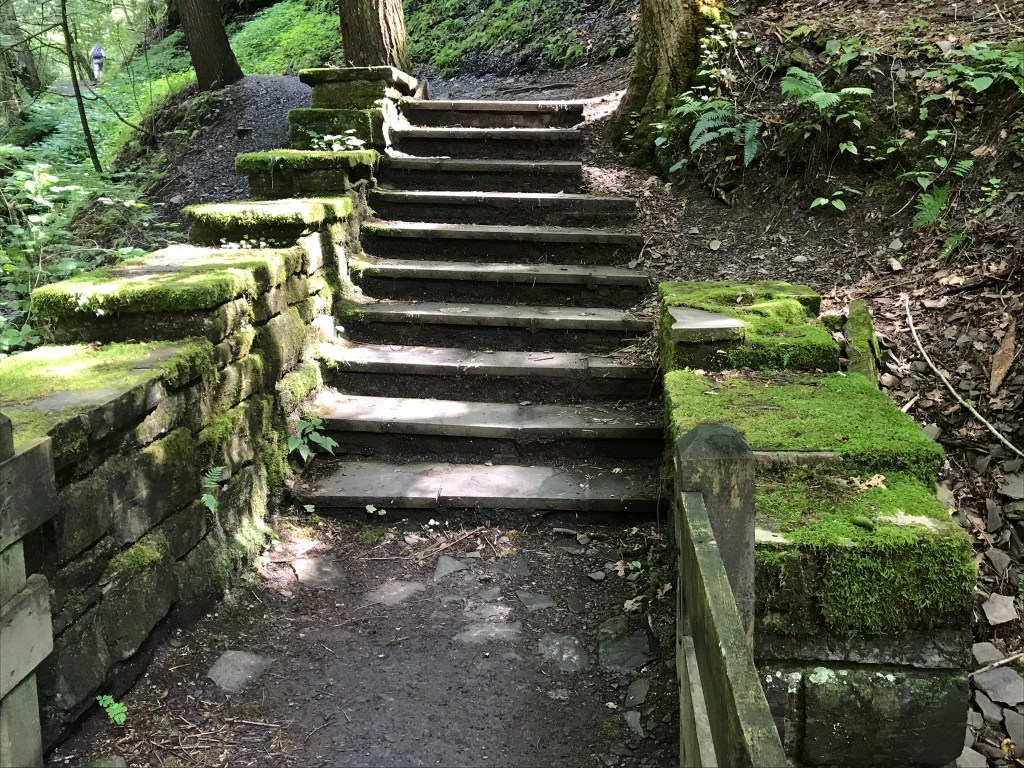
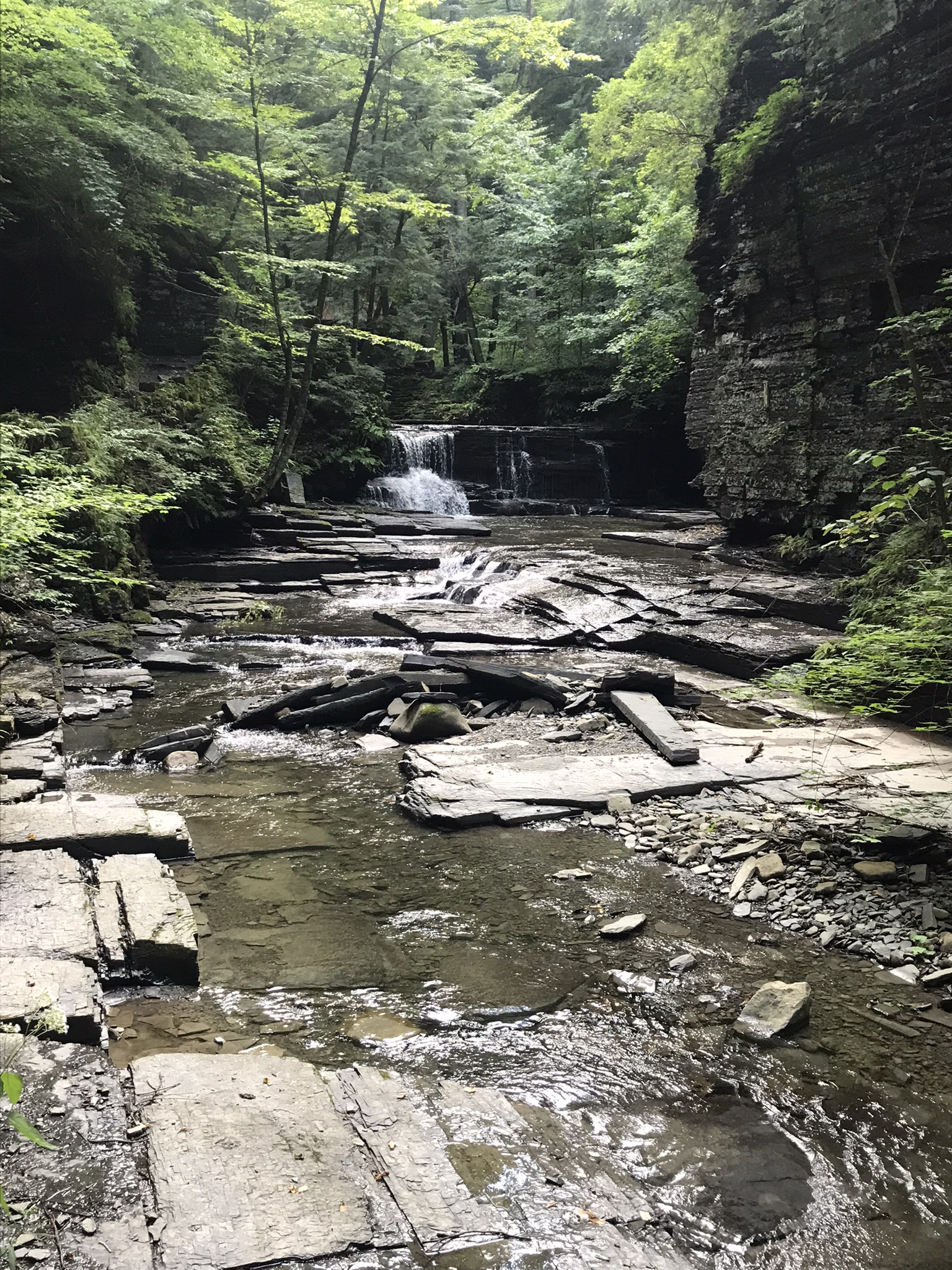
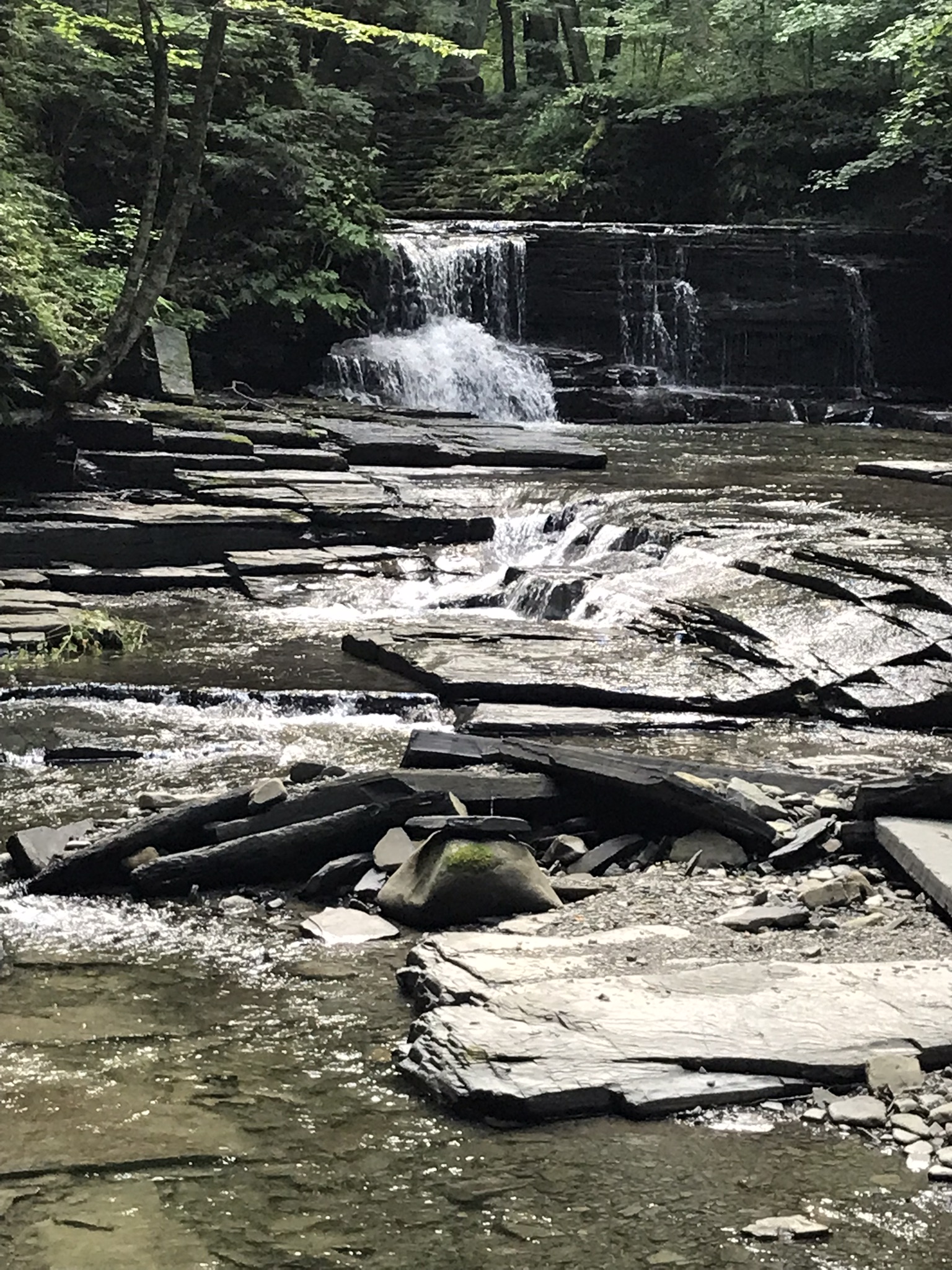
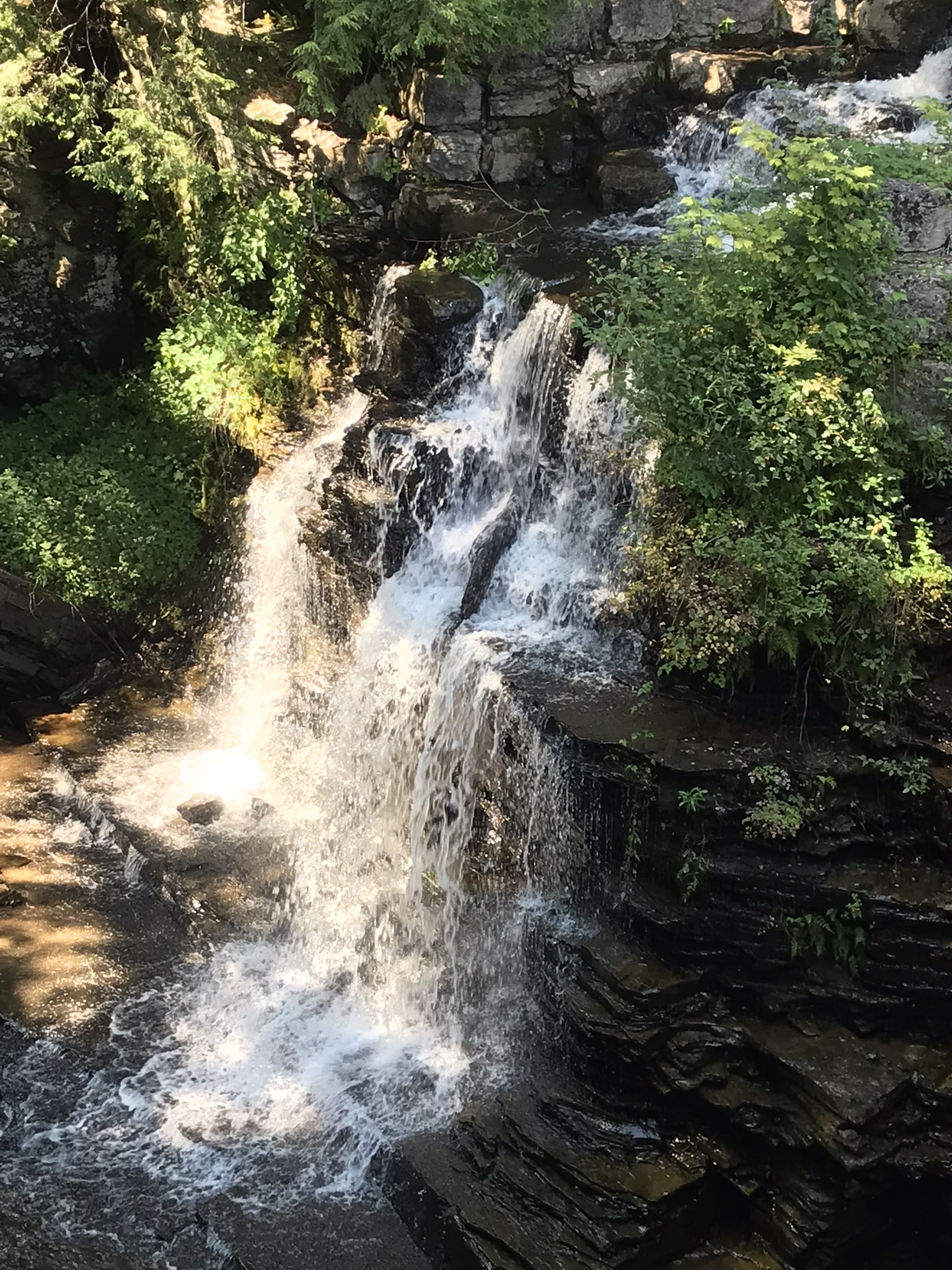
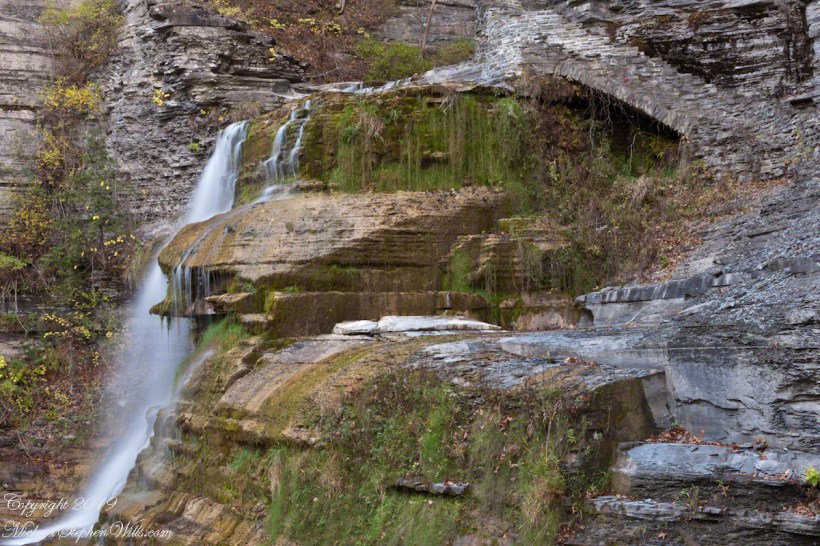
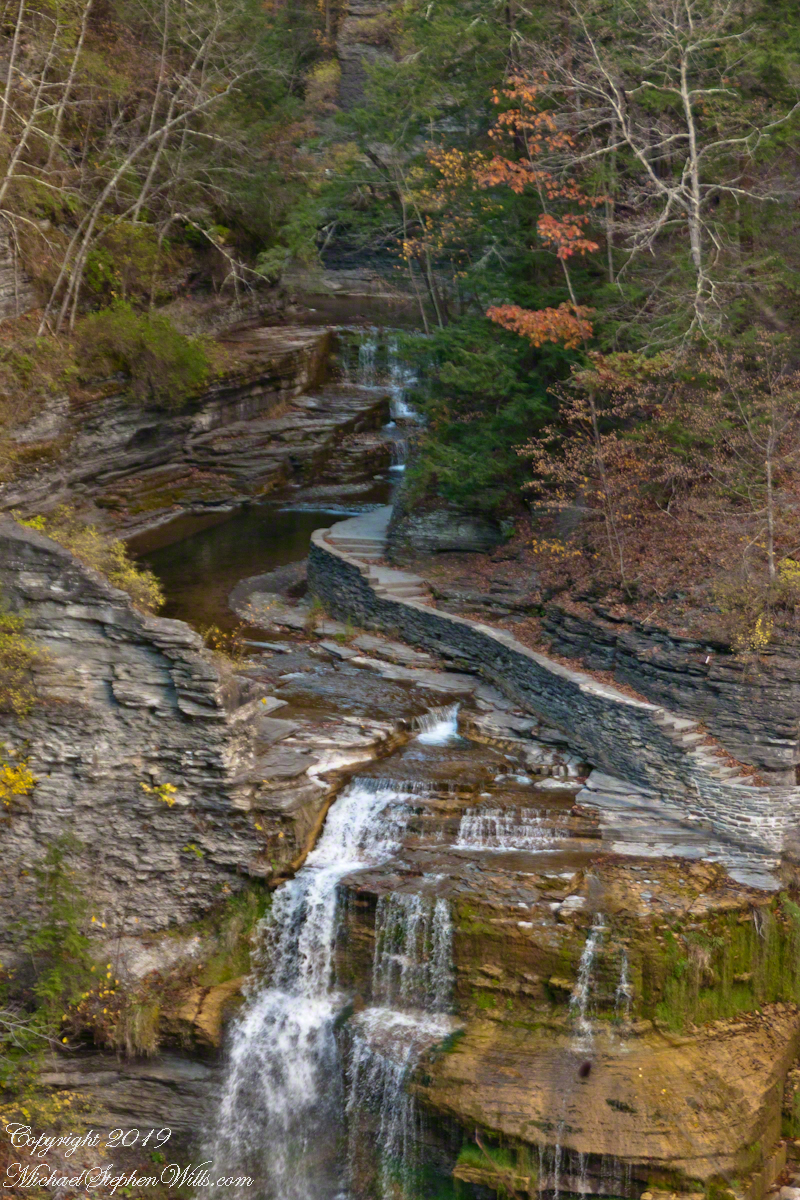
Gentle Waterfall SeriesLife Clings to Gorge WallsRoots Hold All In PlaceAncient Rockfall RememberedWelcoming Steps
Ephemeral Waterfall
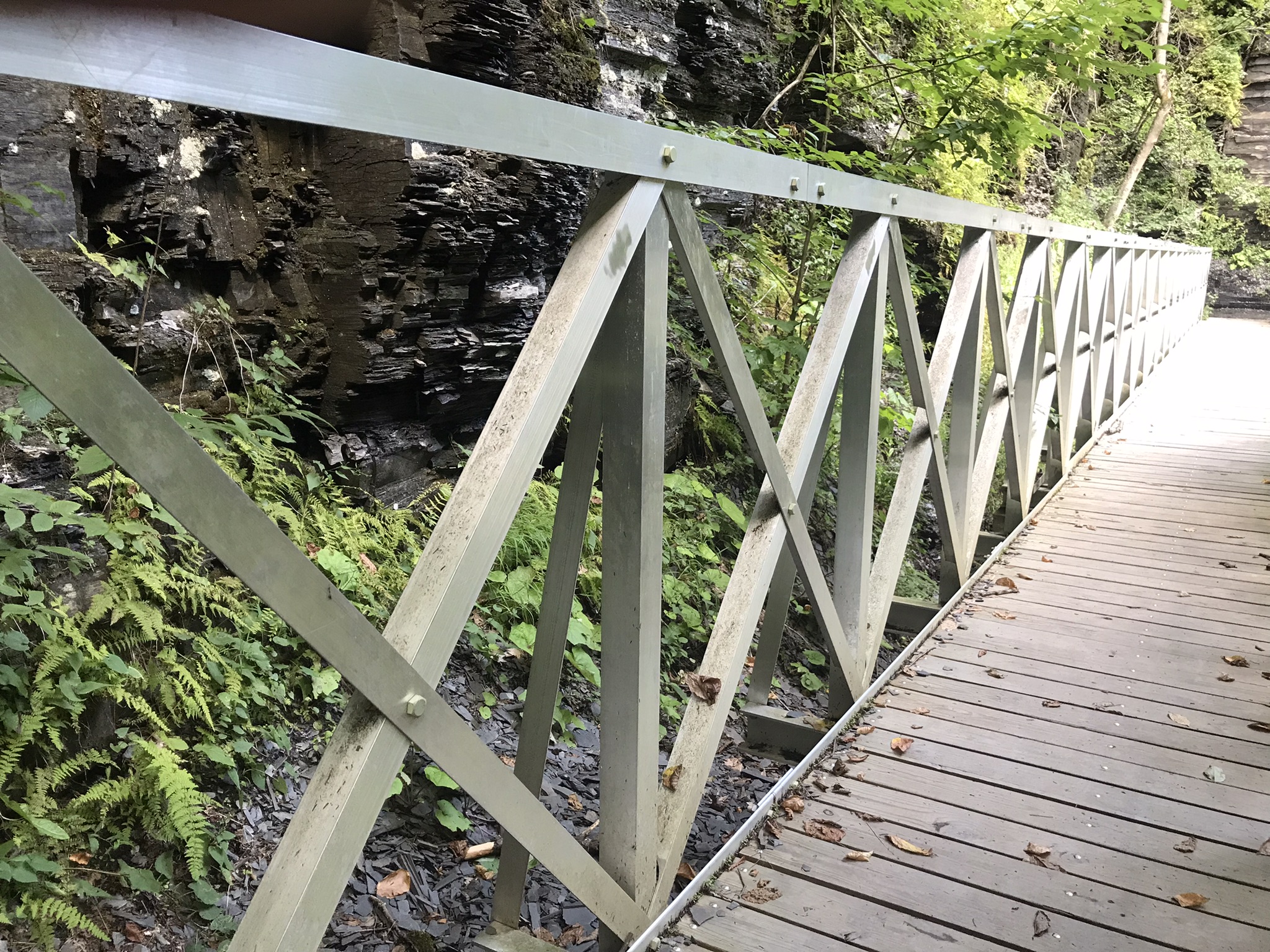
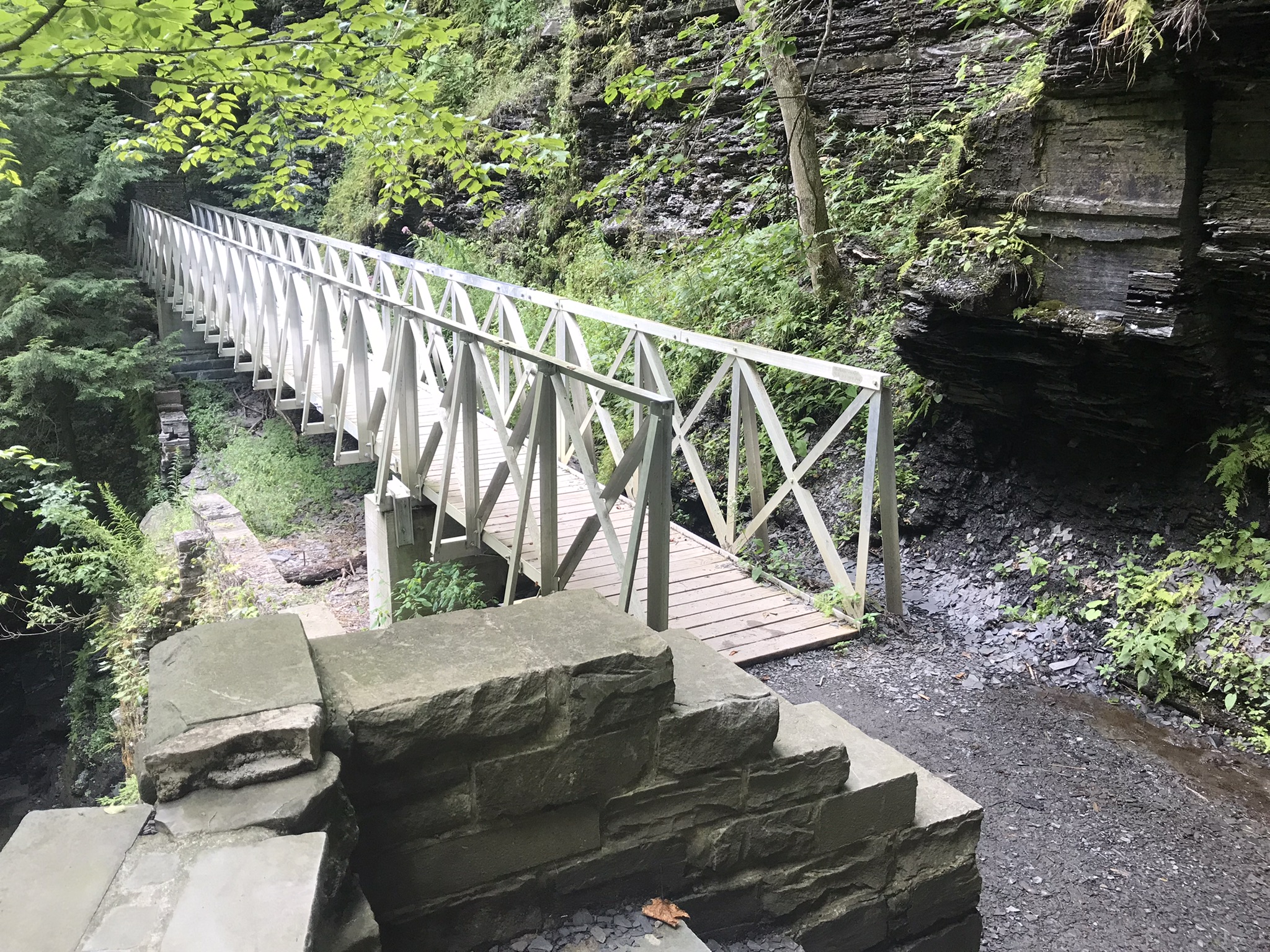
Metal Intrusion
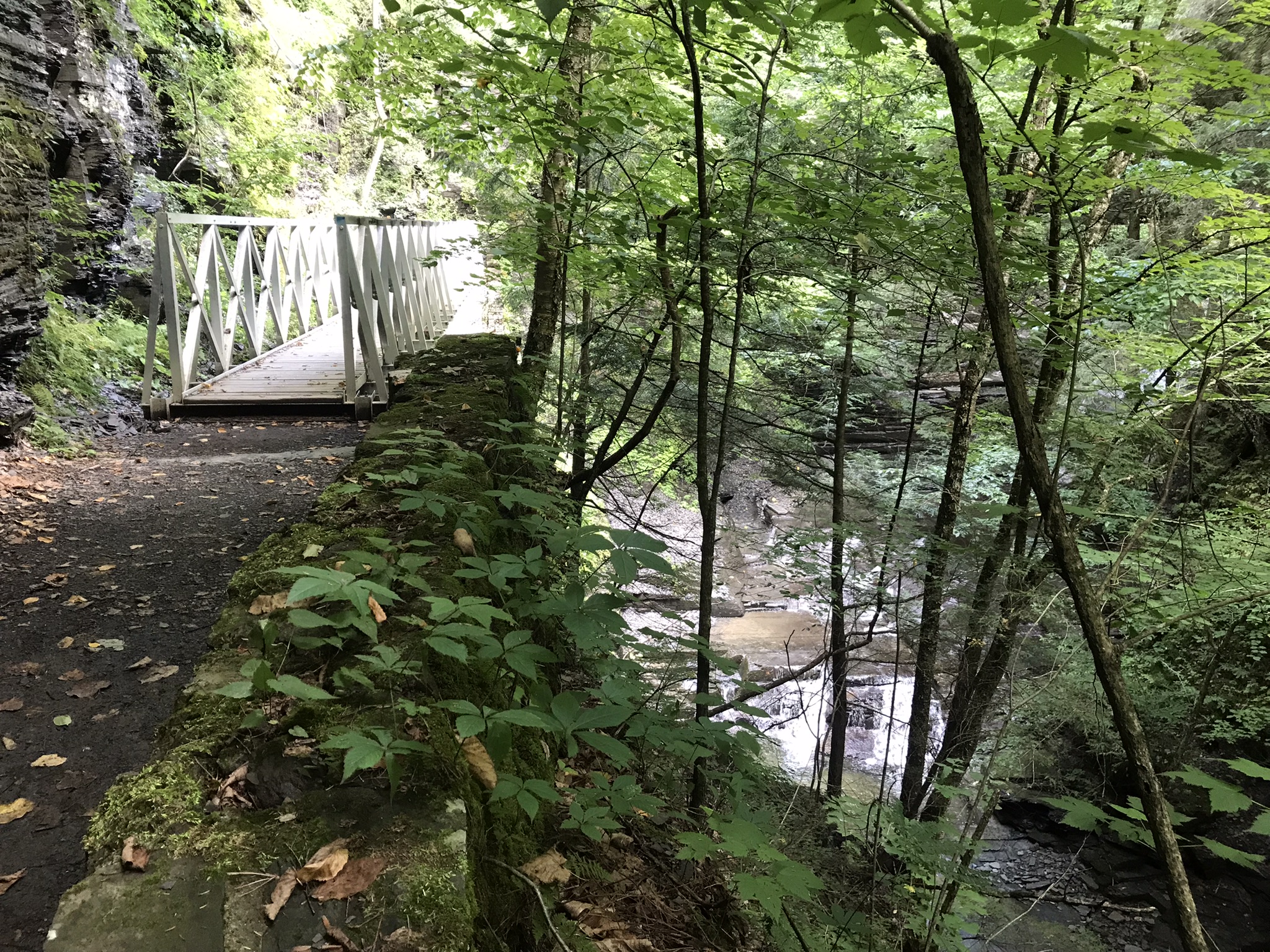
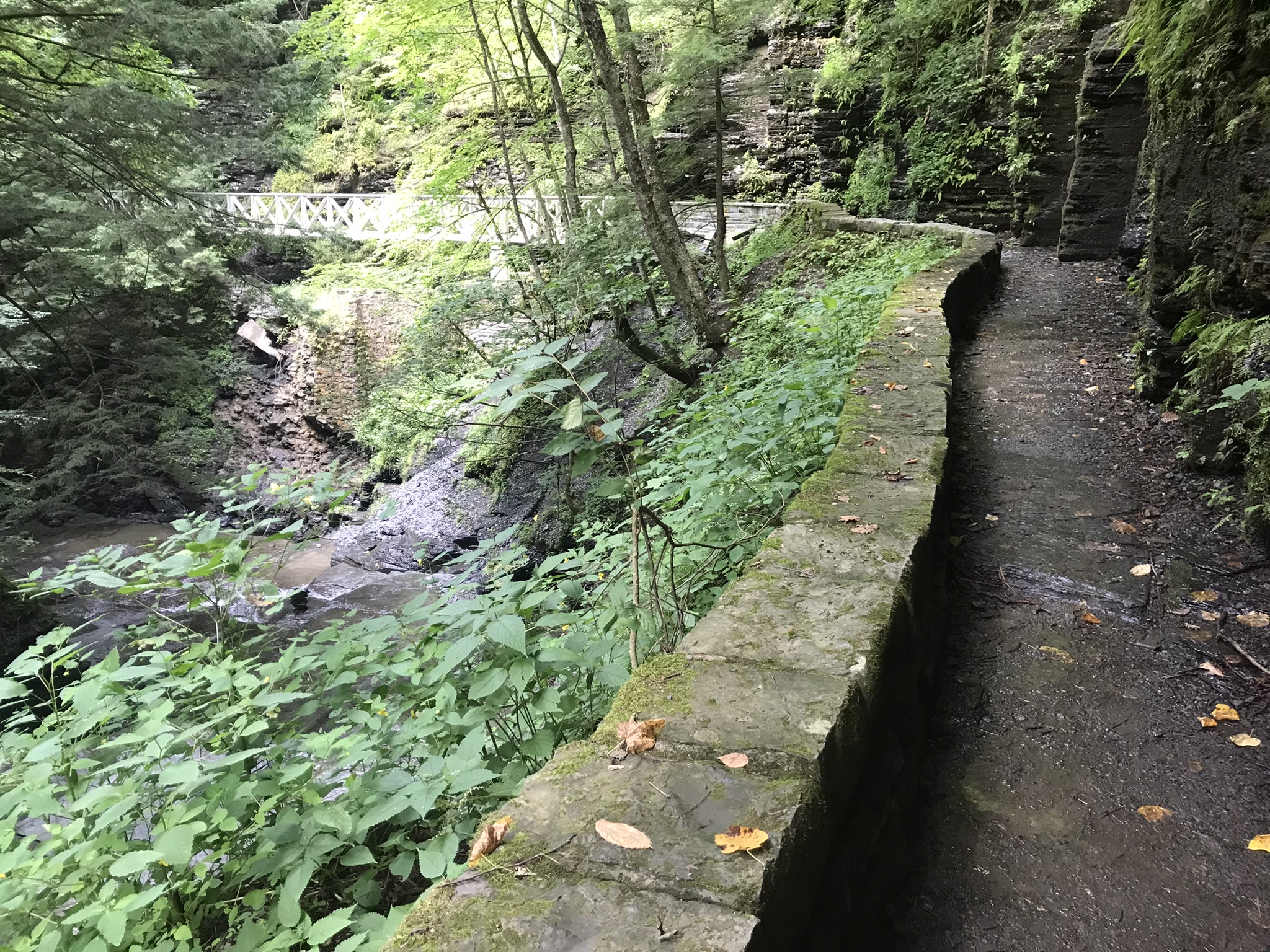
Spring thaw washed away the gorge wall, this functional metal bridge will outlast all but the most catastrophic gorge wall disruptions.
Turn Around Here for the Following ViewI call these Hermit FallsCan you ss “The Hermitage”?View Back to BridgeNew Path
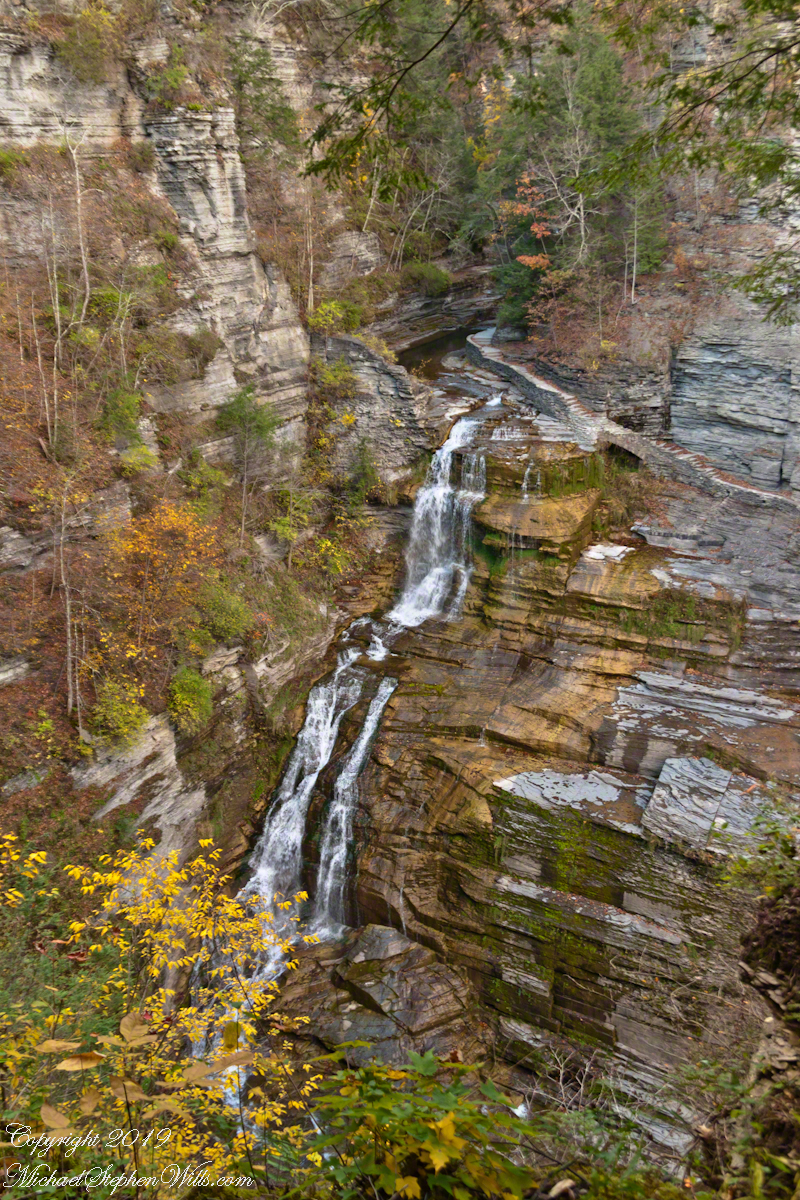
Graceful Waterfall Overview
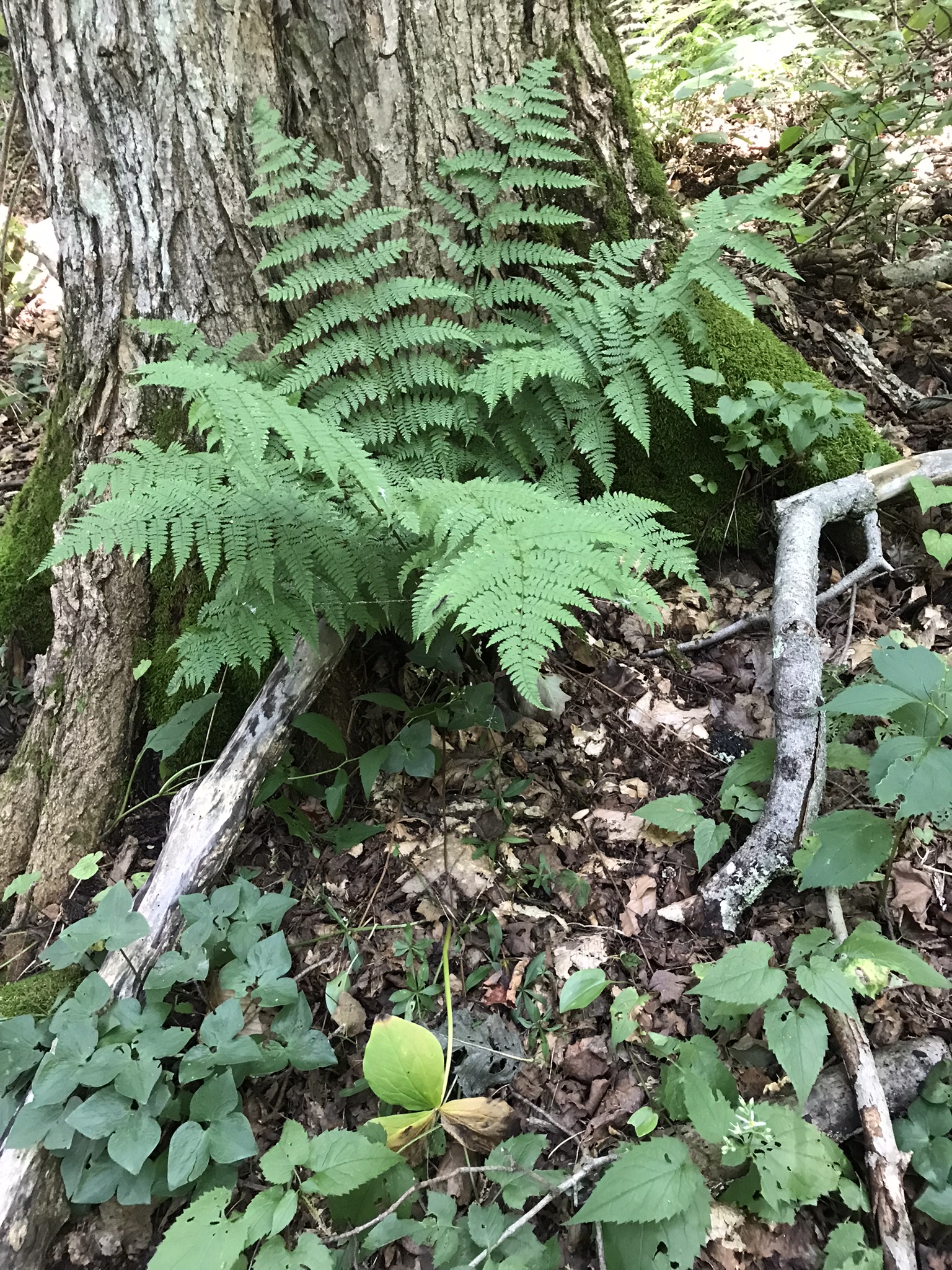
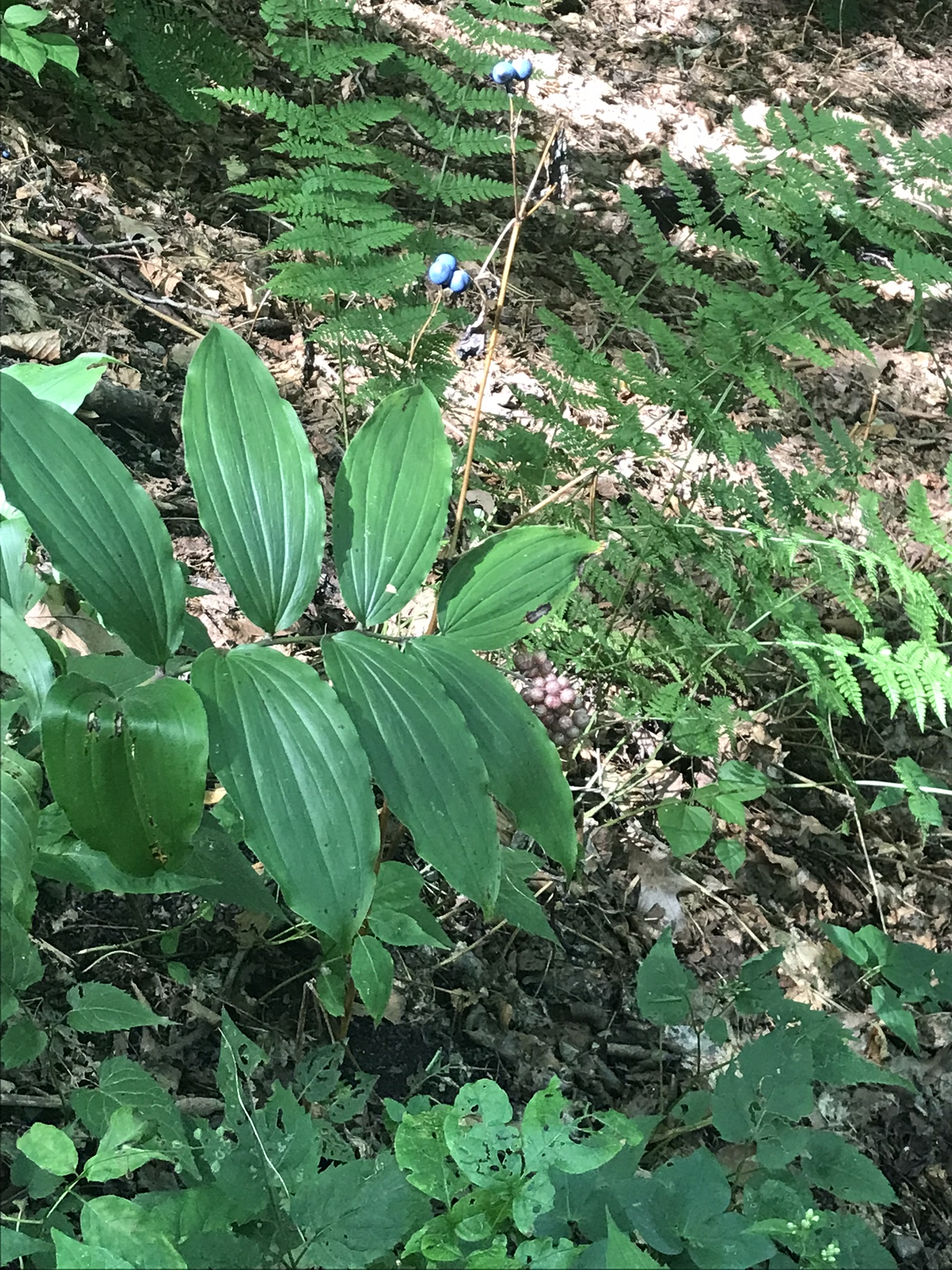
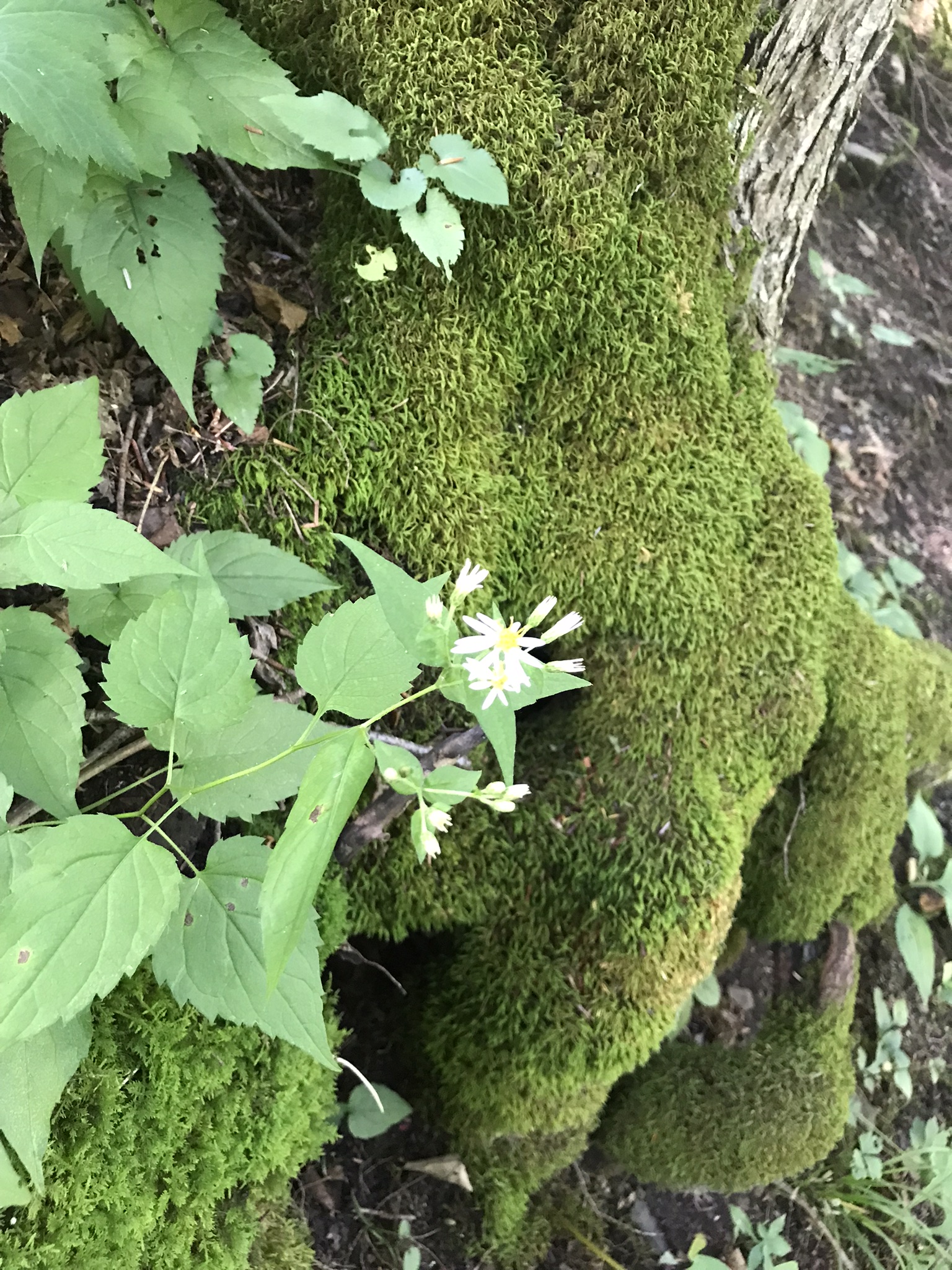
Flora
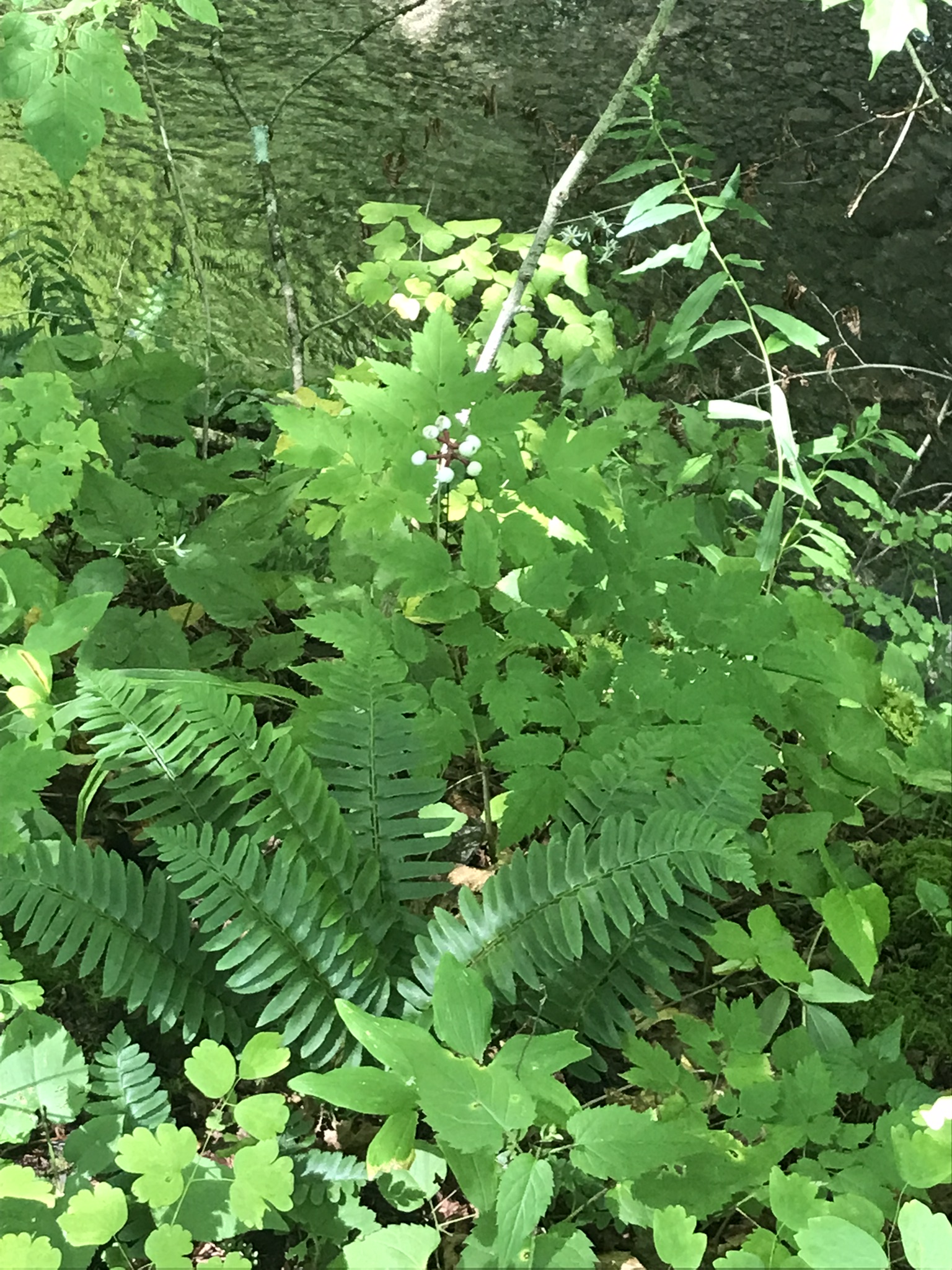
White Baneberry, aka “Dolls Eyes,” a fascinating plant, entirely poisonous.
All parts of all Baneberry varieties (red and white) are highly poisonous, the bane of Baneberry. The berries are deadly. Ingestion of as few as two berries by children will cause death from cardiac arrest. Six for an adult.
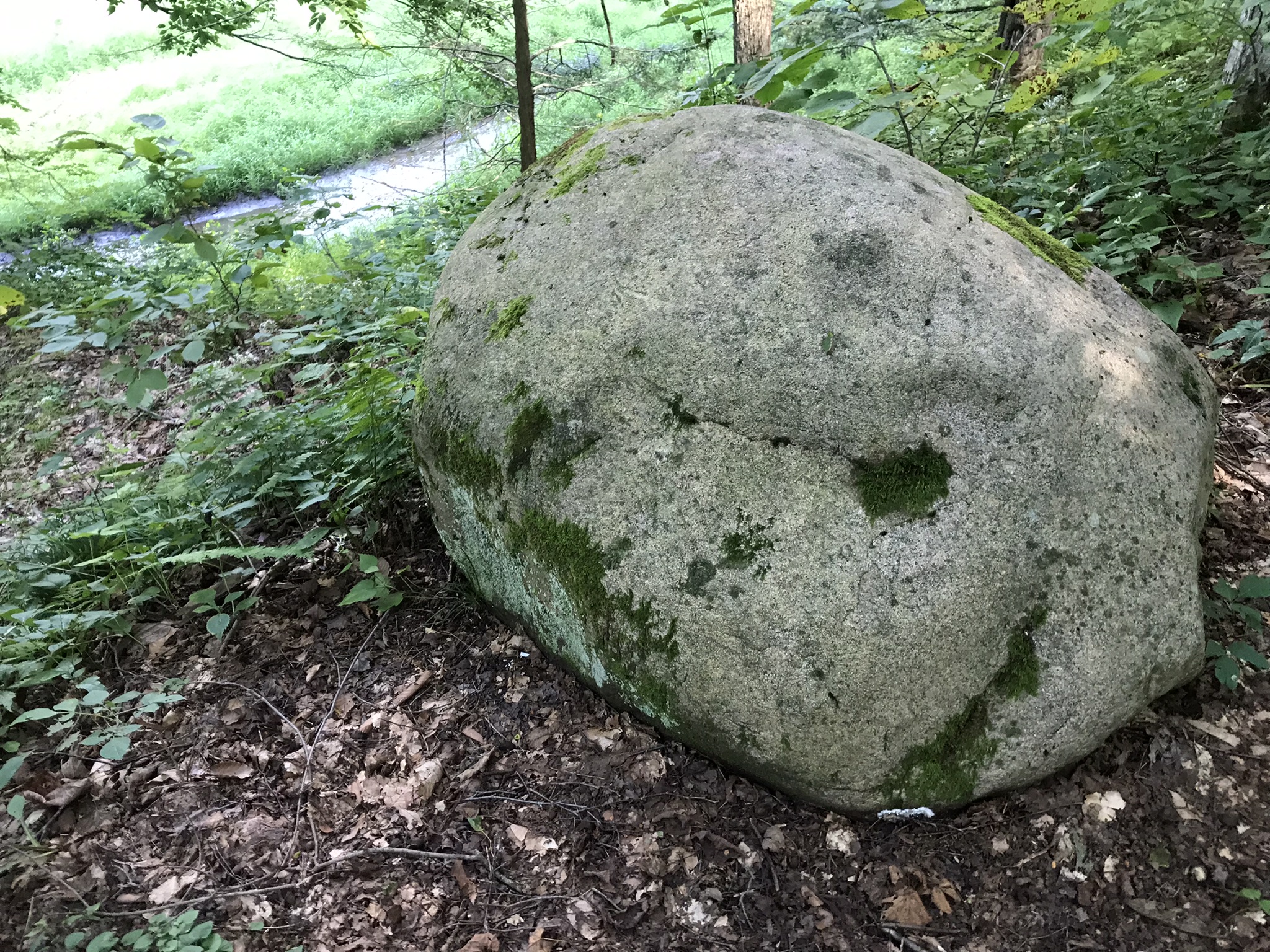
Landscape Features
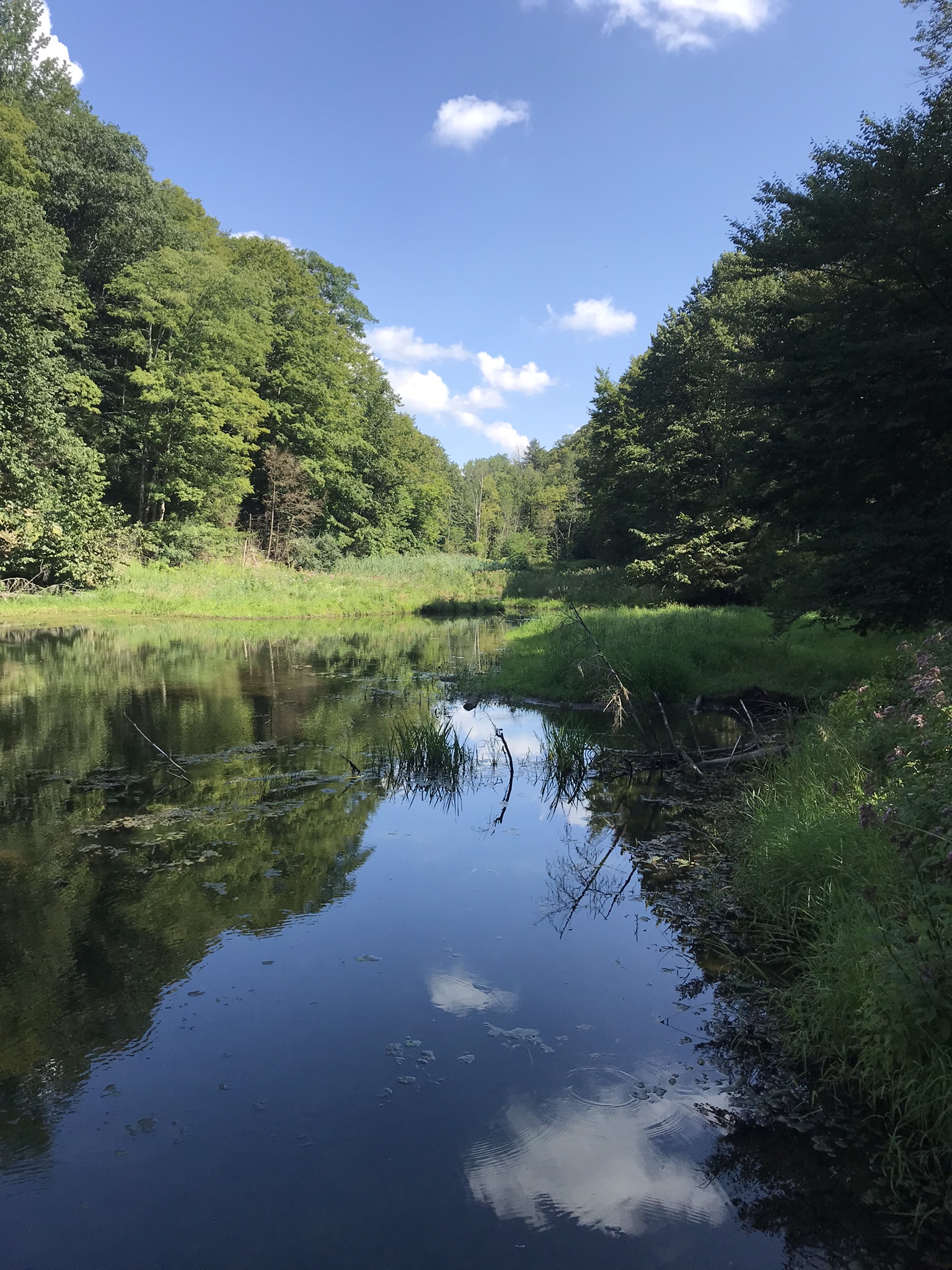
Erratic Granite BoulderSpillwayDam Pond
Overview, Spillway and Pond
Copyright 2022 Michael Stephen Wills All Rights Reserved
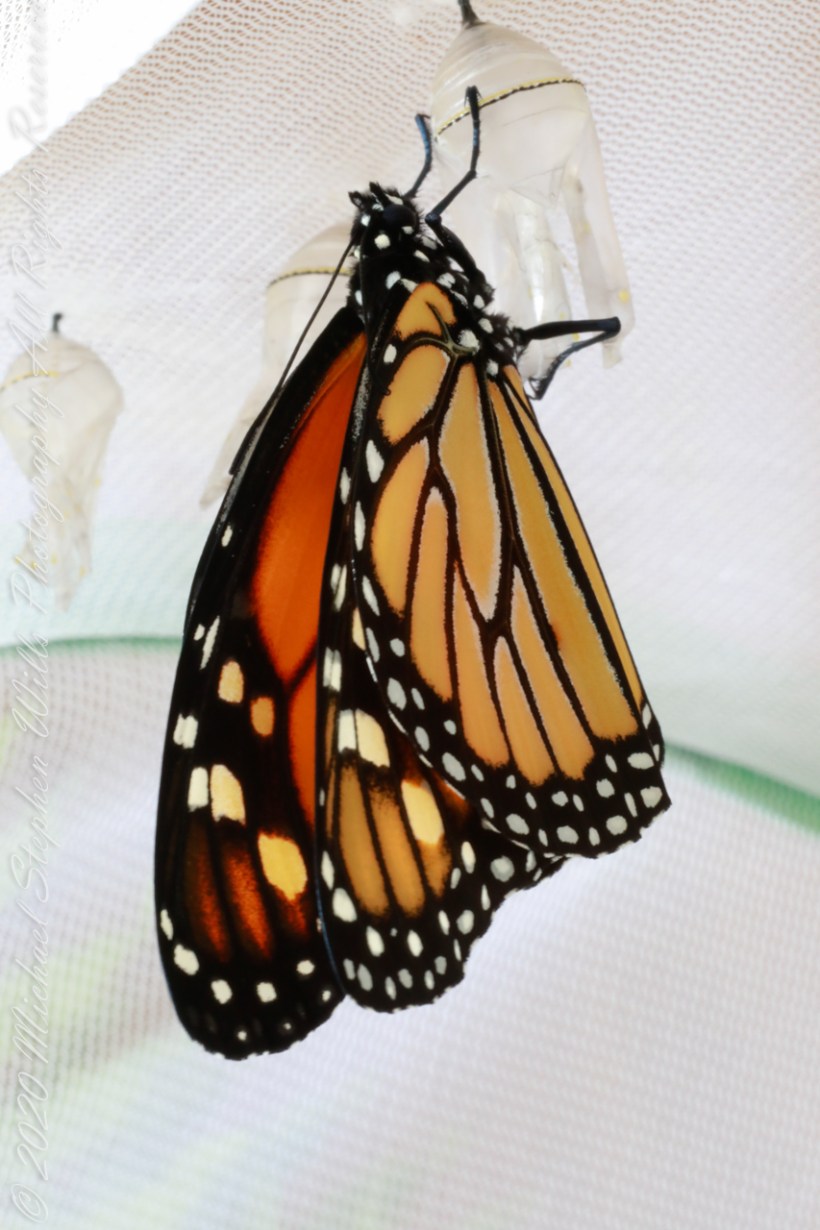
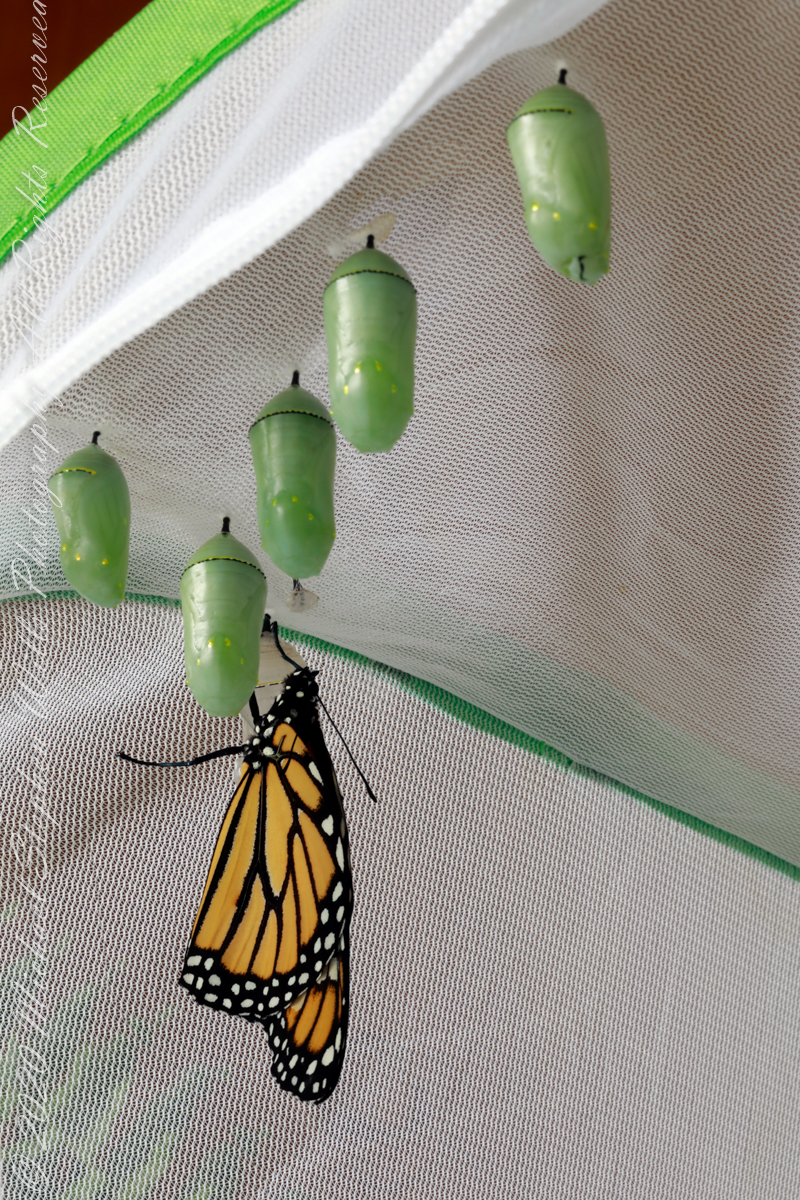
We successfully raised nine (9) Monarch butterflies this season, leaving us feeling, “Let’s do more in 2023.” Today’s post cover is a portrait of the last. She flew yesterday, September 23rd, forty (40) feet up to the oak tree shading the back yard, lost to us in the leaves.
Her chrysalis is the second from right in the following family photograph.
Here are two videos of our last 2022 Monarch to emerge and the first.
Emergence of a Monarch butterfly from a chrysalis 4K UHD with relaxing music. A caterpillar attached itself with silk to hang by its two rear legs to transform to a green chrysalis. Fourteen days later the chrysalis shell becomes translucent. Inside the chrysalis the Monarch butterfly moves to shed the shell. The released insect’s abdomen pumps fluid, expanding the crumpled wings. The entire process takes twenty minutes, compressed in this video to about six (6) minutes.
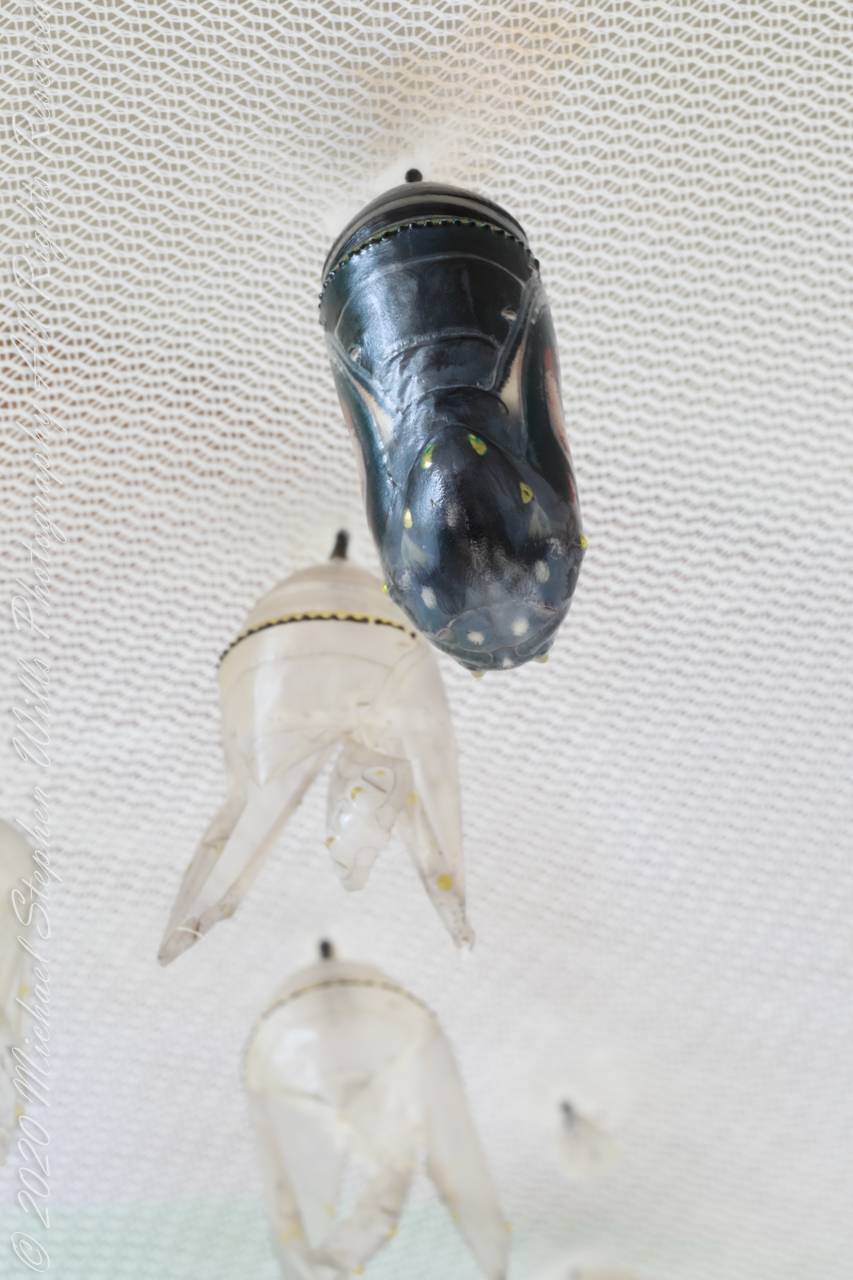
As the moment of emergence approaches, the skin of a Monarch chrysalis becomes translucent to reveal the butterfly compressed into that small space.
A real time film of our first 2022 Monarch Butterfly emerging from the chrysalis, then expanding its wings in 4K UHD with relaxing music. The process takes twenty (20) minutes.
The butterfly emerges from the chrysalis about fourteen (14) days after setting. To the photographer needing to capture the moment a signal is the green, jewel-like chrysalis turns transparent, apparently darkening to reveal the compressed form of the butterfly. It can be hours before the insect breaks free, the Canon EOS 5D Mark IV dslr camera is used for this. I set it on a Manfrotto BeFree Carbon Fiber tripod (with ball head), a Canon EF 100mm f/2.8L macro lens for optics. The Mark IV has WIFI and HD video capabilities, so I connected the camera to an Apple IPhone 7 using Canon software. Monitoring the transparent chrysalis in real time, I continually reset the video from the IPhone until the butterfly emerged. I used AVS video editor software to produce the film for YouTube publication.
Copyright 2022 Michael Stephen Wills All Rights Reserved
Lost gold mine legends tell of Saguaros bearing secret markings leading to the hidden location of rich gold mines. This specimen, perched on an ancient volcanic boulder, lives in LaBarge Canyon along the Dutchman trail.
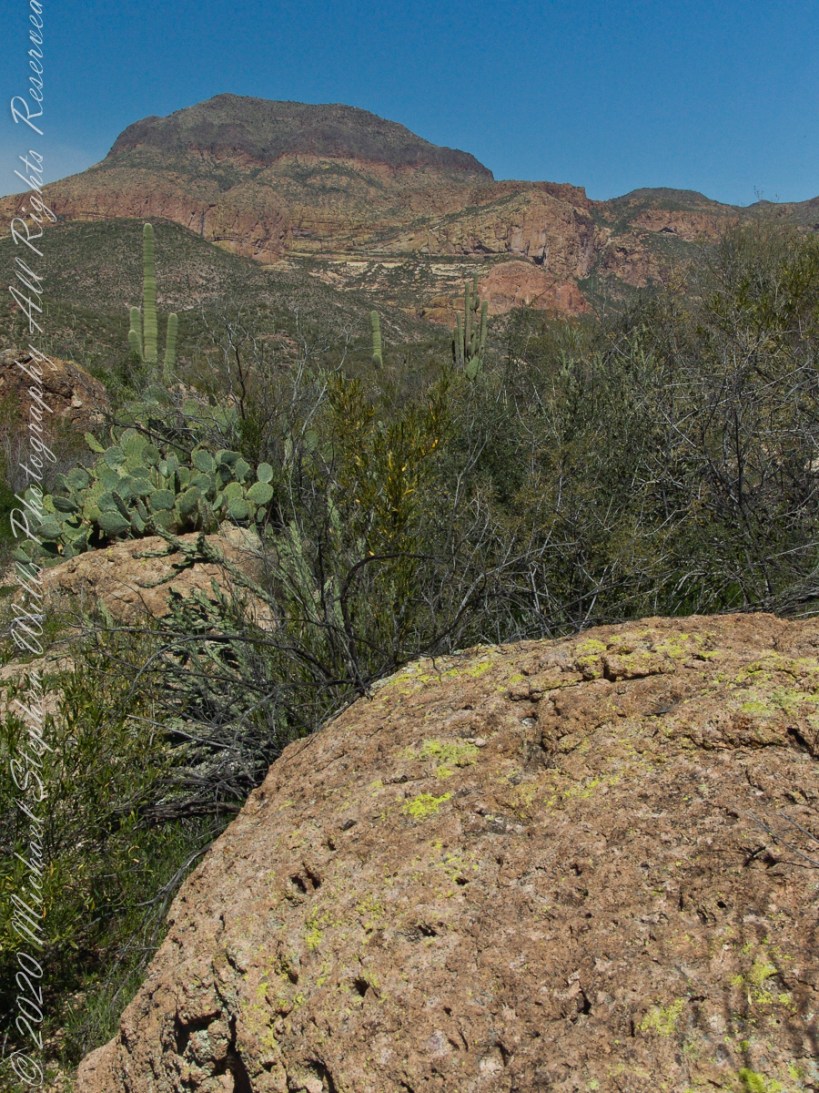
This view from Dutchman Trail was taken on the red line trail (below) between Black Top Mesa (out of view, on left) and Bluff Springs Mountain (right), on the approach to White Rock Spring and LaBarge canyon (the large canyon at the north end (left) of the red line.
Terrapin Trail to White Rock Spring on Dutchman Trail