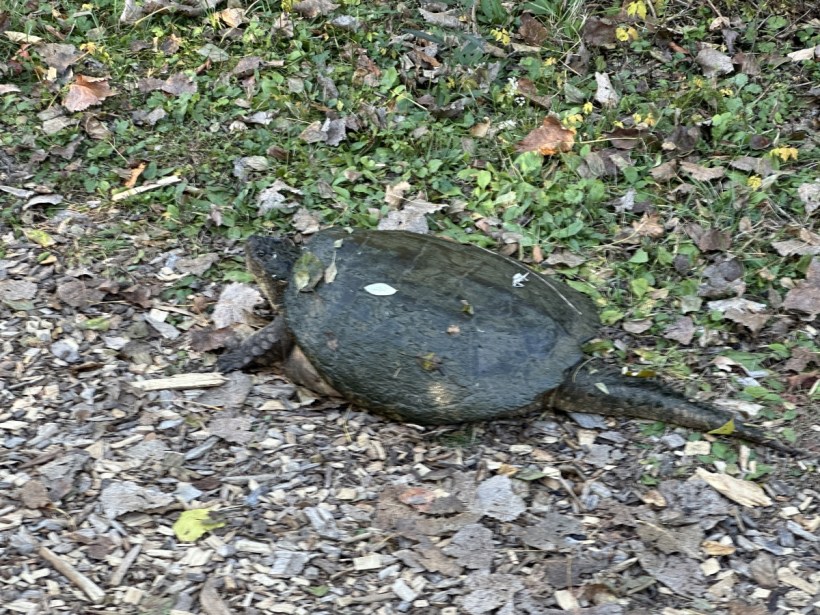
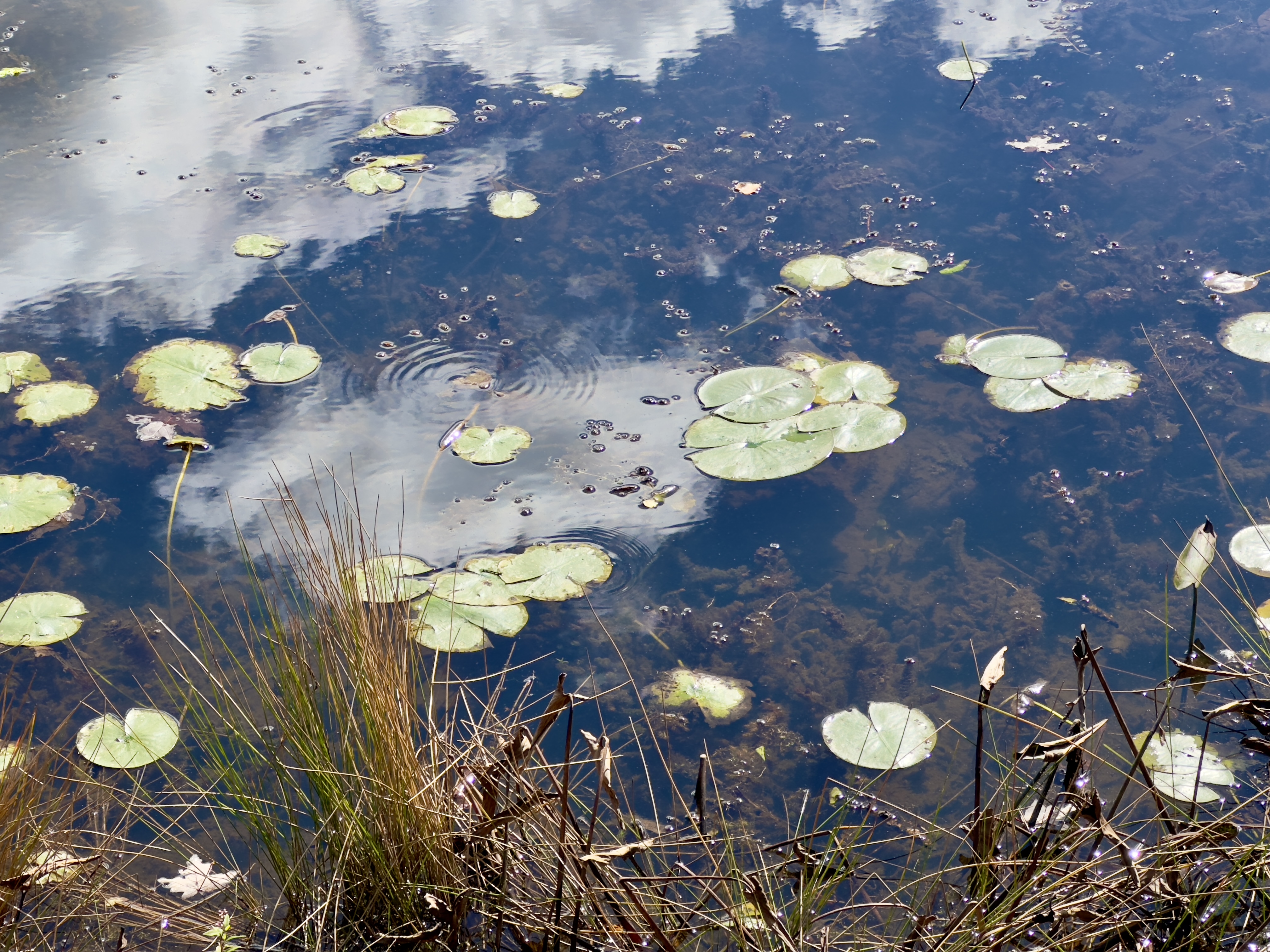
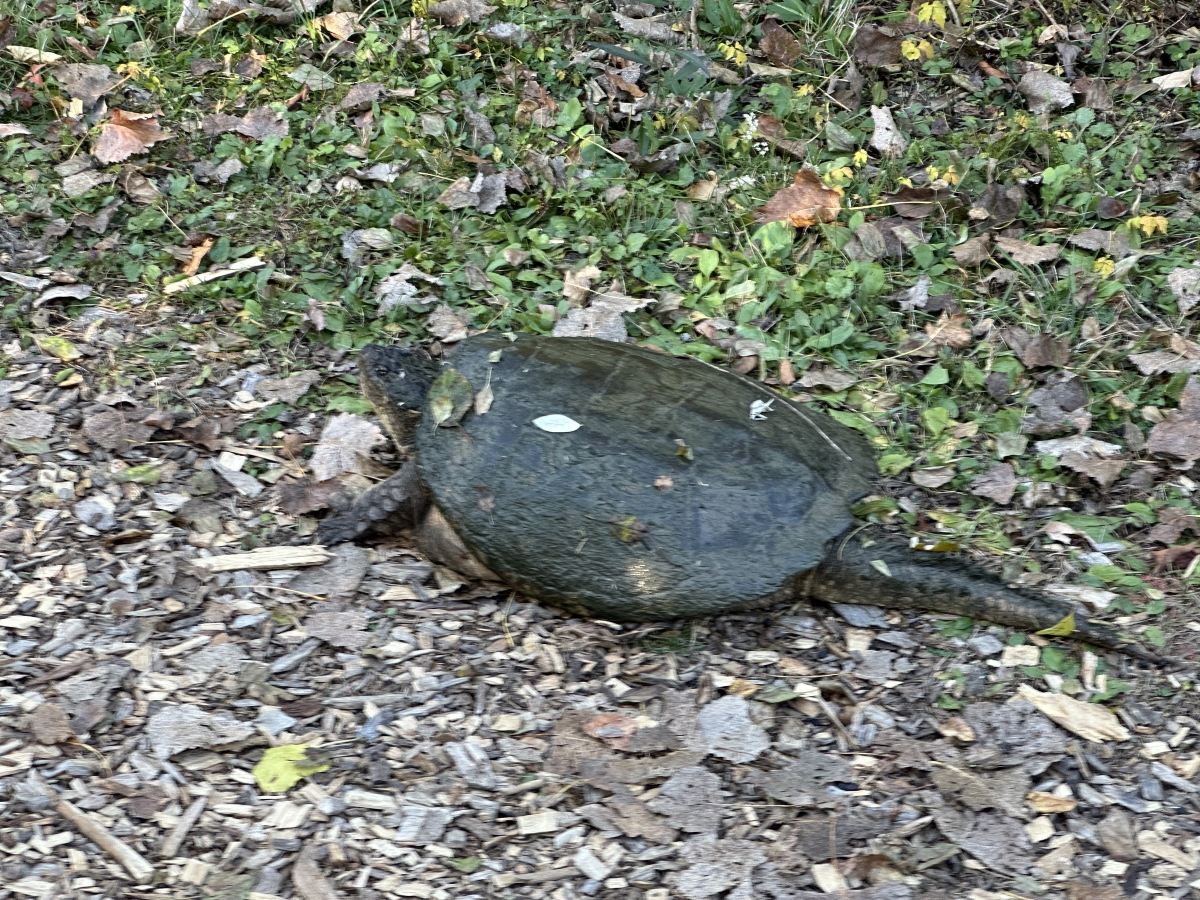
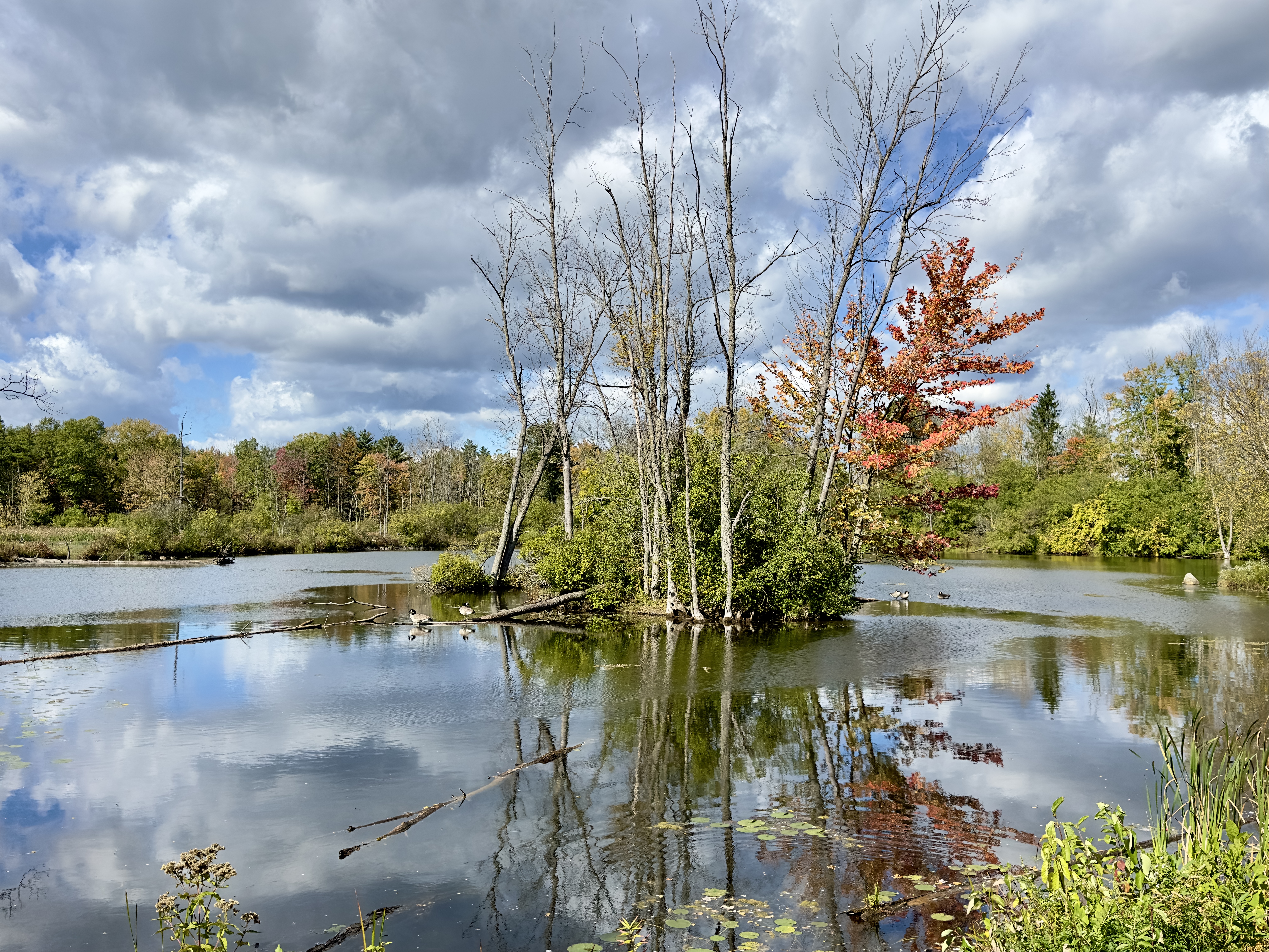
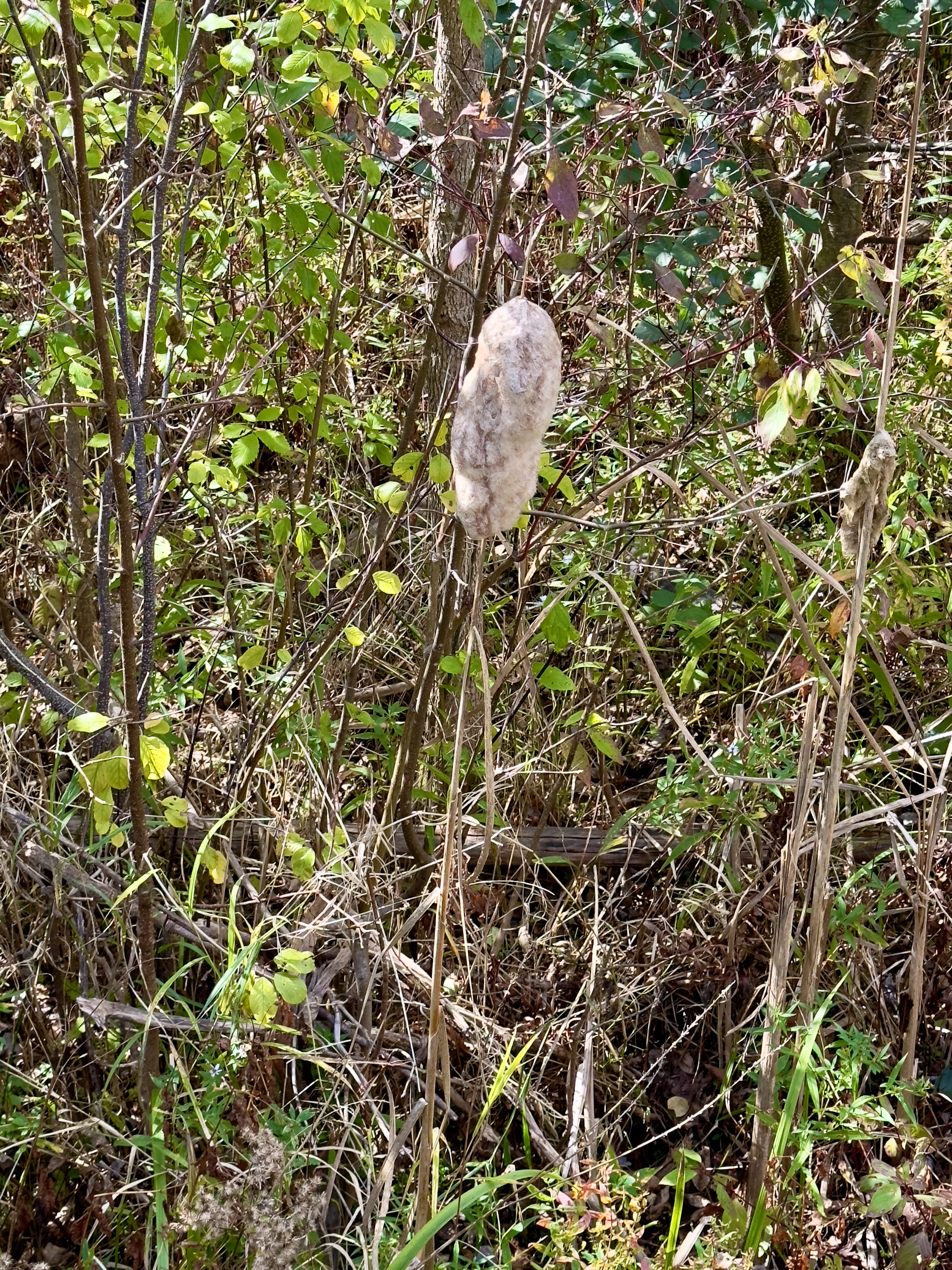
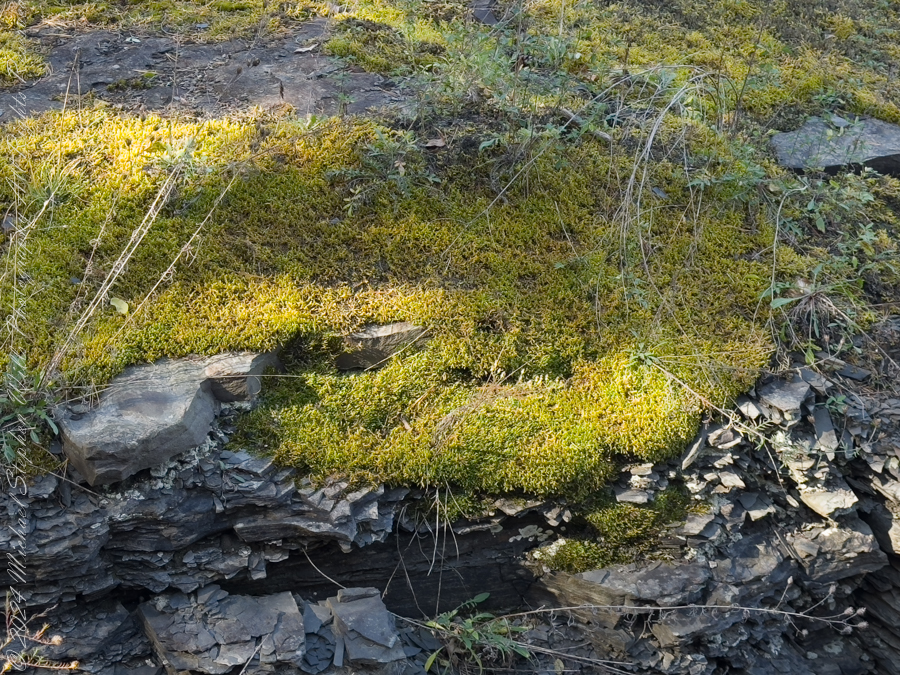
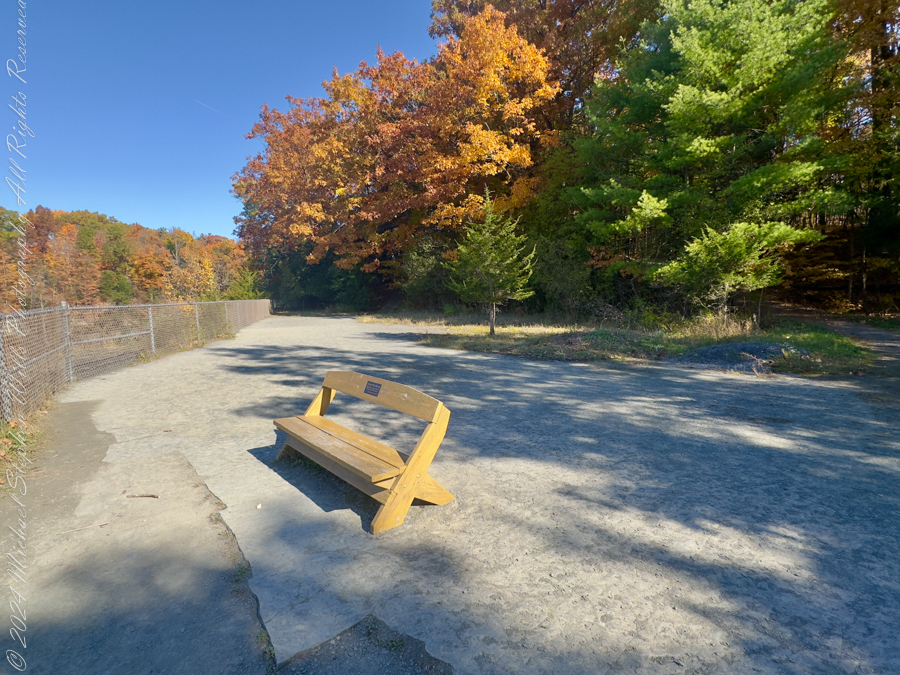
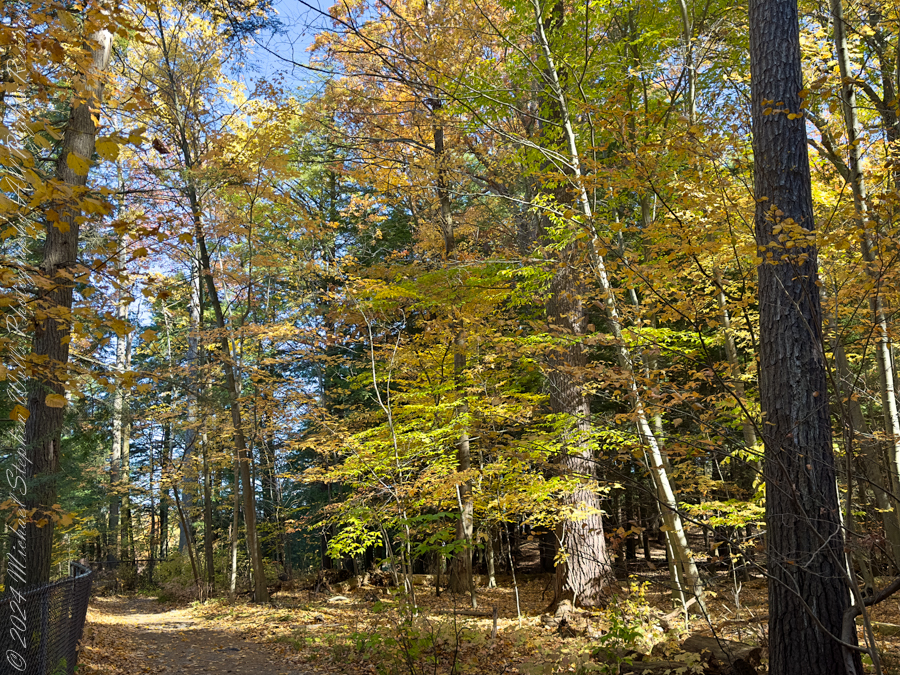
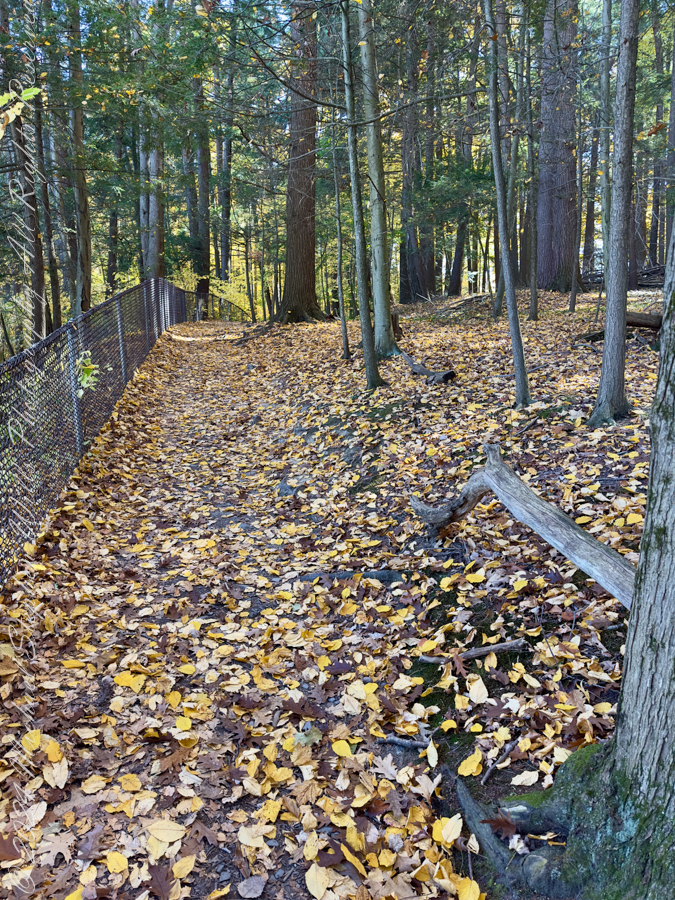
O ancient wanderer of Sapsucker Woods, armor-clad and quiet, you lumber forth, carved from the earth itself, sculpted from mud and pondweed dreams.
October’s afternoon light paints you with golden shadows, each leaf fallen, each branch broken a whispered testament to the slowness of your path, steady as a heartbeat unmoved by haste.
You bear the centuries in the lines of your shell, grooves and valleys where stories settle, tales of reeds and minnows, and the deep-rooted knowing that life is best met with patience, with pause.
O creature of edges and silence, you bridge water and wood, the line between stillness and stride. What weight you carry, not of burden, but of presence— a shell that holds the weight of stars, the bones of ancient rivers, and the soft clay of Sapsucker’s floor.
In your slow, silent passing, the trail bows to you. Leaves make way, and the earth beneath you settles a little deeper, reminded of the strength that moves without noise, the wisdom that crawls in the path of shadows.
Turtle, you who wear the world’s patience, I watch you disappear, an ambassador of ponds and pools, a silent architect of marsh and moss. May your journey be long, your pauses endless, and your shell a testament to the beauty of age, carved by time, blessed by the sun.
Enter your email to receive notification of future postings. I will not sell or share your email address.
Copyright 2025 All Rights Reserved Michael Stephen Wills
On this autumn Sapsucker Woods afternoon, the world seems crafted to soothe. Sunlight filters through the canopy, setting leaves ablaze in rich reds, golden yellows, and softened greens, the seasonal palette reflecting nature’s grand finale. Today, the woods are a sanctuary for healing, a space where steps are measured not by speed but by strength, each one a testament to resilience.
Pam stands before the wide, outstretched wings painted on the wall at the Cornell Lab of Ornithology, wings so vast that they dwarf her. She smiles, resting against her hiking poles, the Condor wings an emblem of a journey toward reclaiming freedom. Her recent hip replacement surgery has given her back this independence, a reminder that recovery is not just about physical mending, but about lifting the spirit to soar once again.
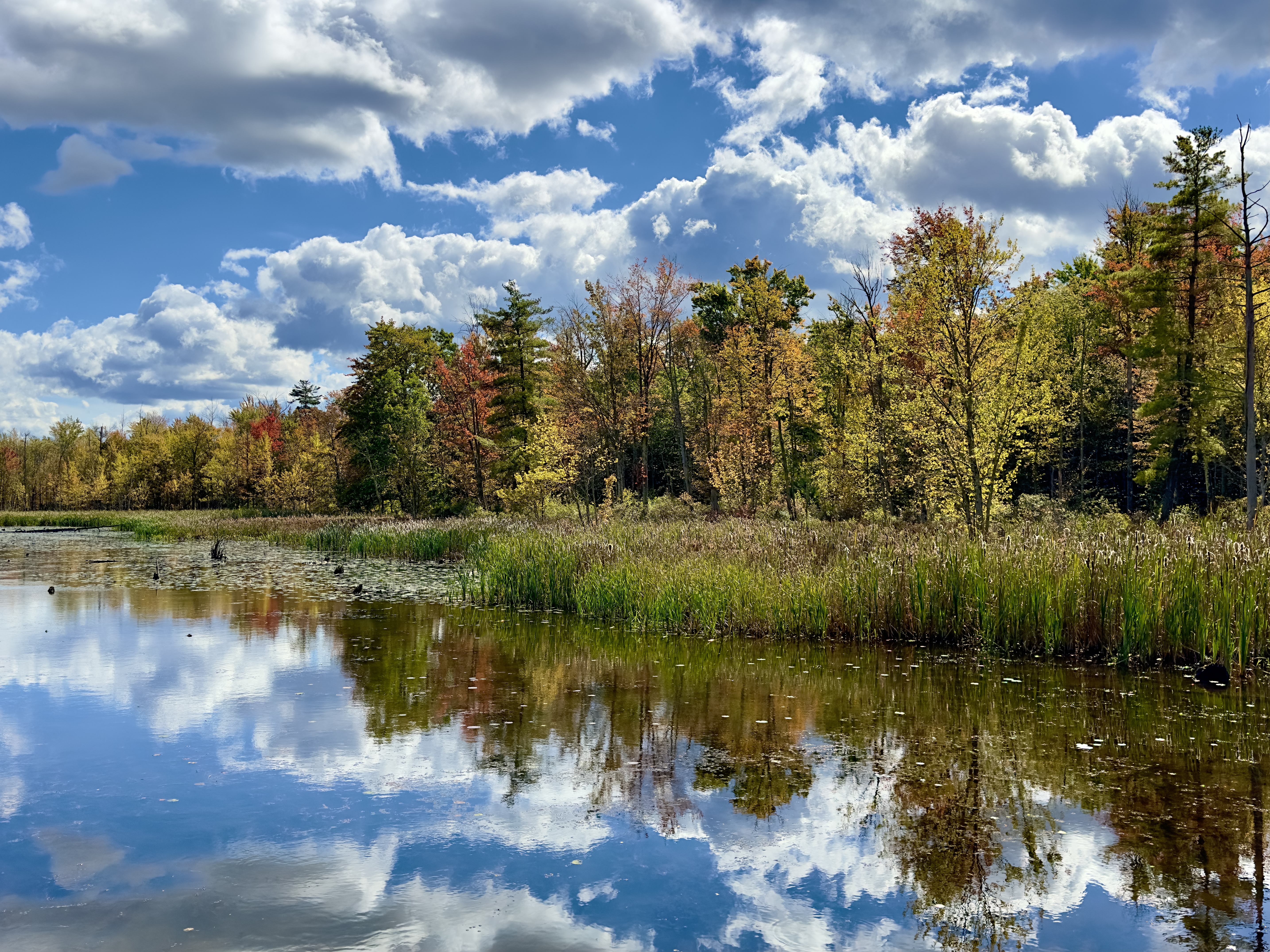
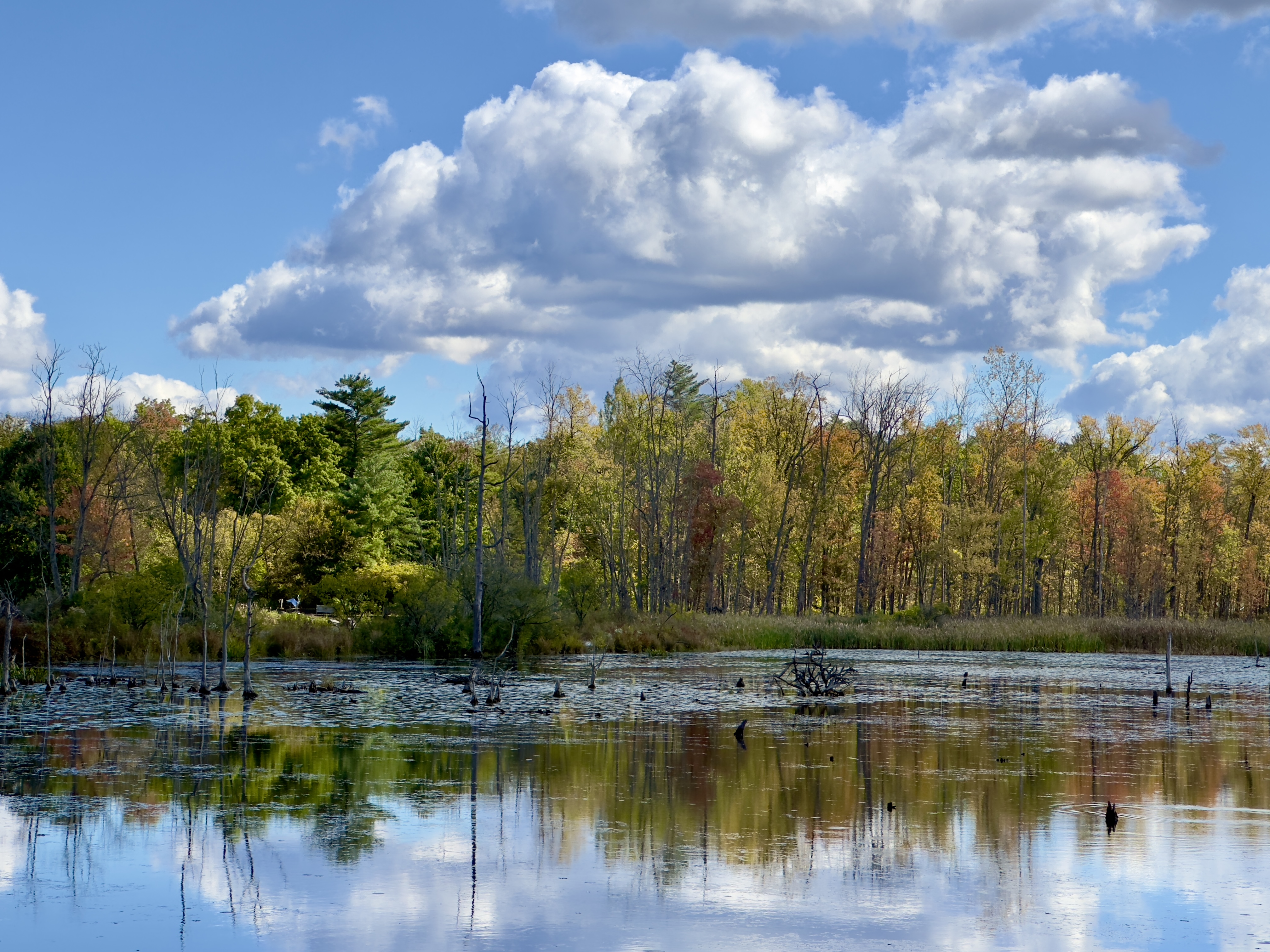
The trail unfolds gently, bordered by cattails and still waters that mirror the sky—a bright blue canvas mottled with soft clouds drifting in and out of the reflections. Fallen leaves float upon the pond’s surface, creating patches of color that seem suspended between water and sky. Nearby, lily pads, green stepping stones over shadowed depths, their edges lit by glittering sunlight. Geese glide by, unbothered, embodying a calm flowing outward, wrapping the whole scene in peace.
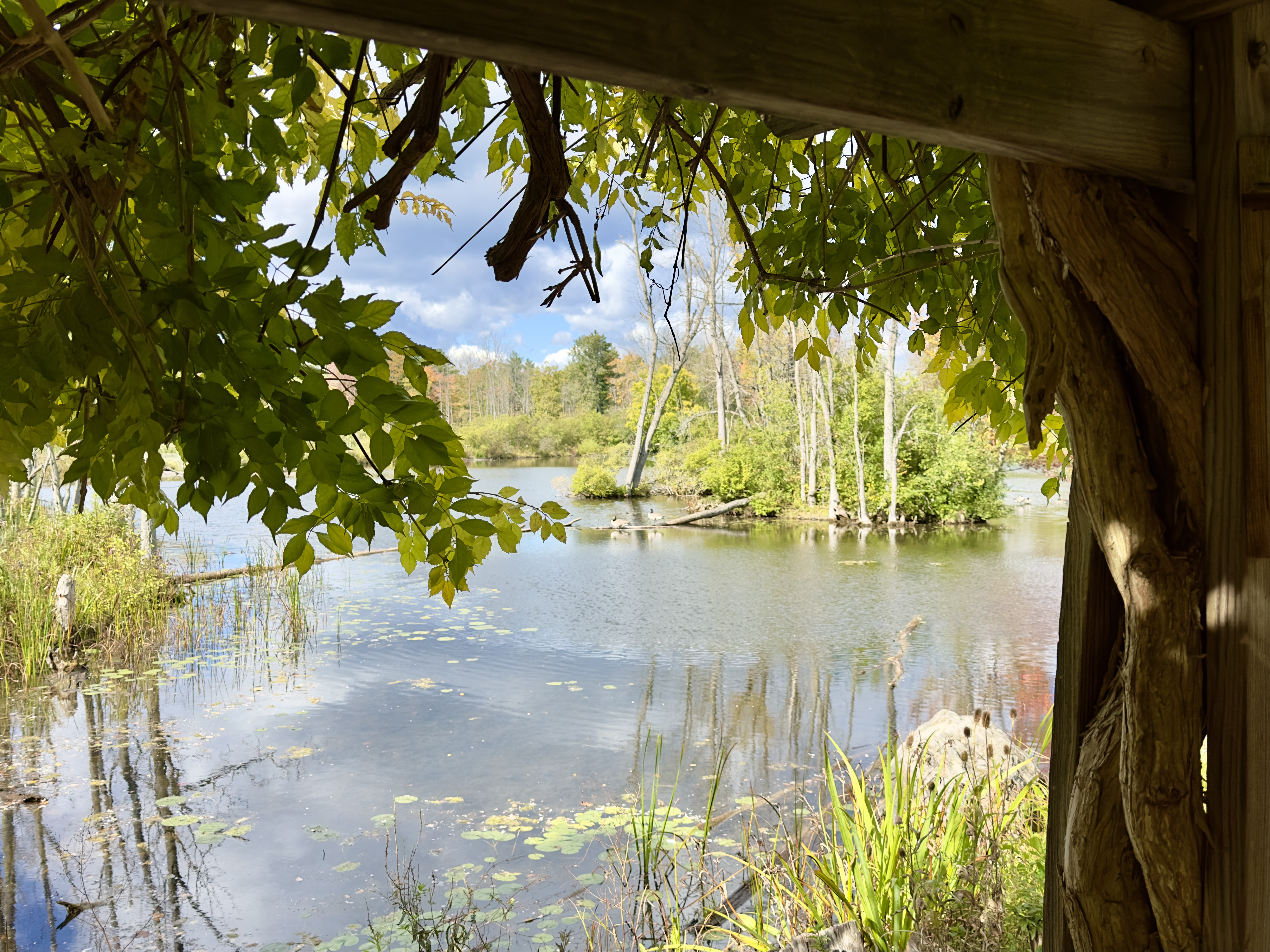
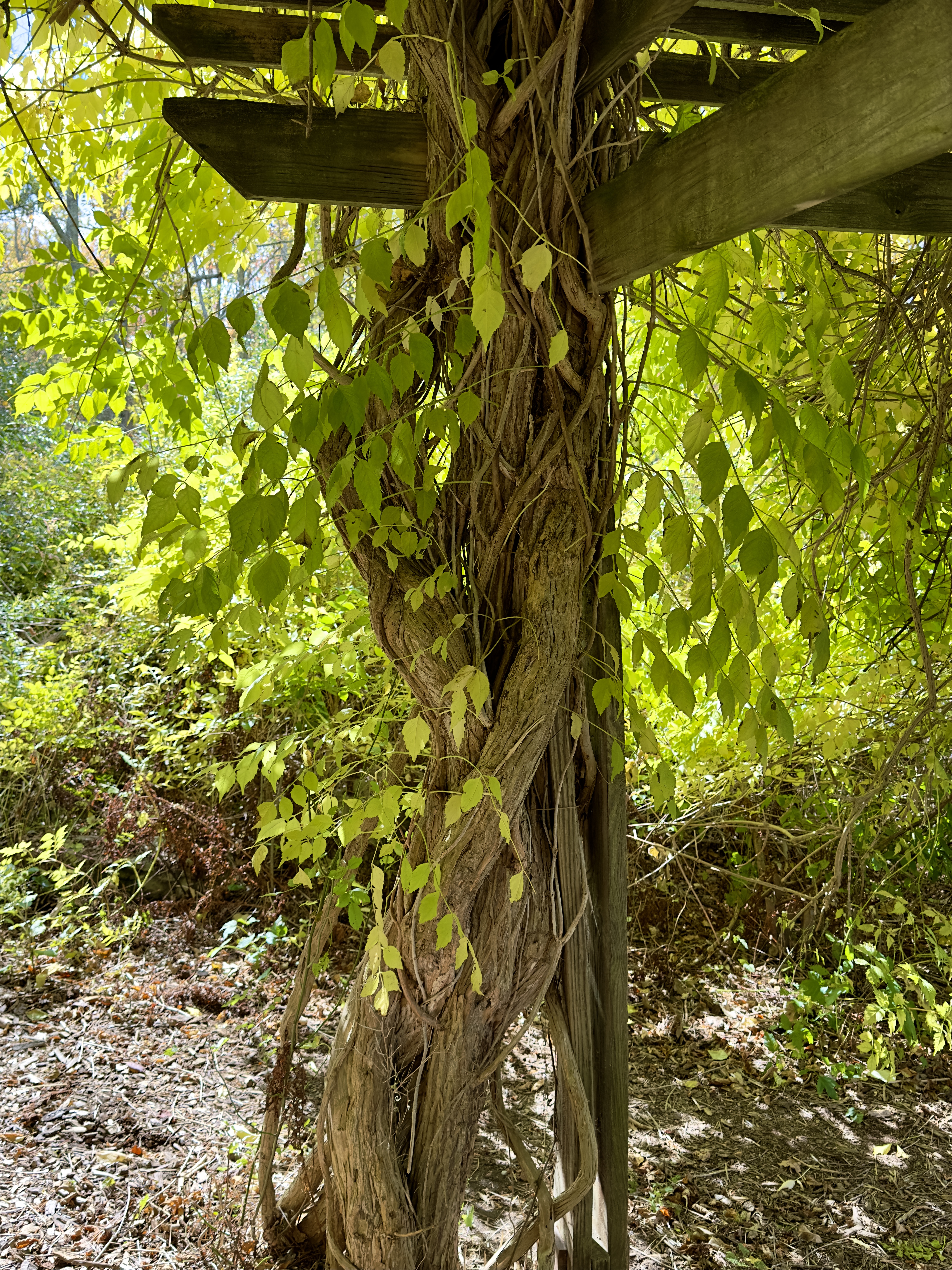
Each step Pam takes is deliberate, accompanied by the steady rhythm of her poles striking the ground. It is the kind of walk that invites contemplation, where time slows, and even the smallest detail—a single yellow leaf spiraling down, a ripple breaking the pond’s surface—feels like an invitation to pause and breathe. She moves from the open path toward a shaded arbor, draped with twisting vines. The vines climb upward, winding around the wooden beams, their leaves creating a soft veil that frames her view of the water beyond. Through this leafy curtain, she gazes upon the pond, where autumn’s reflection glows, offering a quiet moment of solitude, of healing drawn from nature’s persistence.
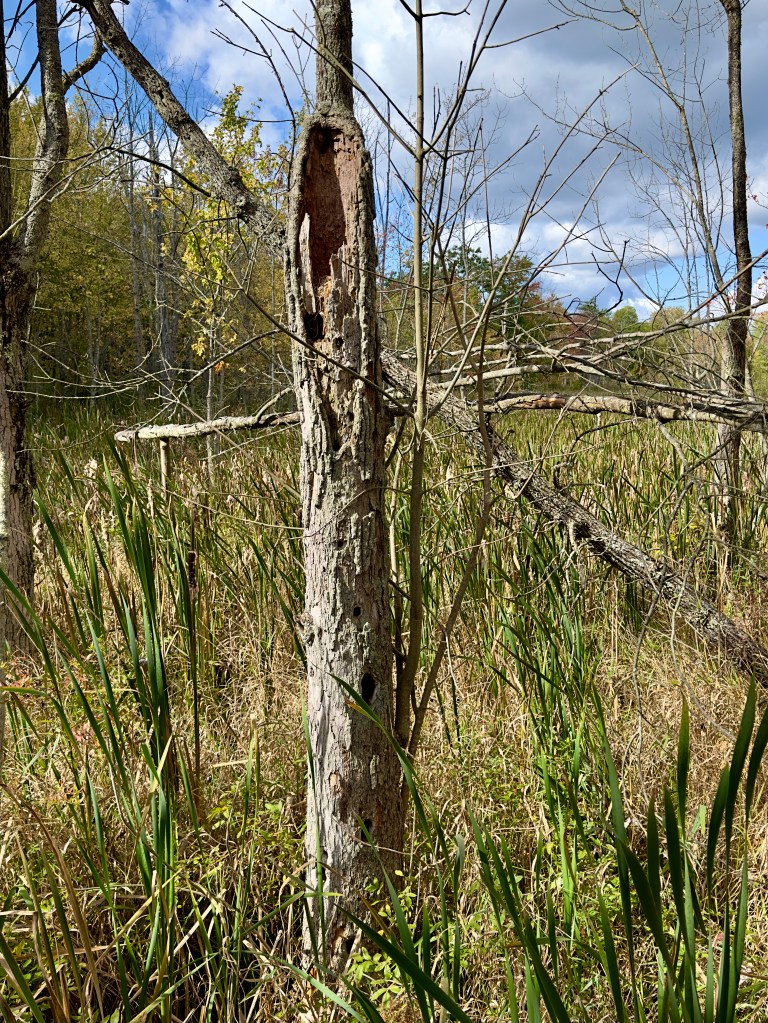
Just beyond, a bare tree stands, its trunk hollowed by years, its exposed wood testament to the life that has passed through it. In its decay, it offers a home to the creatures of the marsh, a structure among reeds and grasses that sway with the wind. The tree reminds Pam of her own journey, how resilience is often found in adapting, in letting time and life shape you.
At last, we reach a bench overlooking the pond, a perfect place to rest and reflect. She settles in, feeling the quiet thrill of accomplishment. The woods are still, save for the sound of a breeze rustling the reeds and the occasional bird song piercing the silence. In this moment, with the vast sky overhead and the world reflected below, she feels a profound sense of gratitude—not only for the beauty around her but for the strength within her. Sapsucker Woods are a personal cathedral, a space where nature and recovery intertwine, offering peace in every step, in every breath.
Enter your email to receive notification of future postings. I will not sell or share your email address.
Copyright 2024 All Rights Reserved Michael Stephen Wills
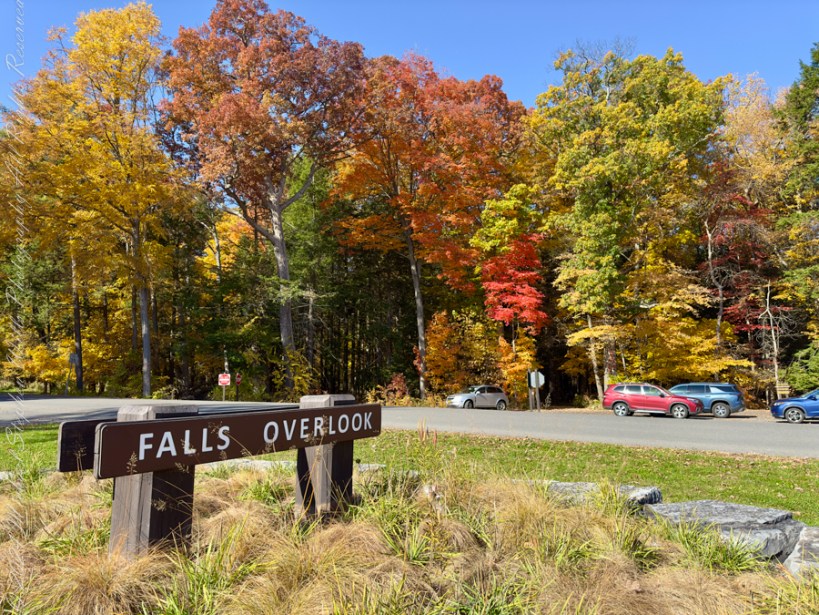
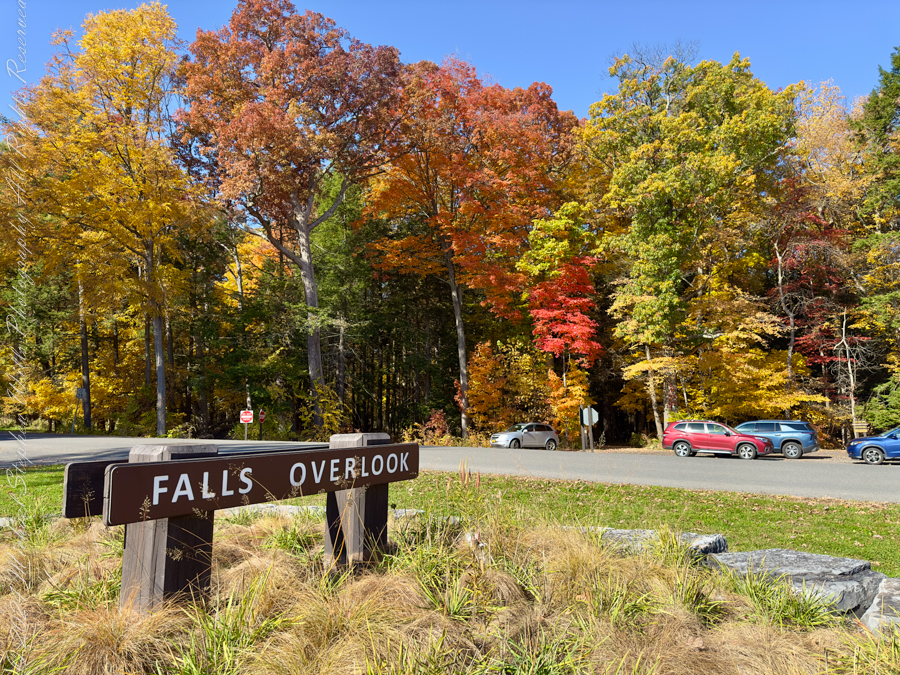
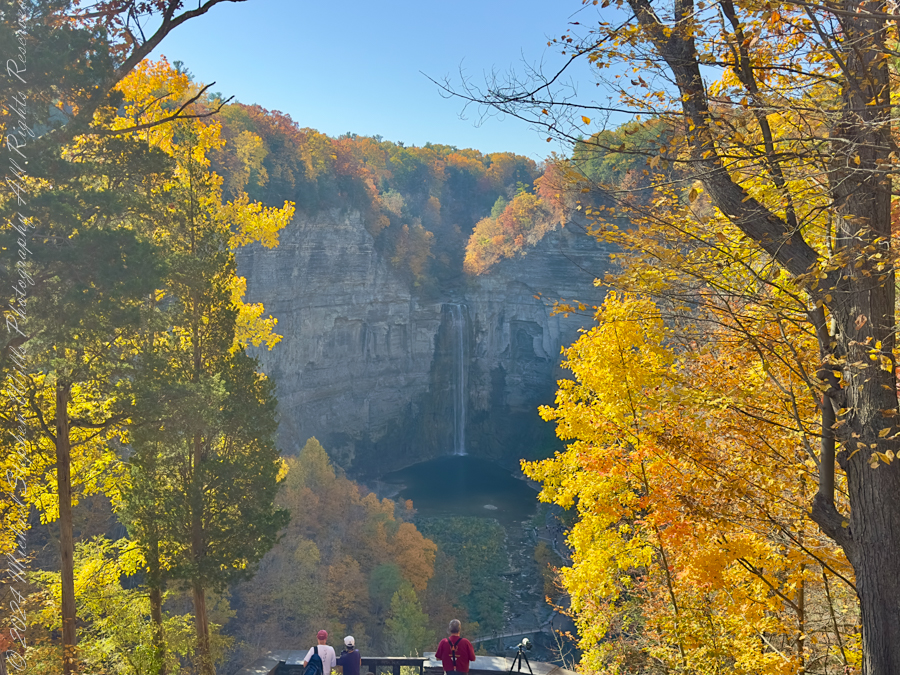
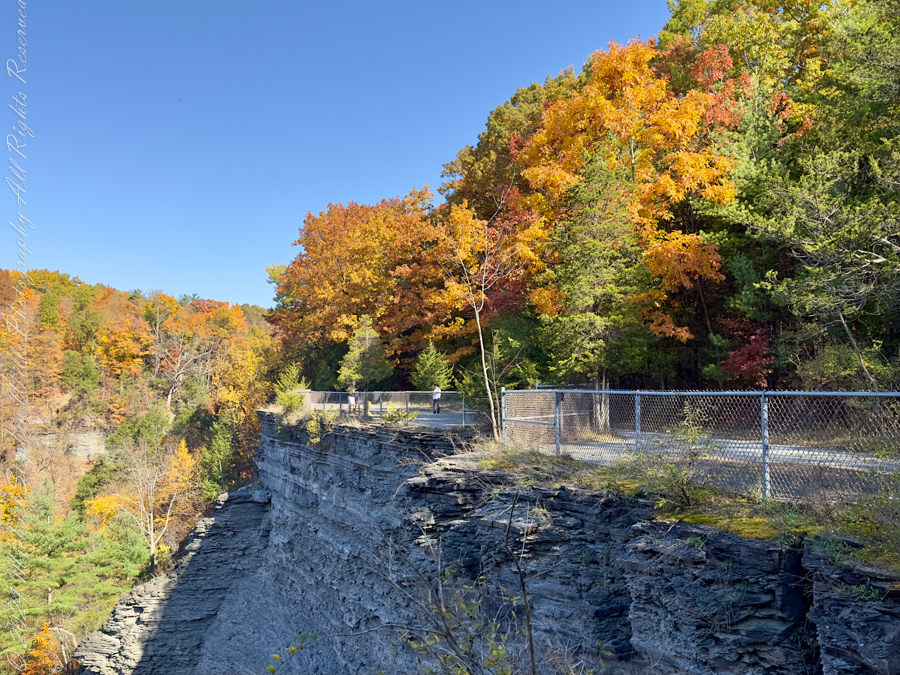
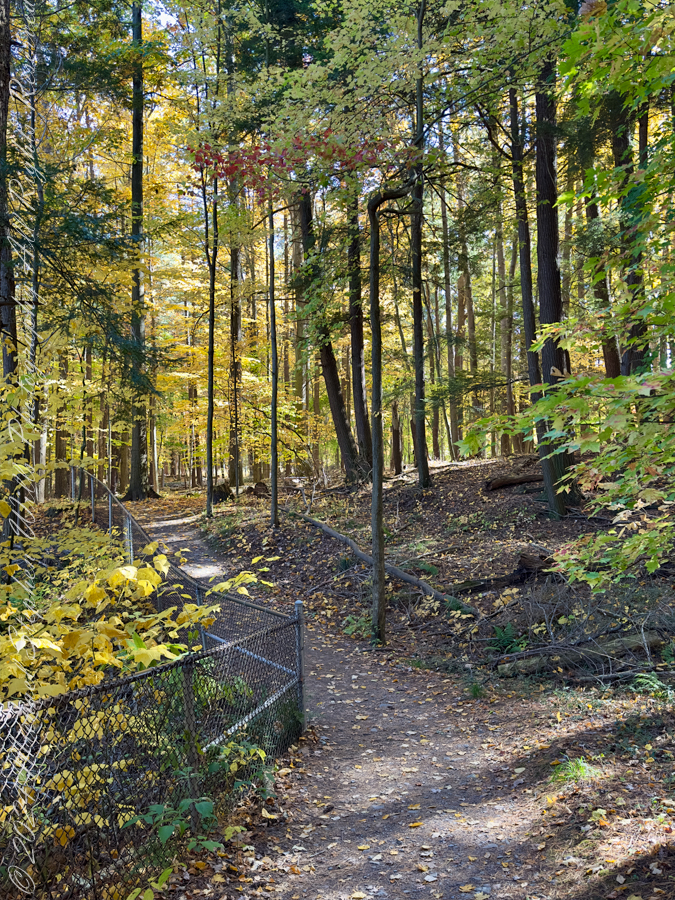
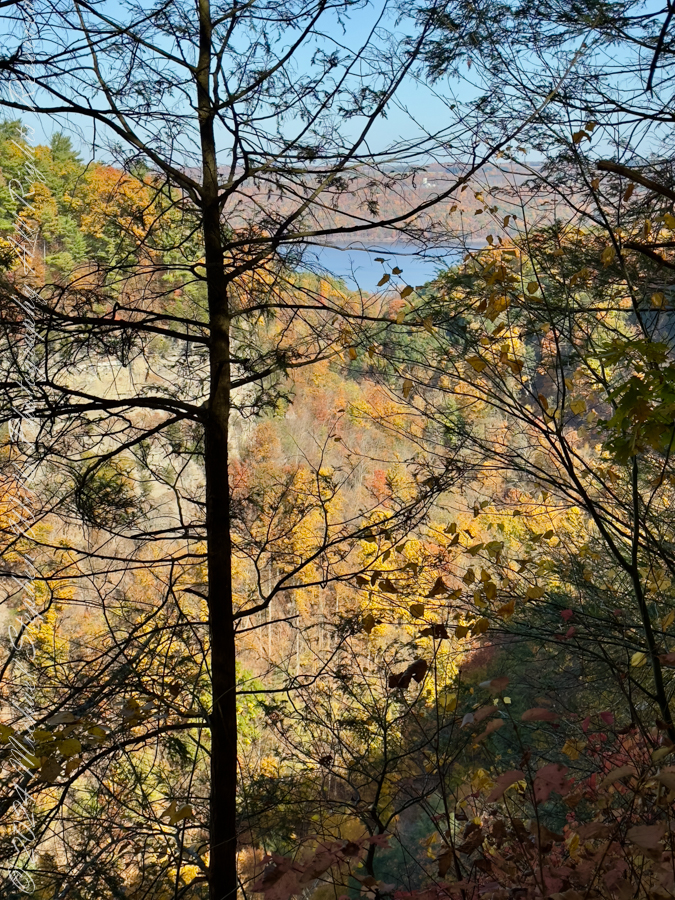
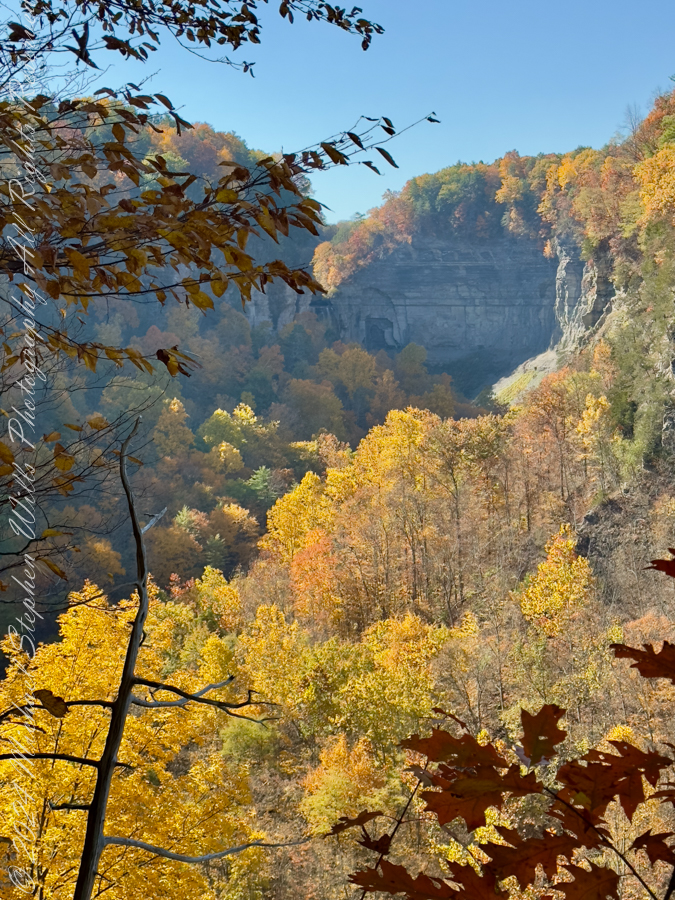
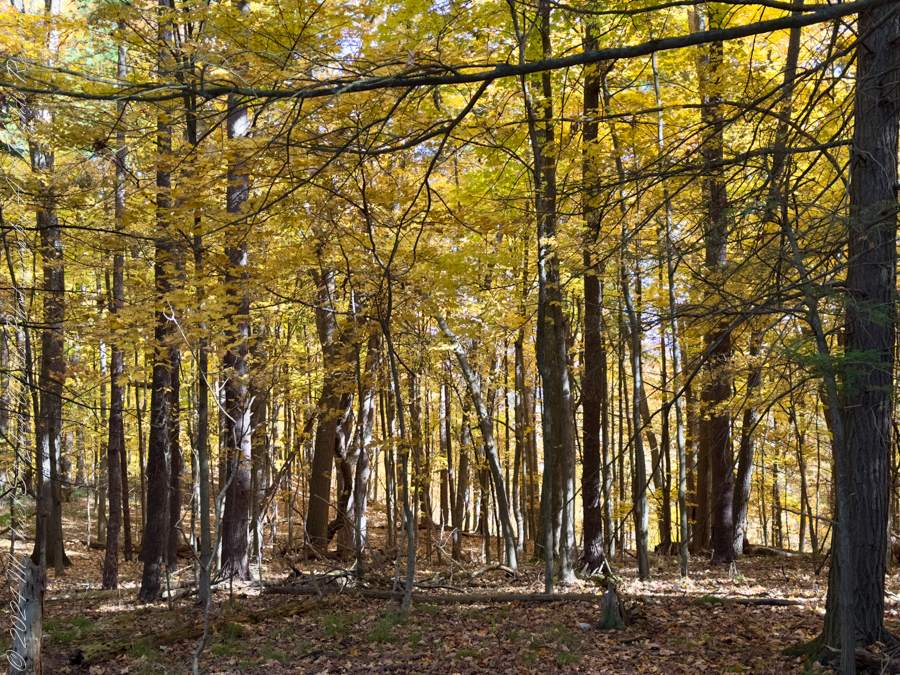
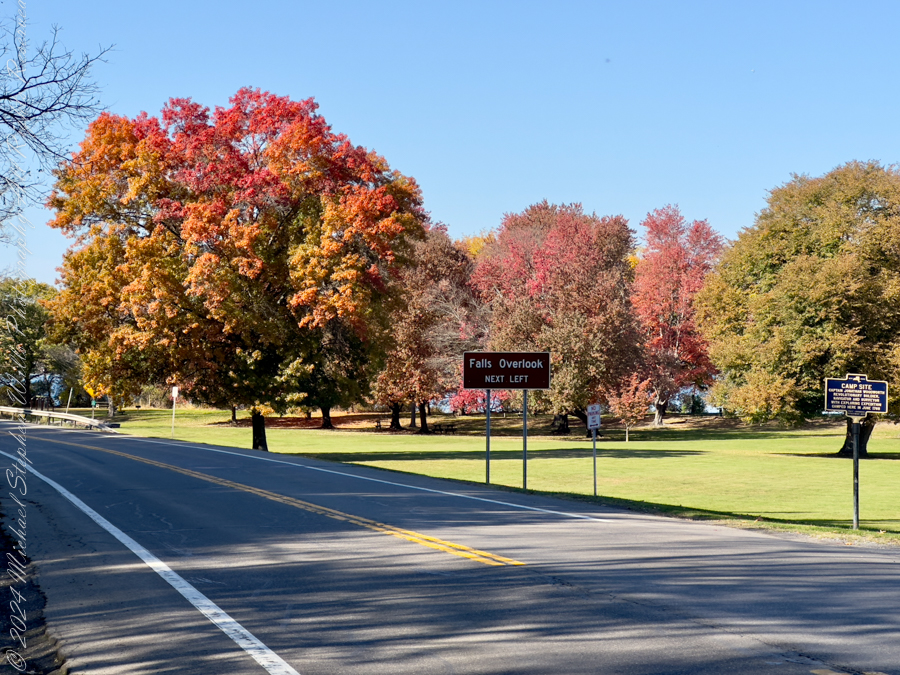
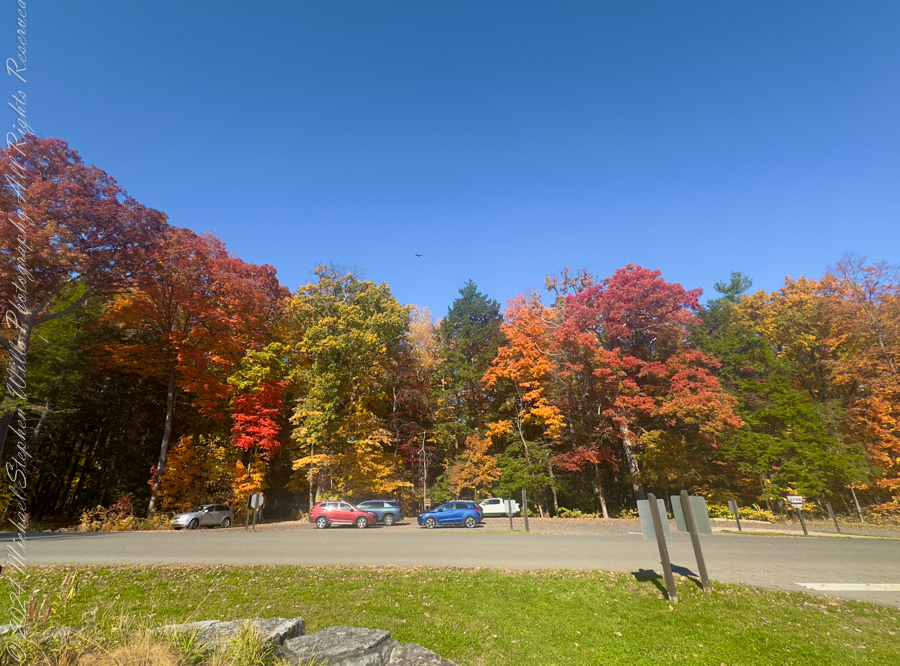
As I set foot on the Falls Overlook at Taughannock Falls State Park, I was greeted by a symphony of autumn colors in their full glory. The vibrant oranges, reds, and yellows of the trees framed the scene, setting the stage for a perfect fall day. I lingered, taking in the view of cars nestled among the foliage, their colors almost merging with the rich autumn hues surrounding them. The sign for the “Falls Overlook” hinted at the journey ahead.
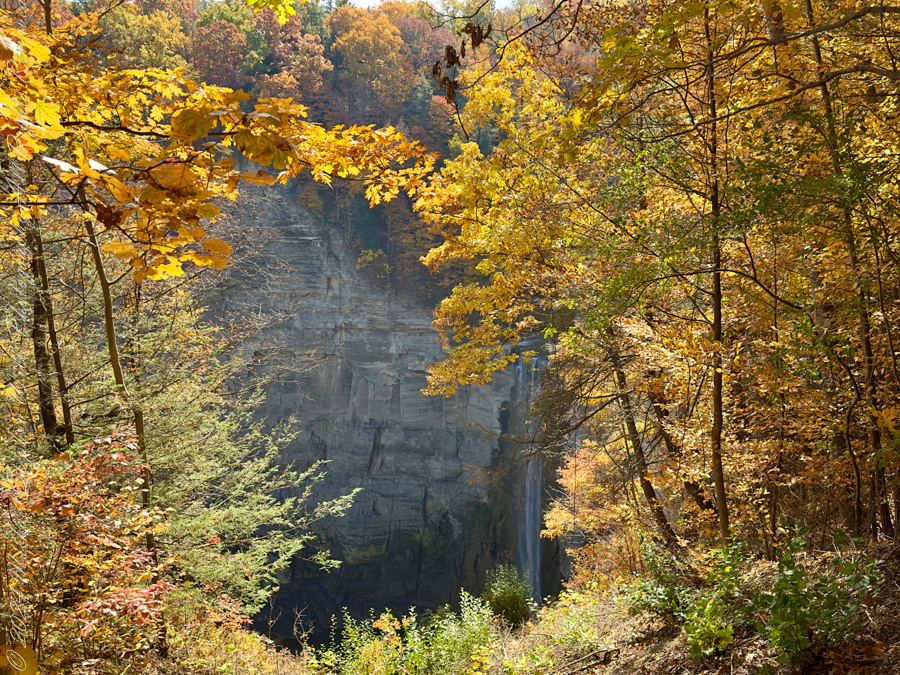
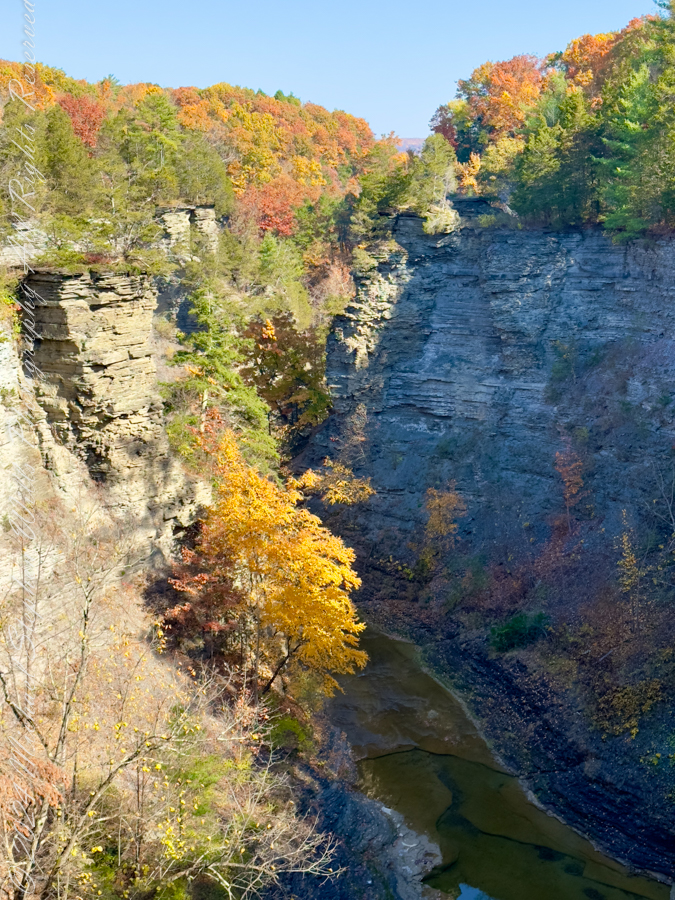
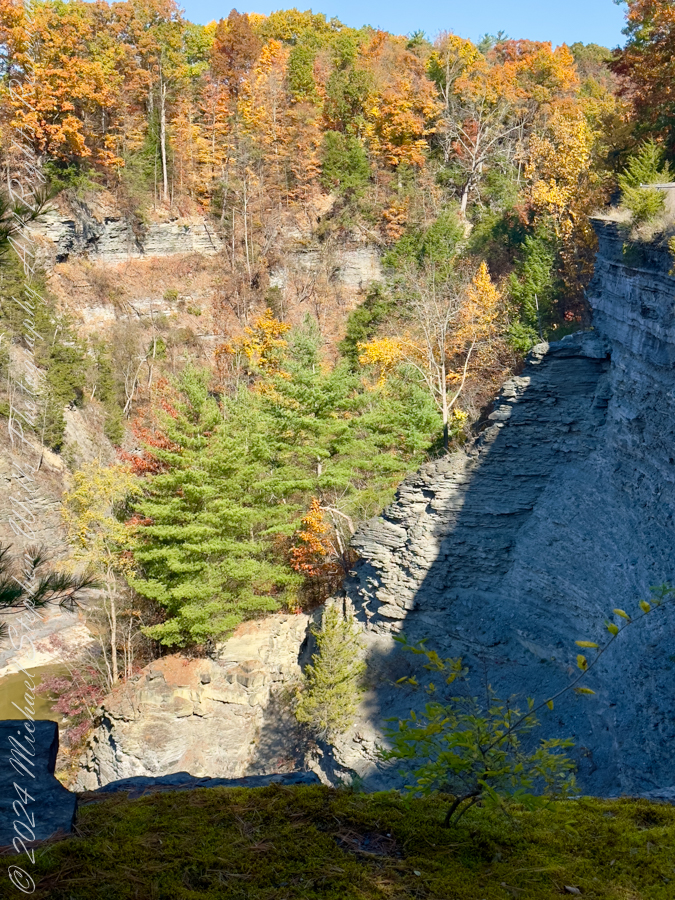
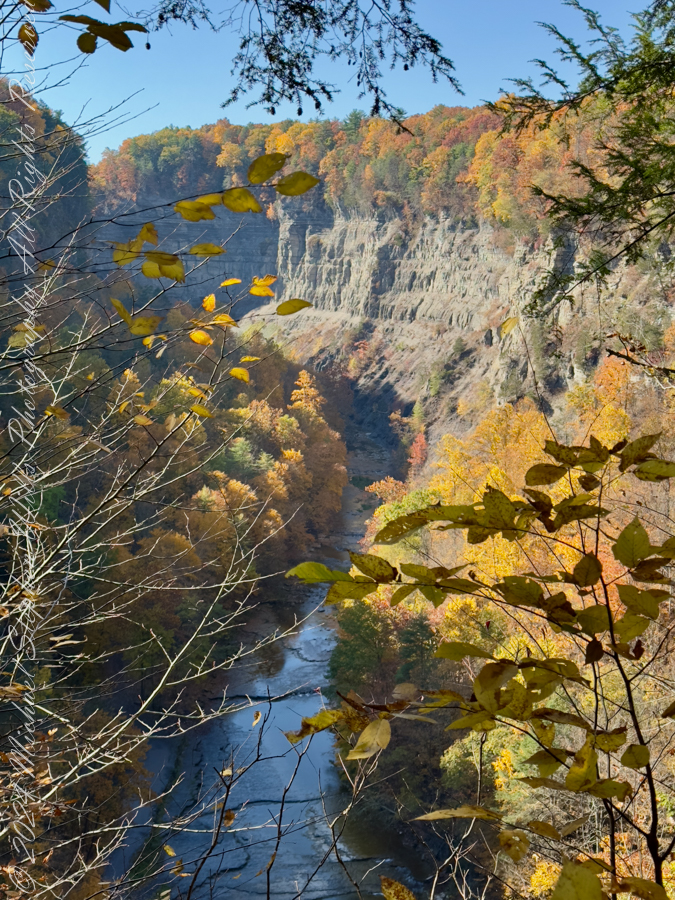
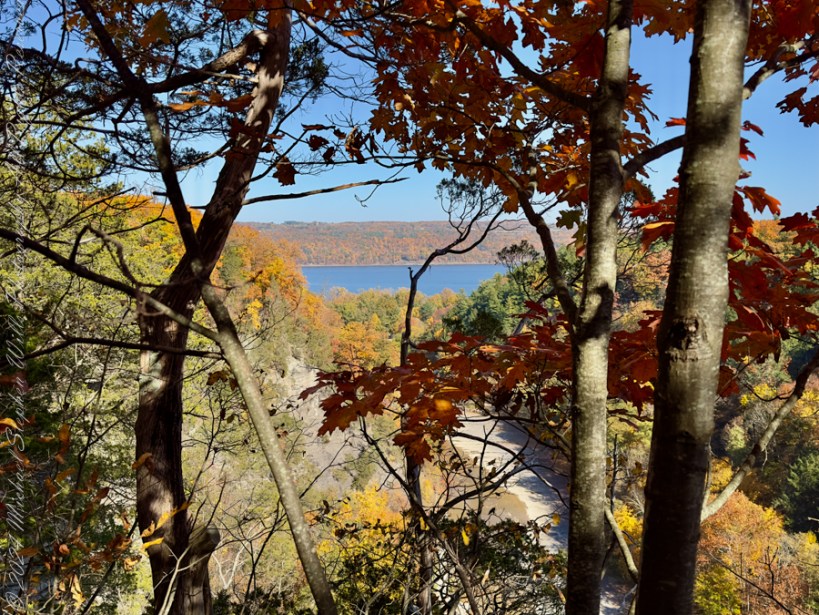
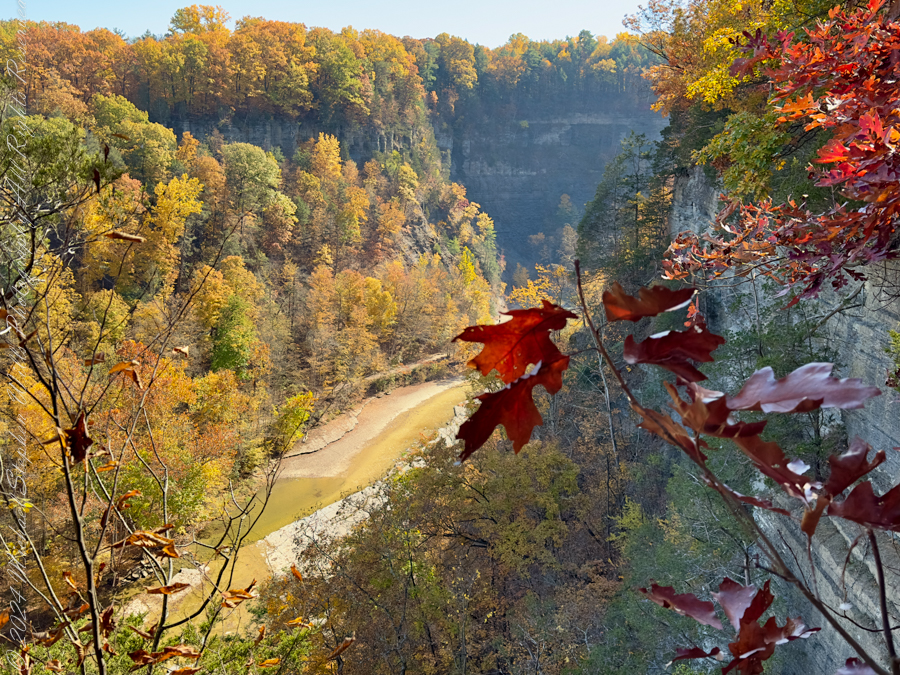
The overlook offered a breathtaking view, a gentle reminder of nature’s power as Taughannock Falls cascaded far below, framed by rugged cliffs and vibrant trees. Through gaps in the golden leaves, I could catch glimpses of the waterfall, a delicate white ribbon against the slate-gray rock. The sunlight filtered through the canopy, casting dappled shadows and illuminating leaves like stained glass, painting the landscape in a thousand shades.
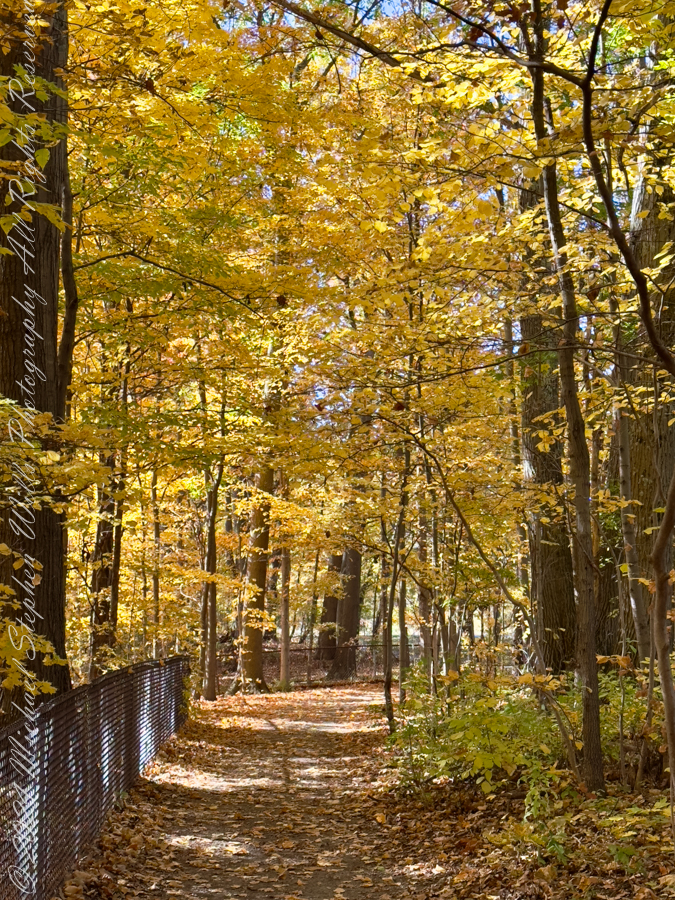
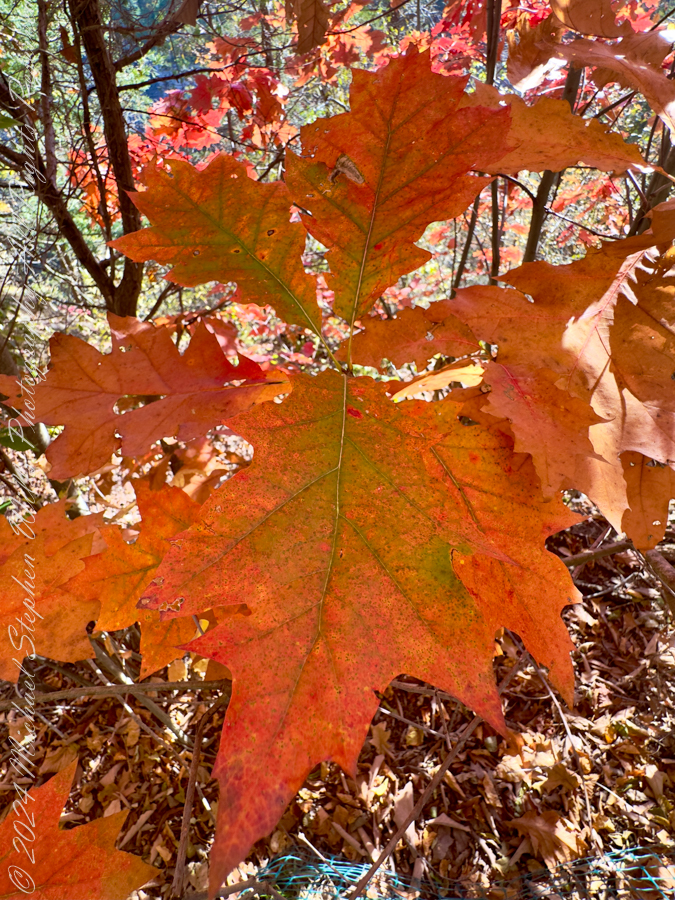
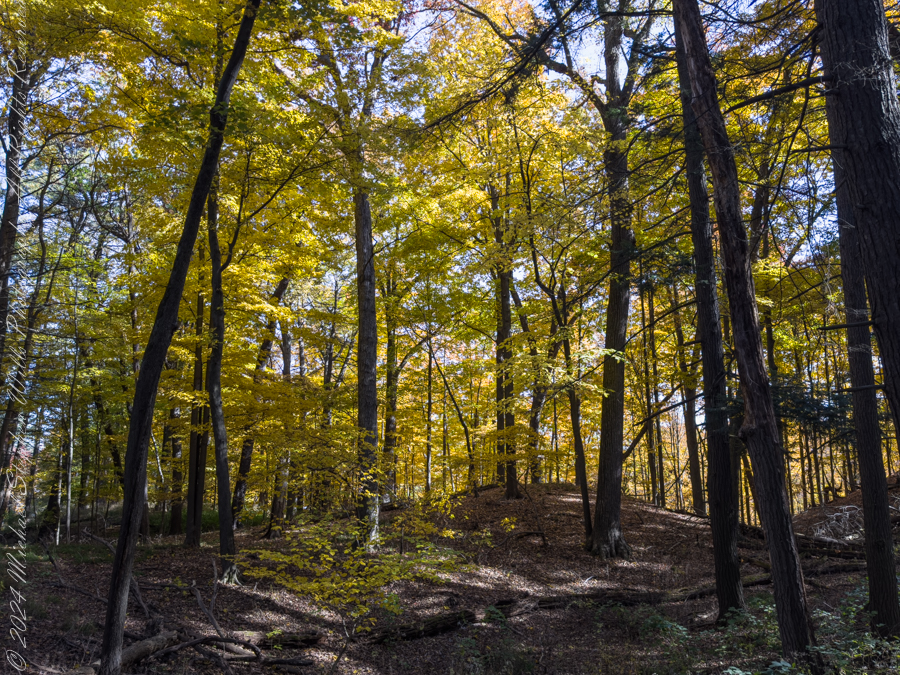
I began my ascent up the North Rim Trail, where the path twisted beneath a tunnel of golden branches. The trail was carpeted with leaves, crunching underfoot with each step. The air was crisp, filled with the earthy scent of decaying leaves and moist earth. Sunlight poured through gaps in the canopy, lighting up patches of ferns and casting long shadows on the rocky path. Here and there, the yellow and brown hues gave way to a burst of crimson, the leaves vivid and almost glowing in the sunlight.
The trail led me along the cliff’s edge, where the river carved its path below. Pausing on the footbridge to the south rim, a former railroad, I looked out over the gorge, admiring the mosaic of colors stretching as far as the eye could see. In the distance, the sound of the falls drifted up to me, a soft, continuous roar that lent the forest an almost mystical air. It was hard not to feel a sense of awe at the raw beauty of the scene.
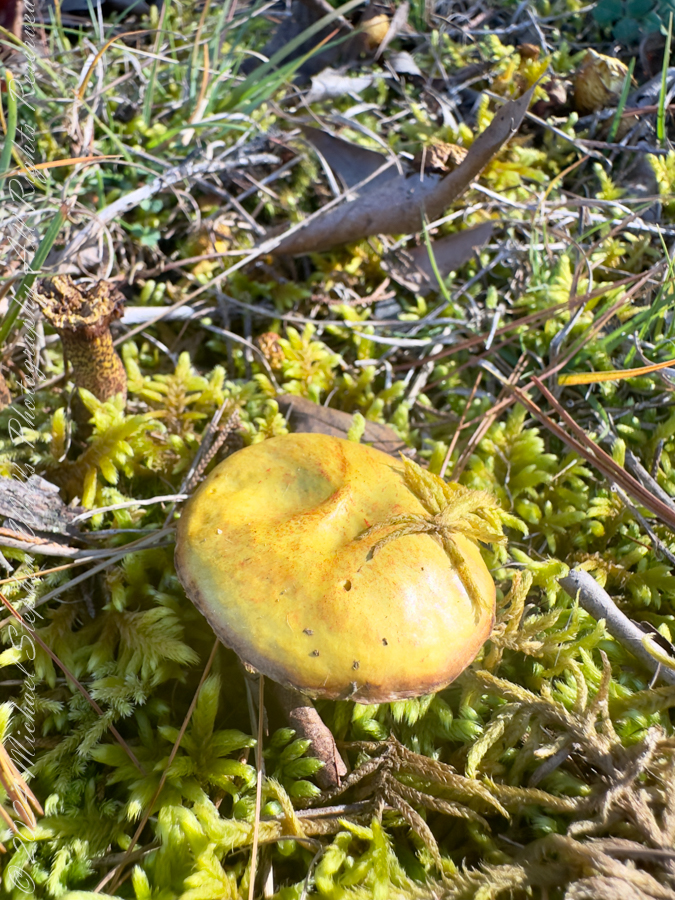
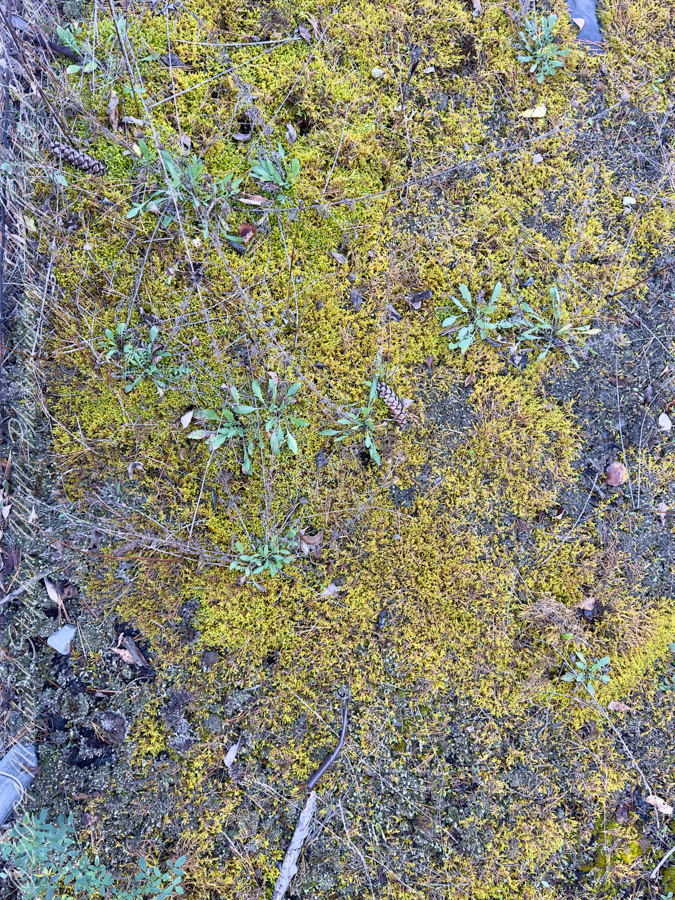
Eventually, I made my way down the South Rim Trail. There were ample distractions from the glorious foliage. A lone mushroom, golden and nestled in a bed of moss, caught my eye—a small reminder of the forest’s quiet life. I bent down to examine it, marveling at its delicate cap and the way it seemed to glow against the lush green moss. The trees here were denser, casting cool shadows that contrasted with the sun-drenched north side. The leaves here were thicker underfoot, their earthy scent more pronounced, grounding me in the moment.
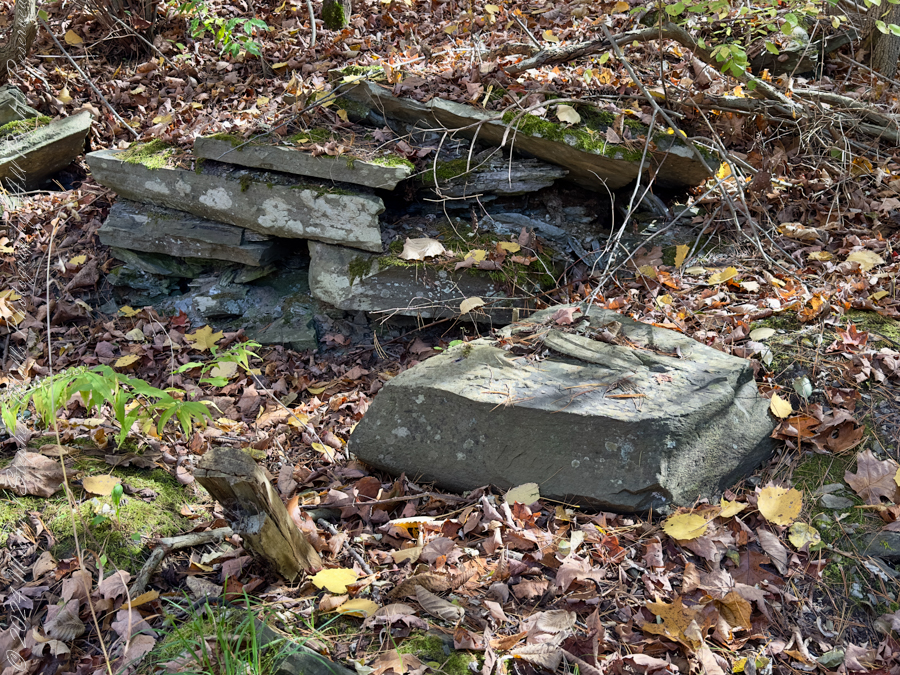
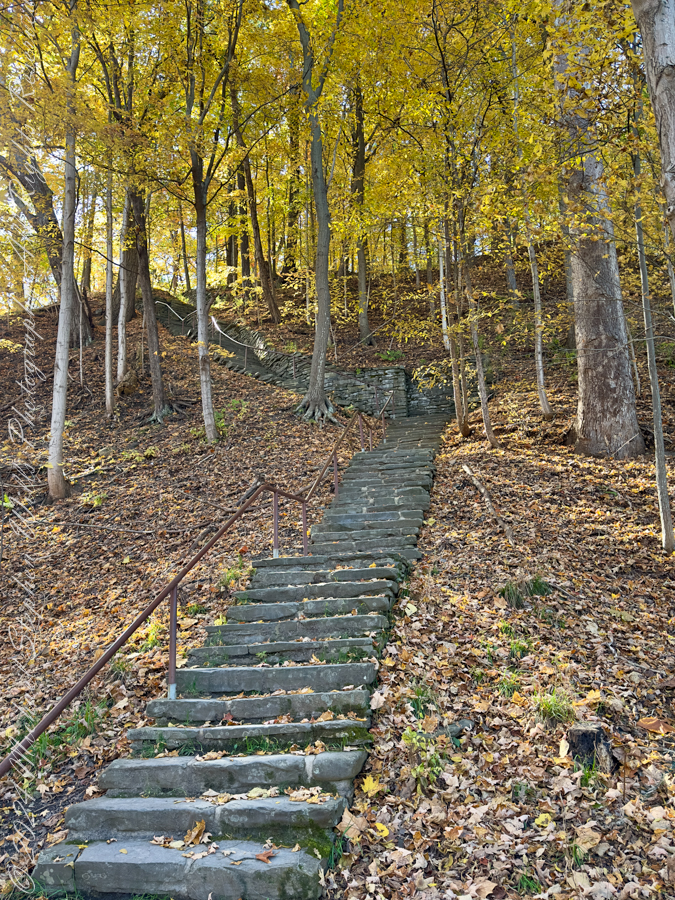
As I reached the lower section of the trail, I noticed an old stone staircase winding up through the trees to the north rim—a relic from another time, adding a touch of mystery to the path. Each step was worn smooth by countless feet, each one a reminder of the generations that had walked these trails before me. The stairs climbed through a cathedral of trees, each trunk tall and straight, as if standing guard over the trail.
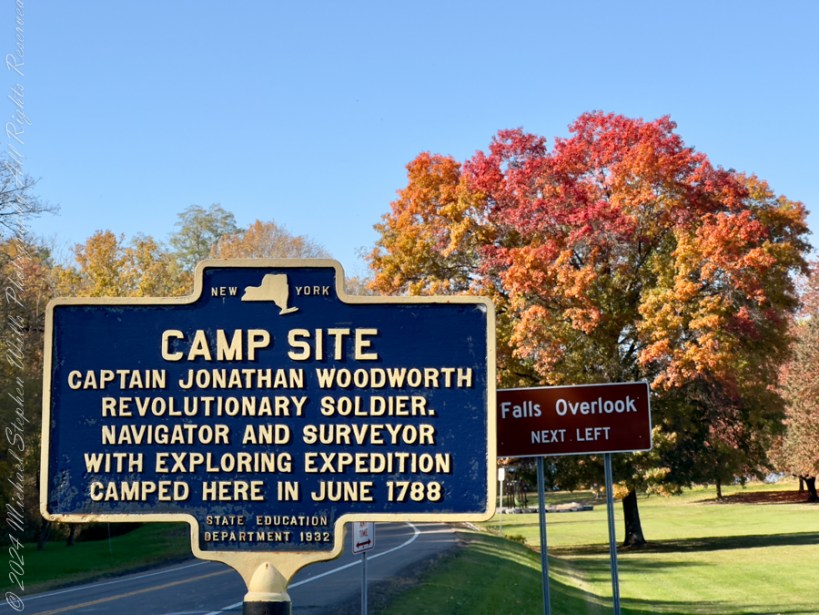
On my way around I passed by a historical marker, a blue and yellow sign commemorating the camp site of Captain Jonathan Woodworth, a Revolutionary soldier who camped here in June 1788. It was a reminder that these trails, this land, had been cherished long before my steps fell upon it.
After reaching the base of the South Rim Trail, I looped back up the North Rim. The trail now felt familiar, yet the changing light gave it a new character. The sun was lower, casting a golden glow across the tops of the trees.
As I returned to my starting point, the sun cast a soft, warm light across the landscape, bathing the park in an ethereal glow. With one last look over the falls and the vivid tapestry of trees, I felt a sense of gratitude. Taughannock Falls State Park in autumn is an experience, one that leaves an indelible mark, reminding us of the beauty and timelessness of the natural world.
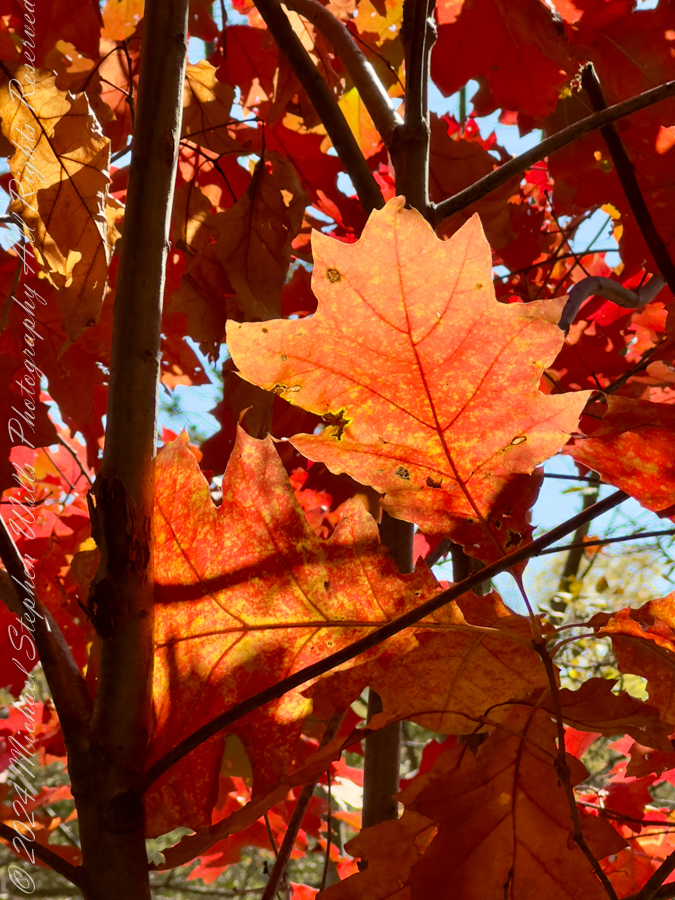
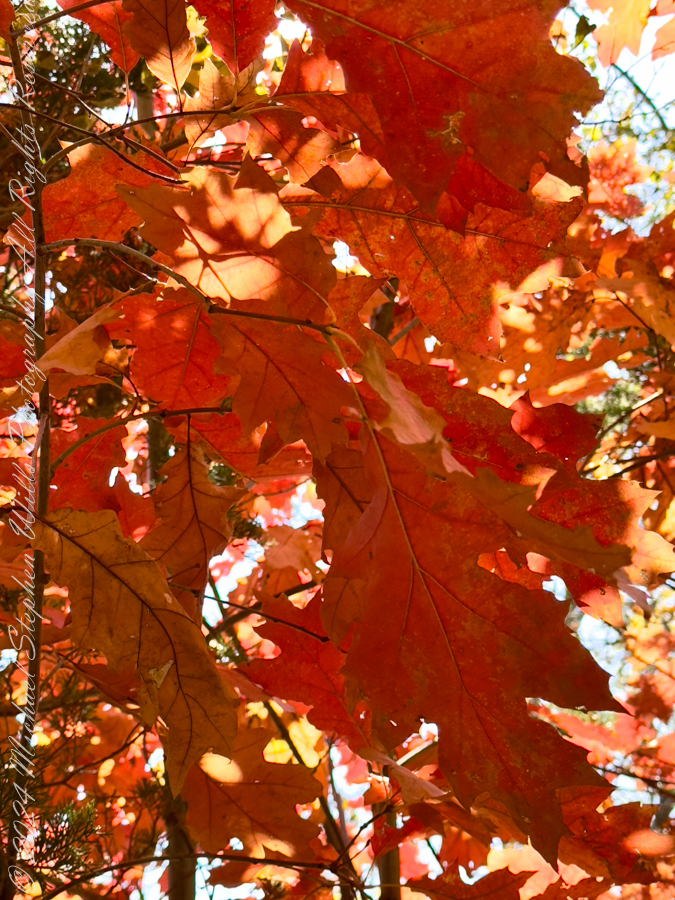
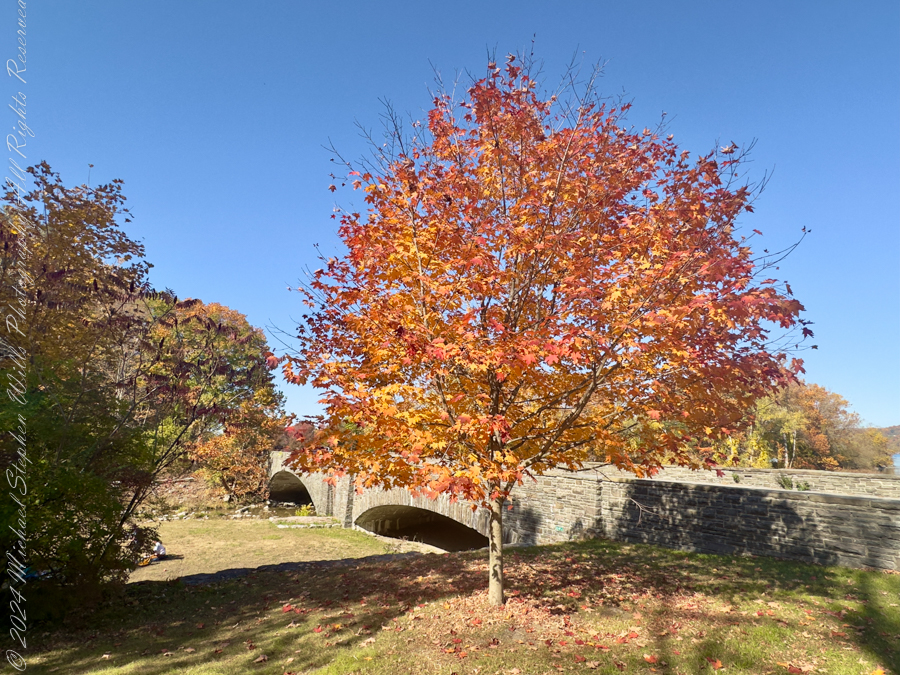
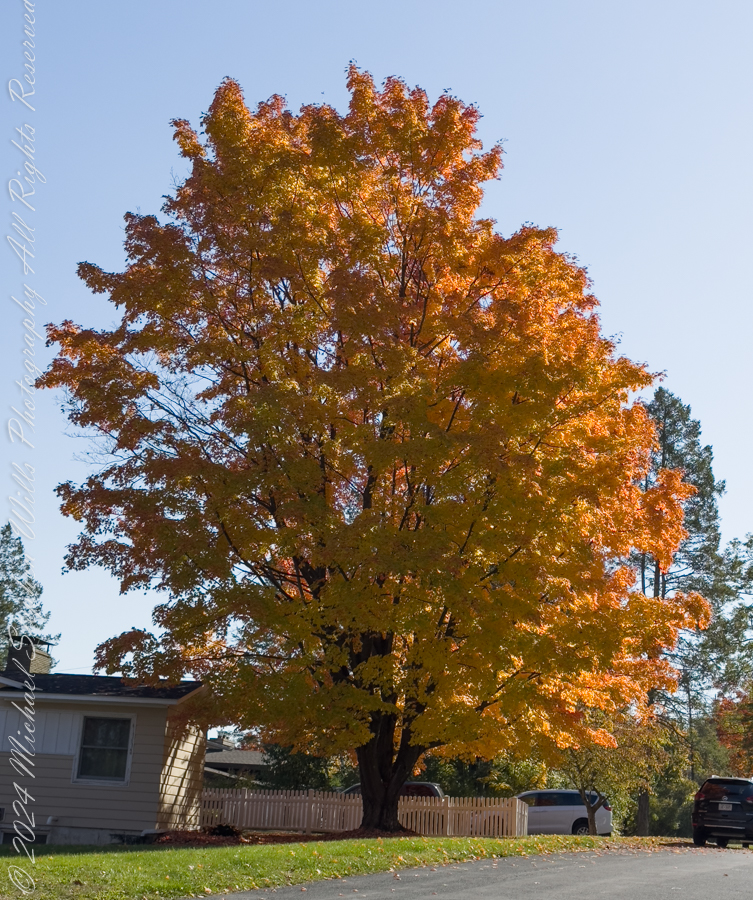
On the drive home I paused to admire a neighbor’s maple tree’s full autumn glory.
Enter your email to receive notification of future postings. I will not sell or share your email address.
Copyright 2024 All Rights Reserved Michael Stephen Wills
The wind carries the rhythm of the waves as clouds drift across the sky, their reflections shimmering on the sand. A lone feather lies half-buried, a quiet reminder of nature’s gentle yet untamed beauty. In the midst of winter’s rawness, there’s a peaceful stillness, inviting you to pause and take in the moment.
There’s a magic in the embrace of a winter afternoon at Cocoa Beach, where cold northern winds rush down, meeting the Atlantic’s gentle roar. A brush has stroked the heavens; a sky painted with clouds, each towering and shifting, soft yet mighty. With weight and grace, they hang in the sky; some laden with the promise of rain, others light and carefree, echoing the ever-changing rhythm of the sea below. As the sun dips, its rays break through, illuminating the clouds and casting reflections on the wet sand, where the ocean’s kisses linger before retreating back to the deep.
The wind tugs at my clothes, my hair, my thoughts. It whispers its secrets, telling stories of distant places, of journeys. With patterns chaotic yet somehow harmonized; waves, frothing and white, crash in sync with the wind’s song. They stretch their fingers onto the shore before retreating, playing an endless game of tag with the land. The sand, smooth and glistening, mirrors the clouds above, creating an ephemeral connection between earth and sky. Both are locked in a fleeting dance, destined to dissolve with the tide.
Amid the sound of wind and water, the sight of a lone feather caught my eye. Half-buried in the sand, its delicate barbs were still intact, though weathered by the elements. It was a remnant of life, a testament to the flight of some seabird now long gone. This feather, in its stillness, speaks volumes—of resilience, of the endless passage of time, of moments lost to the wind yet immortalized in the quiet present. Its grooves, like fine lines etched in sand, tell the story of its journey through the air, carried by forces unseen yet deeply felt.
The feather, lying motionless yet deeply expressive, becomes a symbol of the paradoxes that fill this beach: the immensity of the ocean, infinite in its expanse, and the simplicity of a single object, caught and held for just a moment. The windswept beach feels vast, stretching endlessly before me, yet each step I take reveals intricate details, like the delicate curves and patterns of shells half-buried in the sand, or the ephemeral foam left behind by retreating waves. Each part of this landscape tells a story—the grand and the intimate, the eternal and the fleeting, all coexisting in perfect harmony.
Standing here, enveloped by the wind and the sea’s whispers, I am reminded of the power of nature to humble and uplift. It strips away the noise of everyday life, leaving only the raw, untamed elements that have been here long before us and will remain long after. There is something deeply spiritual about this place, this moment—where the only sounds are the natural rhythms of the world, unbroken by human intervention. The beach, with its vast openness, encourages introspection, a reflection not only on the external beauty but also on the inner landscapes of the mind.
The wind, relentless and free, stirs a sense of renewal in me. It is a force that clears the air, both literally and figuratively, sweeping away stagnant thoughts and opening space for new ones to emerge. The crispness of the cold air invigorates, reminding me that even in the depths of winter, life continues—whether in the ceaseless movement of the ocean or the endurance of the small feather resting in the sand. There is beauty in the starkness, in the way the beach in winter feels both desolate and alive, silent yet full of sound.
As I walk along the shore, I realize that this windy January afternoon on Cocoa Beach is an experience to feel deeply. The wind, the waves, the sky, the sand—all are part of a larger, connected whole, a living tapestry that, though ever-changing, remains constant in its presence. There is comfort in knowing that no matter how many times I return to this beach, it will always offer something new, yet familiar.
In the end, the beauty of this moment lies in its simplicity and grandeur, in the way it invites contemplation while remaining indifferent to whether or not we notice. The ocean will continue its dance with the shore, the wind will carry its stories, and the feather will eventually be swept away. But for now, in this moment, it is all here, waiting to be seen, felt, and cherished.
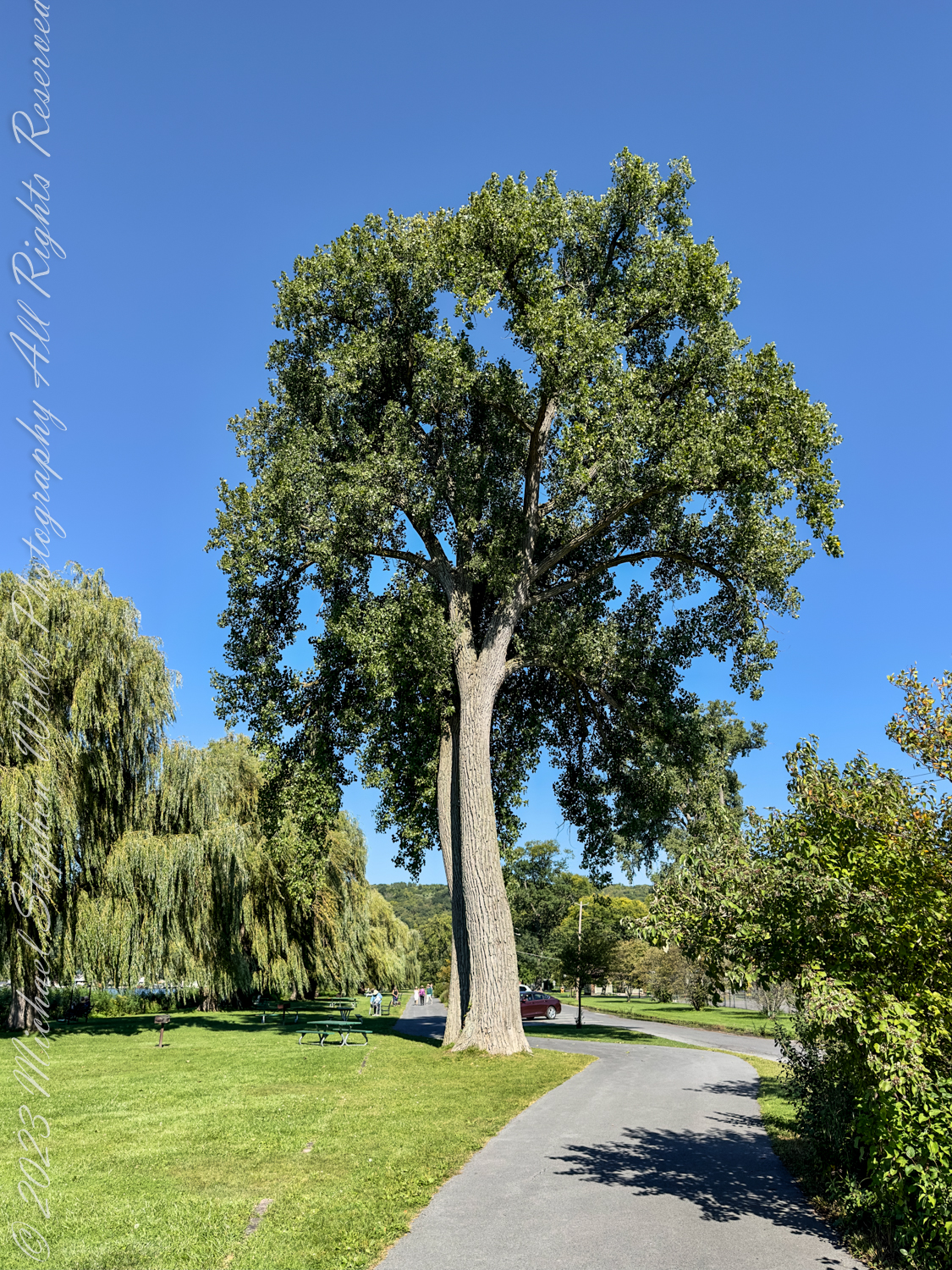
Discover the timeless beauty of two towering Cottonwood trees along the shores of Cayuga Lake. Explore their natural history, cultural significance, and how they’ve shaped the landscape of Stewart Park for generations.
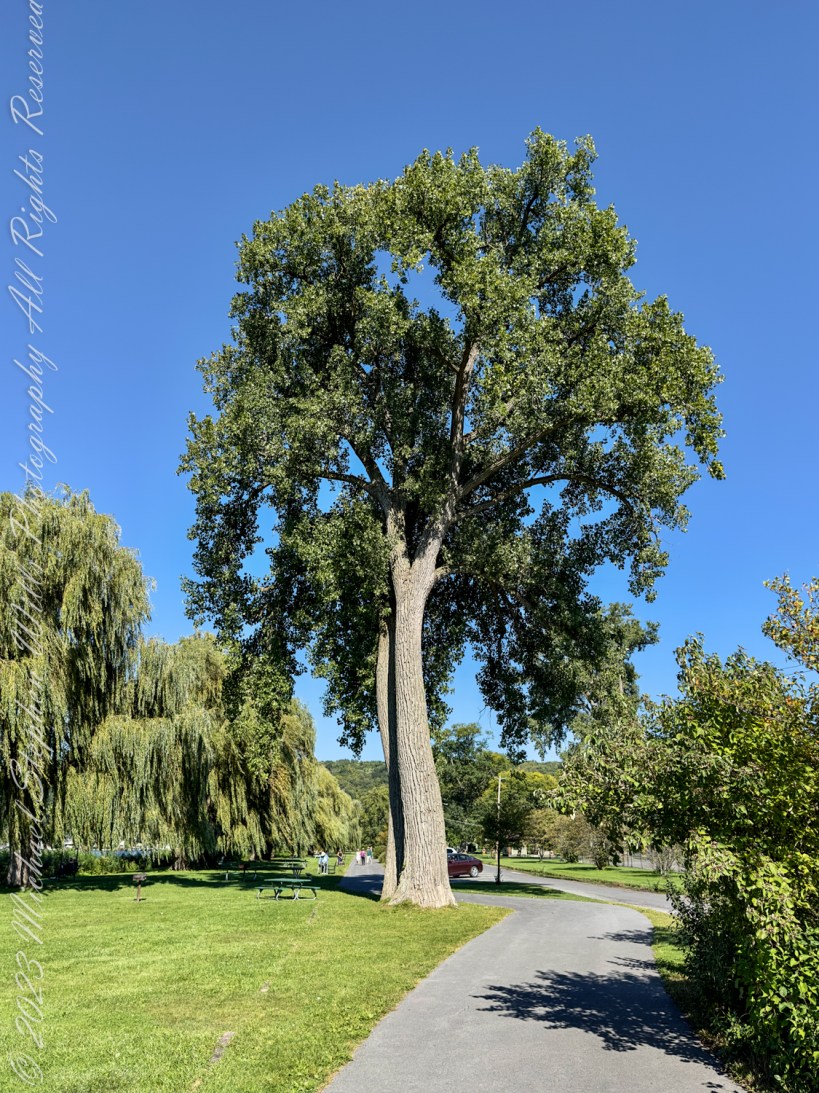
Walking with Pam in Stewart Park, the shores of Cayuga Lake shimmer under the bright September sun, offering a serene setting for reflection. Ahead, two towering Cottonwood trees stand in quiet majesty, their branches spreading wide, casting long shadows over the grass and walkway. Drawn toward them, I find myself in awe of their presence—these two trees, ancient sentinels by the water, who have silently borne witness to the changing world around them.
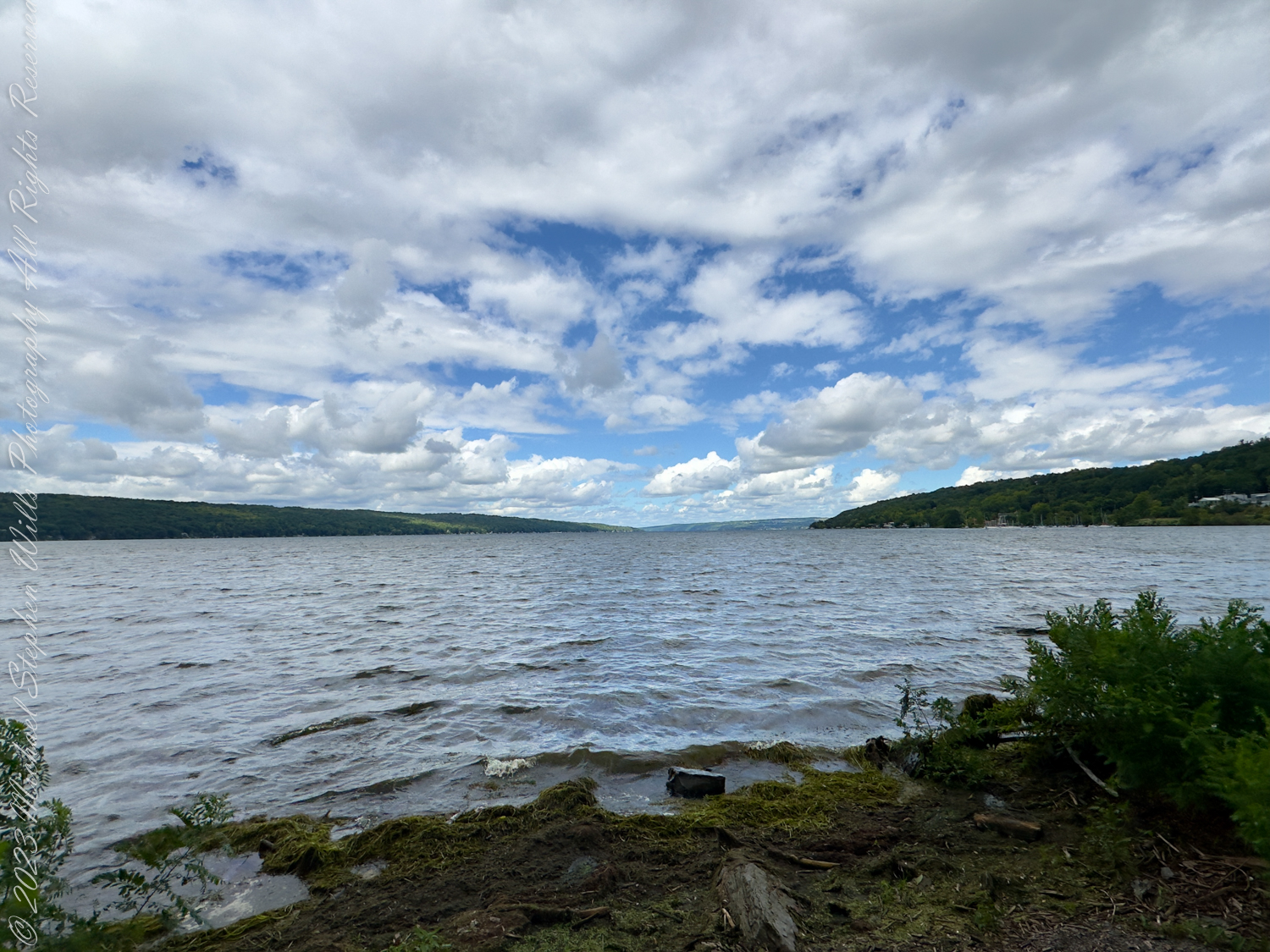
View Facing East/Southeast, September 10, 2024
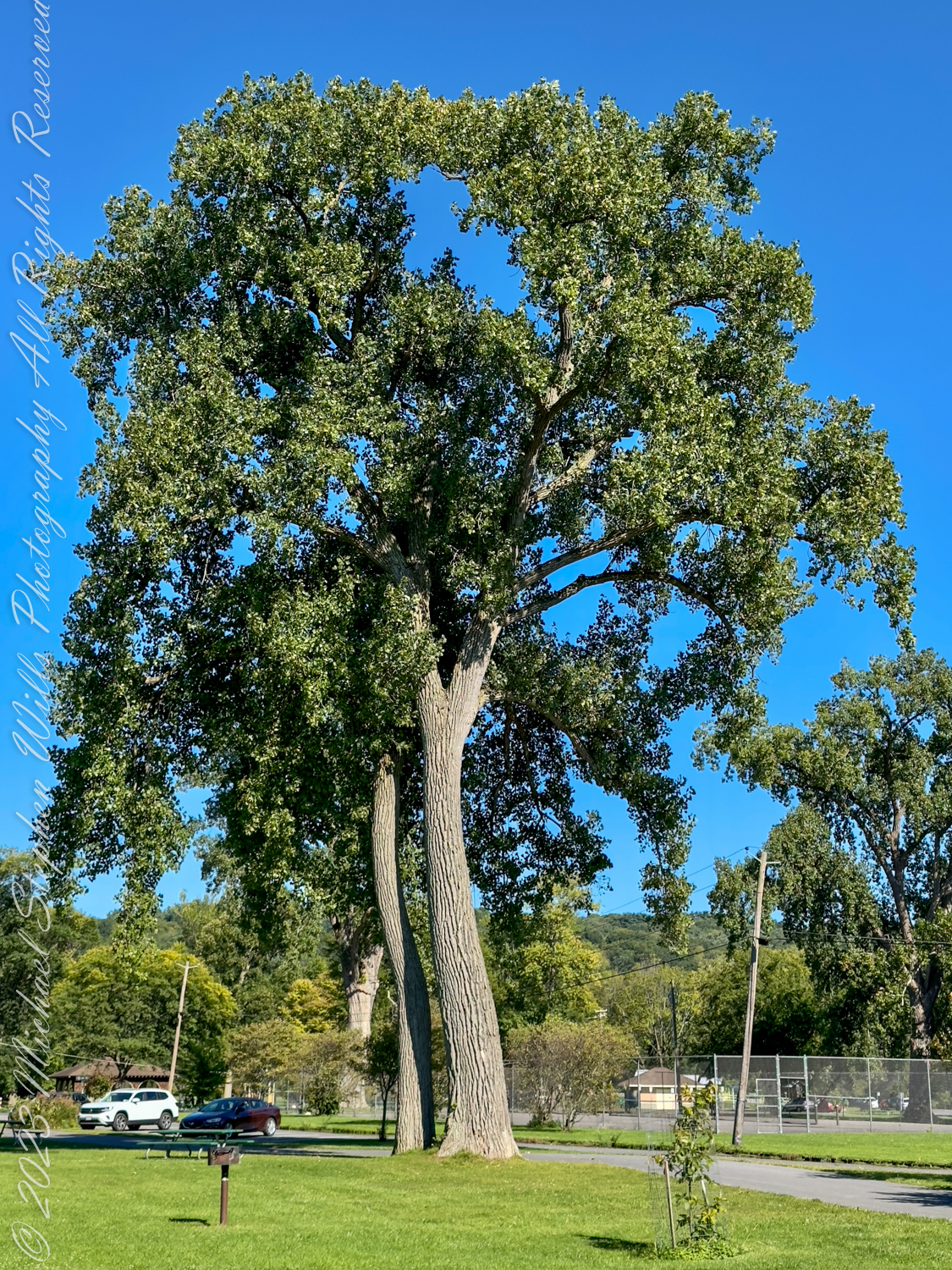
Cottonwoods, scientifically known as Populus deltoides, are members of the poplar family and are among the tallest trees in North America. The ones before me have thrived for decades, their thick, furrowed trunks a testament to the endurance of life on the edge of the lake. It’s remarkable to think of all the storms and seasons they’ve weathered—their roots digging deep into the moist earth, nourished by the lake’s constant ebb and flow. I feel as though these trees, standing side by side, companions, connected through the unseen networks of roots beneath the soil. Their relationship to one another seems profound, they have grown up together, providing support and strength as they aged. Their canopies overlapping as though embracing one another.
There’s an undeniable symmetry to their relationship, both in form and function. One can imagine them as silent witnesses to the changing landscape around them—the gradual expansion of the park, the families that come and go, the laughter of children playing nearby, and the quiet conversations of couples walking hand in hand. These trees have become part of the fabric of Stewart Park, deeply entwined with the human history that unfolds here every day.
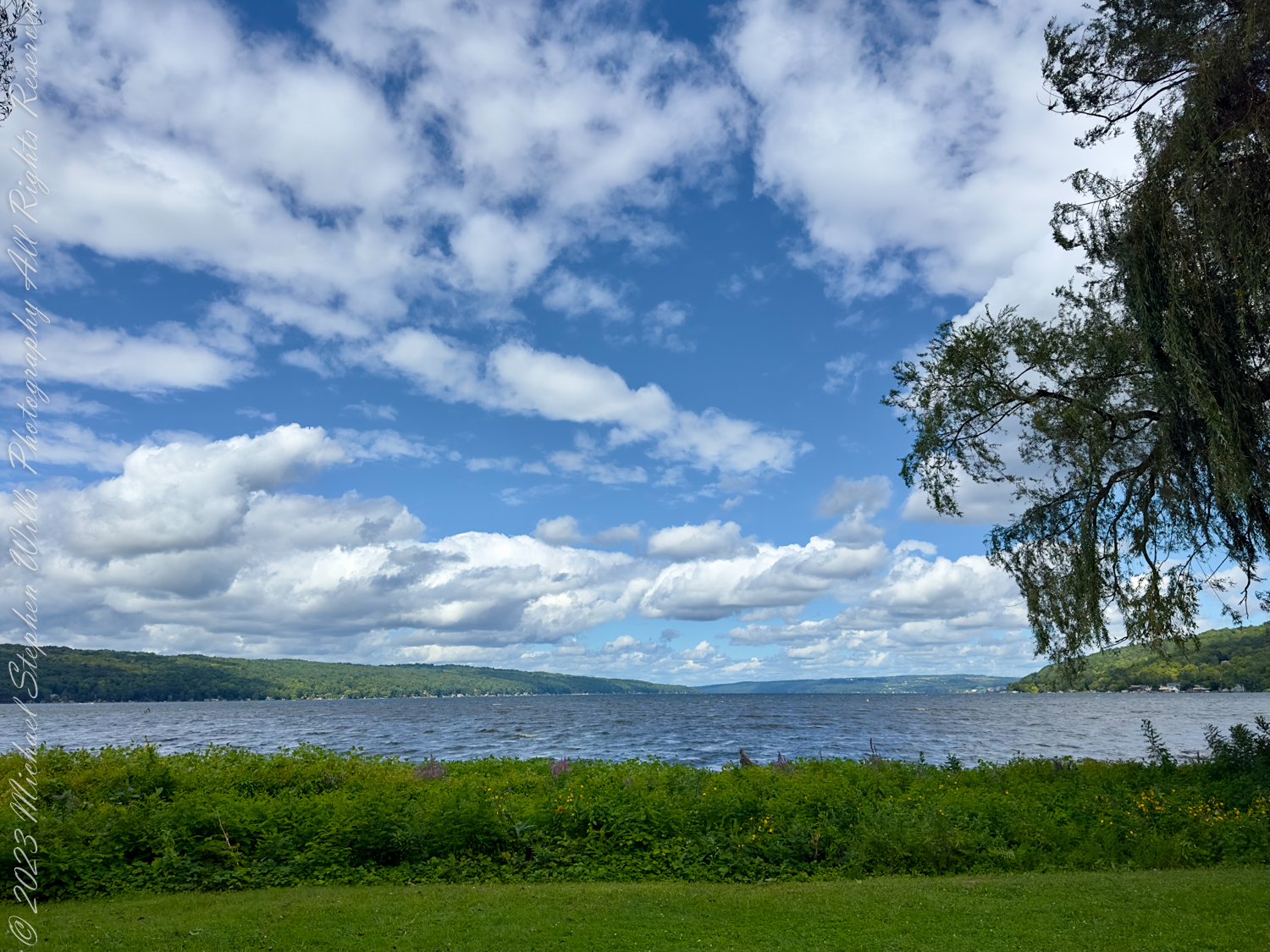
View Facing East, September 10, 2024
The branches reach skyward, their leaves shimmering in the breeze, producing the characteristic fluttering sound of Cottonwoods. There’s something deeply soothing about this rustling—the way the wind seems to dance through the leaves, creating a rhythm that feels eternal. It reminds me that these trees have long been part of human experience, a backdrop to countless strolls, picnics, and quiet moments of contemplation here at Stewart Park.
Cottonwoods are fast-growing, often found near bodies of water where their shallow roots can tap into consistent moisture. And yet, their rapid growth comes with a trade-off; their wood is soft and brittle, prone to breaking in high winds. But in Stewart Park, these two trees have found a perfect balance, their large, sweeping canopies offering shade and shelter without suffering too much damage from the storms that blow through the Finger Lakes. Their resilience is remarkable—a reminder of nature’s ability to thrive in challenging conditions.
Historically, Cottonwoods have played a significant role in the lives of the people who encountered them. Native Americans once used the bark for medicinal purposes and fashioned the wood into canoes. Early settlers appreciated the trees for their rapid growth and ability to provide shade and timber in otherwise open expanses of the Midwest and Northeast. Even today, their legacy endures as they continue to offer shade and shelter, albeit more for leisure than for survival.
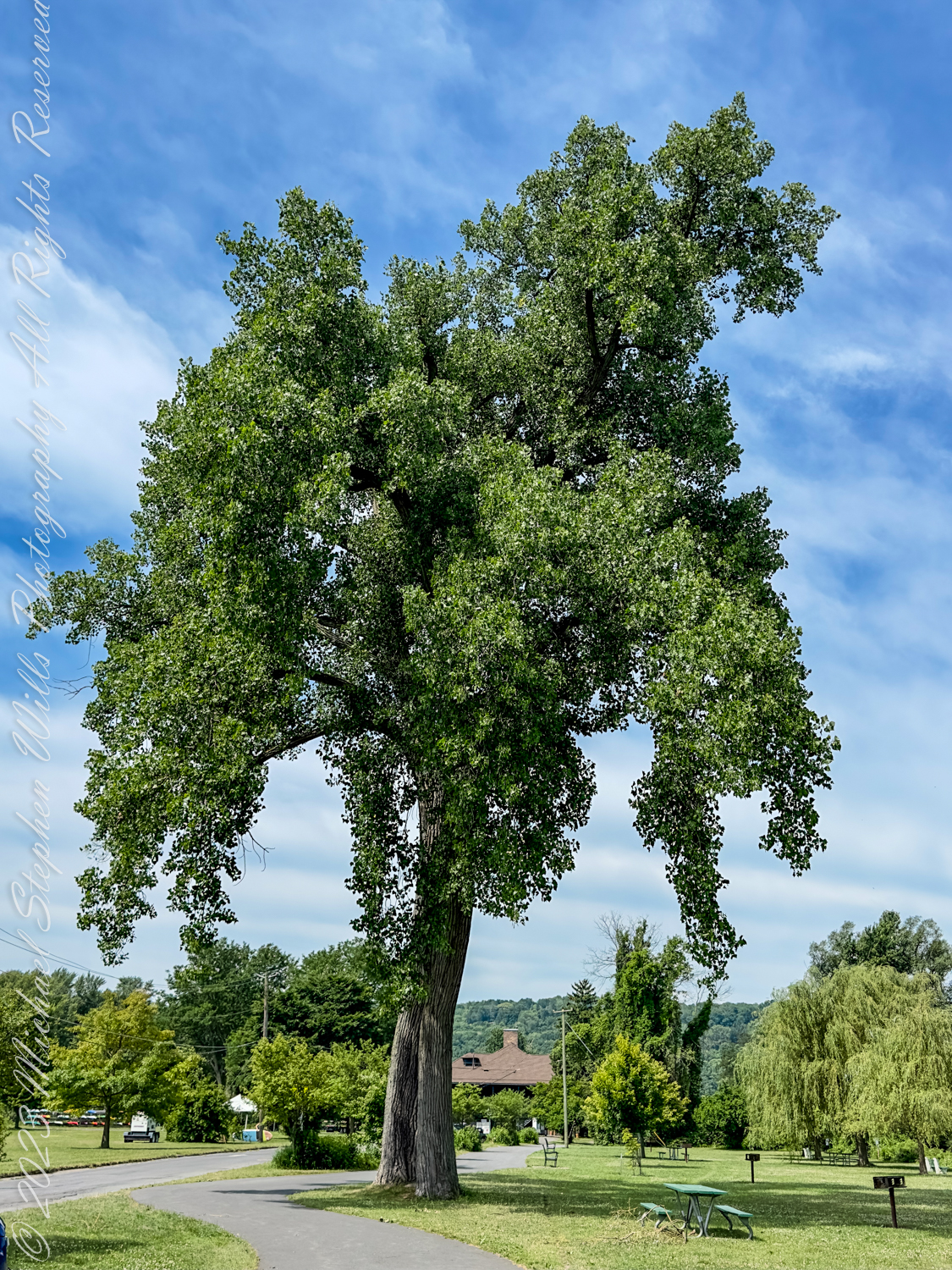
I notice how the pathway itself bends gently to accommodate the Cottonwoods. The paved trail, so clearly designed with these majestic trees in mind, arcs around their broad bases as if to honor their presence. In a world where nature is so often bent to human will, it’s refreshing to see this small, quiet gesture of deference—a reminder that in our modern parks, nature can sometimes lead the way.
View Facing West, June 25, 2024
The path doesn’t cut through or impose upon these trees. Instead, it respects their claim to the land, curving around them in a way that feels organic, almost reverent. The roots of these Cottonwoods must reach far beyond what I can see, extending outward in all directions beneath the soil, beneath the path itself. It’s as though the trees and the human-made elements of the park have reached a compromise—a harmonious balance where both can coexist without either having to sacrifice too much.
In their wisdom, the planners of this park understood that these trees had already laid their claim long before the park’s paths were laid out. It’s a small but profound testament to the enduring power of nature and the foresight of those who designed this space. As I walk along the path, I feel the subtle shift in the landscape—the way the curve of the trail encourages a more leisurely pace, inviting visitors to pause for a moment and take in the grandeur of these ancient trees.
The curve itself creates a sense of flow, as if the path is gently nudging us toward a deeper appreciation of the Cottonwoods. There’s no rush here. The trees stand in their place, rooted and steadfast, while we are invited to move around them, to change our course slightly in order to make space for something larger than ourselves. The path becomes a metaphor for our relationship with nature—we must sometimes bend and yield to its greater forces, rather than insist on our own straight and rigid lines.
This curved path speaks to the broader theme of adaptability—how both nature and humanity have learned to accommodate one another. The Cottonwoods have withstood the test of time, their roots dug deep into the soil, while we have found ways to move alongside them, adjusting our course to allow for their growth. It’s a quiet but powerful reminder of the importance of coexistence and respect, of making space for the natural world rather than always seeking to dominate it.
As we pass by, I notice the texture of their bark—deeply furrowed and rough, a tactile reminder of the passage of time. Each ridge and crevice holds the story of countless seasons—of dry summers, harsh winters, and everything in between. I reach out and touch one of the trunks, feeling the coolness of the bark under my hand. There’s a vitality here that can only be sensed up close, a quiet hum of life that pulses just beneath the surface.
Yet, despite their imposing size and age, the Cottonwoods remain humble in their role. They do not demand attention like a flowering dogwood or a brightly colored maple. Instead, they offer something more enduring—a quiet, steady presence that provides shelter and shade without fanfare. Their leaves turn a brilliant yellow in autumn, adding to the kaleidoscope of colors that make up the Finger Lakes’ fall landscape. But even in winter, when the leaves are gone, their bare branches stand against the cold sky, offering a stark beauty all their own.
As I step back to take in the full view of these two Cottonwoods, I am filled with a sense of gratitude. Their lives, so intimately tied to this place, remind me of the interconnectedness of all living things—the way nature, time, and humanity overlap in ways both seen and unseen. These trees, growing together on the shores of Cayuga Lake, are not just part of the landscape—they are part of the story of Stewart Park and, in a broader sense, the story of this region. They remind me that, like them, we are all shaped by our surroundings, by the people and places that stand beside us as we grow. And in that way, we are never truly alone.
Copyright 2024 Michael Stephen Wills All Rights Reserved
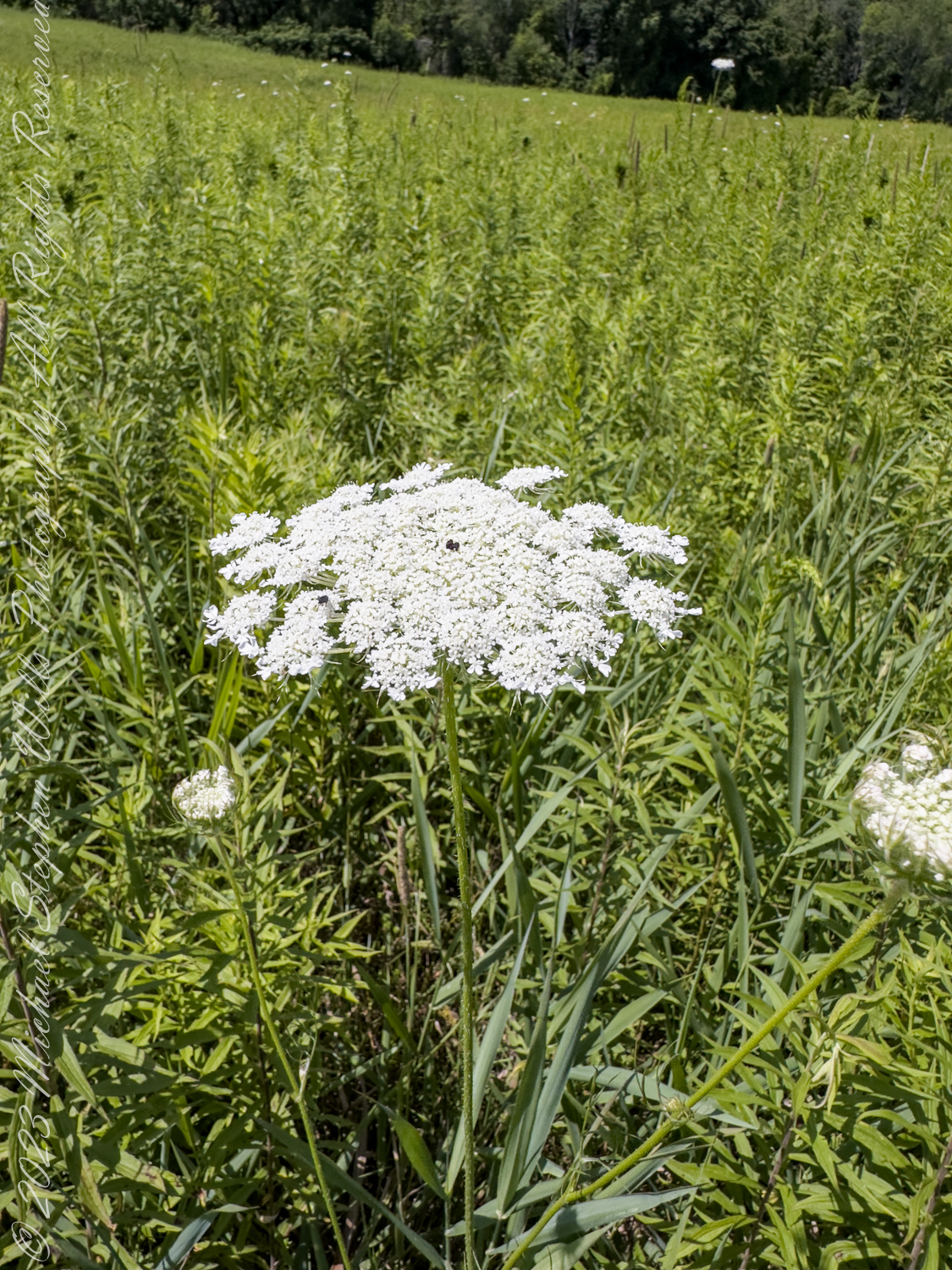
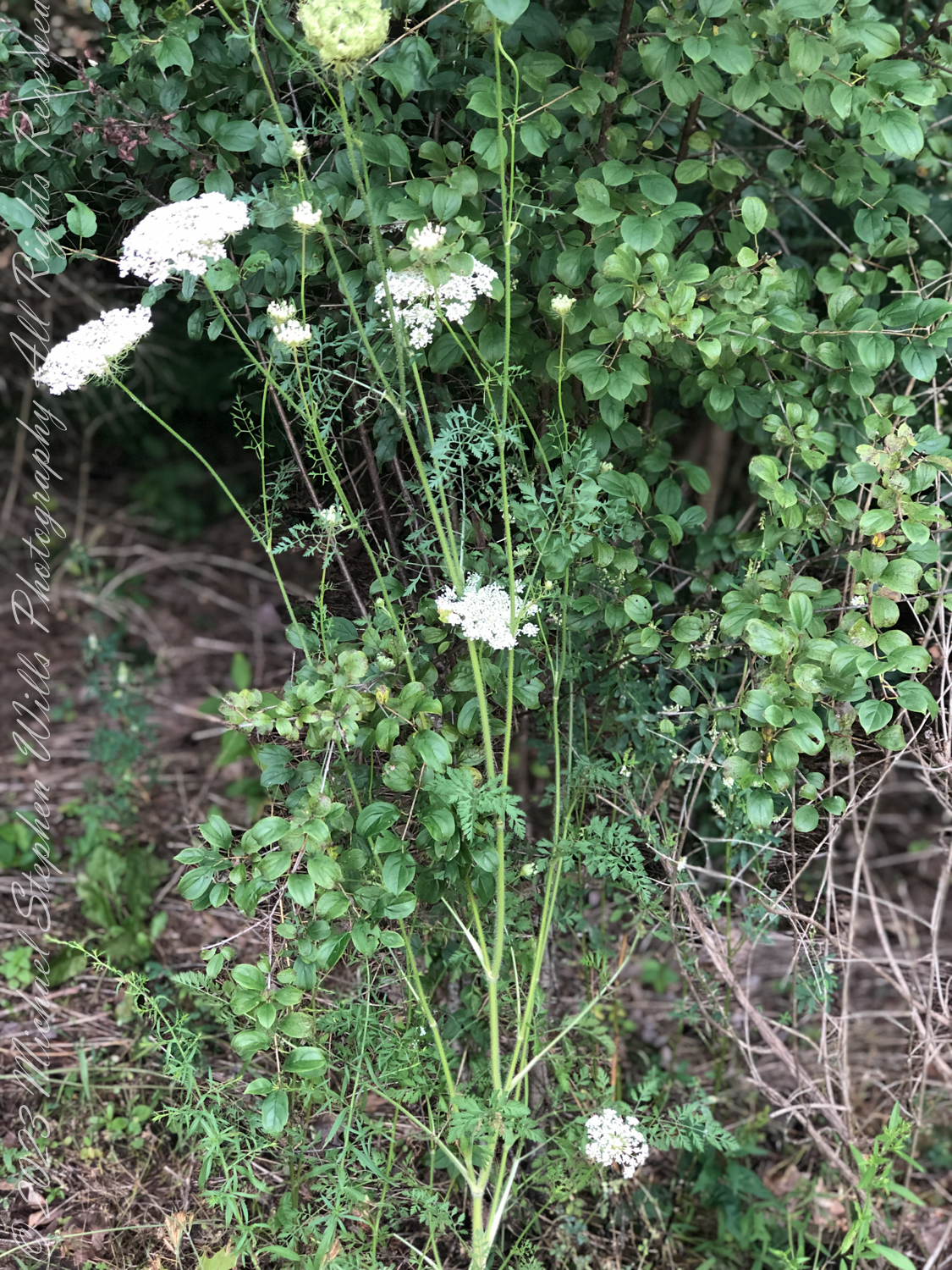
Amid the rolling hills and meadows of the Finger Lakes, Queen Anne’s Lace stands tall, its delicate white blooms weaving a tapestry of nature’s resilience and beauty. Discover the rich history, legends, and ecological importance behind this elegant wildflower.
In the Finger Lakes region of New York State, fields come alive with the delicate beauty of Queen Anne’s Lace—a wildflower that embodies nature’s elegance. Scientifically known as Daucus carota, its flowering umbels resemble intricate lace, lending poetic charm to the landscapes it graces. Beyond aesthetics, the history and mythology behind Queen Anne’s Lace, combined with its ecological importance and cultural significance, reveal a plant deeply intertwined with both nature and human culture.
The Name and Its Myths
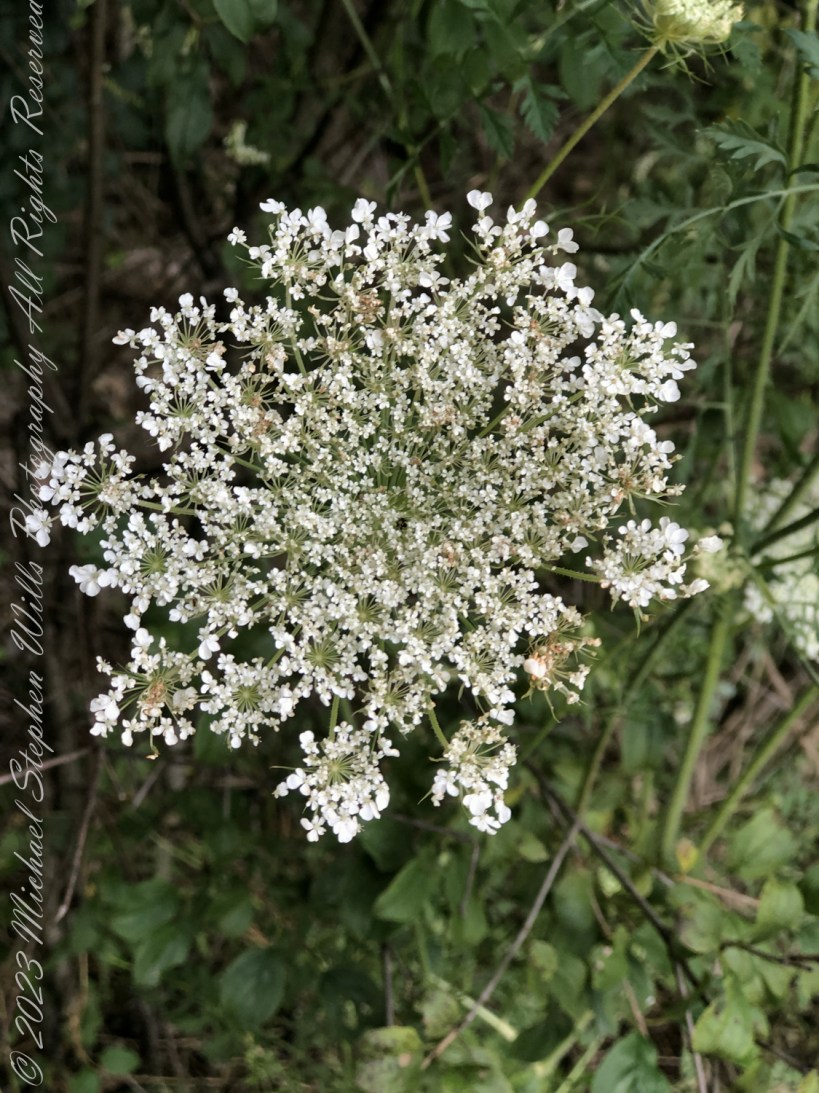
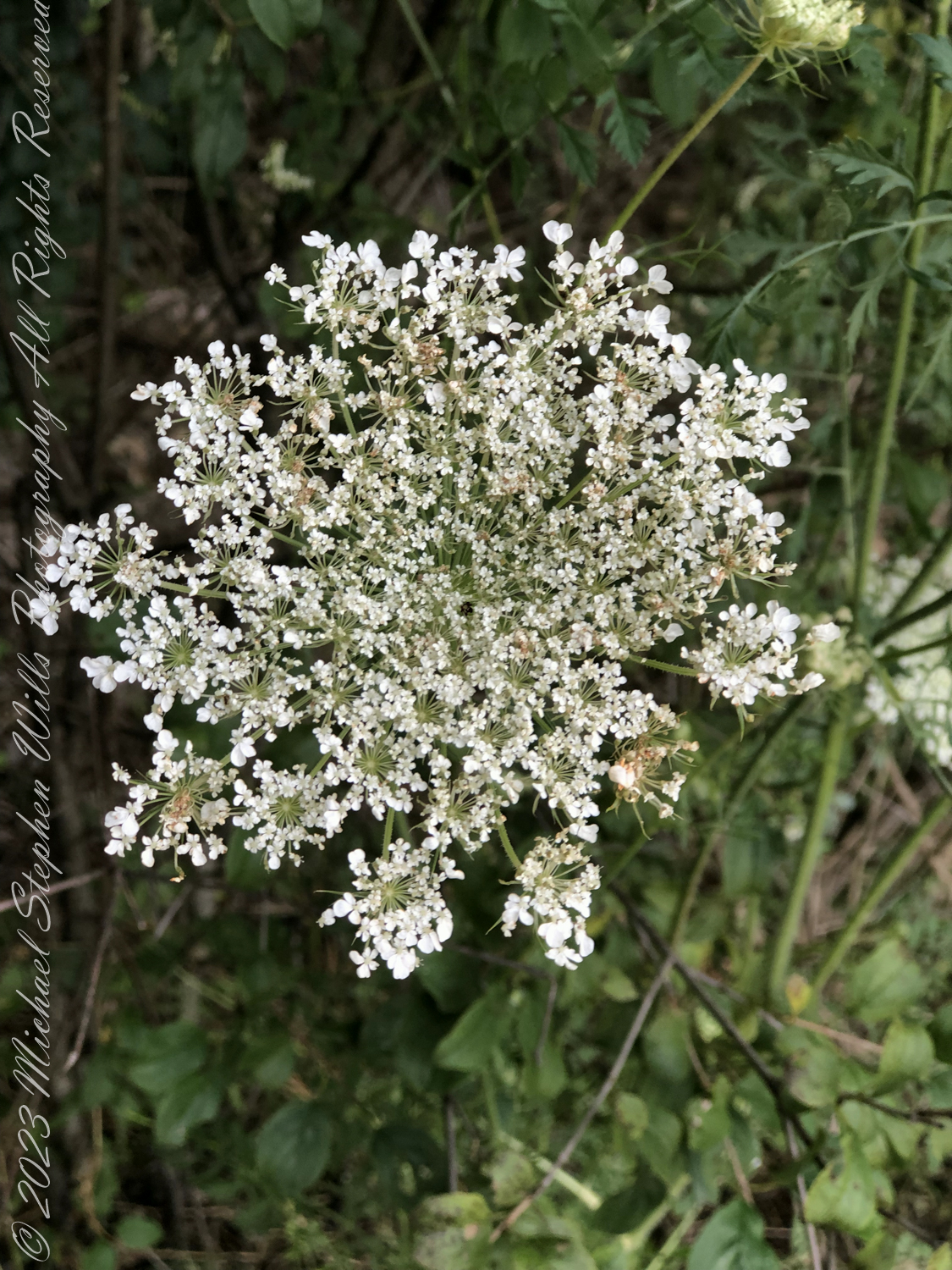
The name Queen Anne’s Lace derives from English legend. According to the tale, Queen Anne, consort to King James I, was challenged to create lace as beautiful as the flower. While sewing, she pricked her finger, and a single drop of blood stained the lace—represented by the tiny purple floret at the center of many Queen Anne’s Lace blossoms. This intricate network of white flowers surrounding a central floret mirrors the lacework attributed to Queen Anne, giving the plant a royal and historic association.
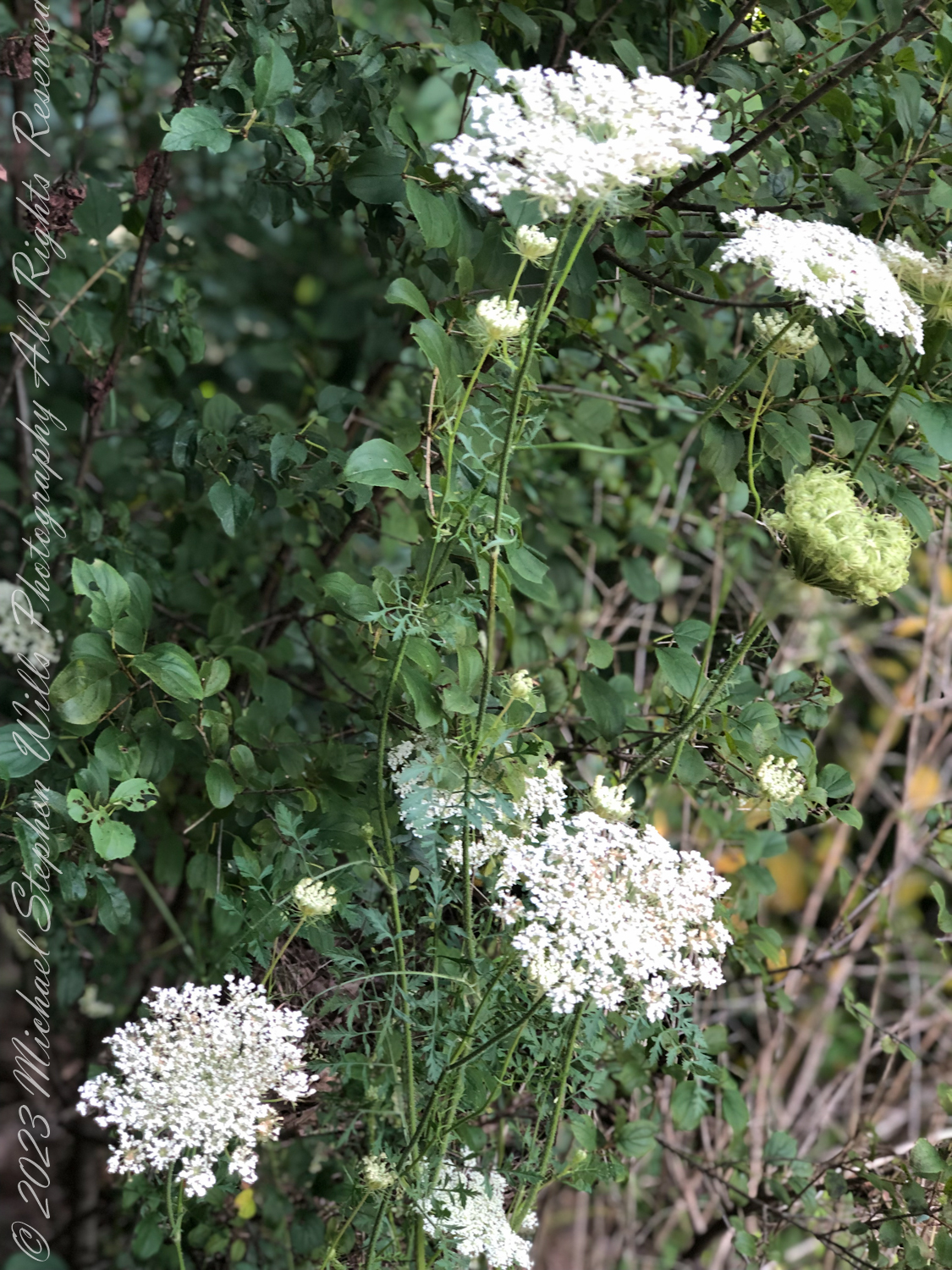
Scientifically known as Daucus carota, Queen Anne’s Lace is also known by several other common names, including wild carrot and bird’s nest, the latter inspired by the way the flower head curls inward as the seeds begin to develop, resembling a nest. The flower is closely related to the cultivated carrot, and its roots, though much smaller and woodier, share the familiar carrot scent. In fact, Queen Anne’s Lace is considered the wild ancestor of the domestic carrot, with a lineage stretching back thousands of years.
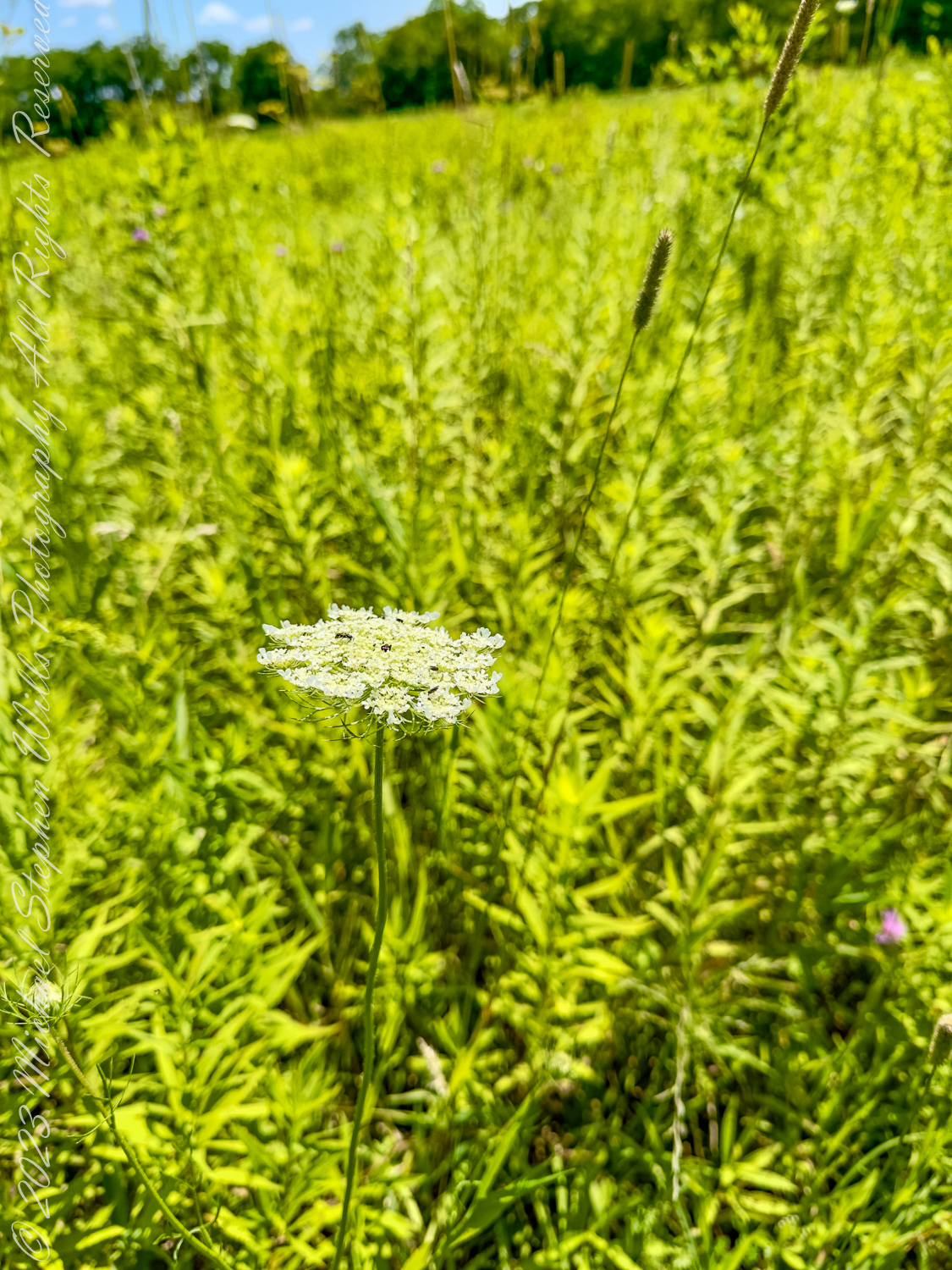
In the meadows of the Brock-Harvey Forest Preserve, Queen Anne’s Lace thrives among the native flora, showcasing its delicate beauty. The function of the central dark florets of D. carota has been subject to debate since Charles Darwin speculated that they are a vestigial trait. It has been suggested that they have the adaptive function of mimicking insects, thus either discouraging herbivory, or attracting pollinators by indicating the presence of food or opportunities for mating. Research conducted in Portugal suggests that the dark central florets of Daucus carota mimic insects, attracting pollinators like the varied carpet beetle (Anthrenus verbasci). Inflorescences with more dark florets experienced increased visitation, indicating these florets may enhance pollination efficiency.
Queen Anne’s Lace in Finger Lakes Ecology
Beyond its rich mythology, Queen Anne’s Lace plays a significant role in the ecology of the Finger Lakes region. Throughout the expansive landscapes of the Finger Lakes, from lush meadows to roadsides, Queen Anne’s Lace stands tall, its delicate blossoms dotting the green with clusters of white. This wildflower can be observed in various stages of its life cycle, from budding umbels to the intricate ‘bird’s nest’ formation.
The fields around the Finger Lakes, often framed by rolling hills and ancient forests, offer the perfect habitat for Daucus carota. The plant thrives in well-drained soils and open sunlight, often outcompeting other flora. Its deep taproots, a characteristic inherited from its cultivated cousin, the carrot, allow it to flourish in the rocky soils of the region.
In these fields, Queen Anne’s Lace performs a vital ecological role. The plant attracts a variety of pollinators, including bees, butterflies, and beneficial insects like lacewings, which help to control aphid populations. The wide, flat umbels provide an ideal landing platform for these insects, who in turn pollinate the flowers, ensuring the plant’s continued spread.
A History of Use
The plant’s ecological importance is matched by its historical uses throughout human civilization. Queen Anne’s Lace has long been a part of human history, both for its beauty and for its practical applications. The plant’s medicinal uses stretch back to ancient times. The seeds and roots were used by the ancient Greeks and Romans as a natural remedy for a variety of ailments, including digestive issues and inflammation. The seeds, when chewed, were believed to prevent conception and were used as a natural form of birth control.
For Native American tribes in the Finger Lakes region, Queen Anne’s Lace was a valuable plant. The roots were often used in the preparation of poultices to treat minor wounds and skin irritations. Additionally, the seeds were used for their diuretic properties, often in teas to help with urinary tract issues. The plant’s close relation to the domestic carrot also meant that its roots could be used as food, though they required careful preparation due to their tough texture and strong flavor.
A Symbol of Resilience and Elegance
The symbolism of Queen Anne’s Lace is steeped in both the fragility and strength it represents. Like the lace it mimics, the flower appears delicate and ephemeral, yet it is a hardy species that thrives in even the most inhospitable conditions. Its deep taproot enables it to survive droughts and poor soil, symbolizing resilience and perseverance in the face of adversity.
In Cayuga County, near Fillmore Glen State Park in Moravia, New York State, farm fields are often adorned with the intricate blooms of Queen Anne’s Lace.
Each summer, the fields of the Finger Lakes burst forth with Queen Anne’s Lace, their towering stalks reaching upward, crowned with intricate blossoms that sway gently in the breeze. As the season progresses, the once-flat umbels curl inward, forming a tight bird’s nest—a final act of elegance before the plant disperses its seeds to ensure future generations.
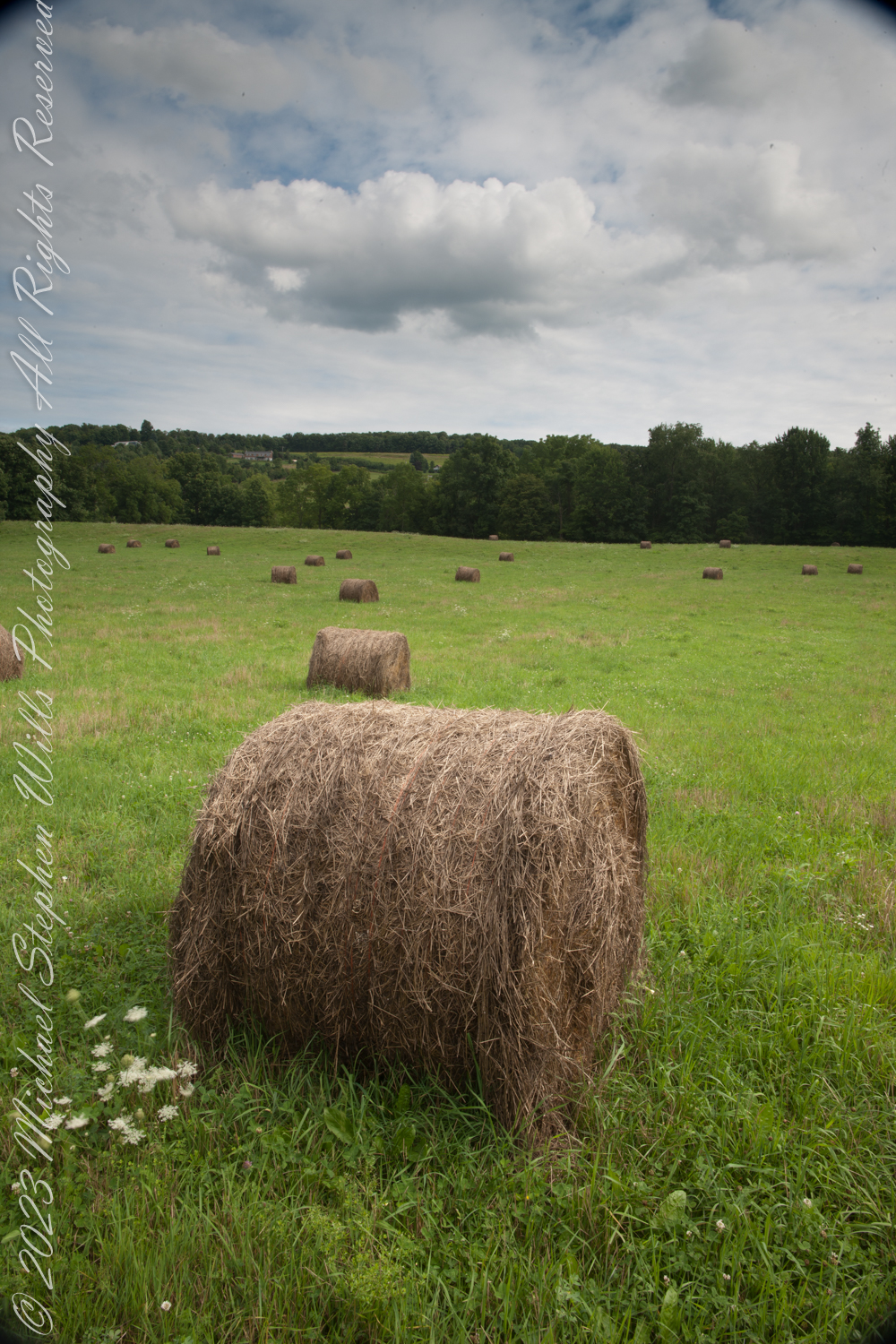
In capturing the essence of this flower in photographs that accompany this essay, the delicate yet persistent nature of Queen Anne’s Lace is evident. Whether standing tall against a backdrop of green hills, or growing alongside weathered hay bales, Queen Anne’s Lace offers a moment of reflection on the intersection of beauty, history, and nature. Its quiet presence in the Finger Lakes is a reminder that even the smallest, most unassuming plants can carry with them deep histories, enduring stories, and a legacy of utility and elegance.
As golden hues of sunset bathe the rolling hills of the Finger Lakes, the ethereal silhouettes of Queen Anne’s Lace stand as a testament to the region’s natural splendor. Whether admired for its aesthetics, revered for its medicinal uses, or simply appreciated for its ecological role, Queen Anne’s Lace remains an iconic and beloved part of the Finger Lakes’ wildflower tapestry.
Copyright 2024 Michael Stephen Wills All Rights Reserved
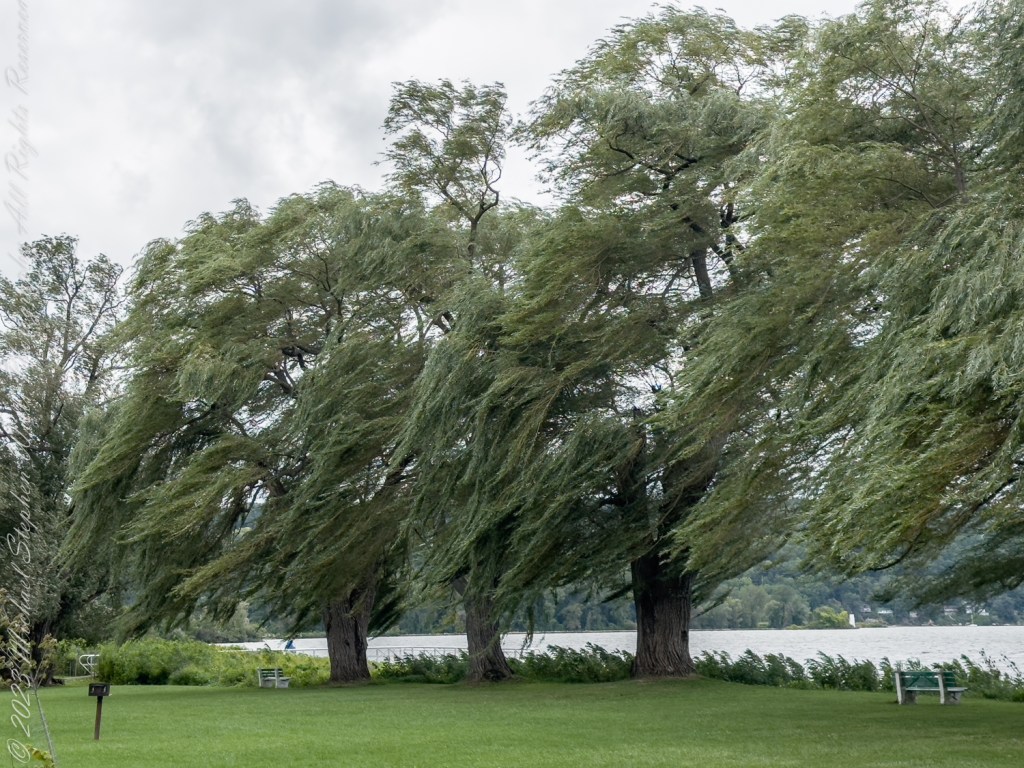
As Pam took her first therapeutic steps through Stewart Park after hip surgery, the wind off Cayuga Lake carried memories of our sailing days. This walk, a milestone along a journey of strength and reflection.
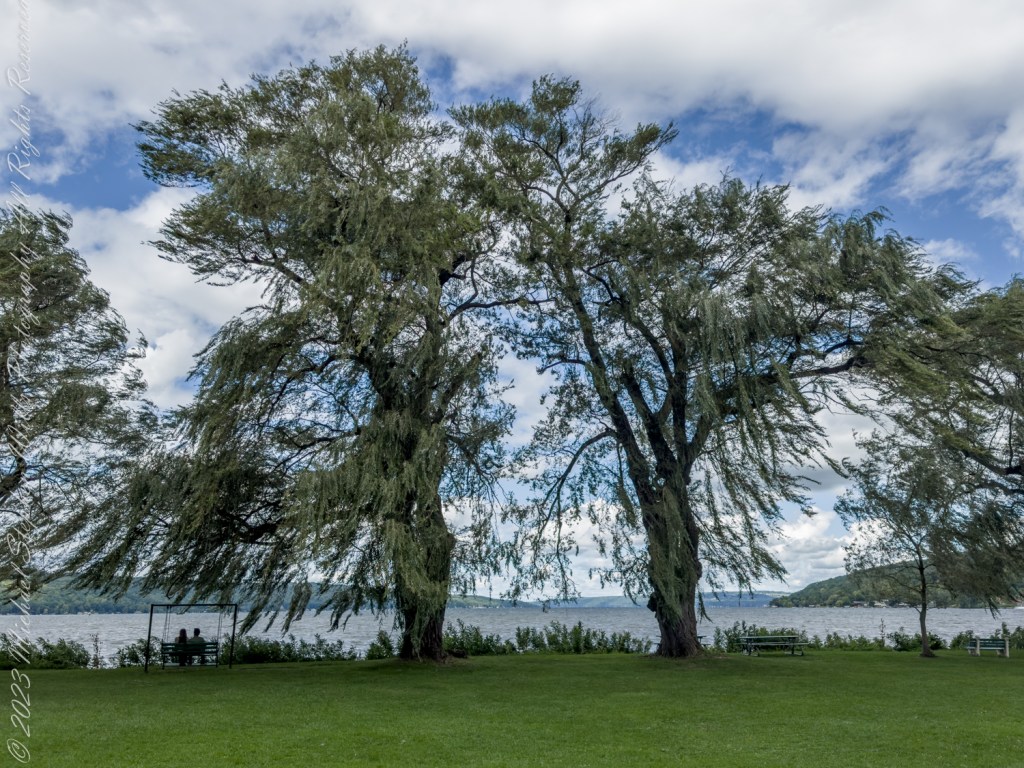
The breeze off Cayuga Lake was lively, stirring the willows and creating waves that rippled across the water’s surface as we arrived at Stewart Park. For Pam, this day marked a significant milestone: her first therapeutic walk since undergoing total hip replacement surgery. The park, located on the outskirts of Ithaca, New York, had long been a place of peaceful walks and scenic reflection for us, but on this day, it took on new meaning. The pathways and views we had enjoyed over the years now served as the backdrop for Pam’s journey of recovery.
As Pam began her walk, using her walker for support, the air felt crisp with the late-summer breeze. She moved carefully along the paved path, her steps steady but measured. The sight of her, framed by the grand trees lining the park, was a testament to the resilience and strength she had displayed throughout the weeks following her surgery. The park’s beauty offered a sense of calm that seemed to support her determination, as though nature itself was encouraging her every step.
Stewart Park, with its sweeping views of Cayuga Lake and towering willows, had always been a special place for us. Over the years, we had spent afternoons such as this sailing the lake’s expansive waters. We ventured out to let the wind carry us across the lake. As Pam walked, we reminisced about those times—how we would navigate the gusty winds that filled our sails, steering into the waves with a sense of adventure. “This wind reminds me your calls to ‘control the jib!!’,” Pam said, smiling as we remembered the thrill of maneuvering the boat to dock.
On days like those, the lake was unpredictable, much like Pam’s journey through recovery had been. Yet, whether on the water or facing the challenges of healing, Pam had always shown a quiet, steadfast determination. Just as we had learned to adjust the sails to accommodate the changing wind patterns, Pam had adapted to her new circumstances, tackling each step of her rehabilitation with grace.
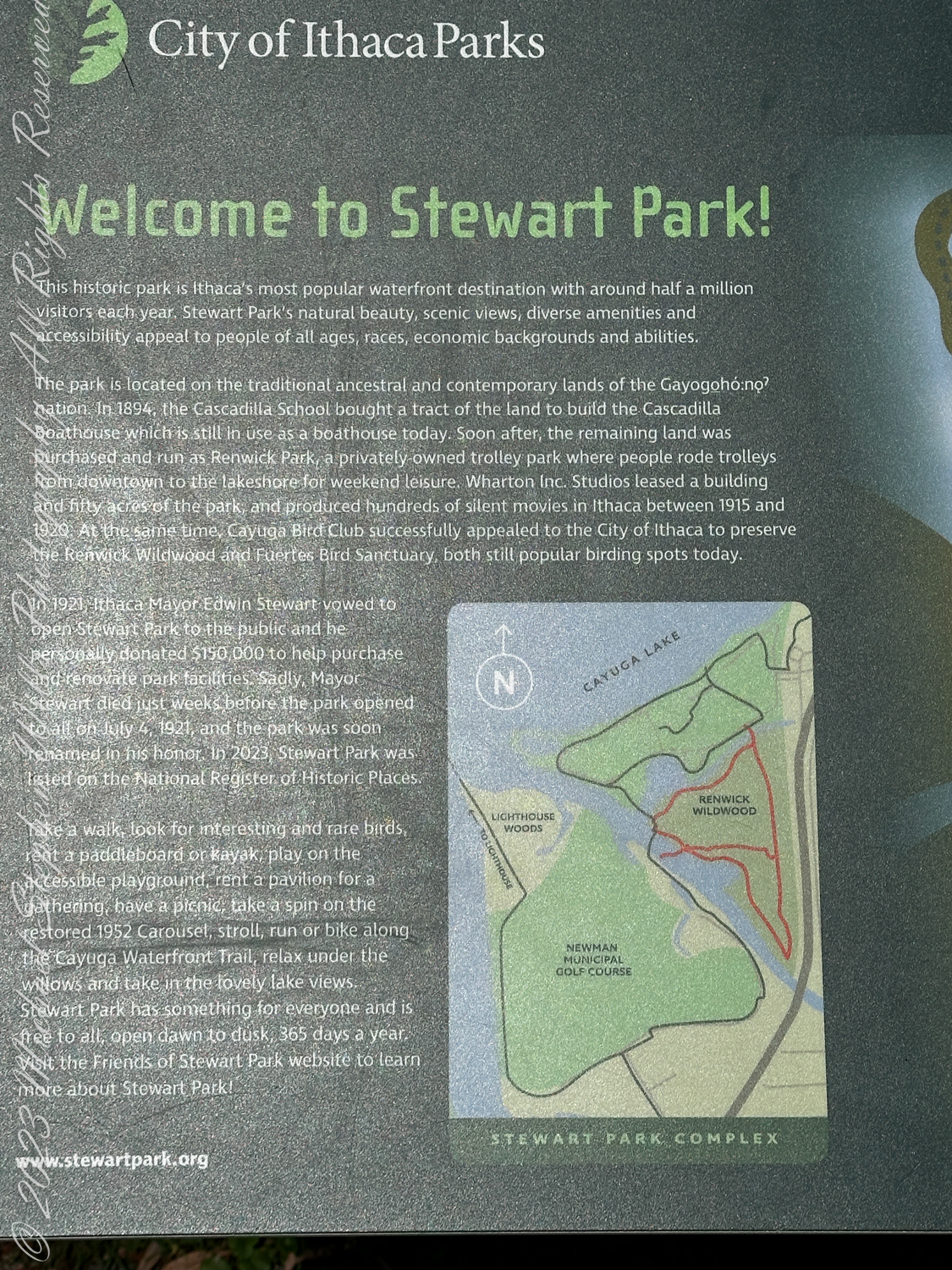
We paused at one of the informational signs along the path. The sign detailed the park’s history, noting that it sits on the ancestral lands of the Gayogo̱hó꞉nǫ’. Originally developed in 1894 for the Cascadilla School’s boathouse, the park had undergone many transformations before becoming the public space it is today. The sign spoke of Mayor Edwin Stewart, who had donated $150,000 to help purchase and renovate the park’s facilities, only to pass away weeks before its official opening in 1921. In 2021, the park was listed on the National Register of Historic Places, a testament to its enduring role in the community.
City of Ithaca Parks
Welcome to Stewart Park!
This historic park is Ithaca’s most popular waterfront destination with around half a million visitors each year. Stewart Park’s natural beauty, scenic views, diverse amenities and accessibility appeal to people of all ages, races, economic backgrounds and abilities.
The park is located on the traditional ancestral and contemporary lands of the Gayogo̱hó꞉nǫʼ nation. In 1894, the Cascadilla School bought a tract of the land to build the Cascadilla Boathouse which is still in use as a boathouse today. Soon after, the remaining land was purchased and run as Renwick Park, a privately owned trolley park where people rode trolleys from downtown to the lakeshore for weekend leisure. Wharton Inc. Studios leased a building and fifty acres of the park, and produced hundreds of silent movies in Ithaca between 1915 and 1920. At the same time, Cayuga Bird Club successfully appealed to the City of Ithaca to preserve the Renwick Wildwood and Fuertes Bird Sanctuary, both still popular birding spots today.
In 1921 Ithaca Mayor Edwin Stewart vowed to open Stewart Park to the public and he personally donated $150,000 to help purchase and renovate park facilities. Sadly, Mayor Stewart died just weeks before the park opened to all on July 4, 1921, and the park was soon renamed in his honor. In 2021 Stewart Park was listed on the National Register of Historic Places.
Take a walk, look for interesting and rare birds, rent a paddleboard or kayak; play on the accessible playground, rent a pavilion for a gathering, have a picnic, take a spin on the restored 1952 Carousel, stroll, run or bike along the Cayuga Waterfront Trail, relax under the willows and take in the lovely lake views. Stewart Park has something for everyone and is free to all, open dawn to dusk, 365 days a year. Visit the Friends of Stewart Park website to learn more about Stewart Park!
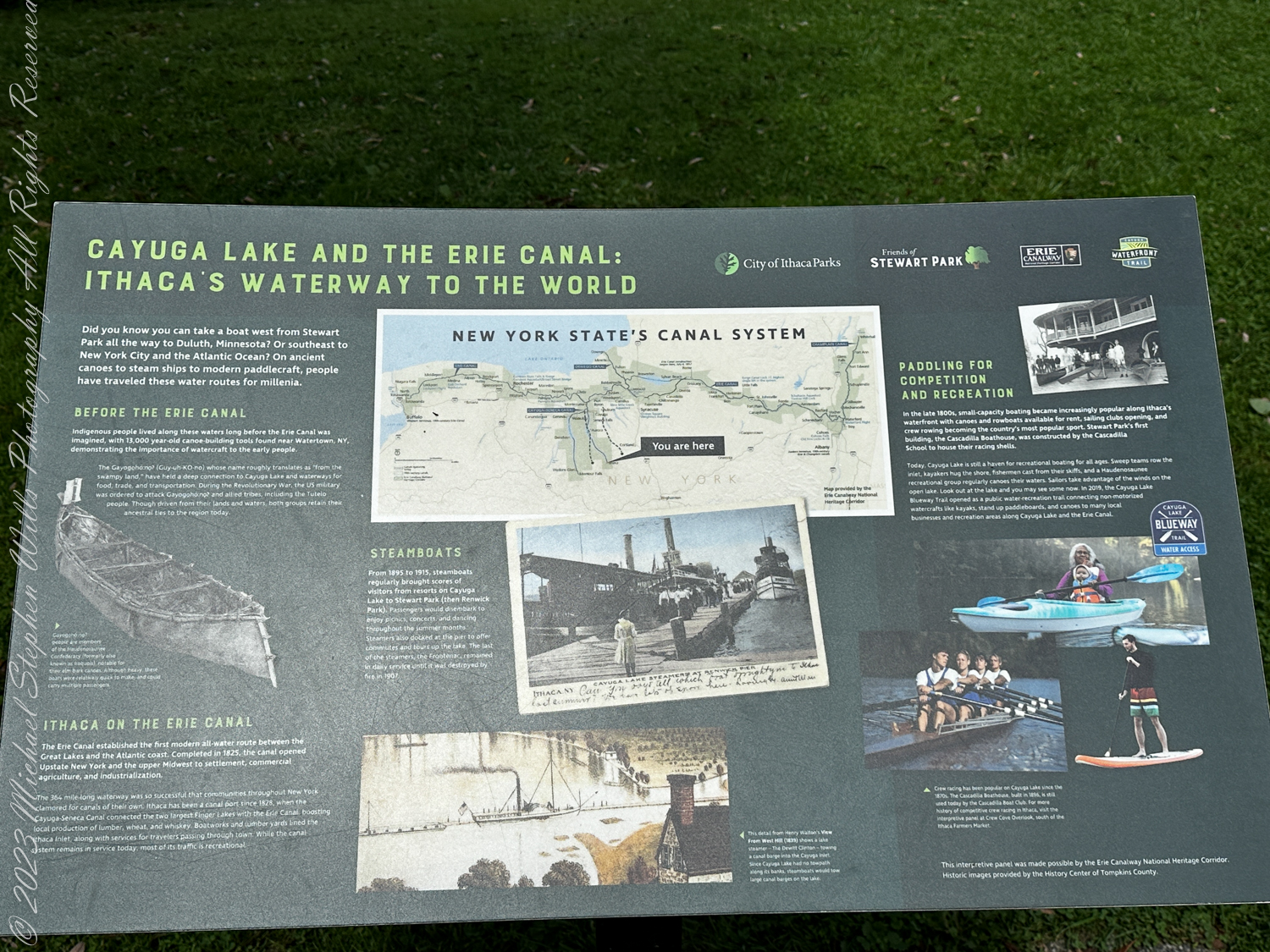
CAYUGA LAKE AND THE ERIE CANAL: ITHACA’S WATERWAY TO THE WORLD
Did you know you can take a boat west from Stewart Park all the way to Duluth, Minnesota? Or southeast to New York City and the Atlantic Ocean? On ancient canoes to steam ships to modern paddlecraft, people have traveled these water routes for millenia.
Before the Erie Canal
Indigenous people lived along these waters long before the Erie Canal was completed in 1825. In 1790, a dugout canoe was found near Elmira, NY, demonstrating the importance of waterways to the early people.
The Cayuga/Seneca Gayogo̱hó꞉nǫʼ who lived here for nearly a thousand years used the lake and rivers to transport people and goods. In the 1600s, French explorers reported meeting the Gayogo̱hó꞉nǫʼ as they traveled east along these waterways. Canoes and later watercraft helped settlers move people, goods, and ideas, transforming upstate New York. With only one lock, the lake’s water level would rise and fall, but goods still needed to be portaged, or moved over land. As the first commercial waterway in the US, the Erie Canal used river systems, canal channels, and lakes to connect New York’s inland towns to world markets.
ITHACA ON THE ERIE CANAL
The canal established the first modern all-water route between the Great Lakes and the Atlantic. Completed in 1825, the canal opened Upstate New York and the upper Midwest to settlement, commercial agriculture, and industry.
The southernmost port of the canal was at Cayuga Lake, near present-day Route 90, where steamboats ferried passengers and freight to and from Ithaca. Products like salt from Syracuse, wood from the region, and coal from Pennsylvania were loaded onto canal boats for shipment to New York City or via Buffalo, to the upper Midwest.
After more than 200 years of service, the canal has evolved into a water route that is primarily used by small boats for recreation. In 2017, the NYS Canal Corporation rebranded the canal as a recreation destination.
As Pam read the sign, she reflected on how the park’s evolution mirrored her own journey. Like Stewart Park, which had undergone multiple transformations over the years, Pam was in the midst of her own renewal. Her new hip, like the park’s renovations, represented a fresh start, a return to activity, and a promise of more days spent outdoors, enjoying the natural beauty that had always brought us peace.
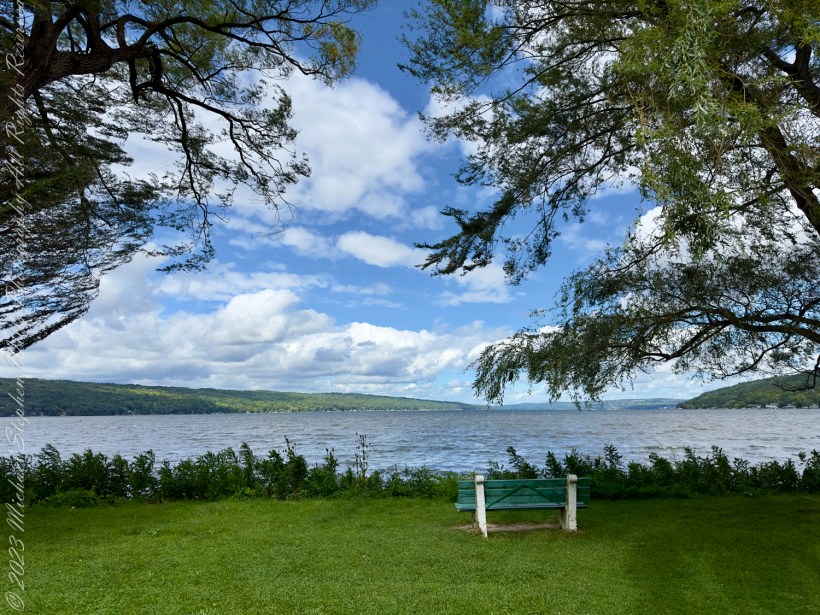
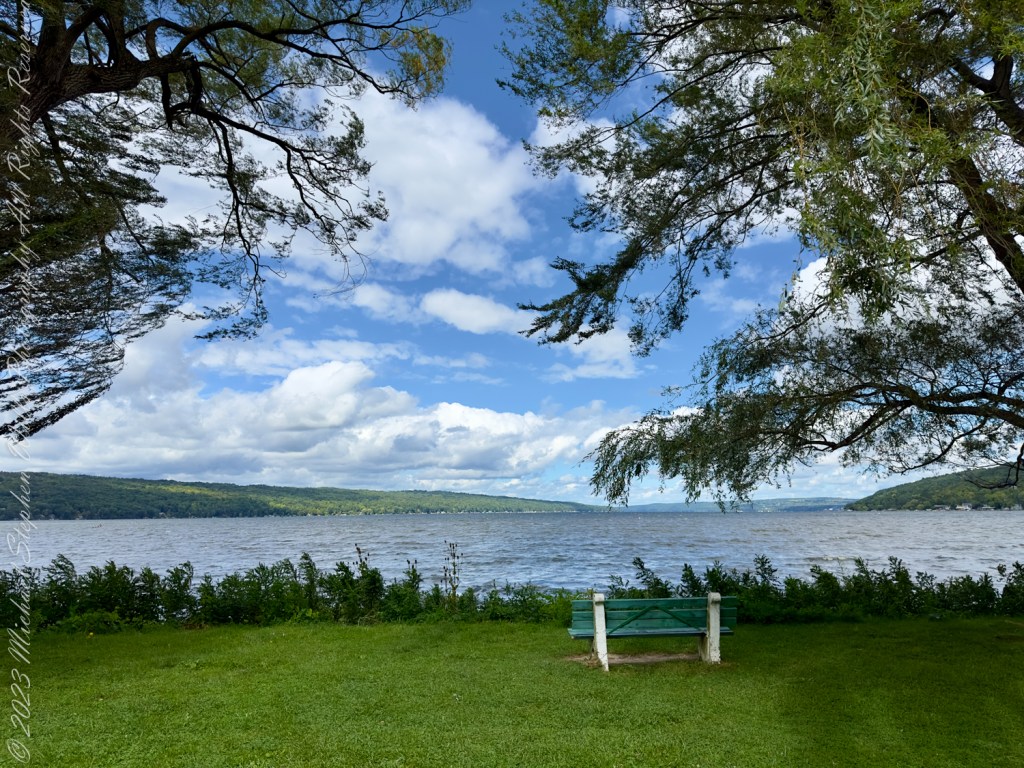
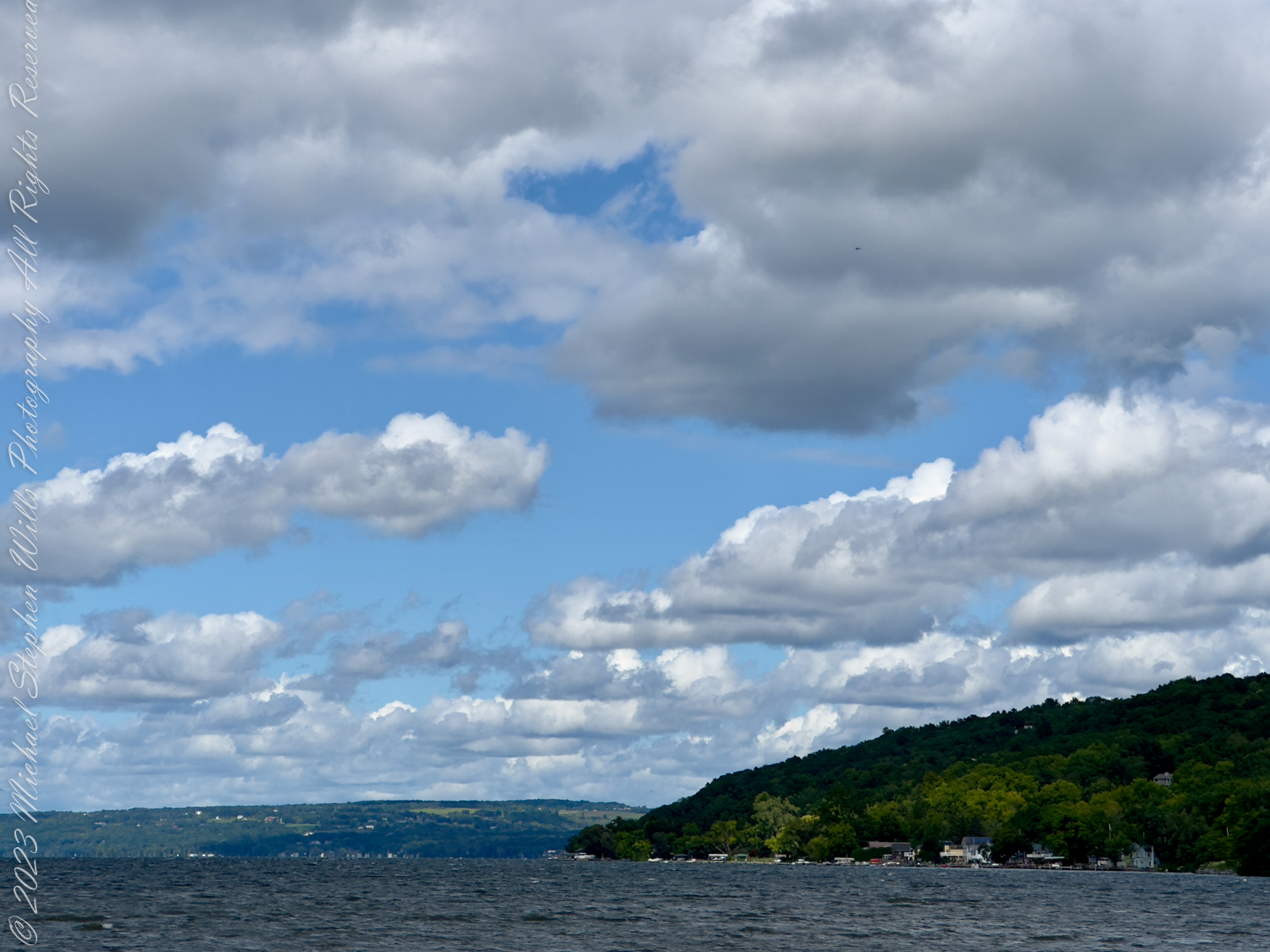
Continuing along the path, we passed several benches nestled beneath the graceful willows, their branches swaying gently in the breeze. Pam took a moment to rest on one of the benches, her eyes focused on the vast expanse of Cayuga Lake. The view stretched toward the distant hills, where the clouds and sun played together, casting ever-shifting patterns of light across the water. For a brief moment, it felt like we were back on our sailboat, riding the waves and allowing the wind to guide us toward new horizons.
As we made our way back along the path, the tall willows swaying and the sound of the waves lapping at the shore, I couldn’t help but feel gratitude. Stewart Park had always been a place of calm and reflection, but on this day, it became a place of healing. Pam’s steps, though slow and deliberate, were filled with the same strength and grace she had shown throughout her life.
The park’s beauty, the history we had shared here, and the memories of our time spent sailing on Cayuga Lake all came together to create a sense of peace. Pam’s recovery journey was far from over, but her progress was undeniable. As we looked out over the lake one last time before heading home, the water shimmered in the sunlight, promising more adventures to come.
Stewart Park, with its windswept trees and timeless views, would forever be tied to this day—Pam’s first steps toward reclaiming her mobility, set against the backdrop of a place that had long been part of our shared story. It was a day filled with hope, strength, and the quiet knowledge that, like the wind, life would continue to move us forward, no matter the challenges.
Copyright 2024 Michael Stephen Wills All Rights Reserved
Experience the breathtaking sunrise at Cocoa Beach, where the sky and sea blend in a symphony of colors. Discover the tranquility and beauty that awaits as the day dawns on Florida’s stunning Space Coast.
Cocoa Beach, nestled in Brevard County, Florida, is renowned for its pristine sandy shores and the rhythmic lullaby of the Atlantic Ocean. It’s a place where the day often begins with an awe-inspiring sunrise. On the Space Coast, the first light of day is a daily masterpiece, a silent symphony of colors that paints the sky and reflects off the water.
As dawn approaches, the eastern horizon begins to glow with a soft, pre-dawn light. This quiet time, when the world is still asleep, offers a unique tranquility. The beach, usually bustling with surfers, sunbathers, and families, is calm and serene. The sand, cool underfoot, stretches out like a vast canvas, waiting for the sun to begin its artwork.
The first hues of sunrise start as a gentle blush, a hint of pink that softly caresses the sky. As the moments pass, this blush deepens into shades of orange and red, reminiscent of a painter’s palette. The ocean mirrors these colors, creating a breathtaking scene where sky and sea blend into one continuous expanse. It’s a moment that feels almost sacred, as if nature itself is preparing for a grand reveal.
The sun finally peeks above the horizon, a fiery orb that illuminates the world in golden light. This is the crescendo of the sunrise, a moment that seems to hold the breath of the world. The rays of light stretch out across the water, casting a shimmering path that invites the eyes to follow. It’s a path that feels both real and ethereal, leading not just across the sea, but into a day full of possibilities.
As the sun rises higher, the colors in the sky shift and change. The deep reds and oranges give way to softer yellows and then to the clear, bright light of morning. The ocean, too, transforms, taking on a deeper blue as the sunlight penetrates its depths. The waves, which had been gentle ripples in the pre-dawn light, now dance and sparkle, as if celebrating the arrival of the new day.
For those fortunate enough to witness it, a sunrise at Cocoa Beach engages all the senses. The cool breeze carries the fresh scent of saltwater, a reminder of the ocean’s vastness and power. The sound of the waves, steady and rhythmic, provides a soothing background score, while the occasional cry of a seabird adds a touch of the wild to the scene.
Click on a photo for a closer look.
There is a sense of community among the early risers who gather to watch the sunrise. Strangers often share nods and smiles, united by the shared experience of witnessing something so beautiful and ephemeral. It’s a reminder that, no matter our differences, moments of natural beauty can bring people together, fostering a sense of connection and shared humanity.
Cocoa Beach, known for its proximity to the Kennedy Space Center and its surf culture, offers much more than meets the eye. The sunrise is a daily reminder of the simple yet profound beauty of nature, a beauty that exists beyond the man-made attractions and the hustle and bustle of everyday life. It’s a call to pause, reflect, and appreciate the world around us.
In a place where rockets soar into the sky, touching the very edge of space, the sunrise at Cocoa Beach brings us back to Earth, grounding us in the timeless rhythm of the natural world. It’s a moment of peace and renewal, a gift from the universe to start the day with a heart full of wonder and gratitude.
So, whether you’re a local or a visitor, taking the time to watch the sunrise at Cocoa Beach is an experience not to be missed. It’s a chance to witness the world waking up, to feel a part of something larger than oneself, and to start the day with a renewed sense of awe and possibility.
Copyright 2024 Michael Stephen Wills All Rights Reserved
Awake to the radiant grace of dawn, where golden light adorns the sky and the ocean reflects its splendor. Witness the serene dance of nature in a peaceful, inspiring January sunrise at Cocoa Beach.
Awake, my soul, to morning’s radiant grace, as dawn’s first light adorns the sky’s embrace. Behold the scene where heaven meets the sea, a tapestry of hues, divinely free.
The eastern sky ignites with golden fire, each ray a herald of the sun’s desire. In softest pinks and boldest crimsons cast, the night retreats, and day arrives at last.
The ocean, kissed by dawn’s ethereal light, reflects the splendor of the coming sight. Waves gently lap upon the sandy shore; their whispered secrets speak of days of yore.
The palm trees sway in rhythmic, gentle dance, their silhouettes in morning’s light enhance. A peaceful stillness wraps the world in awe, as nature’s beauty strikes the heart with awe.
The scattered clouds, with edges tinged in gold, Frame the horizon as the day unfolds. They drift like dreams upon the waking breeze, in harmony with rustling leaves of trees.
And as the sun ascends its royal throne, Its warmth and light through every vein is known. A new day born, with promise in its wake, invites the heart to rise and dreams to take.
Imagine, seagulls soar on wings of pure delight, their cries a chorus to the morning’s light. They glide and dive with effortless grace, their freedom echoes in this sacred space.
On distant sands, the footprints of the few mark early risers greeting morning’s hue. Their presence, fleeting, soon to be erased, by tides that sweep the shore in gentle haste.
Oh, glorious dawn, thy beauty so profound, Inspire the soul where peace and love abound. Let hearts be lifted by thy gentle hand, to cherish all that’s wondrous in this land.
For in this moment, all the world is still, the chaos of the night’s dark dreams to kill. A symphony of light and life begins, as morning’s joy through every fiber sings.
So let us honor this celestial show, where sky and sea in radiant colors glow. In silent reverence, we stand and gaze, at dawn’s first light, and marvel at its blaze.
Awake, my soul, and bask in morning’s gleam, embrace the beauty of this waking dream. For in the sunrise, hope and peace reside, a timeless gift the heavens do provide.
Copyright 2024 Michael Stephen Wills All Rights Reserved
Join us on a captivating adventure at the Cayuga Nature Center’s Treetops Treehouse and the Finger Lakes Beekeepers Club Learning Apiary. Discover the wonders of the forest canopy, marvel at the intricate world of honeybees, and meet a tiny land snail that sparked the curiosity of two young explorers. Dive into a day filled with discovery, learning, and unforgettable moments in nature.
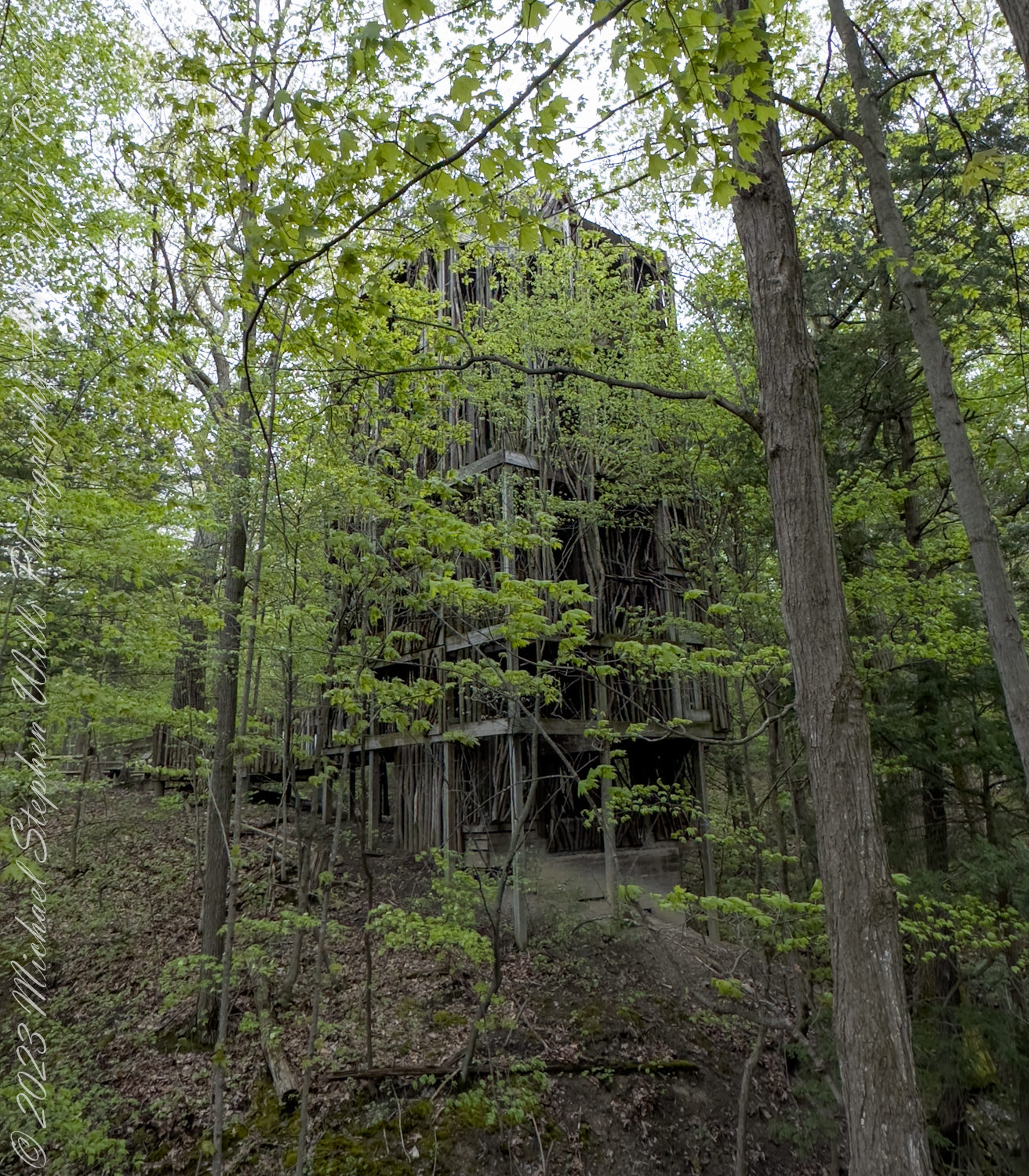
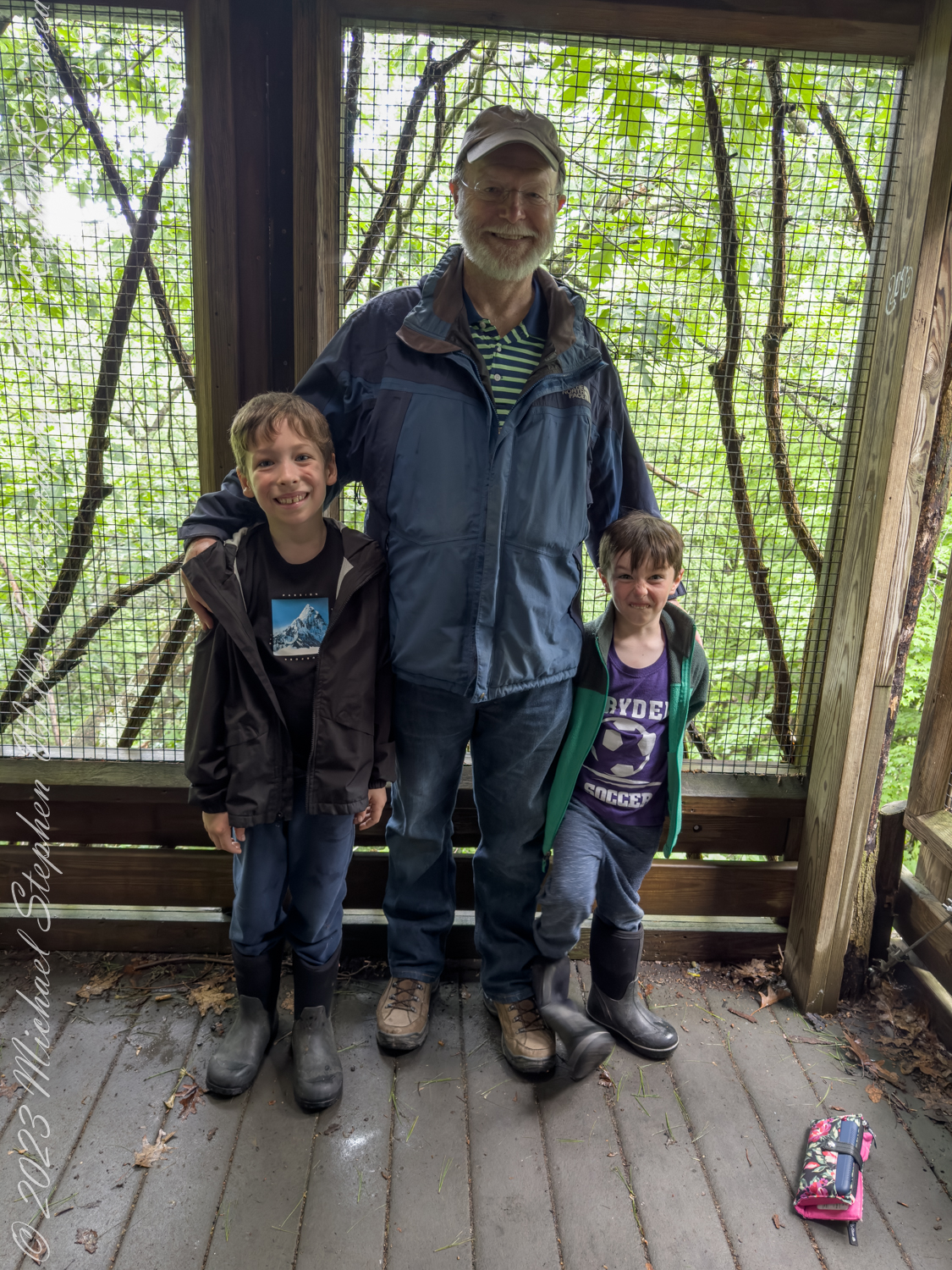
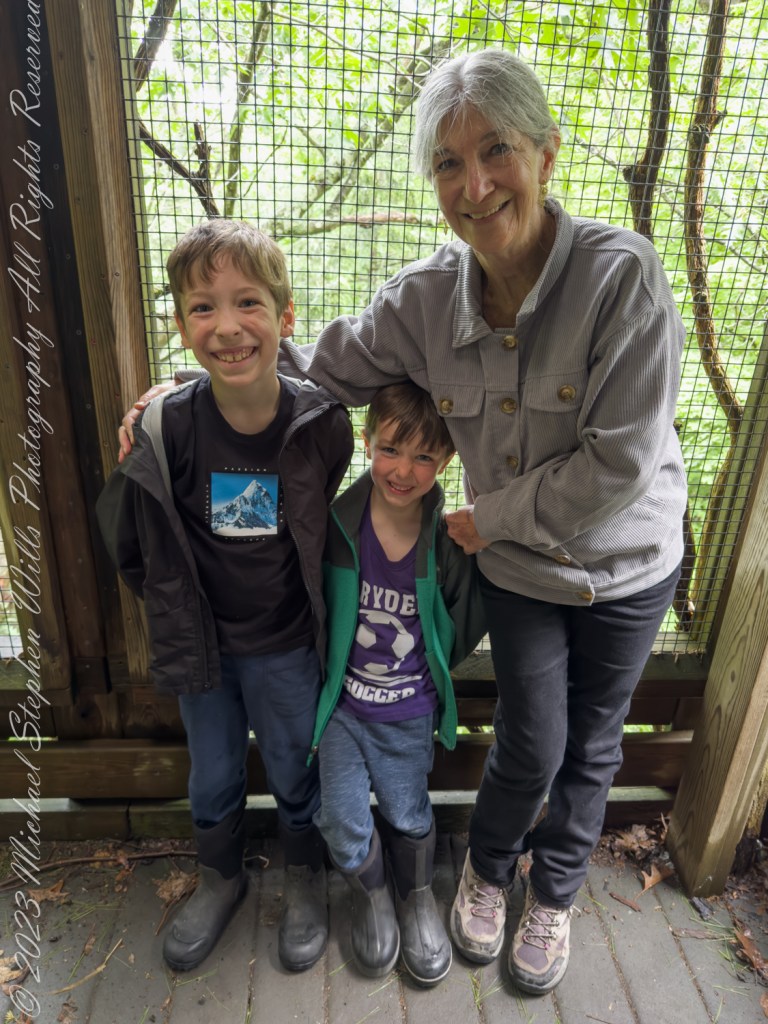
The morning air was crisp and filled with the promise of adventure as we set off for the Cayuga Nature Center, a hidden gem nestled in the heart of Ithaca. The destination: the Treetops Treehouse, a magical structure that promised an immersive experience in nature for me, my sister Diane and two grandsons, Sam and Rory.
As we approached the treehouse, the boys’ excitement was palpable. The Treetops Treehouse is a marvel of rustic architecture, a multi-level structure that blends seamlessly with the surrounding forest. It was designed to give visitors a bird’s-eye view of the forest canopy, allowing for a unique perspective on the local flora and fauna.
Exploring the Treetops
Upon arrival, we were greeted by the gentle rustle of leaves and the chorus of bird songs. The boys raced ahead, eager to explore the winding pathways and hidden nooks of the treehouse. The structure is constructed entirely of wood, with sturdy railings and wide platforms that offer panoramic views of the forest.
Capturing the moment inside Treetops
We were particularly fascinated by the various interpretive signs that explained the local ecosystem. We learned about the different species of trees, the birds that nested in the canopy, and the small mammals that scurried along the forest floor. It was a delight to sparked their curiosity of the natural world.
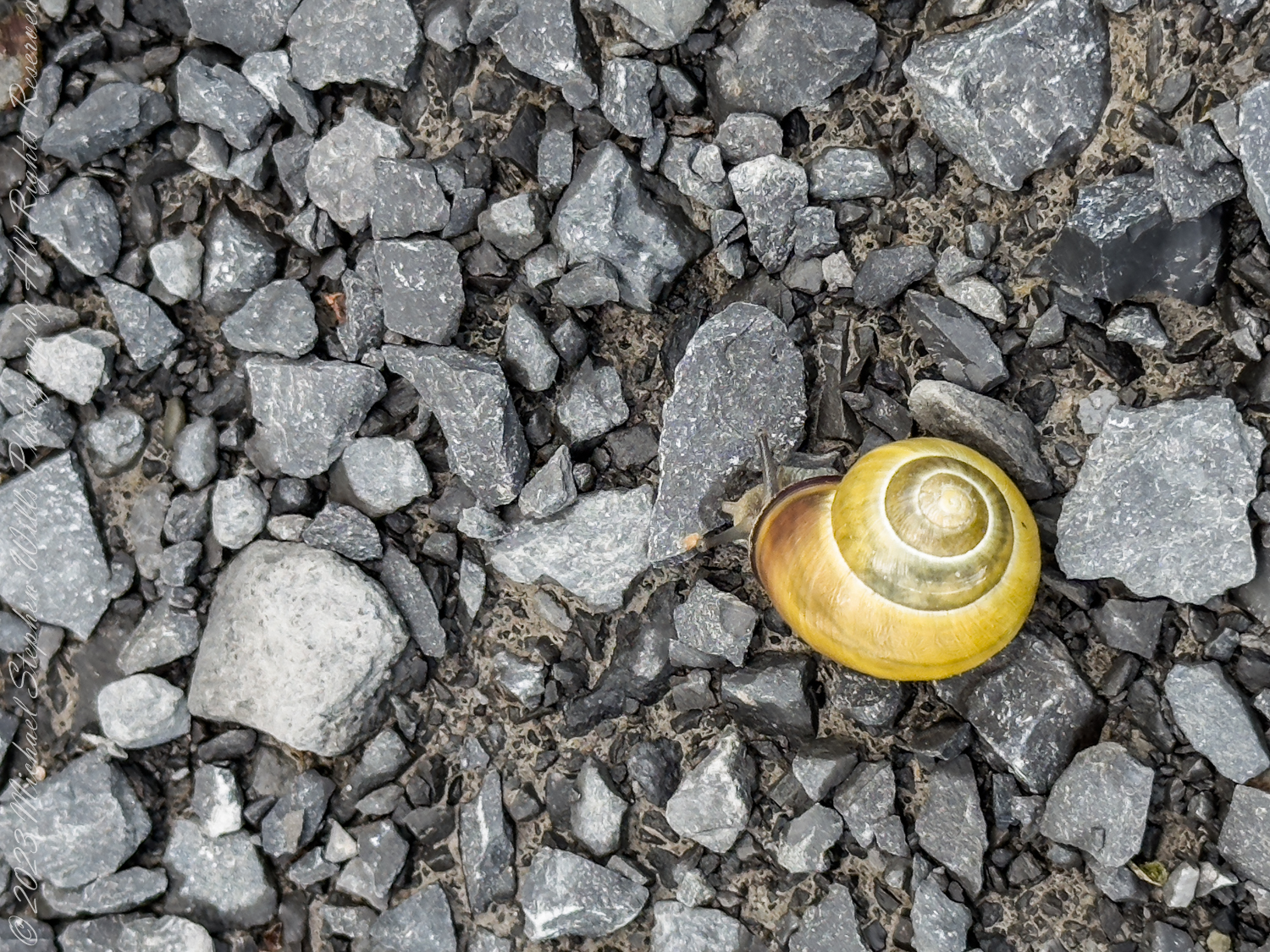
Discovering a Land Snail
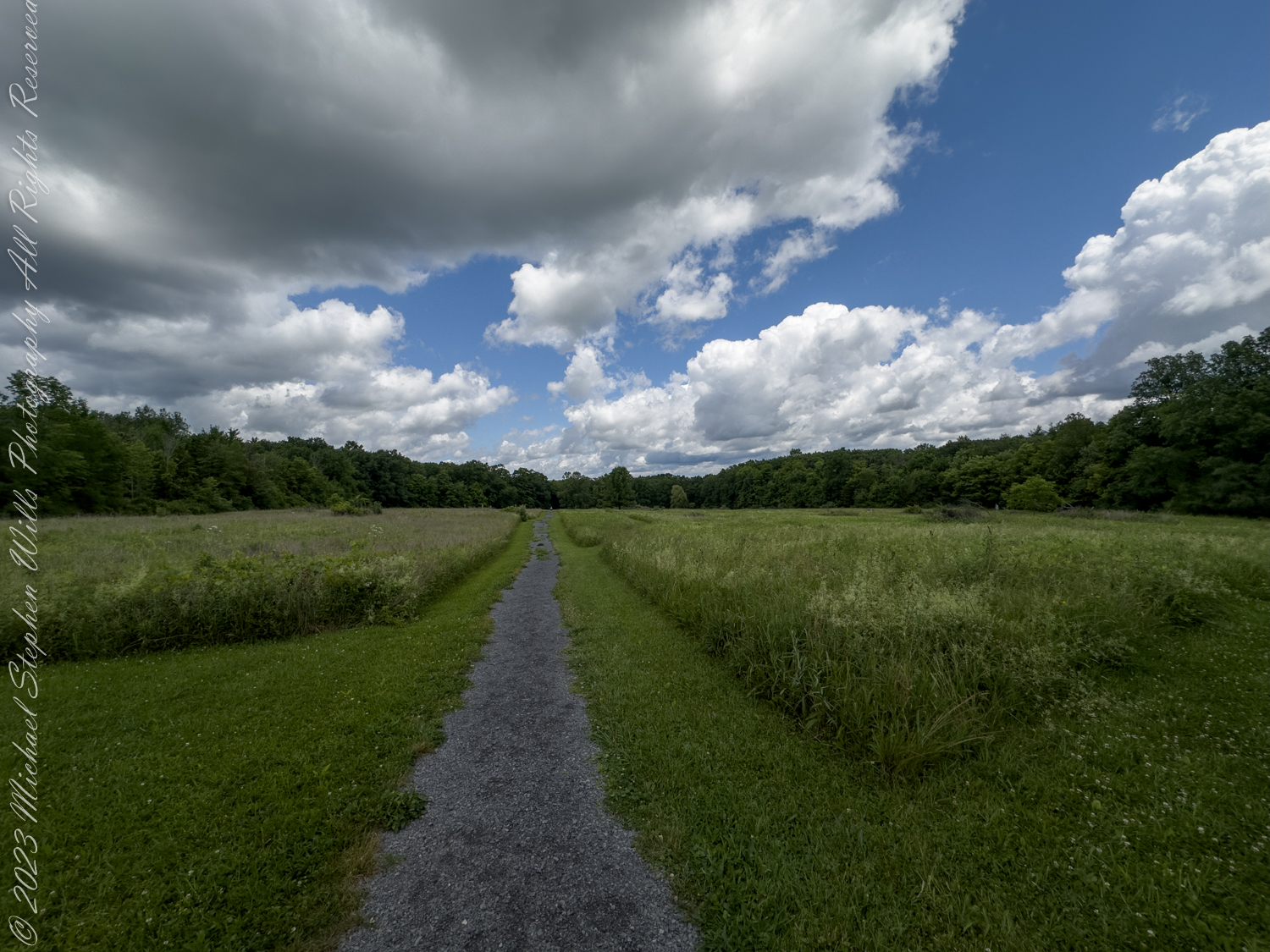
Meadow Trail
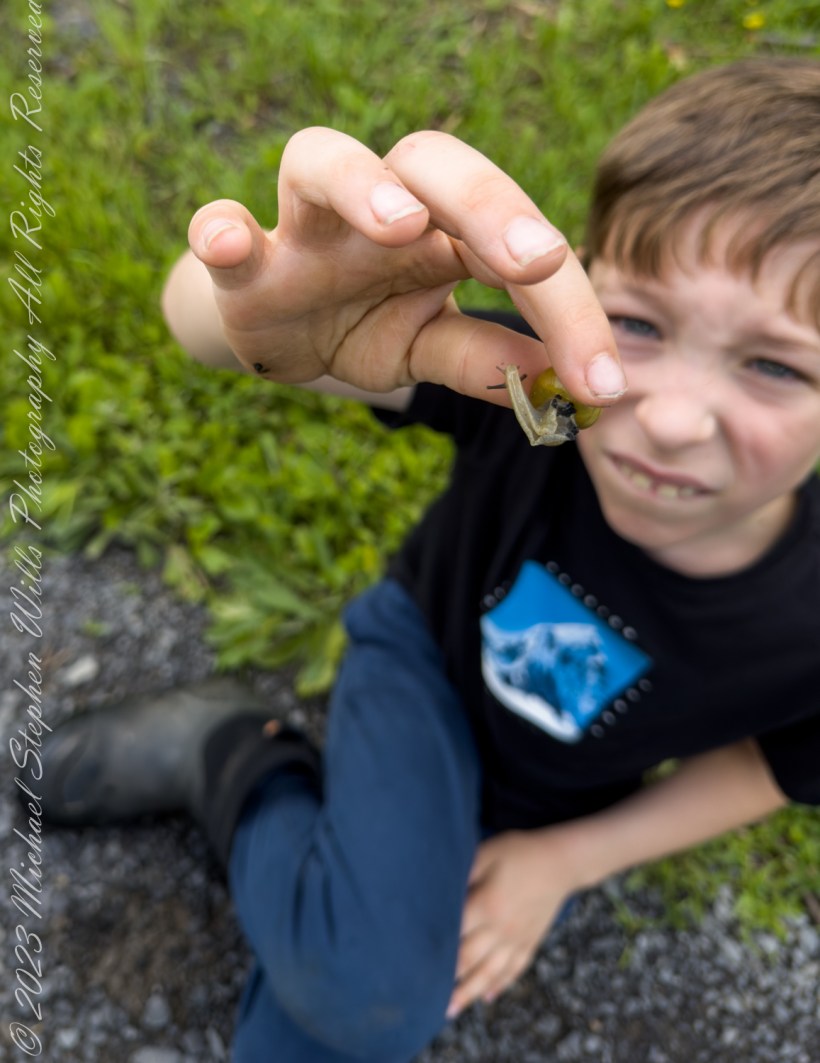
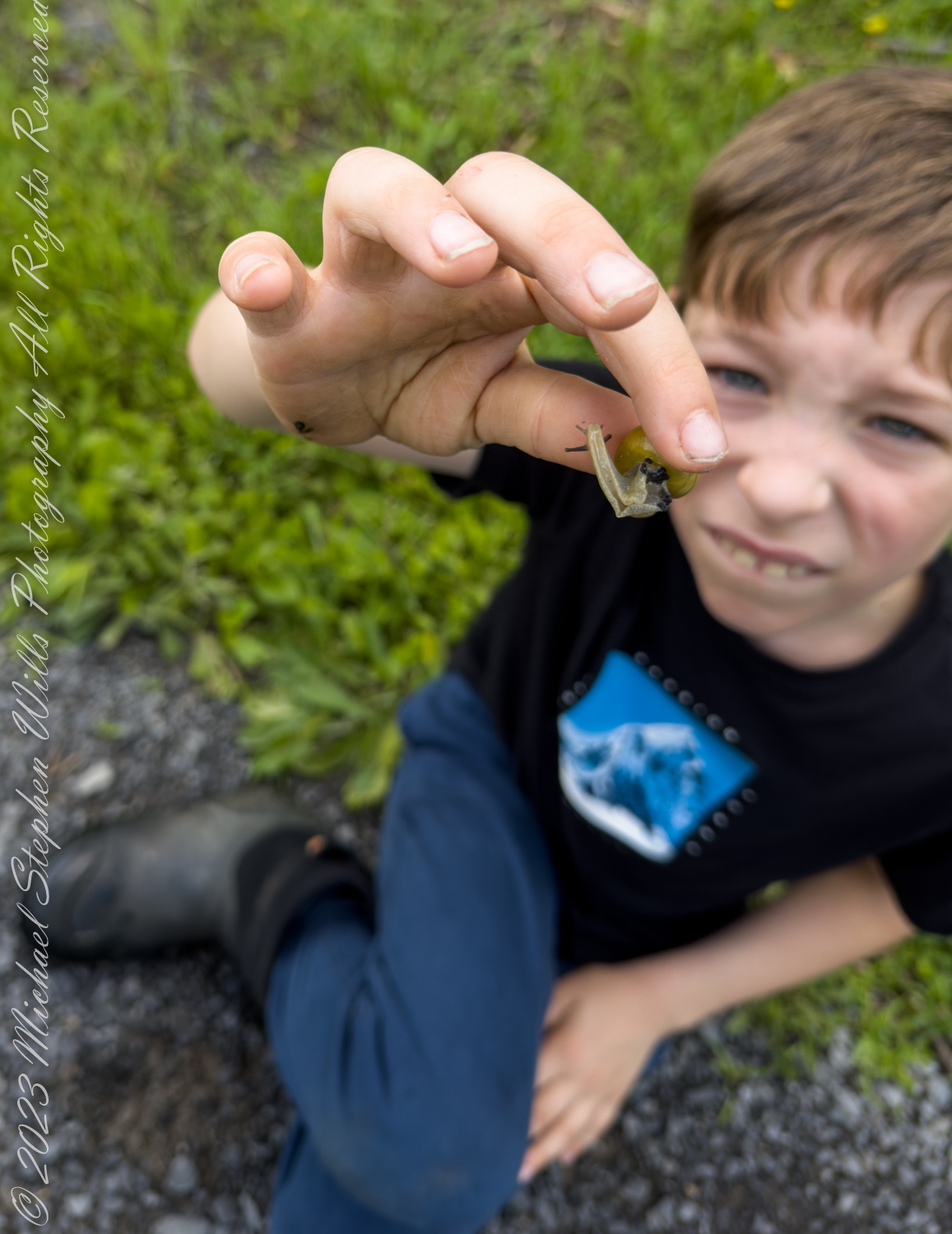
Afterwards, walking along a meadow trail, Rory’s keen eyes spotted something unusual on the ground. Nestled among the fallen leaves was a small land snail, its delicate shell glistening in the dappled sunlight. The boys and I gathered around to observe this tiny marvel of nature.
The snail appeared to be from the genus Triodopsis or Neohelix, possibly Triodopsis albolabris or Neohelix albolabris, known for their white-lipped shells. These snails are common in moist, forested environments and play a crucial role in the ecosystem as decomposers. They feed on decaying plant material, helping to recycle nutrients back into the soil.
The Learning Apiary
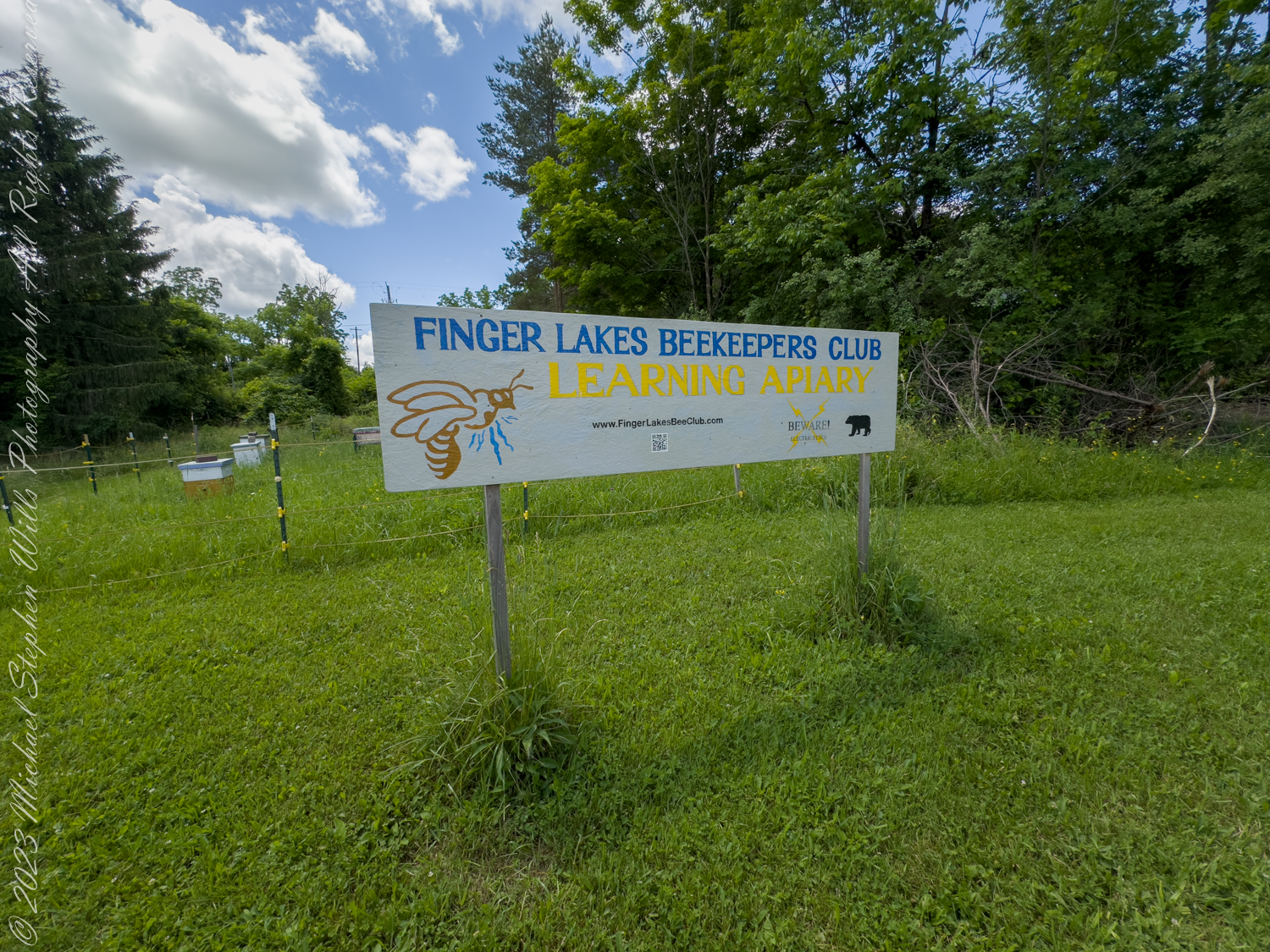
Further along the meadow trail, we made our way to the Finger Lakes Beekeepers Club Learning Apiary. The apiary is a place of learning and discovery, where visitors can gain insight into the fascinating world of honeybees and beekeeping.
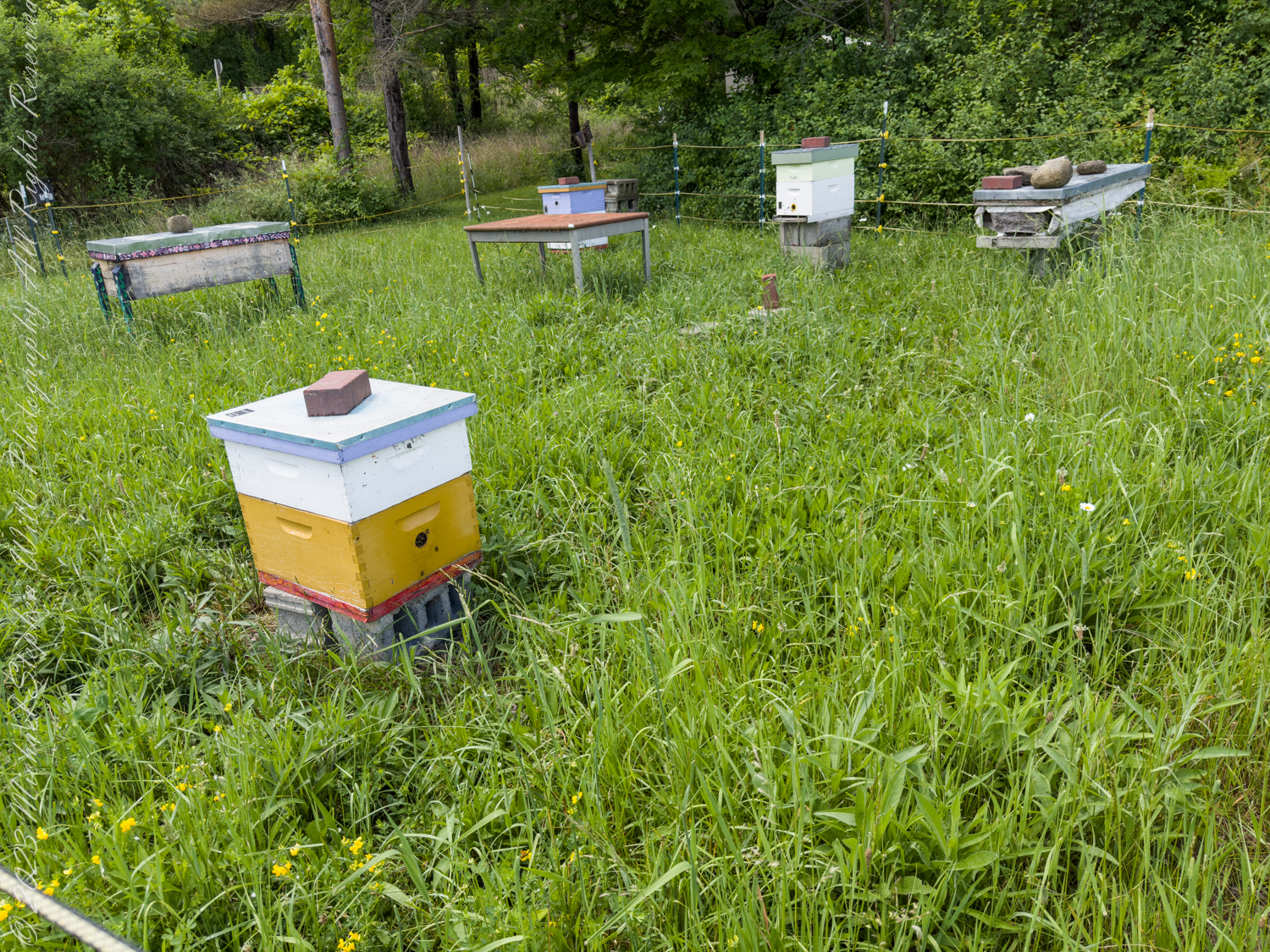
The apiary is composed of several beehives, each carefully maintained by members of the Beekeepers Club. We were careful to keep our distance from the electrified fence, protection against marauding bears and humans.
“ever-busy bees”
Wildflowers in Bloom
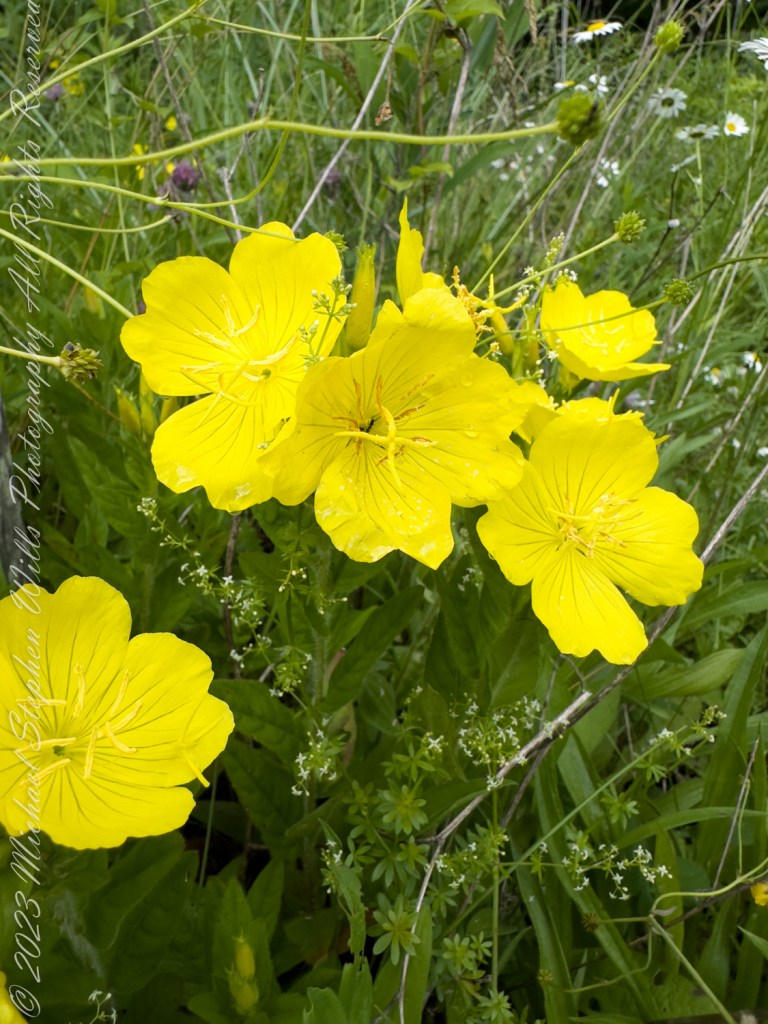
Narrow Leaved Sundrops
As we walked back from the apiary, the trail was lined with a vibrant display of wildflowers. The late spring bloom painted the landscape with splashes of color, from the golden yellows of evening primrose to the delicate whites of daisies.
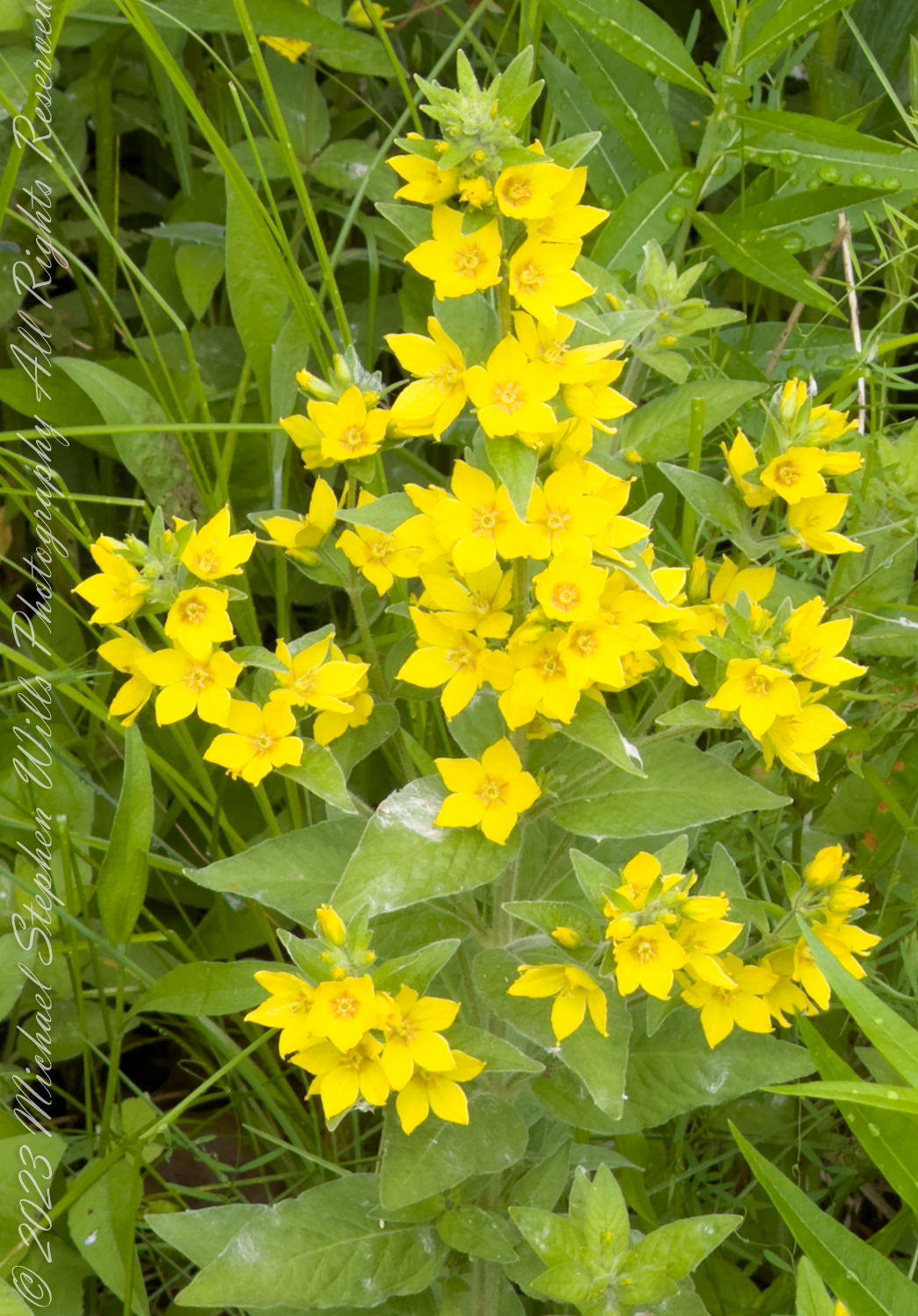
Large Yellow Loosestrife
One particular cluster of bright yellow flowers caught our attention. It was the Lysimachia punctata, commonly known as yellow loosestrife. These star-shaped flowers grow in dense clusters and are a favorite among pollinators. The boys marveled at the intricate patterns and vibrant colors, adding another layer of wonder to our day.
Reflections on a Memorable Day
As the day drew to a close, we found a quiet spot to sit and reflect on our adventures. The boys were bubbling with stories to tell their parents—of the towering treehouse, the tiny snail, the bustling beehives, and the fields of wildflowers. It was a day filled with discovery and learning, one that brought us closer to nature and to each other.
The Cayuga Nature Center and the Finger Lakes Beekeepers Club Learning Apiary provided a perfect setting for an outing that was both educational and exhilarating. The experiences we shared will undoubtedly leave a lasting impression on Sam and Rory, nurturing their love for the natural world and the myriad forms of life that inhabit it.
Meadow View
As we packed up and headed home, the boys already began planning our next adventure. The allure of the natural world, with its endless mysteries and wonders, had woven its spell, and we were eager to explore more of what it had to offer.
Copyright 2024 Michael Stephen Wills All Rights Reserved