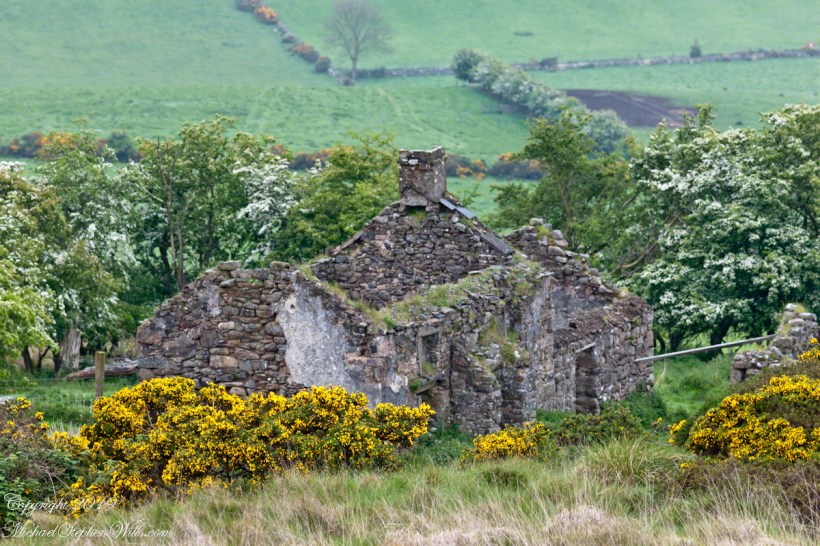
Farmhouse Ruin, Slievenaglogh
Two views
Two views

Join me on a serene Christmas Eve stroll around Beebee Lake, where winter’s bite and the stillness of nature blend into a captivating scene. Through the simple lens of my iPhone 7, witness the frozen beauty of the lake, the historic backdrop of Cornell University, and the timeless dance of nature and history. Experience the quiet awe of this winter day.

Embark on a photographic journey with me, armed with a Canon EOS 5D Mark IV and a keen eye, as we navigate the challenges and beauty of Taughannock Falls. Experience the blending of history and art through my lens, capturing nature’s grandeur and the legacy of the land. Join me in this adventure.
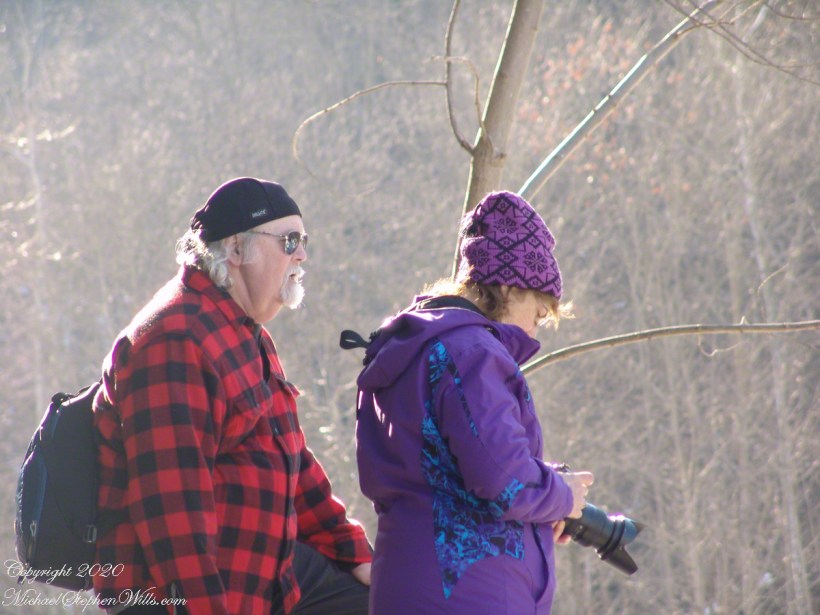
Happy New Year’s Eve
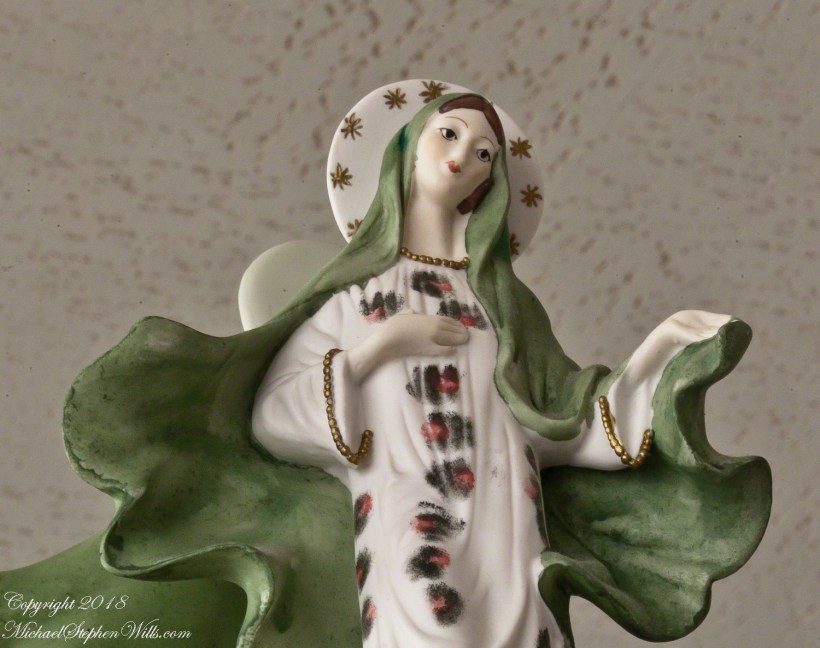
The Feast of the Immaculate Conception was December 8

Three enchanted snowmen beckon you to read my full post.
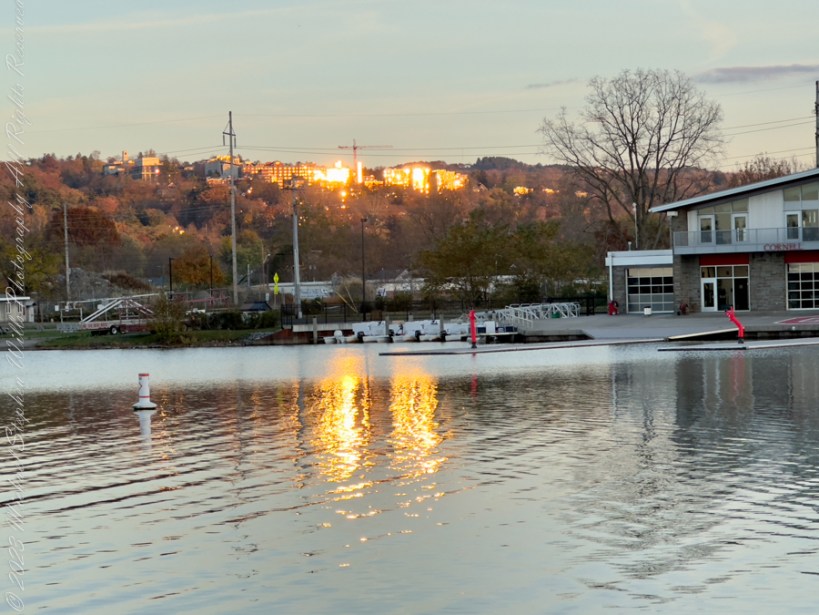
An evening at Cayuga Lake Inlet, home to the Cornell University Crew, is depicted as a serene haven for reflection. The Collyer Boathouse, vital to the local lore, sits across the inlet holding a rich history of crew camaraderie and competition.
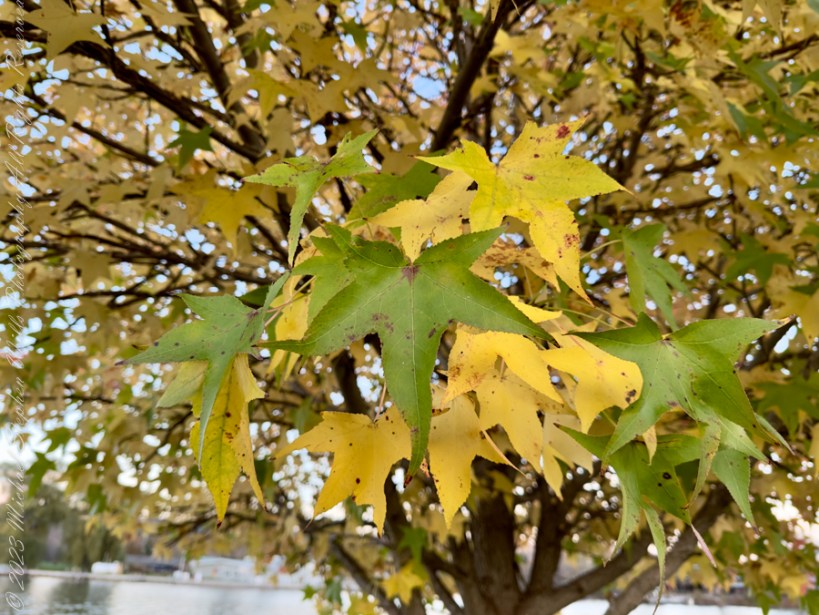
Autumn leaves whisper,
By the calm inlet they dance,
Maple’s red embrace,
History in every branch,
Nature’s heart in silent chant.

In 2003 and 2008, the author visited and photographed White House Ruin in Canyon de Chelly, observing changes in landscape.
In November 2003, my son Sean and I journeyed up Route 191 from Petrified Forest National Park, arriving in Chinle on a crisp autumn afternoon. My photography equipment at the time was modest: a Sony Point and Shoot 5 MP camera with filters, a purse-like over-the-shoulder bag, and a basic tripod from Kmart.
We reached the White House trailhead in Canyon de Chelly and began our hike. The trail was quiet, and as the sun set at 5:20 pm, we found ourselves virtually alone. A dense growth of Russian Olive trees dominated the wash at that time. In the dimming light, I captured a distant shot of the White House Ruin, whitewashed, set against the backdrop of autumn-hued Russian Olive foliage. Nearby, a grove of Cottonwoods, still green, stood near the canyon wall.

By the time Pam and I returned in July 2008, four years and nine months later, the landscape had changed. The invasive Russian Olives had been removed, and the White House Ruin was no longer painted white.
The same Route 191 that Sean and I had taken in 2003 led us through the Four Corners region of Northern Arizona. Pam and I had traveled from Colorado, arriving in the late afternoon. This time, the Navajo Reservation’s adherence to daylight savings time meant the sun wouldn’t set until 8:33 pm. My aim was to photograph the White House Ruin that I had missed years earlier.
That July day the sun set 8:33 pm as the Navajo Reservation observes daylight savings time. My goal was to photograph the White House Ruin I missed in 2003. We arrived at the trail head. My photography kit was expanded from 2003, now included a Kodak DSC Pro slr/C, the “C” meaning “Canon” lens mounting, a Sony 700 alpha slr (I only use a variable lens), Manfrotto tripod with hydrostatic ball head, and the backpack style Lowe camera case. With the tripod it is over 25 pounds.
With this on my back I was prepared to boogie down the trail. At the height of tourist season there were many more people at the trailhead. Pam, being a friendly person, started a conversation while I ploughed ahead along the flat canyon rim. It is solid red sandstone, beautiful, generally level with enough unevenness to require attention. When Pam saw how far ahead I was she tried to catch up, tripped, fell hard.
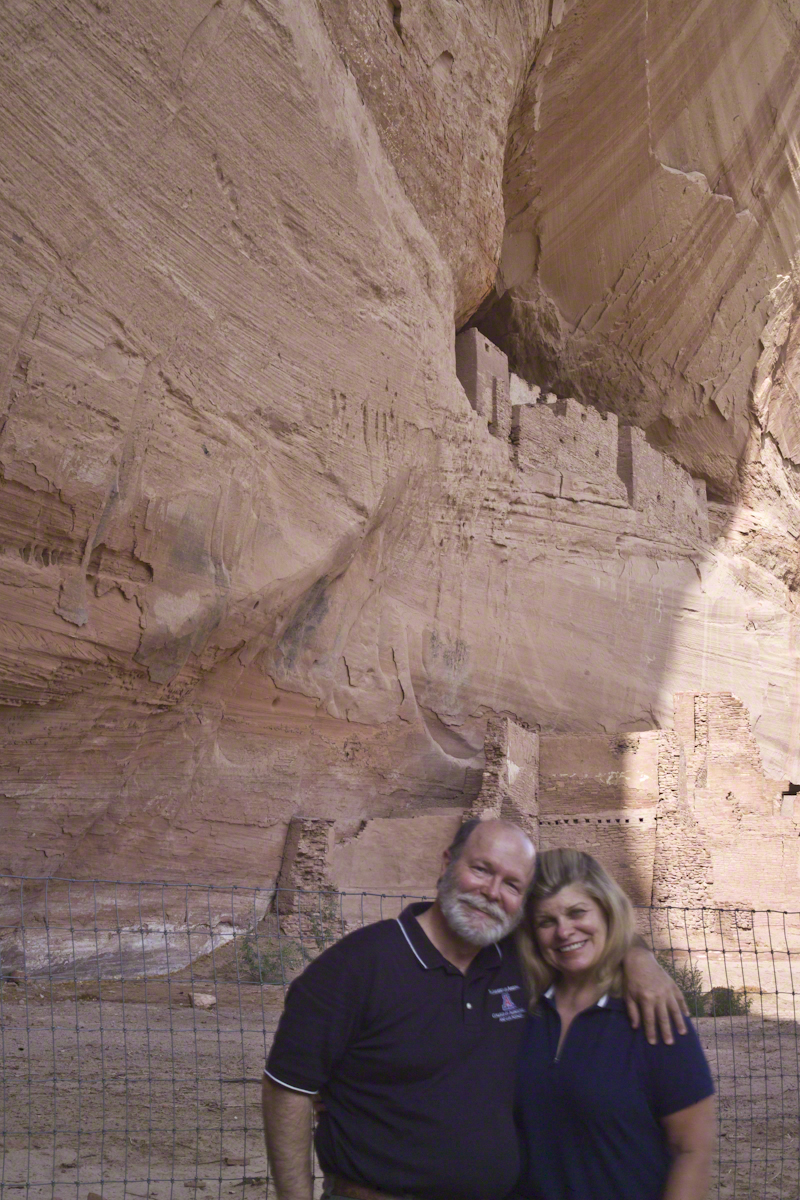
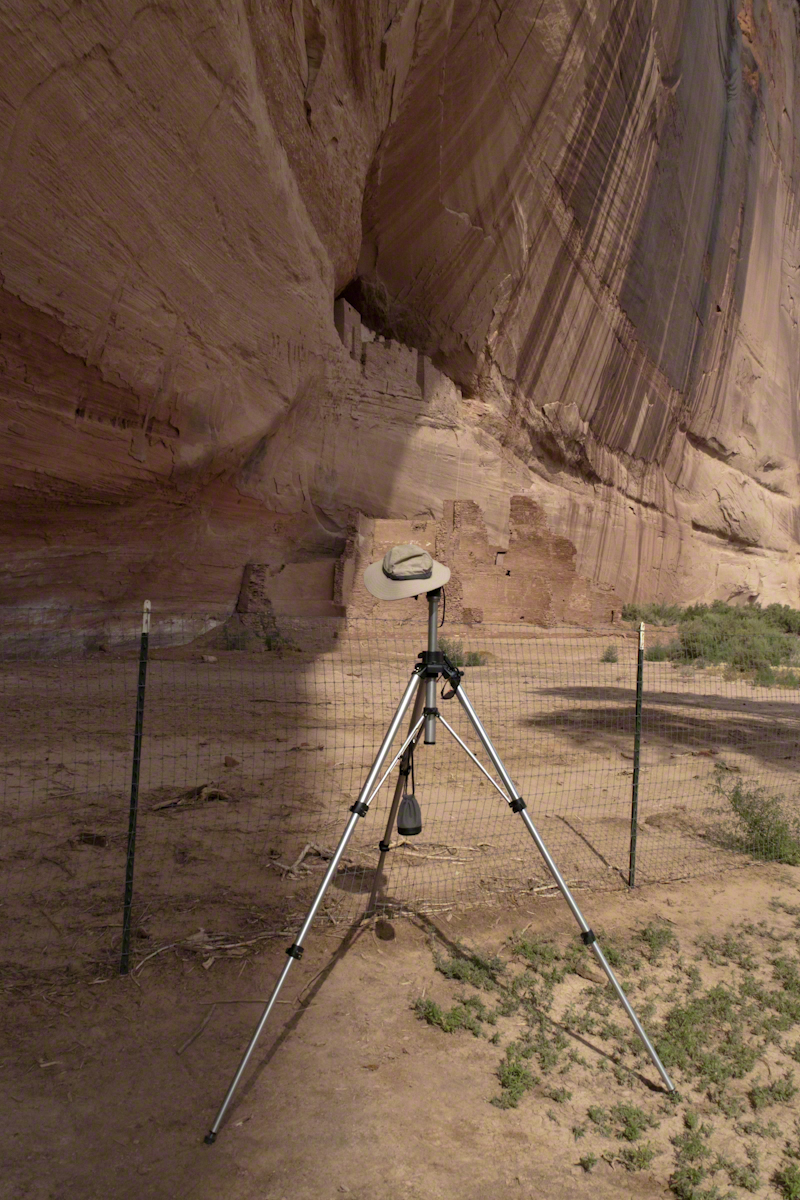
I backtracked to Pam and we decided what to do. She thought, maybe, the fall broke a rib. We decided to proceed and descended, slowly, together. Here we are in front of the ruin. The sun, low in the sky, is moving below the south canyon wall. This is a perfect time, and I used both cameras.
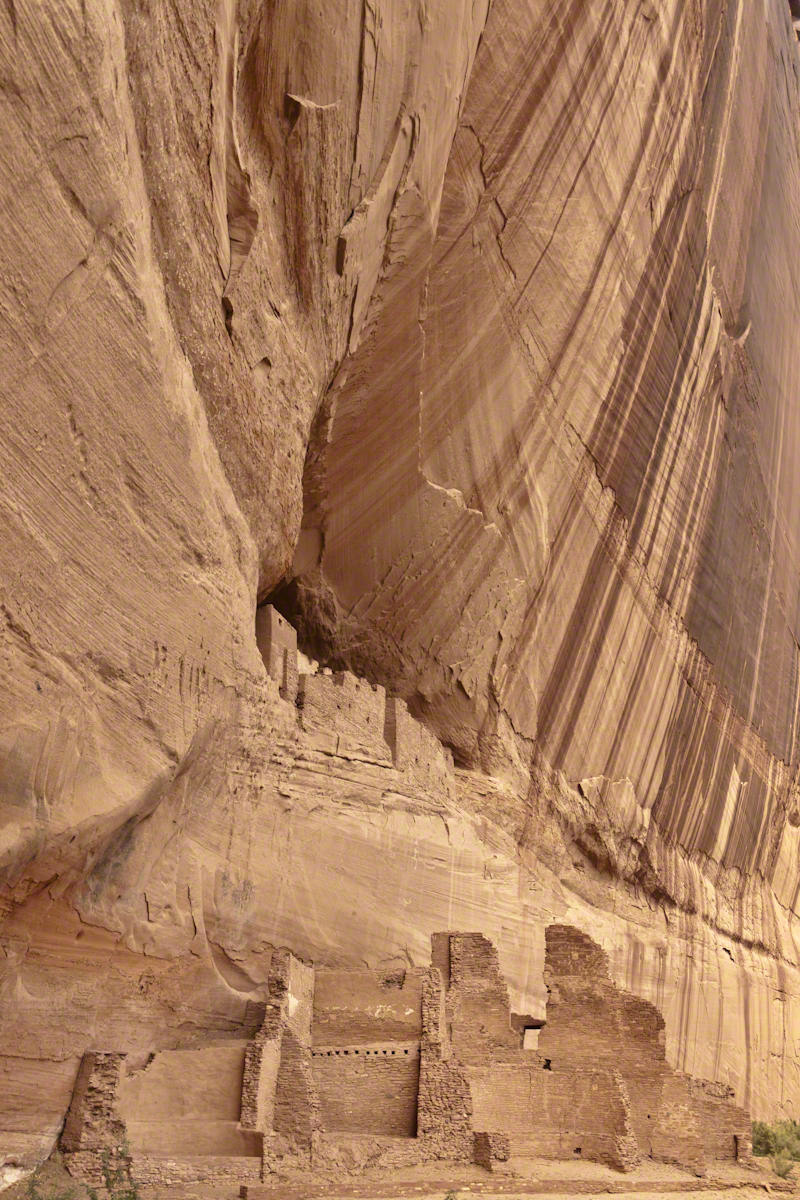
The sweep of cliff and desert varnish was my intent to capture. Here it is through the Canon 50 mm lens.
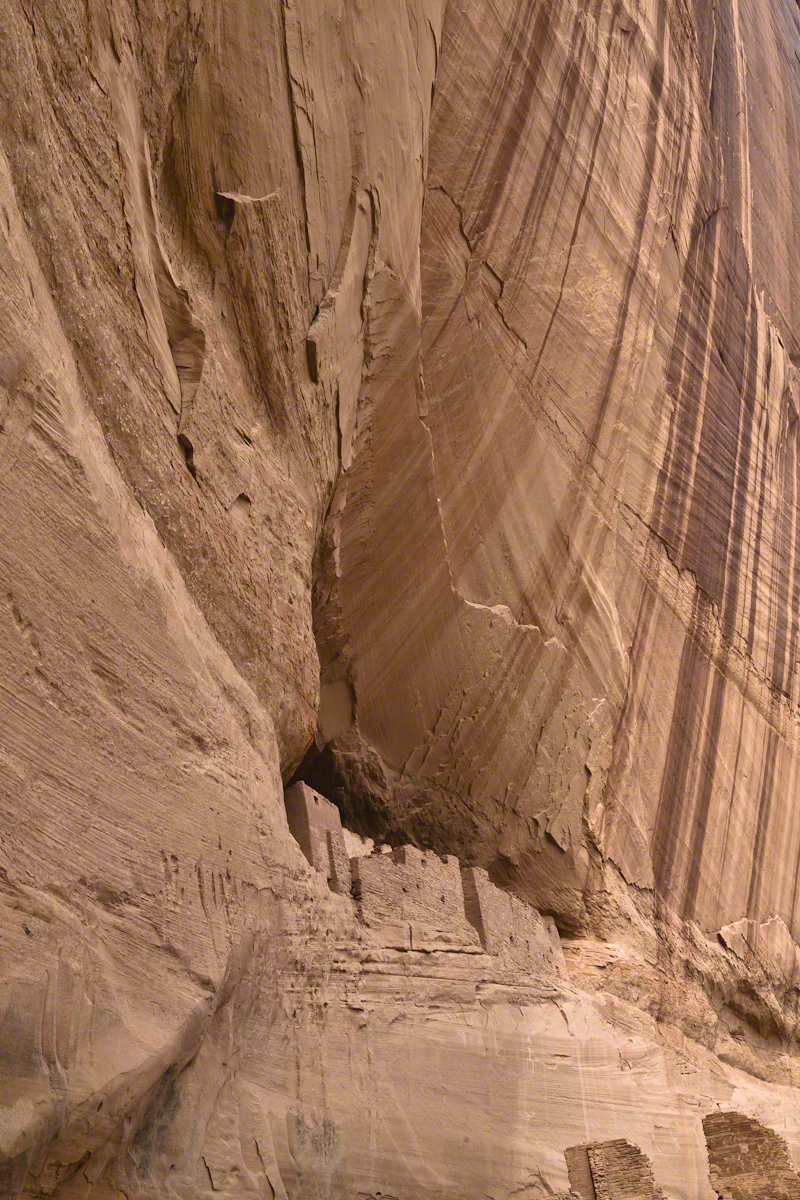
I captured this version with the Sony Alpha 700 slr, the variable lens set to widest angle.
Here the camera setup waits out the sun…..

Double Irony

Baker Laboratory dates back to World War I. With 200,000 square feet of space, the lab is home to Cornell’s Chemistry and Chemical Biology Department, the Chemistry Research Computing Facility, the Nuclear Magnetic Resonance Facility, and the Advanced ESR Technology Research Center (whew!!).
On the right, on a knoll, is a European beech tree (Fagus sylvatica). The Latin name holds a double irony. Standing, alone, high above East Avenue on the Cornell campus (sylvatica means “of forests”) as a memory of the forests growing above Cayuga Lake is a being once worshiped as a god. In Celtic mythology, Fagus is the god of beeches.
A maple is on the left, genus Acer of unknown species. I recognize it from the shape.
Copyright 2023 Michael Stephen Wills All Rights Reserved
 Michael Stephen Wills Photography