Quaker Settlement Series 1

Discover the solemn beauty of Quaker Settlement Cemetery through my lens, where intricate slate headstones whisper tales of early settlers, intertwining family lore with the artistry of marble willows

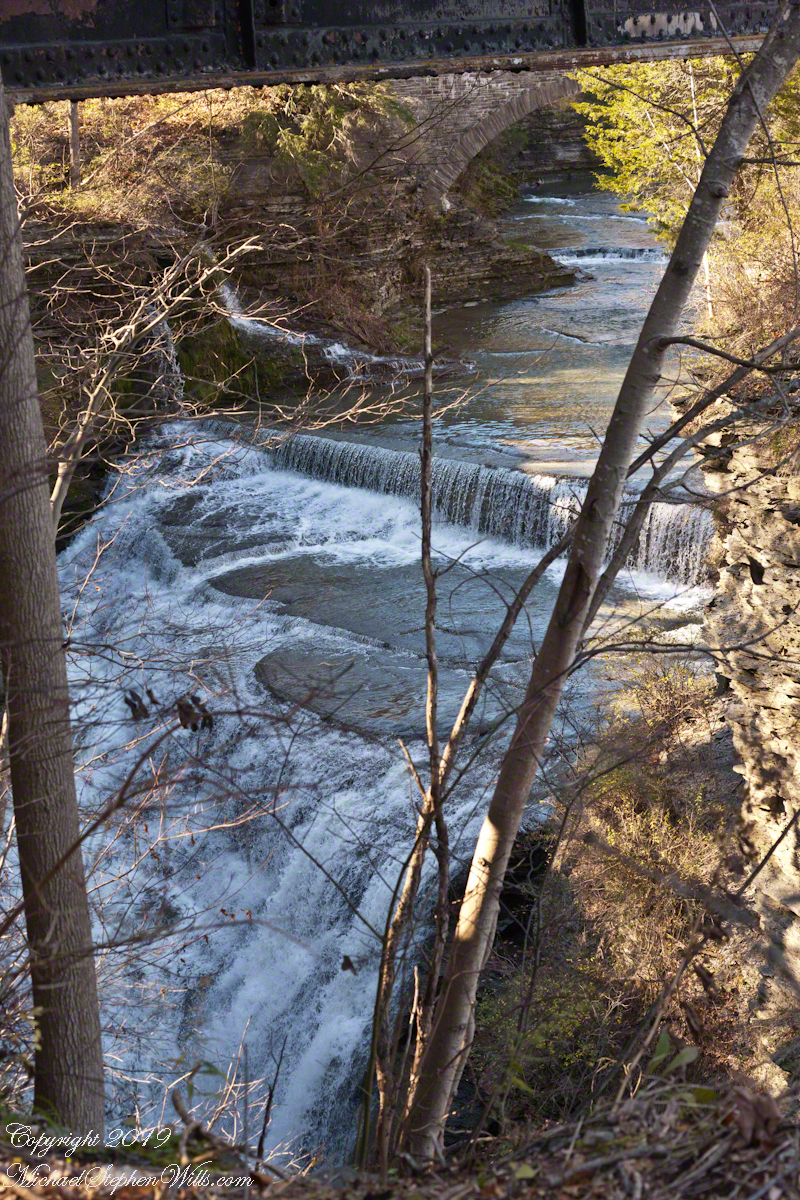
On my way to Taughannock Falls, November 6, 2019 (see my post “Cuteness Break”, the first of that series) I explored a different route and came up this cemetery set among an appealing pine grove.

Click photograph for a larger view. To do this from WordPress Reader, you need to first click the title of this post to open a new page.
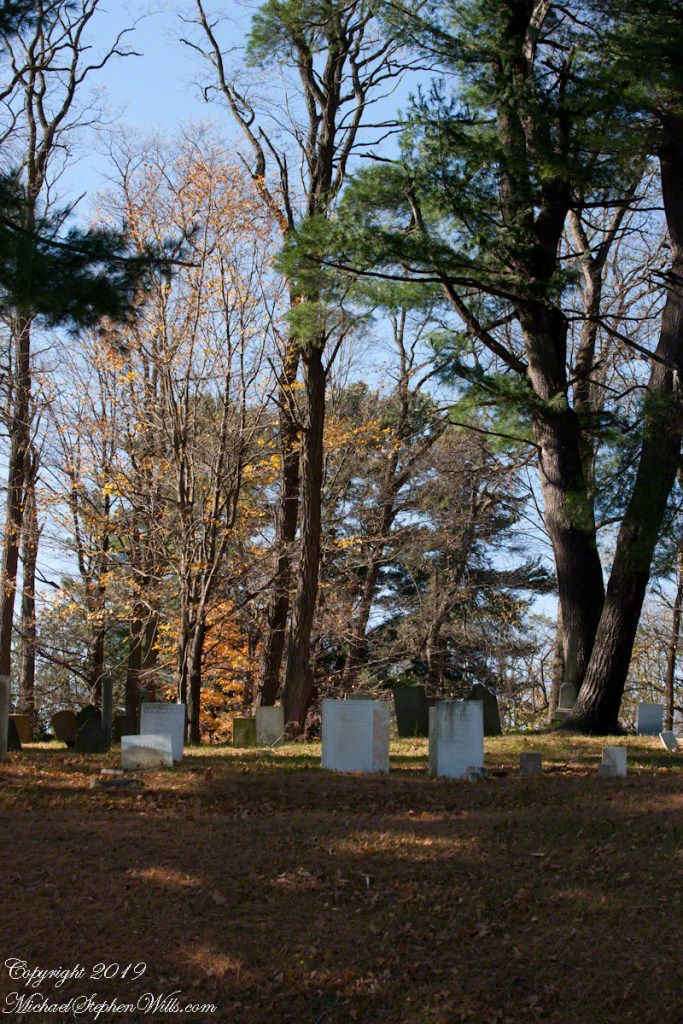
Located in the town of Ulysses, New York there is a Quaker Settlement church a few feet further west on Perry City Road. I have Quaker ancestors, so took the opportunity to peruse the family names. The stones were unusually beautiful and touching, mostly local slate, some with intricate carvings.

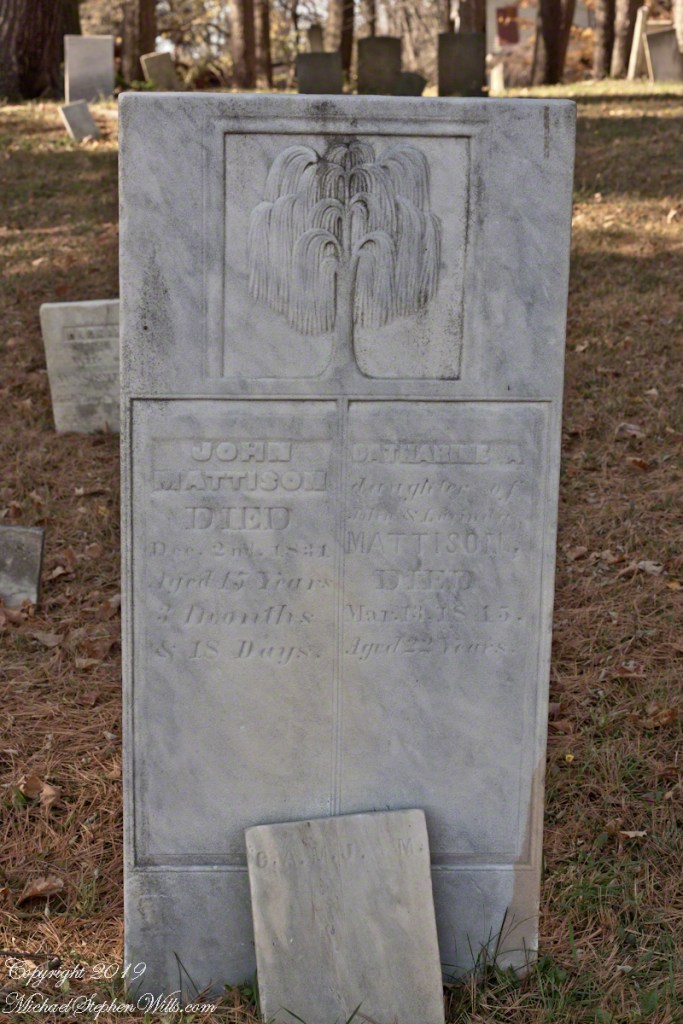
Here is a headstone for two young people of the same family name. The white marble carved in the form of a willow, from the flowing lines and, knowing how our willows green up springtime, it calls to mind the same youthful greening as appropriate for two young people who lived 22 and 15 years.

Analysis of the dates, given in the following capture, tells the story of an young woman, a baby born 5 months after her death and who followed his aunt 15 years later.
I have a great aunt who also died young with a headstone naming her mother and father. Here is the granite headstone of Mary R. Daughter of George & Margarett Wills Died Oct. 3, 1886 Aged 20 years. Saint Mary of Assumption Cemetery, Sweetwater, New Jersey. My grandfather James Edward Wills was 9 years old at his sister Mary’s passing. He must have attended her church service and internment, standing at this spot.

Copyright 2024 All Rights Reserved Michael Stephen Wills

Resilient Mountain Beauty

Embark on a journey through the serene Rincon Mountain Wilderness with me. Witness the rugged beauty of the Hedgehog Cactus and the whispering Bear Grass through my lens. Let’s unravel the secrets of the desert together, and find solace in the still life of the Happy Valley Saddle. Join me, and let’s capture the enduring spirit of Arizona’s hidden treasures.

Continue reading “Resilient Mountain Beauty”

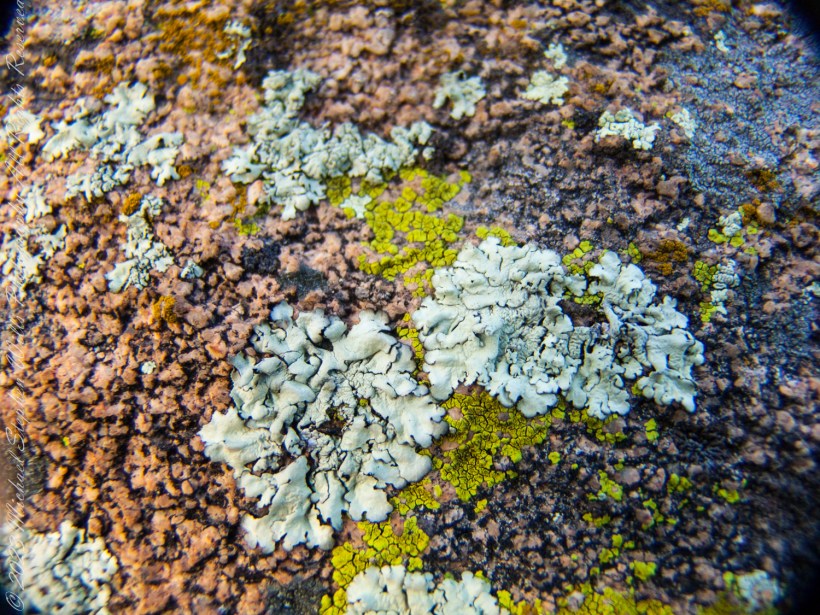
Lichens: Symbiosis Set on Stone

Discover a timeless world through my lens: delve into Arizona’s Rincon Wilderness, where lichens and hedgehog cacti narrate Earth’s enduring, untold story. Join me.

Continue reading “Lichens: Symbiosis Set on Stone”

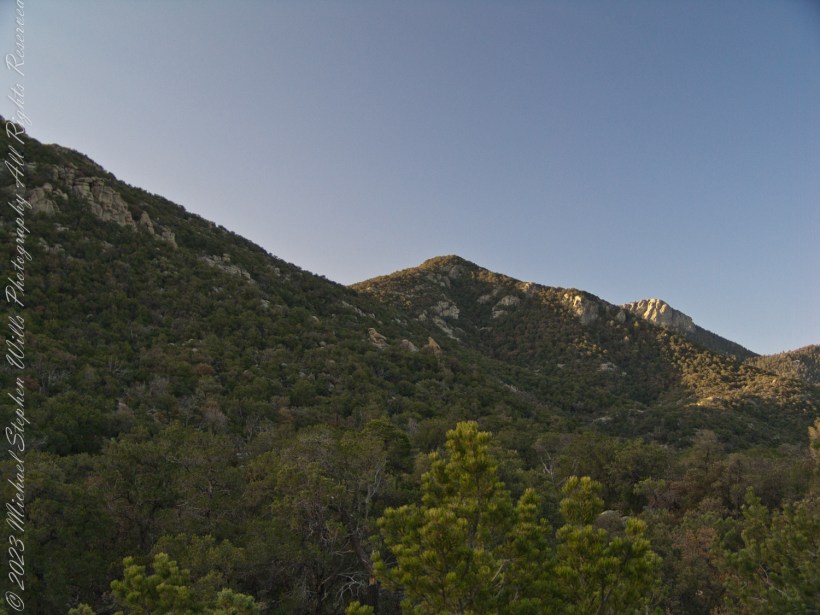
Dawn’s Embrace: A Morning Among the Rincon Peaks

Step into the serene embrace of Happy Valley Saddle through our latest blog post, and wander with us as the dawn unfolds over the majestic Rincon Peak.

Continue reading “Dawn’s Embrace: A Morning Among the Rincon Peaks”

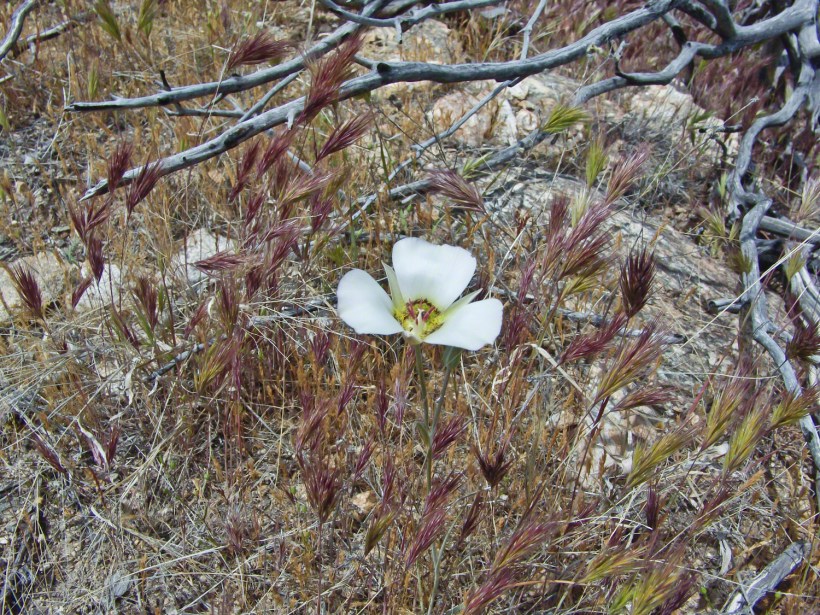
Understanding the Sego Lily: Calochortus nuttallii

Discover the Sego Lily, Calochortus nuttallii, a symbol of resilience and beauty in the arid deserts of the West. Uncover its role in pioneer survival and its captivating presence on a serene April backpack into the Rincon Wilderness. Join us in exploring the enduring grace of this desert gem.

Continue reading “Understanding the Sego Lily: Calochortus nuttallii”

Honor the Day

Morning’s first blush stirs,
Horizon whispers in gold
Day’s ancient new song.

Continue reading “Honor the Day”

Newgrange X

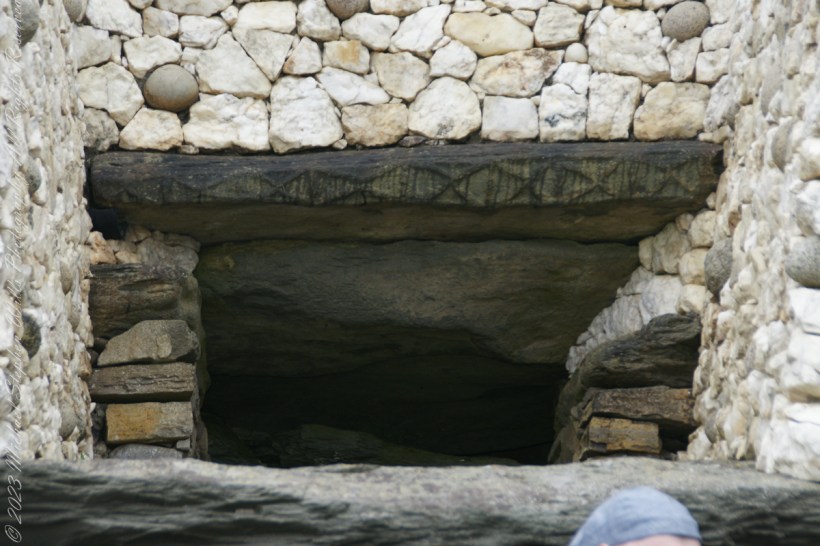
Step into the ancient world of Neolithic monuments and discover the astounding astronomical knowledge of our ancestors. Explore the Newgrange Lightbox in Ireland and similar marvels across Europe, revealing a deep connection between ancient peoples and the cosmos. Join me in unveiling these architectural wonders.

Continue reading “Newgrange X”

Newgrange IX

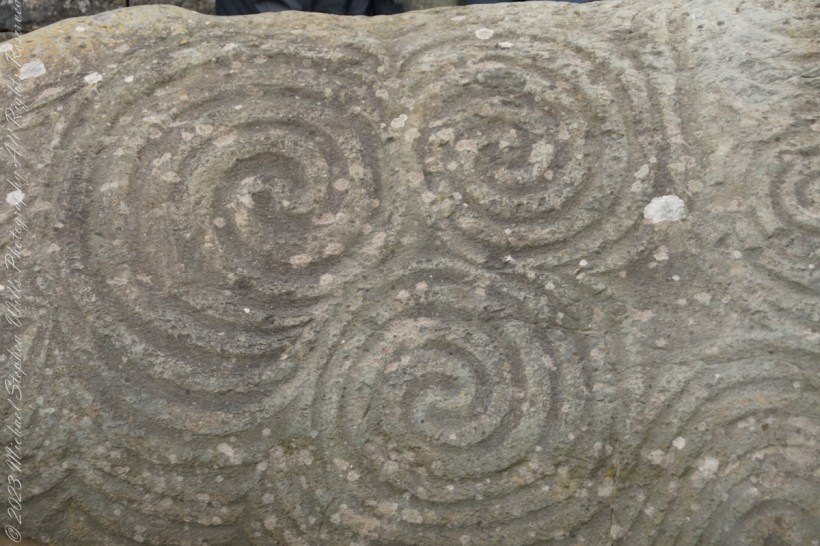
Discover the mysteries of the Newgrange monument’s Entrance Stone, a showcase of exquisite Neolithic rock art. Explore spirals, lozenges, and geometric designs that define European megalithic art and delve into their potential meanings and cultural significance. Join me in uncovering the secrets of this ancient Irish wonder.

Continue reading “Newgrange IX”

ScienceCenter with Grandchildren

The ScienceCenter museum encourages learning about nanotechnology’s prevalence and unpredictable, unique behaviors.

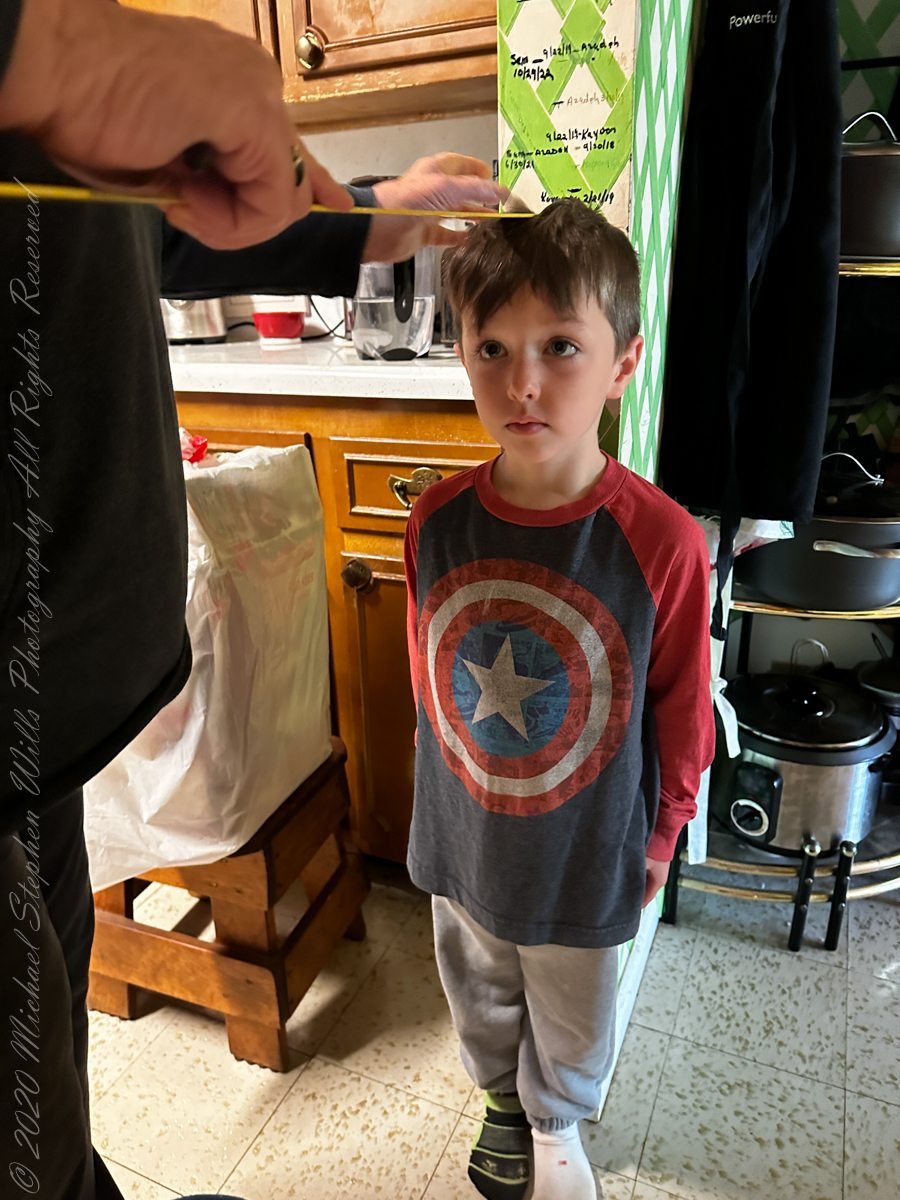
Our day of science began with measurement: each grandchild’s growth is represented on this corner. Even as young adults they visit and are re-measured. Here Rory is making his mark.

Our science inspired museum, ScienceCenter, is full of fun activities.

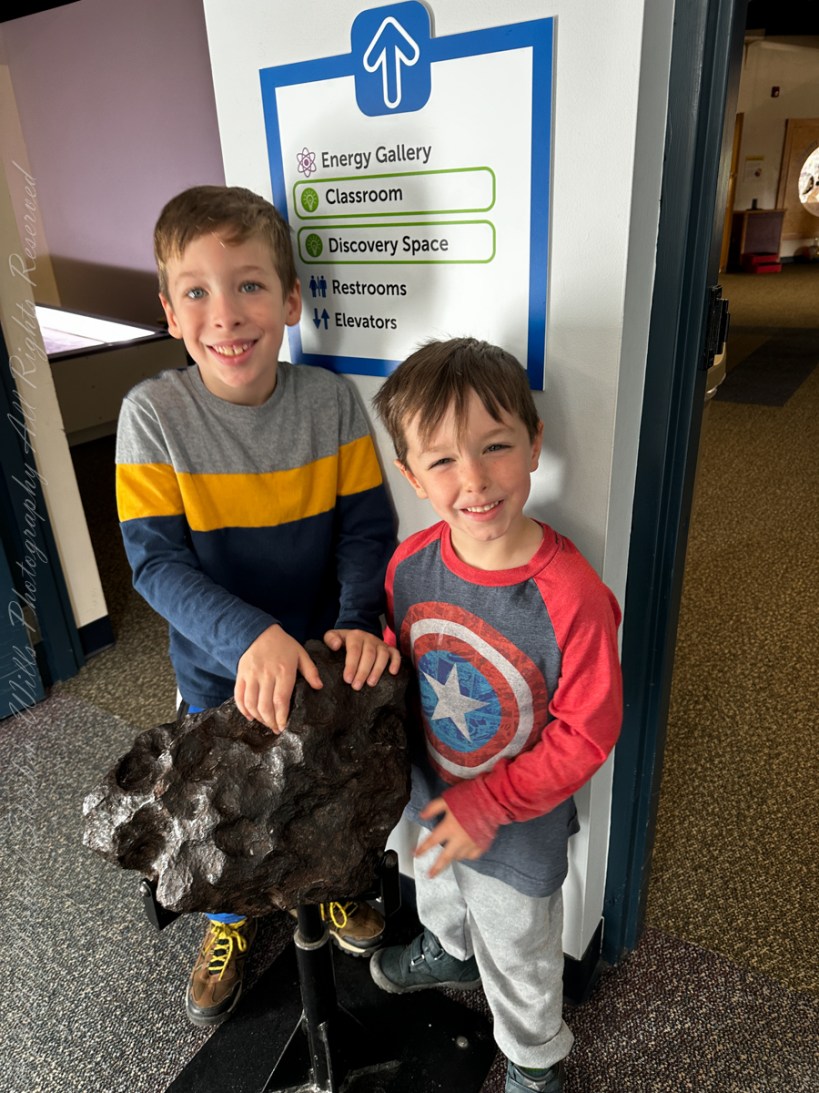
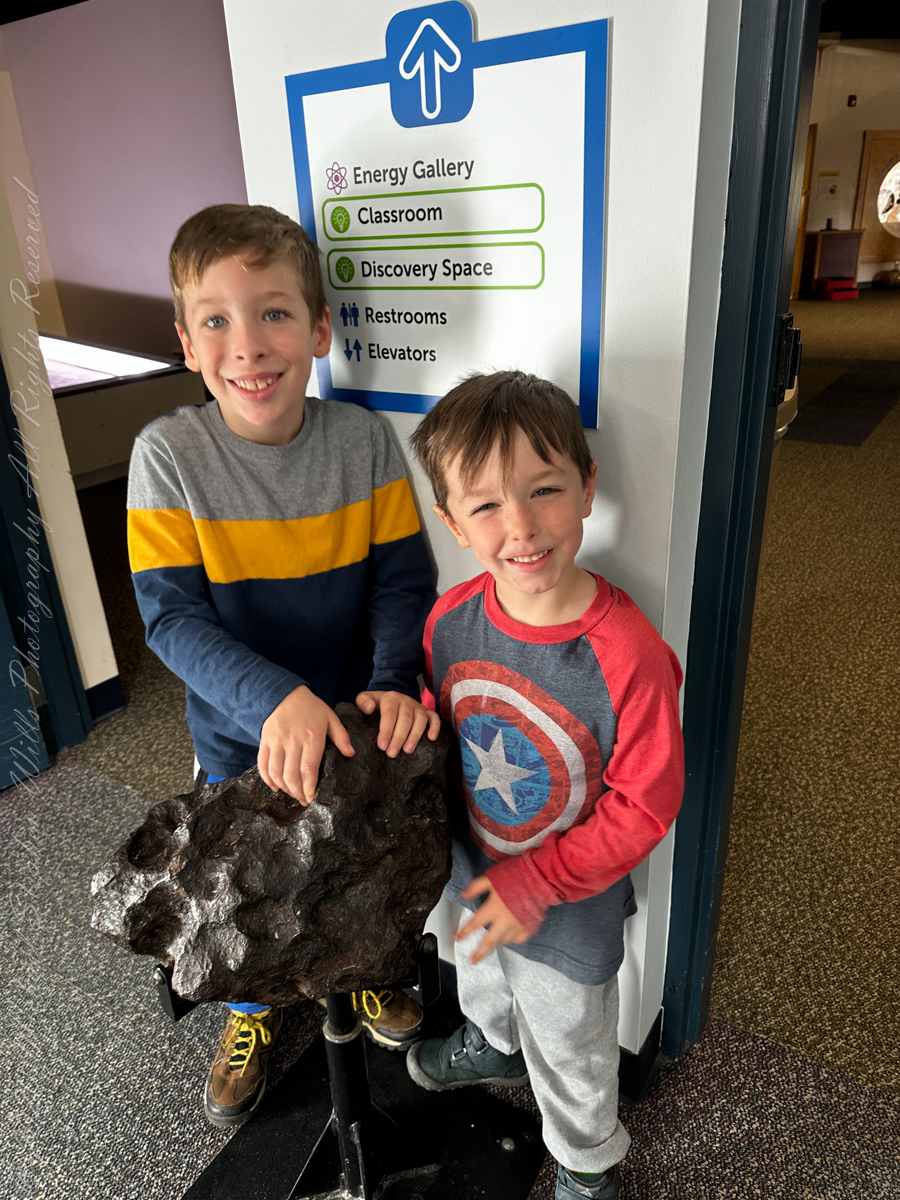
Nothing like touching a space object: an iron-nickel meteorite.

So much to learn and discover. Here is Sam perusing a “nano” display.

Nanotechnology is pervasive, existing both in nature and within our technological innovations. Nature offers numerous instances of nanoscale phenomena. For instance, the iridescent hues seen in certain butterflies and the adhesive properties of geckos’ feet are both outcomes of nanostructures.

In our everyday products, nanotechnology plays a significant role. You’ll find it in items you use regularly, such as computer chips featuring minuscule nano-sized components and sunscreen containing nanoparticles. Looking ahead, nanotechnology will play an even more prominent role in our lives.

The question is: Where can you spot the influence of nanotechnology in your own life?

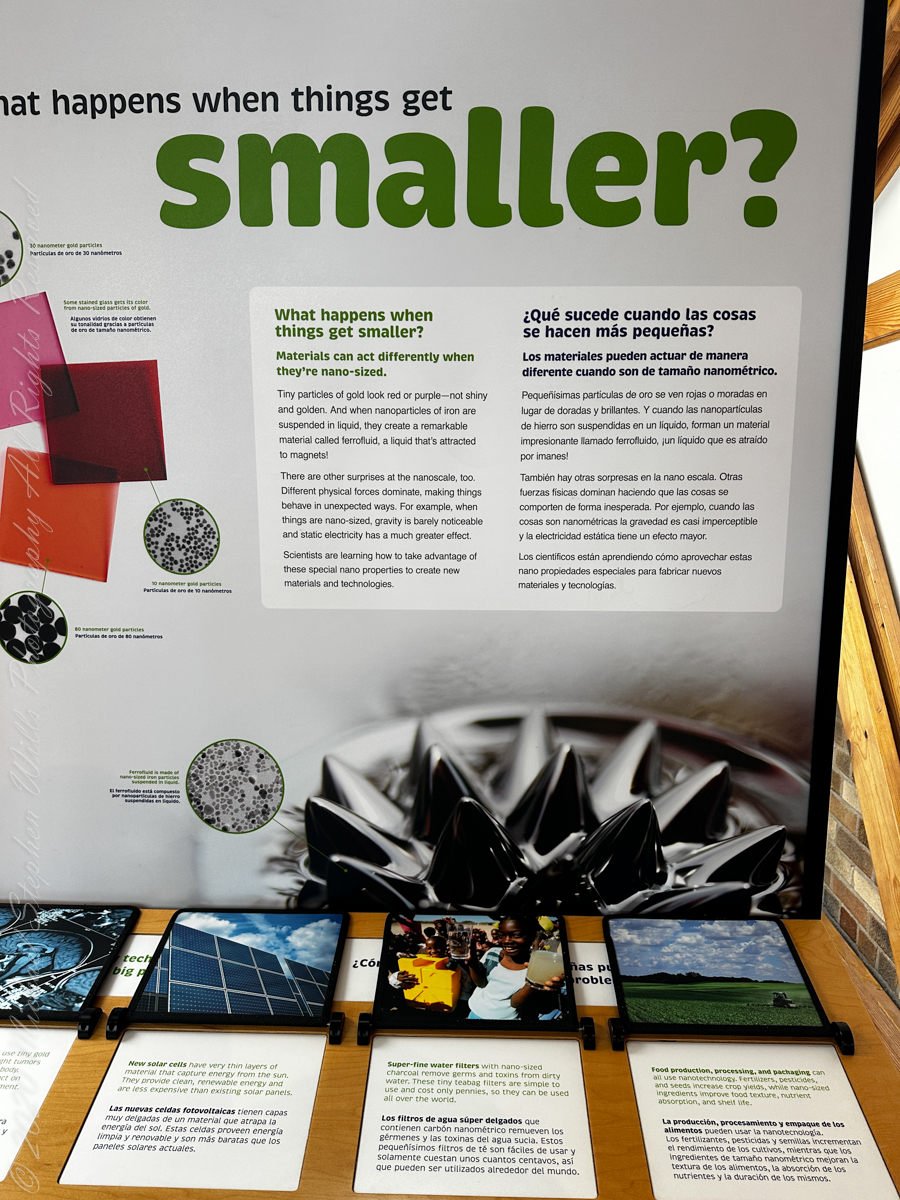
Materials exhibit distinct behaviors at the nanoscale. Tiny particles of gold appear red or purple, as opposed to their conventional shiny, golden appearance. When nanoparticles of iron are dispersed in a liquid, they give rise to a remarkable substance known as ferrofluid, which is a liquid that exhibits a magnetic attraction.

The nanoscale realm also harbors other surprising phenomena. Here, different physical forces dominate, leading to unexpected behaviors. For instance, at nanoscale the force of gravity becomes nearly imperceptible, while static electricity exerts a much greater influence.

Scientists are actively exploring ways to harness these unique nanoscale properties in the development of novel materials and cutting-edge technologies.

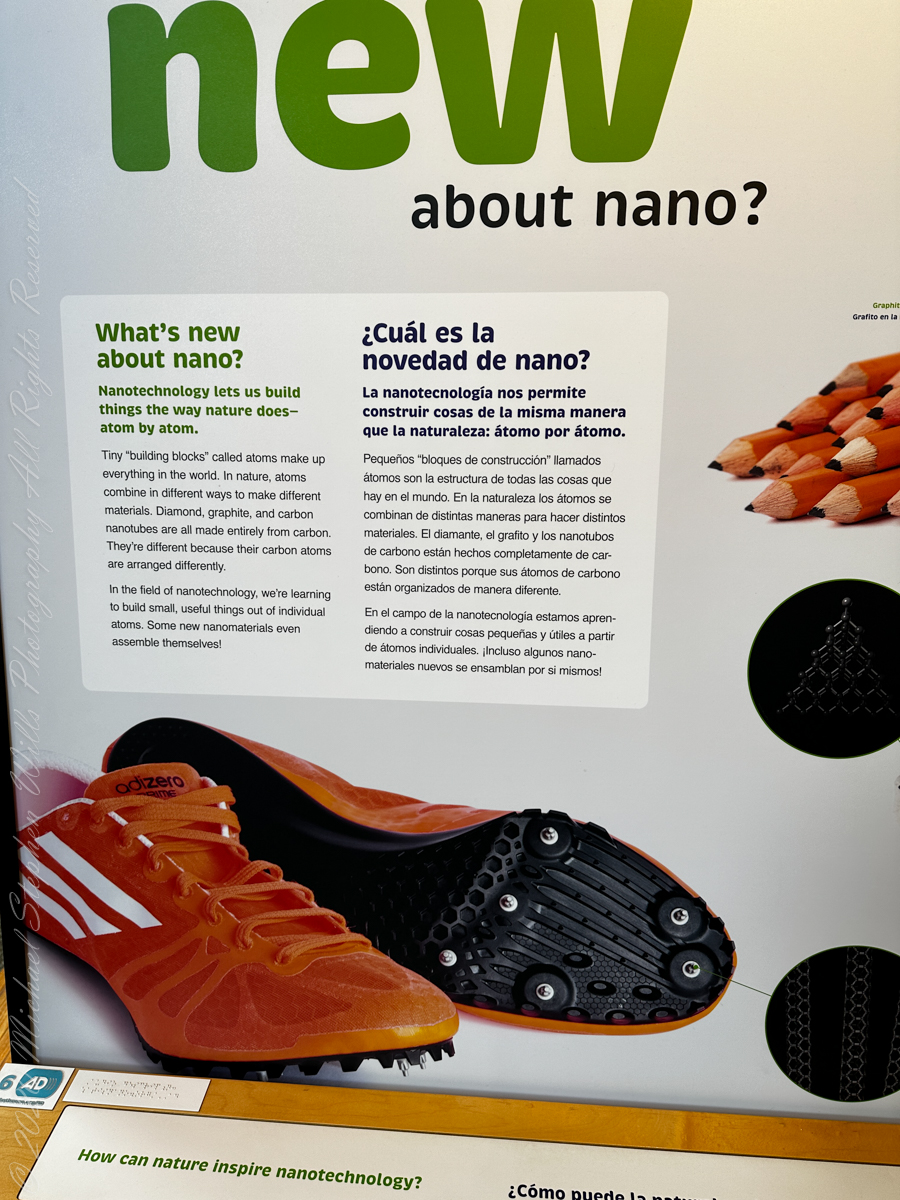
Nanotechnology enables us to construct structures much like nature does: atom by atom. Everything in the world is composed of “building blocks” known as atoms. In nature, varied combinations of atoms create diverse materials. For instance, diamond, graphite, and carbon nanotubes are all composed entirely of carbon atoms, but their unique properties emerge from the distinct arrangements of these carbon atoms.

In the field of nanotechnology, we are gaining the knowledge and capability to craft small, functional objects from individual atoms. Remarkably, some new nanomaterials have the capacity to self-assemble, opening up new possibilities for nanotechnology.

Copyright 2023 Michael Stephen Wills All Rights Reserved