Continue reading “New York State Fair Four (4) Horse Hitch Competition”
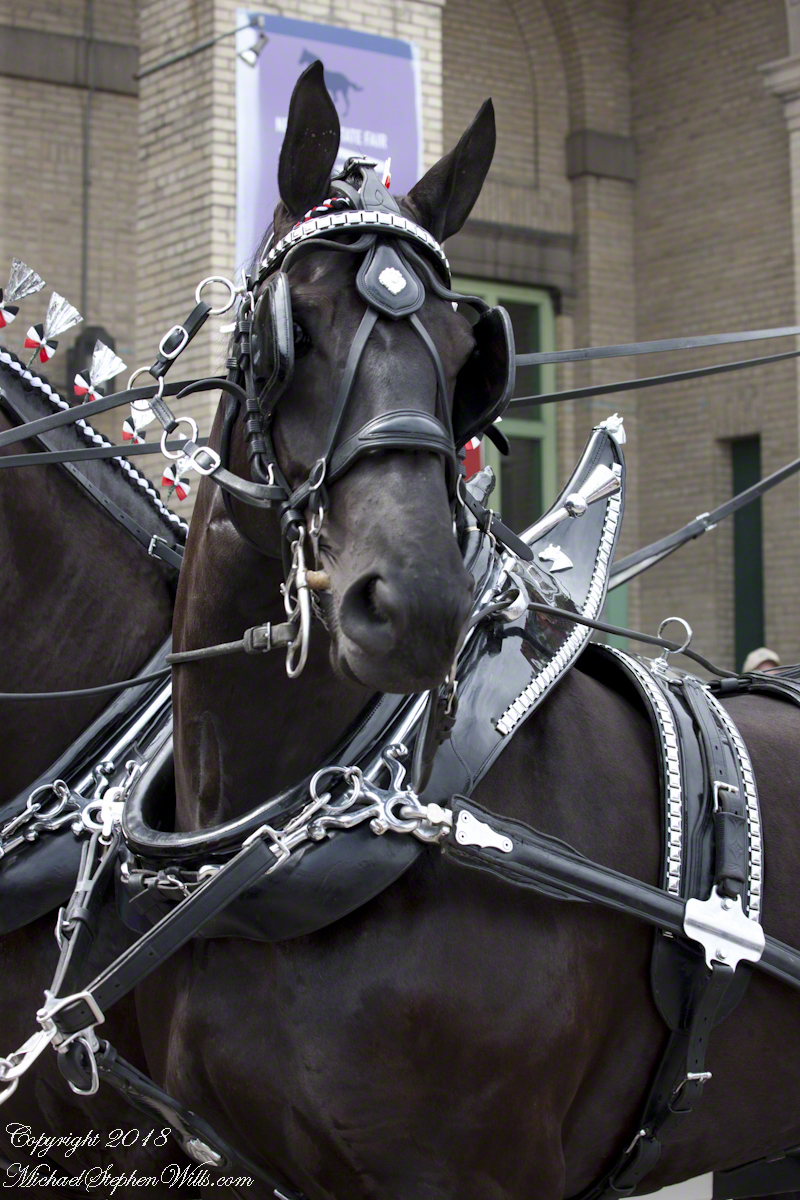
New York State Fair Four (4) Horse Hitch Competition
Enter to enjoy up-close portraits of the teams with competition action shots.
Enter to enjoy up-close portraits of the teams with competition action shots.
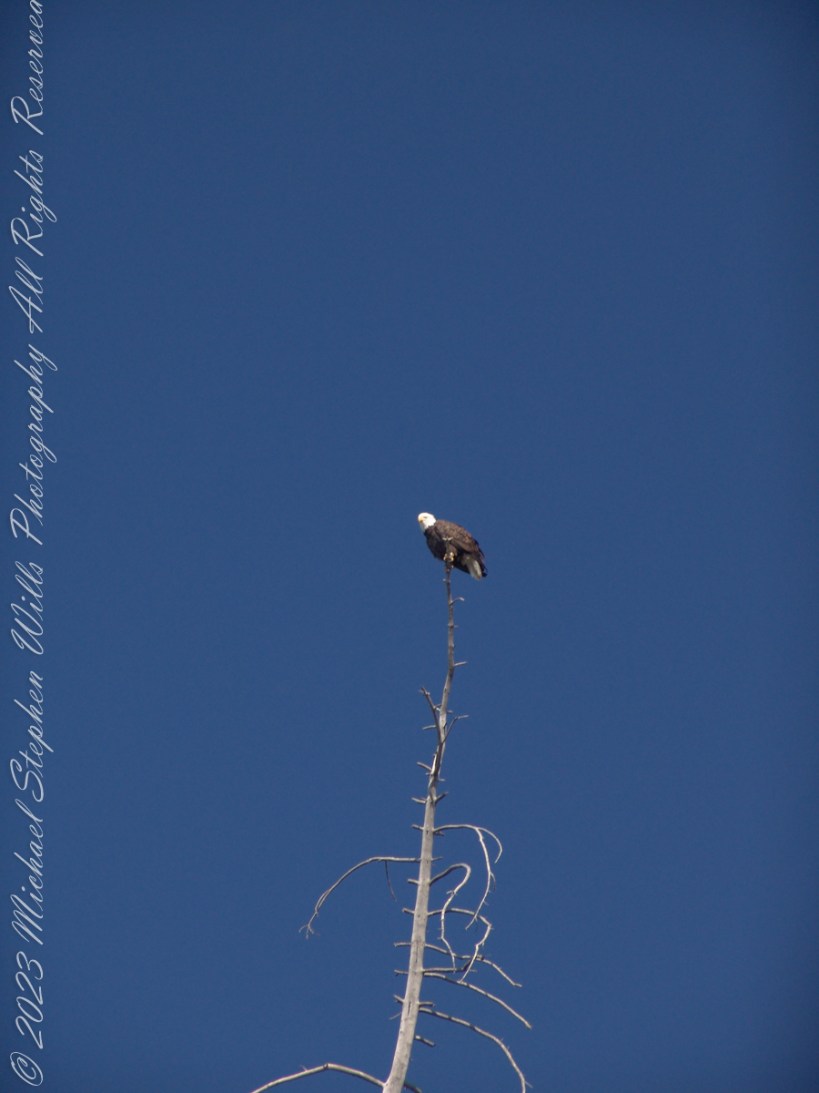
Step into our blog and immerse yourself in the untamed beauty of the Snake River, where majestic eagles soar and nature’s wonders await.
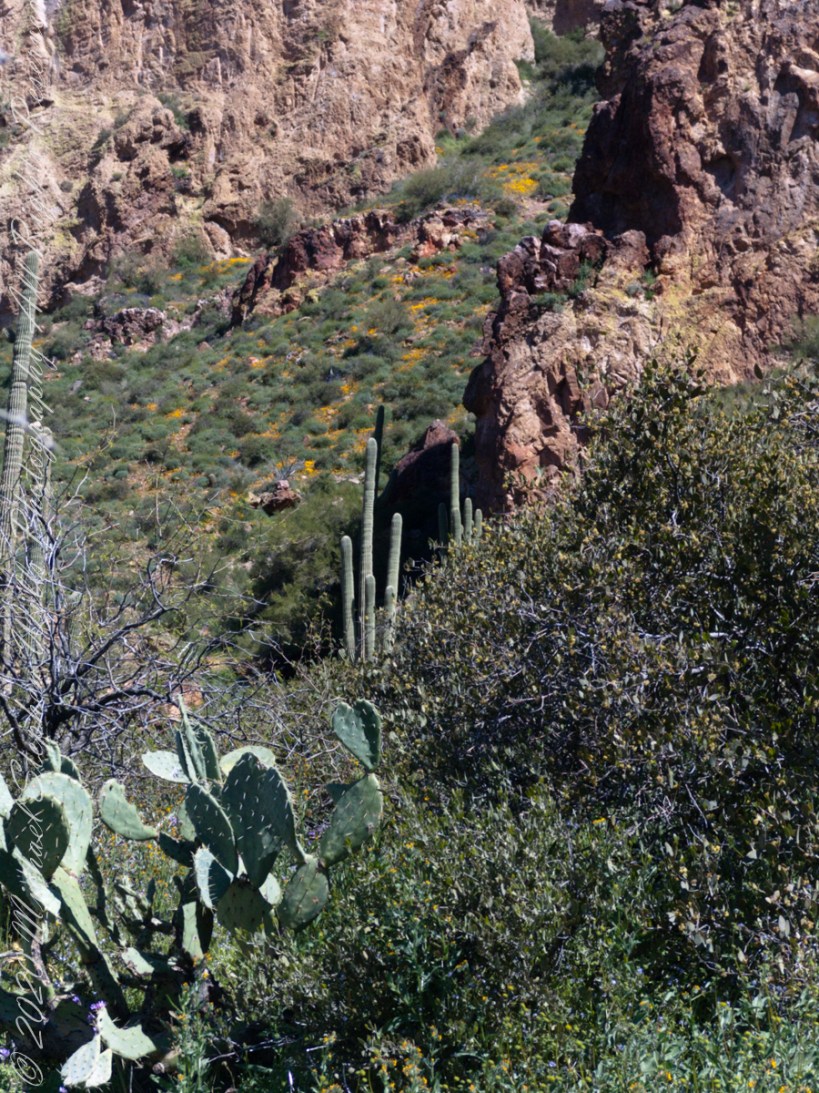
Step into the heart of the Sonoran Desert with me, where the saguaro cactus stands as a timeless giant, a symbol of resilience and beauty. This majestic sentinel of the Southwest is not just a plant; it’s a vibrant ecosystem and a cultural icon, embodying the spirit of endurance. Let’s explore its centuries-long journey, its role as a haven for desert wildlife, and its deep significance to the indigenous peoples. Join me in celebrating the saguaro’s enduring legacy, a narrative of survival and the profound beauty of life in the harshest conditions.
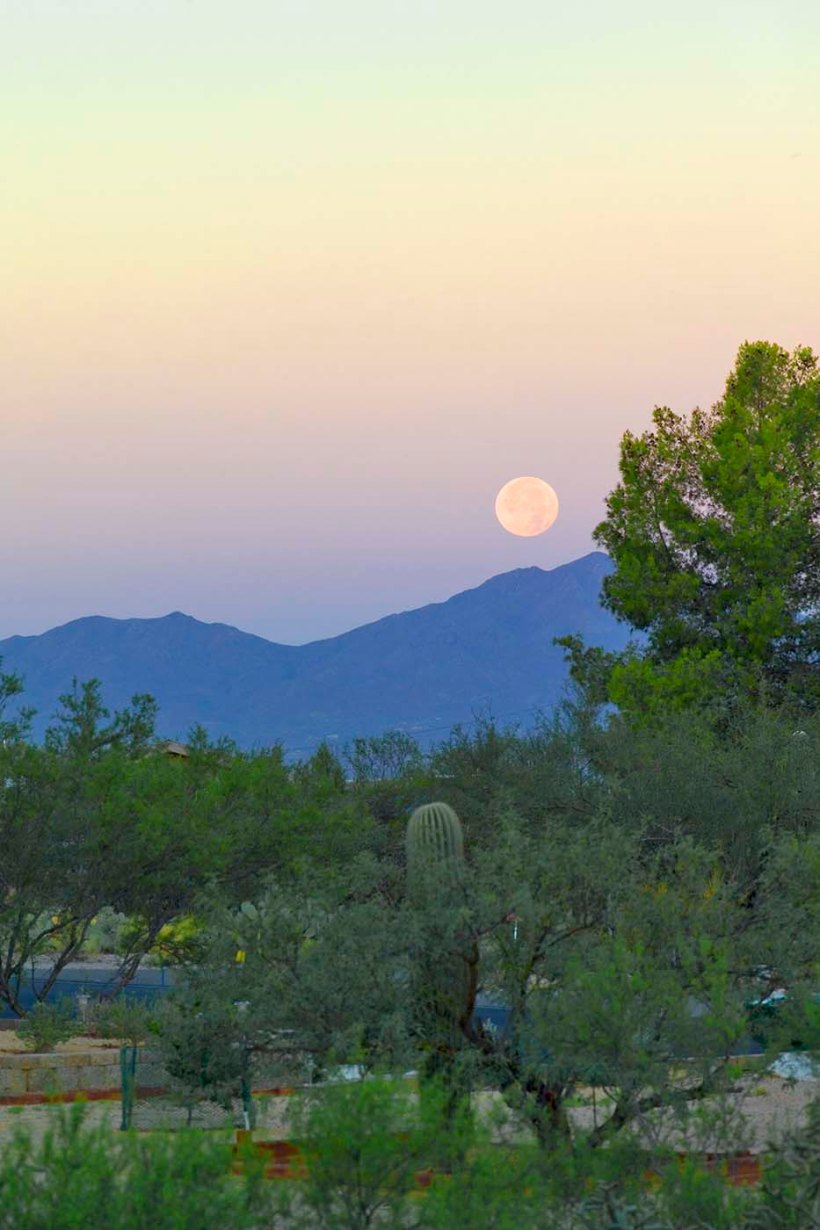
Join me in exploring the depths of “Hamlet,” where the phrase “revisits thus the glimpses of the moon” unveils a world where the supernatural meets the mysterious moonlight. Let’s unravel this imagery together, reflecting on life’s transient beauty, seeking understanding, and contemplating the cycles of change under the moon’s spell.
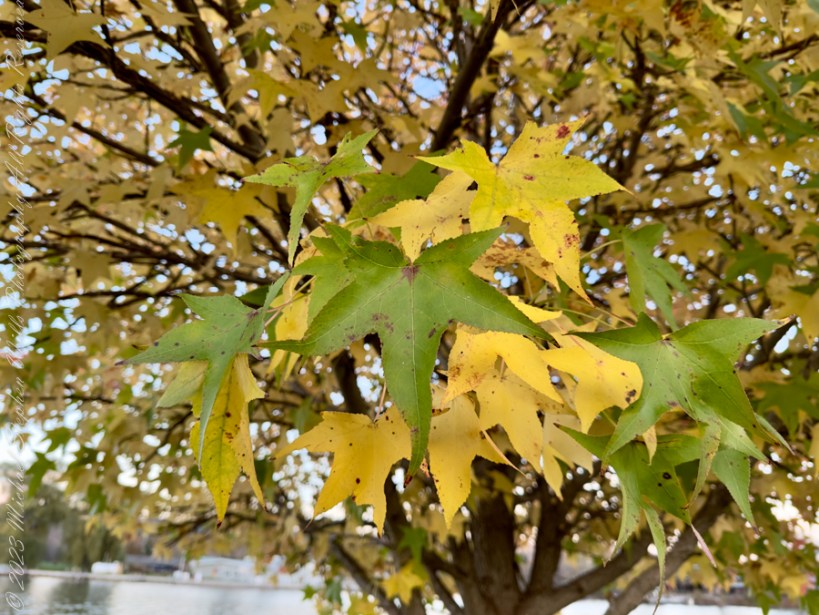
Autumn leaves whisper,
By the calm inlet they dance,
Maple’s red embrace,
History in every branch,
Nature’s heart in silent chant.

The red berries of the Jack-in-the-Pulpit plant play a key role in seed dispersion, wildlife sustenance, and fueling its energy storage organ, the corm.
As the crisp air of autumn settles in and the leaves begin their spectacular transformation into hues of red, orange, and yellow, the forest floor comes alive with a myriad of hidden wonders. Among these wonders, the Jack-in-the-Pulpit (Arisaema triphyllum) stands out for its striking red berries and the role they play in the fall glory of the woodland ecosystem. In this essay, we will explore the beauty and significance of these red berries and how they are intrinsically linked to the plant’s corm.
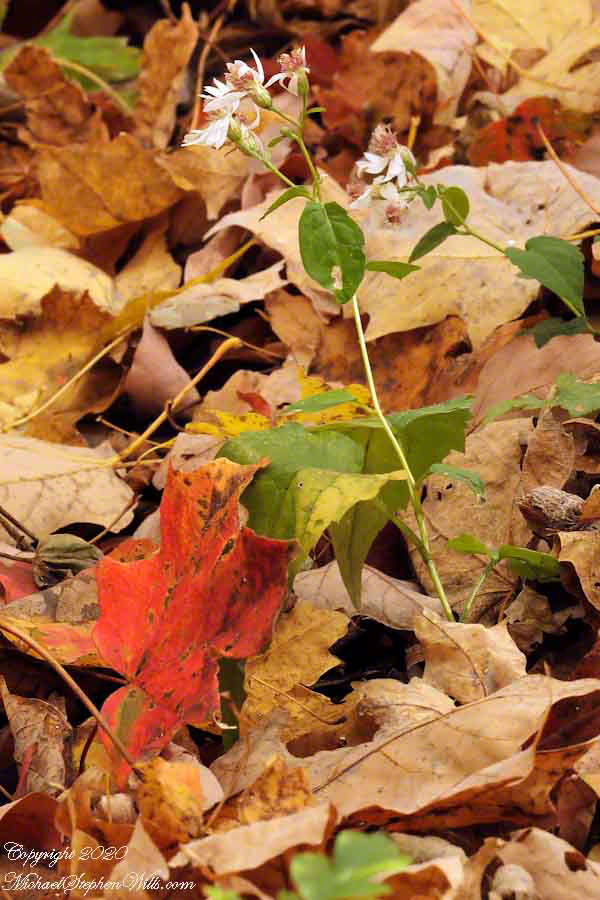
The Jack-in-the-Pulpit, a native perennial herbaceous plant of North America, is known for its distinctive appearance, featuring a hood-like structure known as the spathe and a tall, slender stalk called the spadix. It is during the fall season that the plant’s fascinating red berries make their appearance, contrasting vividly against the backdrop of autumn’s colors. These berries are the result of a process that begins in the spring, when the plant first emerges from its underground corm.
Throughout the growing season, the Jack-in-the-Pulpit devotes its energy to producing these striking red berries, which serve several important ecological functions. The red berries are not only visually appealing but also function as a means of reproduction for the plant. They contain seeds that, once mature, can be dispersed to establish new Jack-in-the-Pulpit plants. These seeds are often transported by animals that consume the berries, such as birds and rodents, which then disperse them in their droppings, contributing to the plant’s spread throughout the forest.
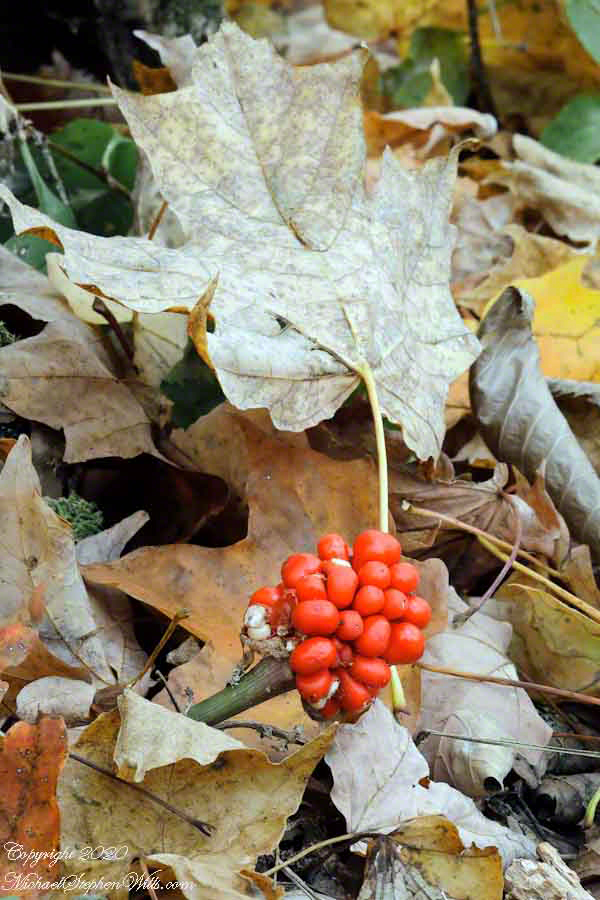
The bright red color of the berries is a key feature that attracts birds, making them an essential food source during the fall and early winter months. Birds like thrushes, cardinals, and robins are known to feed on the Jack-in-the-Pulpit berries, aiding in seed dispersal while benefiting from the nutrient-rich fruits. This mutualistic relationship between the plant and its avian dispersers showcases the interconnectedness of the forest ecosystem, where each species relies on the other for survival and propagation.
The significance of the Jack-in-the-Pulpit’s red berries extends to the corm beneath the surface. The corm serves as an energy storage organ for the plant, helping it survive through the harsh winter months when the above-ground parts of the plant wither and die. During the fall, as the plant directs its energy toward producing berries, it also transfers nutrients to the corm, ensuring its vitality and readiness for the following spring.
Furthermore, the corm itself can serve as an energy reserve for the production of future berries and the growth of new shoots. As the plant enters dormancy, it relies on the stored energy in the corm to fuel its growth when conditions become favorable in the next growing season. In this way, the corm and the red berries are intricately linked, with the berries representing the culmination of a year-long process of energy accumulation and reproduction.
In conclusion, the red berries of the Jack-in-the-Pulpit are a captivating and vital component of the fall glory that graces our woodlands. Their vibrant color and ecological role in seed dispersal highlight the plant’s contribution to the forest ecosystem’s richness and diversity. Moreover, these berries are a testament to the interconnectedness of nature, as they are not only visually stunning but also an essential food source for wildlife. As we marvel at the beauty of fall and explore the wonders of the natural world, let us take a moment to appreciate the significance of the red berries of the Jack-in-the-Pulpit and their role in the intricate web of life that surrounds us.

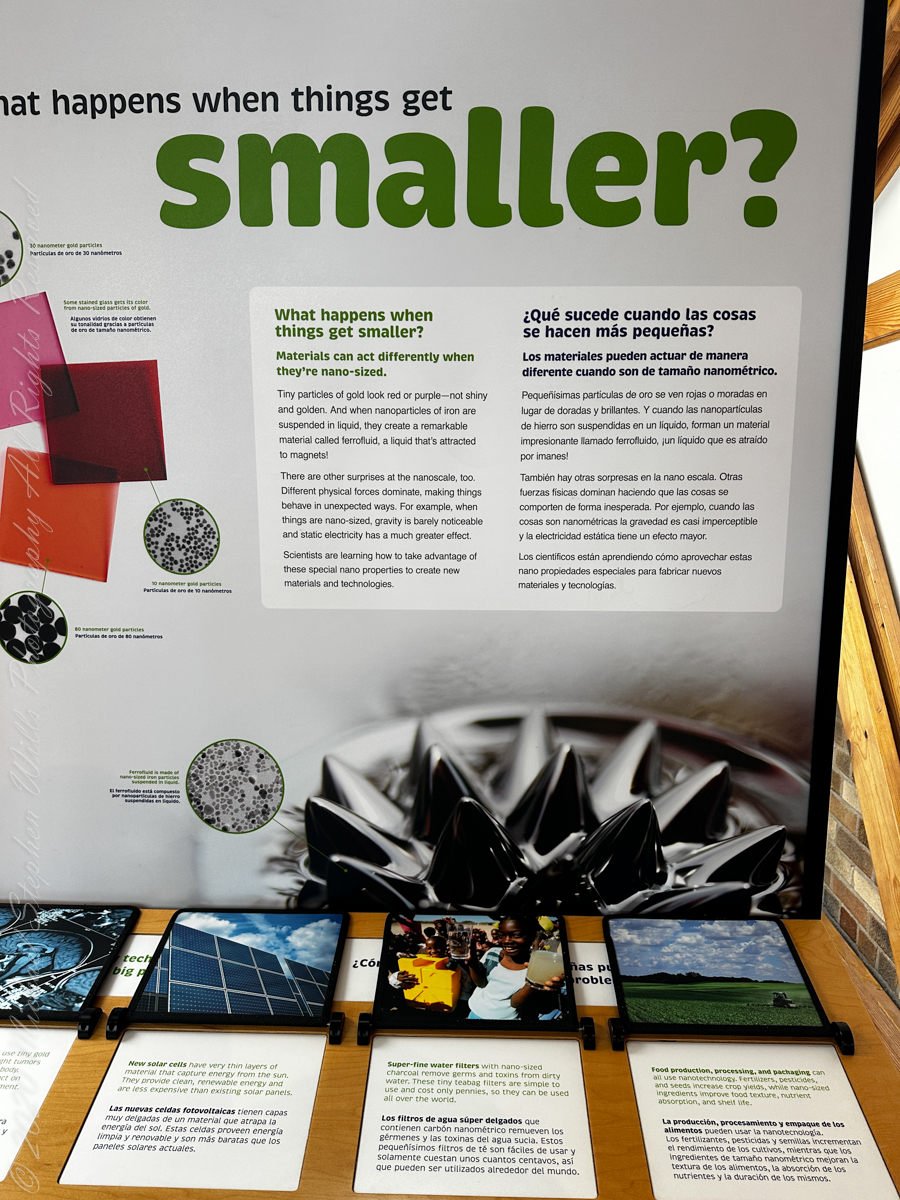
The ScienceCenter museum encourages learning about nanotechnology’s prevalence and unpredictable, unique behaviors.
Our day of science began with measurement: each grandchild’s growth is represented on this corner. Even as young adults they visit and are re-measured. Here Rory is making his mark.

Our science inspired museum, ScienceCenter, is full of fun activities.

Nothing like touching a space object: an iron-nickel meteorite.

So much to learn and discover. Here is Sam perusing a “nano” display.
Nanotechnology is pervasive, existing both in nature and within our technological innovations. Nature offers numerous instances of nanoscale phenomena. For instance, the iridescent hues seen in certain butterflies and the adhesive properties of geckos’ feet are both outcomes of nanostructures.
In our everyday products, nanotechnology plays a significant role. You’ll find it in items you use regularly, such as computer chips featuring minuscule nano-sized components and sunscreen containing nanoparticles. Looking ahead, nanotechnology will play an even more prominent role in our lives.
The question is: Where can you spot the influence of nanotechnology in your own life?

Materials exhibit distinct behaviors at the nanoscale. Tiny particles of gold appear red or purple, as opposed to their conventional shiny, golden appearance. When nanoparticles of iron are dispersed in a liquid, they give rise to a remarkable substance known as ferrofluid, which is a liquid that exhibits a magnetic attraction.
The nanoscale realm also harbors other surprising phenomena. Here, different physical forces dominate, leading to unexpected behaviors. For instance, at nanoscale the force of gravity becomes nearly imperceptible, while static electricity exerts a much greater influence.
Scientists are actively exploring ways to harness these unique nanoscale properties in the development of novel materials and cutting-edge technologies.
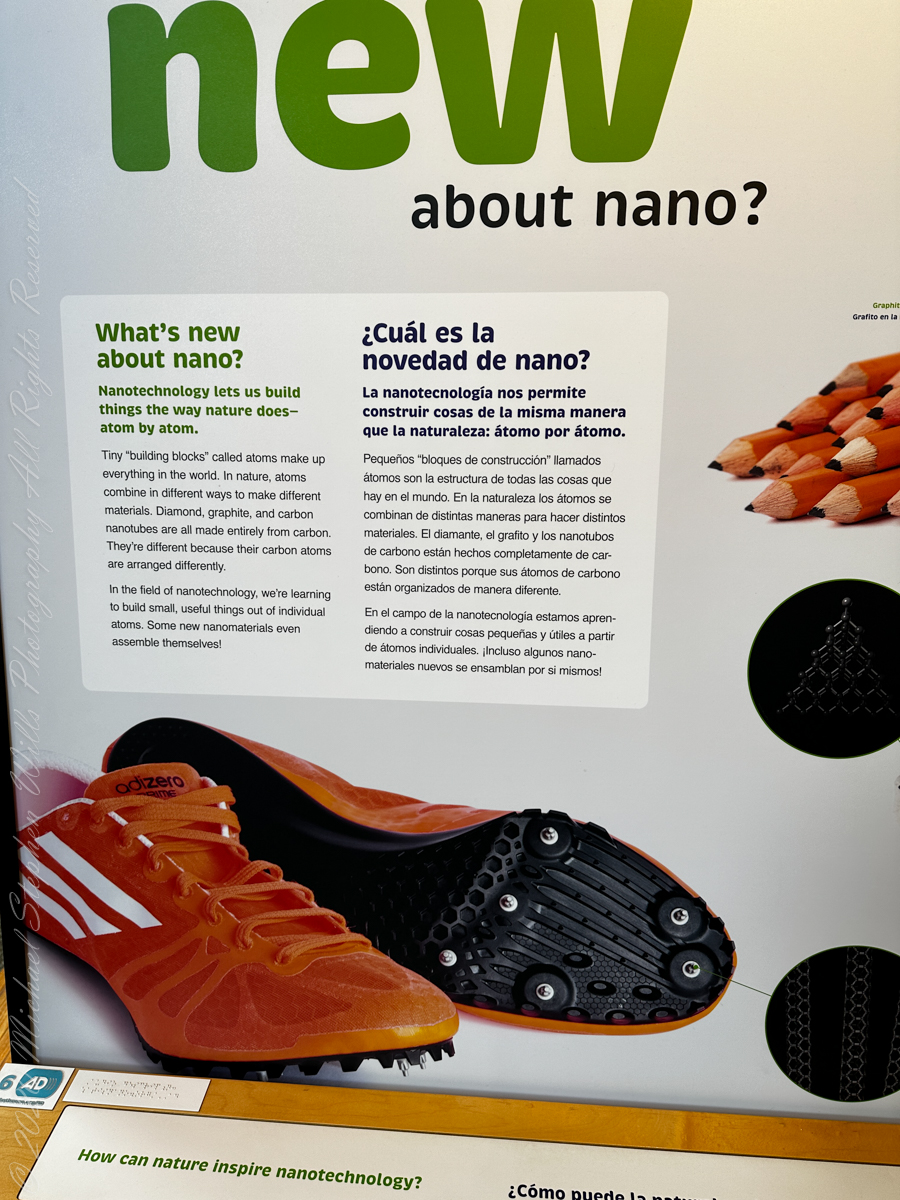
Nanotechnology enables us to construct structures much like nature does: atom by atom. Everything in the world is composed of “building blocks” known as atoms. In nature, varied combinations of atoms create diverse materials. For instance, diamond, graphite, and carbon nanotubes are all composed entirely of carbon atoms, but their unique properties emerge from the distinct arrangements of these carbon atoms.
In the field of nanotechnology, we are gaining the knowledge and capability to craft small, functional objects from individual atoms. Remarkably, some new nanomaterials have the capacity to self-assemble, opening up new possibilities for nanotechnology.
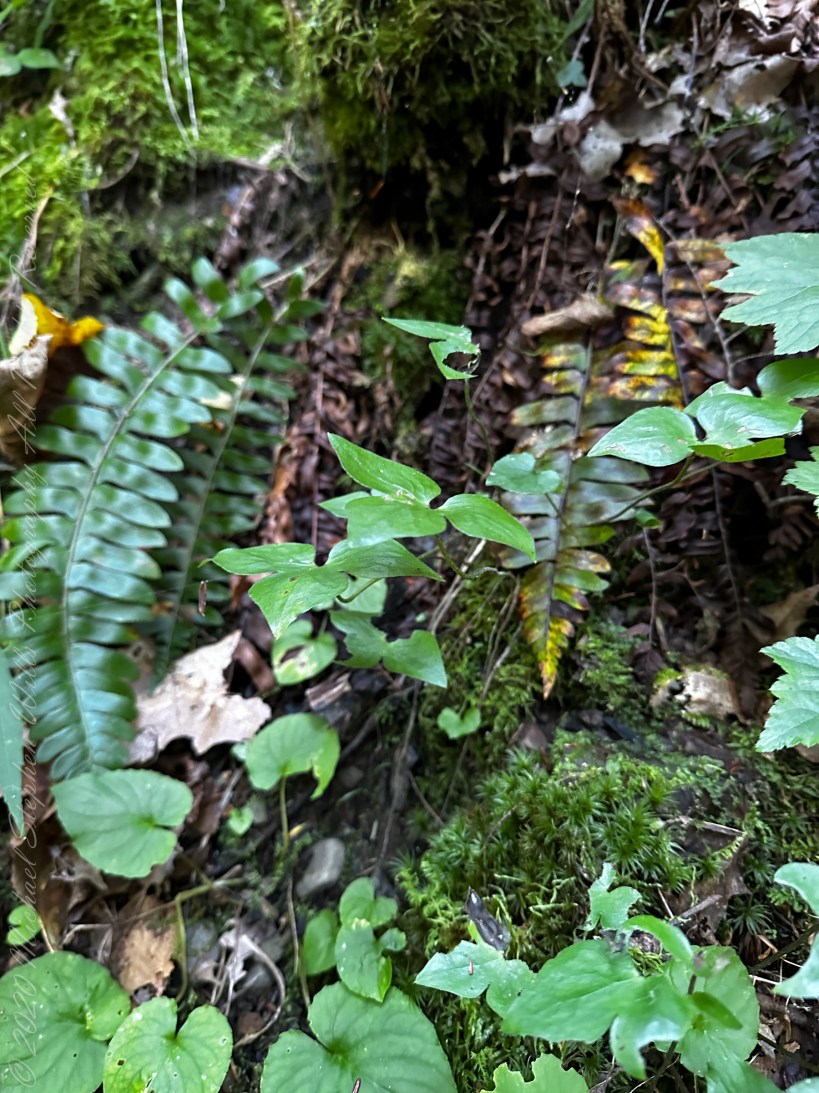
The post discusses the Hepatica acutiloba plant, highlighting its characteristics, growth, historical medicinal use, and its natural habitat in central eastern North America. It also includes an observation made in Robert H. Treman Park.
These characteristic leaves are Hepatica plants growing on the sun dappled southern rim of Robert H. Treman Park captured on a bright late September morning.
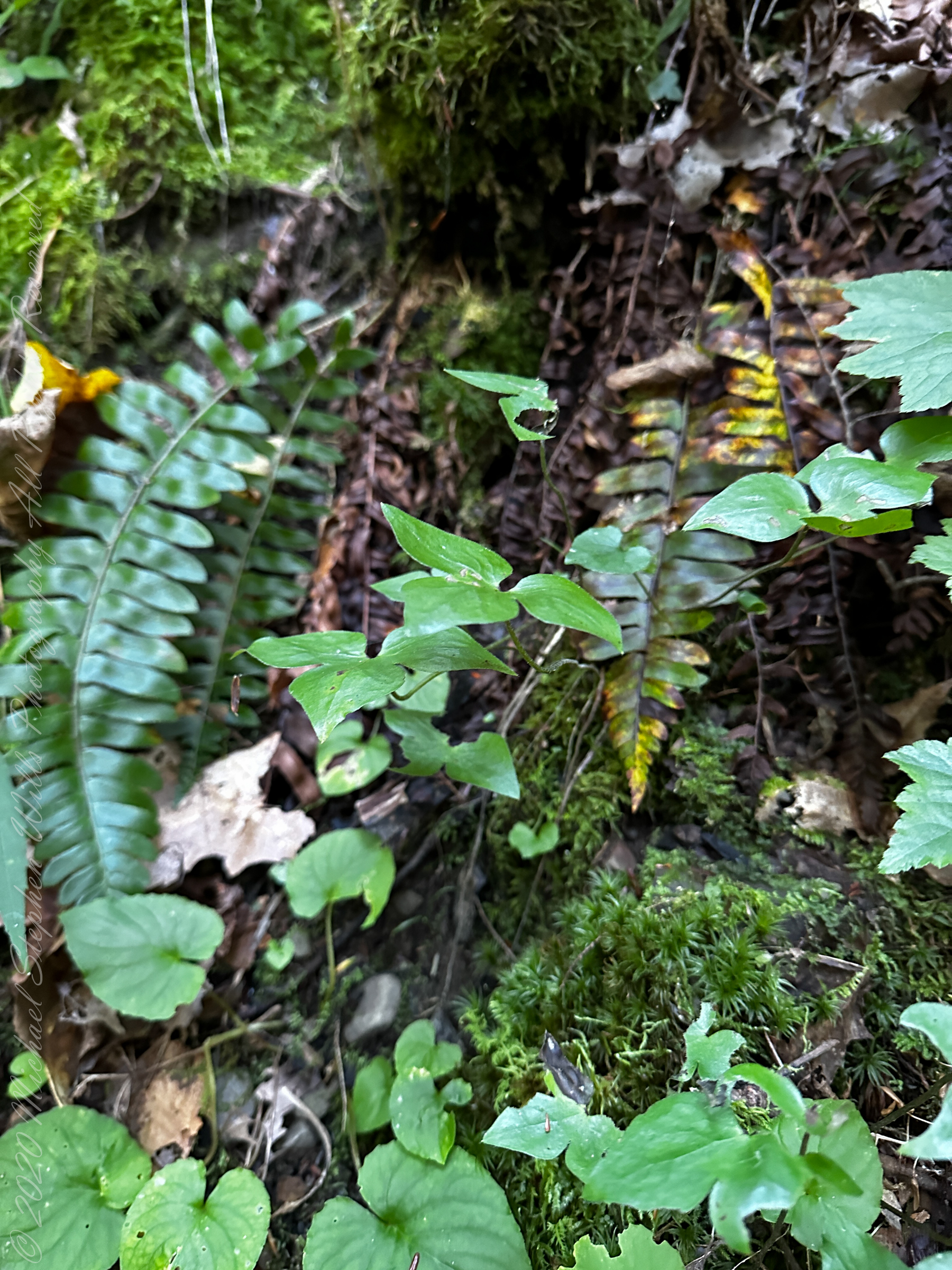
“Hepatica acutiloba, the sharp-lobed hepatica, is a herbaceous flowering plant in the buttercup family Ranunculaceae. It is sometimes considered part of the genus Anemone, as Anemone acutiloba, A. hepatica, or A. nobilis. Also generally known as Liverleaf and Liverwort.”
“The word hepatica derives from the Greek ἡπατικός hēpatikós, from ἧπαρ hêpar ‘liver’, because its three-lobed leaf was thought to resemble the human liver.”
“Each clump-forming plant grows 5 to 19 cm (2.0 to 7.5 in) tall, flowering in the early to mid spring. The flowers are greenish-white, white, purple or pinkish in color, with a rounded shape. After flowering the fruits are produced in small, rounded columned heads, on pedicels 1 to 4 mm long. When the fruits, called achenes, are ripe they are ovoid in shape, 3.5–4.7 mm long and 1.3–1.9 mm wide, slightly winged and tend to lack a beak.”
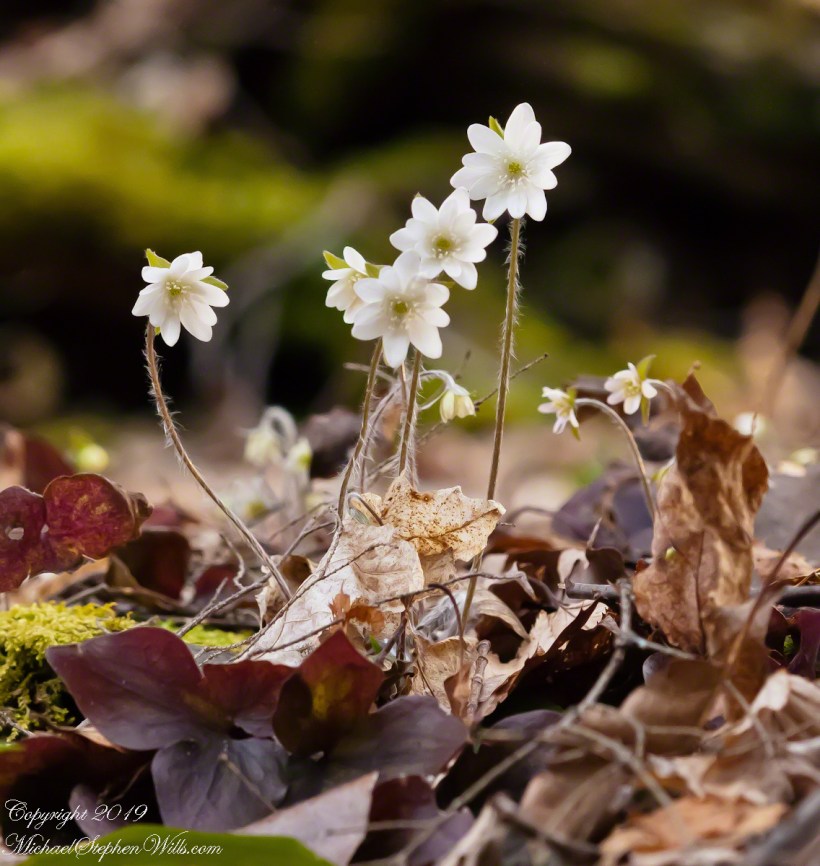
“Hepatica acutiloba is native to central eastern North America where it can be found growing in deciduous open woods, most often in calcareous soils. Butterflies, moths, bees, flies and beetles are known pollinators. The leaves are basal, leathery, and usually three-lobed, remaining over winter.”
“Hepatica was once used as a medicinal herb. Owing to the doctrine of signatures, the plant was once thought to be an effective treatment for liver disorders. Although poisonous in large doses, the leaves and flowers may be used as an astringent, as a demulcent for slow-healing injuries, and as a diuretic.”

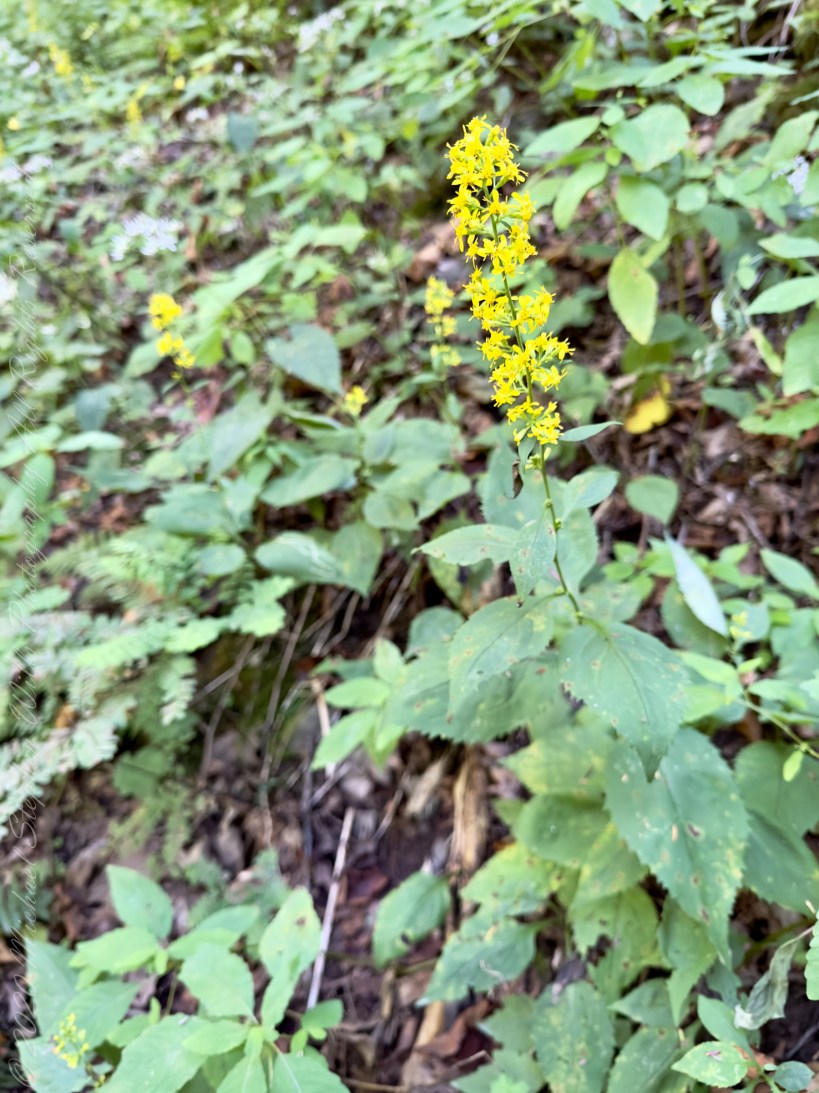
The zigzag goldenrod is a crucial plant to North American pollinator biodiversity, hosting diverse insects.
After crossing the bridge at Swan Road I turned back down the gorge on the Rim Trail, climbing above the gorge where these interesting woodland goldenrod thrive.
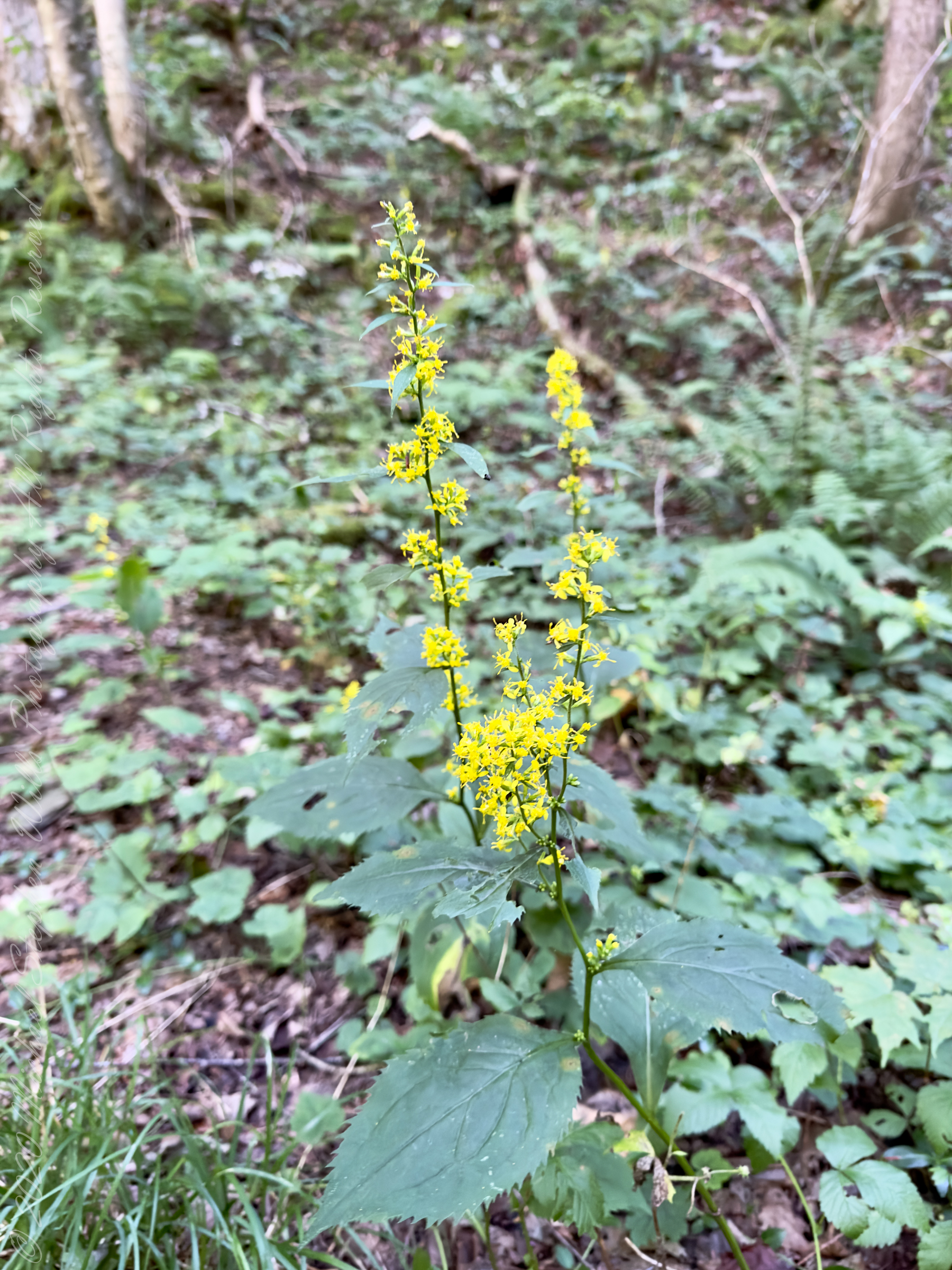
“Solidago flexicaulis, the broadleaved goldenrod, or zigzag goldenrod,is a North American species of herbaceous perennial plants in the family Asteraceae. It is native to the eastern and central parts of the United States and Canada, from Nova Scotia west to Ontario and the Dakotas, and south as far as Alabama and Louisiana. It grows in a variety of habitats including mesic upland forests, well drained floodplain forests, seepage swamp hummocks, and rocky woodlands.”
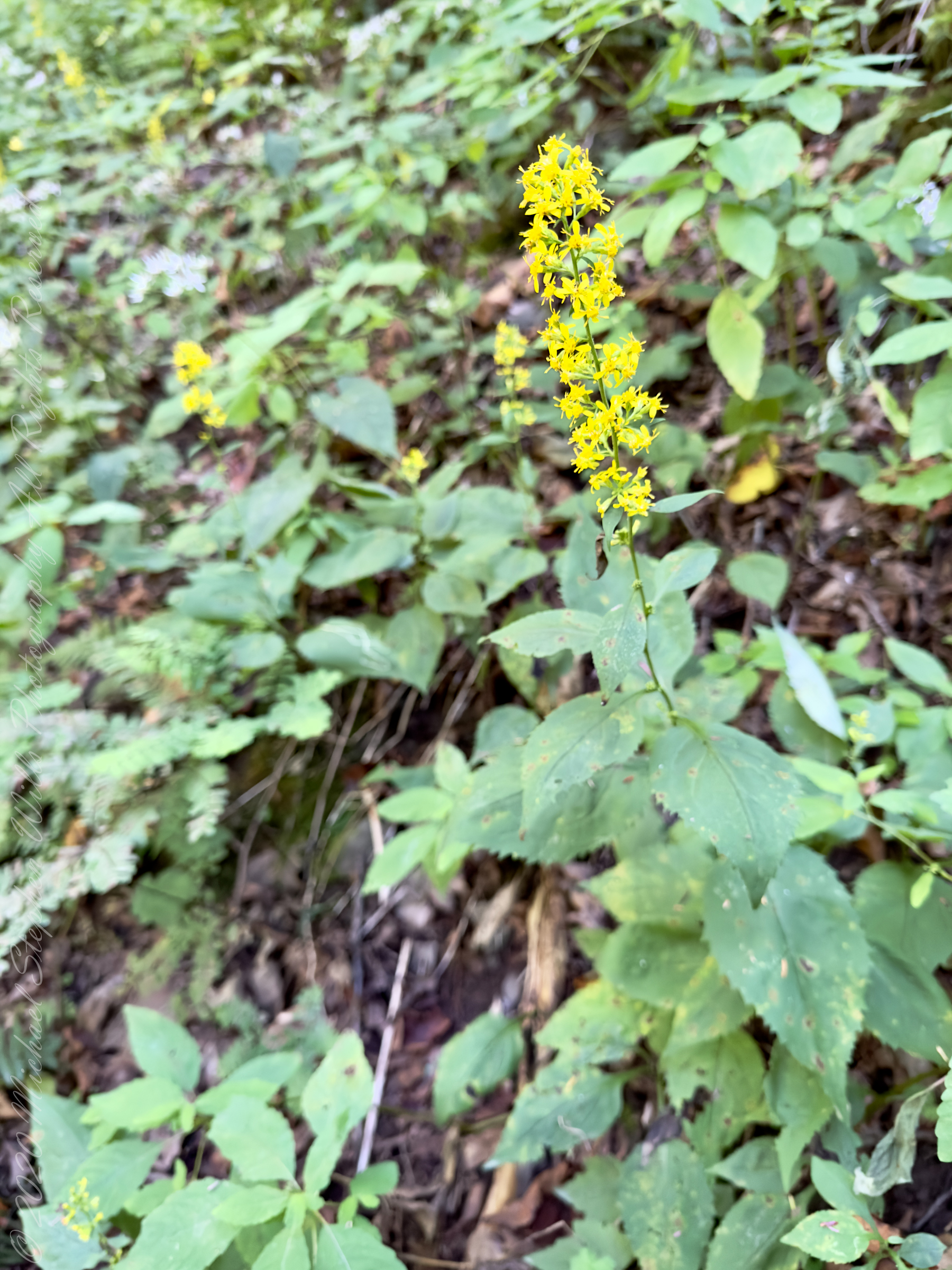
“The plant is called the “zigzag goldenrod” because the thin, wiry stem zigs and zags back and forth, changing direction at each node (leaf attachment point). The plant bears sometimes as many as 250 small yellow flower heads, some at the end of the stem, others in the axils of the leaves. The leaves are very broad, almost round, but with an elongated tip at the end and large teeth along the edges.”
“Goldenrod is considered a keystone species and has been called the single most important plant for North American pollinator biodiversity. Goldenrod species are used as a food source by the larvae of many Lepidoptera species. As many as 104 species of butterflies and moths use it as a host plant for their larvae, and 42 species of bees are goldenrod specialists, visiting only goldenrod for food. Some lepidopteran larvae bore into plant tissues and form a bulbous tissue mass called a gall around it, upon which the larva then feeds. Various parasitoid wasps find these galls and lay eggs in the larvae, penetrating the bulb with their ovipositors. Woodpeckers are known to peck open the galls and eat the insects in the center.”
“Solidago flexicaulis is host to the following insect induced galls: Asteromyia modesta, a species of gall midges in the family Cecidomyiidae. Gnorimoschema gallaesolidaginis also called the solidago gall moth, goldenrod gall moth or goldenrod gallmaker, is a moth in the family Gelechiidae.”
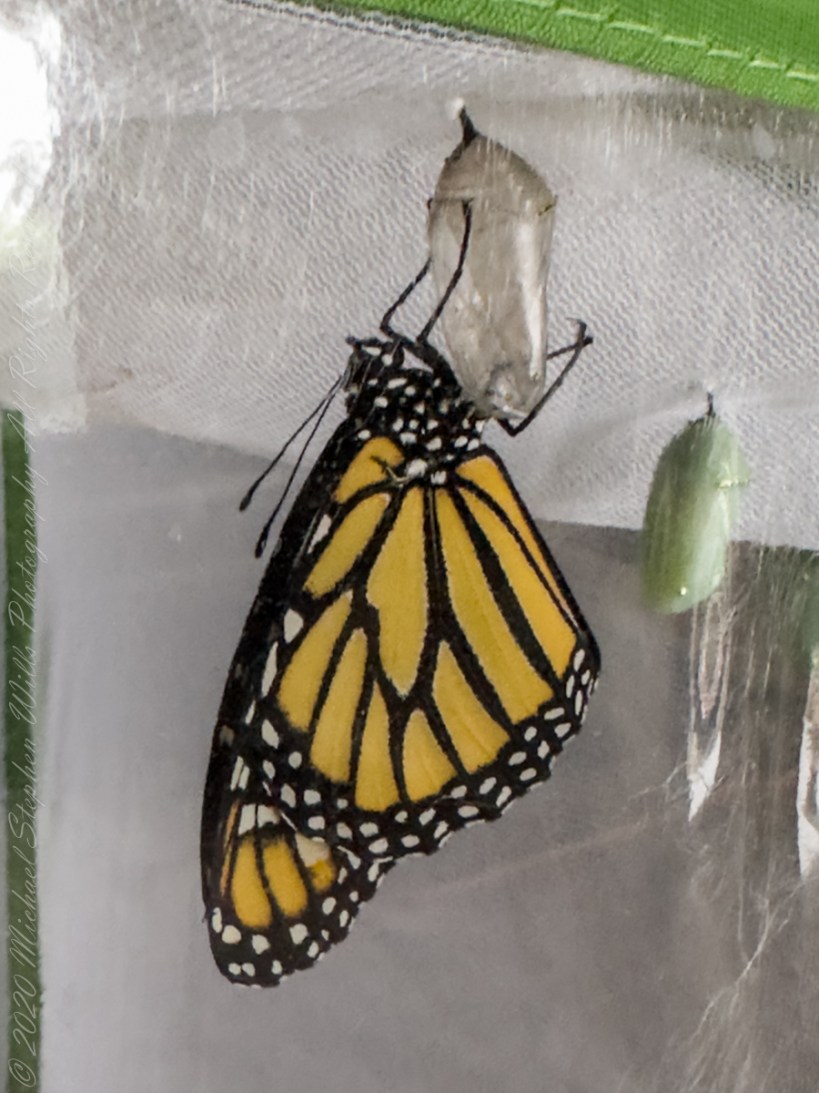
Monarch from caterpillar to chrysalis to butterfly
Here are two of the ten monarchs we release this year. In under three minutes this video shows a monarch caterpillar transforming into a chrysalis, emerging two weeks later as a butterfly. Music “Emotional Underscores Vol. 3” by Yuri Sazonoff (SOCAN) “Can You Guess” and “Blessing”
“Migrating monarchs soar at heights of up to 1,200 feet. As sunlight hits those wings, it heats them up, but unevenly. Black areas get hotter, while white areas stay cooler. The scientists believe that when these forces are alternated, as they are with a monarch’s white spots set against black bands on the wings’ edges, it seems to create micro-vortices of air that reduce drag—making flight more efficient.”
“Monarchs begin leaving the northern US and Canada in mid-August. They usually fly for 4-6 hours during the day, coming down from the skies to feed in the afternoon and then find roosting sites for the night. Monarchs cannot fly unless their flight muscles reach 55ºF. On a sunny day, these muscles in their thorax can warm to above air temperature when they bask (the black scales on their bodies help absorb heat), so they can actually fly if it is 50ºF and sunny. But on a cloudy day, they generally don’t fly if it is below 60ºF.“
“Migrating monarchs use a combination of powered flight and gliding flight, maximizing gliding flight to conserve energy and reduce wear and tear on flight muscles. Monarchs can glide forward 3-4 feet for every foot they drop in altitude. If they have favorable tail or quartering winds, monarchs can flap their wings once every 20-30 feet and maintain altitude. Monarchs are so light that they can easily be lifted by the rising air. But they are not weightless. In order to stay in the air, they must move forward while also staying within the thermal. They do this by moving in a circle. The rising air in the thermal carries them upward, and their overall movement ends up being an upward spiral. Monarchs spiral upwards in the thermal until they reach the limit/top of the thermal (where the rising air has cooled to the same temperature as the air around it). At that point, the monarch glides forward in a S/SW direction with the aid of the wind. It glides until it finds another thermal and rides that column of rising air upwards again.”
 Michael Stephen Wills Photography