Climb to Torcorr Townland II and beyond

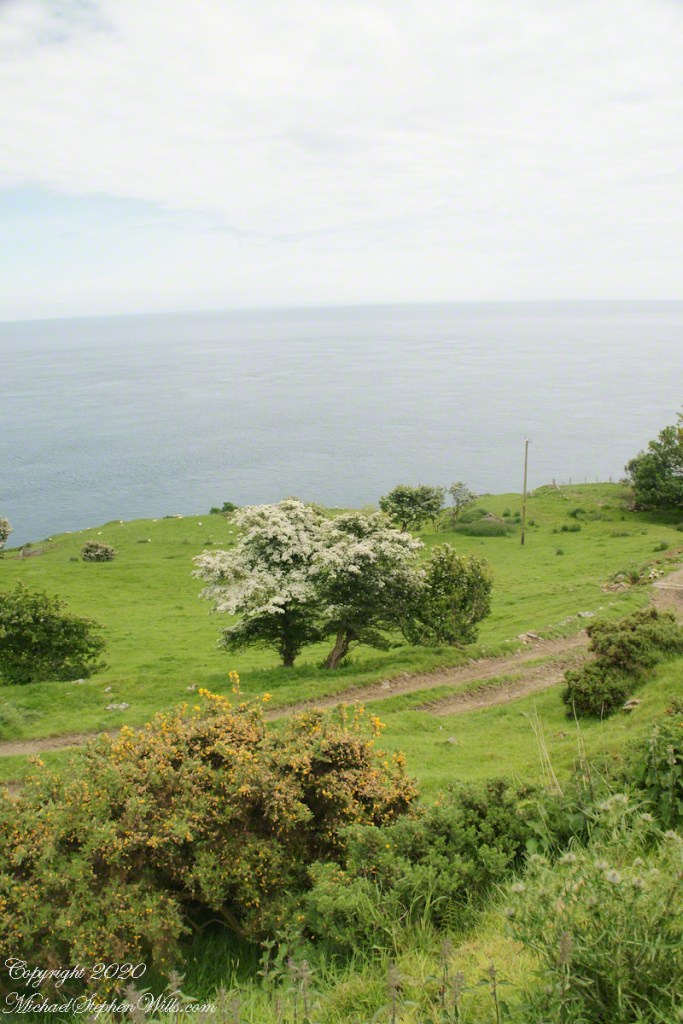
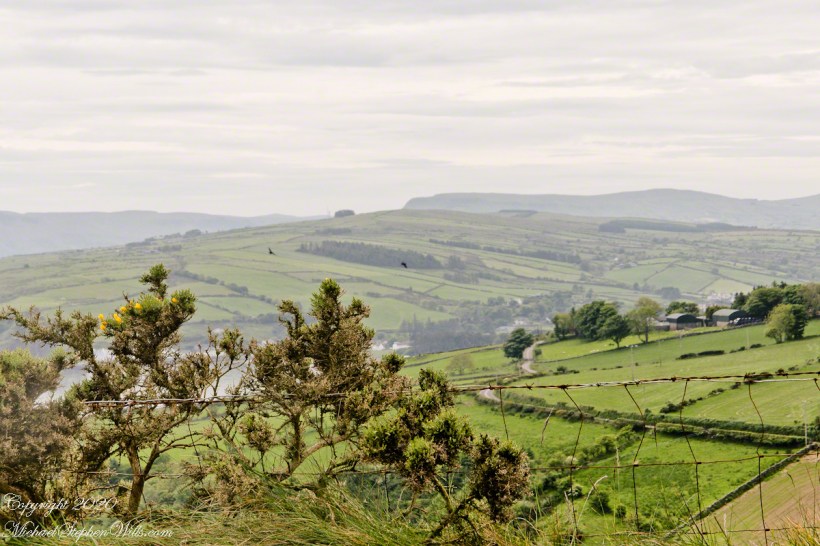
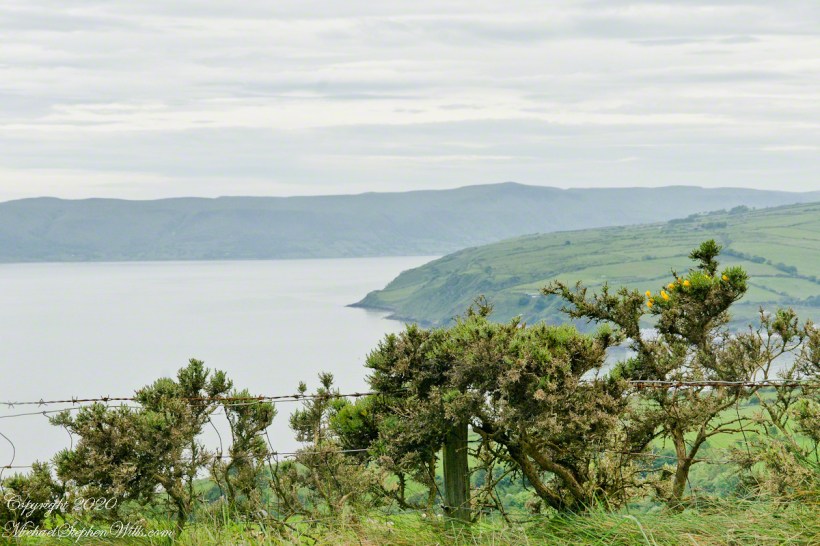
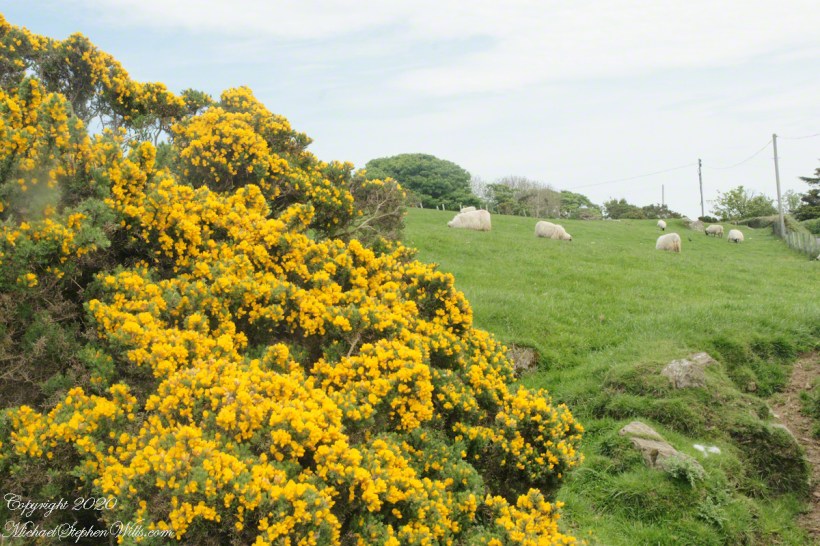
Gorse in flower

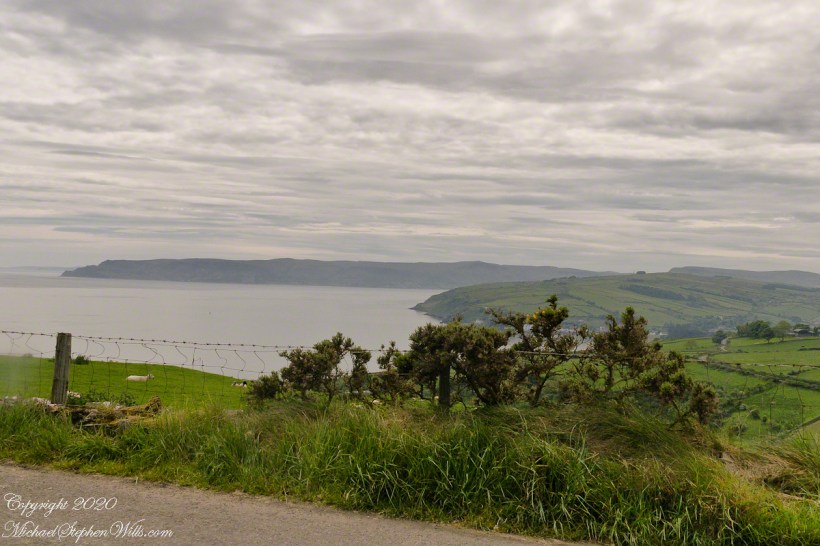
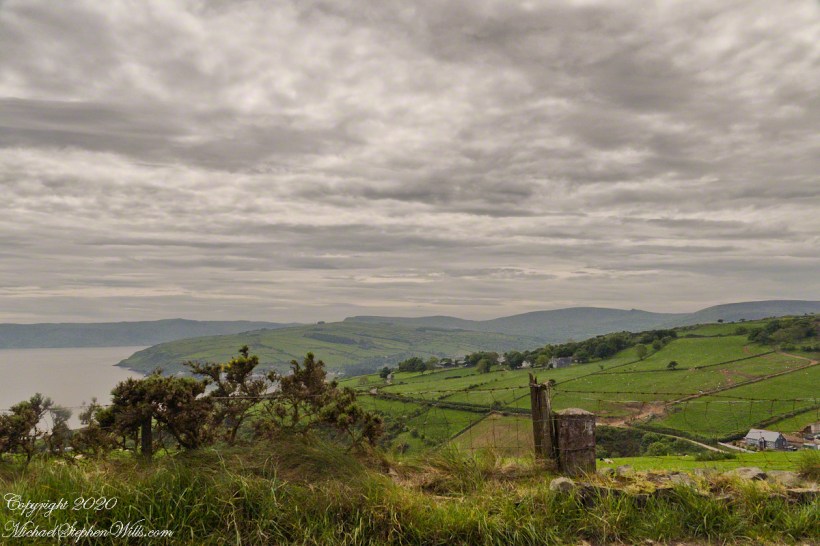
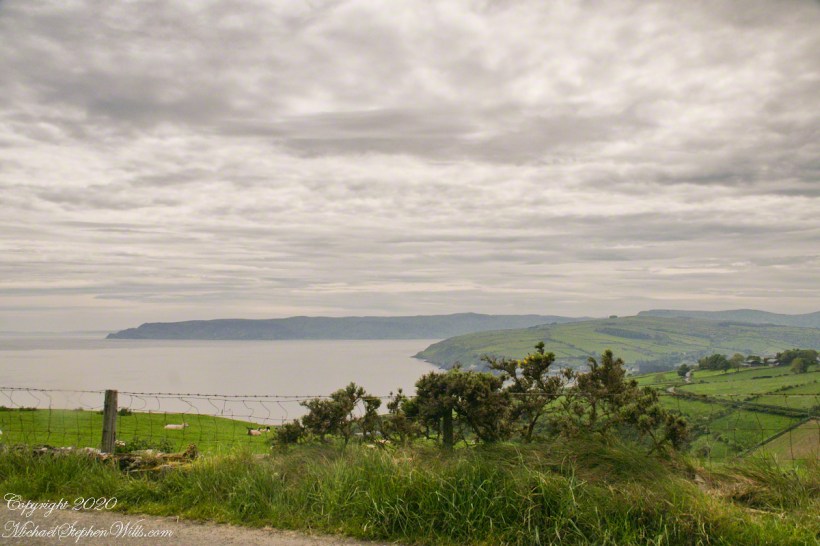
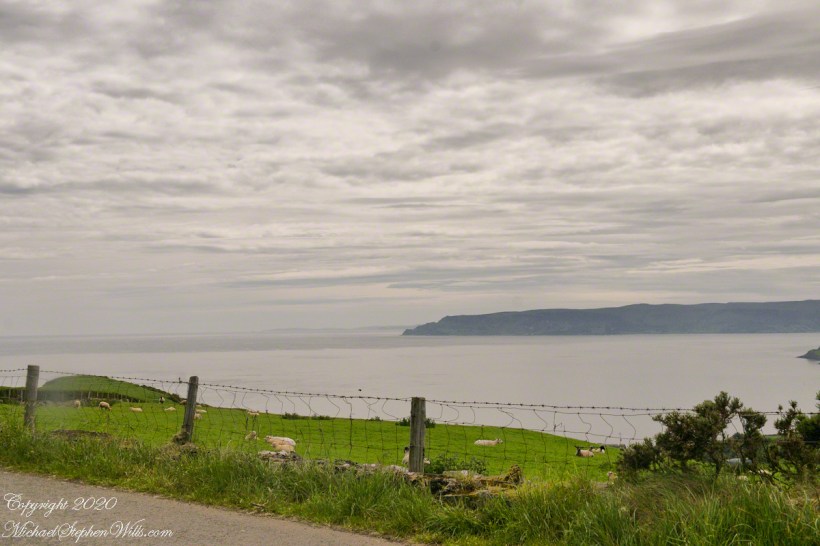
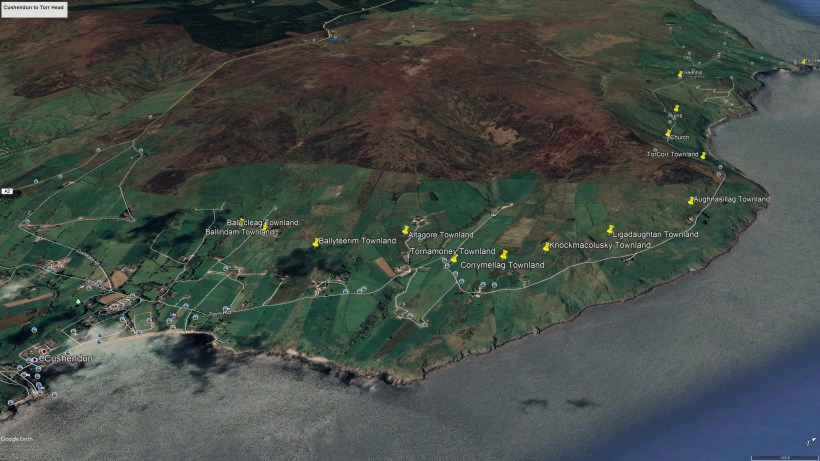
In 3.1 miles Torr Road passes nine townlands between Cushendun and Torcorr Townland, each with a namestone holding the Irish and Anglicized name. We can walk it in an hour at a steady pace, the terrane is sliced up so.

Click photograph for a larger view. To do this from WordPress Reader, you need to first click the title of this post to open a new page.
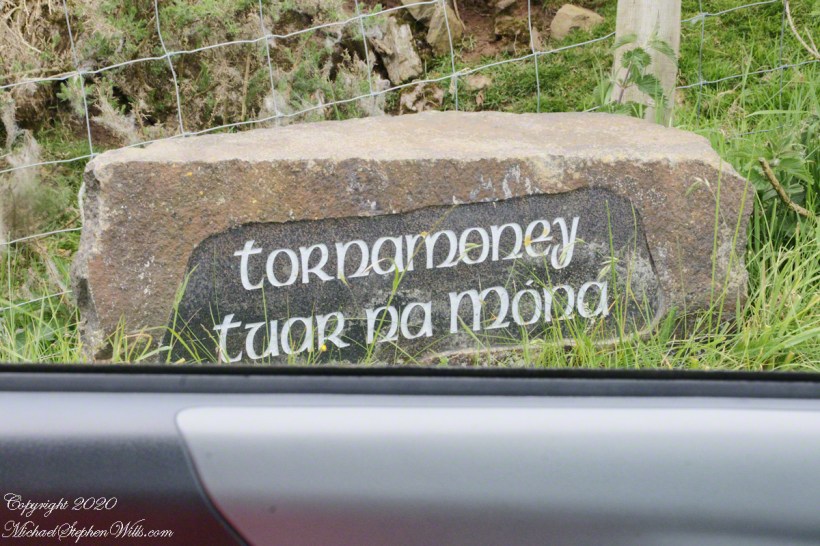
Tornamoney townland is “Cattle Field of the Bogland.” That is the car door, foreground.
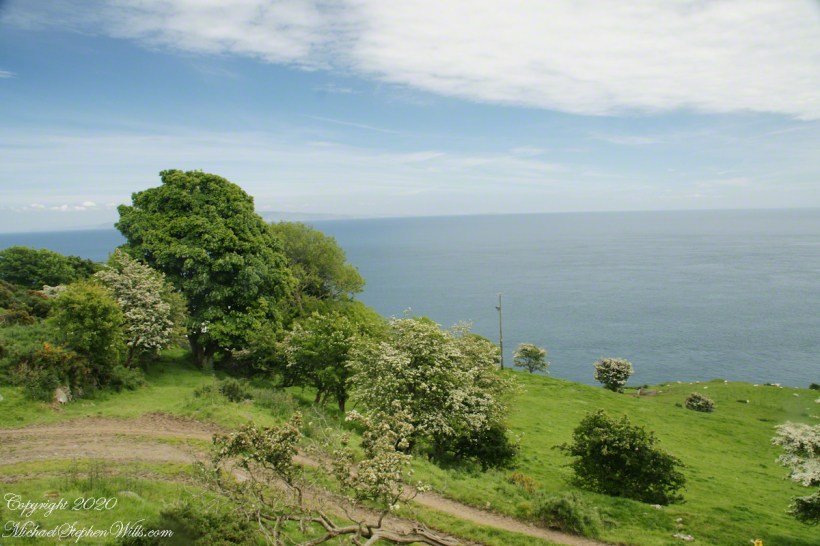
Common to all was the slope down to the North Channel.
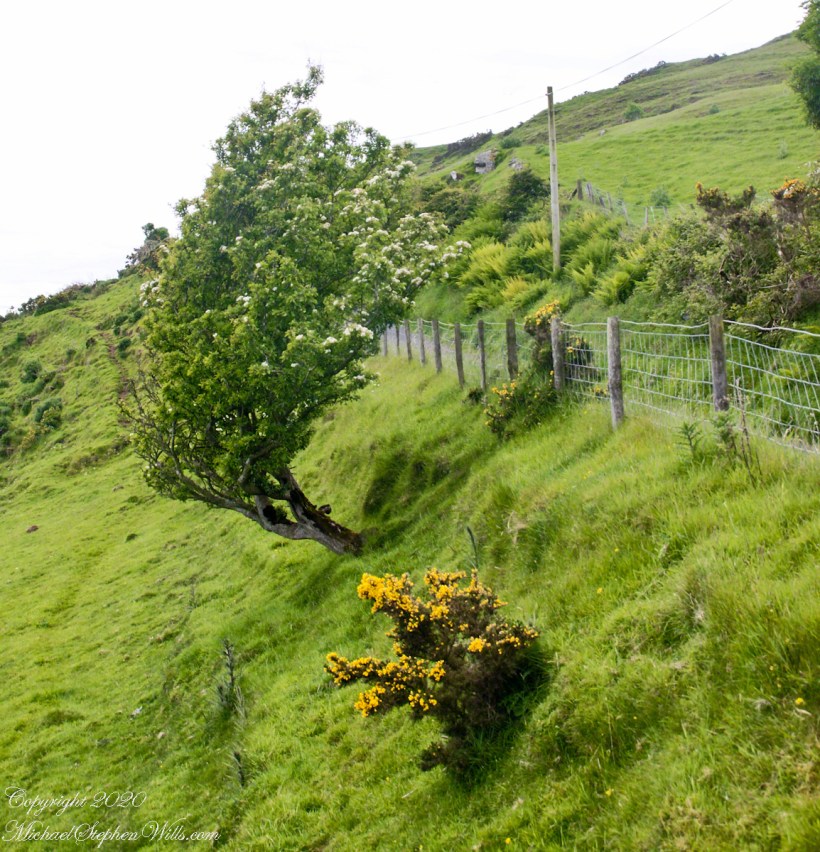
Rowan Tree directional growth from a constant east wind..

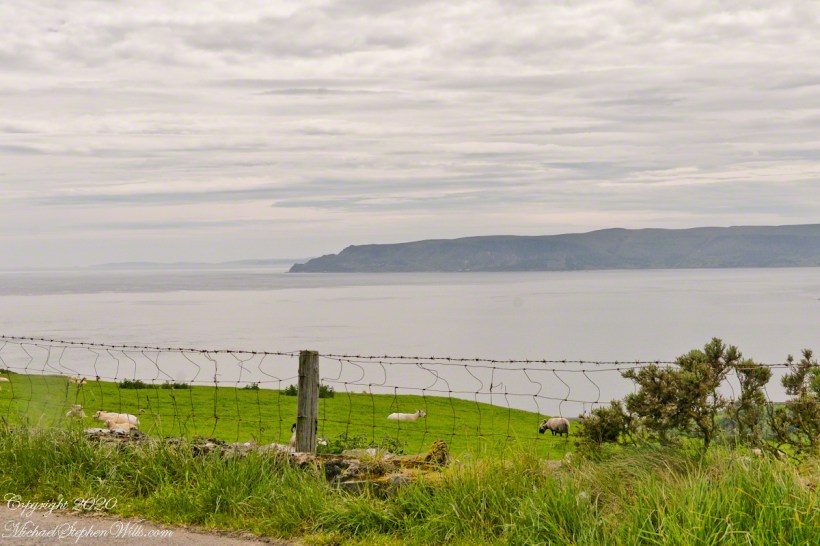
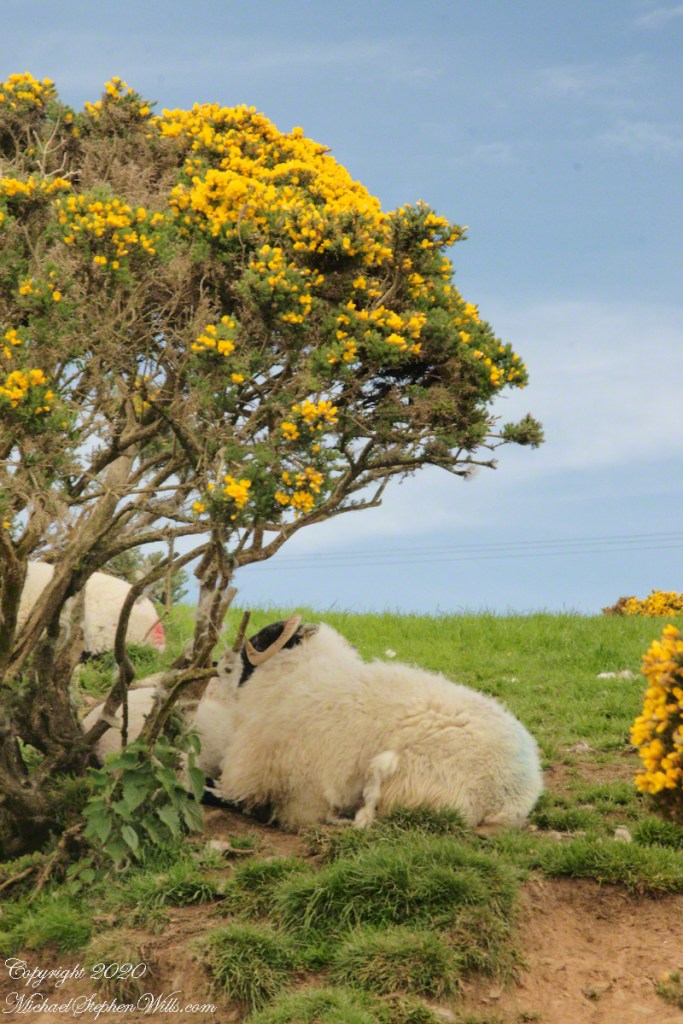
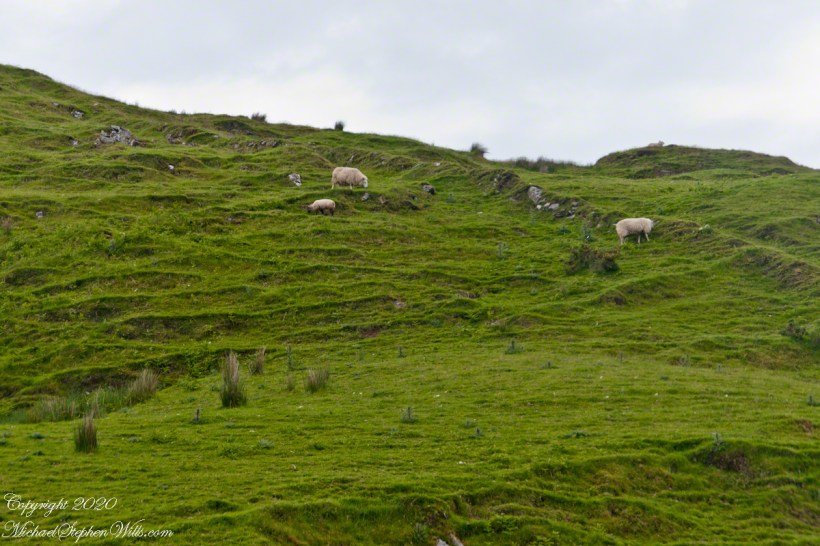
Sheep pasture above the Loughan Cottage ruins.

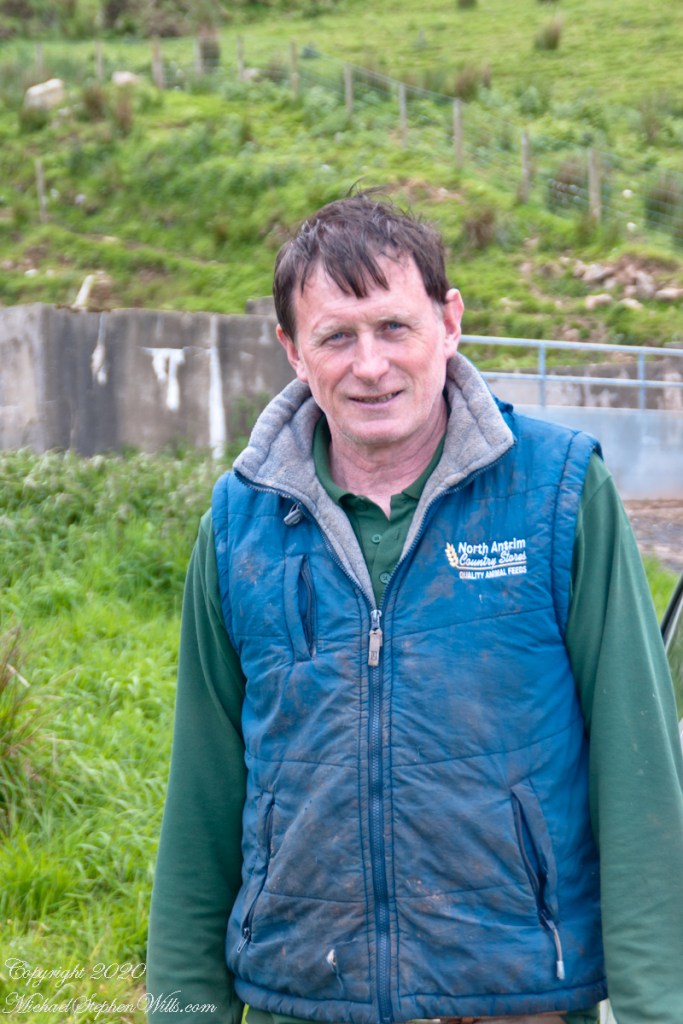
Here is the friendly owner who climbed off his tractor for a chat with Pam while I photographed.
Here is a slideshow of this post’s images. To visit from WordPress Reader, you need to first click the title of this post to open a new page.
Copyright 2020 All Rights Reserved Michael Stephen Wills

Climb to Torcorr Townland I

Rising from Cushendun Village

Torr Road passes nine townlands between Cushendun and Torcorr Townlands, each with a namestone holding the Irish and Anglicized name. Here are a few interesting names.

Click photograph for a larger view. To do this from WordPress Reader, you need to first click the title of this post to open a new page.

“Ballindam” is derived from the Irish “Baile an tdam”, the Anglicization is the sounding out of Irish. Baile is “town” and “an tdam” is on the dam.

Headed uphill, the next is “Ballycleagh”. Bally is the English pronunciation of Baile. I found “cleagh” on Google translate under “Scots Irish” for “Well.” So, this is the town of the well.

Here is a sheep lookout at the aptly named, Alt gabhair townland, Irish for “Goat Section.” Otherwise known as Altagore.

Here is a slideshow of this post’s images. To visit from WordPress Reader, you need to first click the title of this post to open a new page.
Copyright 2020 All Rights Reserved Michael Stephen Wills

Nook of the Ferns

Ancient Gaelic Names

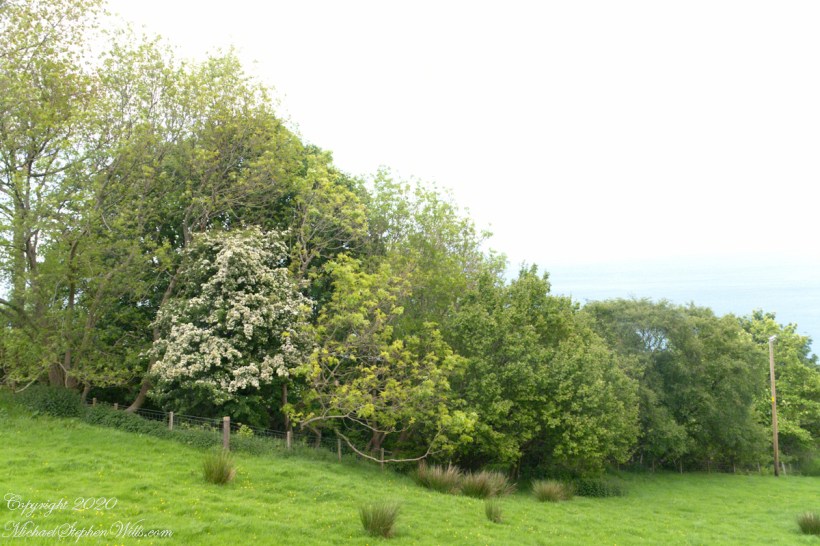
Take a look at the view of Coolranny Townland on approach from Torcorr on Torr Road and see the source of this townland name that, from the Irish Language, means a recess, or “nook”, of ferns, or “bracken.” This, in the “Glens” section of County Antrim, is not a deep glen, as such, is rather a wrinkle between town headlands.

Click photograph for a larger view. To do this from WordPress Reader, you need to first click the title of this post to open a new page.

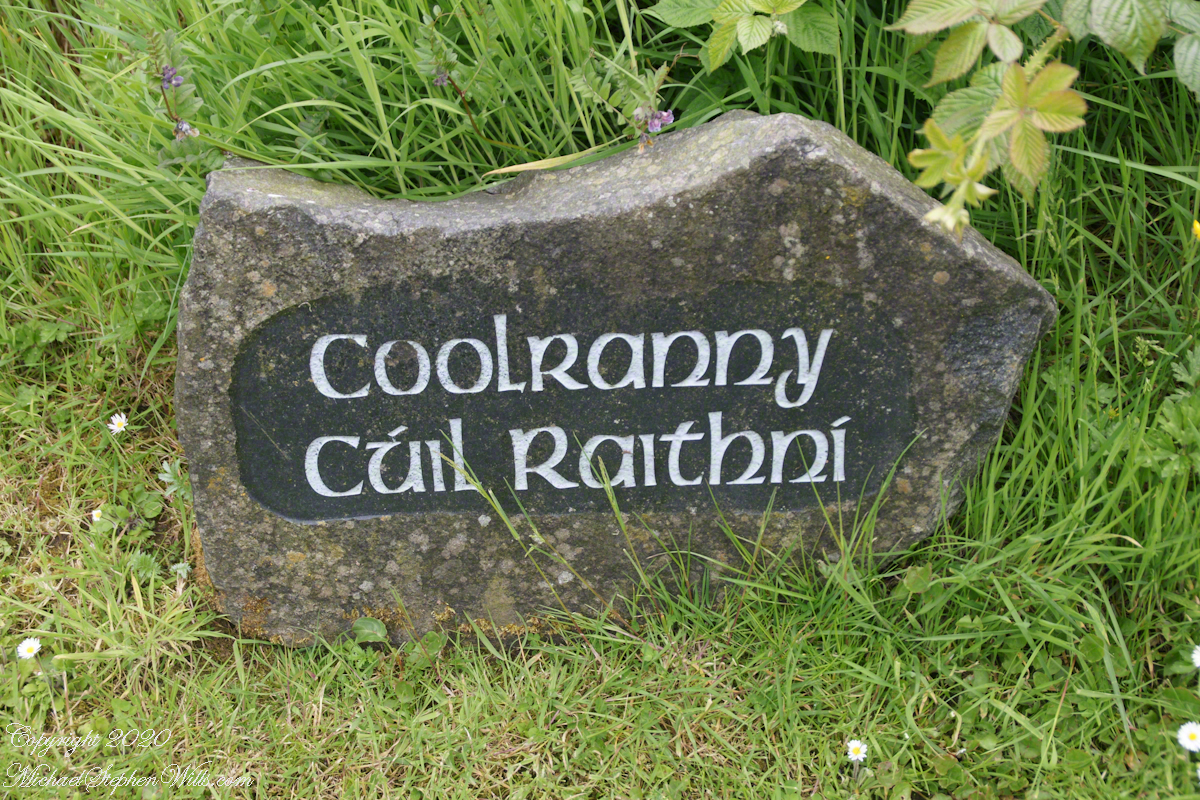
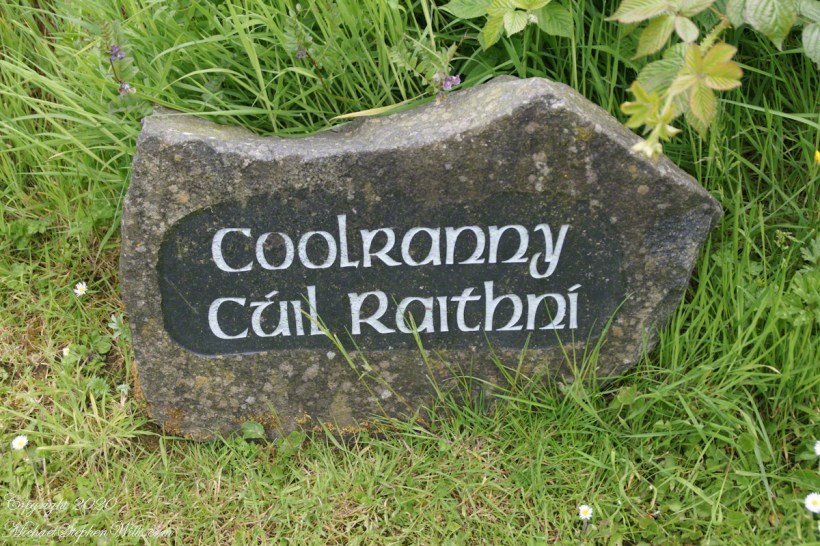
The words carved on this namestone are from ancient Irish language with “Cuil” (a recess) and “Raithni” (possessive case of the noun for bracken, a type of fern). In other words, recess of ferns. The anglicized name, “Coolranny,” is the untranslated sound of the Gaelic place name.

The road to Coolranny starts at the foot of Glendun, Cushendun village. Here is the view over Cushendun and its sheltered harbor as Torr road climbs in a series of switchbacks to Torcorr townland.

Here is a slideshow of this post’s images. To visit from WordPress Reader, you need to first click the title of this post to open a new page.
Copyright 2020 All Rights Reserved Michael Stephen Wills

Slievenaglog Slideshow

A May Morning, Early

Every photograph from my recent posting were accepted by Getty IStock. Click this link to visit the photographs on IStock.

Here is a slideshow of my Slievenaglog photography. To visit from WordPress Reader, you need to first click the title of this post to open a new page.
Copyright 2020 All Rights Reserved Michael Stephen Wills

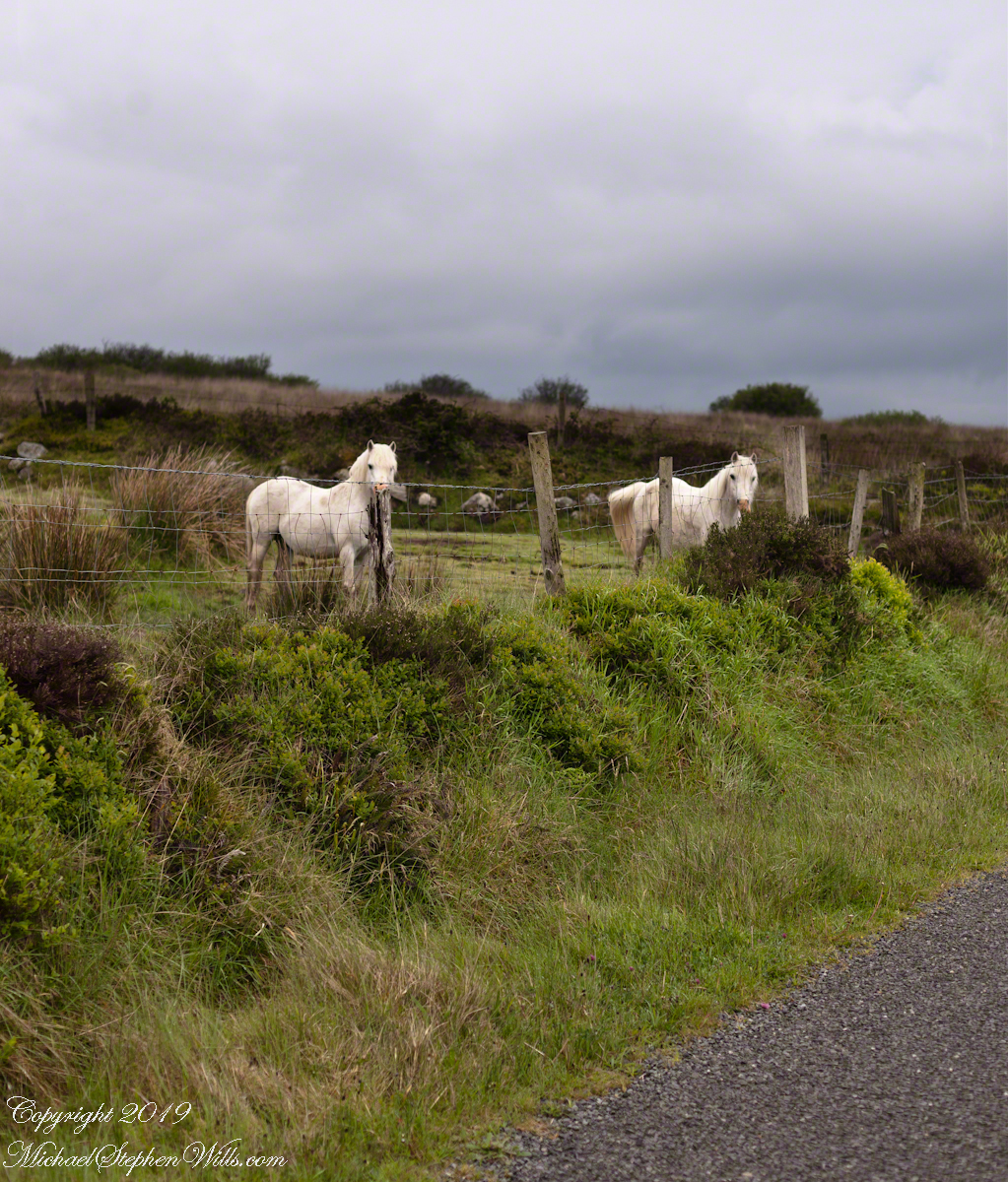
Curious Horses

A photographer and his audience

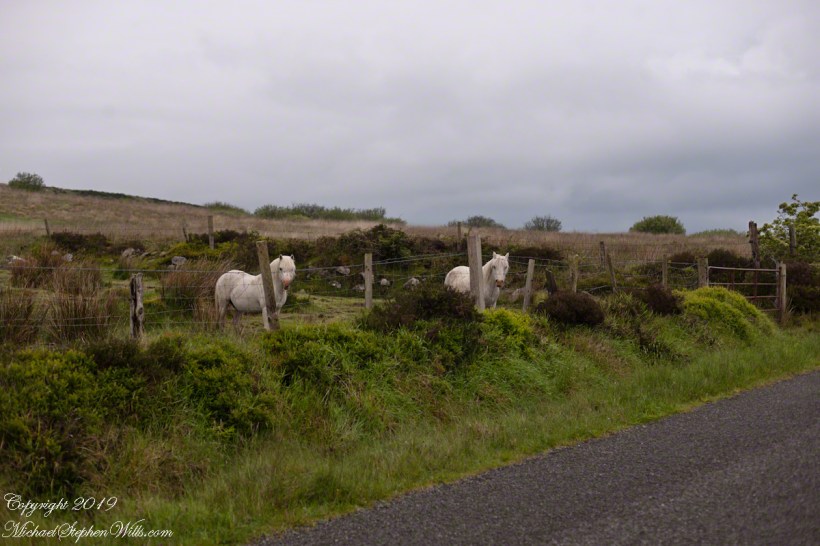
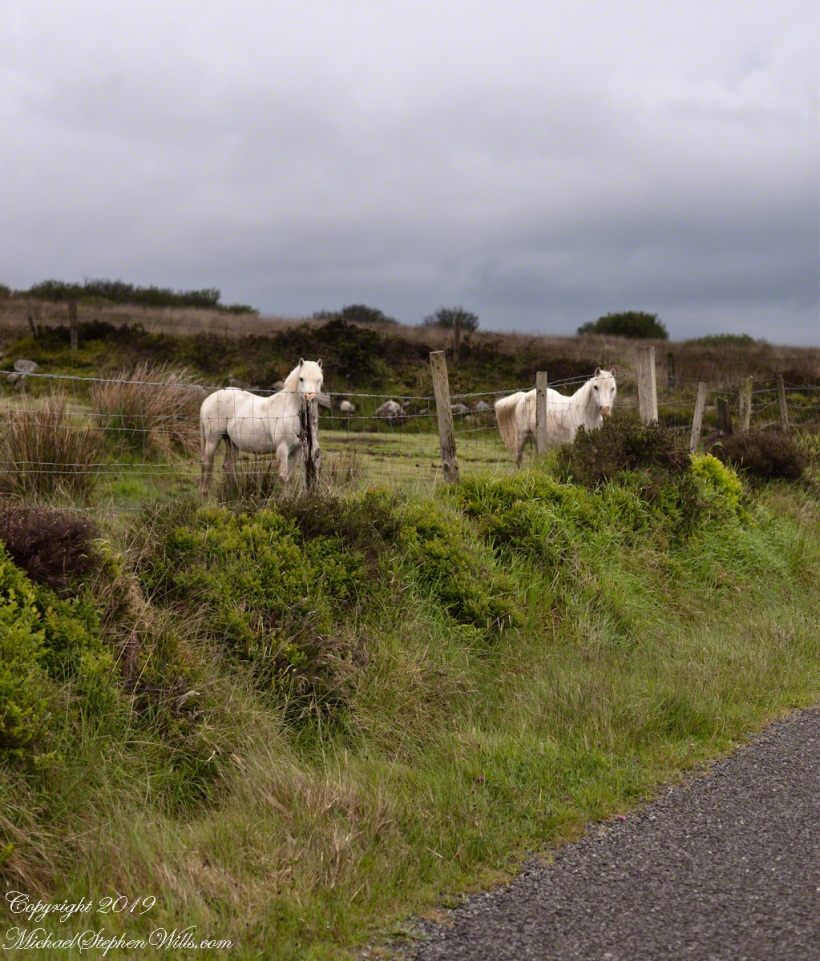
One May early morning two white horses come down from a sloping pasture on Slievenaglogh to view an interloper taking photographs. Slievenaglogh Townland, County Louth, Ireland.

Slievenaglogh Townland, County Louth, Ireland.

This I used the Canon EF 50mm f/1.4 USM lens. It is two shots, the first in horizontal, the second in vertical mode.

Click for another interesting Ireland post and story

Copyright 2020 All Rights Reserved Michael Stephen Wills

50 vs 24 mm focal length

A Cooley Peninsula Valley on a May Morning

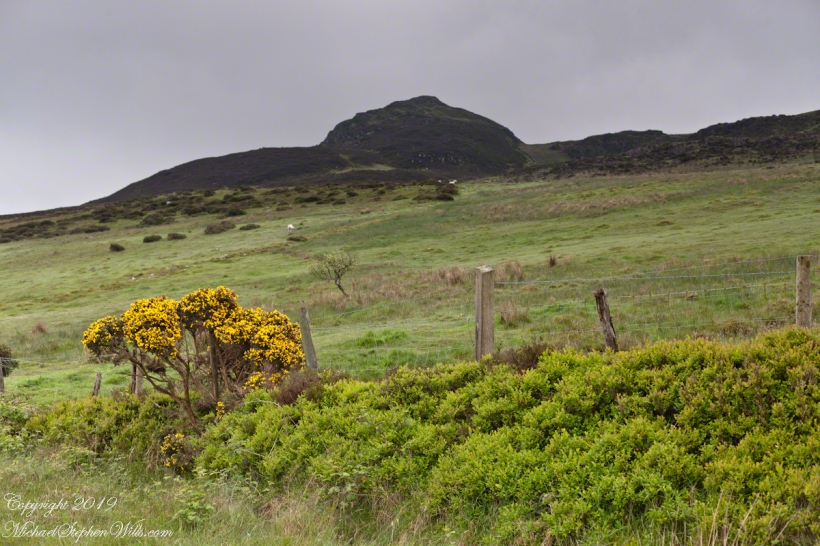
On the northeast slope of Slievenaglogh peak (Irish: Sliabh na gCloch) on the road from Mullaghattin Townland to Riverstown. This day I swapped lenses and took in the same general direction for each. This is the first and last of a series using the Canon EF 50mm f/1.4 USM lens and I pulled in the shots from the Canon 24mm f1.4 L II USM lens, published in previous posts.

Click photograph for a larger view. To do this from WordPress Reader, you need to first click the title of this post to open a new page.

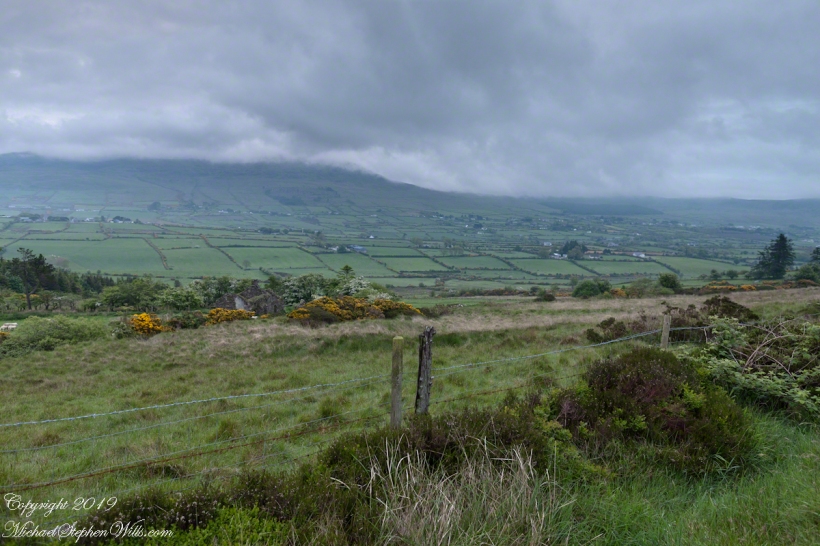
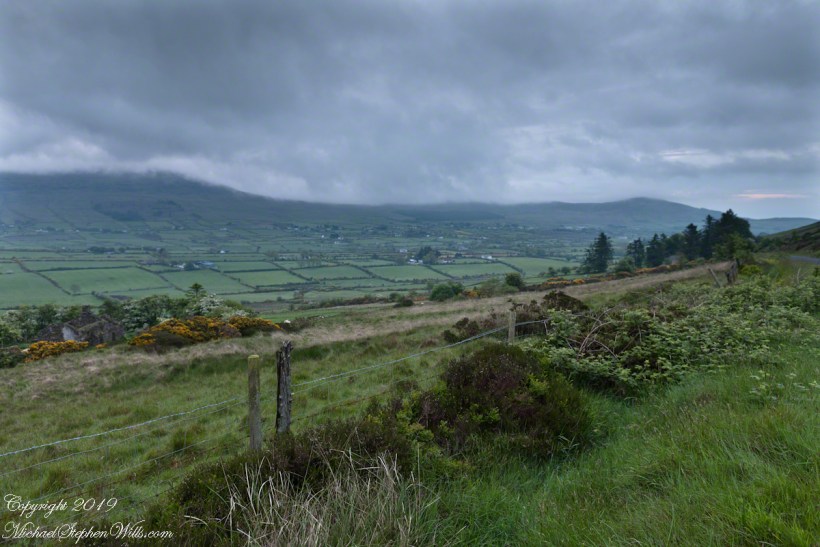
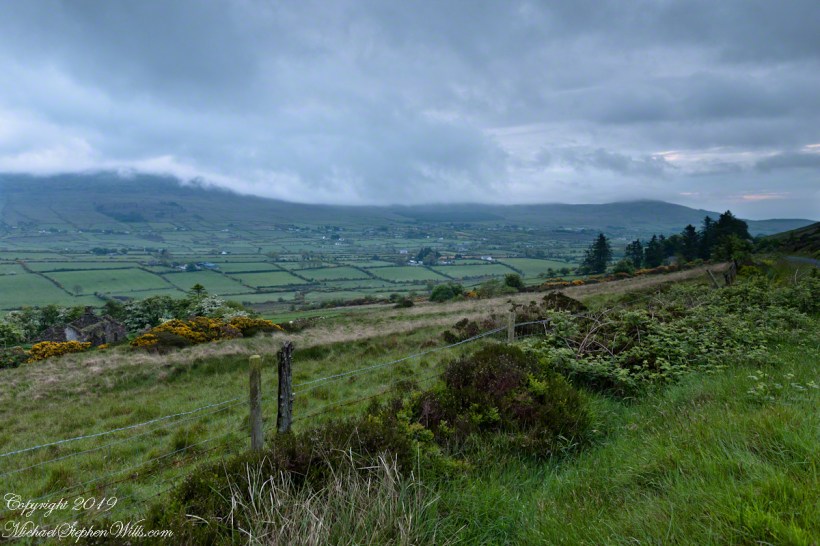
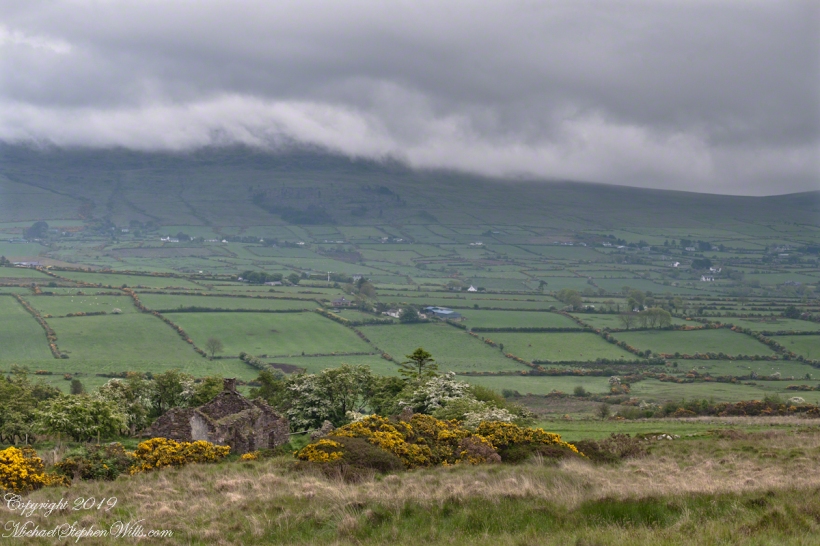
Here we look northeast from the Slievenaglogh Townland over the valley between Slievenaglogh and Slieve Foy peaks. Slieve Foy is the far ridge lost in clouds.

This is the first and last of a series using the Canon EF 50mm f/1.4 USM lens.

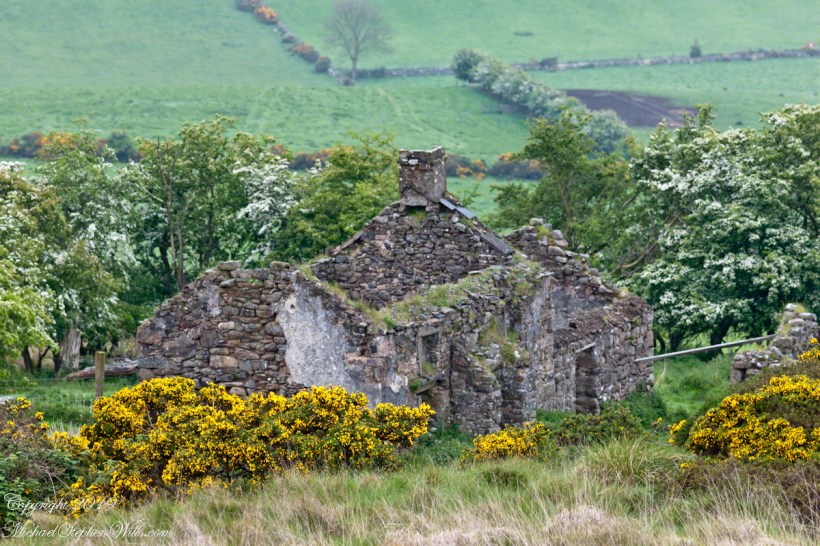
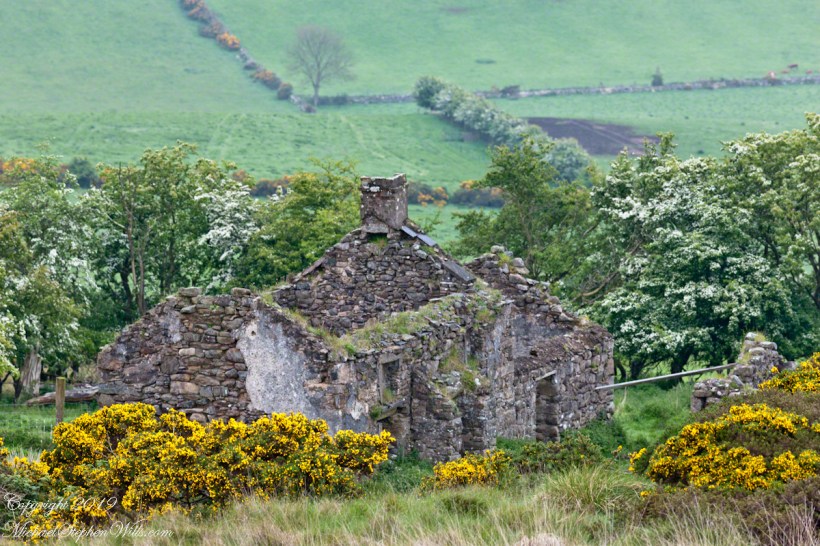
The view includes Little River, Castletown River, Ballycoly and Glenmore Townlands. Adjacent is a sheep pasture with a farm ruin behind the yellow flowered gorse (Whin bush, scientific name Ulex).

Early morning, late May 2014.

Here is a slideshow of the 50mm and 24mm images of this post.

Click for another interesting Ireland post and story

Copyright 2020 All Rights Reserved Michael Stephen Wills

Frame

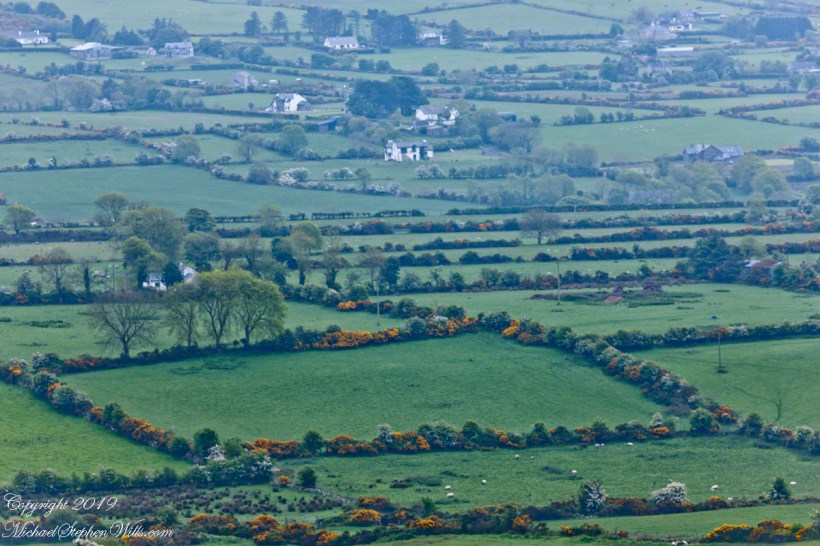
green pastures framed by Whin Bush and Hawthorn windbreak

The road runs high on the shoulder of Slievenaglog peak, the 200 mm lens peers into the next townland over, Ballycoly (or Ballygoley), the valley floor broad, pastured.

Click photograph for a larger view. To do this from WordPress Reader, you need to first click the title of this post to open a new page.

This is the seventh and last of a series using the Canon EF 200mm f/2.8L USM lens.

Here is a recap of recent posts with the 200 and 24 mm lens. Can you tell the difference?

Click for another interesting Ireland post and story

Copyright 2020 All Rights Reserved Michael Stephen Wills

Abandoned II

So much depended on this wagon

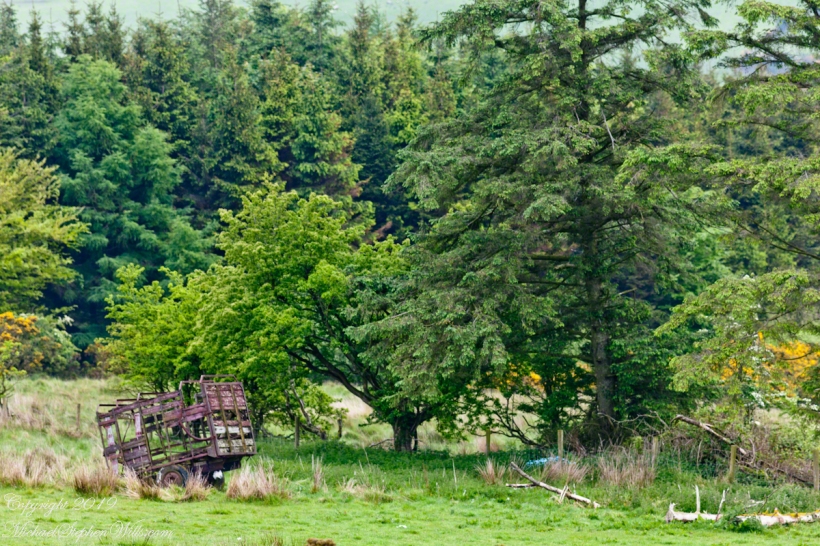
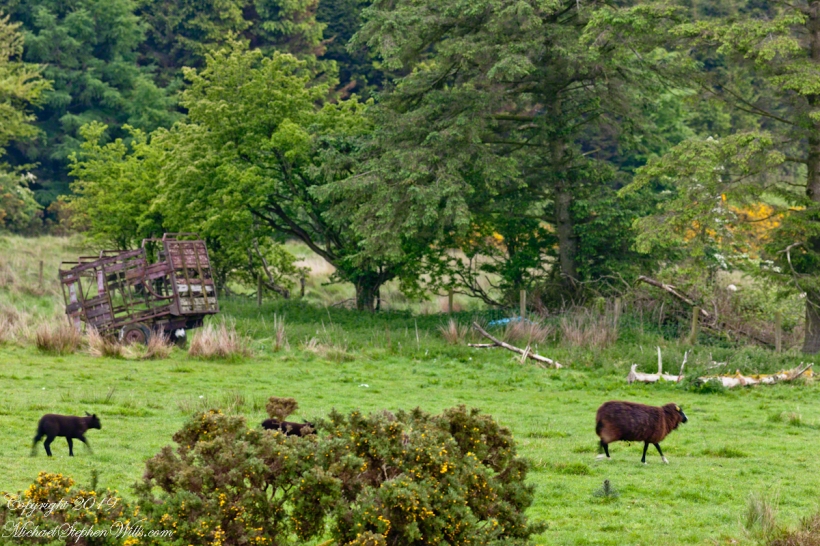
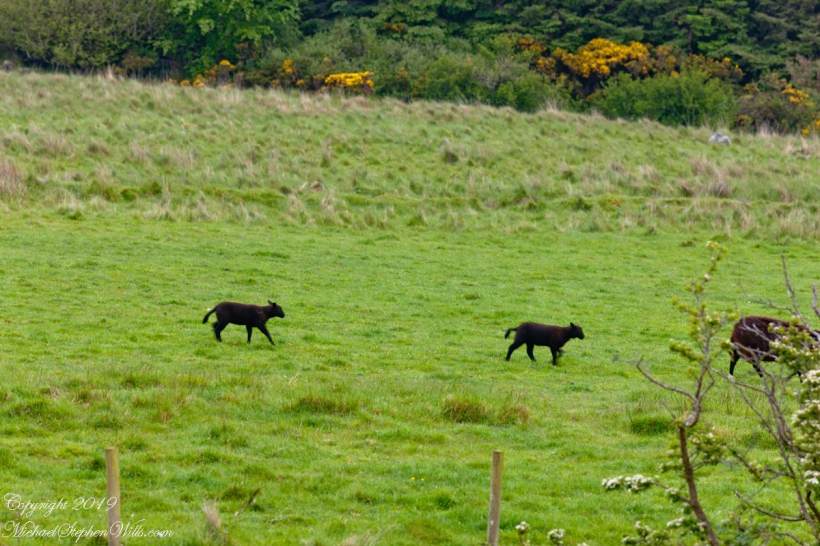
Quickly moving sheep pass the hay wagon on May morning, early. A great start to this week.

Click photograph for a larger view. To do this from WordPress Reader, you need to first click the title of this post to open a new page.

This mountainside pasture is grazed by a flock of sheep alongside a long unused farm wagon. Slievenaglogh Townland, Cooley Peninsula, County Louth, Ireland.

This is the fifth of a series using the Canon EF 200mm f/2.8L USM lens.

Here is a recap of recent posts with the 200 and 24 mm lens. Can you tell the difference?

Click for another interesting Ireland post and story

Copyright 2020 All Rights Reserved Michael Stephen Wills

Balwen? Shetland?

Or neither?

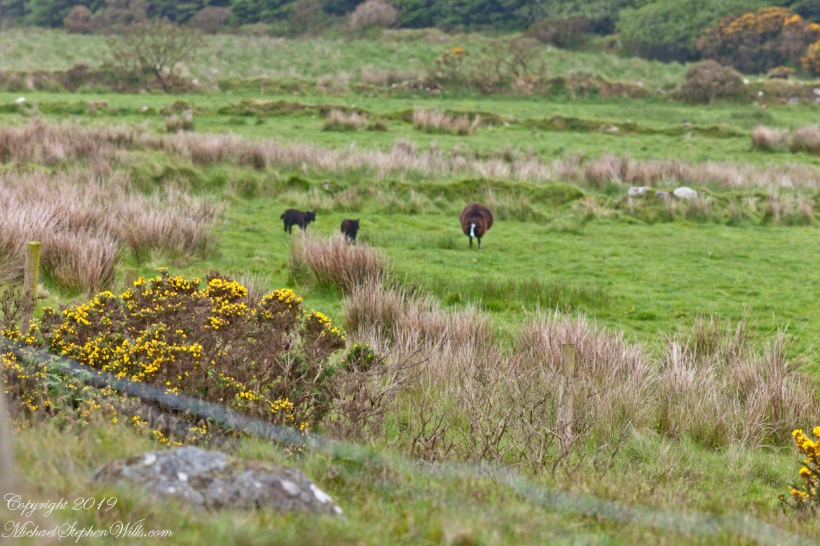
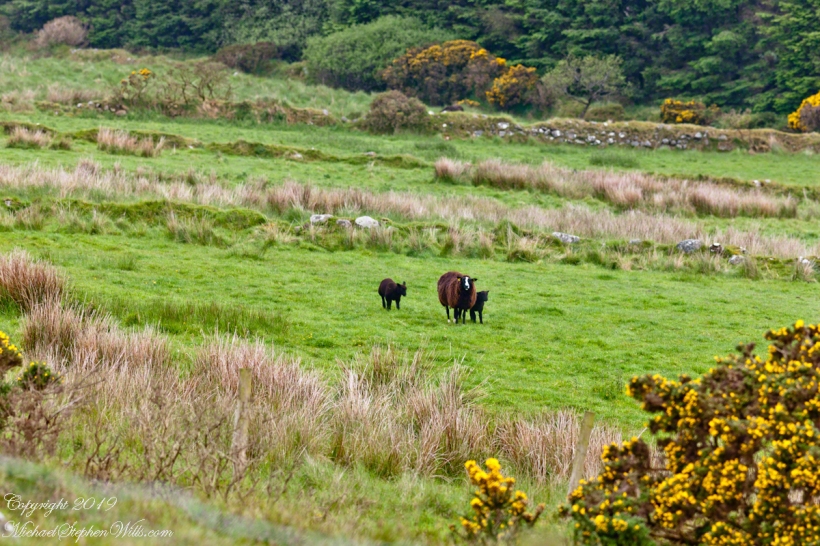
This breed may be a Balwen Welsh Mountain sheep, as it fits the description. When the ewe caught sight of me, she hightailed it for cover, the lambs followed.

Click photograph for a larger view. To do this from WordPress Reader, you need to first click the title of this post to open a new page.

The Balwen is bred for meat and that is the rule in this area, the lambs are sold.

The description is of a black color with a white blaze on the face, four white “socks” and white on the tail. This individual is missing a white tale, so might be a Shetland and even more so as the others of the herd are white (Shetlands are a variety of colors), Shetland is common and the other rare.

These are on the hillside of Slievenaglogh Townland, County Louth, Ireland.

This is the fourth of a series using the Canon EF 200mm f/2.8L USM lens.

Click for another interesting Ireland post and story

Copyright 2020 All Rights Reserved Michael Stephen Wills

Where a fort falls away

An abrupt emptiness

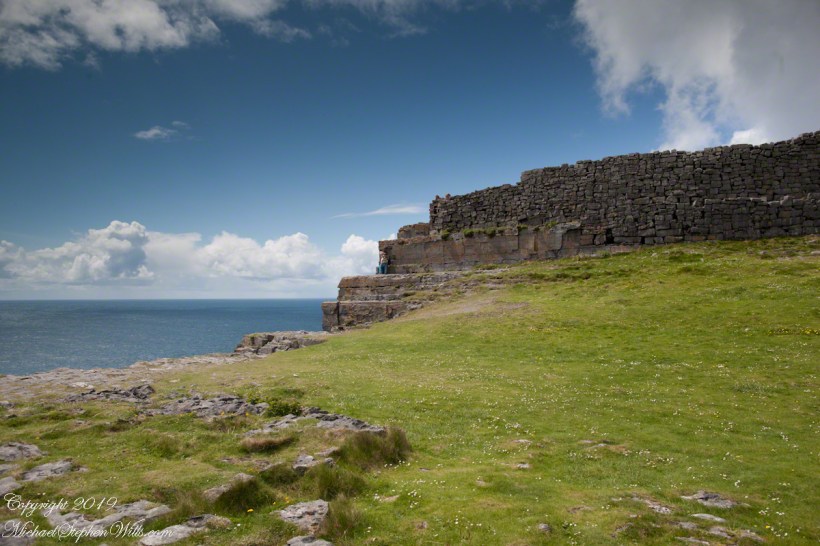
Here is the east side of the inner enclosure wall of Dun Aonghasa (Dun Aengus) where it ends at a cliff edge over the Atlantic ocean.

Visible are the last 60 feet or so of the limestone strata supporting the inner ring.

When first constructed, the inner ring was complete, the western side 1,000 feet from the cliff.. Today’s form of a semi-circle was created by nature when the force of Atlantic Ocean waves eroded the cliff, undercutting the strata.

Look close to see a fracture where the next block of limestone will fall into the waves.

Wishing a blessed All Saints Day (November 1st) for all my readers.

Click me for the first post of this series, “Horse Trap on Inishmore.”

Reference: wikipedia Dún Aonghasa, Sea Campion

Copyright 2019 Michael Stephen Wills All Rights Reserved