Anniversary Wildflower, crocus

The crocus has been known throughout recorded history, mainly as the source of saffron.

I found crocuses blooming beneath our magnolia tree on our 14th anniversary, Monday, March 20, 2023.

The following photograph is from the Apple IPhone 14 ProMax, raw format and perfected on the phone. The rest are from the Canon 5D Mark IV with the lens EF 100mm f/2.8 Macro USB.

Click Me for more photographic art from my OnLine Gallery, “Finger Lakes Memories.”
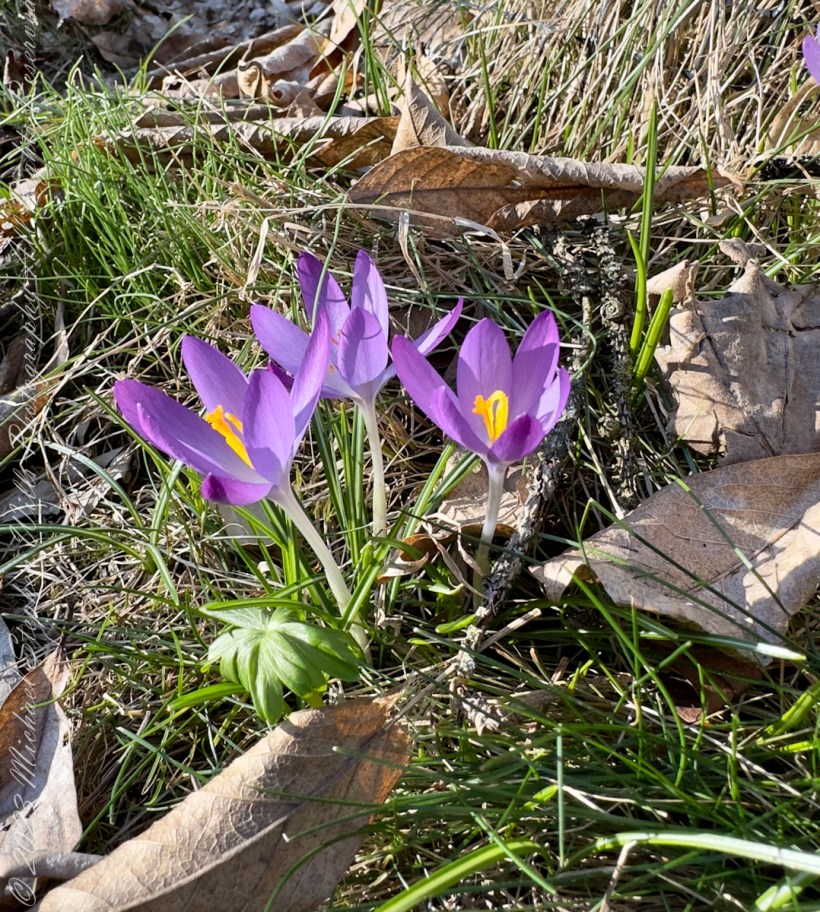
“Crocus is a genus of seasonal flowering plants in the family Iridaceae (iris family) comprising about 100 species of perennials growing from corms. They are low growing plants, whose flower stems remain underground, that bear relatively large white, yellow, orange or purple flowers and then become dormant after flowering. Many are cultivated for their flowers, appearing in autumn, winter, or spring. The flowers close at night and in overcast weather conditions.”

Here are partially closed blooms under the same magnolia tree on a very cold March 2020 afternoon.
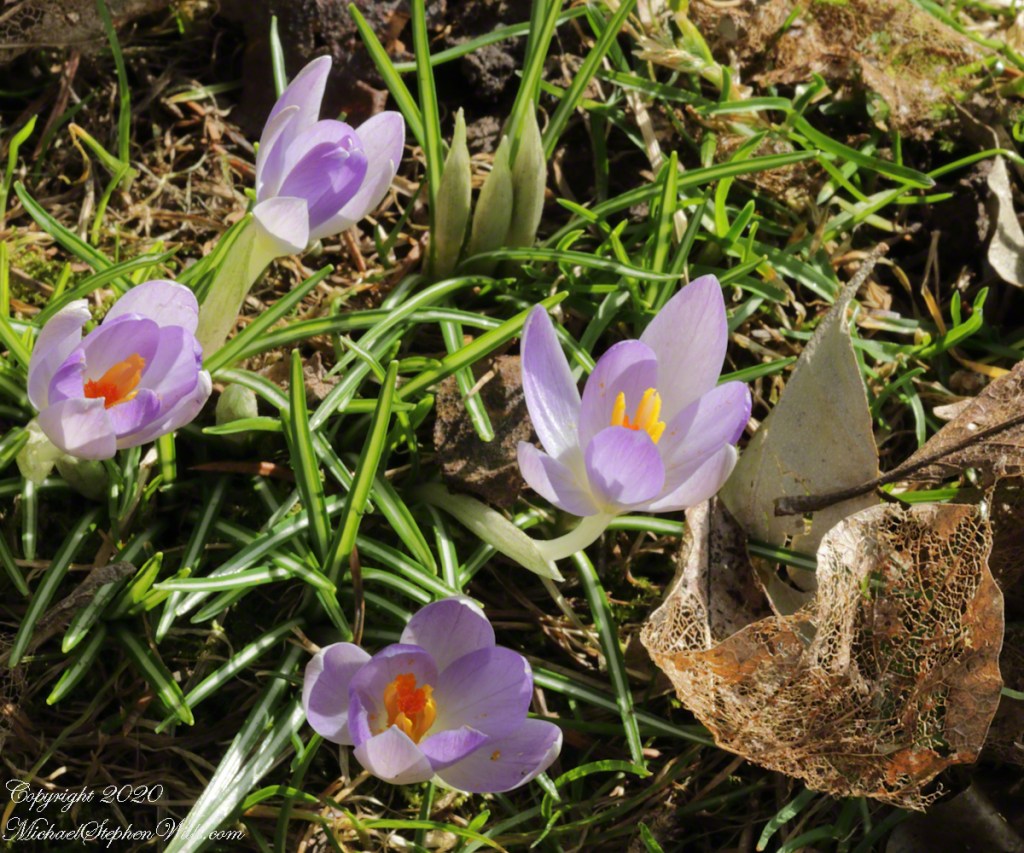
“The crocus has been known throughout recorded history, mainly as the source of saffron. Saffron is obtained from the dried stigma of Crocus sativus, an autumn-blooming species. It is valued as a spice and dyestuff and is one of the most expensive spices in the world. Iran is the center of saffron production. Crocuses are native to woodland, scrub, and meadows from sea level to alpine tundra from the Mediterranean, through North Africa, central and southern Europe, the islands of the Aegean, the Middle East and across Central Asia to Xinjiang in western China. Crocuses may be propagated from seed or from daughter cormels formed on the corm, that eventually produce mature plants. They arrived in Europe from Turkey in the 16th century and became valued as an ornamental flowering plant.” Source: wikipedia “crocus”
Copyright 2023 All Rights Reserved Michael Stephen Wills

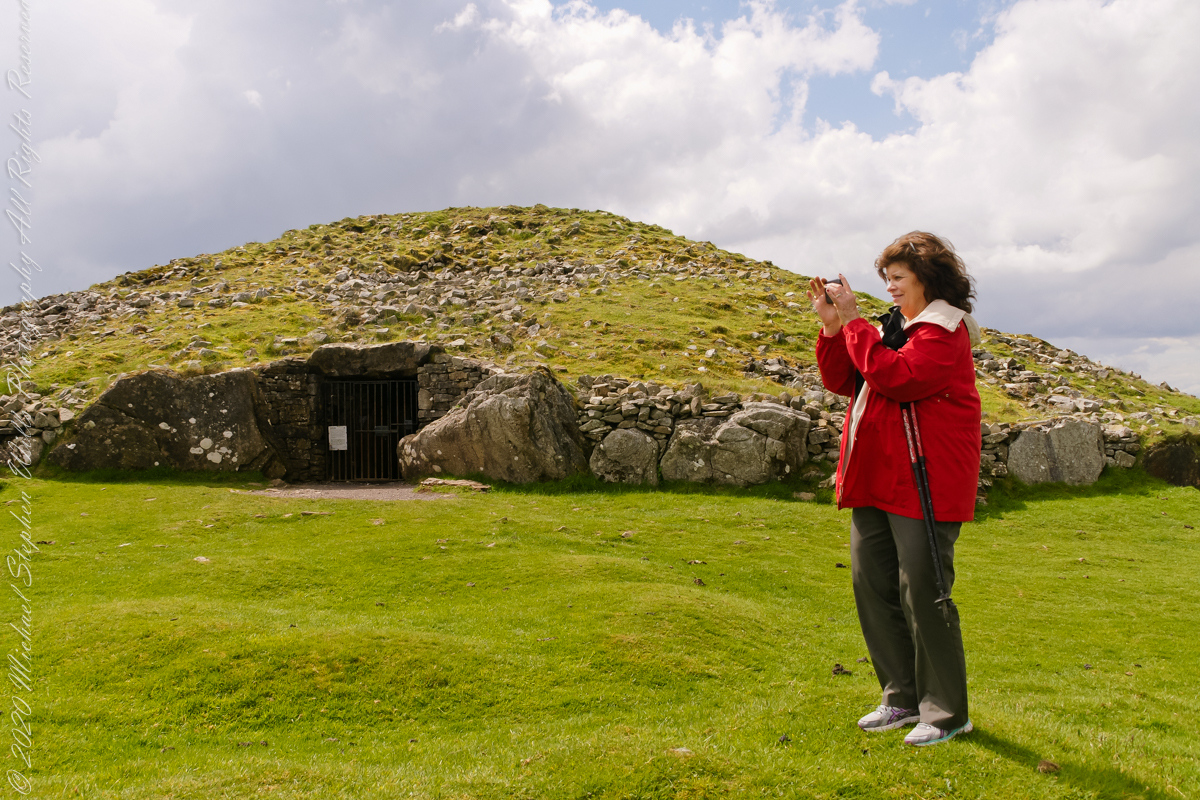
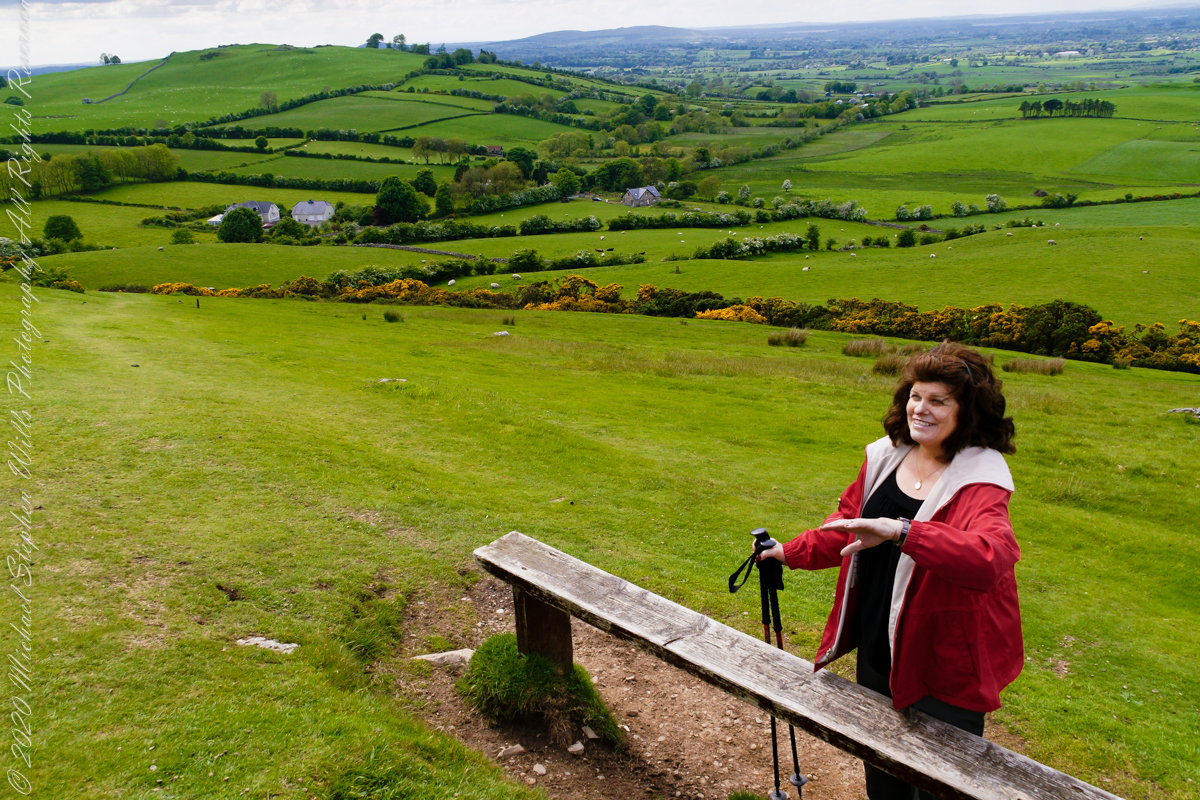
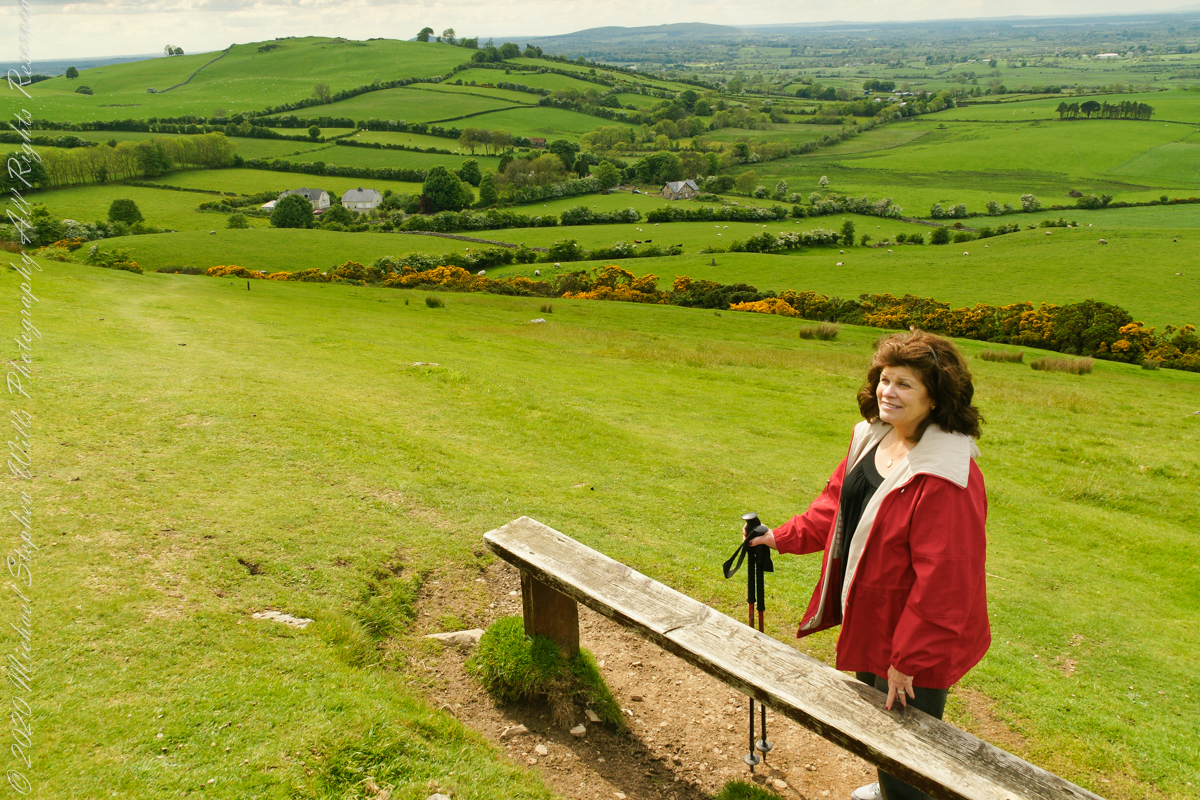
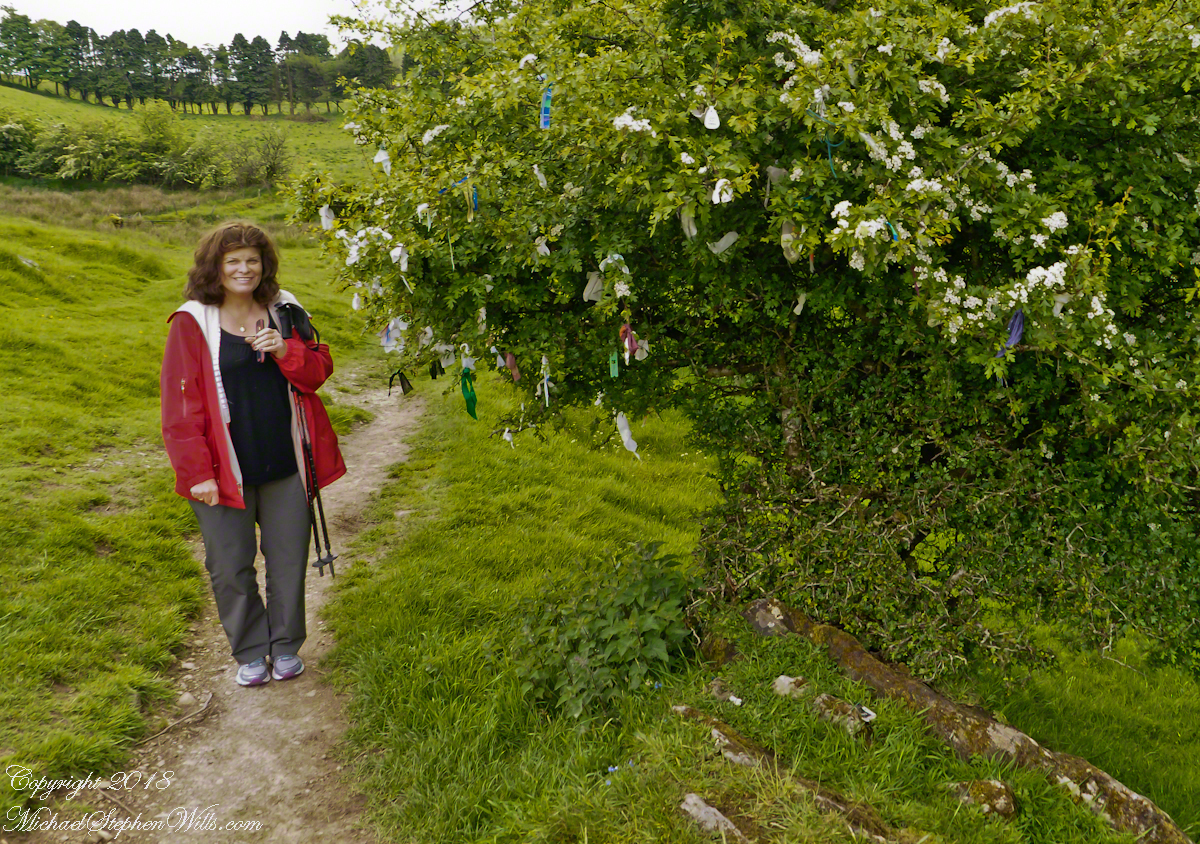
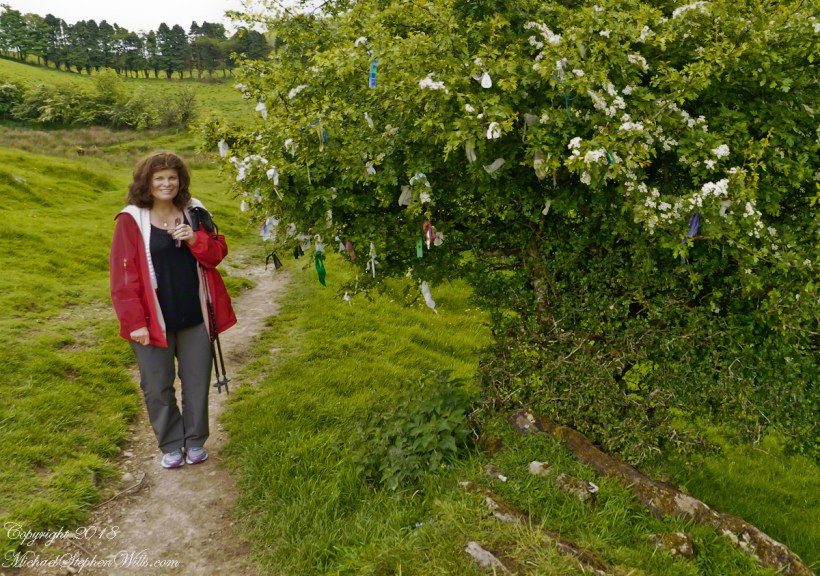
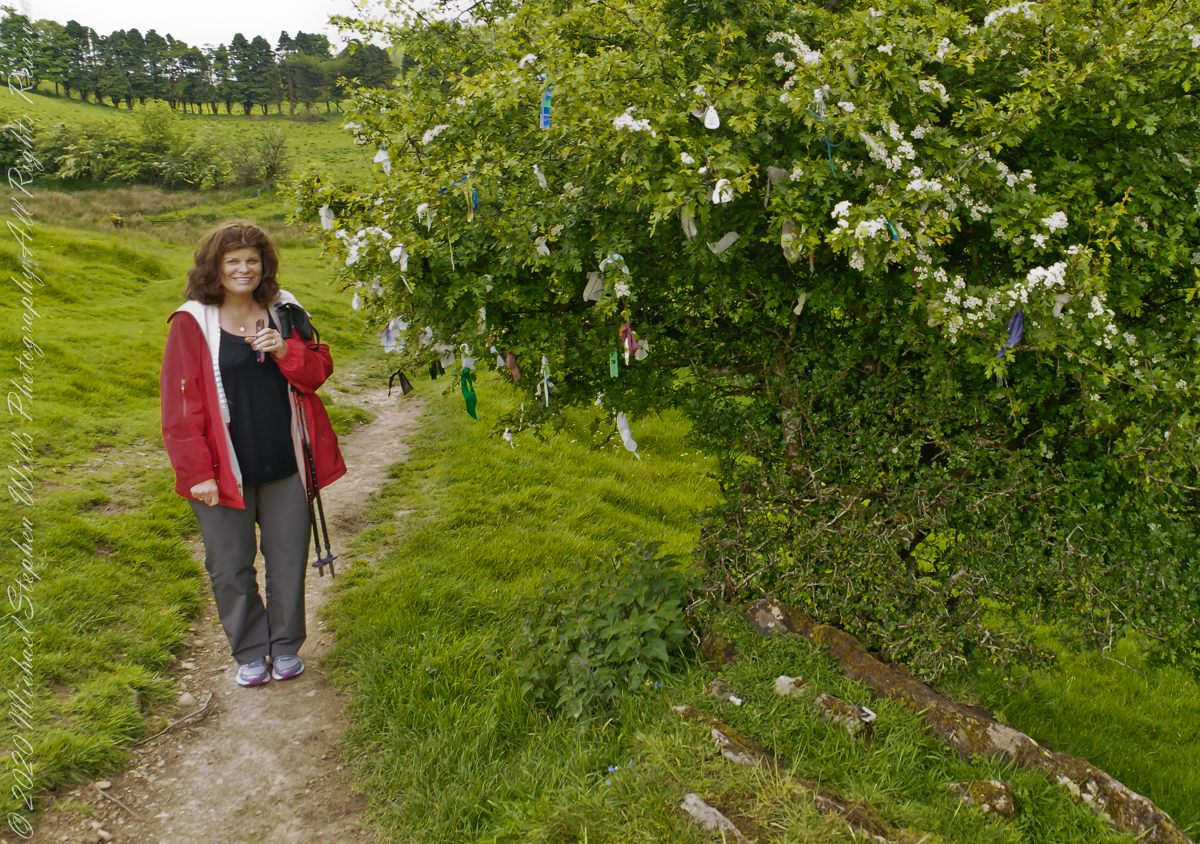
Pam Wills at Loughcrew, County Meath, Ireland

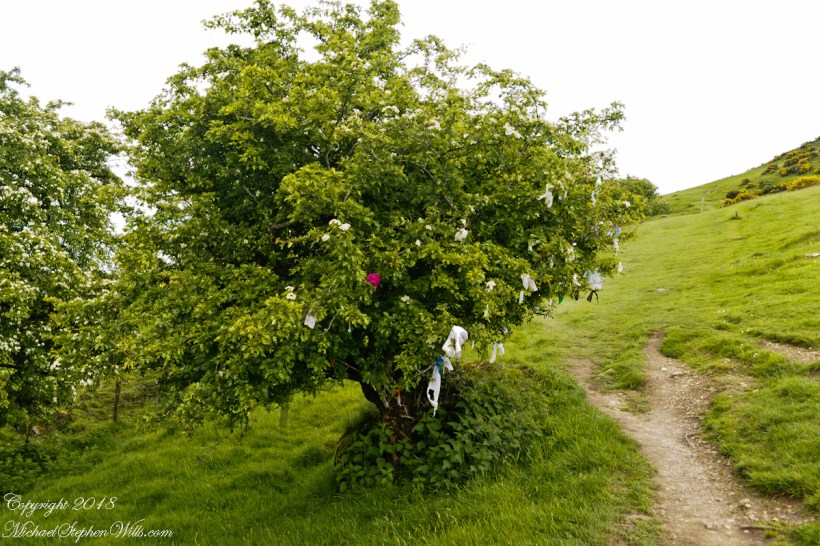
Pam and I were lucky enough to plan our tour of Ireland for May and June when the Hawthorne trees are in bloom.  Named sceach gheal in Gaelic, the white clusters of blossoms symbolize hope.  Hawthorns are plentiful throughout the island.  The Irish revere the tree and associate each Hawthorn with the Little People.  There are roads in Ireland that curve around a Hawthorn tree because the local people convinced the engineers to do so, to save the tree.

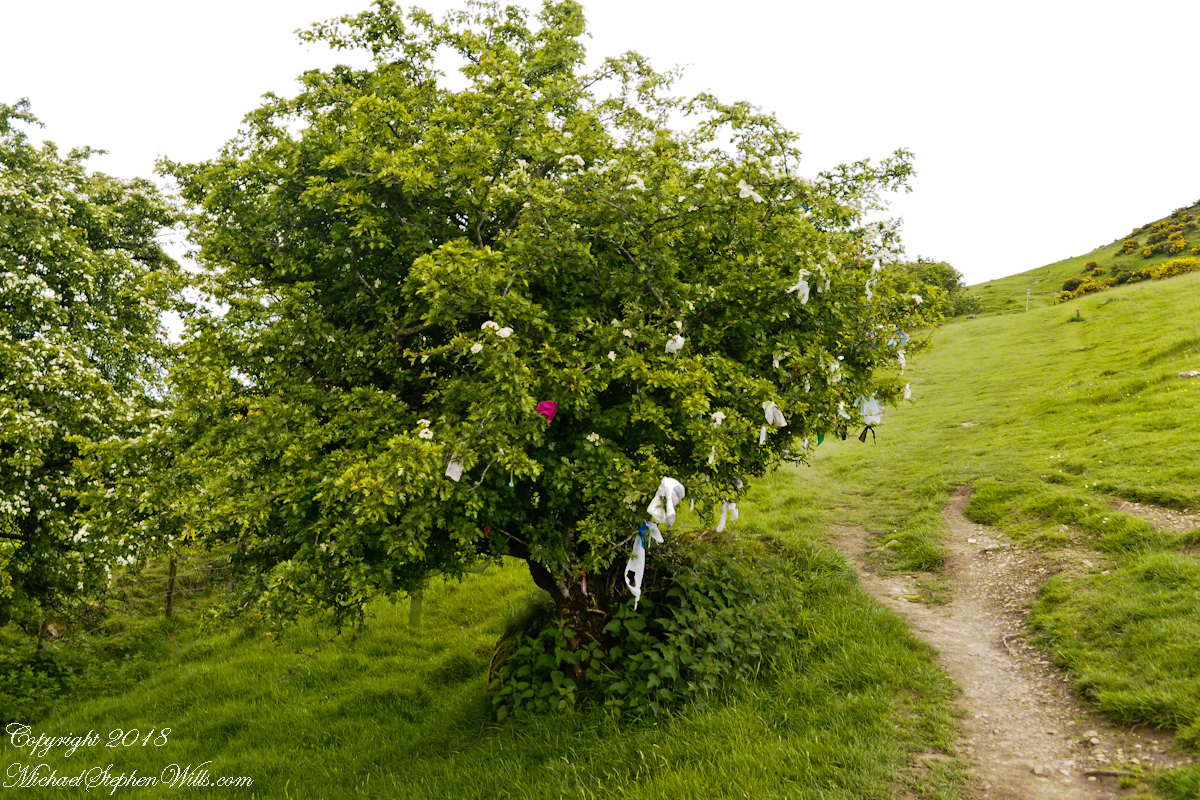
This specimen, covered with offerings (to the Little People?), is on the trail to Loughcrew.  Even with her knee trouble, Pam made it to the top of the Hag’s Mountain to visit Cairn T of the Loughcrew Passage tombs.

The steep path to Loughcrew passes a hawthorn covered with flowers and may offerings.

Pam loves to capture images and returned from Ireland with a large collection.  Most of the photos of me at work are by Pam.  Here Pam is capturing the summit view of Hag’s Mountain with the Cairn T entrance gate in the background.  Lucky for us, a fellow visitor made the trip to Loughcrew Gardens and picked up the  gate key from the café.  In a later post I will share my work from inside this passage tomb.

Pam makes friends wherever we go.  She started down the mountain before me to take it easy on her knees.  When I caught up, Pam and a young Irish family were deep in conversation.  I took the opportunity to capture Pam with that gorgeous view to the northwest, Irish countryside with Lake of the Branches in the far distance.

Copyright 2023 Michael Stephen Wills All Rights Reserved

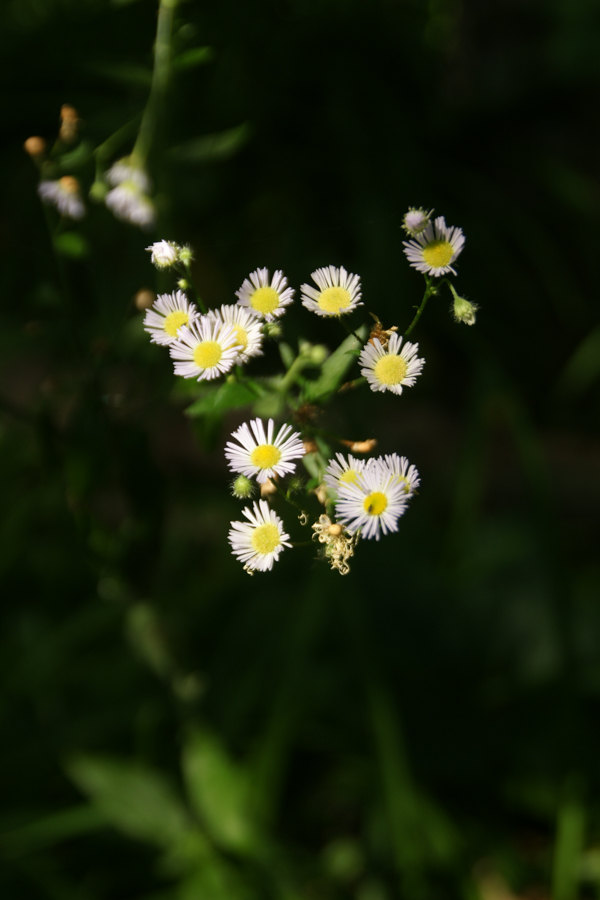
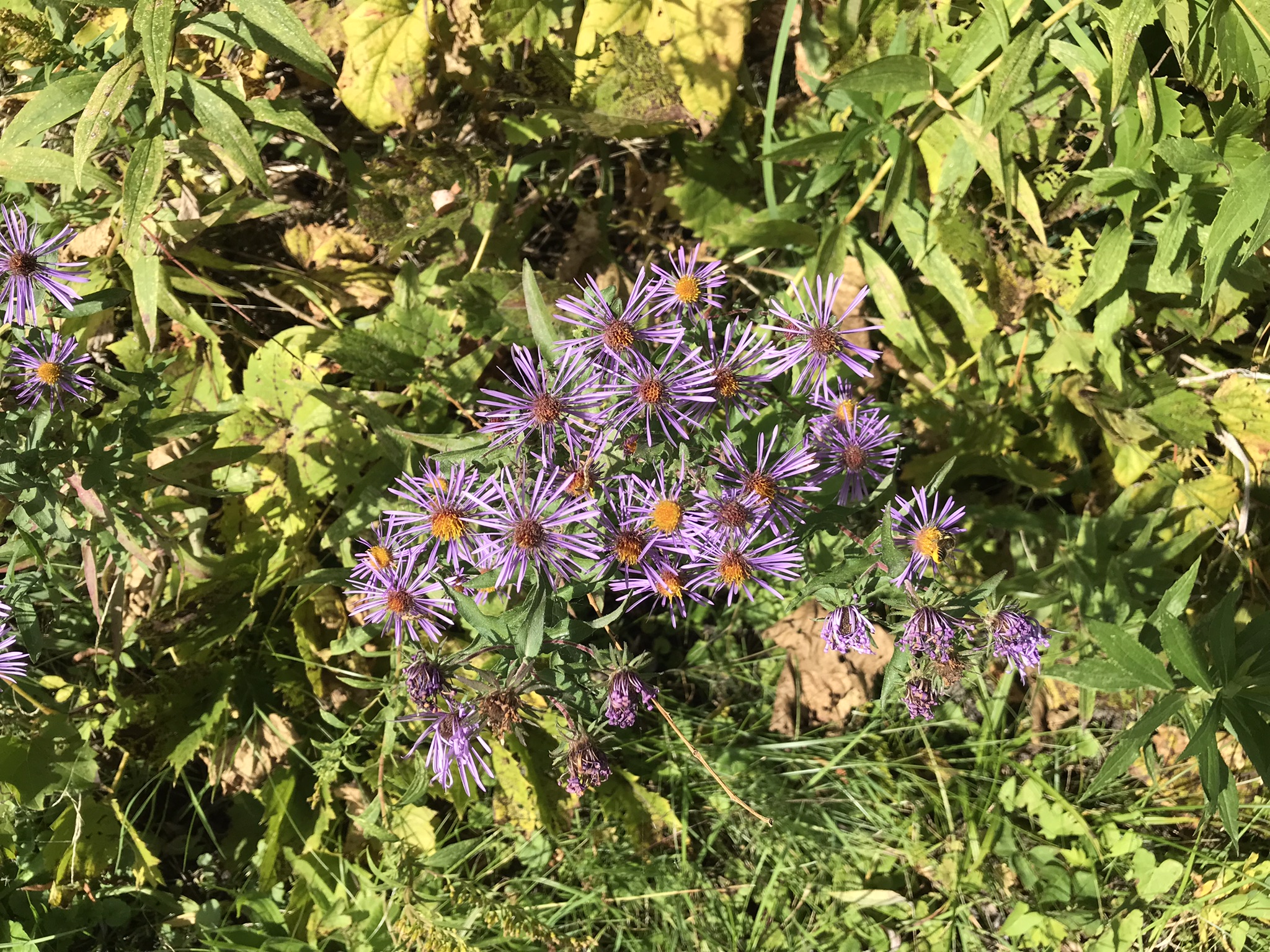
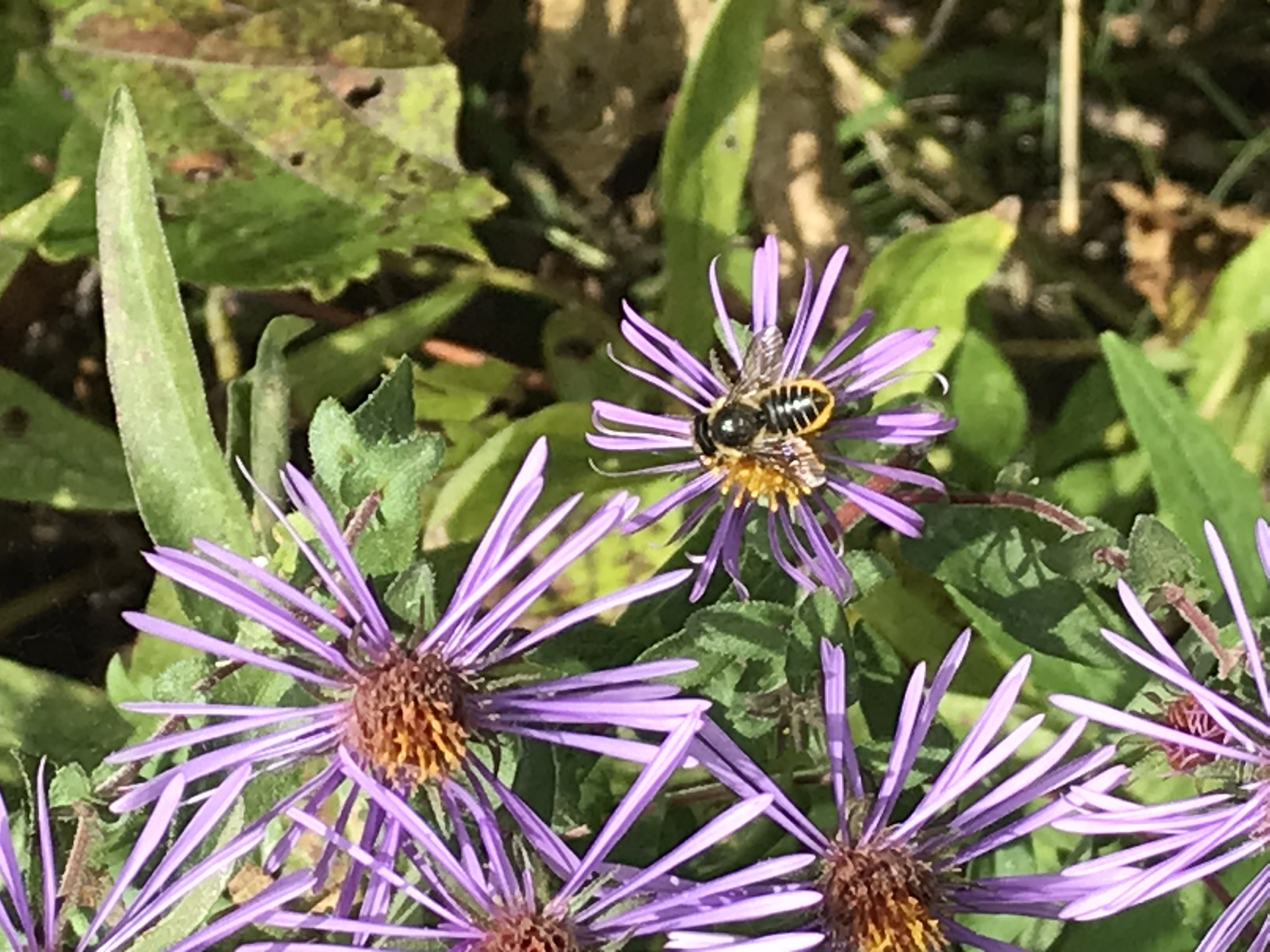
Summer Aster

Growing along the Gorge Trail

It is 9:30 am on a July morning Robert H. Treman Park, Ithaca, Tompkins County, Ithaca, New York,

Copyright 2023 All Rights Reserved Michael Stephen Wills

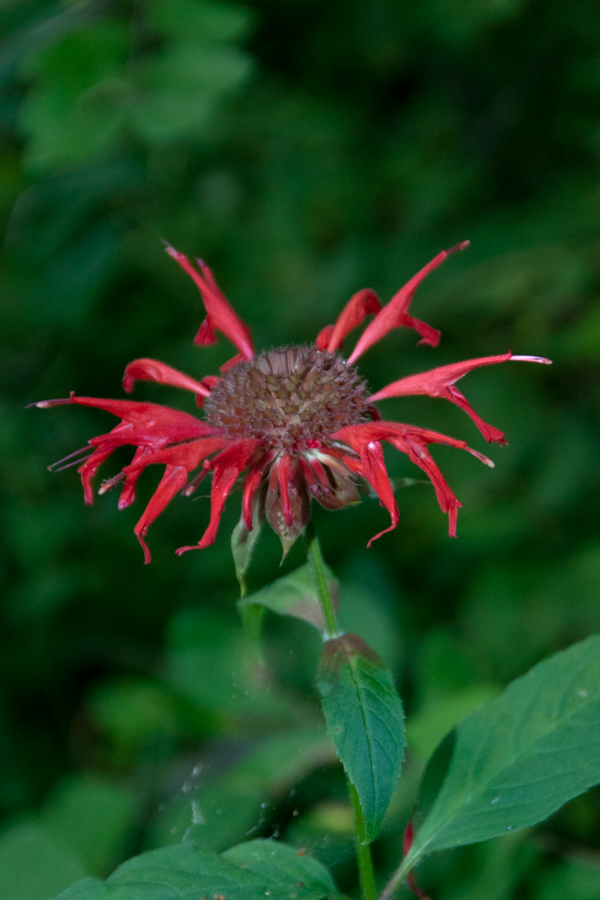
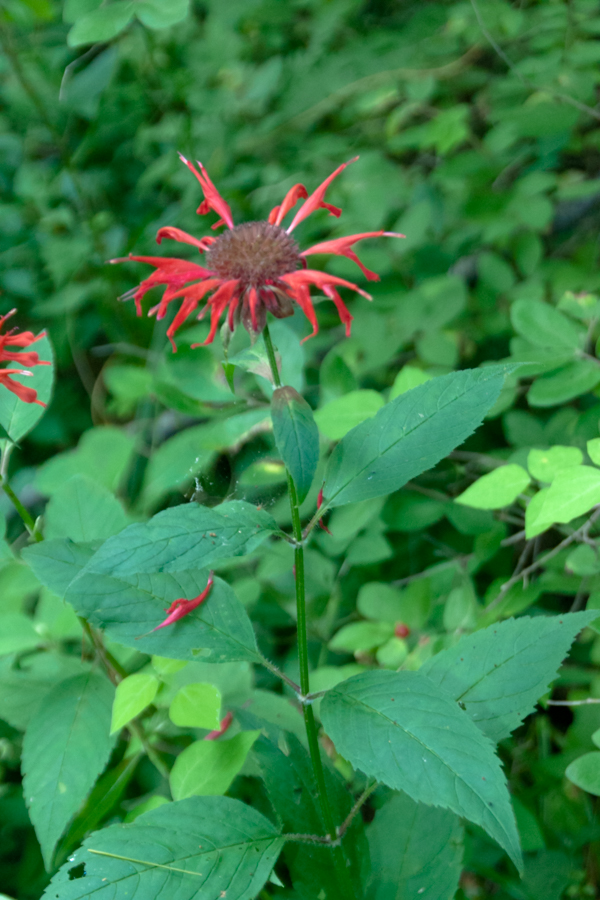
A Gorge Trail Summer Standout

Use it to make a refreshing summertime tea.

Monarda didyma is also known as crimson beebalm, scarlet beebalm, scarlet monarda, Eau-de-Cologne plant, Oswego tea, or bergamot. A wildflower native to the Finger Lakes, Crimson beebalm is extensively grown as an ornamental plant, both within and outside its native range; it is naturalized further west in the United States and also in parts of Europe and Asia.

It grows best in full sun, but tolerates light shade and thrives in any moist, but well-drained soil. As suggested by membership in the Lamiaceae (mint) family, Beebalm, as an aromatic herb, has a long history of use as a medicinal plant by many Native Americans, including the Blackfoot. The Blackfoot people recognized this plant’s strong antiseptic action and used poultices of the plant for skin infections and minor wounds.

An herbal tea made from the plant was also used to treat mouth and throat infections caused by dental caries and gingivitis. Beebalm is a natural source of the antiseptic thymol, the primary active ingredient in modern commercial mouthwash formulas. The Winnebago used an herbal tea made from beebalm as a general stimulant. It was also used as a carminative herb by Native Americans to treat excessive flatulence. As a matter of local interest, Iroquois of Oswego, New York, made the leaves into a tea, giving the plant one of its common names.

It is 9:30 am on a July morning Robert H. Treman Park, Ithaca, Tompkins County, Ithaca, New York,

References

Wikipedia, “Monarda didyma”

“The Botanical Garden, Vol II” Roger Phillips and Martyn Rix, Firefly Books, 2002. Page 284

Copyright 2023 All Rights Reserved Michael Stephen Wills

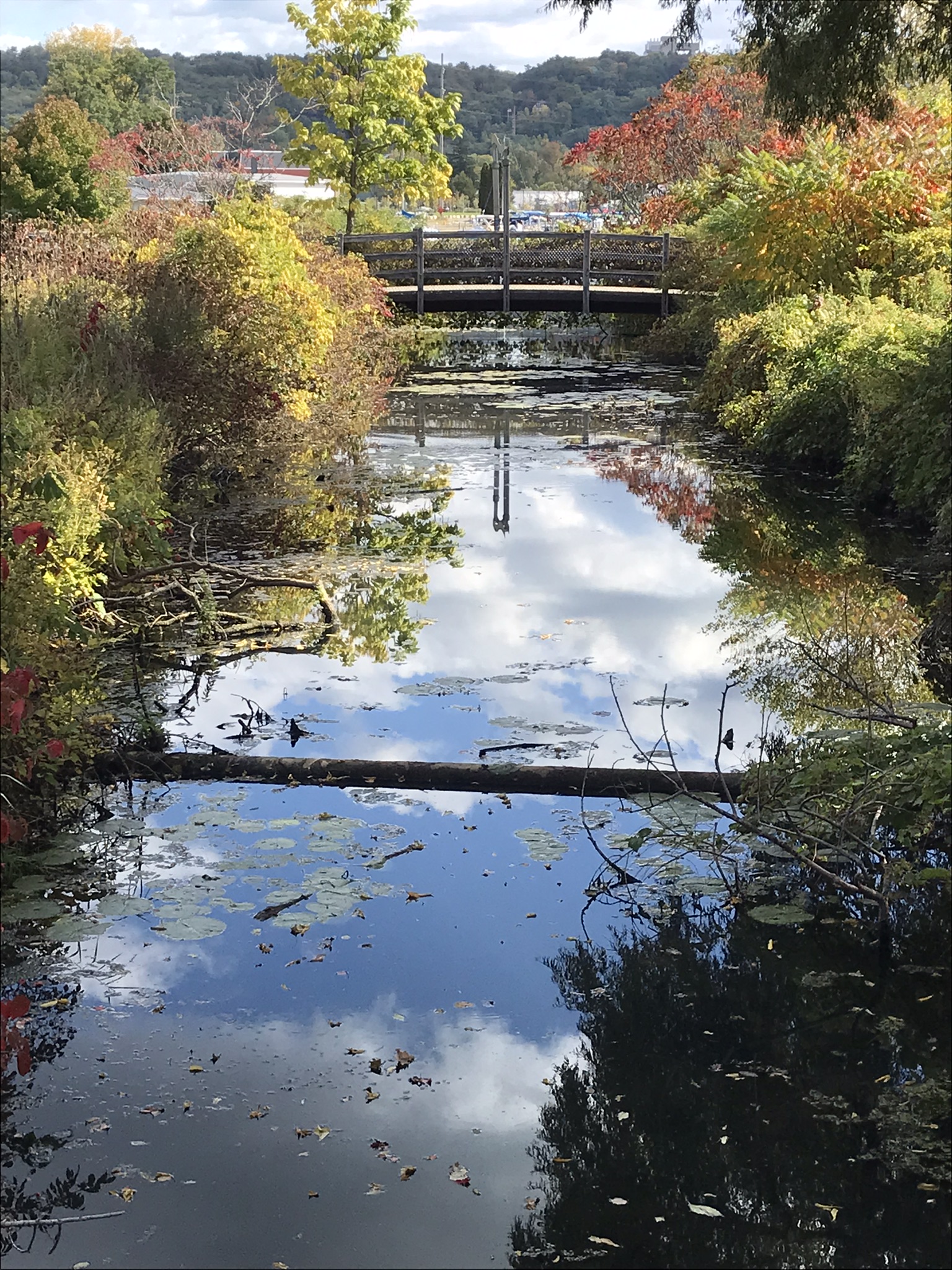
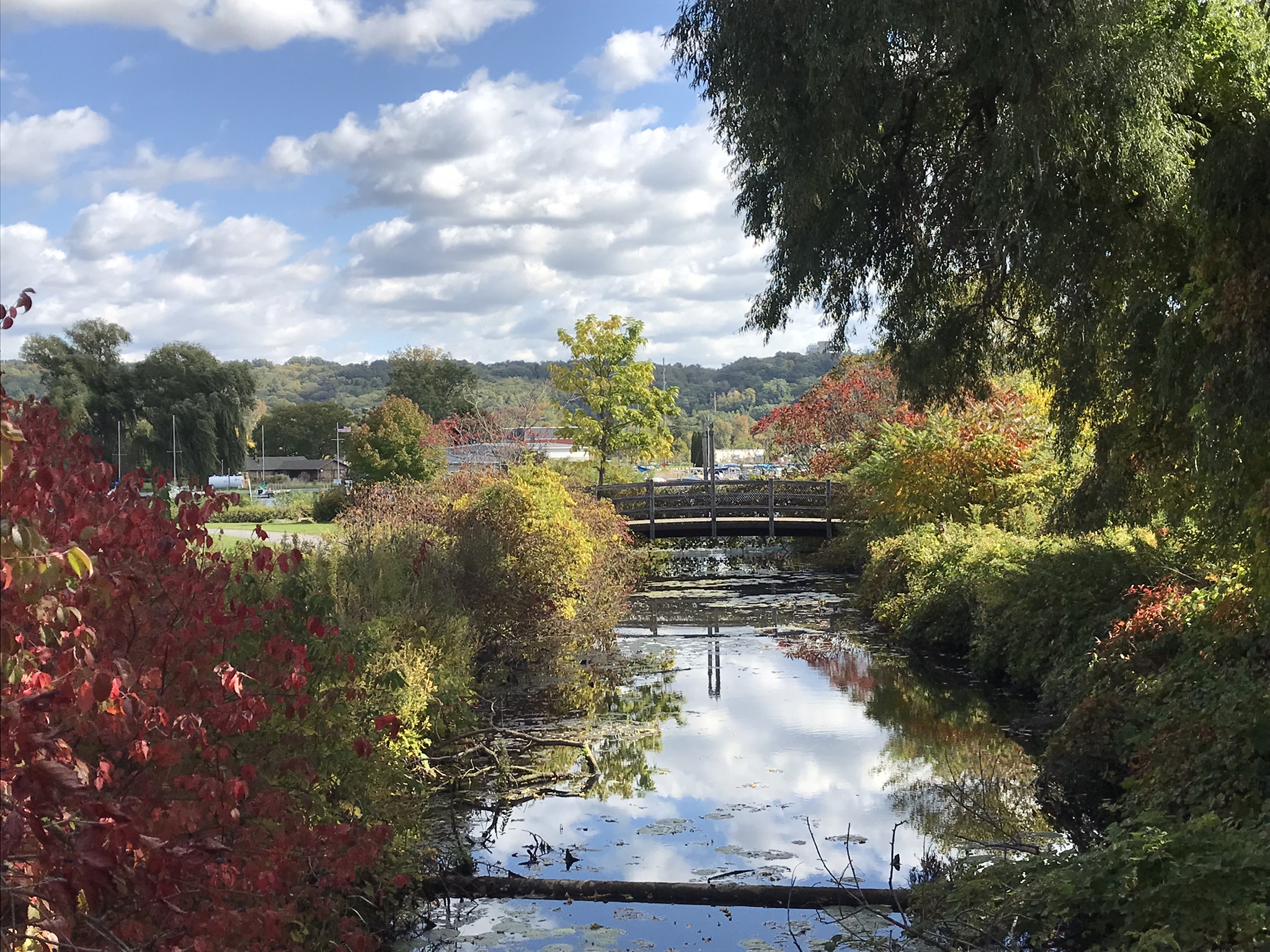
Autumn Ithaca

Cass Park

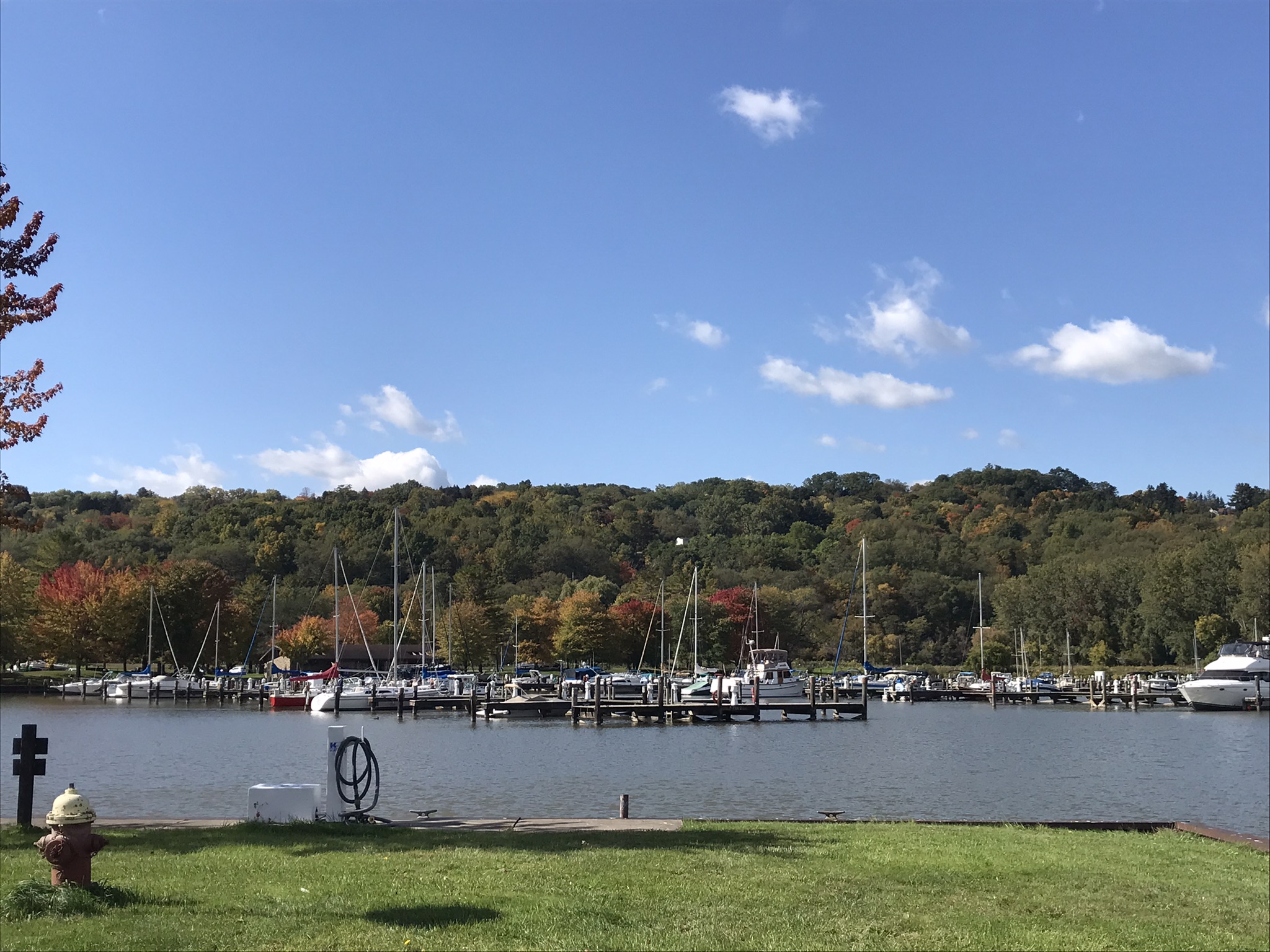
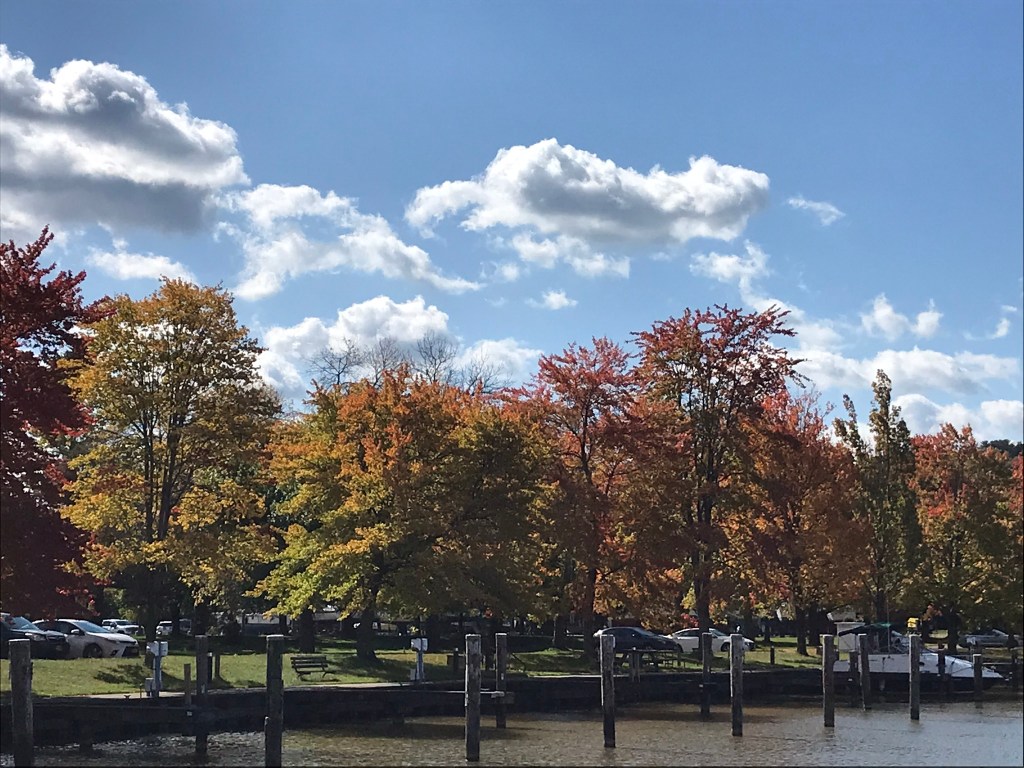
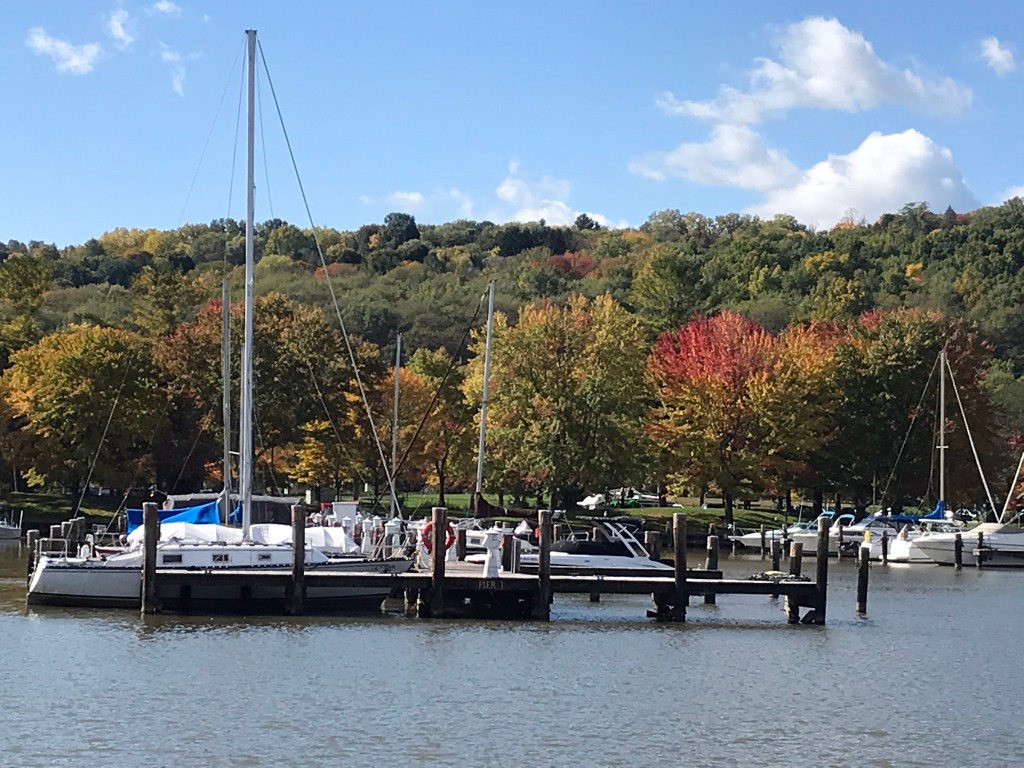
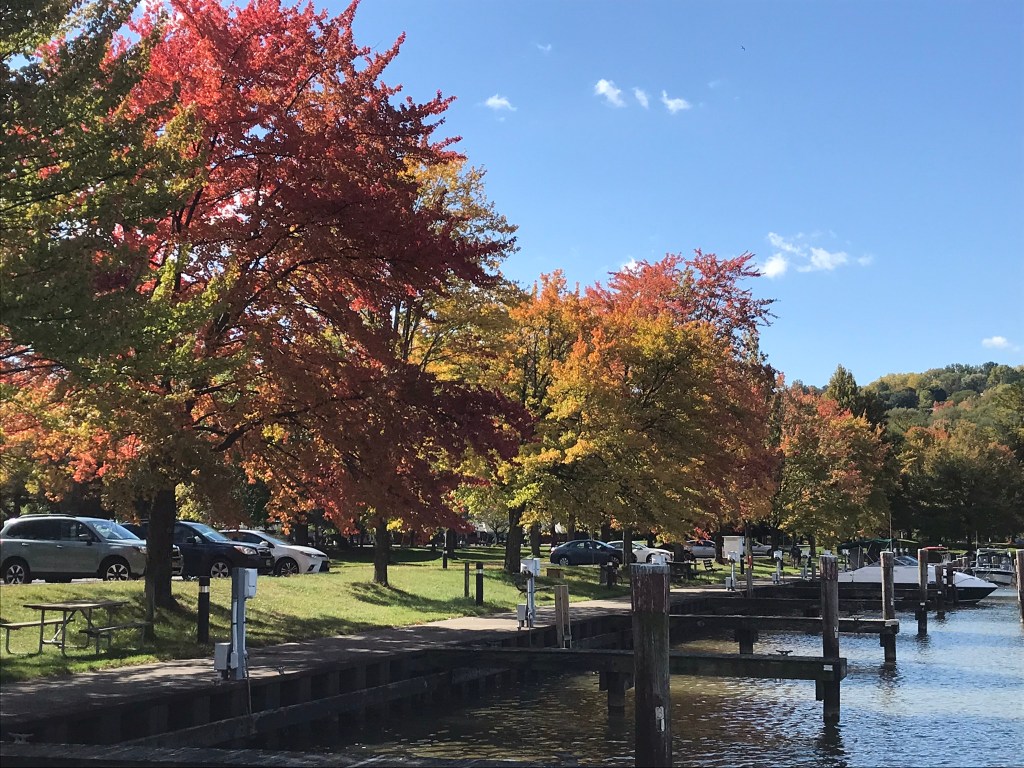
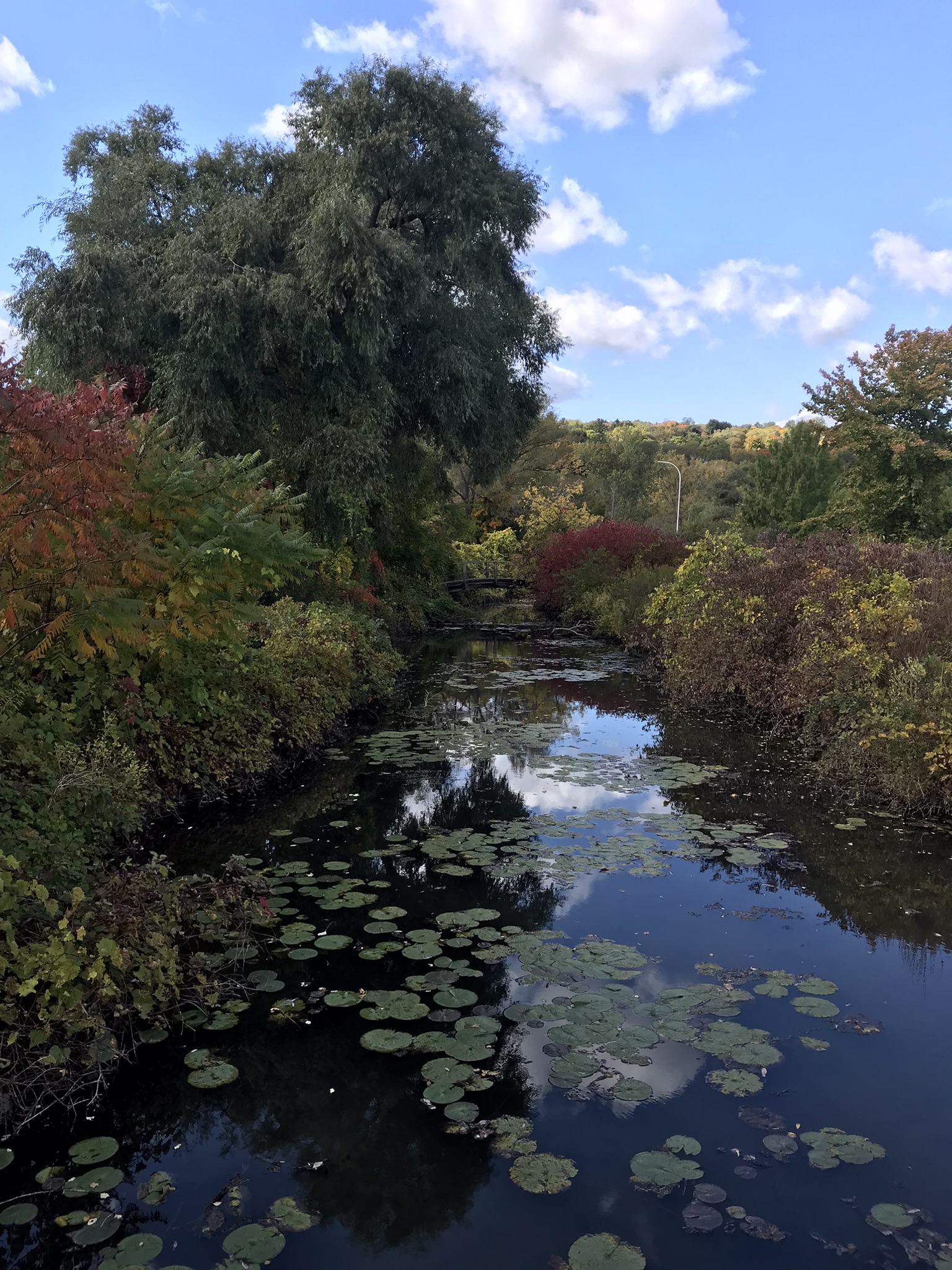
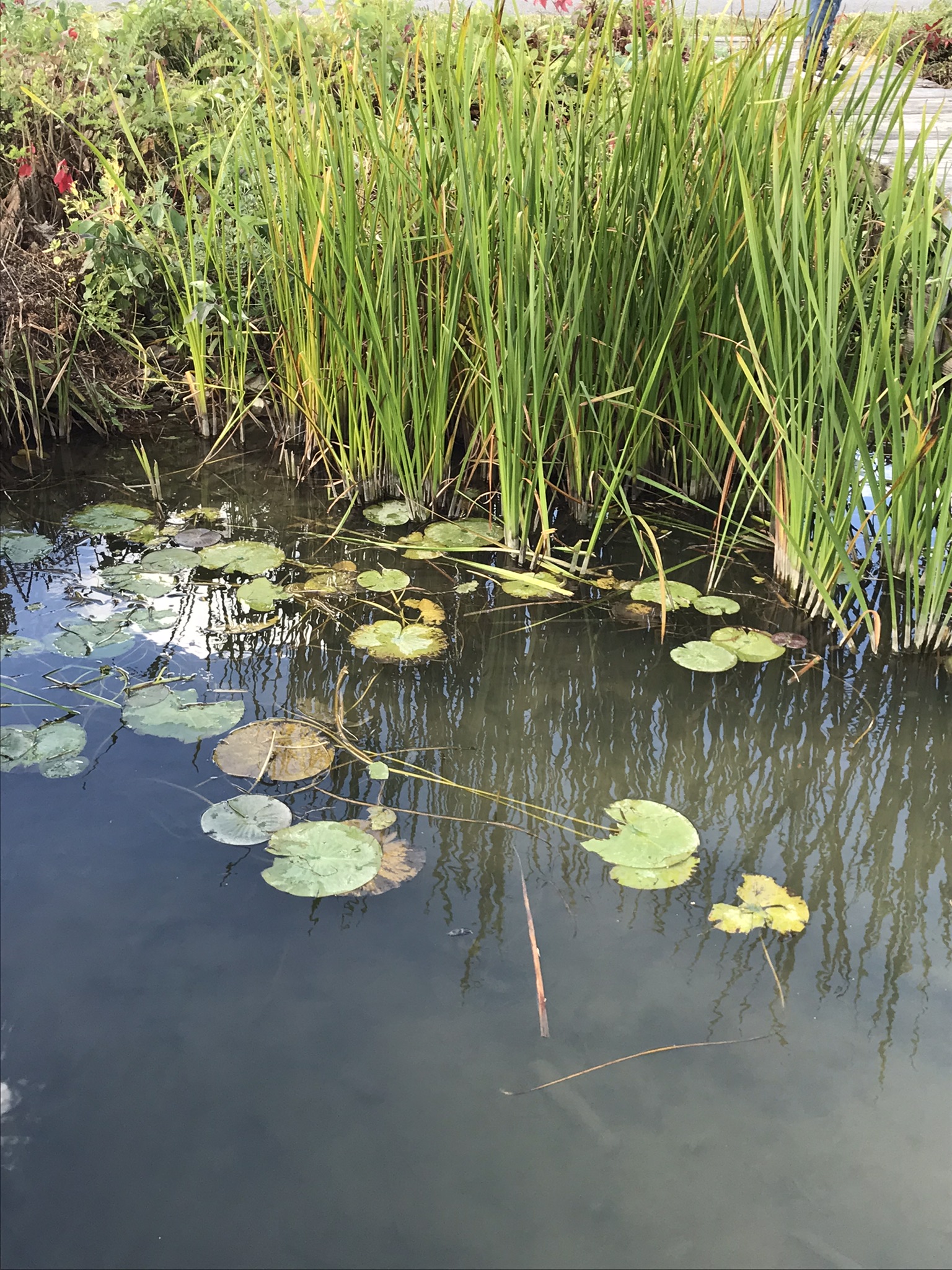
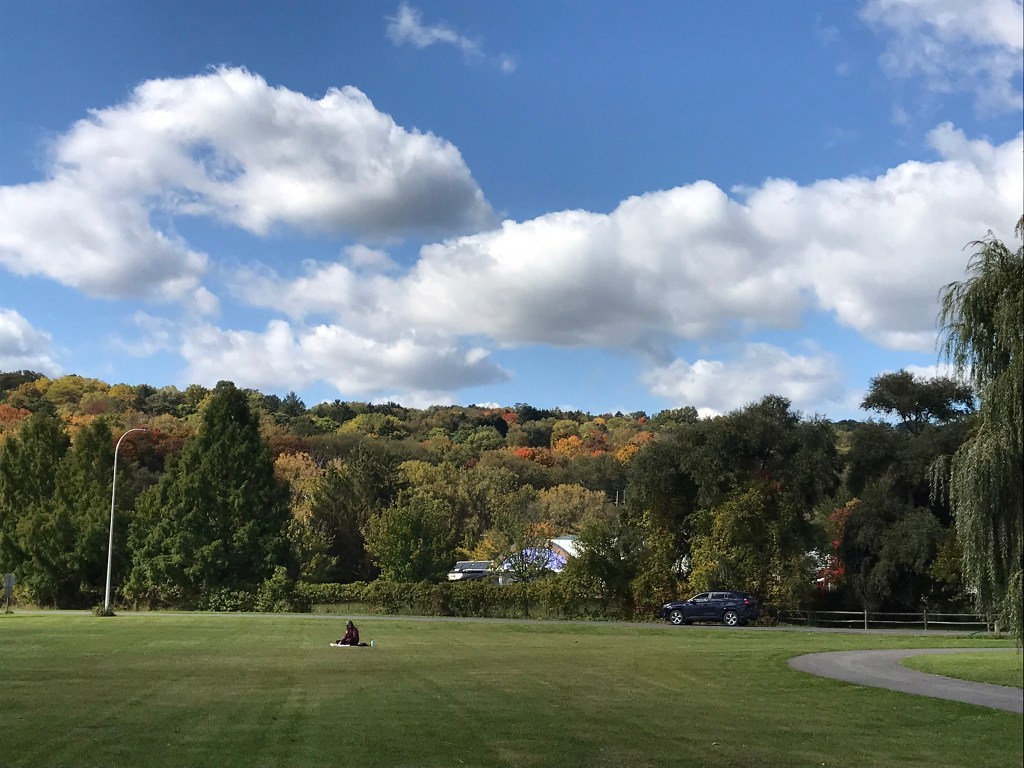
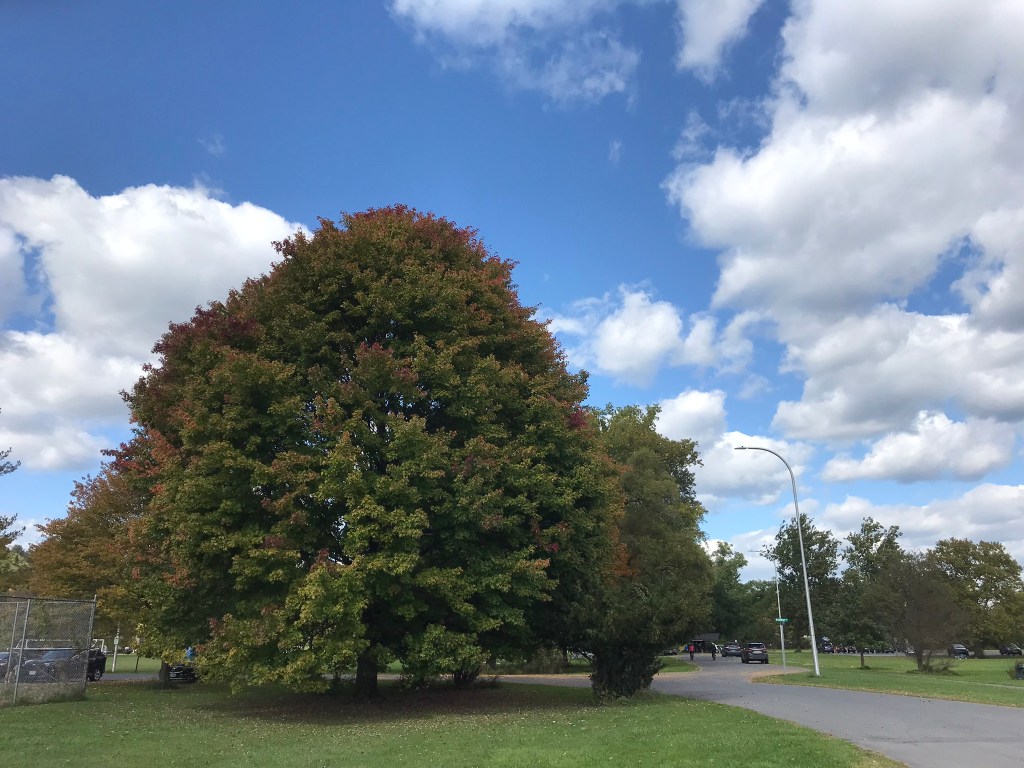
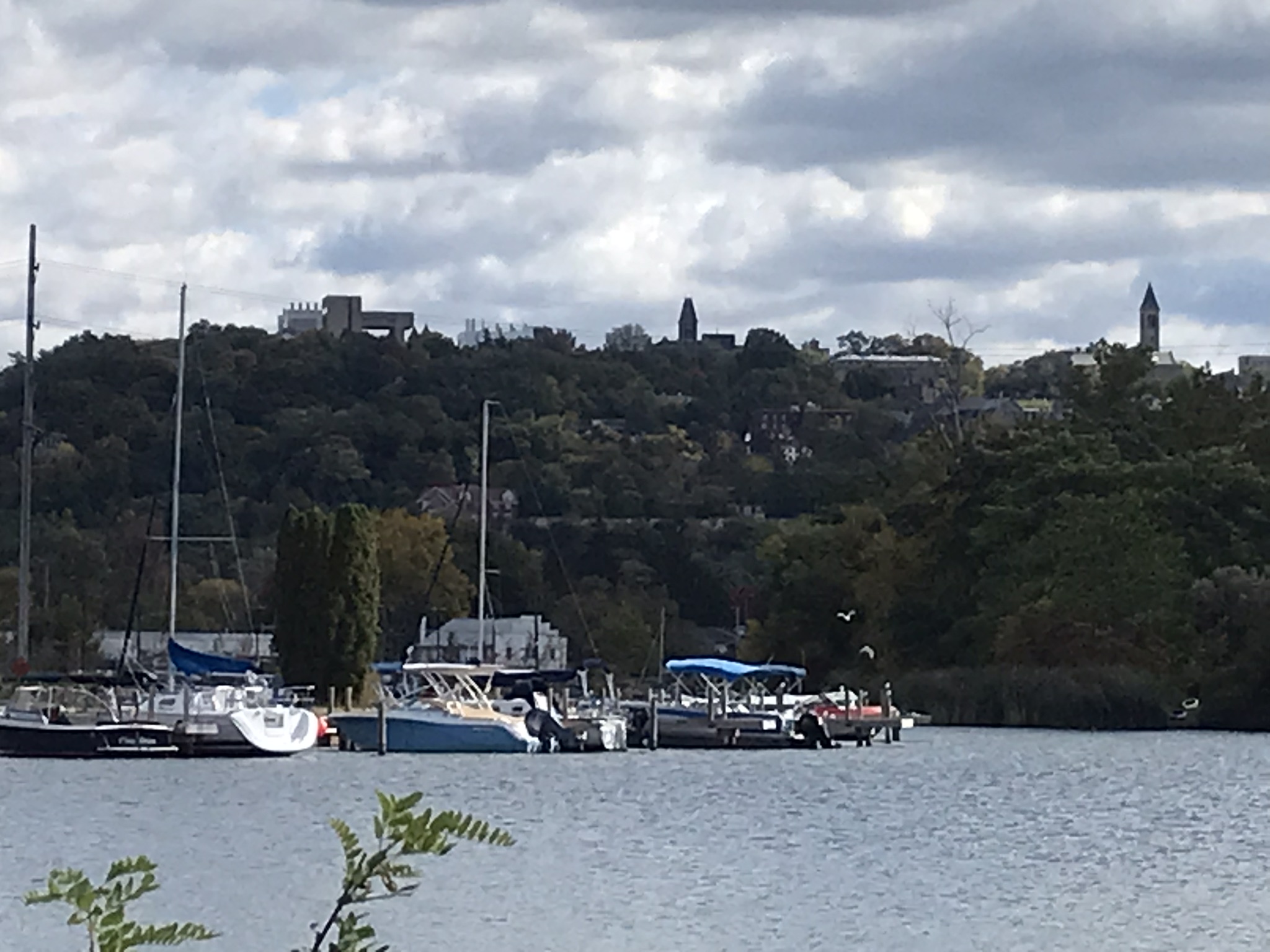
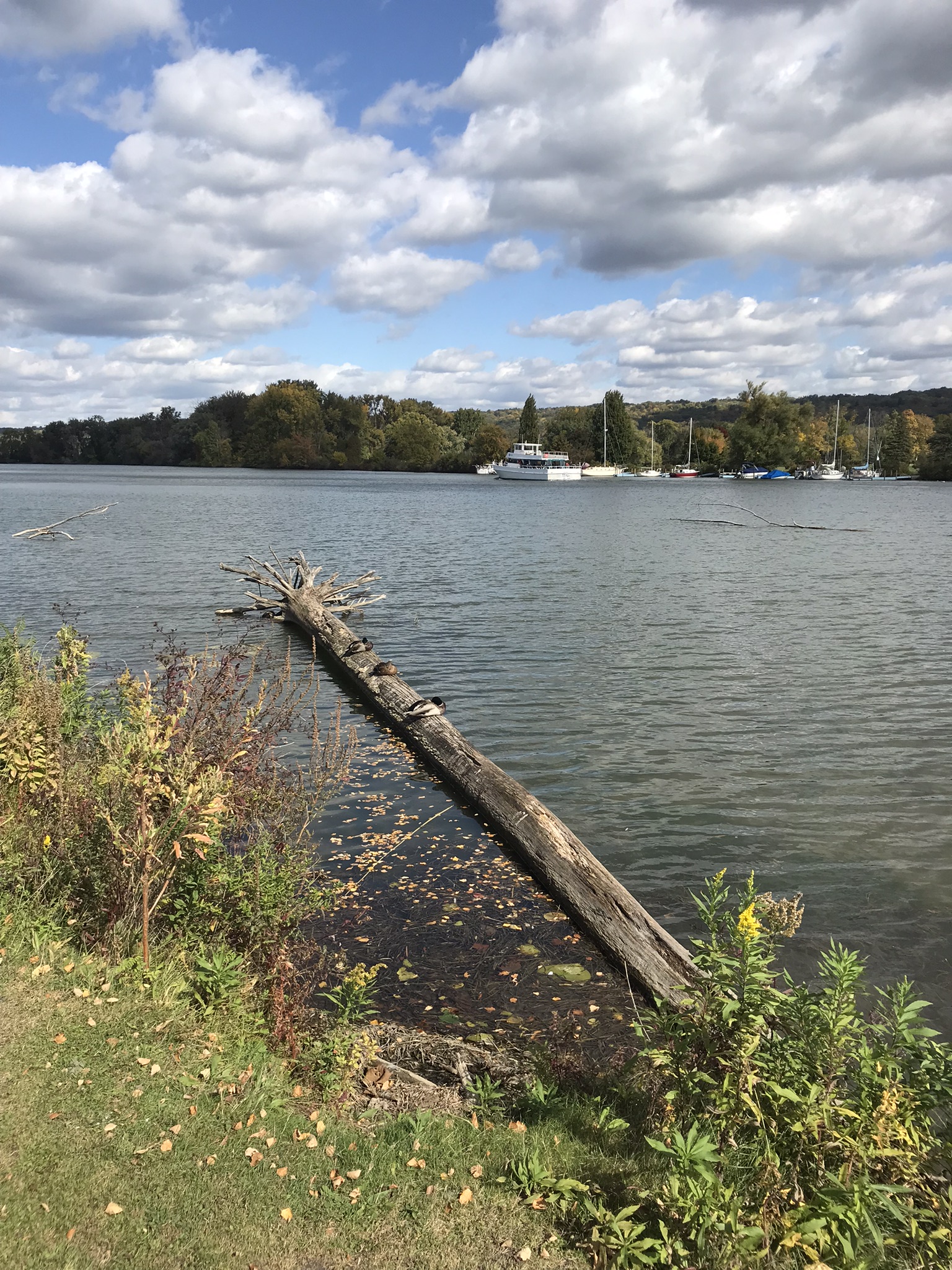
Pam and I arrived early to Cass Park for our grandson’s October afternoon soccer match, in time for a 2 mile walk on the generous footpaths. This is my impression of that time, from the IPhone 7’s camera.

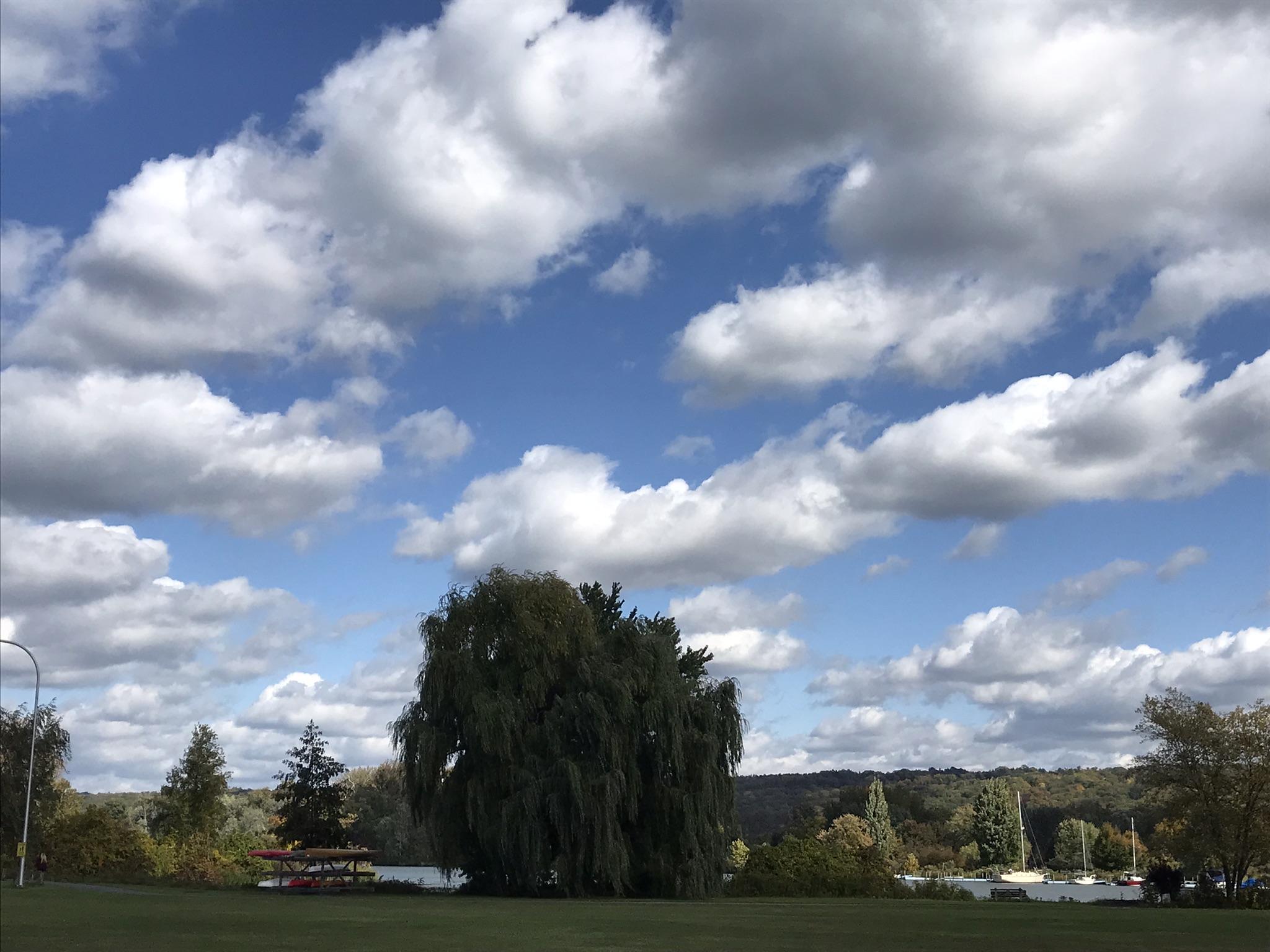
A Packed Excursion Boat Under A Stunning Sky

This completes our Sunday afternoon walk around Cass Park, Ithaca, New York.

Copyright 2022 Michael Stephen Wills All Rights Reserved

Torr Head Wildflower Meadow

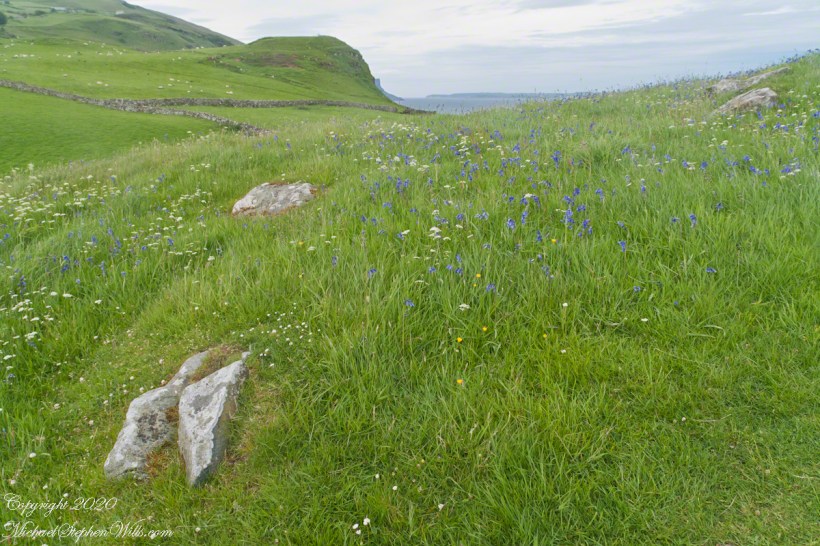
can you see any other flowers/plans in this photograph? Please leave a comment if you do.

We parked below the Coast Guard station, headed toward the height of Torr Head. I was stopped in my tracks by the hillside meadow wildflower profusion. 

Here are a few I identified, listed by common name: Bluebell, Daisy, Meadow Buttercup, Sea Campion, Yarrow.  We love daisies and buttercups around home.  We spotted Sea Campion on the Dingle Peninsula, as well.  Yarrow is common through Ireland.  I don’t recall seeing bluebells anywhere else. 

It was the bluebells in this photograph that clued me into why I took a photograph of the hillside.  The view north takes in coastal sheep pasture looking on a portion of North Channel and the Irish island Rathelin.

The web page I used for identification was wildflowersofireland.net . Great information and links to the Botanical Society of Britain and Ireland with a distribution map.

Copyright 2022 All Rights Reserved Michael Stephen Wills

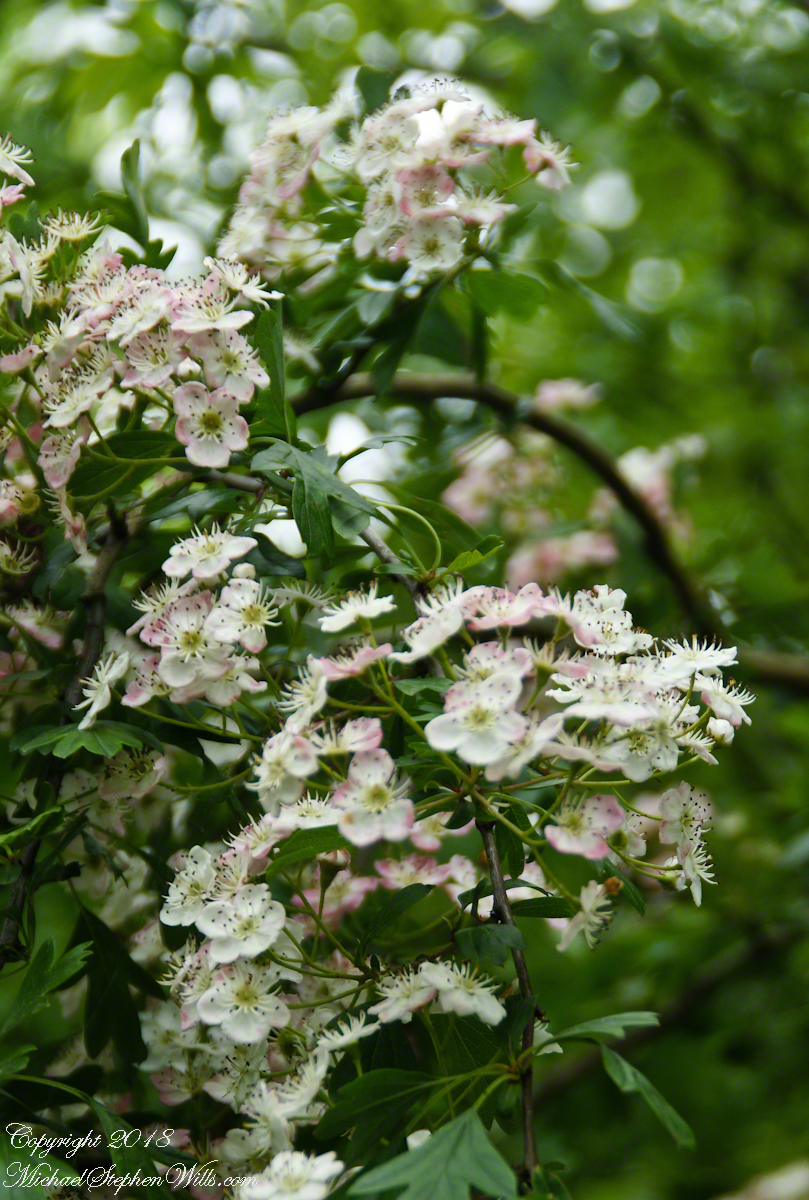
The Haw in Hawthorn

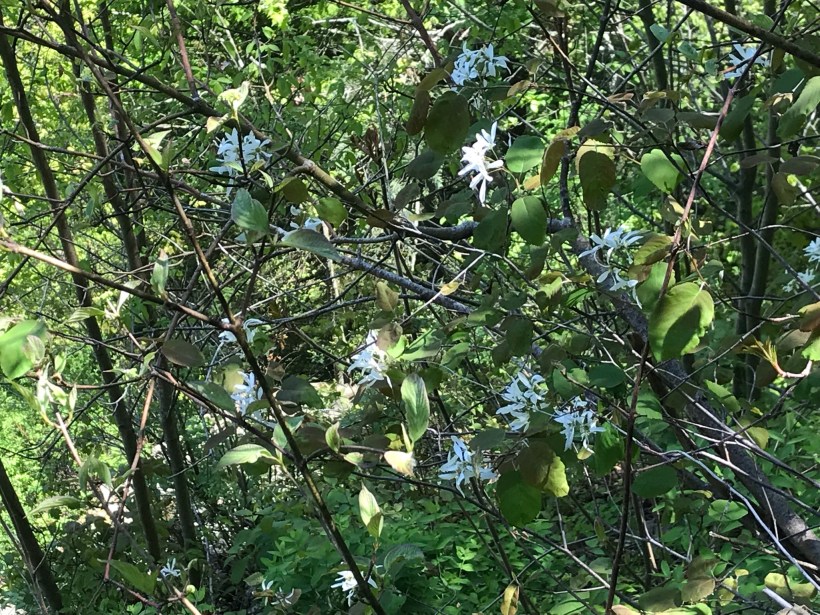
I originally published these blossoms as “wild  rose”.  It was my Facebook friends who pointed  out these are hawthorn flowers.  The key to identification was the shape of the leaves.

Hawthorne Blossoms on the former McArdle Home
Blossoms of Hawthorne taken on the site of the former McCardle Home, Proleek Townland, County Louth, Ireland.

In correcting my mistake, I learned the young leaves of Hawthorn are excellent for salads.  Wonder how the fairy folk, associated with single hawthorns (as in the following photograph from the Hill of Tara), react to picking leaves from their trees?  I didn’t hear of the practice during our time in Ireland.

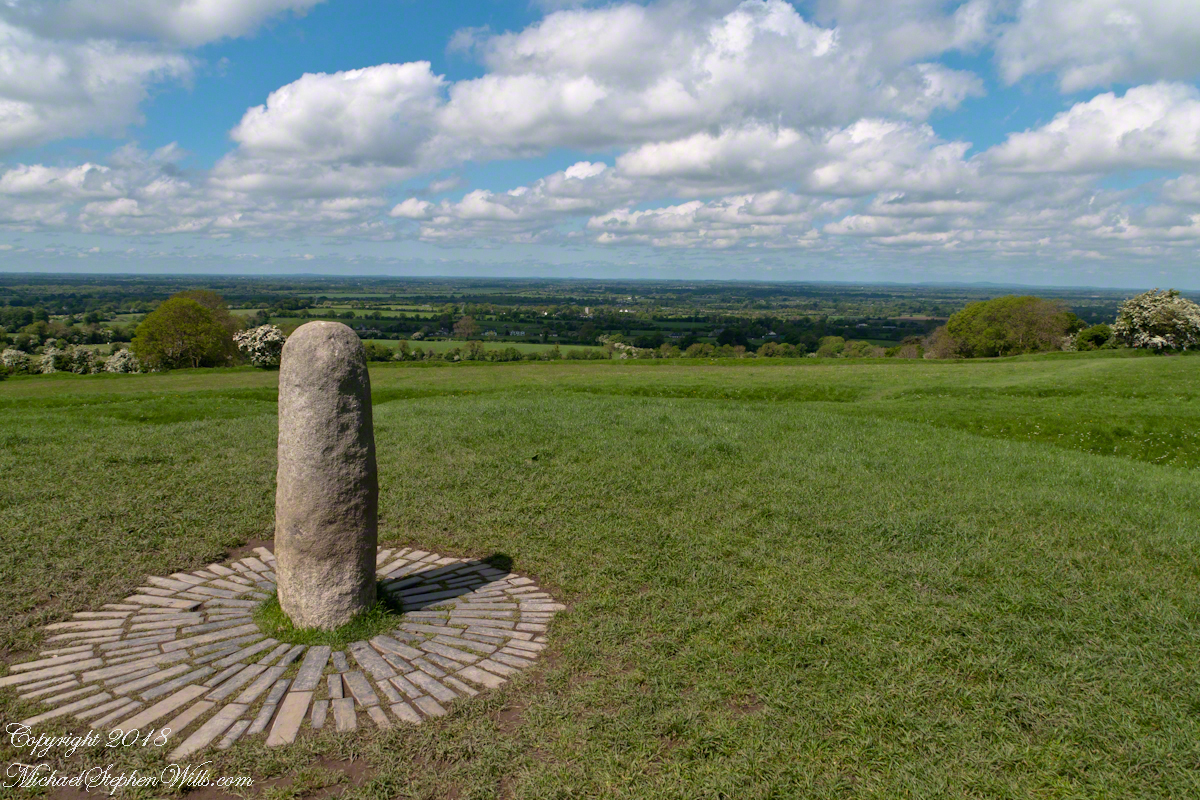
Speaking Stone Hill of Tara
View northwest from Hill of Tara looking across County Meath with views of Counties Westmeath and Cavan. On the horizon, right, is Hag’s Mountain, (Irish: Sliabh na Caillí) , site of the Loughcrew Cairns. The standing stone is the “Stone of Destiny: (Irish: Lia Fáil), which served in coronation the coronation of the High Kings of Ireland. It stands on the Inauguration Mound (Irish: an Forrad) of Tara. This photograph was taken the morning of May 27, 2014 hours before the stone was vandalized, doused with green and red paint.

My mistake was understandable, in botany the hawthorn is in the same family as the rose.  The flowers are similar, having five petals.  The “haw” in hawthorn is from the Old English word for hedge, as is this linear standoff the tree lining the way up to the Loughcrew Cairns.

Path on Hag's Mountain, Loughcrew
Reaching highest point of County Meath, Ireland means a steep path, not too long, to glorious views on all points plus Lough Craobh (Lake of the Branches).

I read these votive offerings are made at Beltane, in which case these are fresh from placement May 1.

Hawthorn Tree with Offerings
A hawthorn tree in bloom on May 27, 2016. Growing on the slope of Hag’s Mountain

The following year Pam underwent double total knee replacements, never the less, she was great company for all our adventures on the island.  Even this steep climb.

Pam and the Offering Hawthorn
The steep path to Loughcrew passes a hawthorn covered with flowers and May offerings.

These views were our reward for reaching the top.

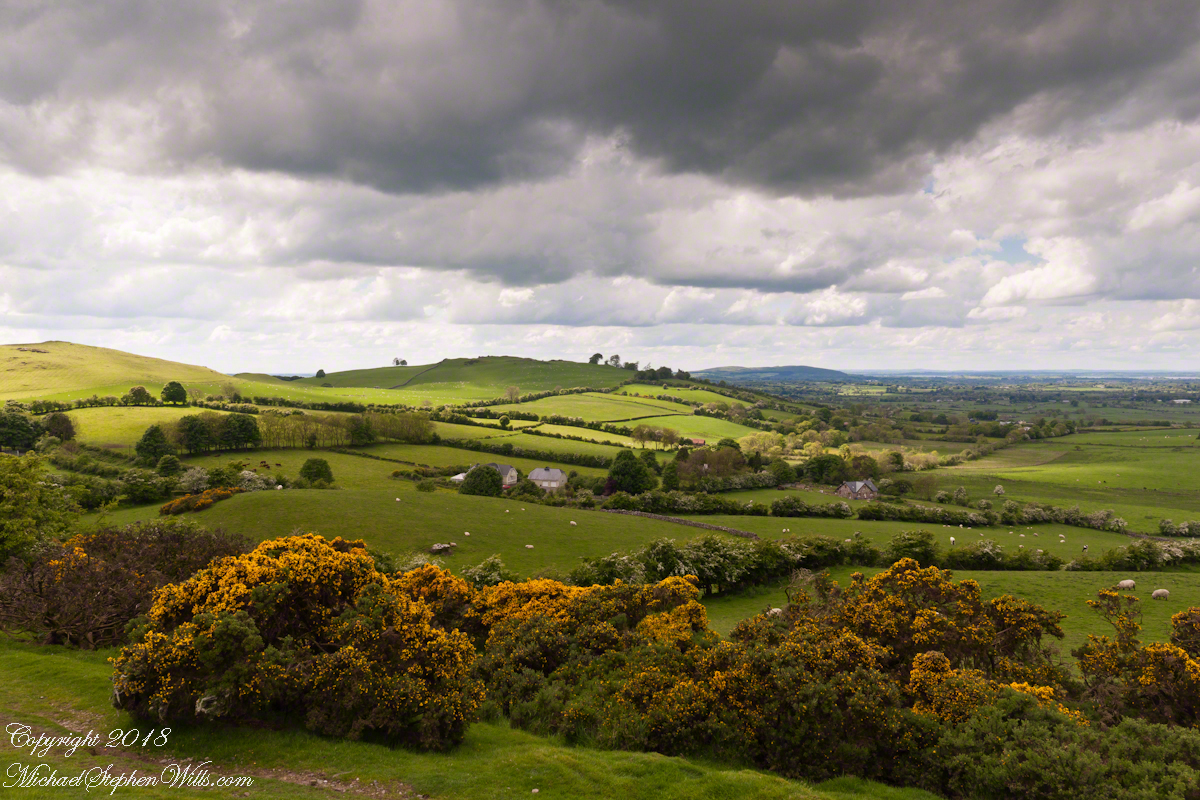
Loughcrew View, North by Northwest
View from Loughcrew Cairns, “Hags Mountain”

The Emerald Isle, we fully understood this name.

Standing Stone, Loughcrew
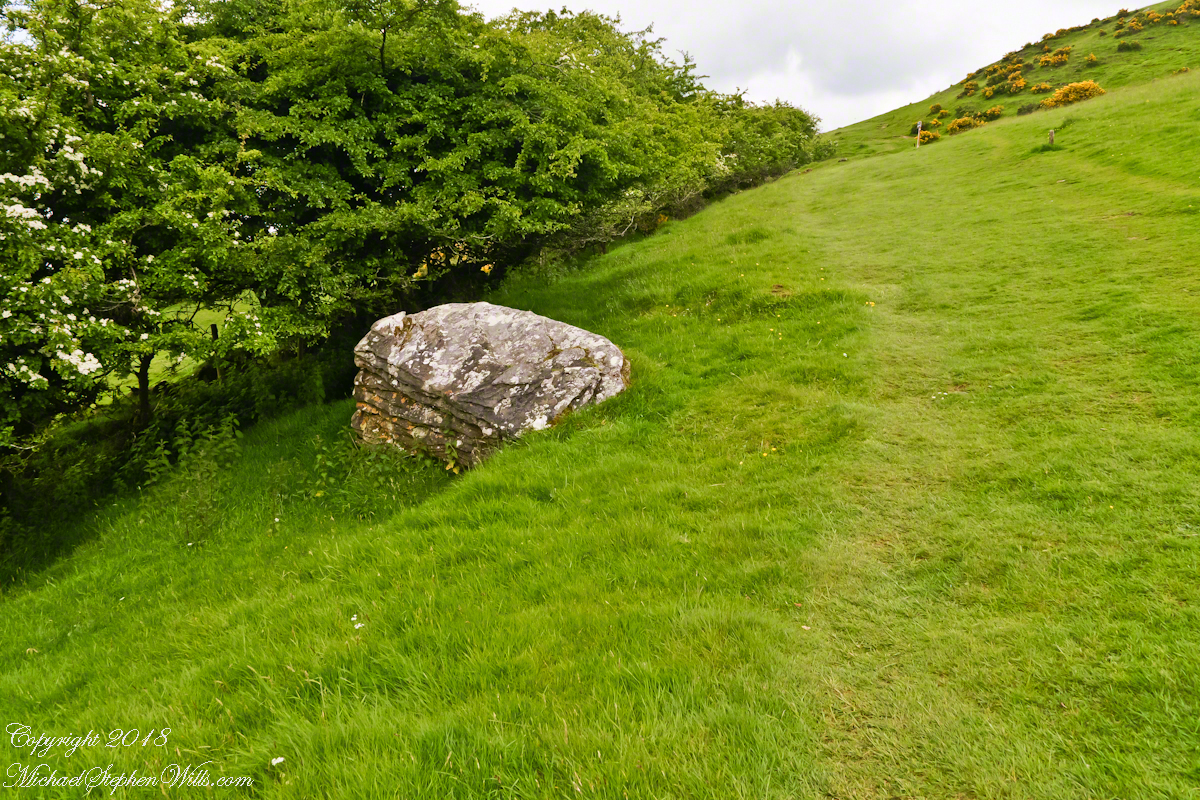
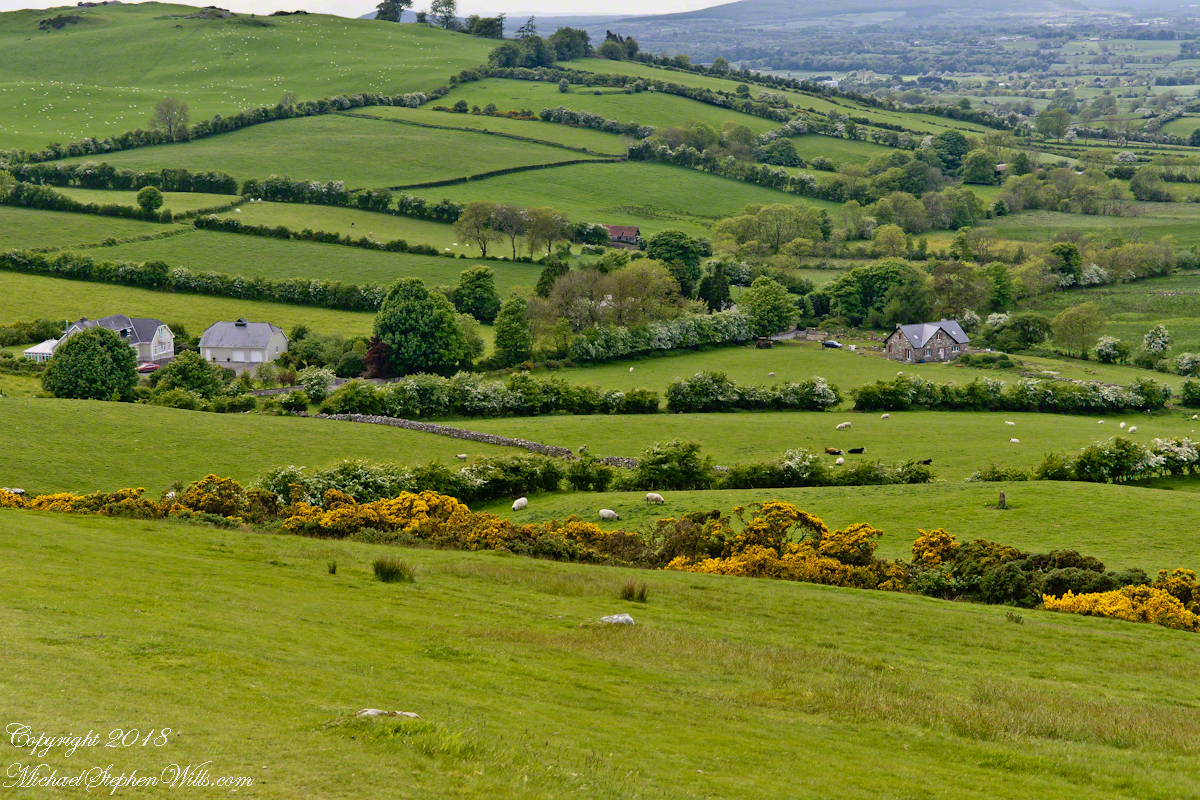
Loughcrew Megalithic Site, County Meath, Ireland. A solitary standing stone below the trail to the Loughcrew site surrounded by whin bush (gorse) and hawthorn hedge rows. A fieldstone fence, farmhouses, a patchwork quilt of fields completes the view.

The Greek name for the Hawthorn species is formed from two words meaning “strength” and “sharp”, referring to the thorny branches.

Charlemagne of County Cork
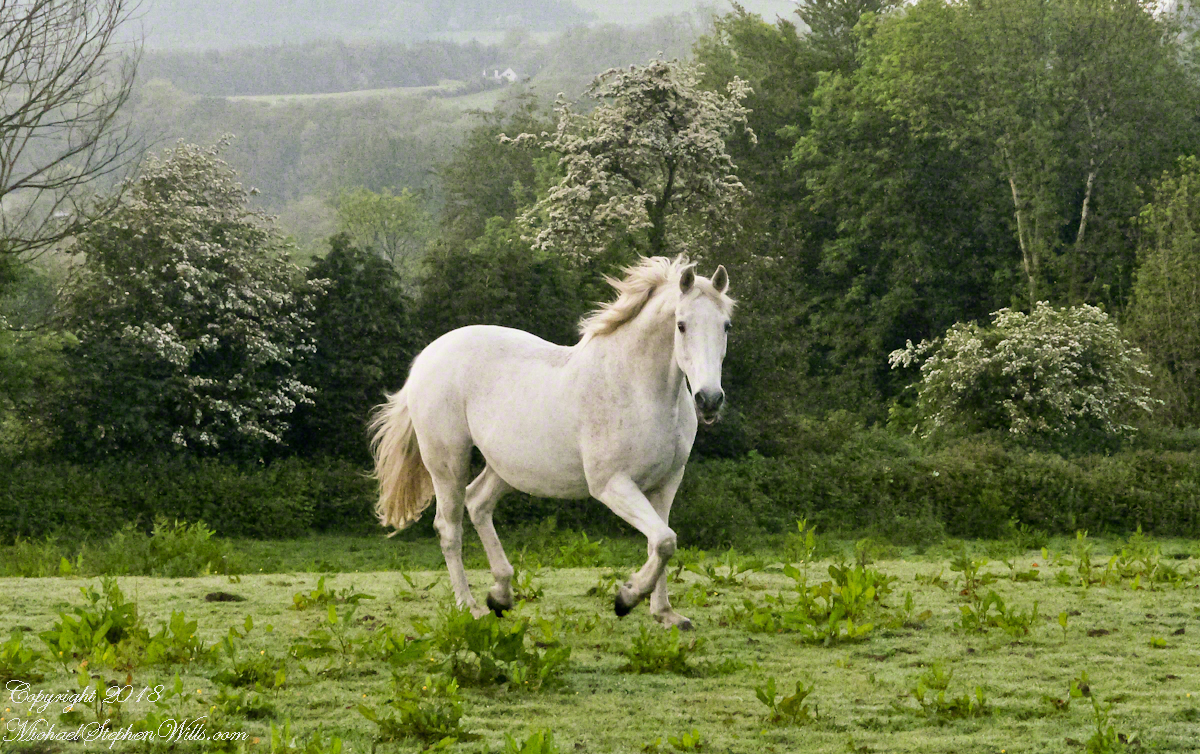
For County Cork we stayed with Marantha House B&B.   Our day of arrival, that evening, I visited Charlemagne and fed him an apple, saved from dinner. We learned from our hosts, Olwen and Douglas Venn, he is a retired show horse they rescued. The following morning I visited Charlemagne again with an apple and my camera. As I walked up, starting from the far end of his field, Charlemagne rewarded me with a series of astounding poses, trotting toward me in fine form. The morning mists, hawthorn in bloom, distant hills came together for this memory.

We marveled at the hawthorn hedges in field after field.  I first notice them from the World Heritage Site, Newgrange (Brú na Bóinne, “Palace of the Boyne”).  Here is one on the Dingle Peninsula, on the other side of the island.

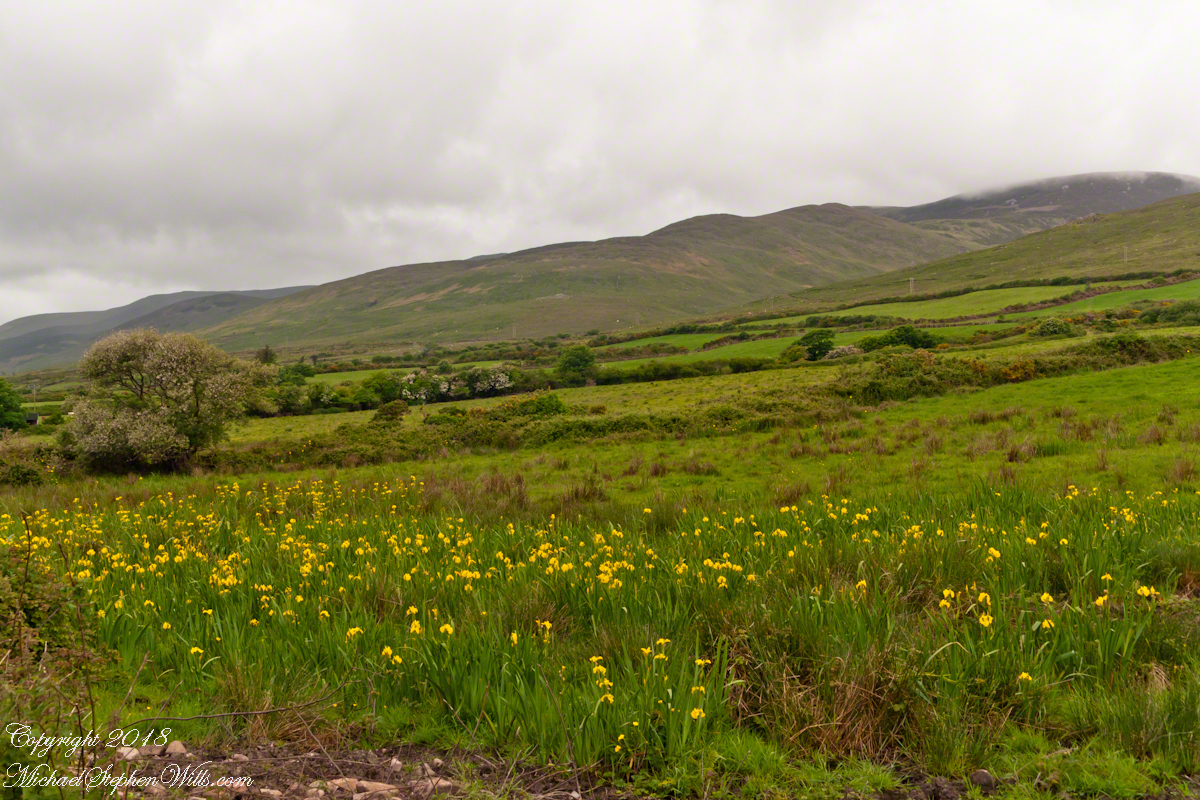
Field of Yellow Iris Flowers, Dingle Peninsula
A roadside field of yellow Iris flowers with flowering Hawthorn and Whin Bush in the windbreaks. Looking northwest toward Killeenagh and Caherpierce on the R561 between Lack West and Inch. Dingle Peninsula, County Kerry, Ireland.

Another Ireland post of interest, “Proleek, Grandfather McCardle’s home.”

Three Zion Images

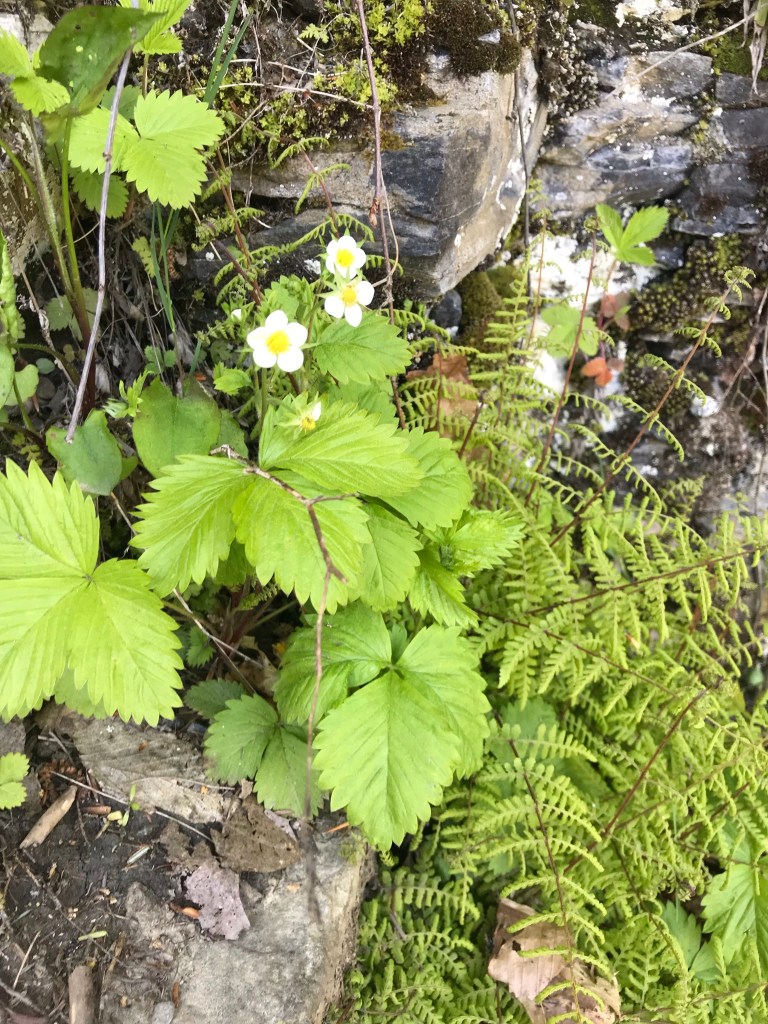
full of ferns, wildflowers, and mosses.

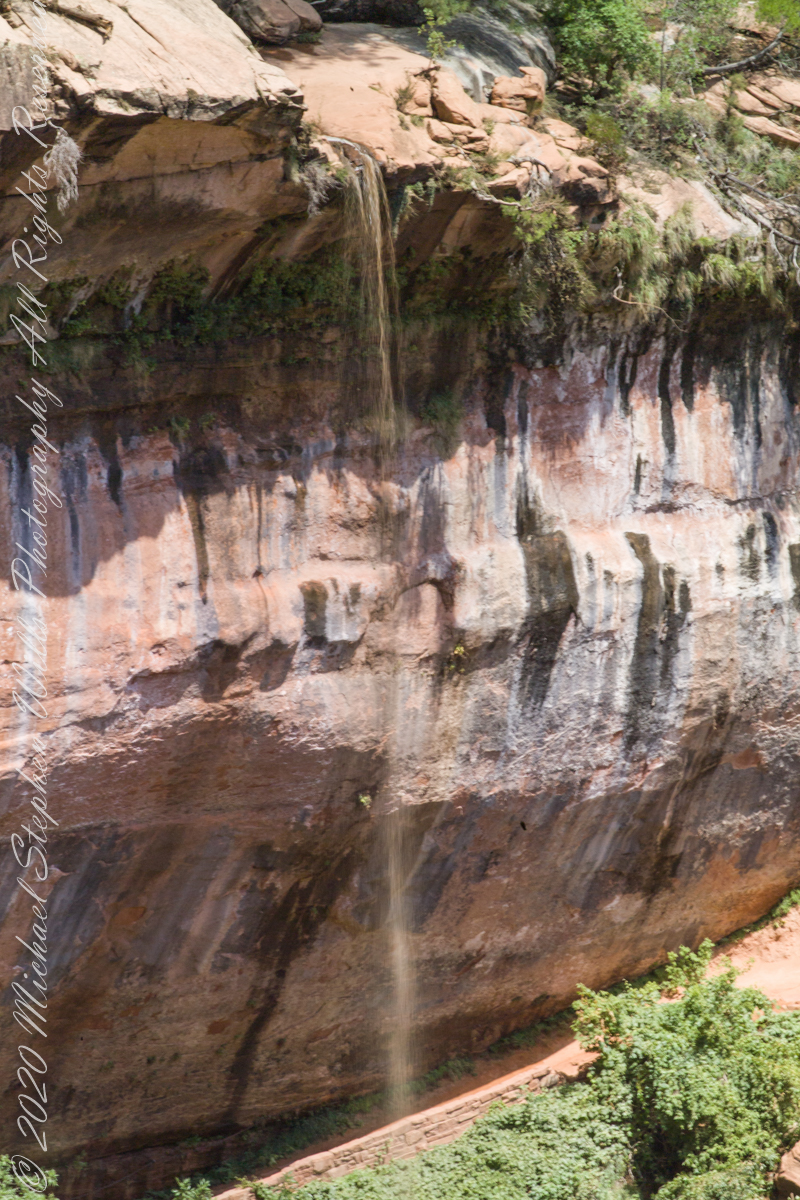
“Water seeping out of the Navajo sandstone creates tranquil springs and the unique “hanging gardens” for which Zion is famous, full of ferns, wildflowers, and mosses.”
Here are three exposures of the same scene.

Click on an image for a closer view.

Can you spot the foot path?

Here is a gallery of the three photographs, to flip back and forth. the primary difference is the exposure within the shadow under the projecting cliff face.

Copyright 2021 Michael Stephen Wills All Rights Reserved

June Nature Walk

A perfect afternoon, June 16, 2021

Here is a repost for those who missed the video. Please click on video, below and share your responses via comments. Thank You

The Finger Lakes Trail joins Robert H. Treman New York State Park, running along the south rim along the park border.

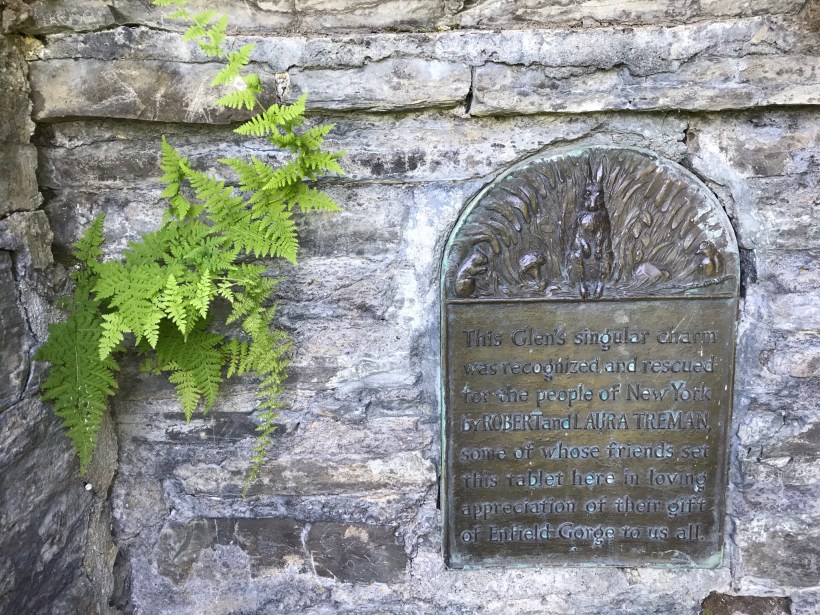
Today, I started from the stairs next to the Mill of the upper park, walking along Fish Kill Creek, a brief visit to the CCC plaque, over the new footbridge and a steep climb up to the ridge to a marvelous view over the way we just walked. That is a millipede resting on a wooden trail stake.

A word on the creek name. The Dutch word for creek is “Kill”, the anglicisation of the original name retained the Dutch making it, in effect, “Fish Creek Creek,” not a memorization of fish massacre.

There’s one shot of the damage done to tree leaves by hoards of caterpillars…I found chewed-up leaves at my feet throughout the hike.

Then, I re-join the State Park South Rim trail, down the Cliff Staircase to wander the gorge floor below Lucifer Falls.

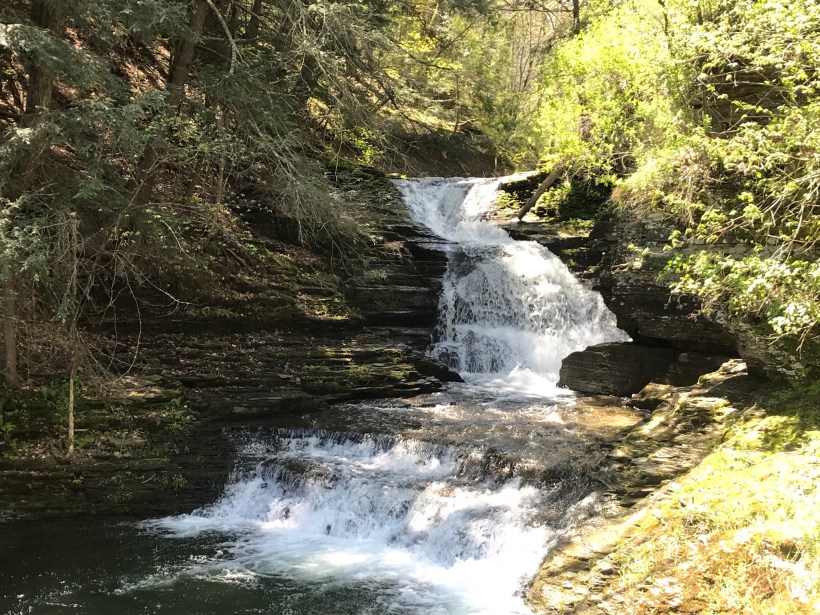
Up the Gorge Trail with many shots of these wonders including Lucifer Falls, Devil’s Kitchen Waterfall, and the Gallery.

Close with a shot of early Tiger Lily blooms on the south facing bank of Enfield Creek.

I used a new format with this post, with all media in one You Tube video. Enjoy!!

Finger Lakes Trail and Treman Park June 16 2021 – YouTube

Copyright 2021 Michael Stephen Wills All Rights Reserved

May Nature Walk

Our first post COVID outing

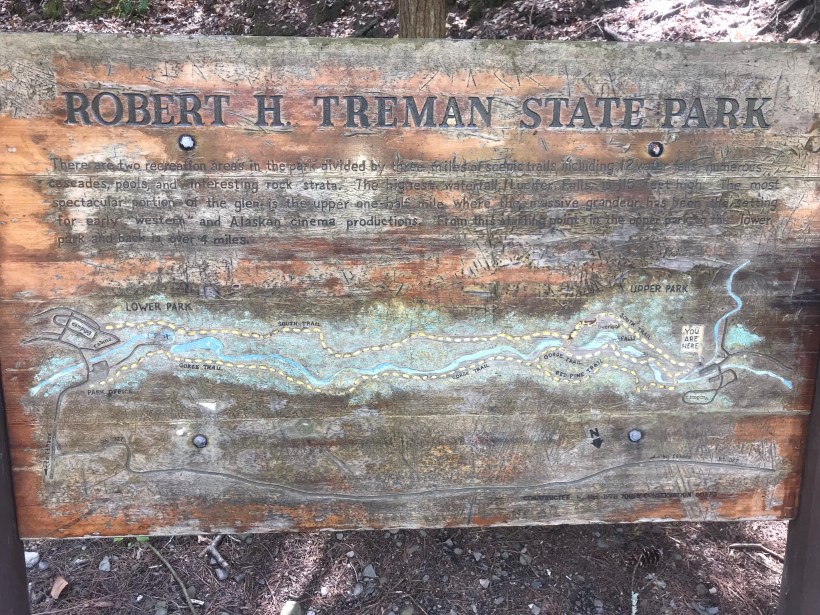
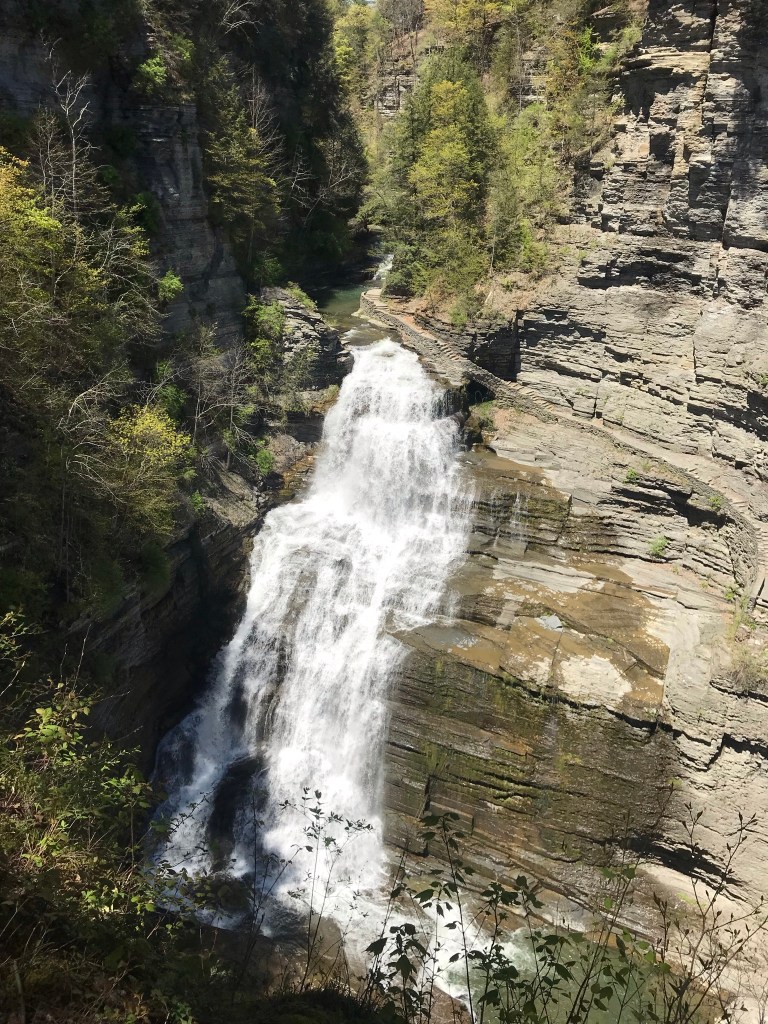
Pam and I headed out to Treman Park for a walk to the Lucifer Falls overlook. The Gorge Trail is not yet open due to the danger of rock falling from the gorge walls — the park maintenance staff needs to survey winter damage and knock down material in danger of falling.

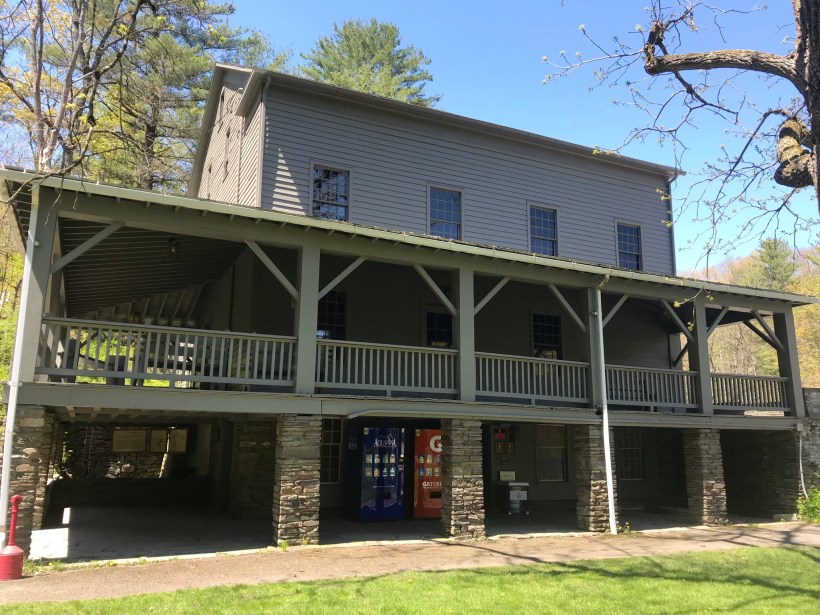
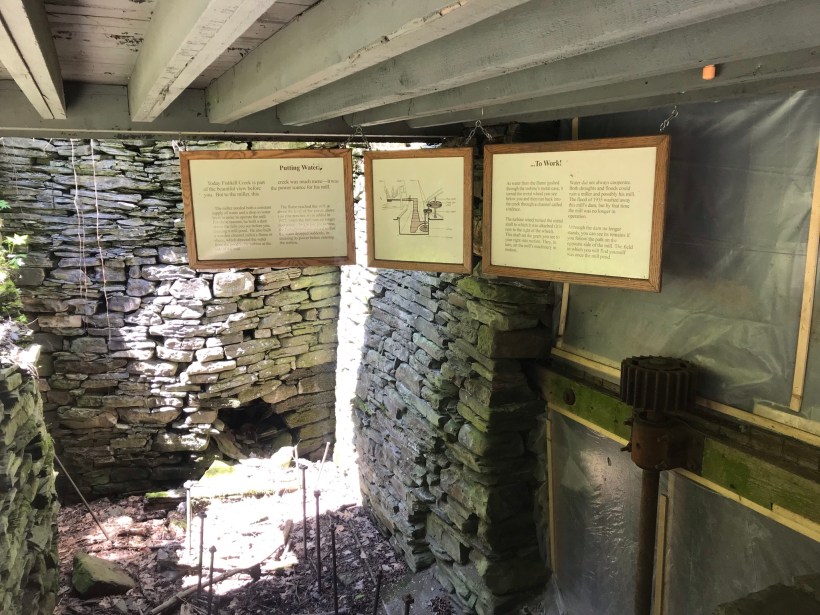
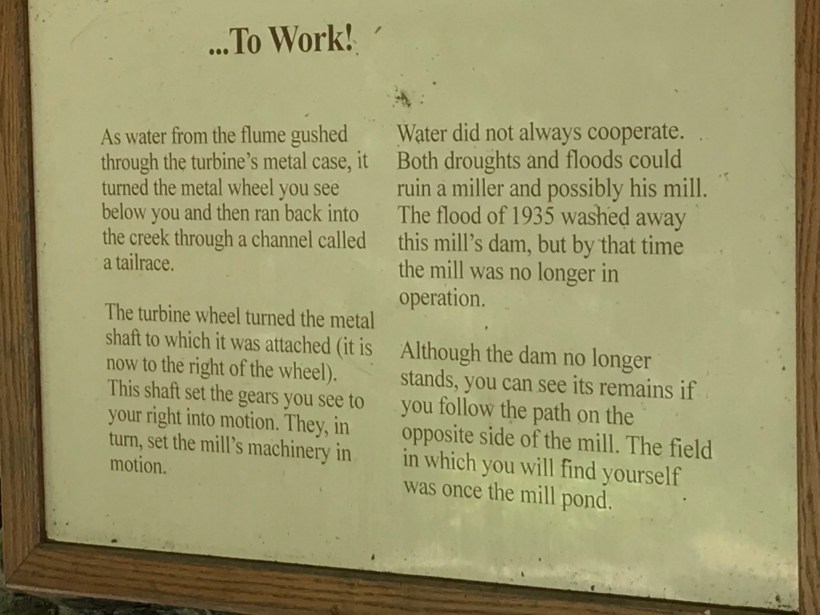
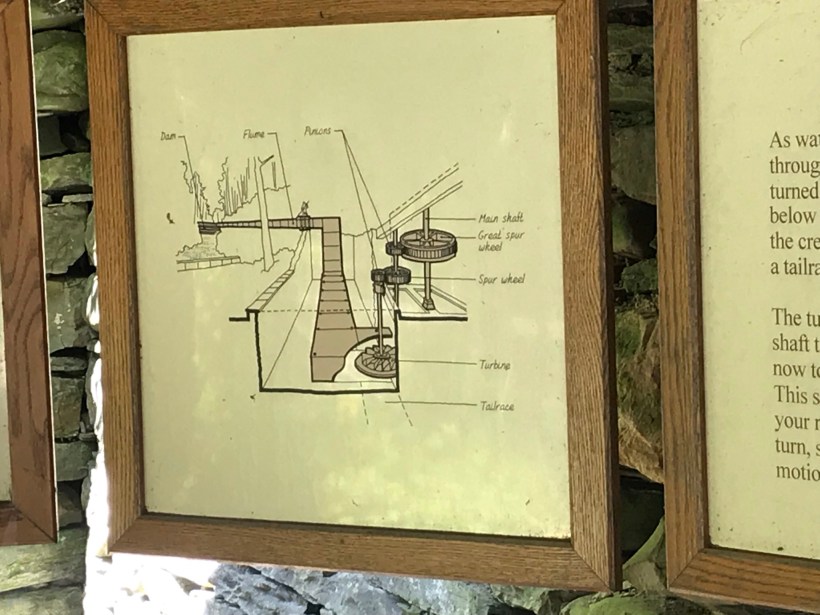
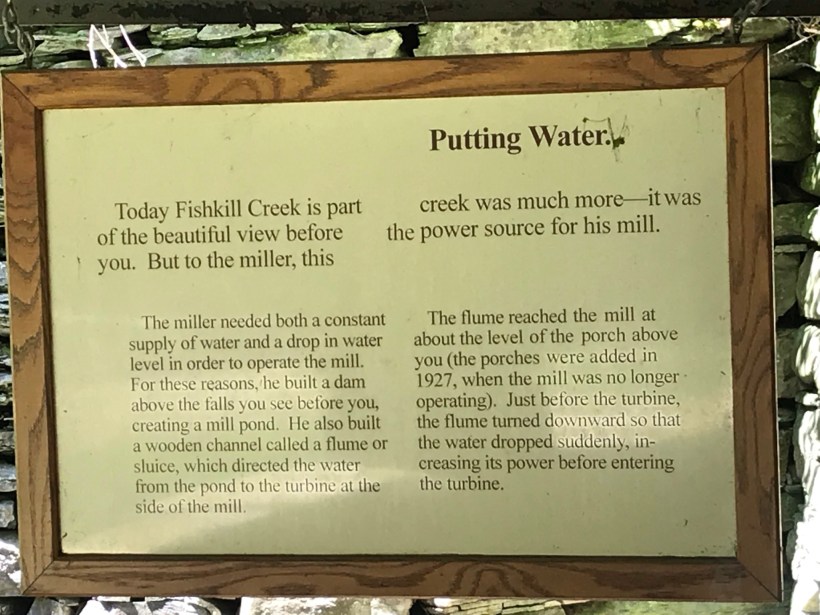
Our first stop was the mill waterfall. This was was directed to the mill stream to power the mill where grain was ground to order.

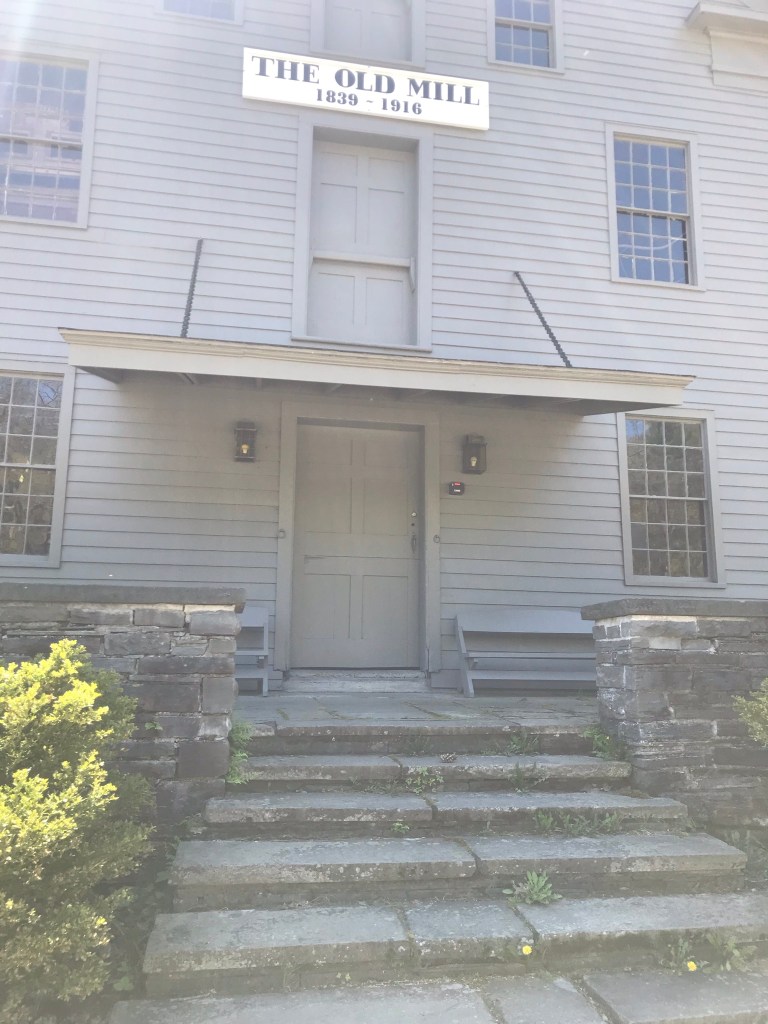
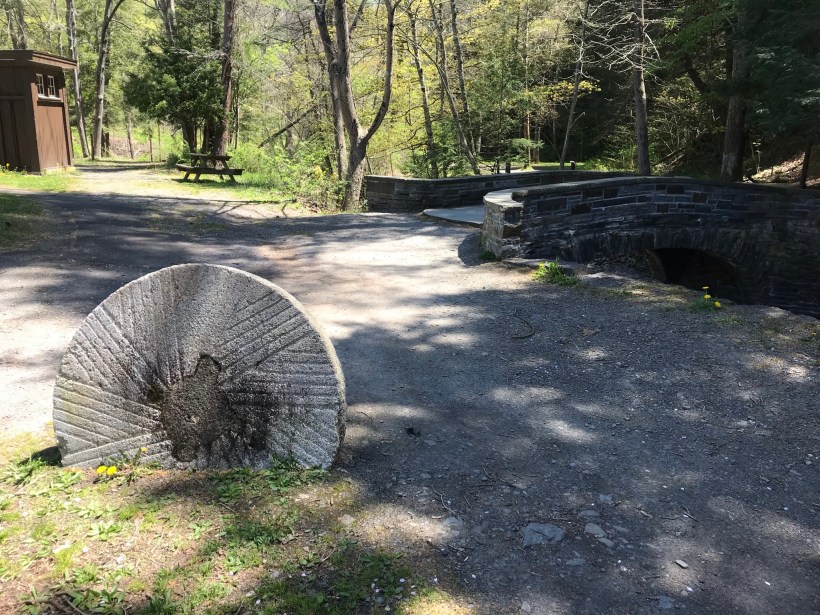
Here is an overview of the Mill, now a museum not yet opened post-Covid. The millstone stands at the start of the foot trails. All media on this post is from my IPhone 7, lightweight equipment for this hike. The automatic upload to ICloud is convenient.

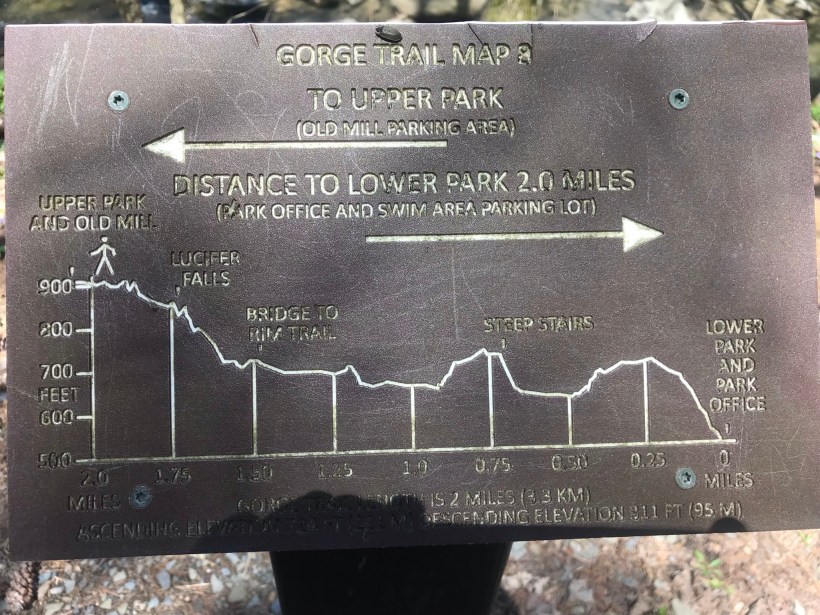
Round trip is four-plus miles, with several hundred feet elevation change. Pam and I discussed a car caravan for our next visit, to support a one-way downhill hike (still plenty of uphill hiking). We need to work up to the round trip after our winter inactivity.

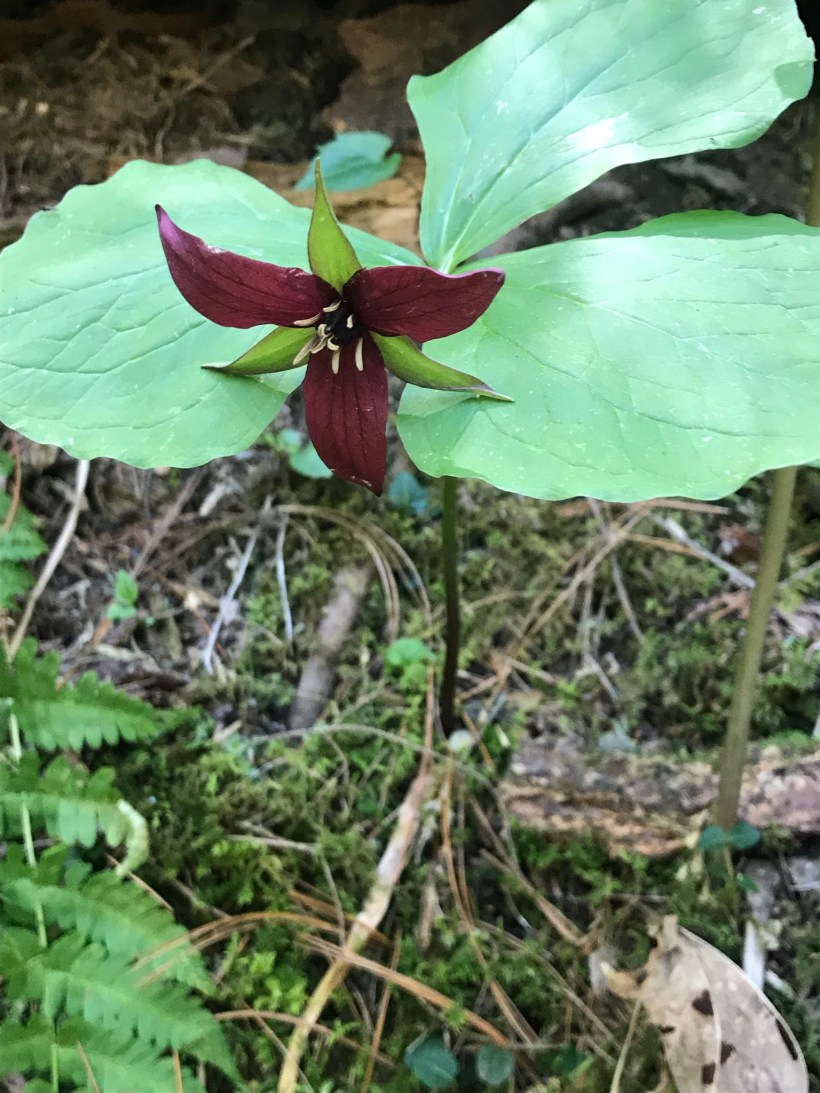
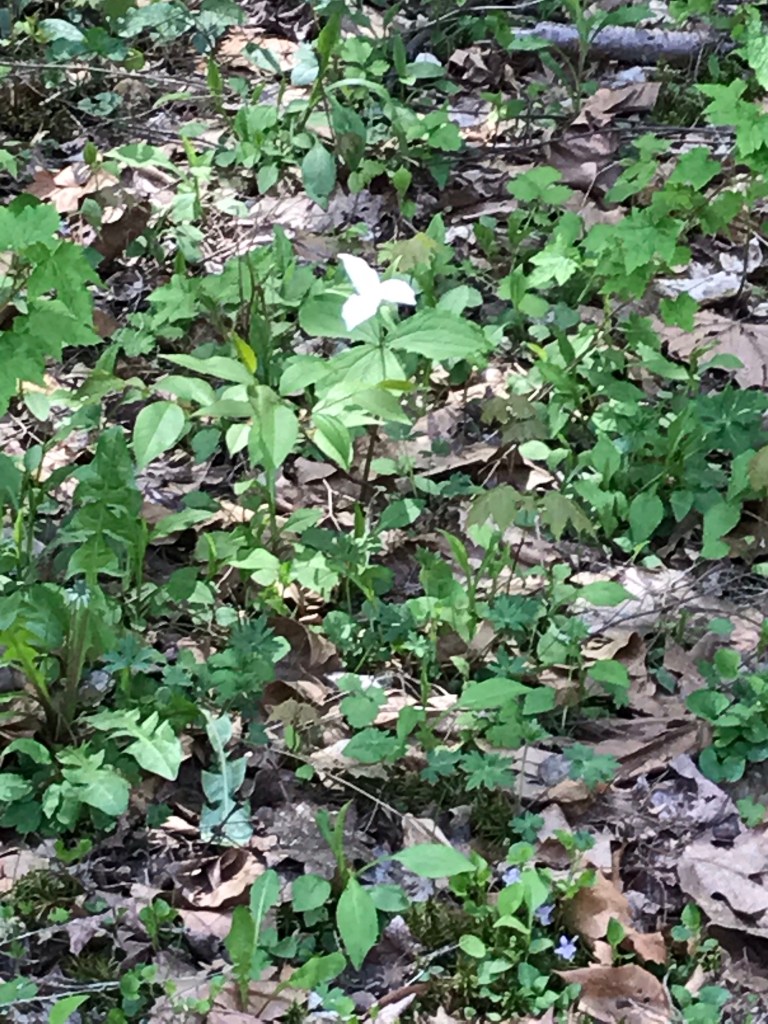
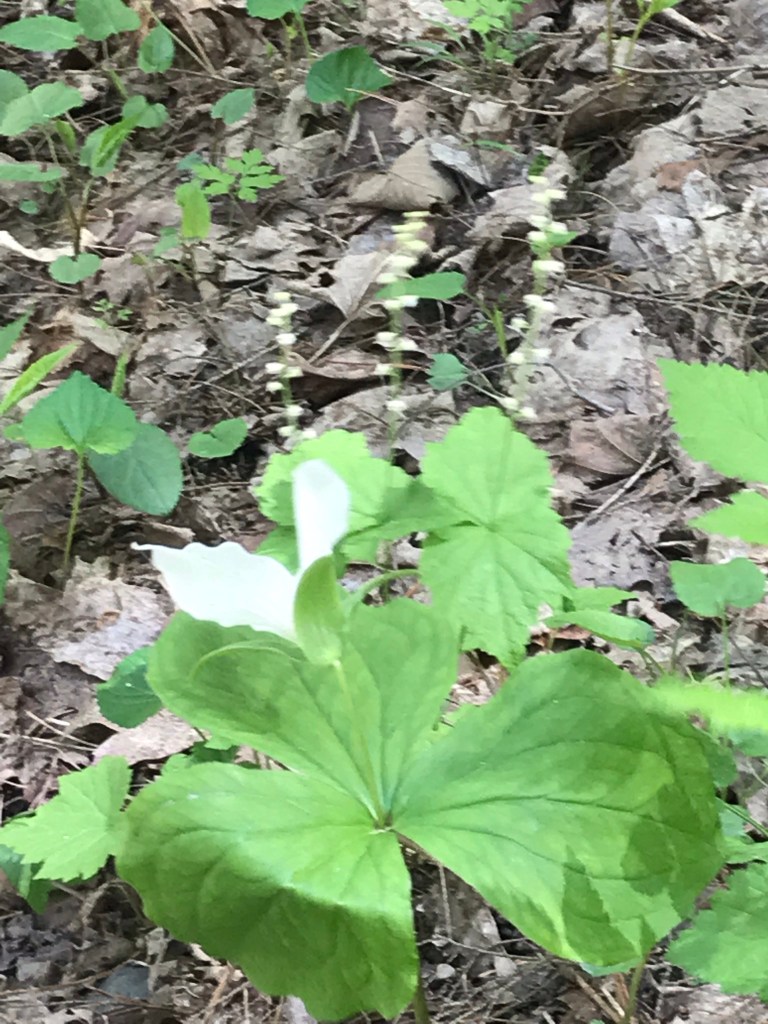
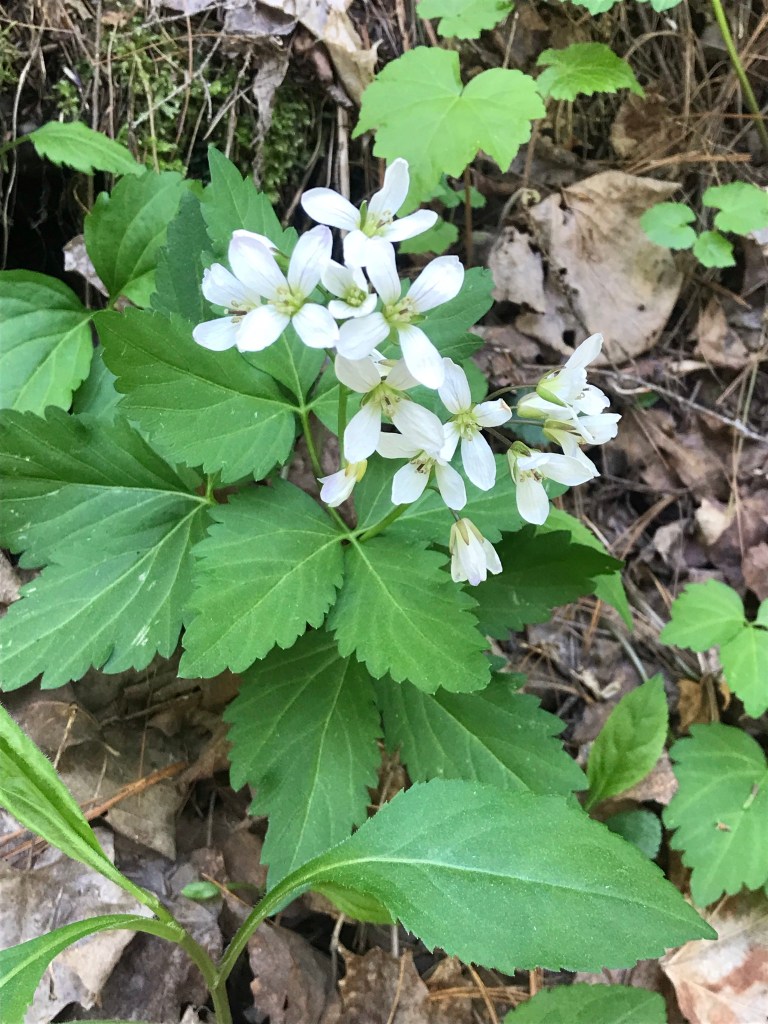
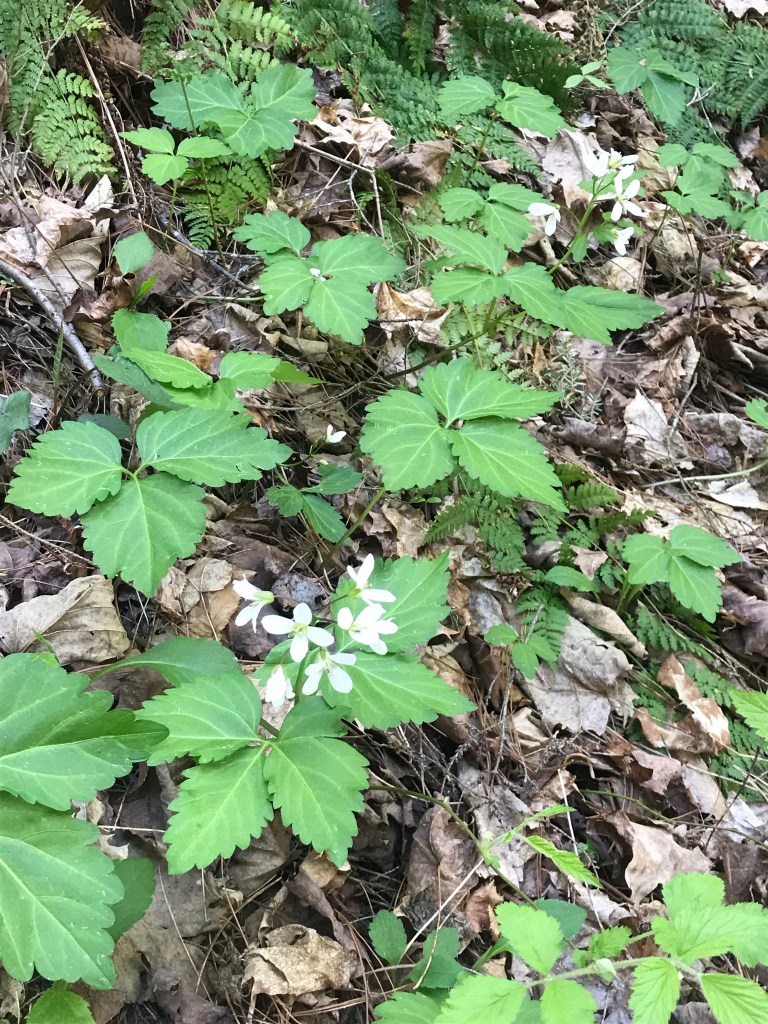
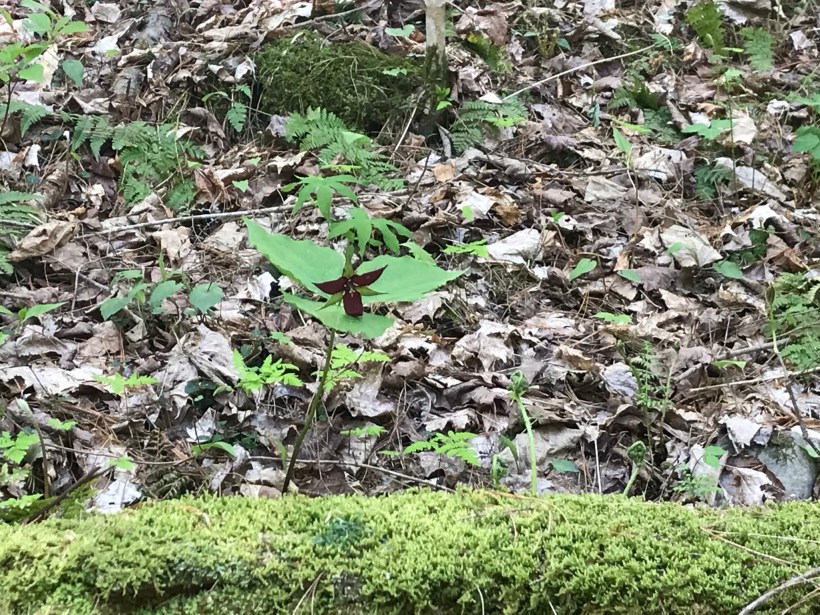
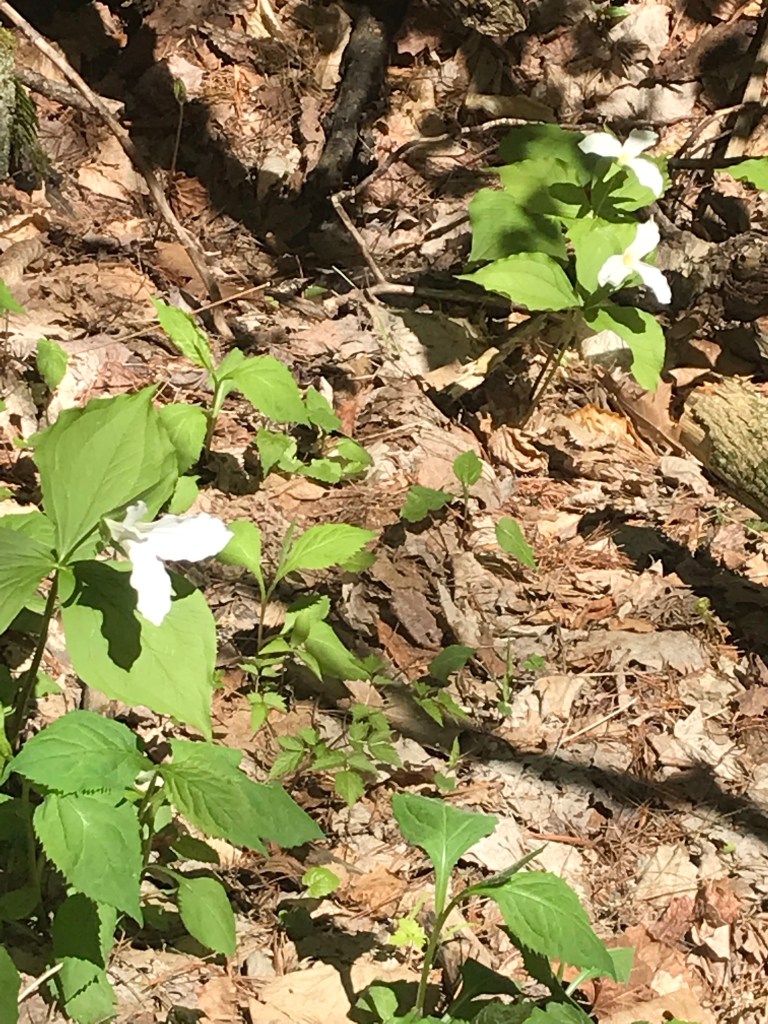
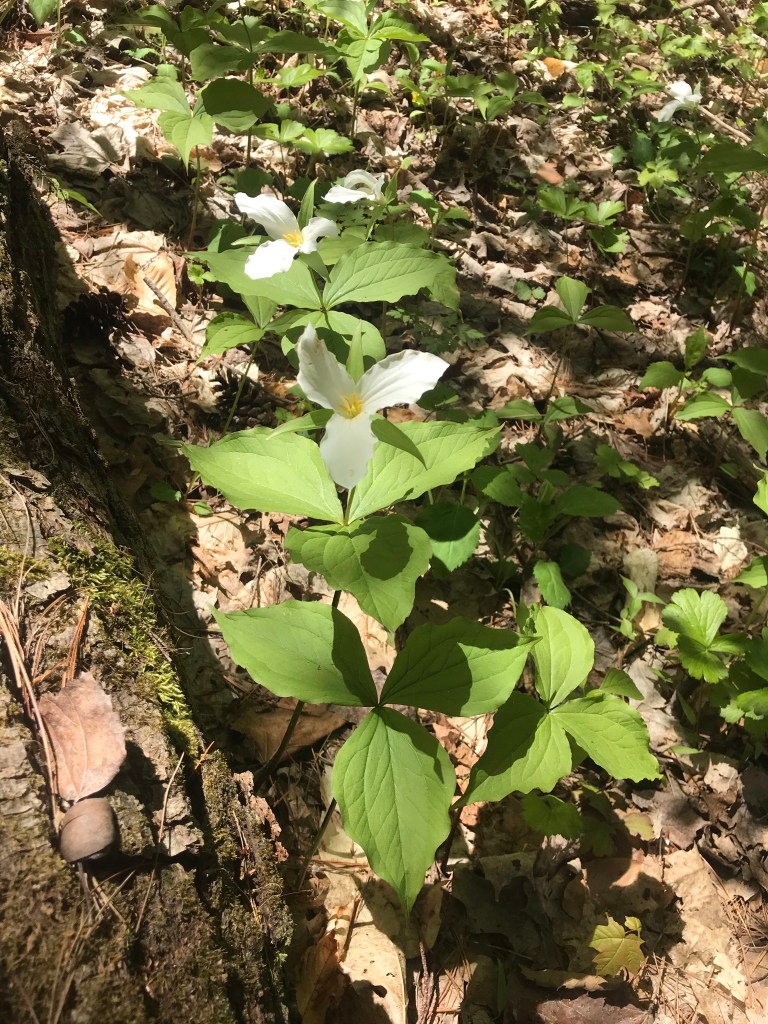
Trillium are in bloom!!

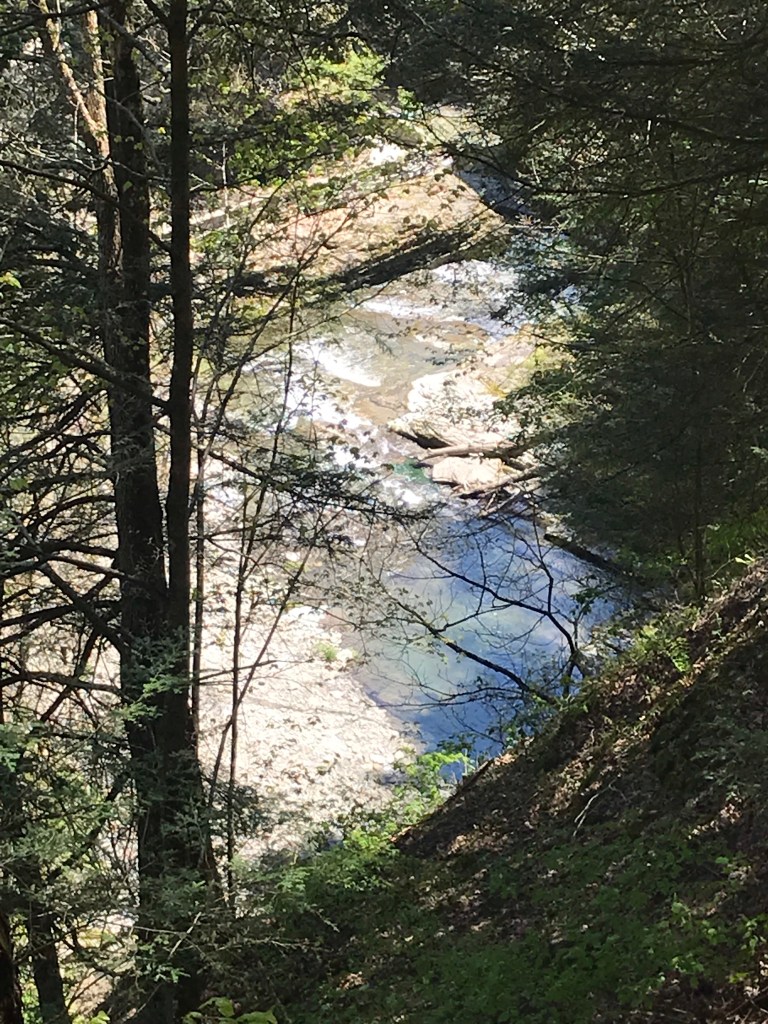
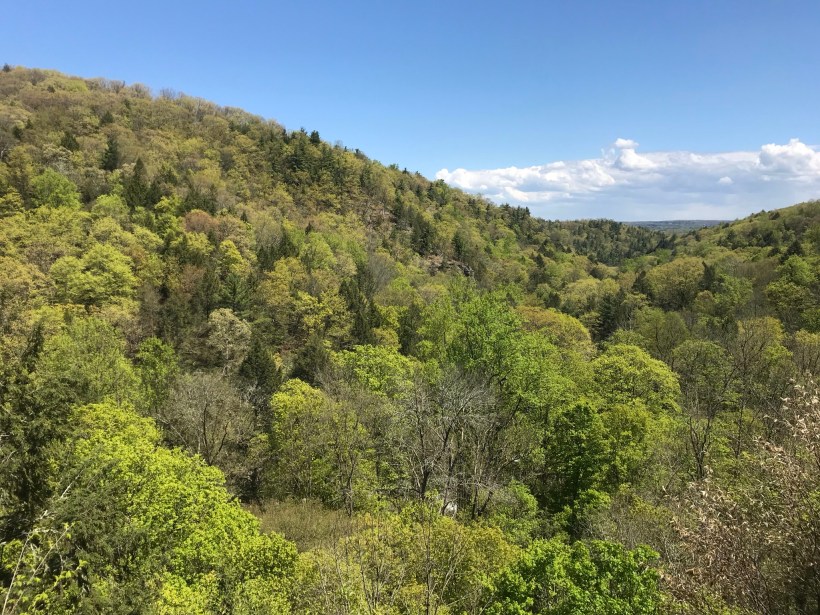
Multiple overlooks into the gorge grace this trail.

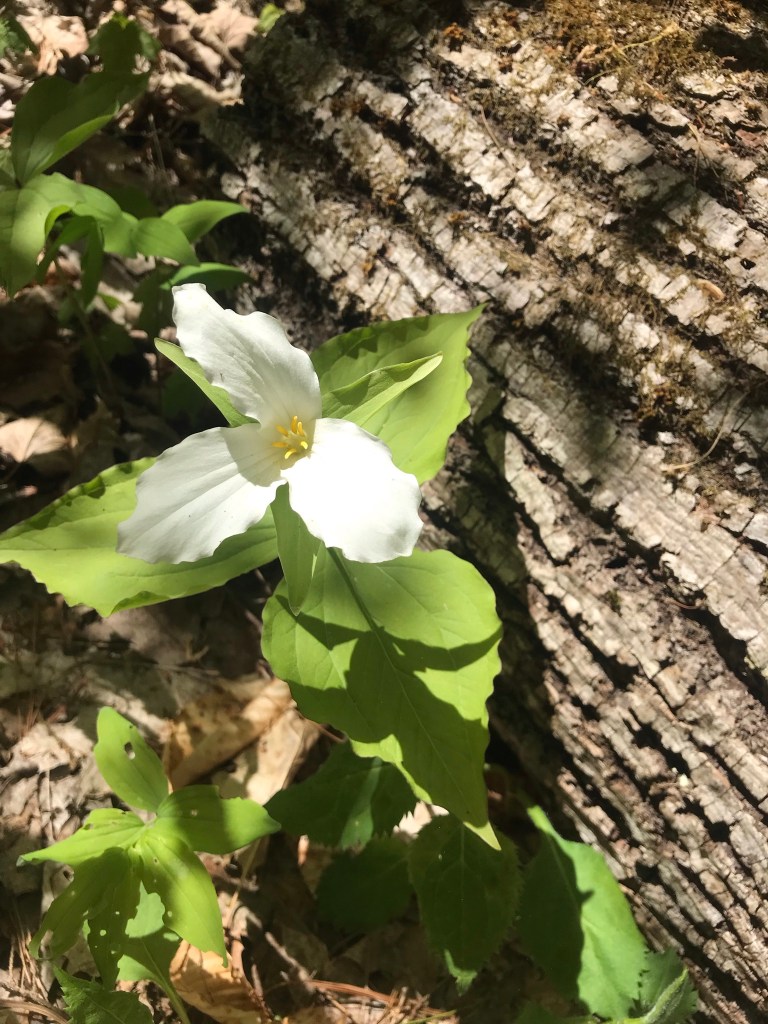
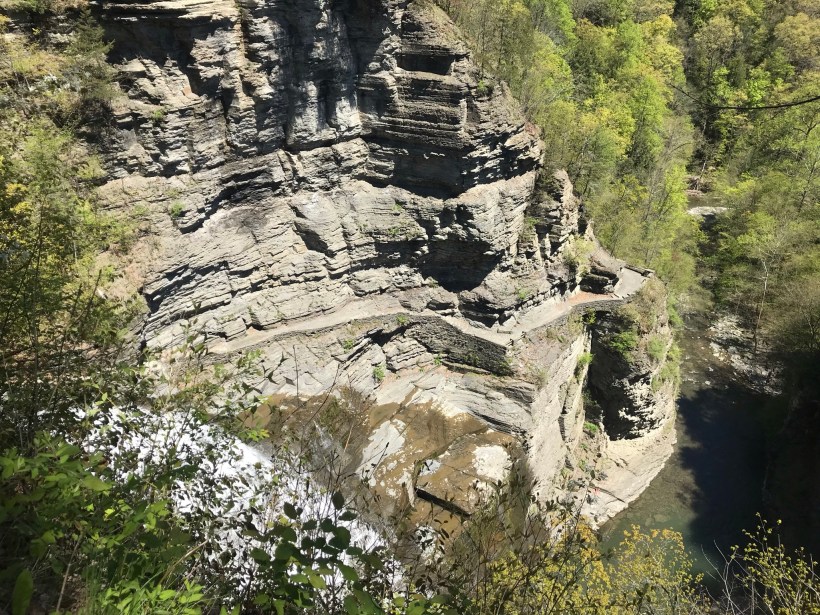
More trillium before we reached the overlook. Lucifer falls and the incredible path etched into the cliff by the Civilian Conservation Corps (Roosevelt’s Tree Army during the Depression).

After the Lucifer Falls overlook is this stupendous view from the top of the Cliff Stairs, 224 steps continue to link to the Gorge and South Rim trails.

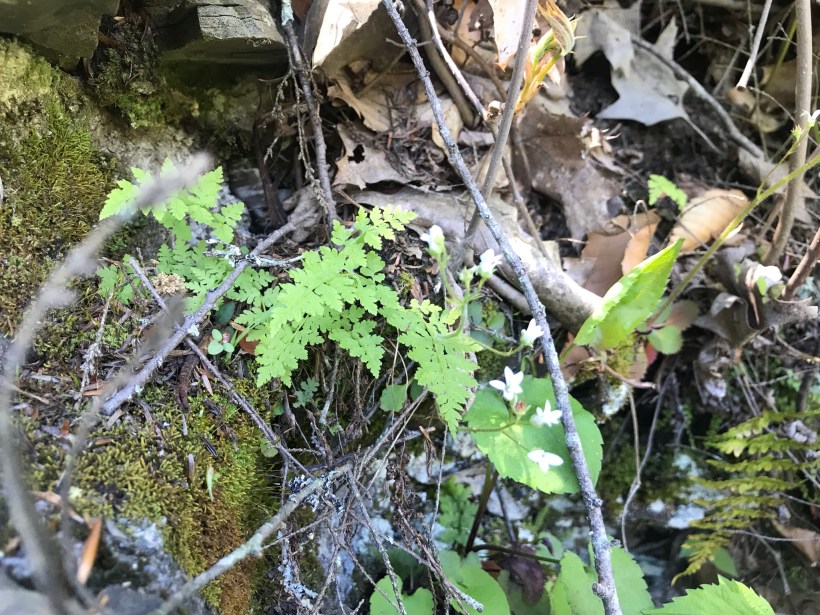
As we lingered on the top steps the flowering plants slowly revealed themselves.

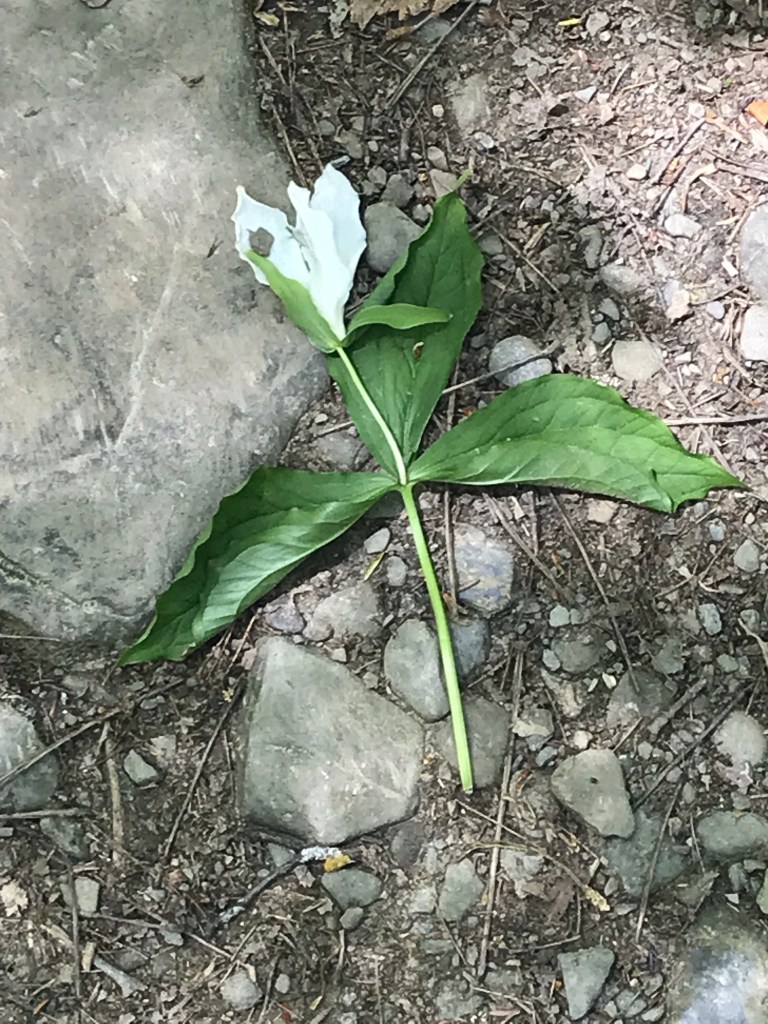
I captured this tragic image on the return trip….a trillium discarded on the trail. Stiff fines await anyone caught doing this.

Copyright 2021 Michael Stephen Wills All Rights Reserved