On The Edge of Time Above Taughannock Gorge

Perched above Taughannock Gorge, a moss-covered ledge and cascading falls reveal ancient stories—where Devonian seas once flowed and time’s layers whisper through stone and water.

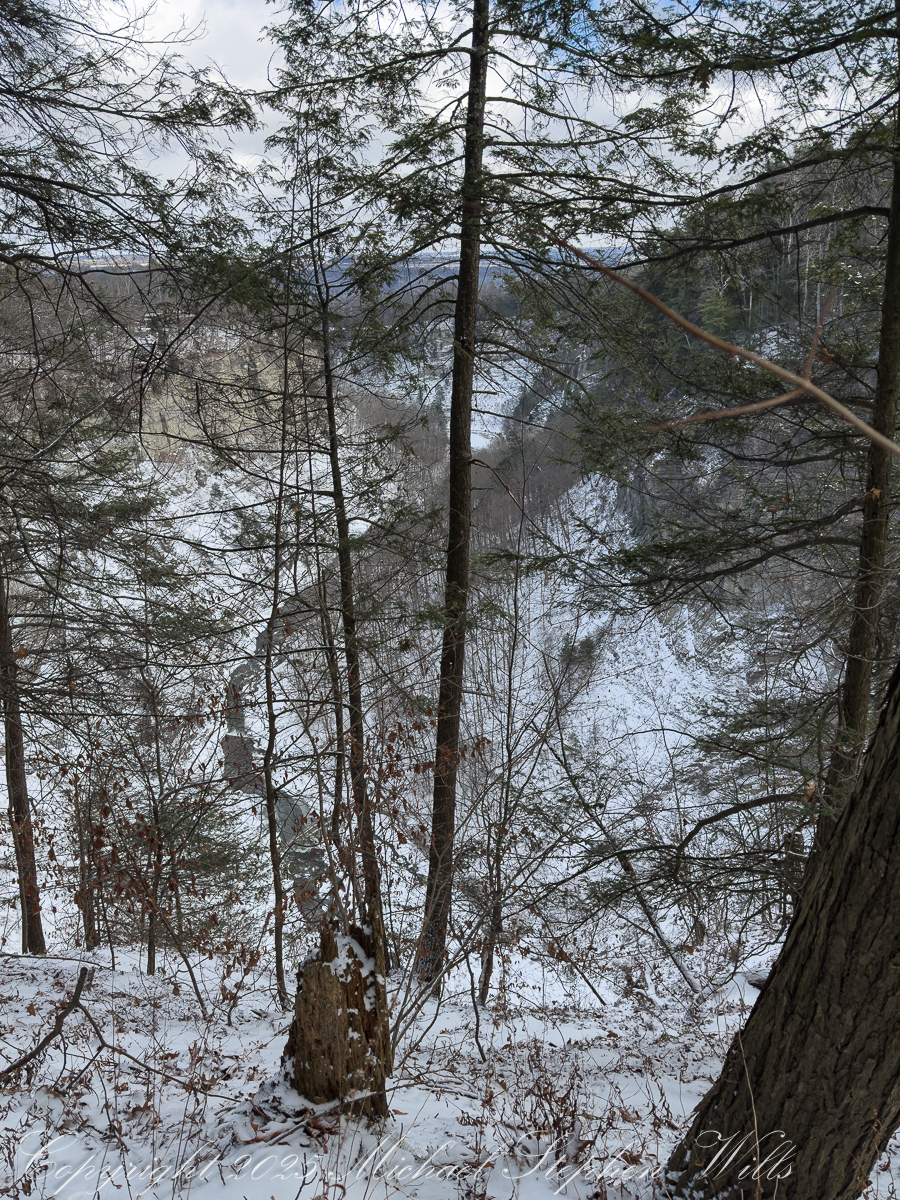
The morning sun had only just breached the rim of the gorge, sending long slants of golden light across the forest floor. Walking the South Rim Trail of Taughannock Falls State Park, I came upon a quiet, unassuming spot—just a few paces off the path—where the forest seemed to pause in reverence. What greeted me was a small marvel of persistence and time.

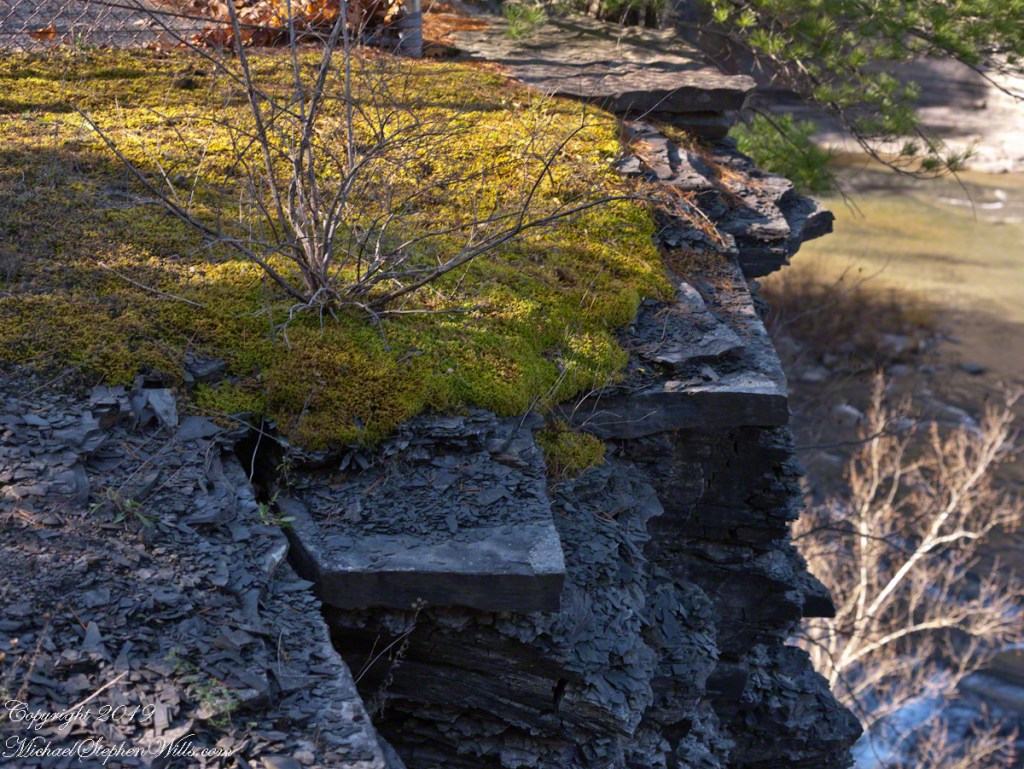
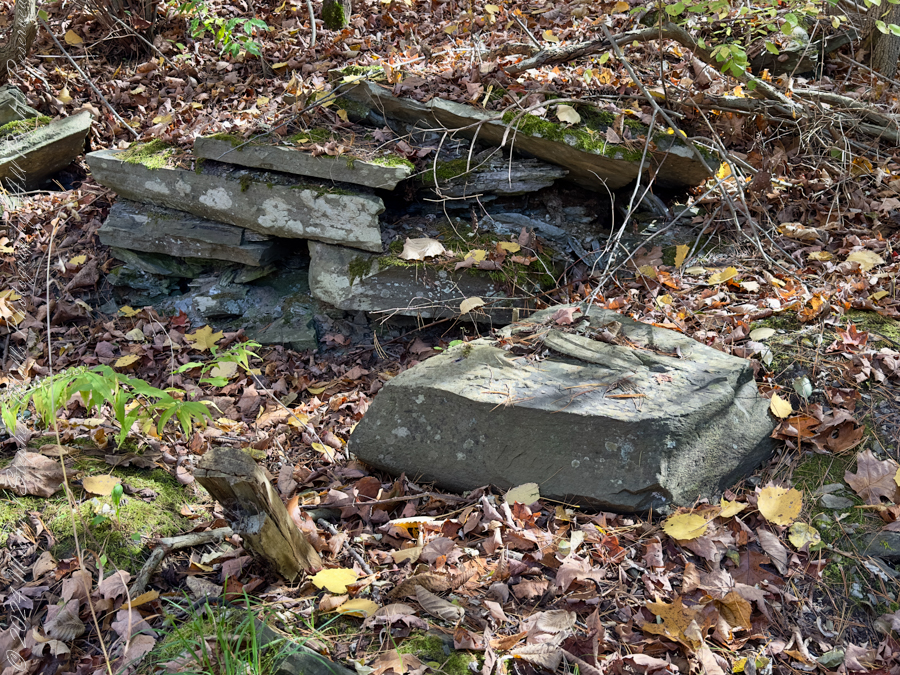
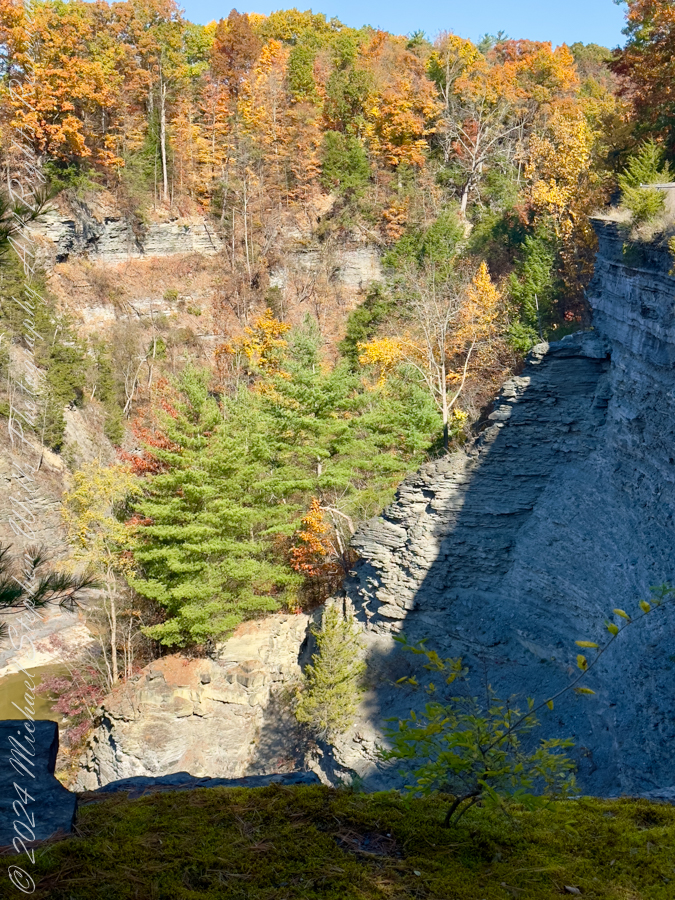
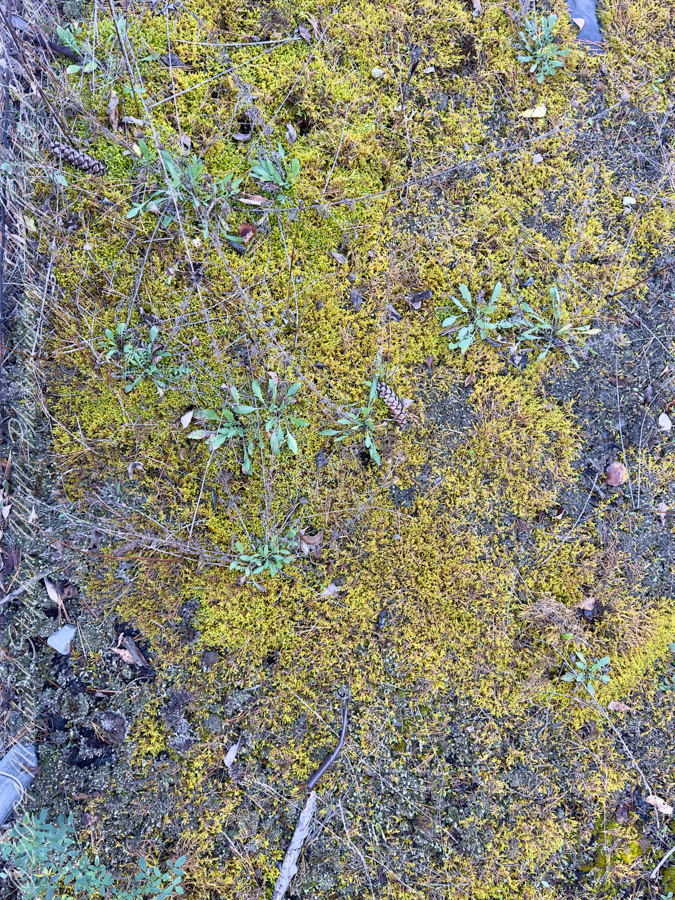
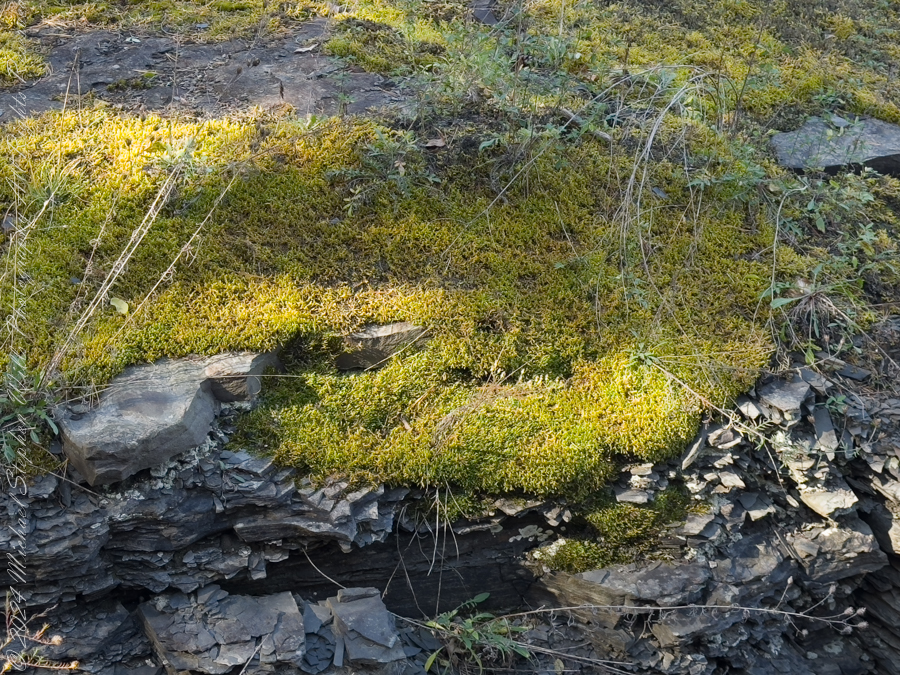
There, rooted precariously atop a slab of brittle shale, was a tenacious shrub rising from a bed of moss, its spindly frame etched in sharp contrast to the soft, green sprawl beneath it. The moss had taken hold on a shelf of rock cantilevered over the gorge like a green tongue of earth defying gravity. Cracks traced the shale’s surface like veins, silent records of the forces that shaped this place—heat, ice, pressure, time. Together, the moss and the bush formed an improbable community, surviving against odds, bound together by the thin soil cradled in stone.

This ledge, suspended over the abyss, seemed less a part of the earth than a question it asked—how much life can cling to the edge before the edge itself gives way?

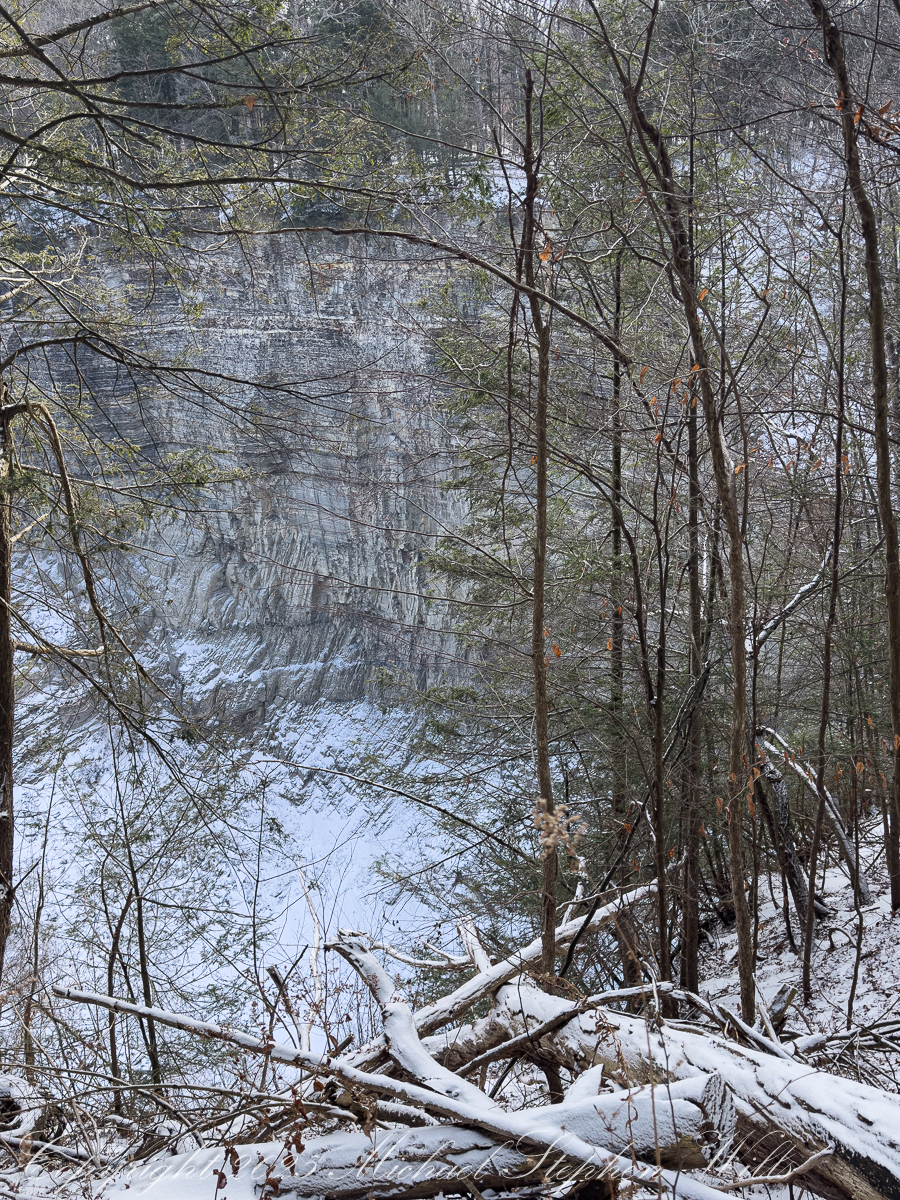
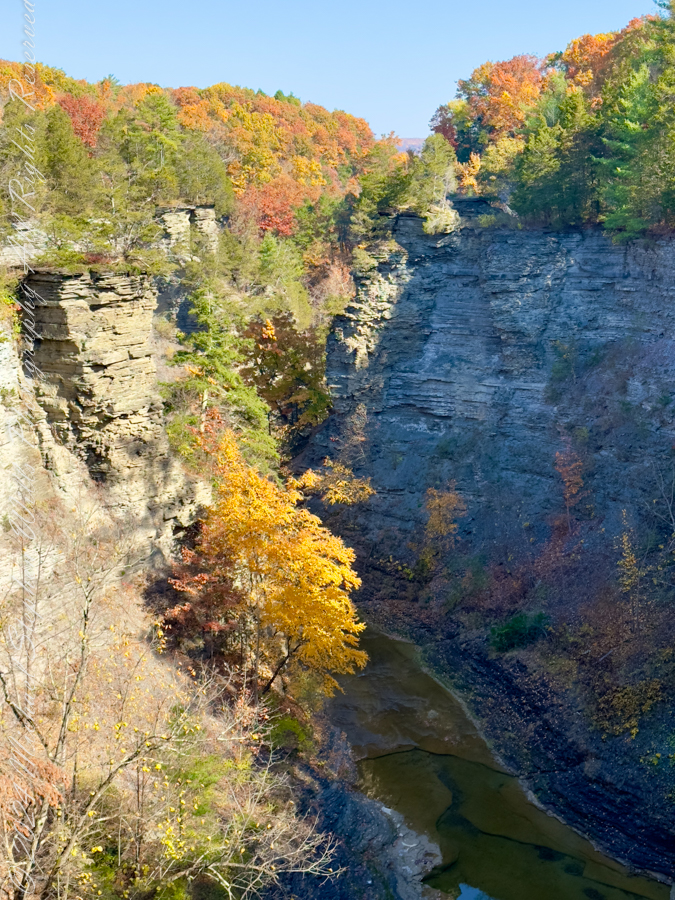
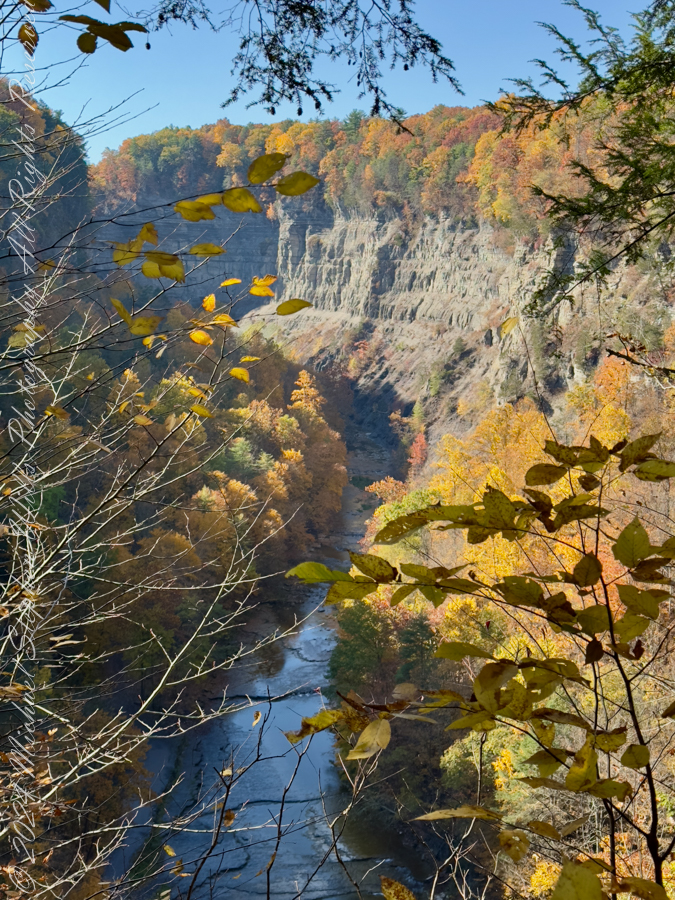
Beneath this living fragment, the gorge dropped away. Layers upon layers of shale revealed themselves, stacked like a collapsed library of time. Here, the Devonian Period lies exposed to wind and rain, and to those willing to pause and wonder. Each stratum holds the fossil whisper of ancient seas, where trilobites scuttled and coral reefs once stood. This gorge was not carved quickly. It was not born of a moment, but of many—countless raindrops, millennia of ice melt, the slow, sure work of water over stone.

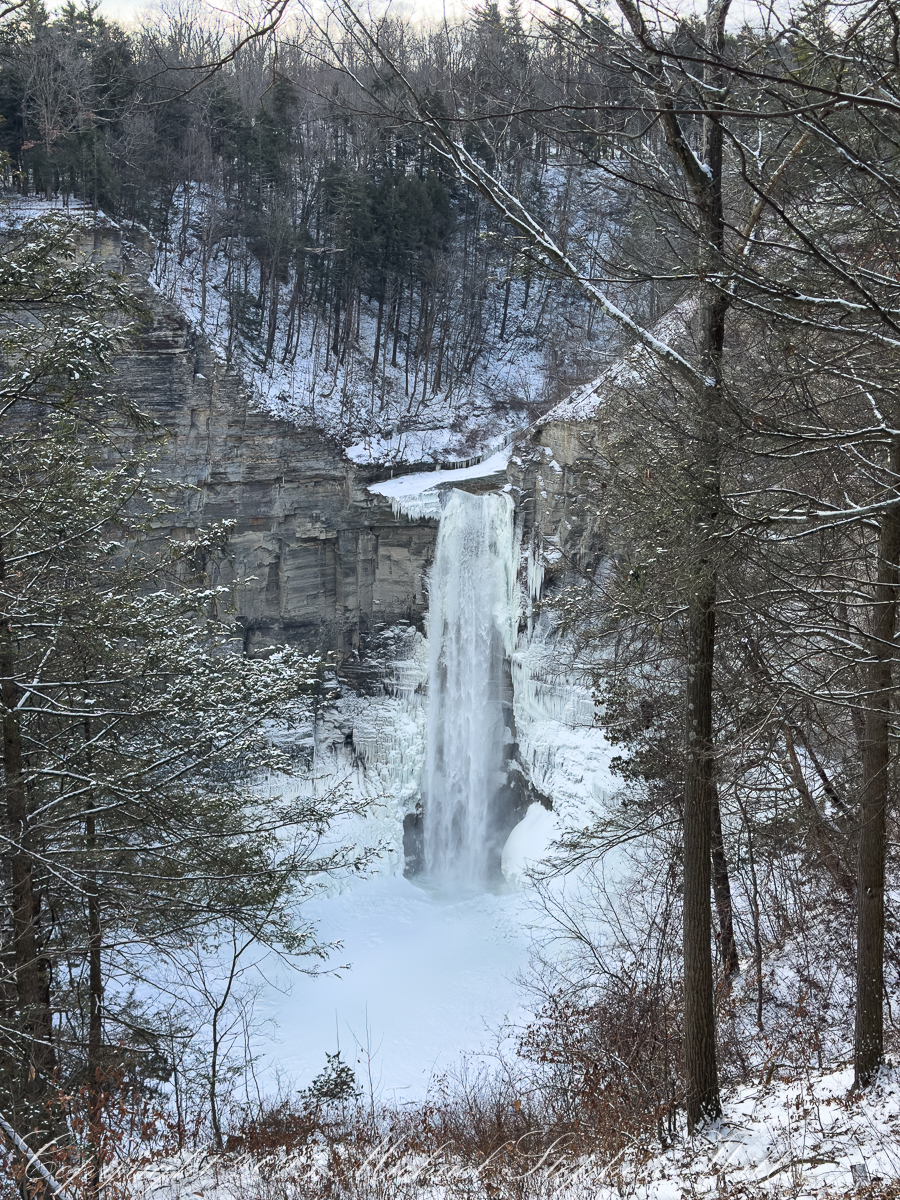
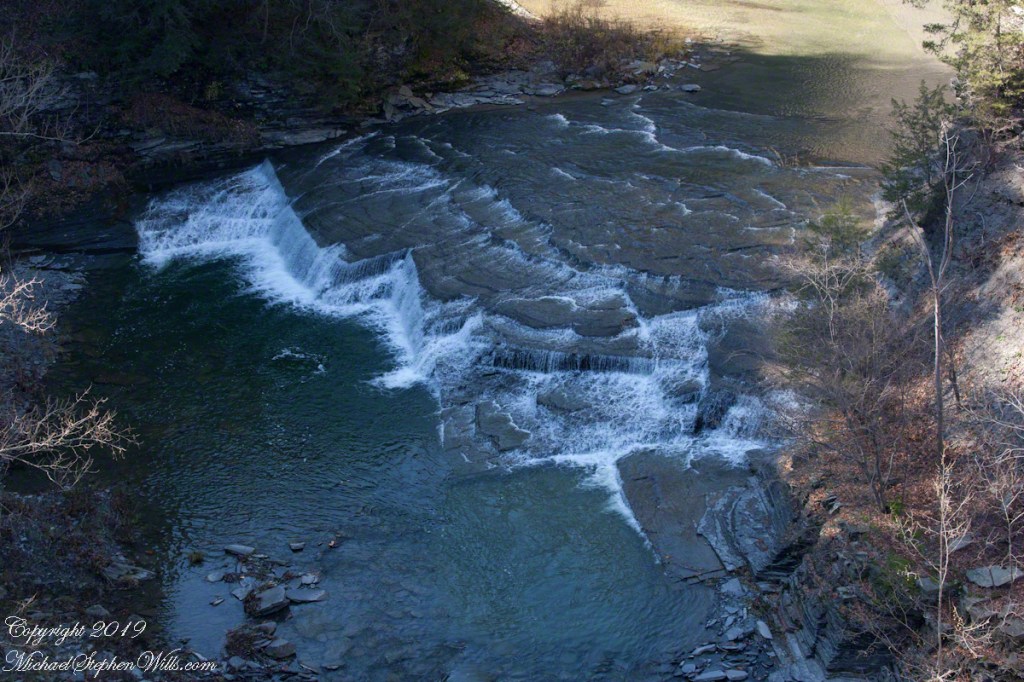
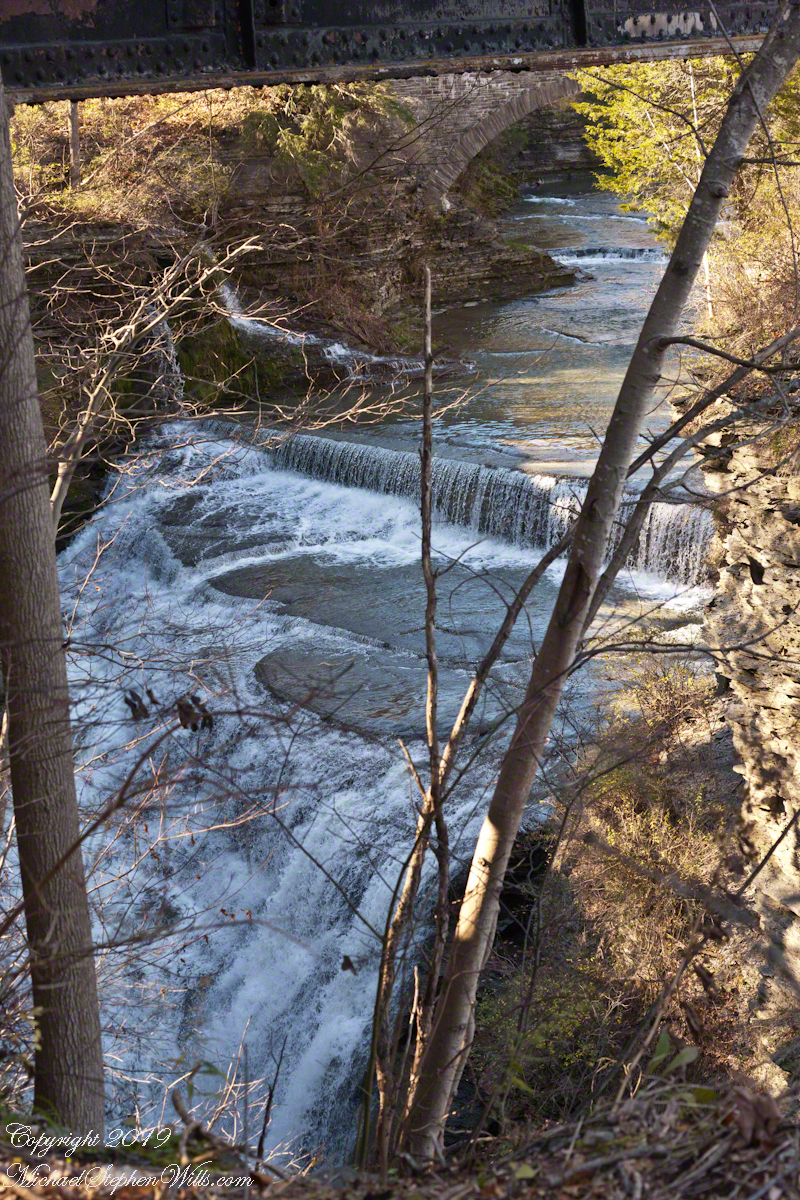
From this natural balcony, I looked out and down to the gorge floor where the creek shaped the land with an artist’s patient hand. The falls, seen from above, no longer thundered—they danced. Spread like the folds of a fan, water curled over smooth stone in steps of white silk. From here, the cascade looked deliberate, choreographed—an elemental performance halfway between gravity and grace.

How many times had this water flowed, reshaped, receded? How often had it carved these grooves, smoothed those ridges, erased the footprints of what came before? Looking at the exposed rock, one could trace the signature of ancient glaciers, feel the memory of long-gone floods. It was humbling—this intersection of change and continuity.

Above it all, the trees stood still. Pine and oak, rooted well back from the edge, offered a kind of sentinel presence. Their shadows stretched long and angled, tracing the contours of both earth and memory. For a moment, I let go of all thought and simply listened—to the murmur of wind through leaves, the faint rush of water far below, and the silence that presses in when the land itself seems to be remembering.

This spot—so easily missed by a hurried hiker—offered a parable of resilience and impermanence. The moss did not grow with certainty, nor the shrub reach with confidence. They survived on the edge because they adapted. They made do with less. They took root where others could not. There was no security in that place, only presence. Only the now.

And isn’t that a lesson worth carrying?

We so often seek stability, firm ground, a clear path. Yet, some of the most beautiful things live just beyond comfort—on ledges, in cracks, in the margins of the known. To pause here was to acknowledge that life thrives not only in sheltered valleys but also at the edge of what seems possible.

As I stepped back onto the trail and continued along the South Rim, the image of that mossy outcrop stayed with me. I carried it in my thoughts like a talisman—proof that even on the brink, life finds a way. And that from above, the most chaotic falls can appear as ordered motion, as a flow toward something larger.

Later, when the sun climbed higher and the light lost its slant, I would look back on this moment not as a spectacular highlight but as something more intimate: a quiet encounter with nature’s subtle artistry, its layered truths, and its enduring invitation to look closely, feel deeply, and walk softly.

For here, above the gorge, at the edge of earth and time, even a whisper leaves a mark.

Enter your email to receive notification of future postings. I will not sell or share your email address.

Ecological Significance of False Solomon’s Seal

In Taughannock Falls State Park, False Solomon’s Seal captivates with its beauty, ecological role, and historical medicinal uses.

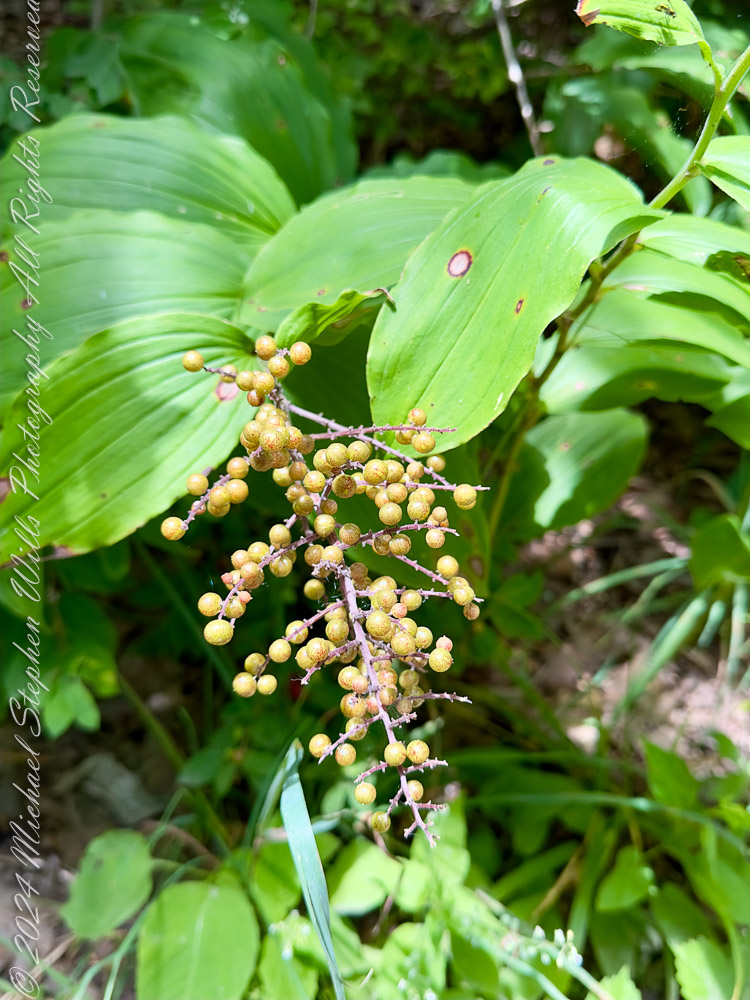
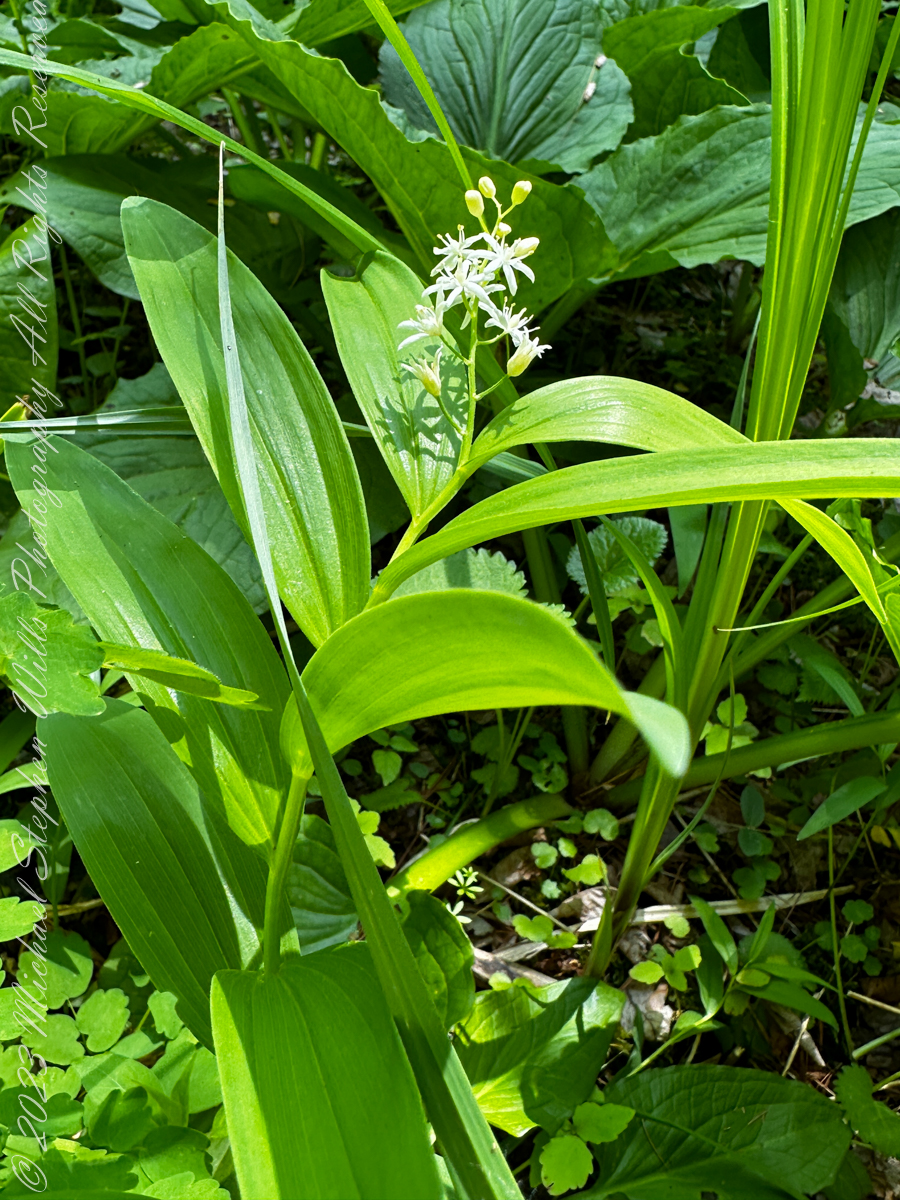
The trails of Taughannock Falls State Park always hold surprises, and on that July day, they did not disappoint. As I paused to take in the tranquility of the woods, my gaze fell upon a plant whose graceful arch and clusters of berries demanded attention. Its broad, lance-shaped leaves alternated along the stem, framing the stem’s terminal cluster of small green berries. Recognizing the plant as Maianthemum racemosum, commonly known as False Solomon’s Seal, I took a moment to admire its understated elegance.

False Solomon’s Seal, scientific name Maianthemum racemosum, is common in the Finger Lakes Region. I found this specimen during a walk with the grandchildren in a local fen among the post-glacial terrain of the Finger Lakes Region. Eames Memorial Natural Area, Cornell Botanic Gardens, Town of Dryden, Tompkins County, Finger Lakes Region, New York State

Characteristics of the Plant

False Solomon’s Seal is a perennial herbaceous plant belonging to the asparagus family (Asparagaceae). It can grow up to three feet tall, its arching stems giving it a unique and recognizable silhouette. The leaves are broad and lance-shaped, with prominent veins running their length, arranged alternately along the stem. At the tip of each stem is a cluster of tiny, spherical green berries, which later in the season ripen to a speckled reddish hue. The plant blooms in late spring to early summer, producing delicate, star-shaped white flowers before transitioning to its fruiting phase.

Found throughout much of North America, Maianthemum racemosum thrives in moist, shaded woodlands, making the lush forests of Taughannock Falls State Park an ideal home. Its ability to grow in the dappled light beneath the forest canopy highlights its adaptability to varying light conditions.

Etymology of the Name

The genus name, Maianthemum, comes from the Greek words “mai” (May) and “anthemon” (flower), reflecting the plant’s tendency to bloom in late spring or early summer. The species name, racemosum, refers to the plant’s inflorescence, which forms a raceme—a cluster of flowers or berries along a single stem. Its common name, False Solomon’s Seal, derives from its superficial resemblance to Solomon’s Seal (Polygonatum spp.), though the latter has bell-shaped flowers hanging beneath its stems, in contrast to the terminal clusters of Maianthemum racemosum.

History and Folklore

False Solomon’s Seal has long been valued for its medicinal and culinary uses by Indigenous peoples and early settlers. The young shoots were harvested and cooked as a vegetable, while the ripe berries were sometimes used in jellies or preserves, though their slightly bitter flavor limited their appeal. Medicinally, teas made from the roots and leaves were used to treat a variety of ailments, including digestive issues, coughs, and sore throats. The roots were also applied as poultices for cuts and bruises, reflecting the deep understanding of natural remedies held by those who lived in harmony with the land.

The plant’s name has sparked legends. While the “false” in its name denotes its distinction from Solomon’s Seal, some folklore suggests that the plant was used to counterfeit the medicinal properties of its namesake. Others believe that its graceful arch and persistent berries symbolize resilience and adaptability, qualities often attributed to those who lived in its native habitats.

Uses and Ecological Role

Although not widely cultivated, Maianthemum racemosum is a valuable plant in its native ecosystems. Its flowers provide nectar for pollinators such as bees and butterflies, while the berries are a food source for birds and small mammals. Its rhizomatous roots also play a role in stabilizing soil in forested environments, preventing erosion and supporting the health of the woodland floor.

For those contemplating harvesting these plants be advised that collection of plants from New York State Parks is prohibited to protect natural resources and maintain ecological balance. According to the New York State Office of Parks, Recreation and Historic Preservation (OPRHP) regulations, “No person shall… remove… any… plant life” within state parks without proper authorization. Therefore, collecting plants in state parks without explicit permission is not allowed. If you have a specific research or educational purpose, you may contact the park administration to inquire about obtaining the necessary permits. However, for casual visitors, it’s best to enjoy the flora from a distance. False Solomon Seal ecological contributions are significant. In addition to its pollinator support and soil stabilization, the plant’s presence is an indicator of a healthy woodland ecosystem.

A Moment of Reflection

As I rose from my crouched position, having taken in the details of Maianthemum racemosum, I felt a quiet gratitude for the opportunity to encounter such a plant. False Solomon’s Seal, with its graceful leaves and unassuming berries, serves as a reminder of the interconnectedness of life in the forest. Its role in the ecosystem, its history with humans, and its understated beauty all speak to the richness of the natural world.

Walking onward, I carried with me a sense of awe for the intricate web of life that thrives in the woods. The False Solomon’s Seal, standing quietly among the ferns and leaf litter, seemed to embody the resilience and balance of the forest—a gentle presence in a vibrant community.

Enter your email to receive notification of future postings. I will not sell or share your email address.

Hylodesmum glutinosum: Characteristics and Ecology

The author reflects on hiking at Taughannock Falls State Park, discovering the Large-Flowered Tick Trefoil’s beauty and ecological significance.

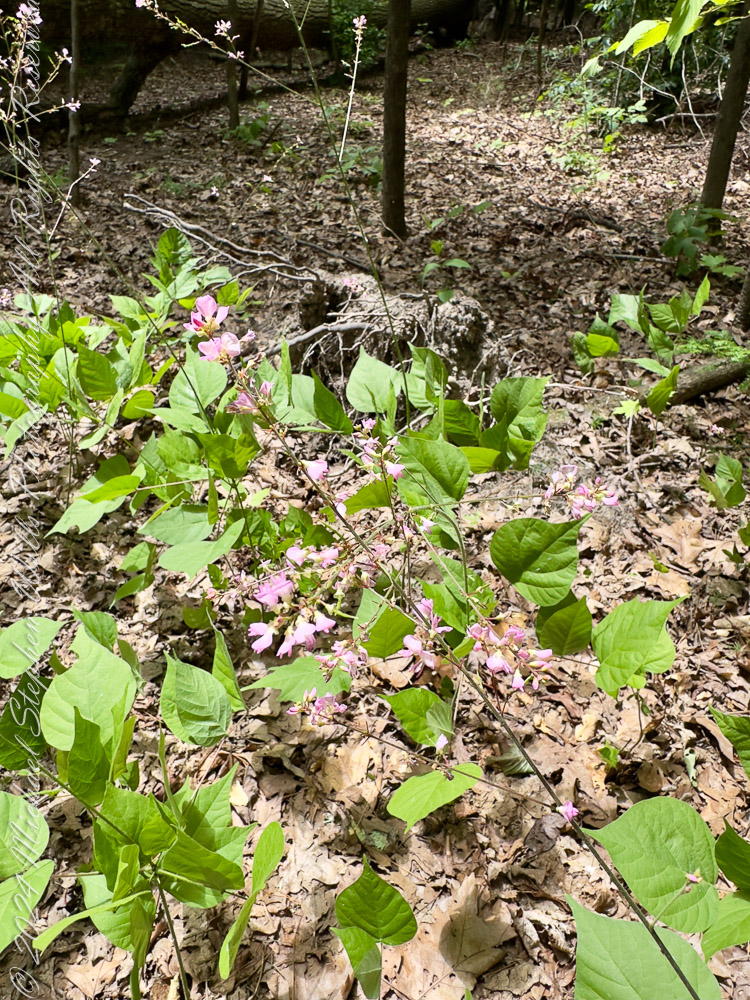
It was a high summer day as I enjoyed a customary hike around of Taughannock Falls State Park on the South and North Rim trails. Here sunlight filtered through the dense canopy, dappling the forest floor with shifting patches of light. Along the trail, my attention was drawn to a cluster of pink blossoms rising on slender, upright stems. Intrigued by their delicate beauty, I crouched down for a closer look. The plant rose above the forest floor, its trifoliate leaves broad and prominently veined, each leaflet slightly larger than I would have expected. These leaves seemed to anchor the plant to the shaded understory, while its flowers reached upward, as though eager to catch the fleeting rays of sun. I captured the plant in this photographs, later used it to identify Hylodesmum glutinosum, or Large-Flowered Tick Trefoil.

Characteristics of the Plant

The Large-Flowered Tick Trefoil is a striking member of the pea family (Fabaceae). Its pink, pea-like flowers are arranged in graceful racemes along the upper portions of its stems, their vibrant color contrasting beautifully with the green foliage around them. The leaves, broad and trifoliate, lend the plant its distinctive appearance. The name “tick trefoil” refers to the plant’s seed pods, which are flat and segmented, equipped with tiny hooks that cling stubbornly to passing animals or hikers, hitchhiking their way to new locations.

The plant is native to eastern North America, including the forests and trails of New York State. Its preference for rich, well-drained soils in partially shaded woodlands makes it a common sight in places like Taughannock Falls State Park. Blooming from mid to late summer, it provides an essential nectar source for bees and other pollinators, playing its part in the intricate web of the forest ecosystem.

Etymology of the Name

The genus name, Hylodesmum, was established only twenty-five years ago when the plant was reclassified from the genus Desmodium to a new genus within the tribe Desmodieae. The name reflects its forested habitat, with “hylo” derived from the Greek word for “wood” or “forest.” Previously described in 1802 as Hedysarum glutinosum and later placed in Desmodium, the species name glutinosum remains unchanged, meaning “sticky” in Latin. This aptly describes the plant’s seed pods, which adhere to anything that brushes past them. Together, these names encapsulate both the botanical structure and the unique dispersal strategy of this plant.

History and Folklore

Native Americans and early settlers were intimately familiar with tick trefoils. The plant’s seeds, notorious for clinging to clothing and fur, earned it a reputation as a nuisance, but its resilience and utility could not be overlooked. Indigenous peoples utilized various parts of the plant for medicinal purposes. The roots and leaves were brewed into teas to treat fevers and digestive ailments, while poultices made from the leaves were applied to wounds to promote healing. Such uses highlight the depth of knowledge early inhabitants had about their environment.

The plant’s sticky seed pods also became the subject of folklore. Children in rural communities would playfully call it “hitchhiker’s weed,” competing to see who could collect the most seeds on their clothing during outdoor adventures. These seeds, so adept at attaching themselves to passersby, were seen as symbols of persistence and adaptability, traits that many admired.

Uses and Ecological Role

While Hylodesmum glutinosum is not commonly cultivated, its ecological contributions are significant. As a member of the Fabaceae family, it has the ability to fix nitrogen in the soil through a symbiotic relationship with rhizobia bacteria in its root nodules. This makes it a valuable plant in maintaining soil fertility in its native ecosystems. Its flowers attract pollinators like bees and butterflies, ensuring that the forest remains vibrant and full of life.

In addition to its ecological importance, the plant’s seeds have a curious modern use: they’ve been studied for their ability to help detect movement in the environment. Researchers have examined the sticky pods’ structure as a natural model for creating adhesives and tracking devices, proving once again that even the smallest details in nature can inspire human ingenuity.

A Moment of Reflection

As I rose to my feet, brushing the leaf litter from my hands, I felt a renewed sense of wonder for the intricate lives of the plants surrounding me. The Large-Flowered Tick Trefoil, with its vivid pink flowers and ingenious seed pods, seemed to embody the essence of the forest: a harmonious blend of beauty, resilience, and interconnection.

Walking away, I carried with me not just the memory of its vibrant blooms, a deep respect for its role in the natural world. In the quiet of Taughannock’s wooded trails, Hylodesmum glutinosum had shared its story, a tale of persistence, adaptation, and the hidden wonders that flourish when we take the time to notice.

Enter your email to receive notification of future postings. I will not sell or share your email address.

A Journey Through Autumn Colors at Taughannock Falls

Taughannock Falls State Park offers stunning autumn views, vibrant colors, and serene natural beauty.

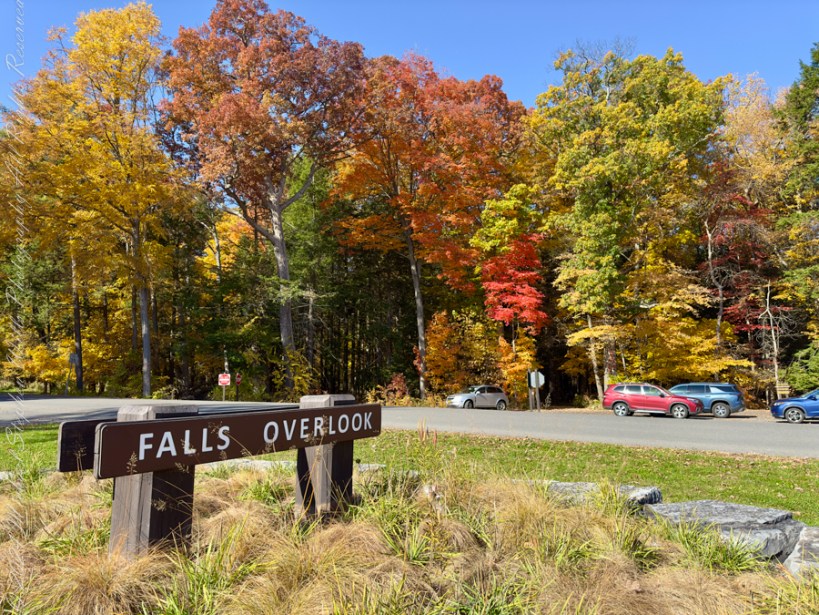
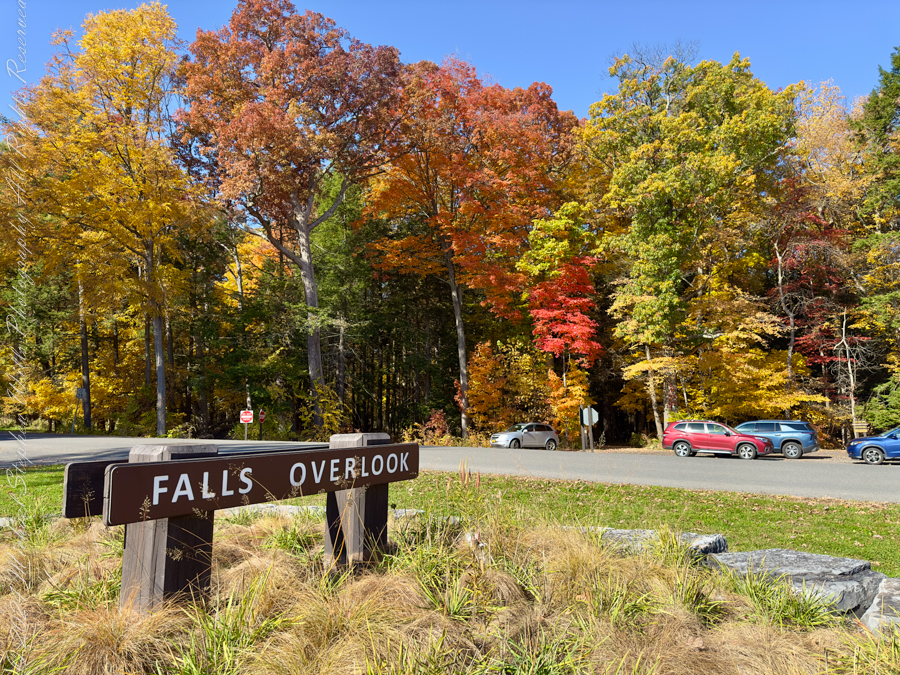
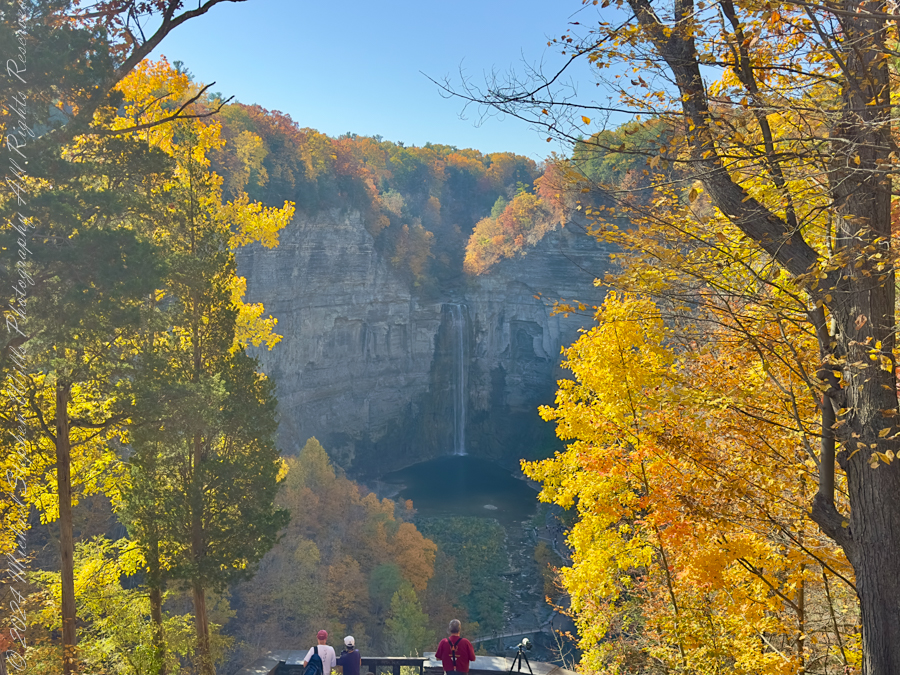
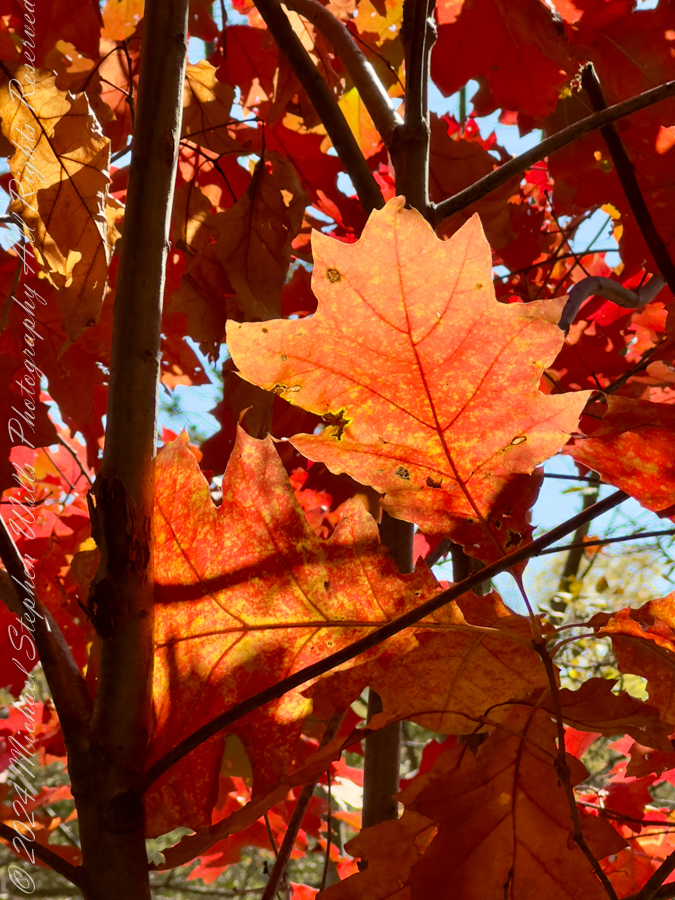
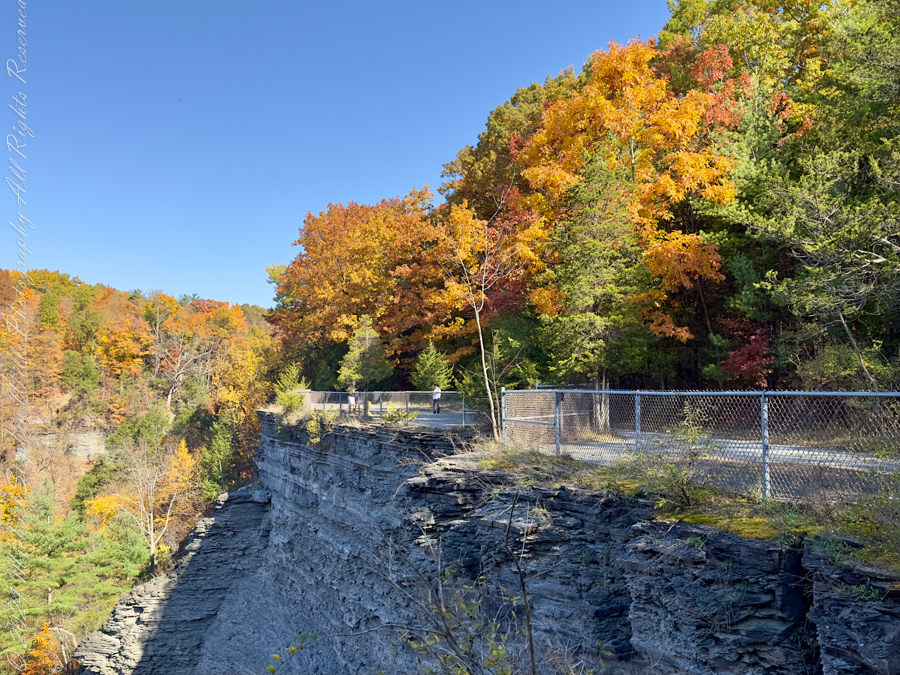
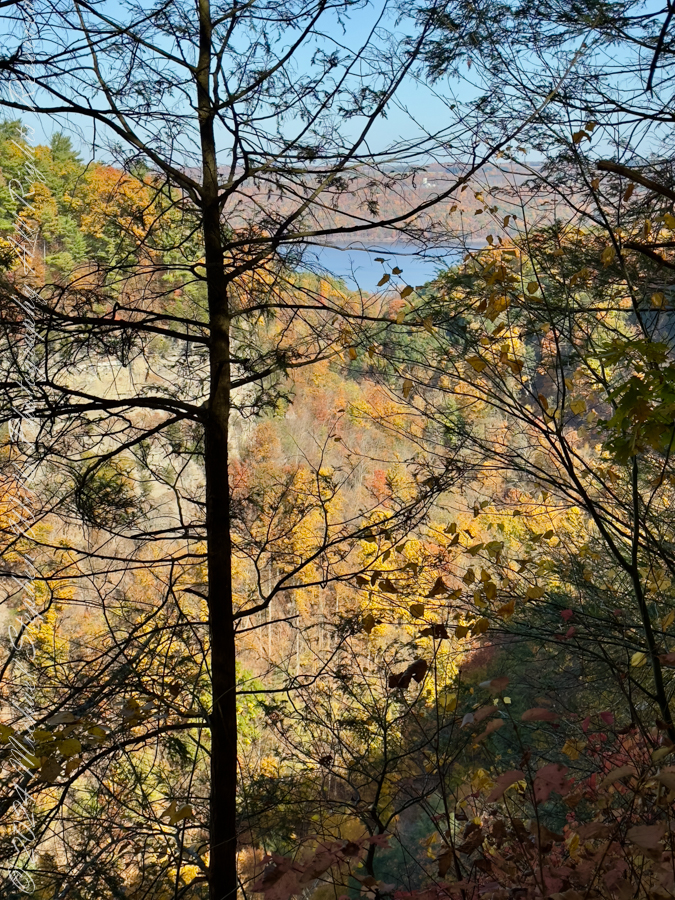
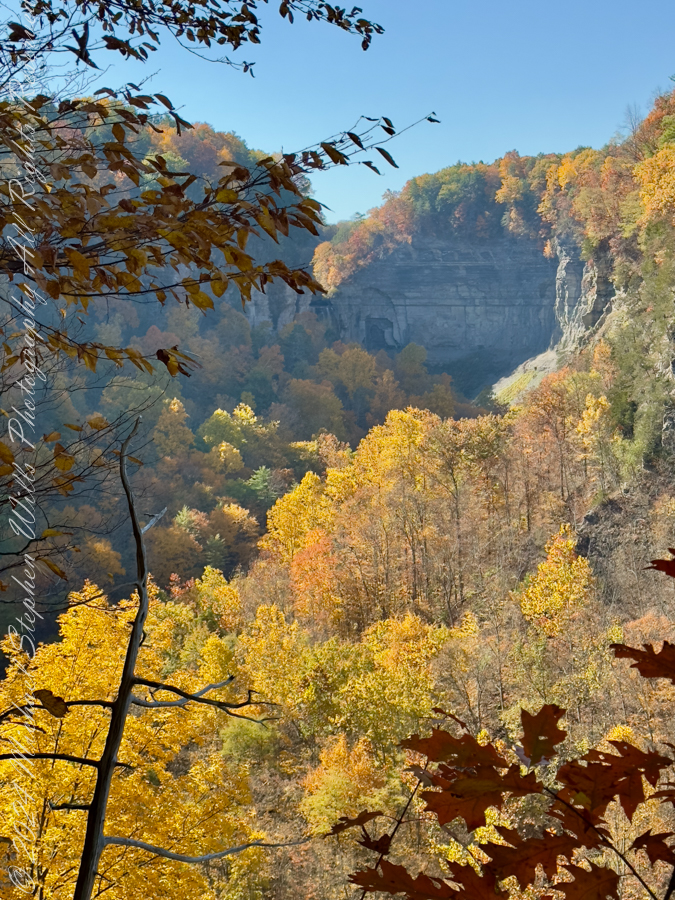
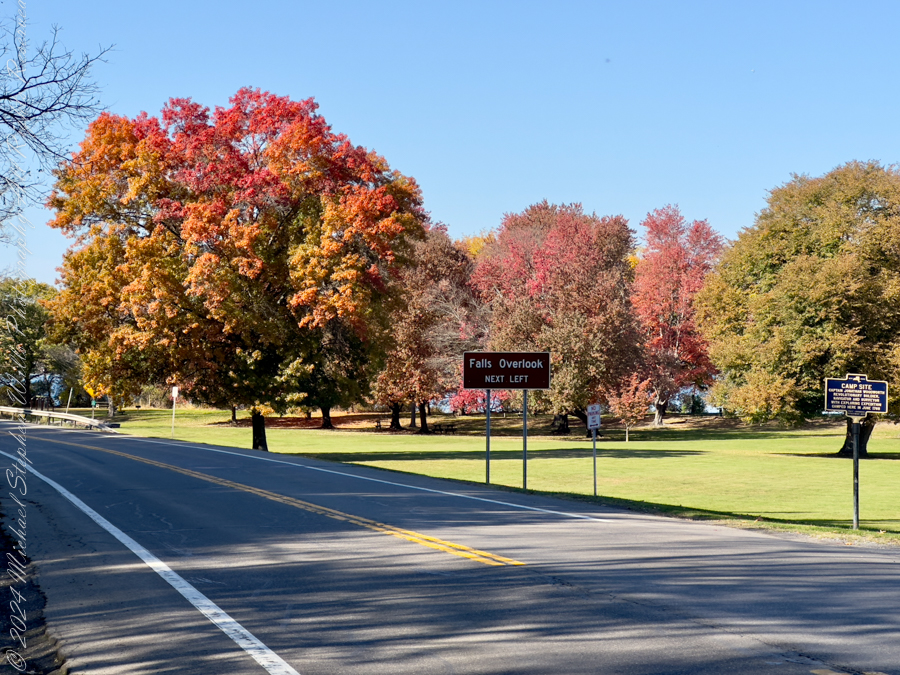
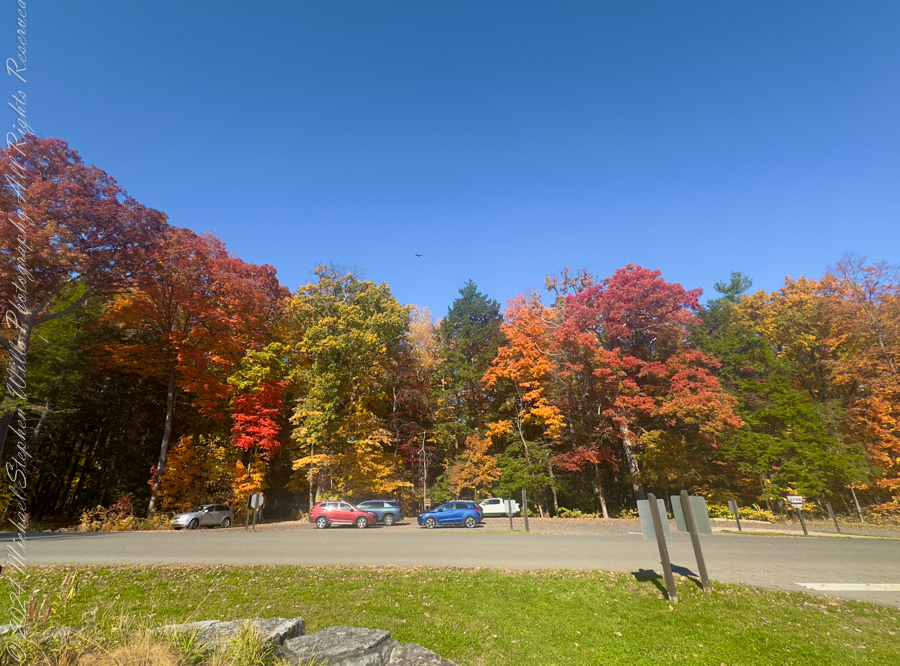
As I set foot on the Falls Overlook at Taughannock Falls State Park, I was greeted by a symphony of autumn colors in their full glory. The vibrant oranges, reds, and yellows of the trees framed the scene, setting the stage for a perfect fall day. I lingered, taking in the view of cars nestled among the foliage, their colors almost merging with the rich autumn hues surrounding them. The sign for the “Falls Overlook” hinted at the journey ahead.

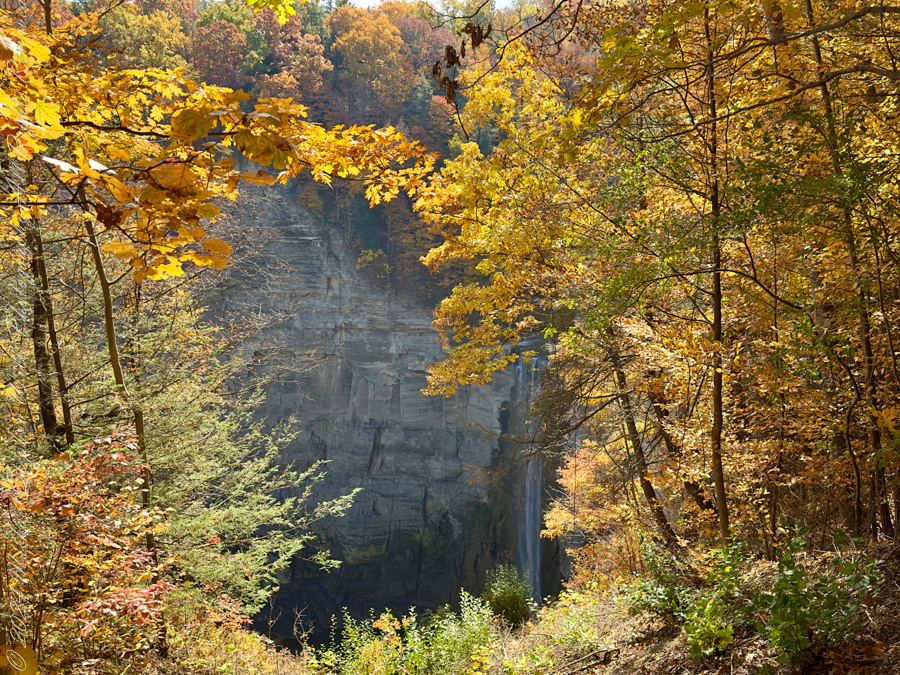
The overlook offered a breathtaking view, a gentle reminder of nature’s power as Taughannock Falls cascaded far below, framed by rugged cliffs and vibrant trees. Through gaps in the golden leaves, I could catch glimpses of the waterfall, a delicate white ribbon against the slate-gray rock. The sunlight filtered through the canopy, casting dappled shadows and illuminating leaves like stained glass, painting the landscape in a thousand shades.

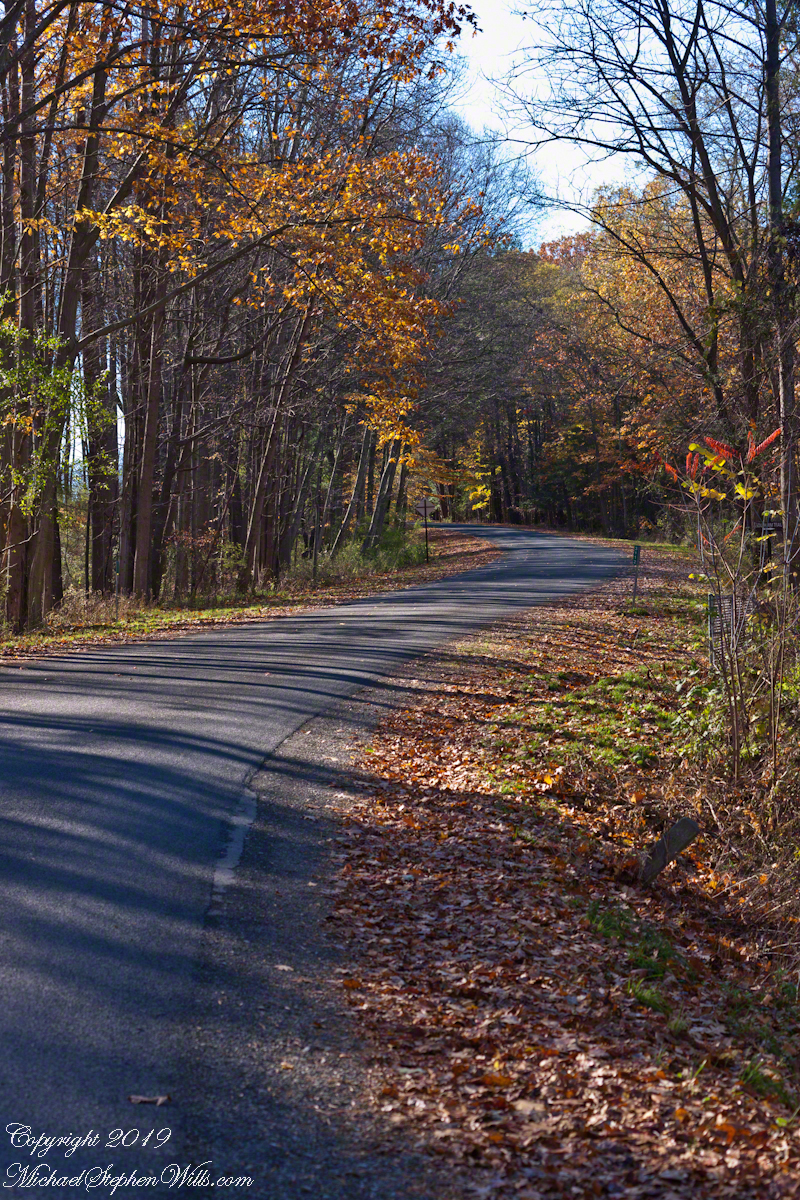
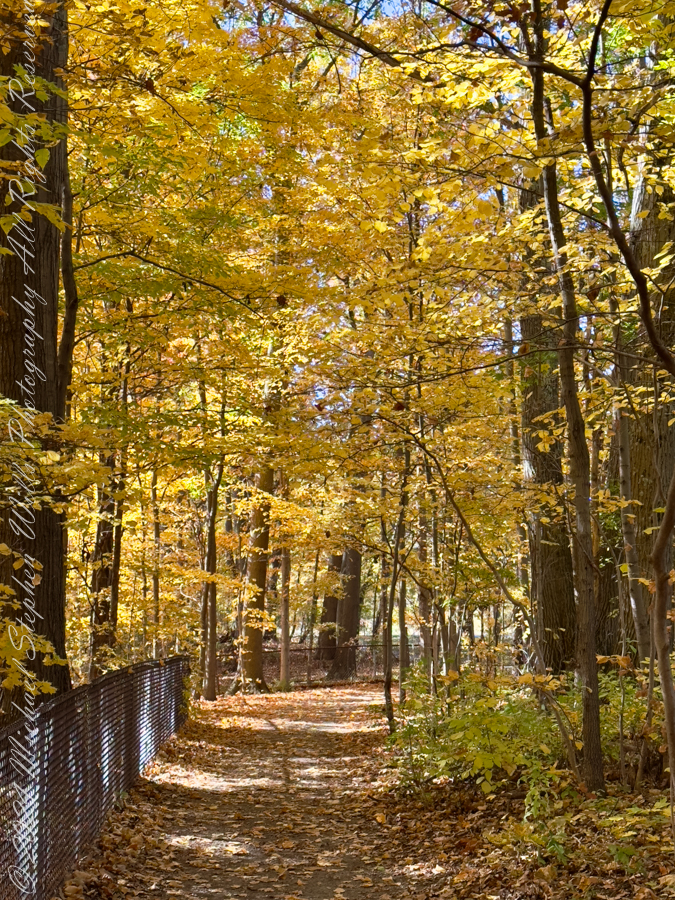
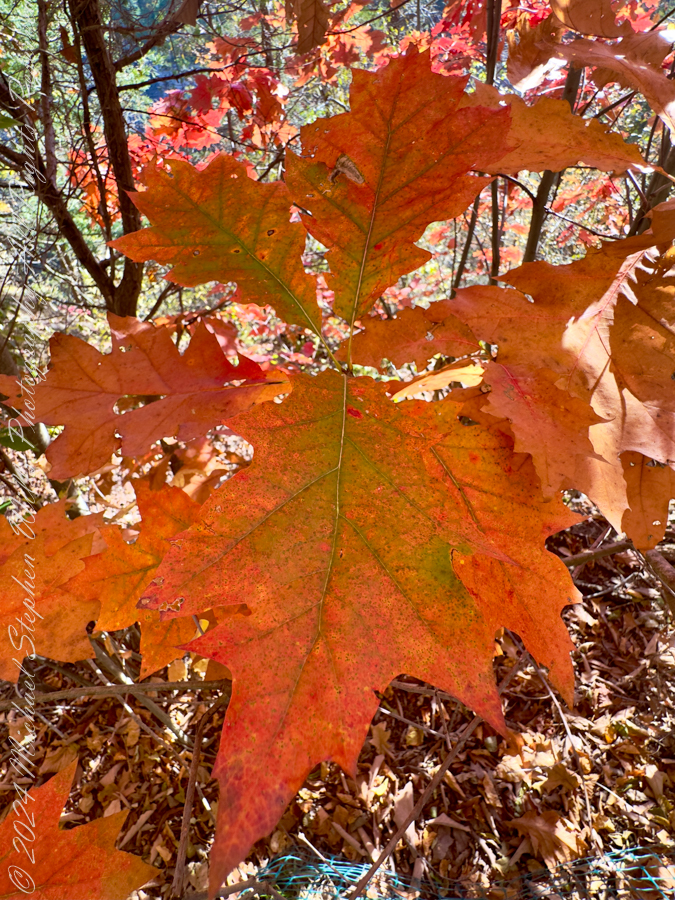
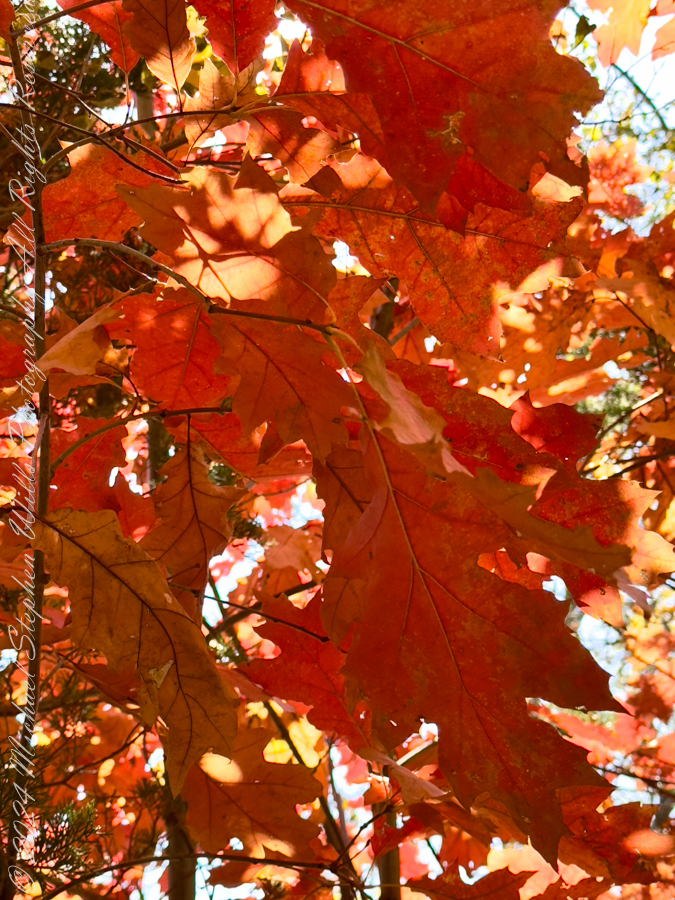
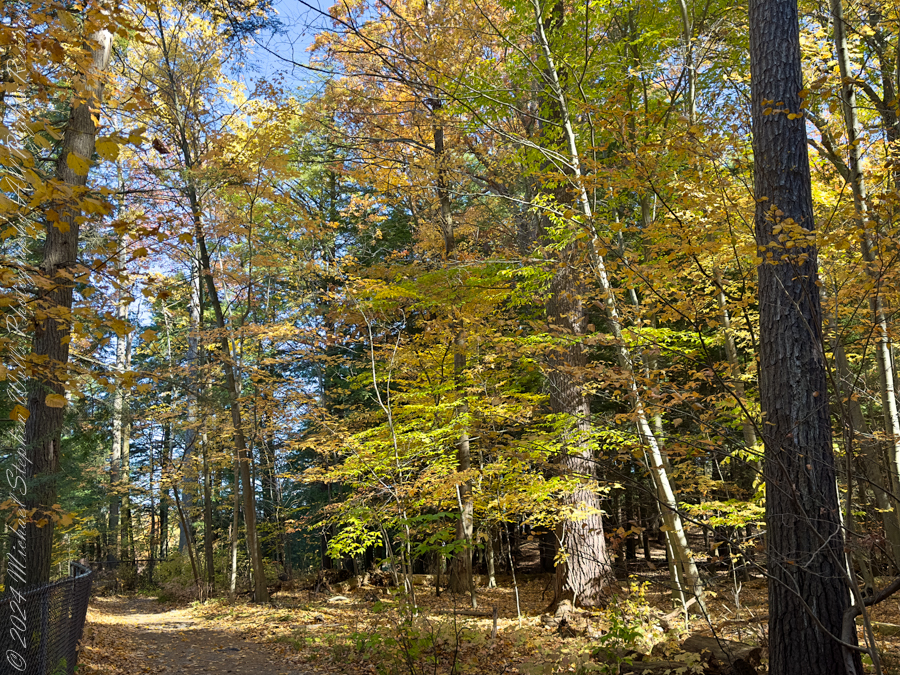
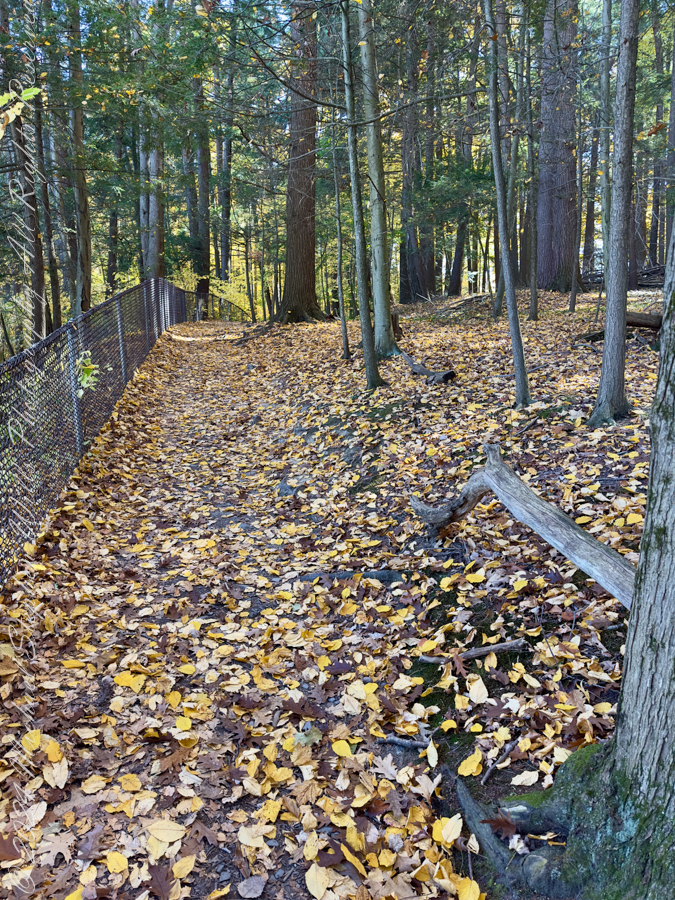
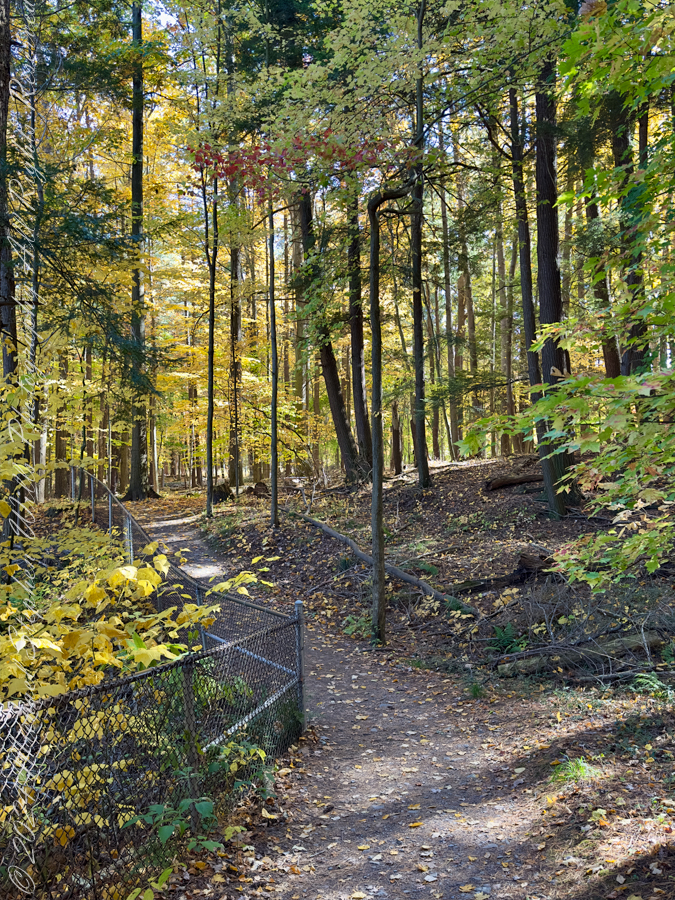
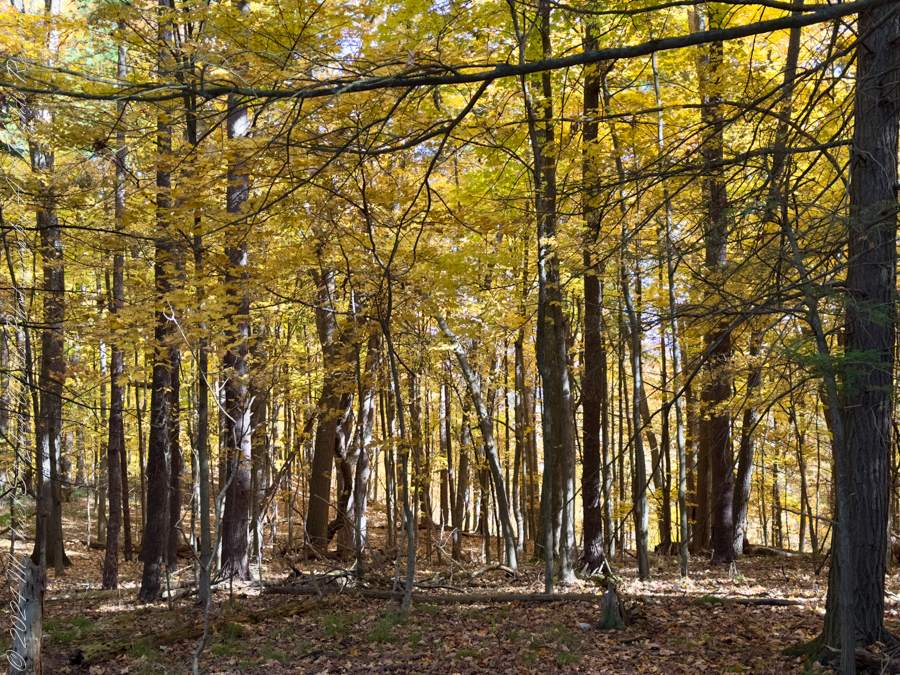
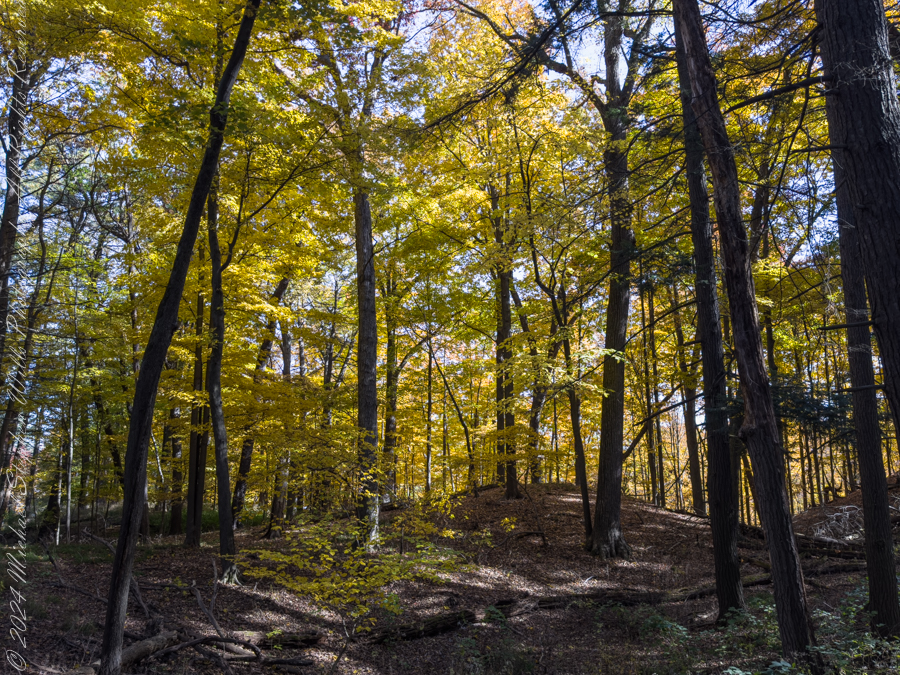
I began my ascent up the North Rim Trail, where the path twisted beneath a tunnel of golden branches. The trail was carpeted with leaves, crunching underfoot with each step. The air was crisp, filled with the earthy scent of decaying leaves and moist earth. Sunlight poured through gaps in the canopy, lighting up patches of ferns and casting long shadows on the rocky path. Here and there, the yellow and brown hues gave way to a burst of crimson, the leaves vivid and almost glowing in the sunlight.

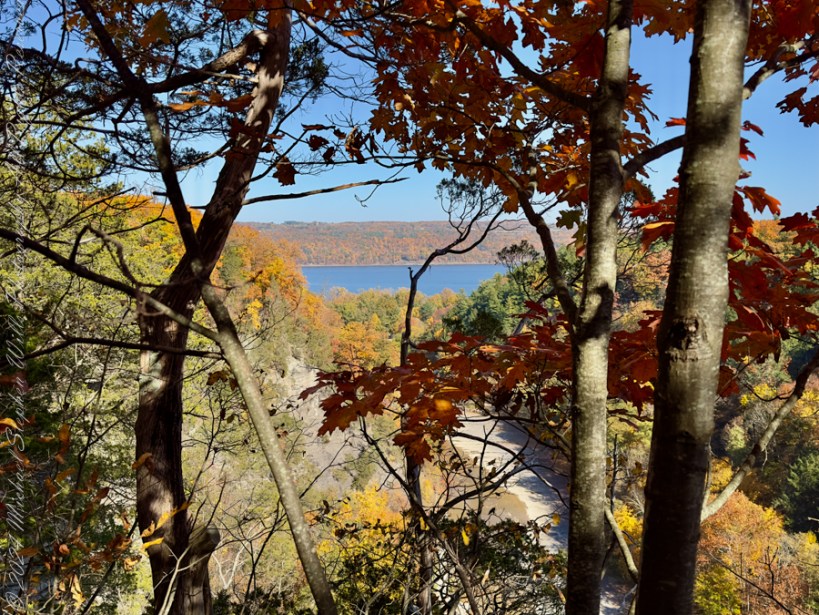
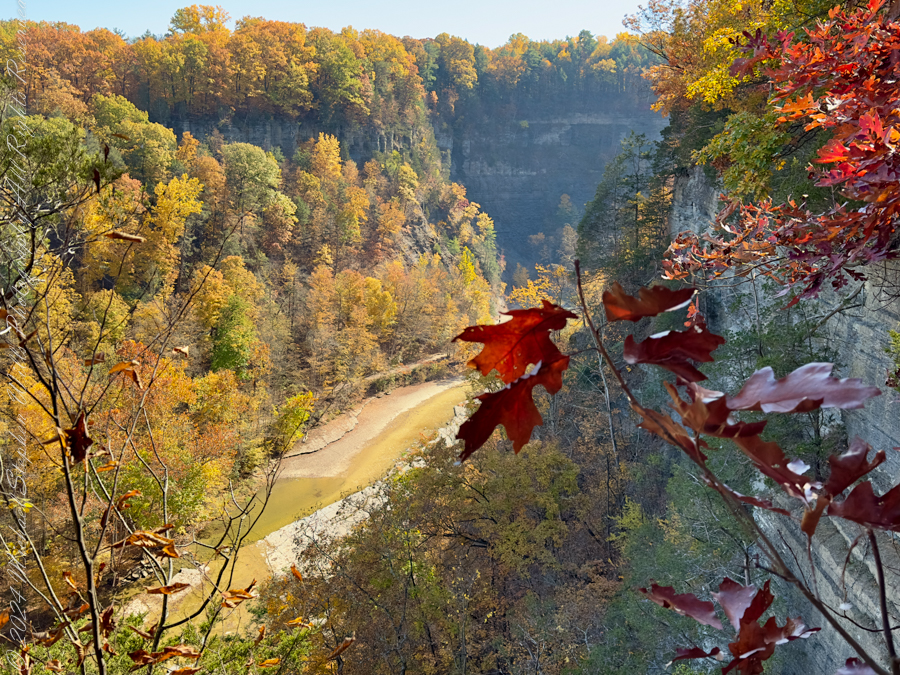
The trail led me along the cliff’s edge, where the river carved its path below. Pausing on the footbridge to the south rim, a former railroad, I looked out over the gorge, admiring the mosaic of colors stretching as far as the eye could see. In the distance, the sound of the falls drifted up to me, a soft, continuous roar that lent the forest an almost mystical air. It was hard not to feel a sense of awe at the raw beauty of the scene.
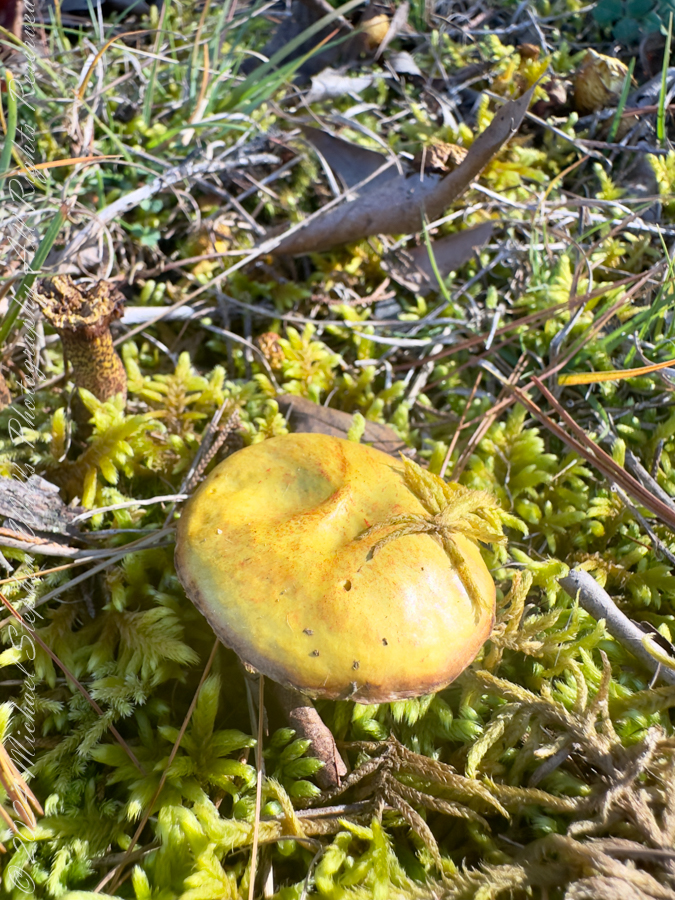
Eventually, I made my way down the South Rim Trail. There were ample distractions from the glorious foliage. A lone mushroom, golden and nestled in a bed of moss, caught my eye—a small reminder of the forest’s quiet life. I bent down to examine it, marveling at its delicate cap and the way it seemed to glow against the lush green moss. The trees here were denser, casting cool shadows that contrasted with the sun-drenched north side. The leaves here were thicker underfoot, their earthy scent more pronounced, grounding me in the moment.
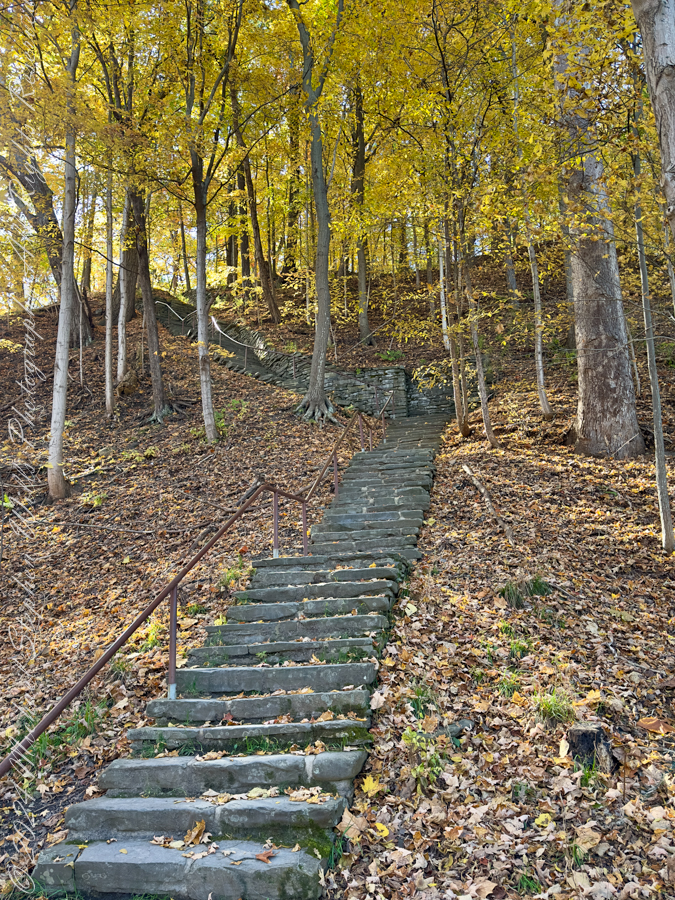
As I reached the lower section of the trail, I noticed an old stone staircase winding up through the trees to the north rim—a relic from another time, adding a touch of mystery to the path. Each step was worn smooth by countless feet, each one a reminder of the generations that had walked these trails before me. The stairs climbed through a cathedral of trees, each trunk tall and straight, as if standing guard over the trail.

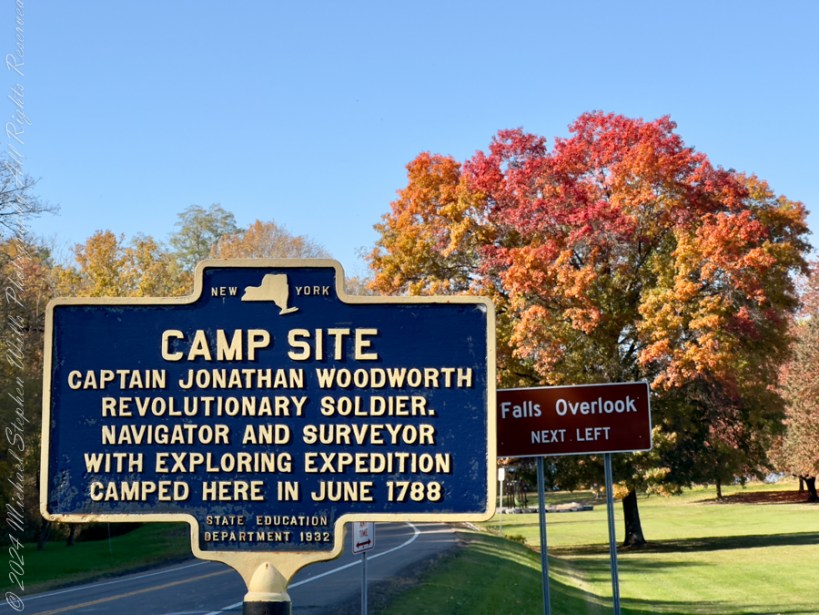
On my way around I passed by a historical marker, a blue and yellow sign commemorating the camp site of Captain Jonathan Woodworth, a Revolutionary soldier who camped here in June 1788. It was a reminder that these trails, this land, had been cherished long before my steps fell upon it.

After reaching the base of the South Rim Trail, I looped back up the North Rim. The trail now felt familiar, yet the changing light gave it a new character. The sun was lower, casting a golden glow across the tops of the trees.

As I returned to my starting point, the sun cast a soft, warm light across the landscape, bathing the park in an ethereal glow. With one last look over the falls and the vivid tapestry of trees, I felt a sense of gratitude. Taughannock Falls State Park in autumn is an experience, one that leaves an indelible mark, reminding us of the beauty and timelessness of the natural world.

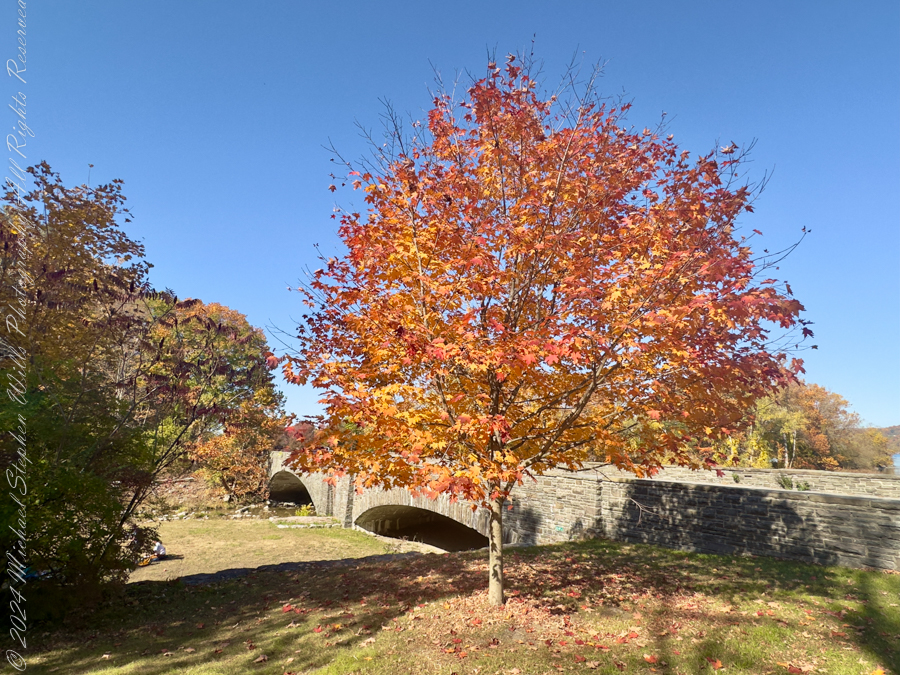
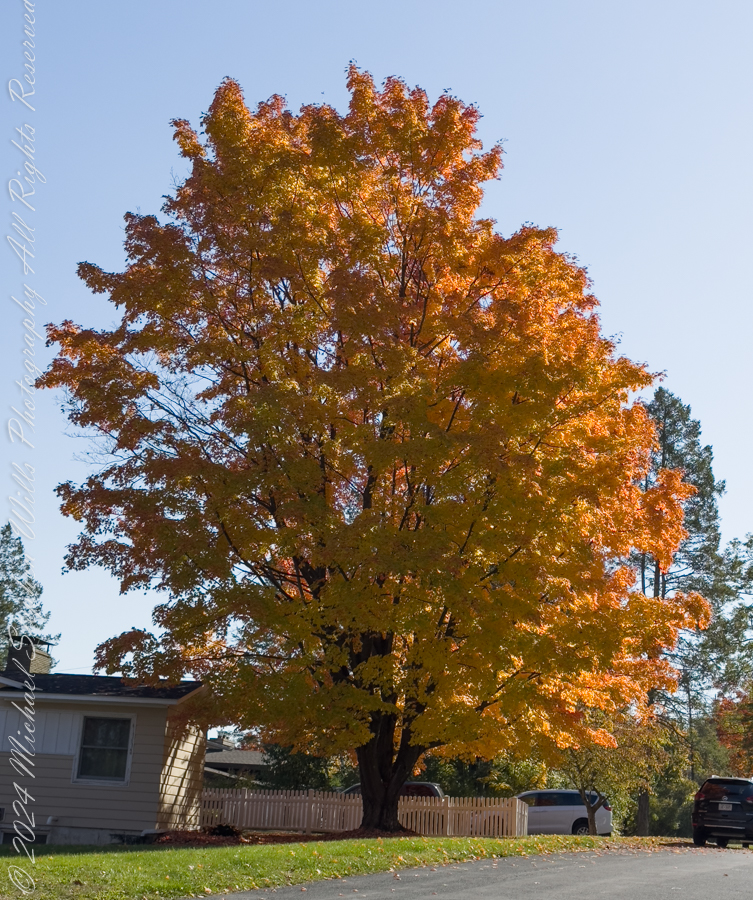
On the drive home I paused to admire a neighbor’s maple tree’s full autumn glory.

Enter your email to receive notification of future postings. I will not sell or share your email address.

New Beginnings

Embark on a photographic journey with me, armed with a Canon EOS 5D Mark IV and a keen eye, as we navigate the challenges and beauty of Taughannock Falls. Experience the blending of history and art through my lens, capturing nature’s grandeur and the legacy of the land. Join me in this adventure.

Continue reading “New Beginnings”

Winter People Watching

Happy New Year’s Eve

Continue reading “Winter People Watching”

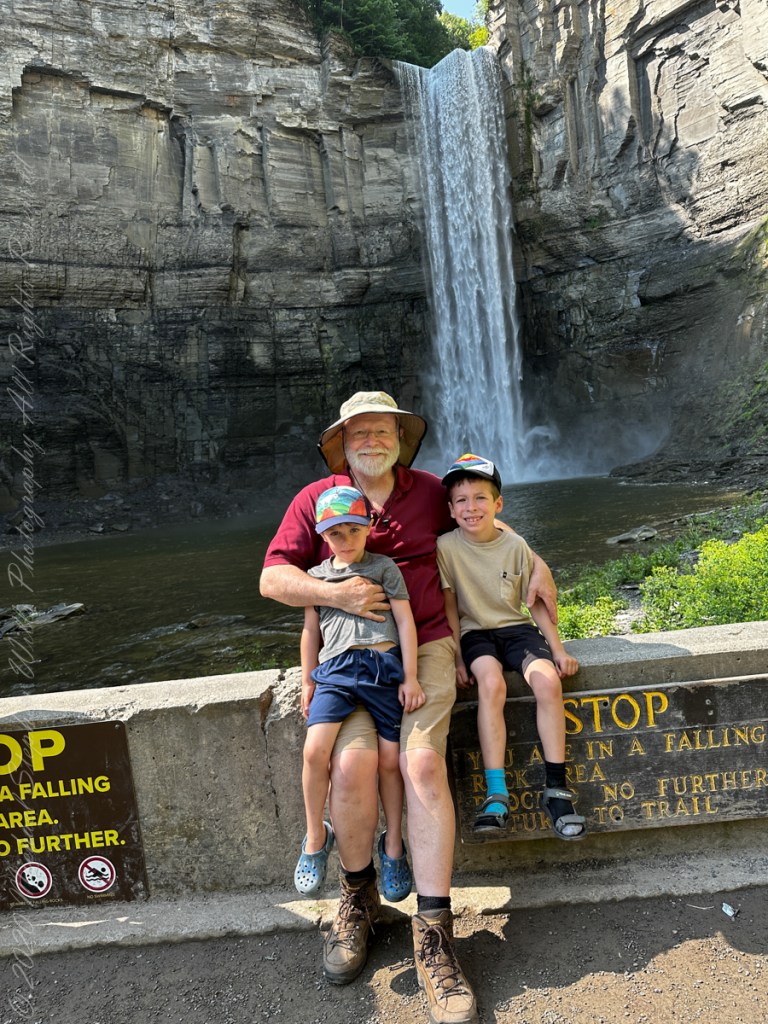
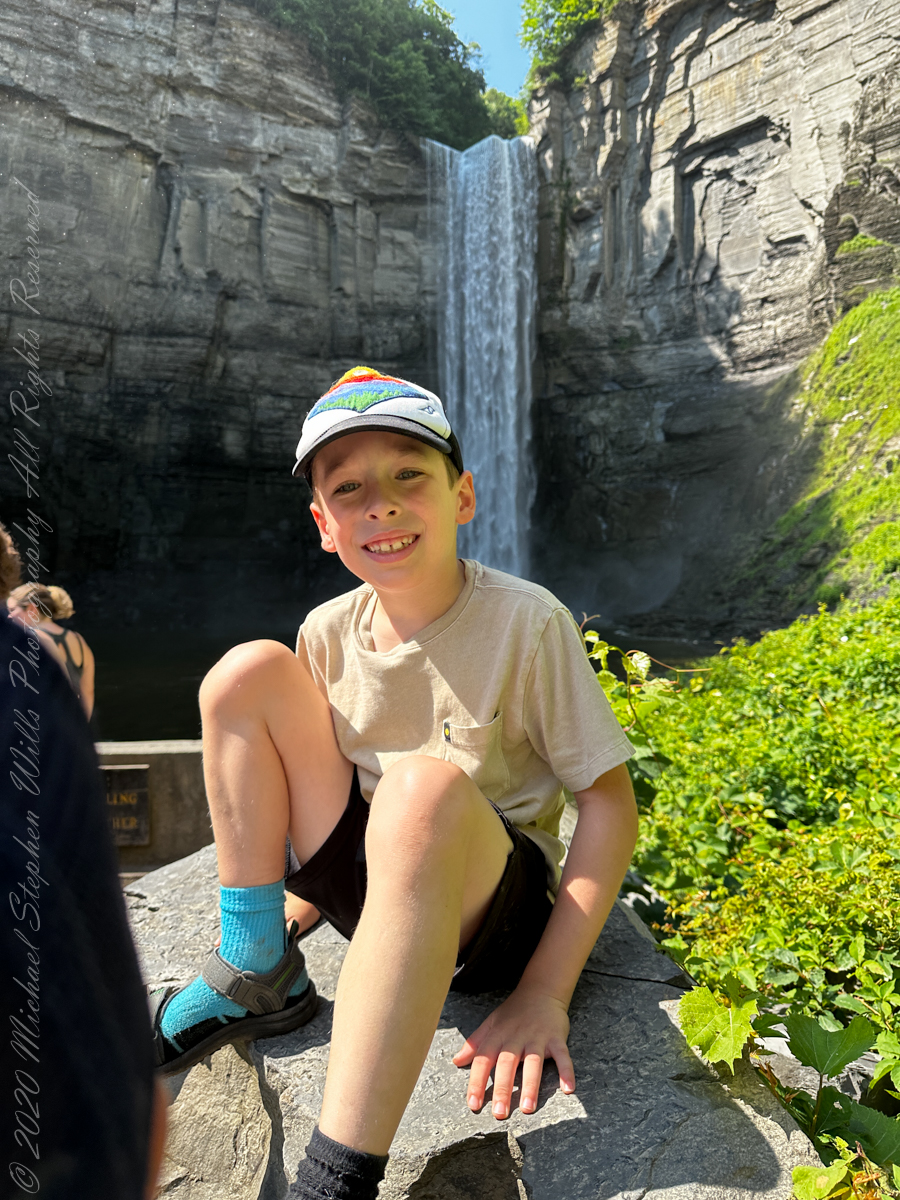
Taughannock Gorge with the kids – part 2

Several possible sources have been proposed for the name Taughannock, all of which describe Native American origins. One translation suggests that the name is derived from a combination of Iroquois and Algonquin terms meaning “great fall in the woods”.  An alternate theory suggests that the name may refer to a Lenni Lenape (Delaware) chief named Taughannock who died near the falls during a battle.

A nice lady offered to take the photo….challenged to keep it straight.

During the second half of the nineteenth century, steamboats, railroads and Victorian hotels were built in the region to serve tourists who traveled to view the falls. By 1925 the hotels were failing due to a decline in tourism, and New York State began acquiring land to form a park.

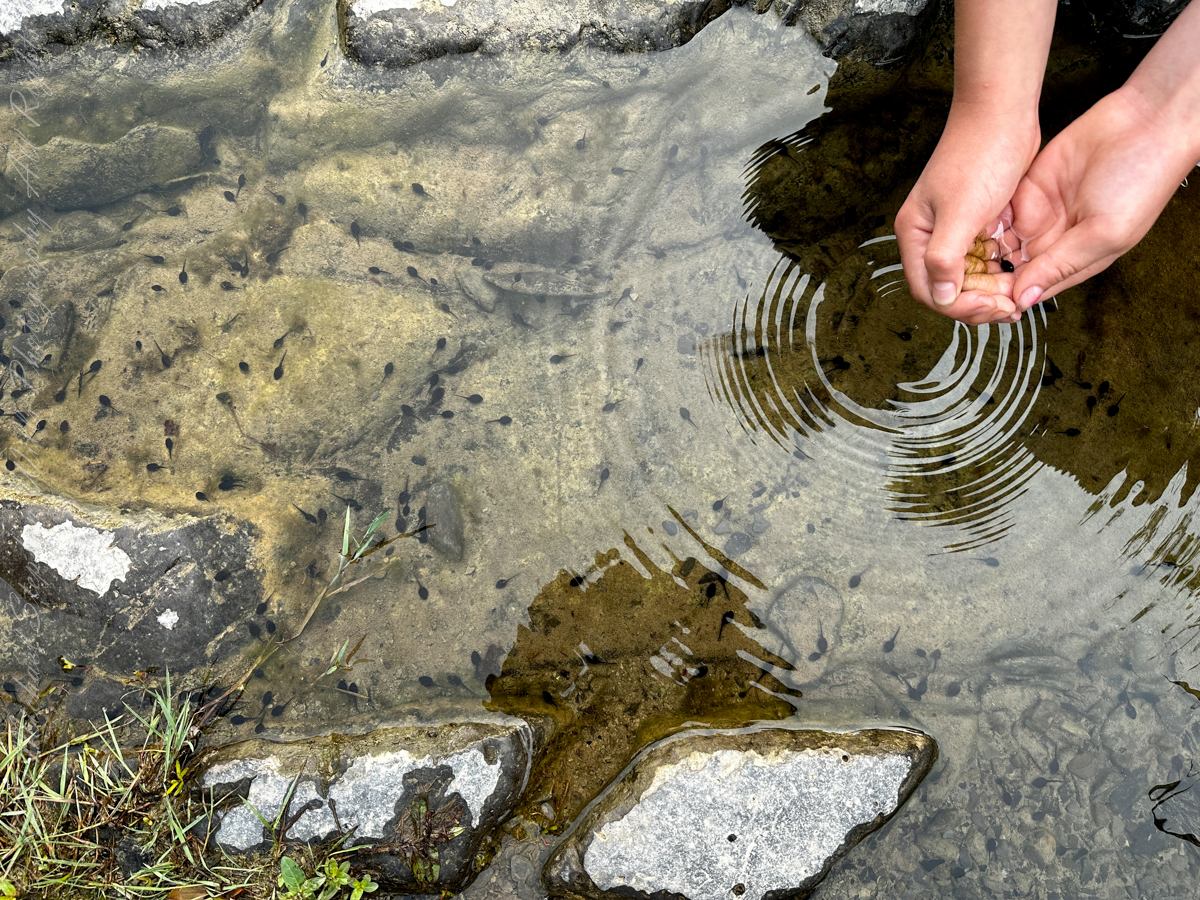
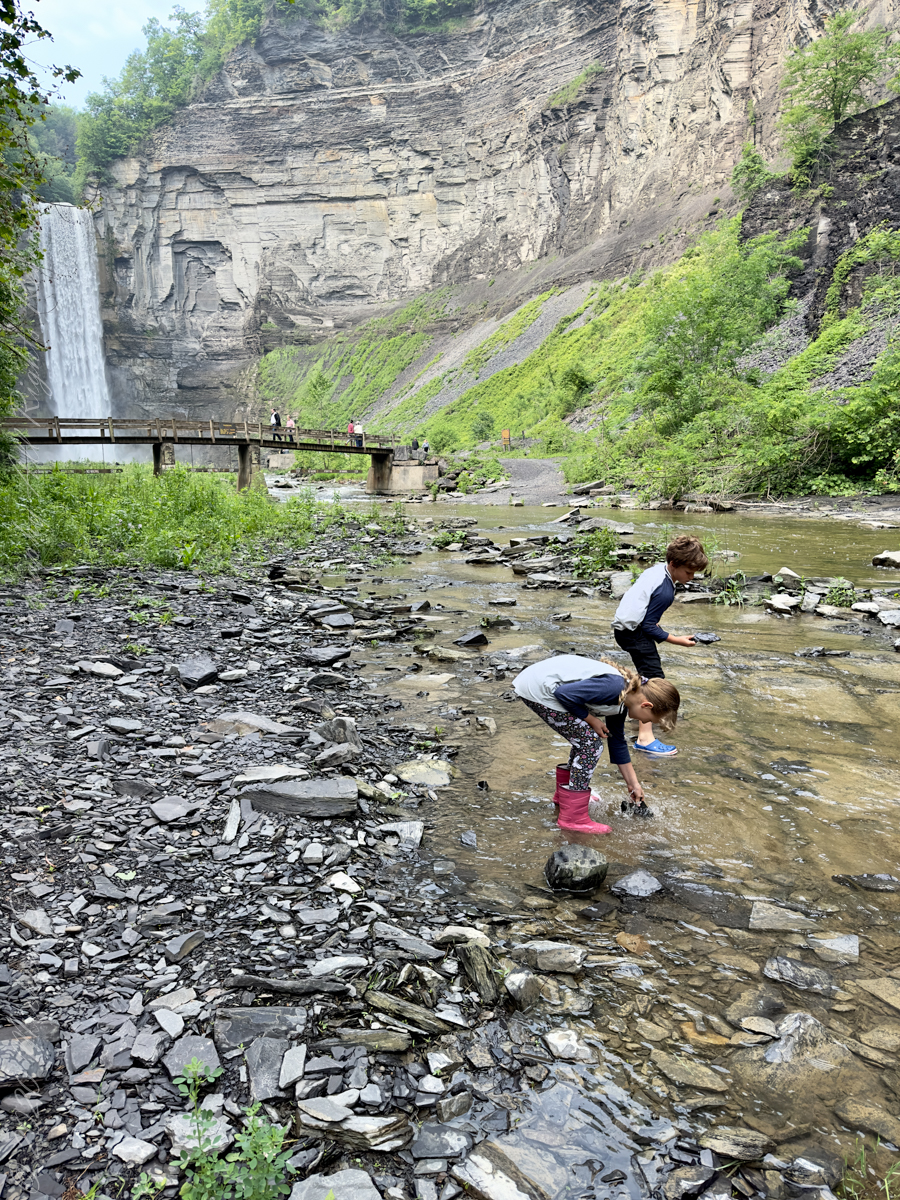
Pollywogs!! Catch and release

J.S. Halsey built a two and a half story hotel in 1850, known variously as the Cataract Hotel or Taughannock House (or simply as Halsey’s Hotel) at the Taughannock Falls Overlook.

Visitors could reach the hotel by taking a train to Cayuga Lake, take a steamboat across the lake to Goodwin’s Point, then finally board a stagecoach to reach the hotel. The hotel site today is the location of the park visitor center and parking lot.

Enjoy!!

Taughannock Gorge with the kids

and ice cream!!

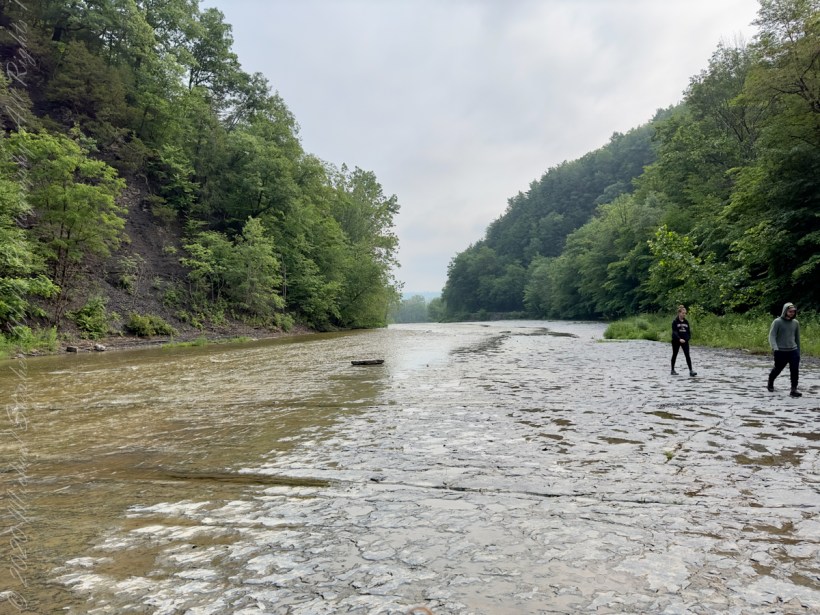
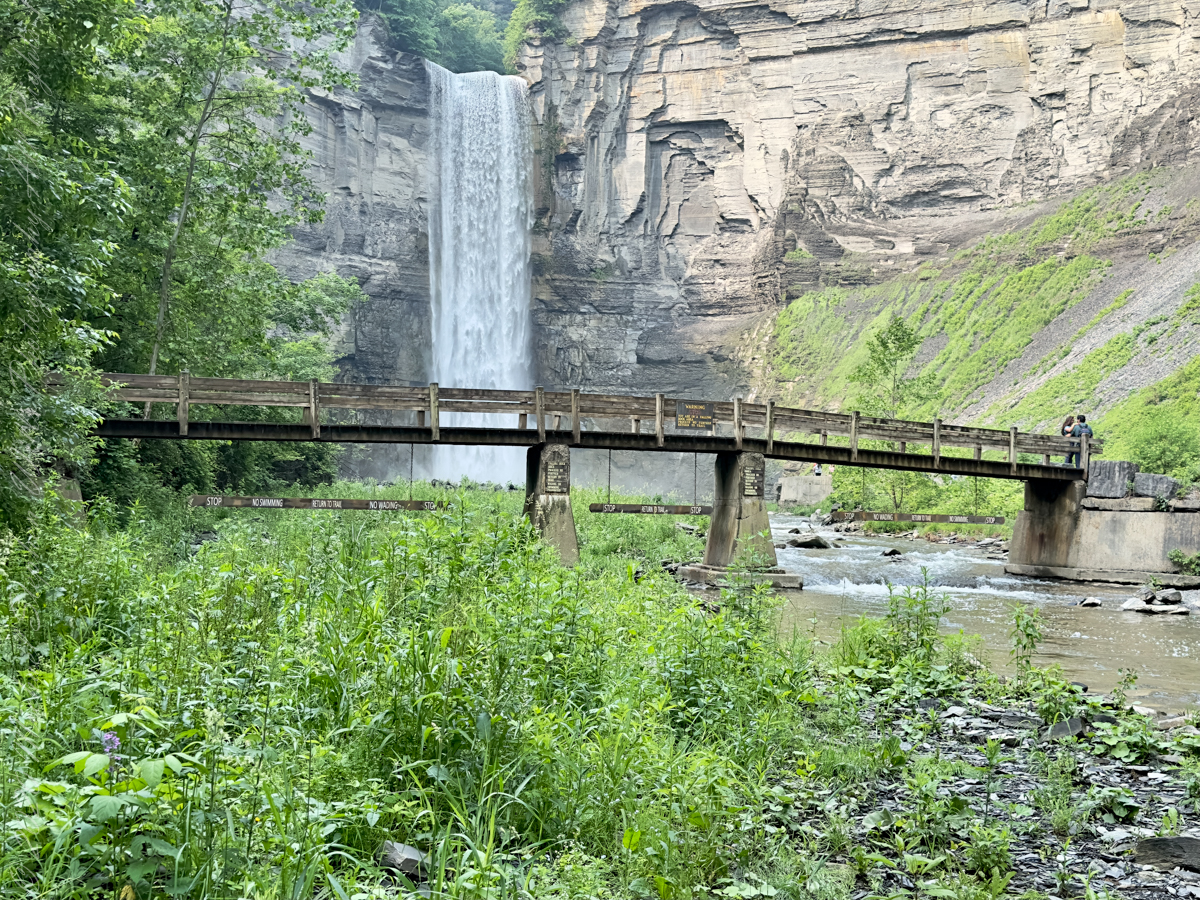
The waterfall and gorge comprise an example of a hanging valley, formed where Taughannock Creek’s stream-carved valley meets the deeper glacially carved valley that contains Cayuga Lake.

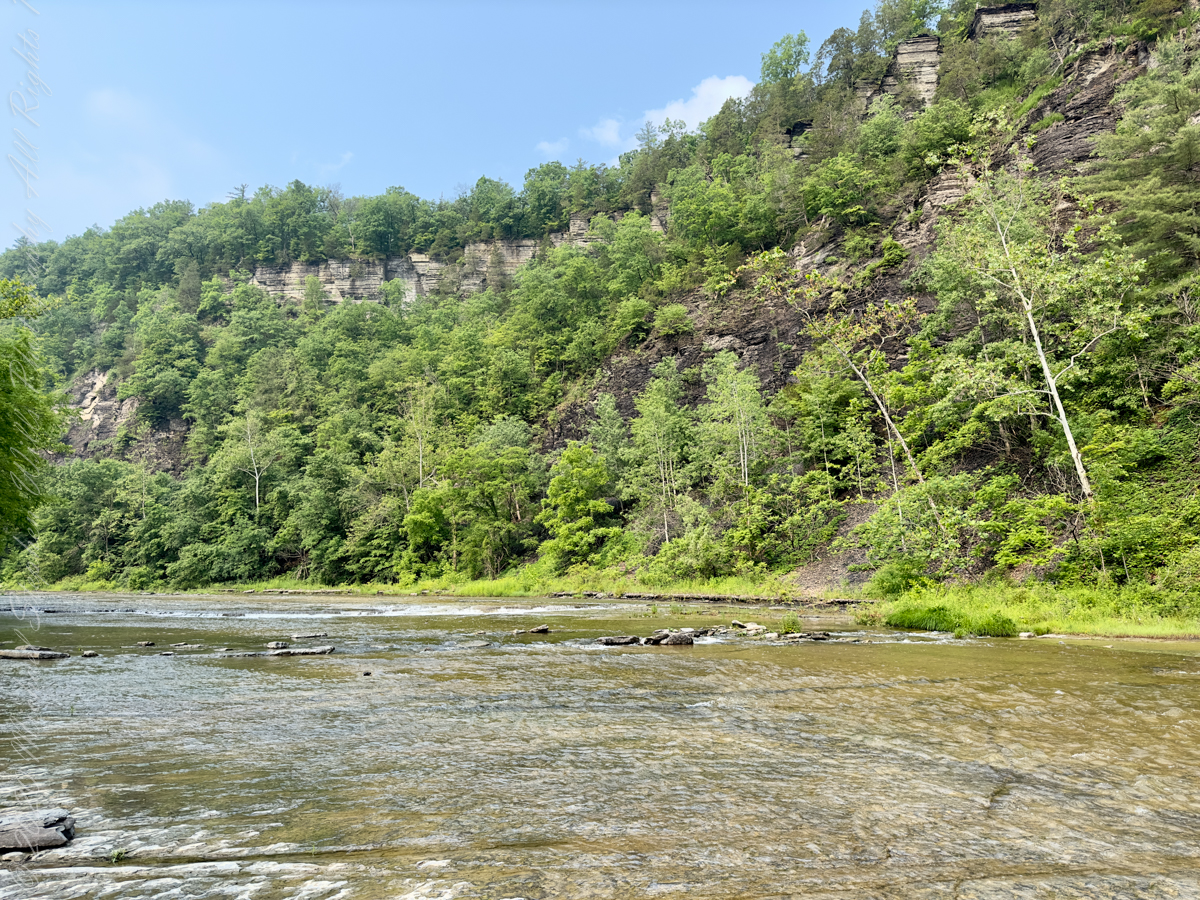
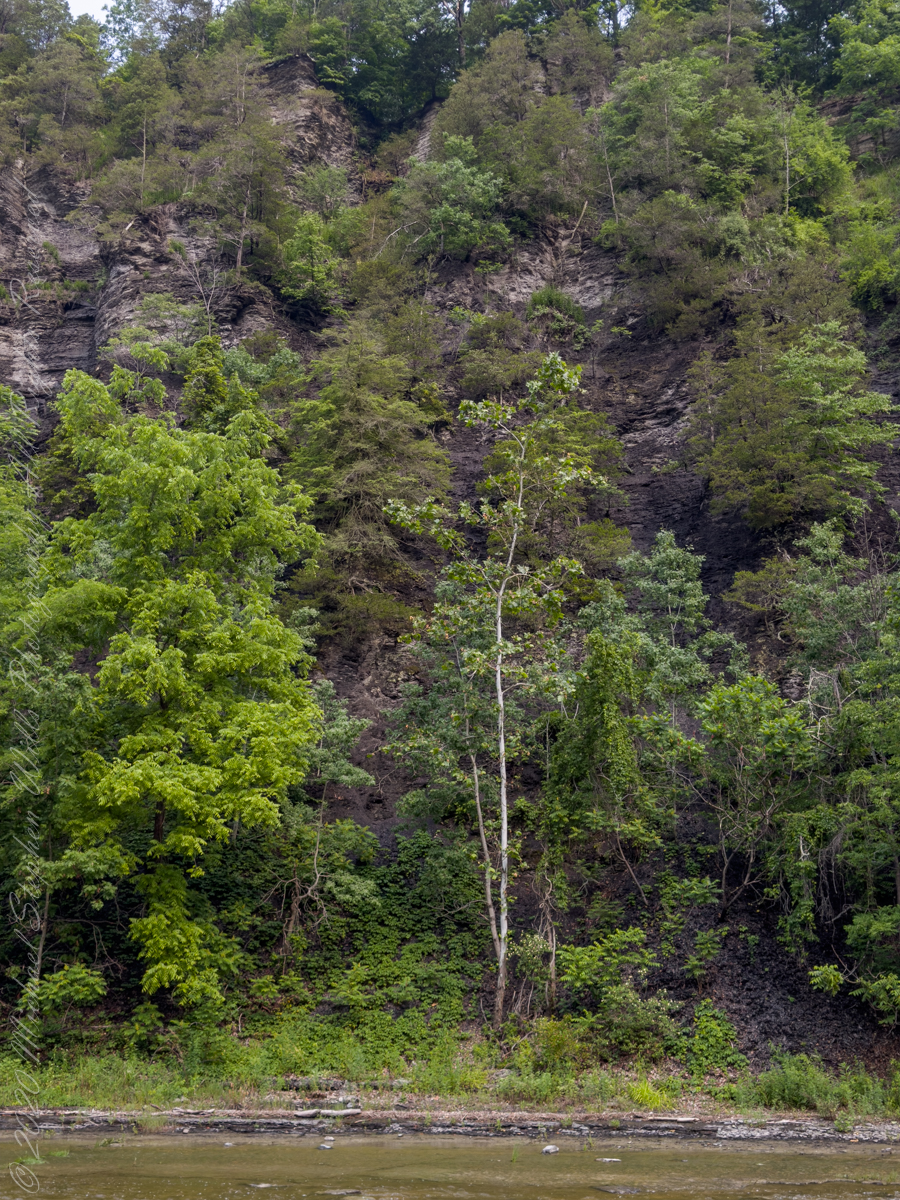
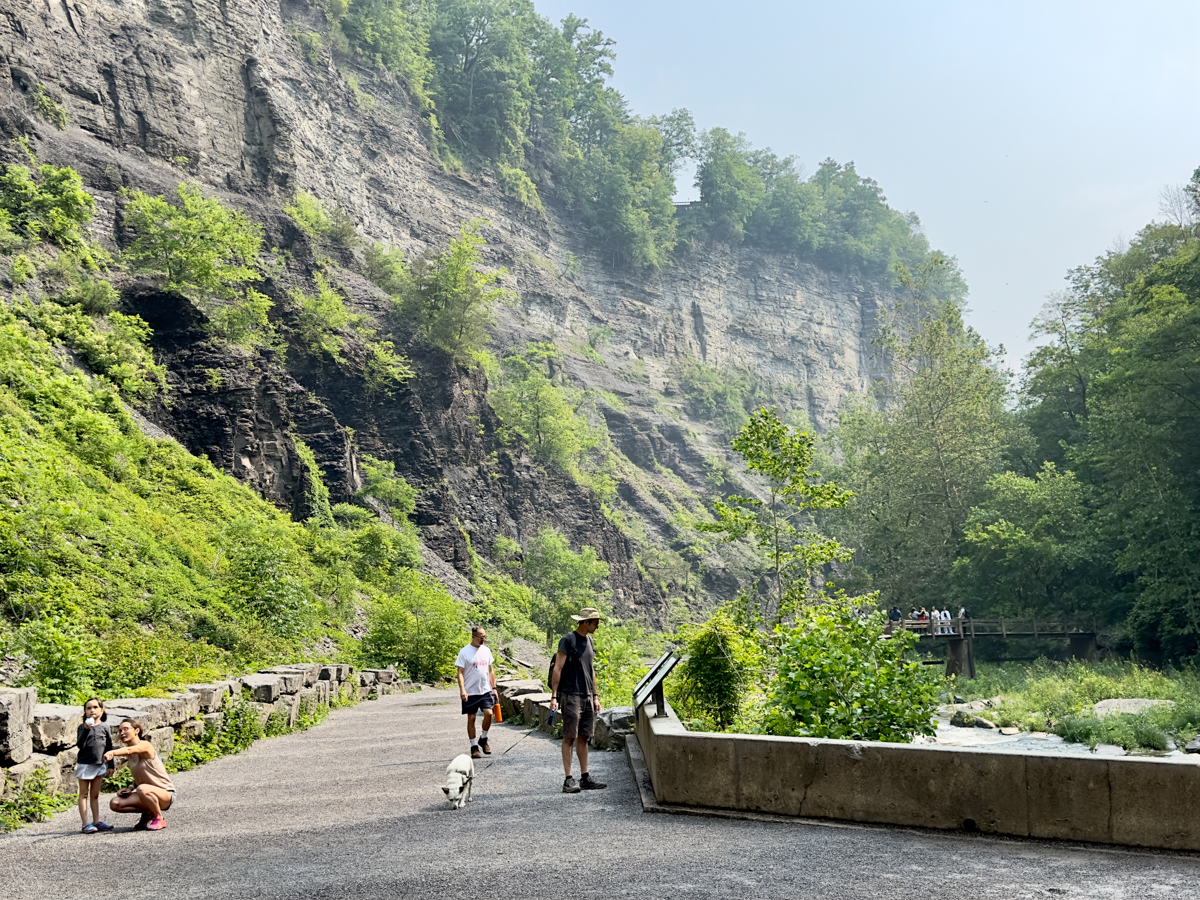
The gorge has continued to retreat westward from Cayuga Lake as easily eroded shale near the fall’s base is worn away by the stream, which supports erosion-resistant siltstone and sandstone found in the upper portions of the gorge.

Pollywogs!! Catch and release

Annual freeze and thaw cycles also act upon small faults in the rock, causing large sections to occasionally break away, further expanding the gorge.

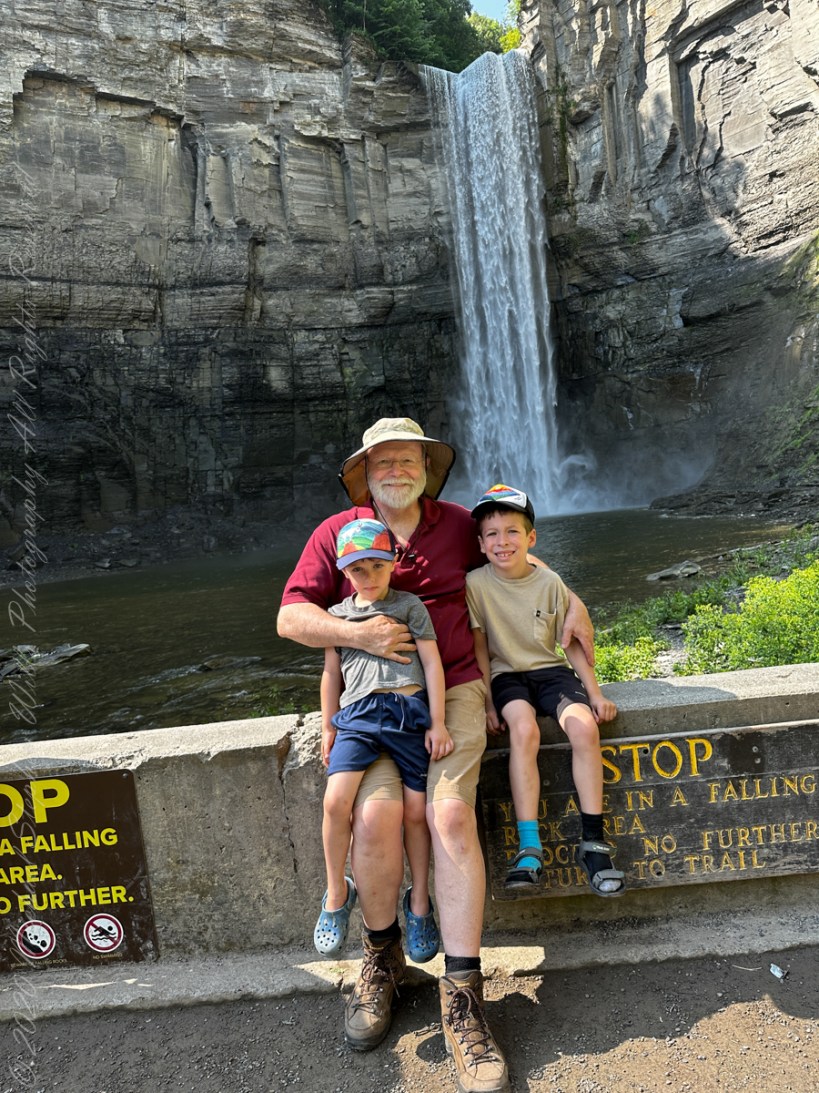
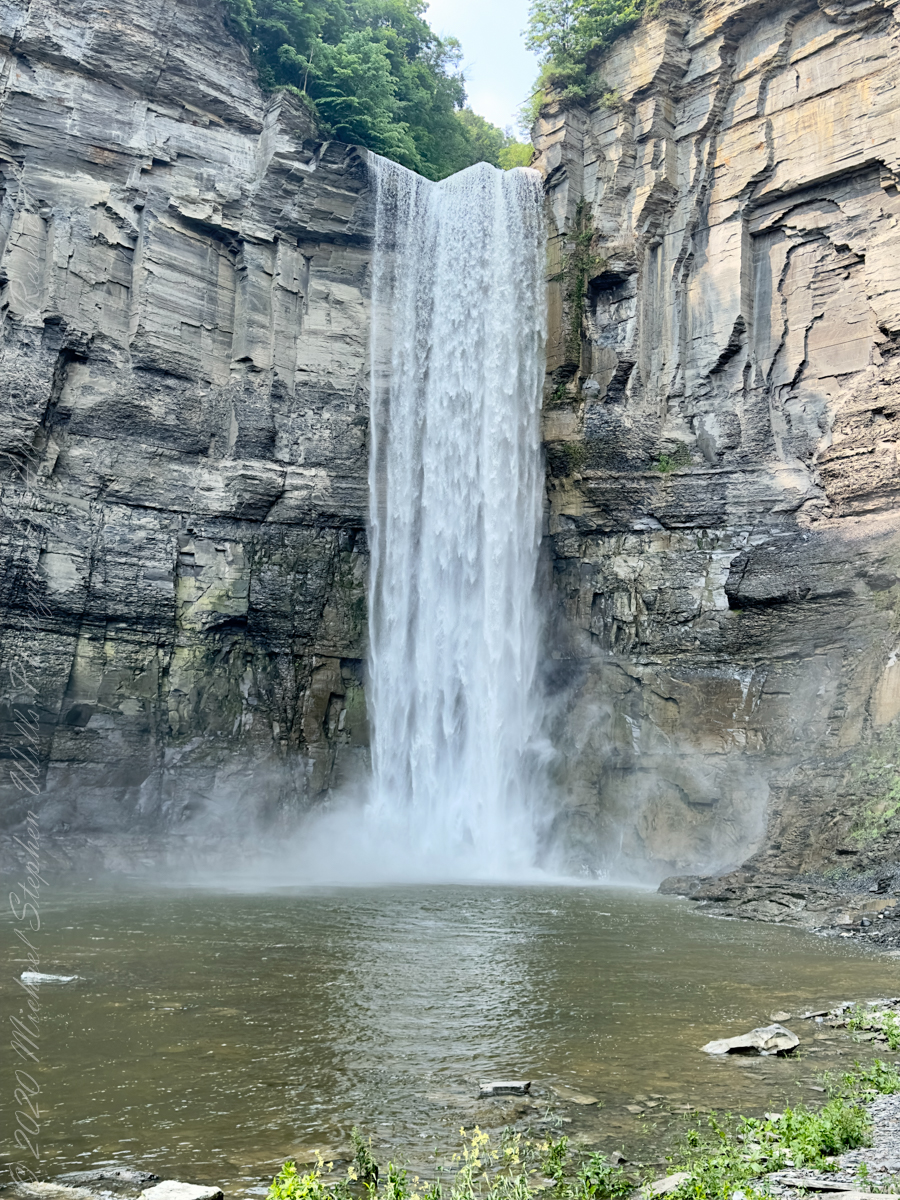
Taughannock Falls’ main cataract is a 215-foot drop (66 m), making it 33 feet (10 m) taller than Niagara Falls. It is the tallest single-drop waterfall east of the Rocky Mountains. The waterfall is located along Taughannock Creek, which flows through a long gorge with cliffs up to 400 feet (120 m) high.

Enjoy!!

First Day

Spring Equinox

Thank You for exploring with me the South Rim trail of Taughannock Falls State Park on this first day of Spring 2023.

Photographs with video from this walk, with nature sounds and music in 4K HD
Click photograph for a larger view. To do this from WordPress Reader, you need to first click the title of this post to open a new page.

Click me for another Taughannock post, “Cuteness Break.”