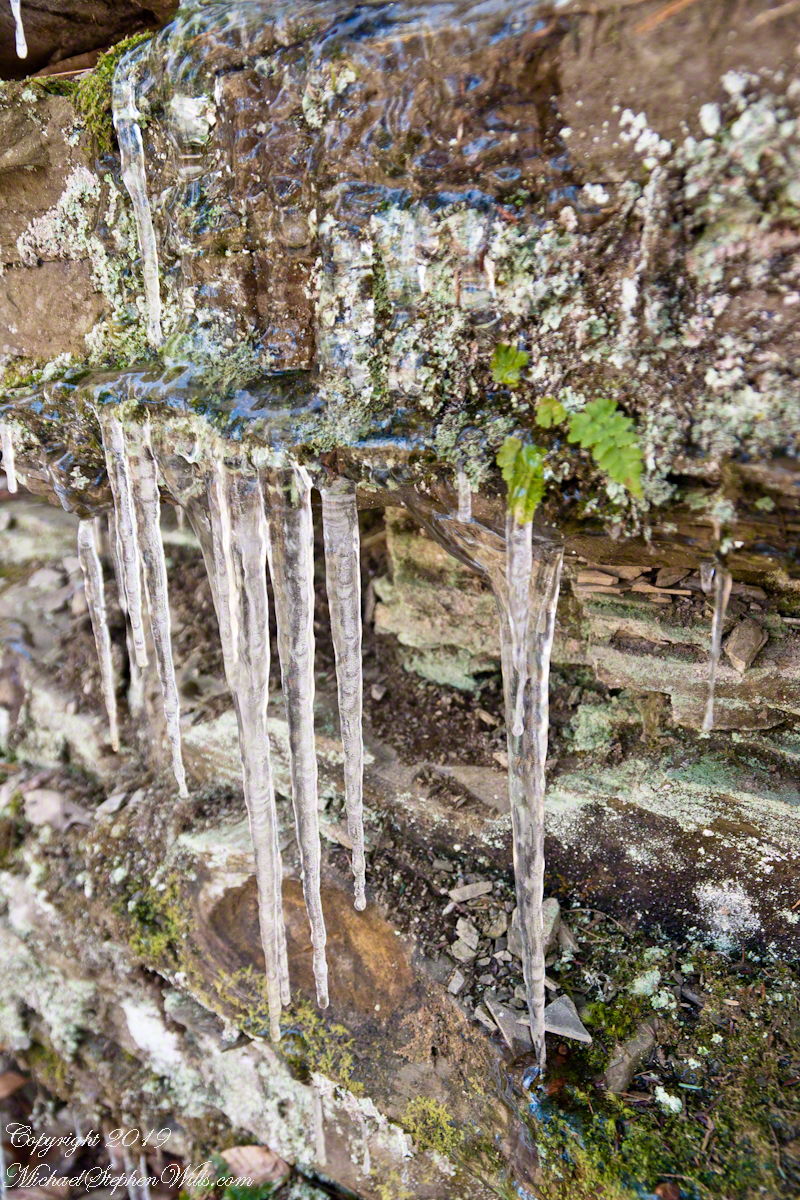
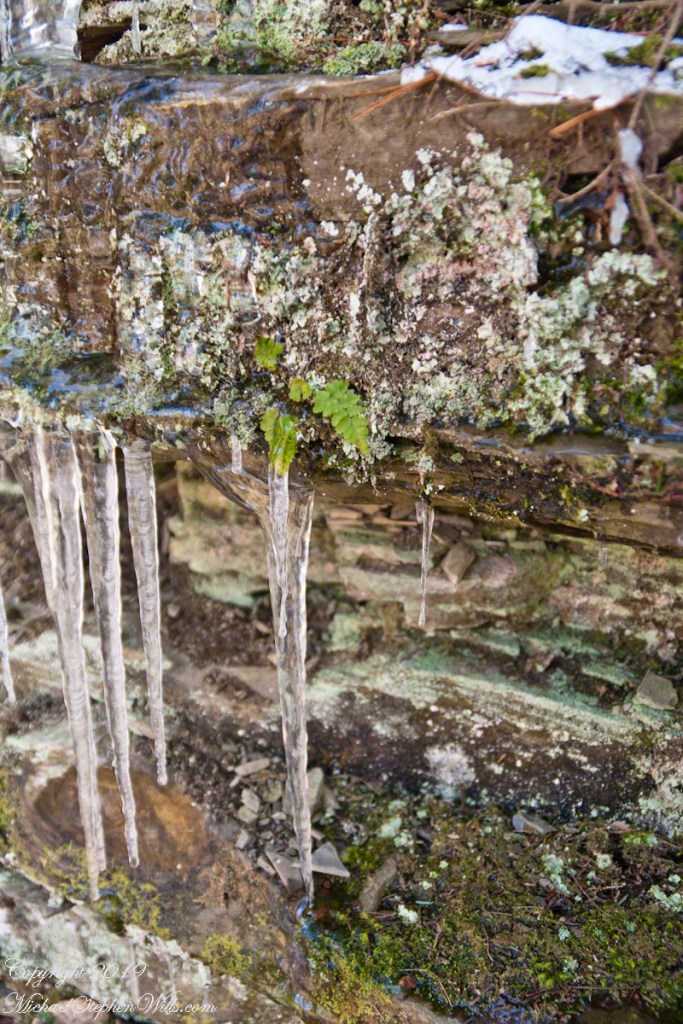
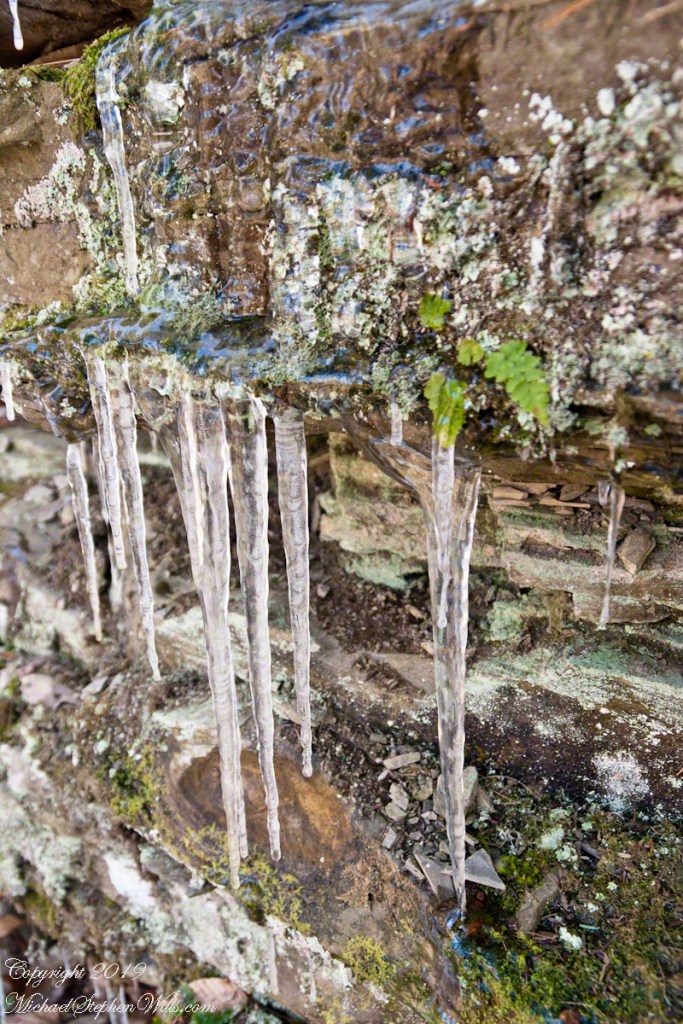
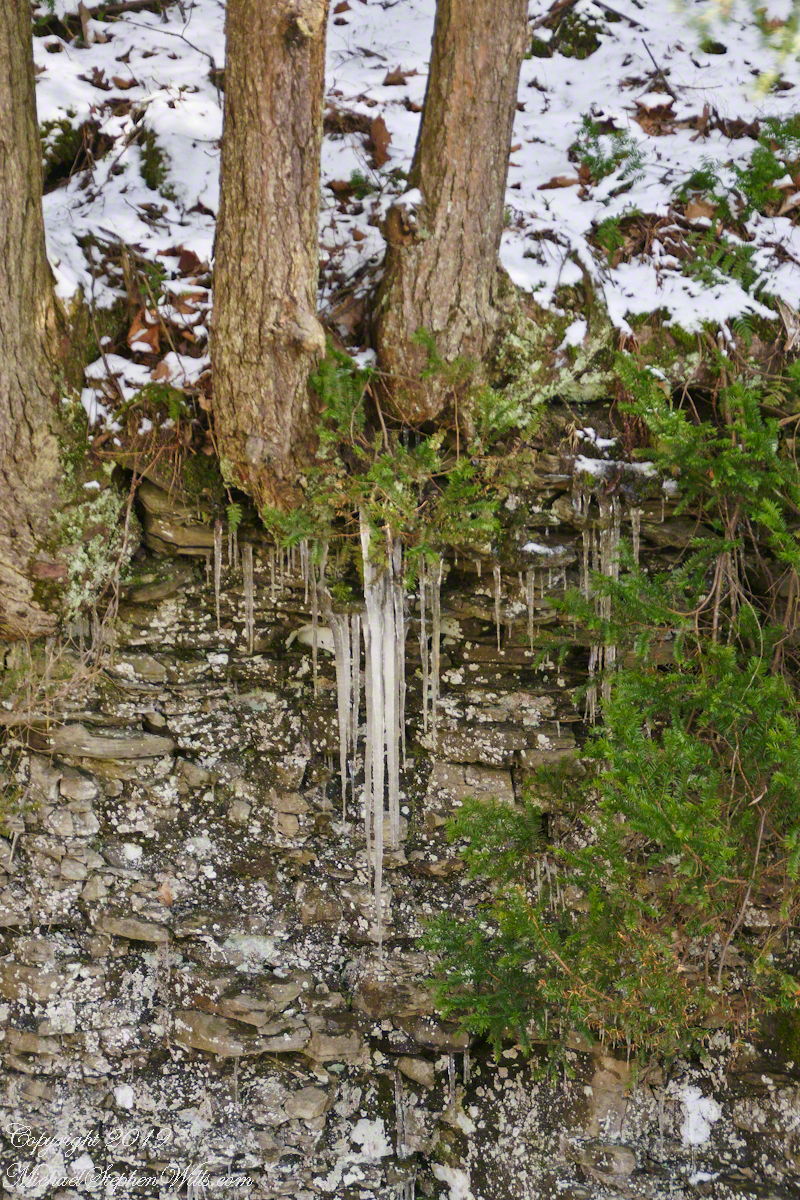
Water drips steadily from seeps, places water follows hidden cracks to emerge from the darkness. In warm seasons these may be a patch of moisture enabling the growth of ferns, only becoming evident when air is cold enough to freeze slowly running water.
Click photograph for a larger view. To do this from WordPress Reader, you need to first click the title of this post to open a new page.
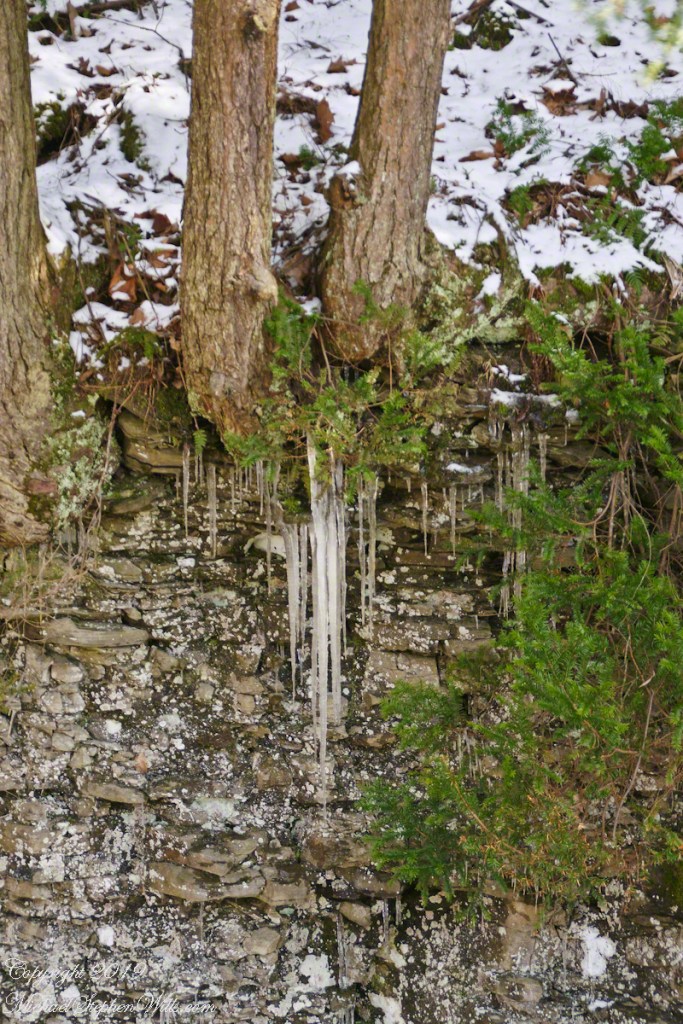
Rim Trail icicles with lichen, moss and fern.
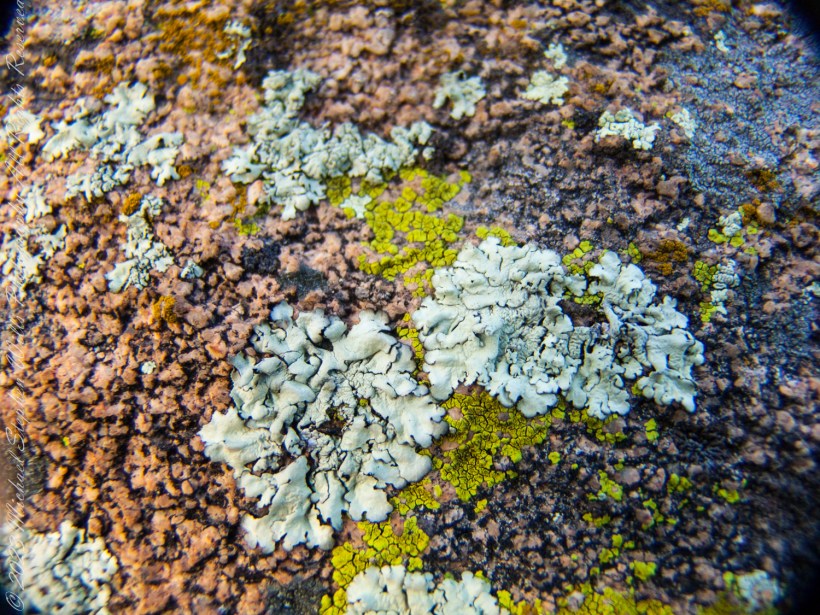
These macros capture the Moss, Fern and Lichen. These thrive in this environment.
These shots were hand held. I used a Sony Alpha 700 dslr with a variable “zoom” lens, great for framing compositions.
Robert H. Treman New York State Park.
Click for a slideshow of this Waterfall of the Old Mill sequence
Falls by the Old Mill, early springPlace where Fish Kill was harnessed to power the Old Mill Fish Kill Waterfall at the Old Mill. Sedimentary WallsIcicles hang over Fish KillRim Trail AscentRim Trail iciclesRim Trail icicles with lichen, moss and fern.This macro captures the Moss, Fern and Lichen. These thrive in this environment.
Copyright 2024 All Rights Reserved Michael Stephen Wills
Step into an early spring morning where sudden frosts adorn the Waterfall by the Old Mill with fleeting icicles, capturing nature’s delicate balance between freeze and thaw.
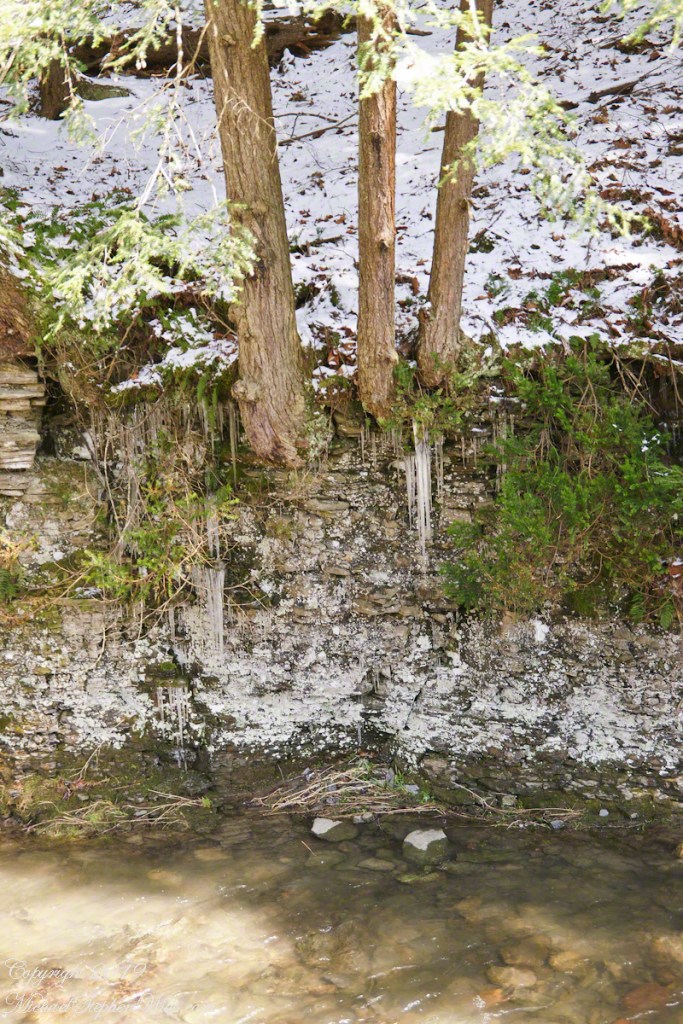
New icicles formed overnight from seeps through the sedimentary walls around the Waterfall by the Old Mill. On an early spring day, after a sudden frost, we walked the Rim Trail to capture the moment.
Here icicles formed during the quick April freeze hand above Fish Kill. Kill is an old Dutch word for creek.
Click photograph for a larger view. To do this from WordPress Reader, you need to first click the title of this post to open a new page.
Sedimentary Walls
Here a mix of frost and lichen mottle the rock layers.
These shots were hand held. I used a Sony Alpha 700 dslr with a variable “zoom” lens, great for framing compositions.
Robert H. Treman New York State Park.
Click for a slideshow of this Waterfall of the Old Mill sequence
Falls by the Old Mill, early spring
Copyright 2024 All Rights Reserved Michael Stephen Wills
Join me on a frost-kissed journey along the Rim Trail, capturing the transient beauty of falls freed from winter’s grip, where nature’s power remains untamed and vividly alive.
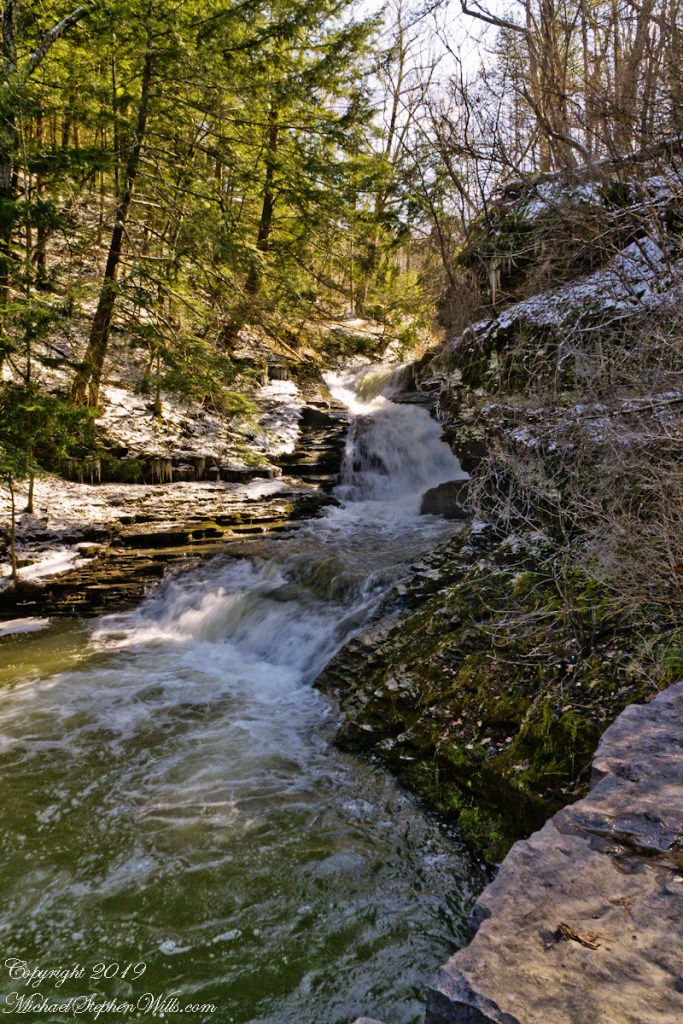
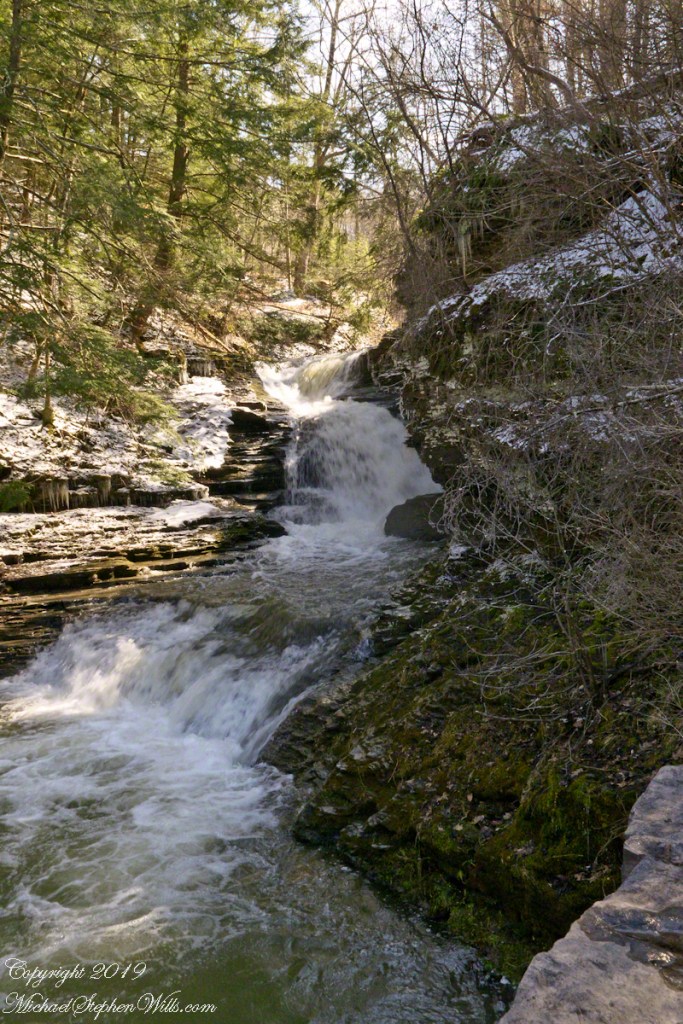
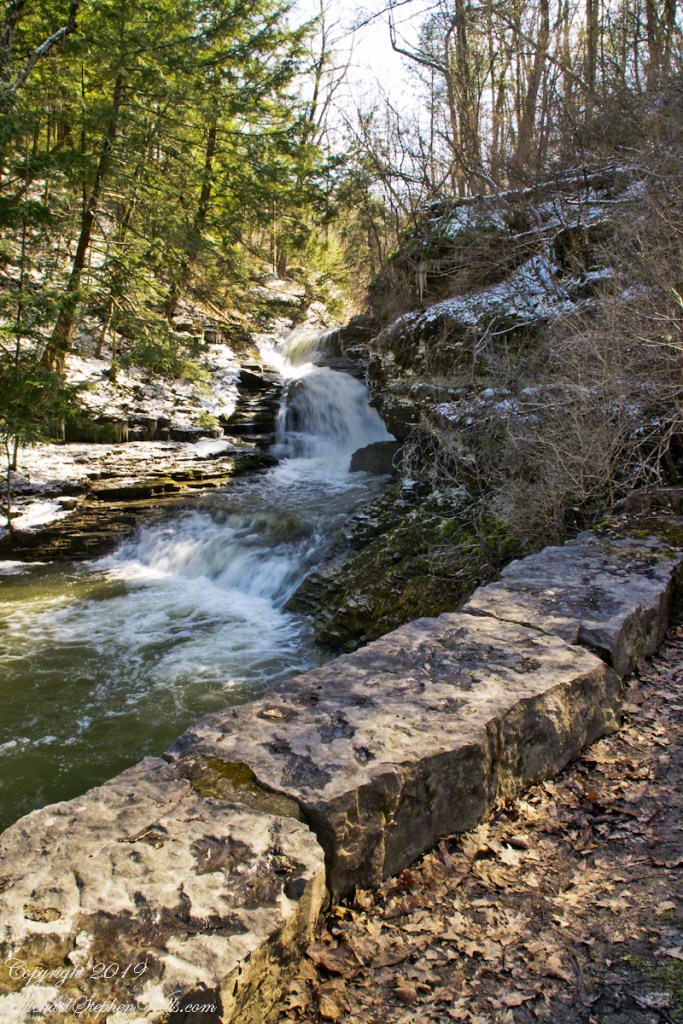
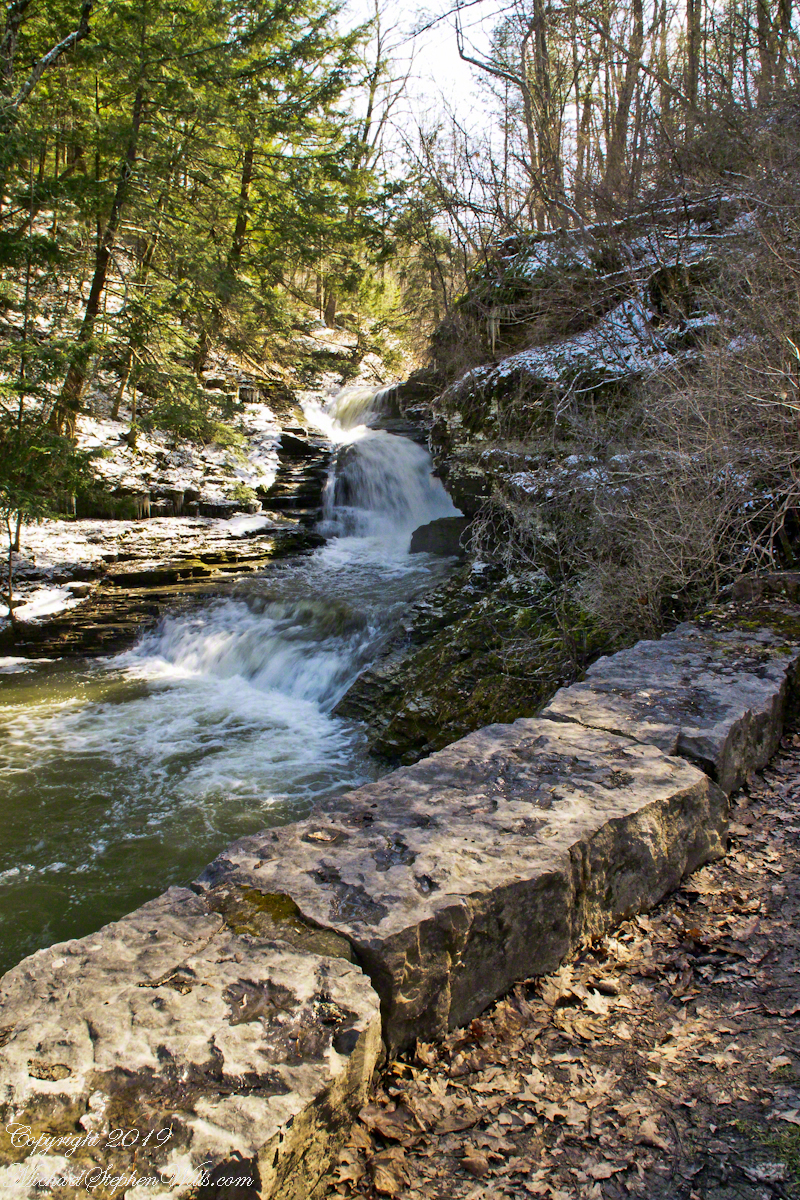
A day the falls run free of ice. On an early spring day, after a sudden frost, we walked the Rim Trail to capture the moment. Here are three captures of the same waterfall, the first visitors to the upper park encounter and the most visited and photographed right off the parking area.
Fish Kill was captured at this point to provide power to grind grain. Today neither nature nor man control the flow. Kill is the old Dutch word for creek.
Click photograph for a larger view. To do this from WordPress Reader, you need to first click the title of this post to open a new page.
Falls by the Old Mill, early spring
I have never counted the waterfalls from this one to the grand sweep of lower falls. The falls are uncountable because no two people could agree on how small a fall to credit.
Of these three versions, i prefer this one for the foreground inclusion of the enormous limestone blocks set to protect visitors from the drop. This scene is challenging photographically, bifurcated as it is by the bright sun over the fall brink. I prefer to shoot these falls early morning, for this reason, before the sun illuminates the area at all. Long exposures required demand a rock solid tripod, as it is just off the parking lot I use my studio Manfrotto for the work. Here all shots were handheld.
I used a Sony Alpha 700 dslr with a variable “zoom” lens, great for framing compositions.
Robert H. Treman New York State Park.
Click for a slideshow of this sequence of the Waterfall of the Old Mill
Copyright 2024 All Rights Reserved Michael Stephen Wills
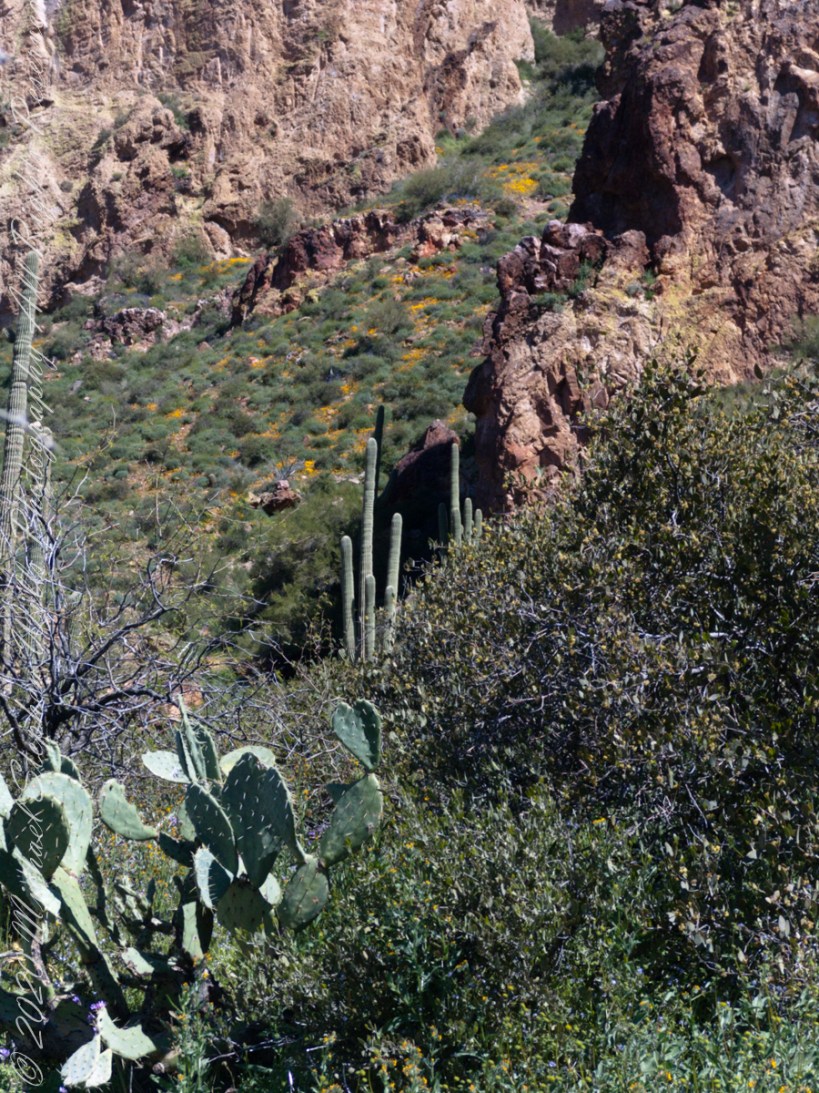
Discover a timeless world through my lens: delve into Arizona’s Rincon Wilderness, where lichens and hedgehog cacti narrate Earth’s enduring, untold story. Join me.
Step into the ancient world of Neolithic monuments and discover the astounding astronomical knowledge of our ancestors. Explore the Newgrange Lightbox in Ireland and similar marvels across Europe, revealing a deep connection between ancient peoples and the cosmos. Join me in unveiling these architectural wonders.
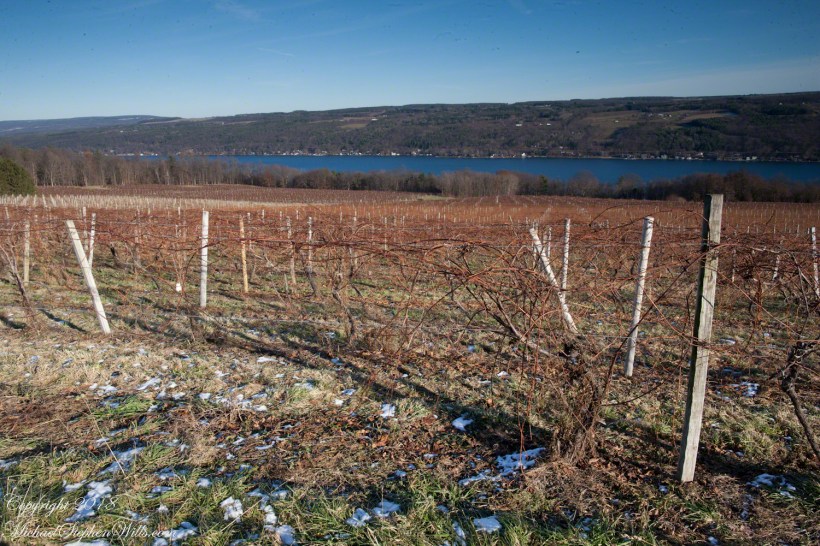
Pam and the author visited Dr. Frank Winery on Keuka Lake’s west side, observing how local environment and genetics, particularly epigenetics, influence vine growth. The west side has more sunlight exposure, due to geological conditions creating a microclimate favorable to the vines.
Step into the heart of the Sonoran Desert with me, where the saguaro cactus stands as a timeless giant, a symbol of resilience and beauty. This majestic sentinel of the Southwest is not just a plant; it’s a vibrant ecosystem and a cultural icon, embodying the spirit of endurance. Let’s explore its centuries-long journey, its role as a haven for desert wildlife, and its deep significance to the indigenous peoples. Join me in celebrating the saguaro’s enduring legacy, a narrative of survival and the profound beauty of life in the harshest conditions.
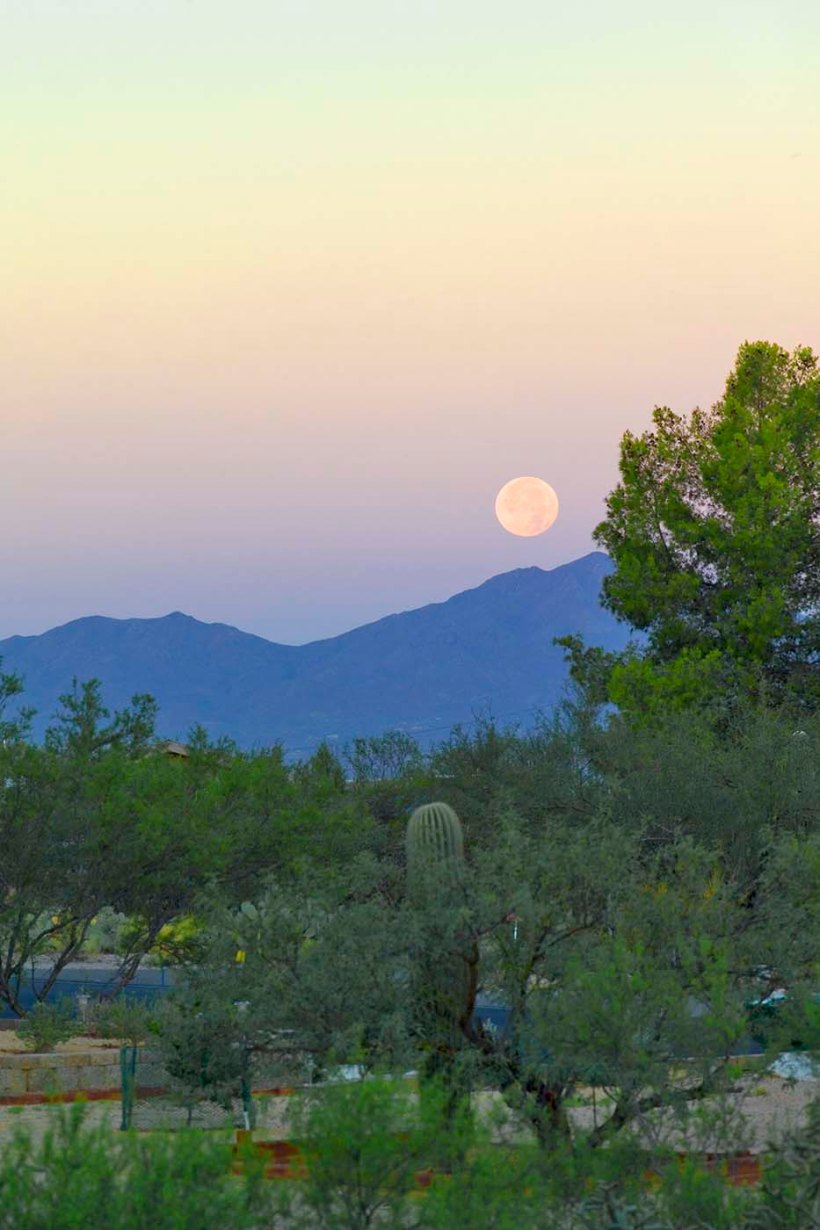
Join me in exploring the depths of “Hamlet,” where the phrase “revisits thus the glimpses of the moon” unveils a world where the supernatural meets the mysterious moonlight. Let’s unravel this imagery together, reflecting on life’s transient beauty, seeking understanding, and contemplating the cycles of change under the moon’s spell.