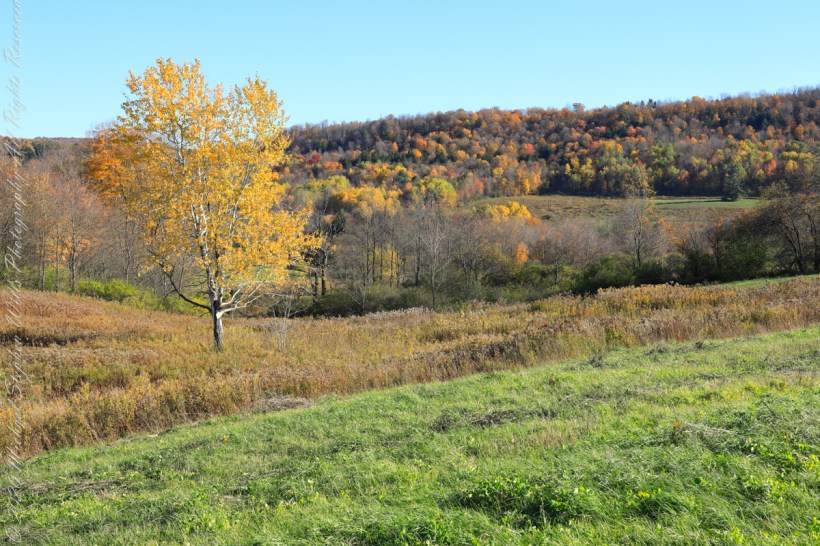
Three Autumn Views

Driven Wells in Cortland County

For this series I travelled a short distance south from where Palmer Road intersects with Virgil Road, crossing the border from Tompkins to Cortland County, closer to Carpenter Hill.

In the 19th Century driven wells (also called tube wells) were an innovation developed in Cortland County under the command of a Civil War era Colonel Nelson W. Green who sought for twenty-two years to impose royalties on use of driven wells. I.H. Palmer assisted John W. Sugget, both of Cortland County, in a seminal patent law case they won in U.S. Supreme Court seeking the release from royalty payments from thousands of driven well installations throughout the Eastern and Midwestern United States. Their successful argument was for two years before any patent application, in Cortland County, driven wells were in use. I cannot say Palmer Road has a connection to I.H. Palmer, though it is an interesting historical aside.

View east from Palmer Road across corn stubble. A feeder stream to Virgil Creek is marked by the nearest line of trees, beyond the land rises over the shoulder of Owego Hill.
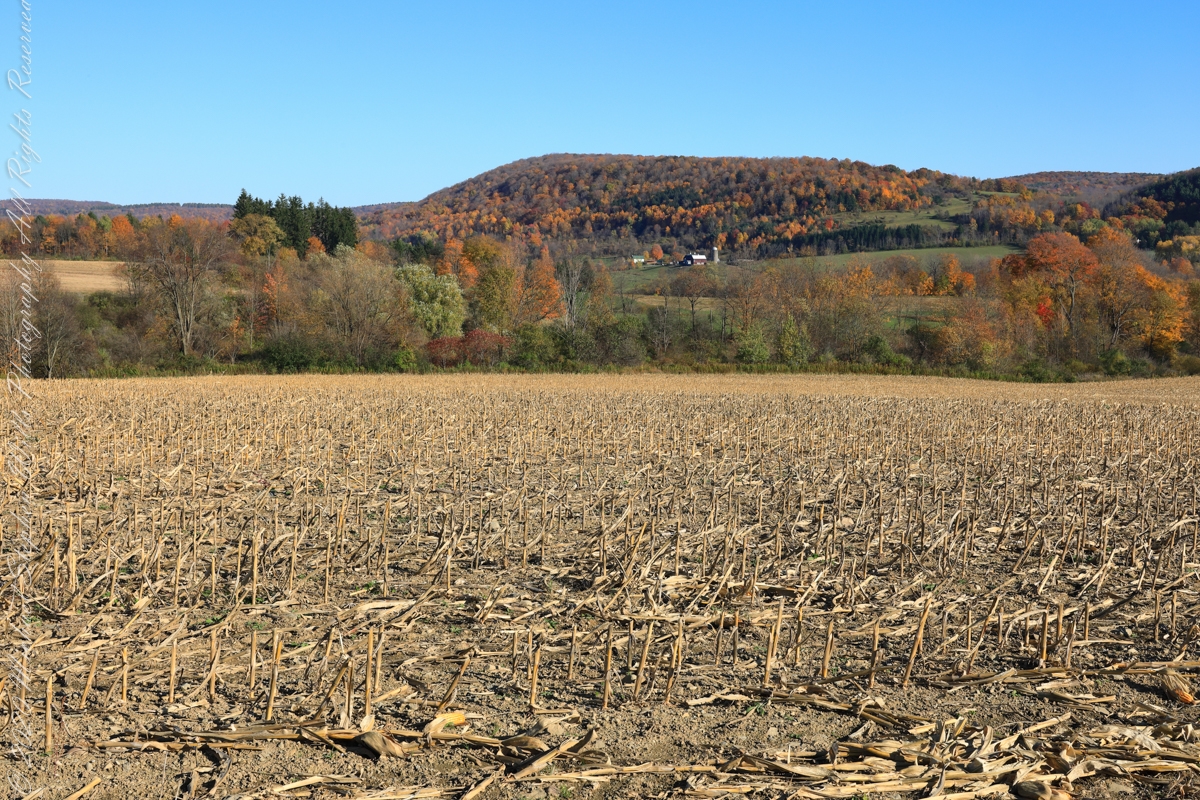
View east/southeast from Palmer Road across corn stubble. A feeder stream to Virgil Creek flows through the first tree line on left with the creek itself in the far trees, center at the foot of Carpenter Hill. The green field at edge of corn stubble is the fallow field of the next photograph.
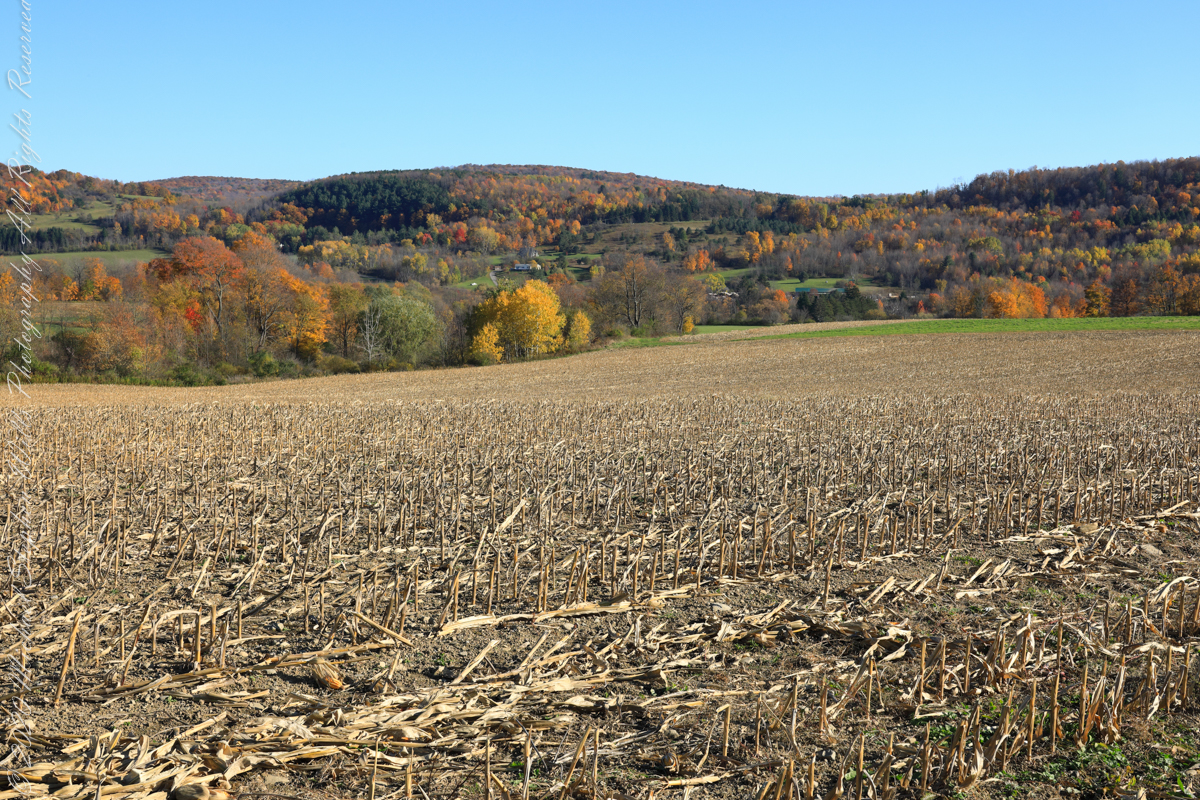
View east/southeast from the east edge of a fallow field along Palmer Road. Looking across Virgil Creek to the slope of Carpenter Hill. Cortland County, New York.
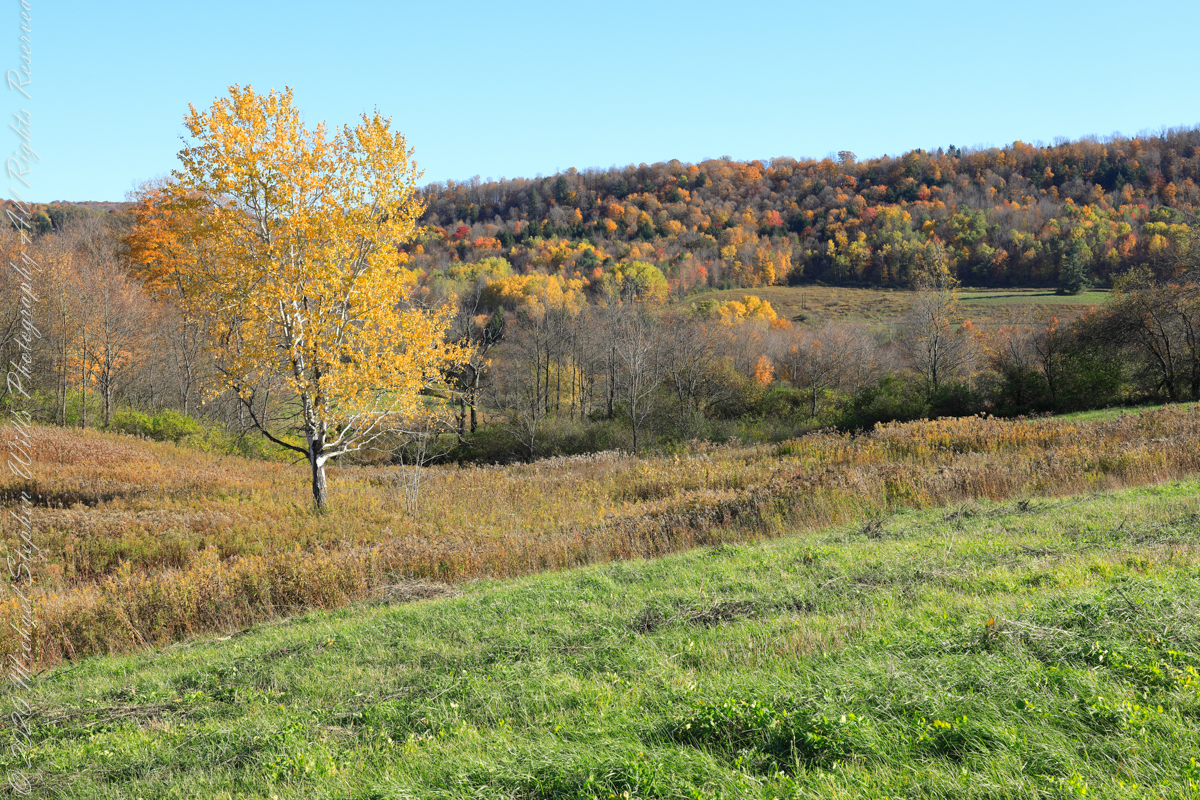
Copyright 2022 Michael Stephen Wills All Rights Reserved

Thank You CCC

Remembered this All Saints Day

Franklin D. Roosevelt’s Tree Army

The United States Civil Conservation Corps (CCC) Camp number SP 33, inaugurated May 1, 1934, Marathon New York, worked four years (1934-1938) to improve Fillmore Glen State Park.

Bridges Five (5) and Six (6)…..

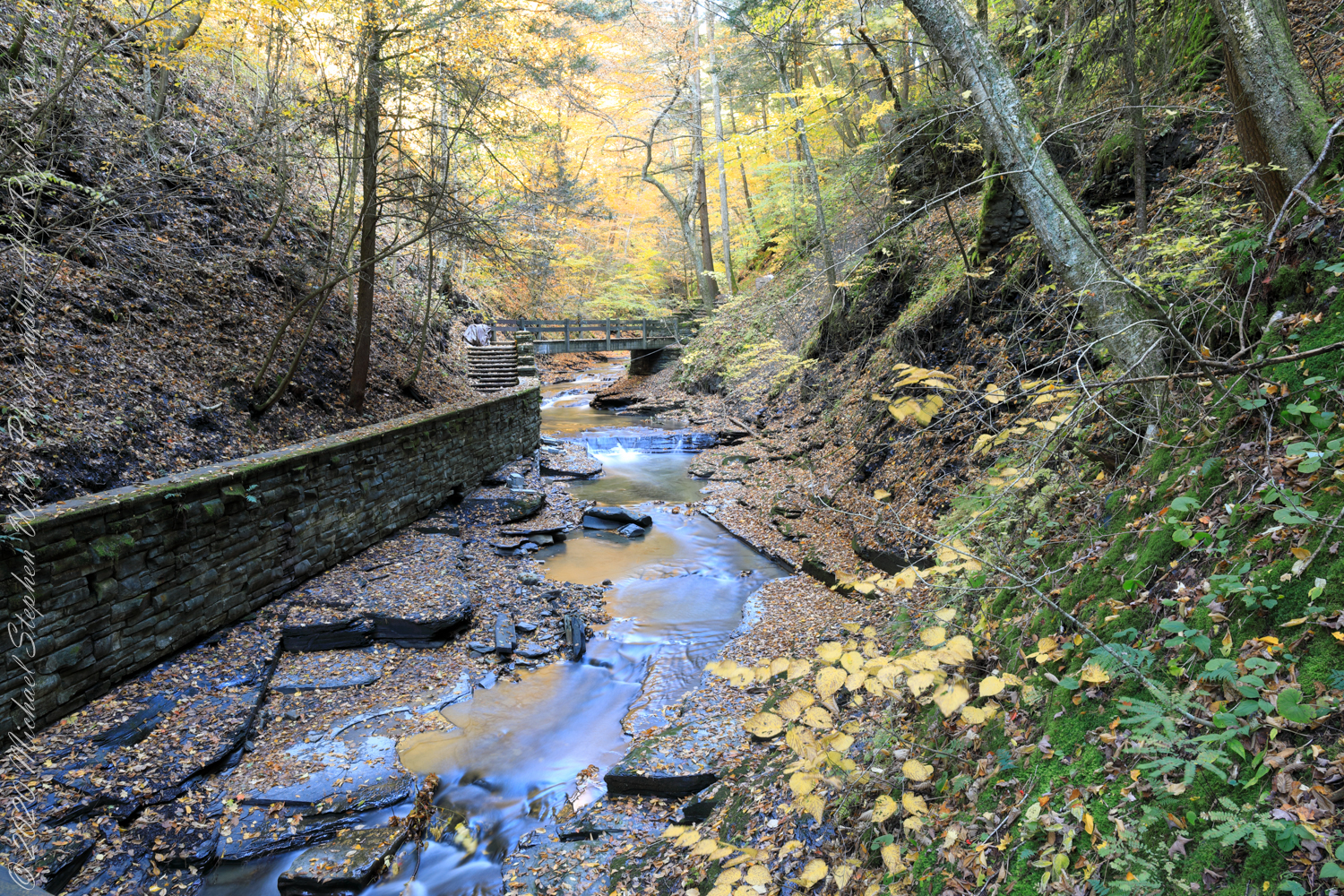
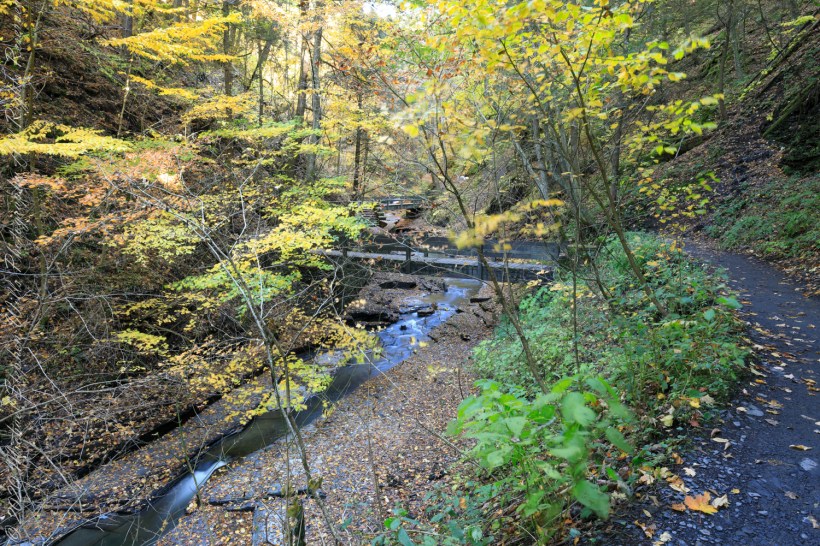
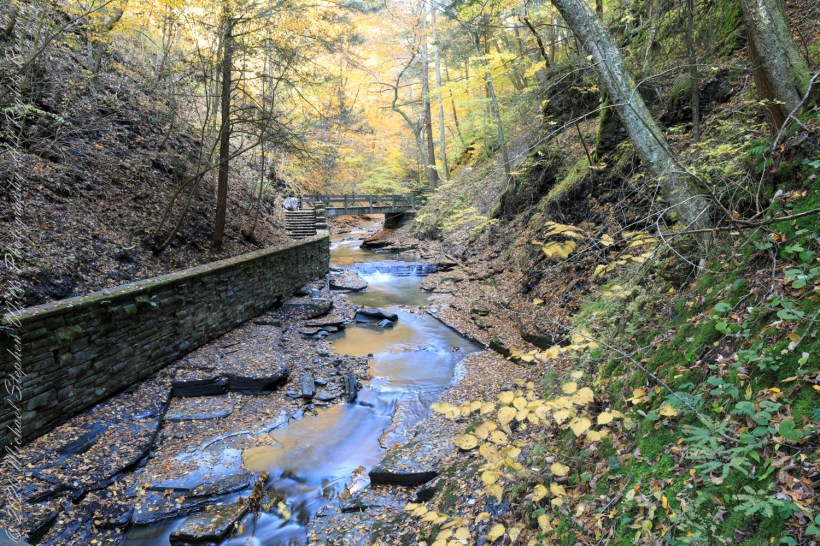
We can see the work to maintain the CCC work continues today by the New York State Office of Parks, Recreation and Historic Preservation. Look closely to see the cable flowing from the south gorge rim (to right) by which the limestone, out of sight along the gallery, was lowered for this project. There are building supplies at Bridge Five and Six, both left in these photographs.

…the gallery and Bridge Six (6)…..

Fillmore Glen, Cayuga County, Moravia. In the Finger Lakes Region of New York State

Copyright 2022 All Right Reserved Michael Stephen Wills

Bridged

No Fracking Here!!

Happy Halloween (USA)

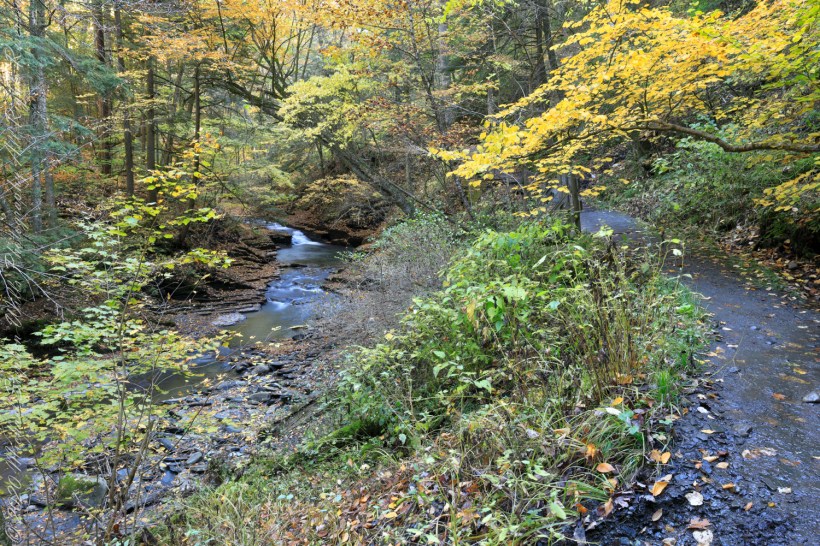
A faint organic whiff of Paleozoic Era generations follows hikers enjoying the Gorge Trail, an odor luring contemporary treasure seekers thankfully spurned by the December 2014 New York State fracking ban. Thanks to Governor Andrew Cuomo’s leadership, the ban protects public health, drinking water, the environment, local economies based on agriculture, tourism and small businesses. The ban on fracking sets the New York State apart for its climate leadership by leaving fossil fuels in the ground while the state simultaneously leads the nation in expanding renewable energy.

A plentitude of waterfalls…..

…bridge number 5…..

Fillmore Glen, Cayuga County, Moravia. In the Finger Lakes Region of New York State

Copyright 2022 All Right Reserved Michael Stephen Wills

Torr Head Stories VI

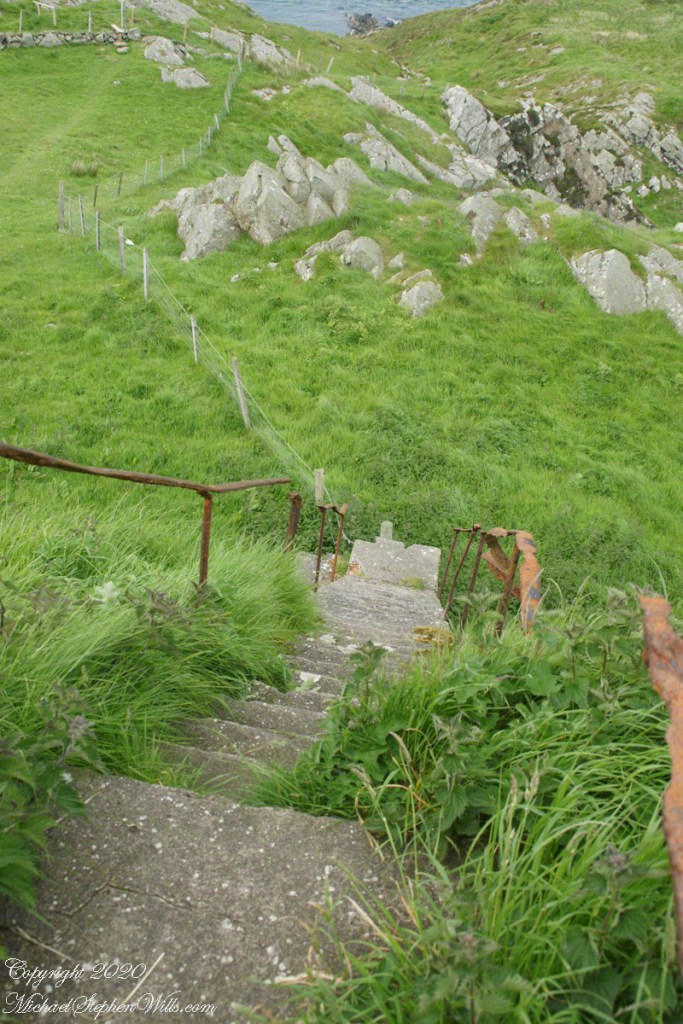
Down and Down

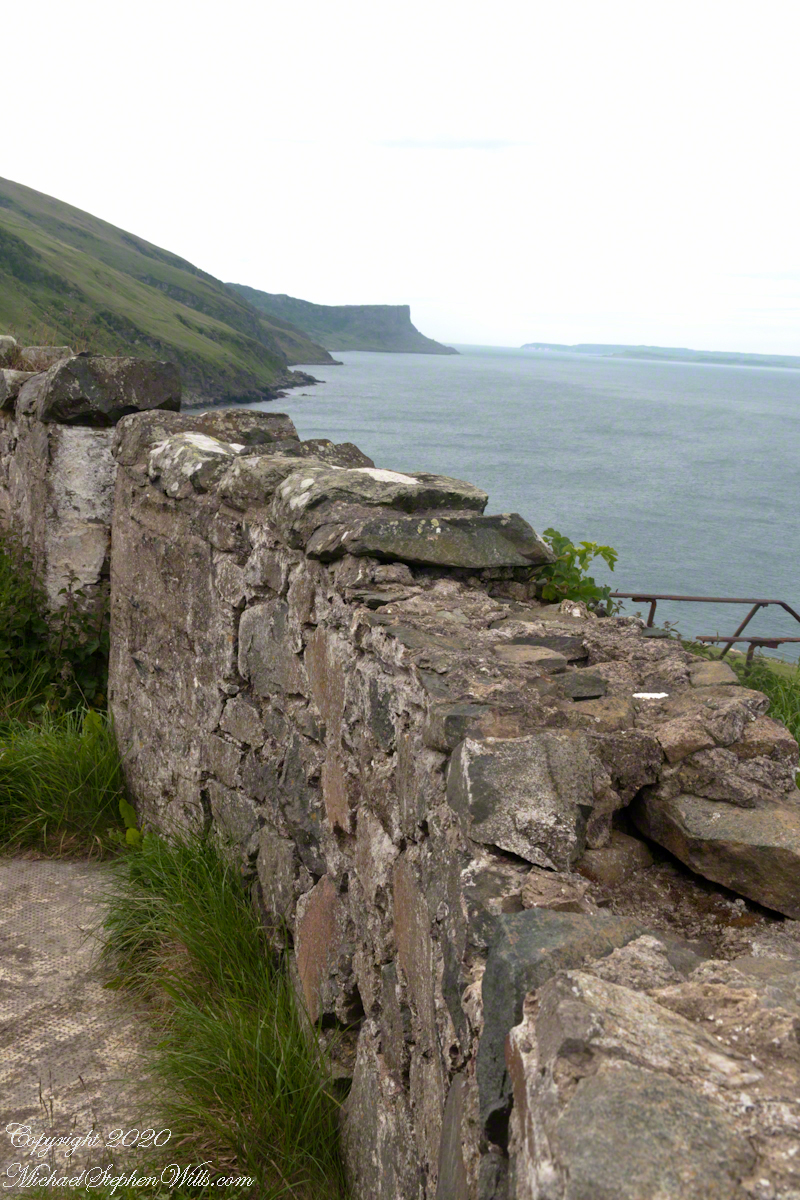
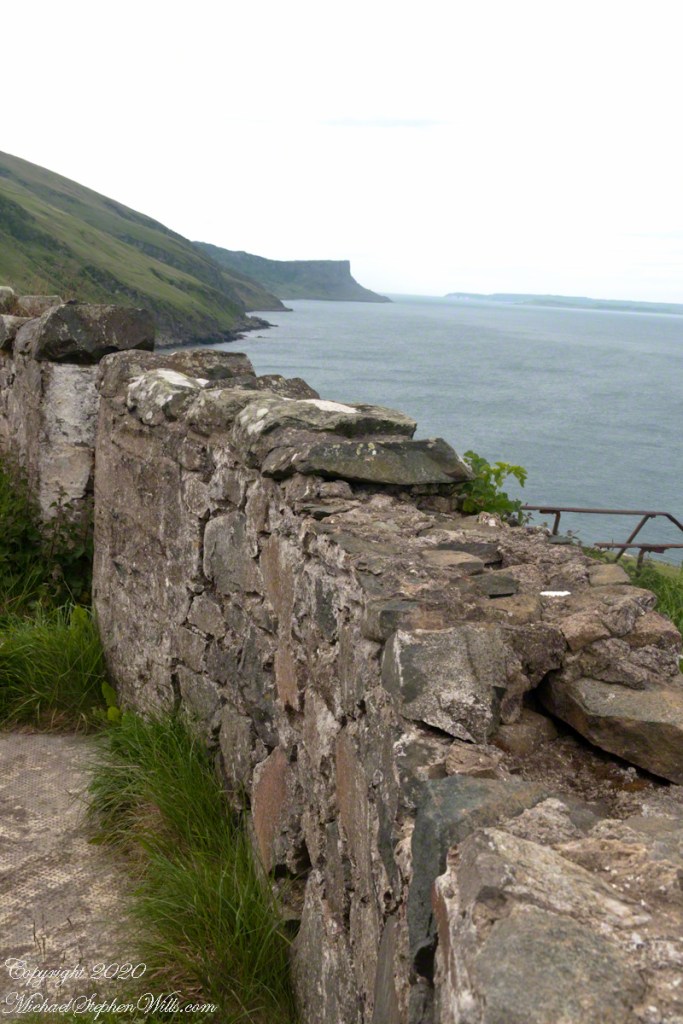
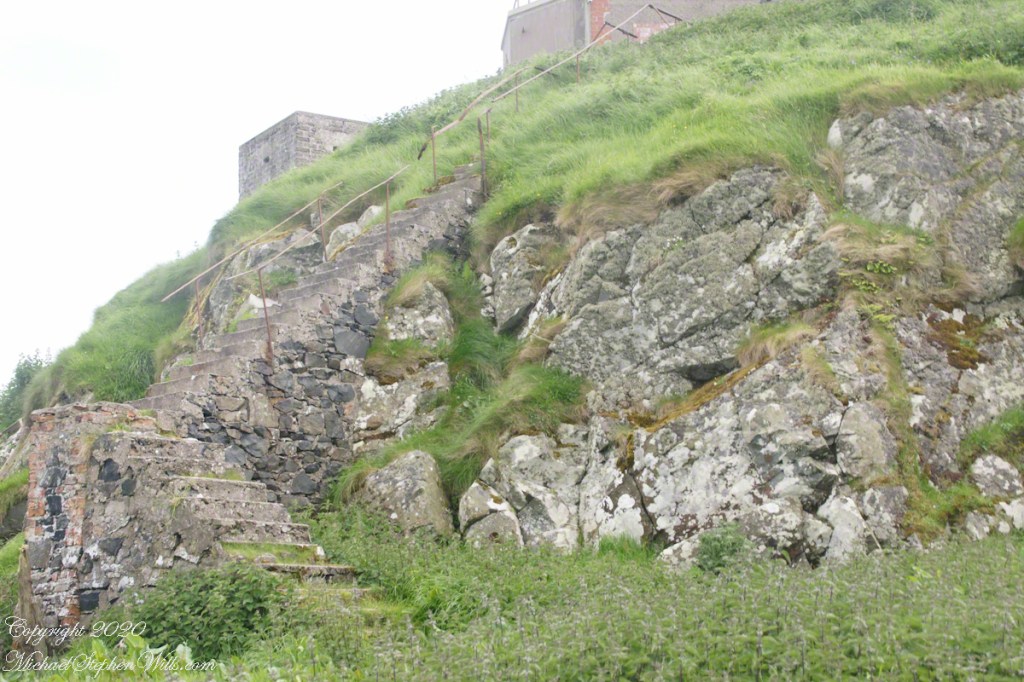
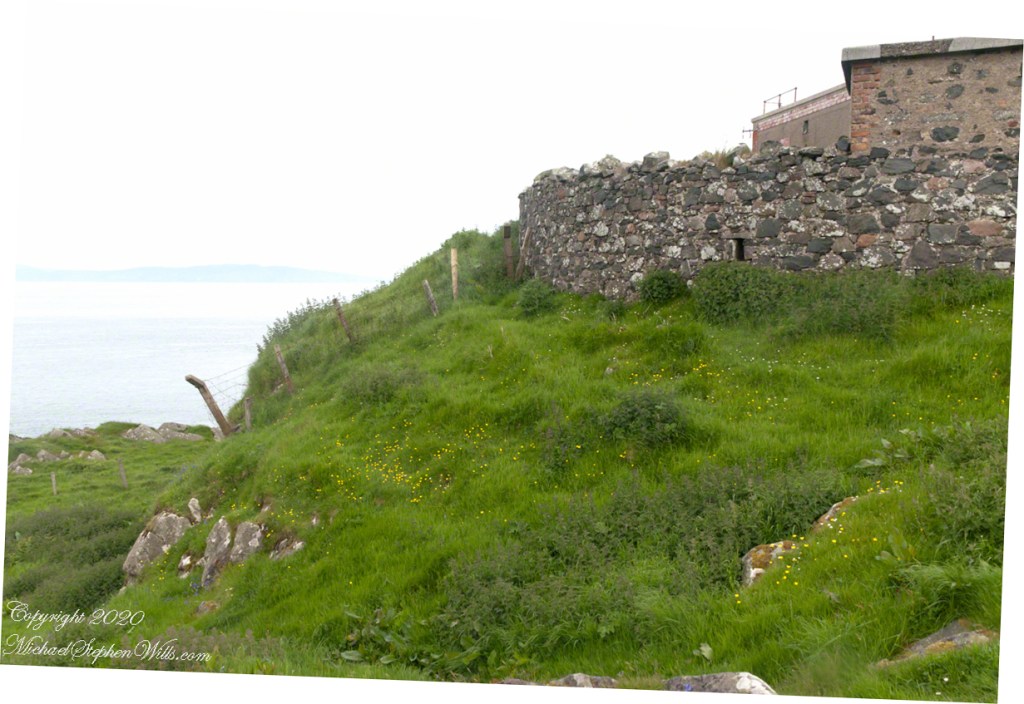
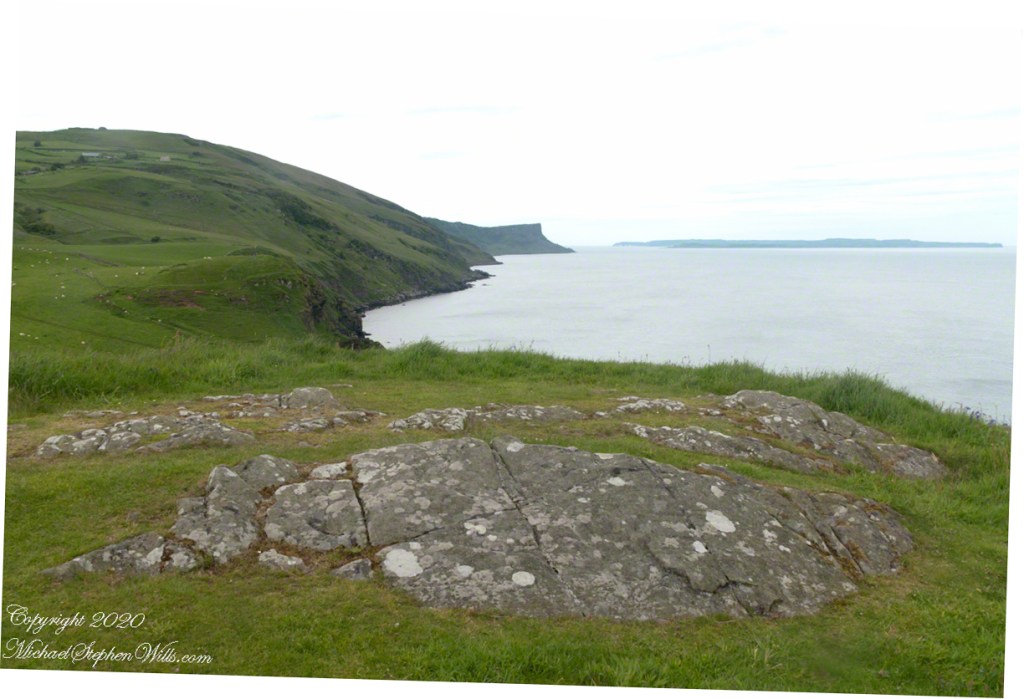
Weathered masonry at the height of Torr Head was there to serve the custom house and as support for a spotting station where ships transiting the Strait of Moyle (Irish Sruth na Maoile), the 12 miles of water to the Mull of Kintyre.

Lloyd’s of London, vitally interested in the appearance of ships’ progress crossing the oceans, had notice of passage via semaphore (and, later, Marconi’s “wireless”). Destination ports were copied in.

Explore my photography on Shutterstock for use with your blogs

Click me for the first post of this series.

Copyright 2022 All Rights Reserved Michael Stephen Wills

Torr Head Stories V

The Way South –

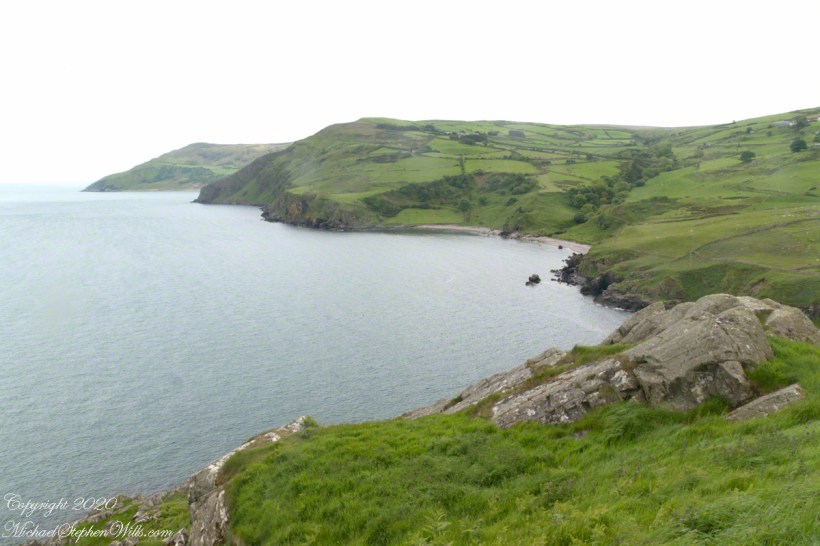
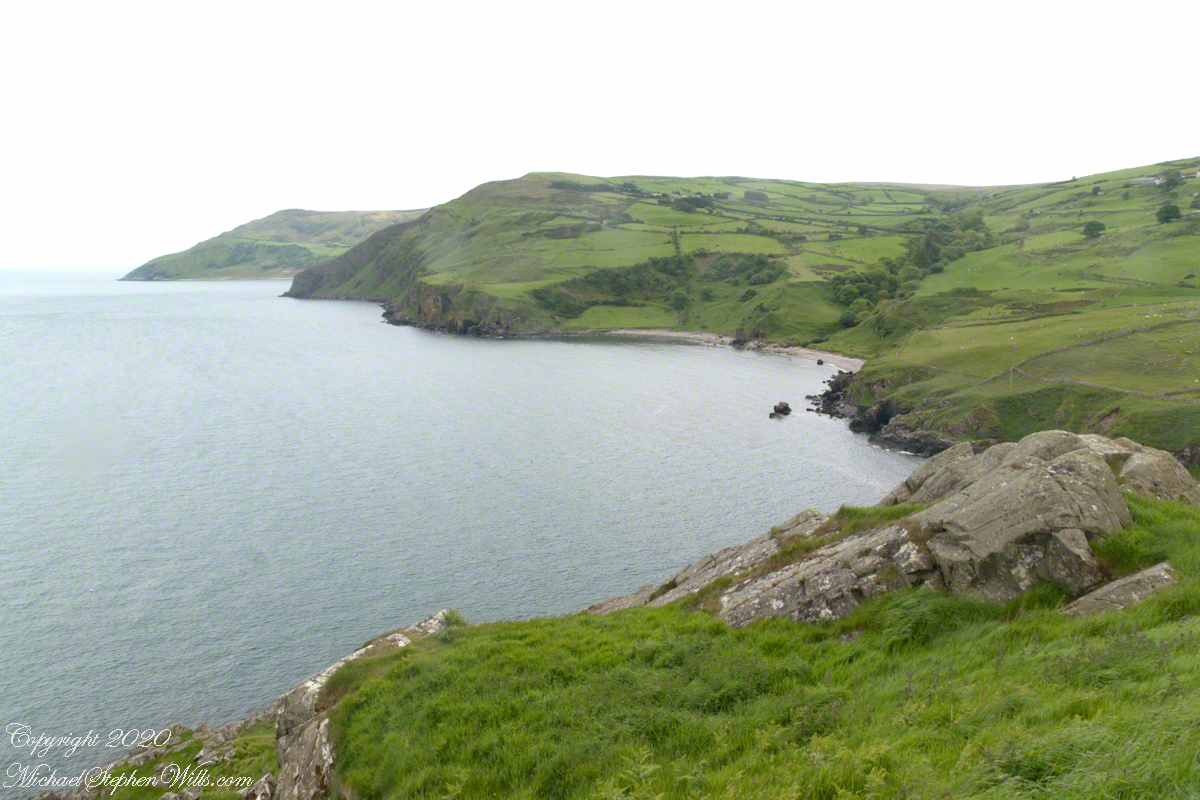
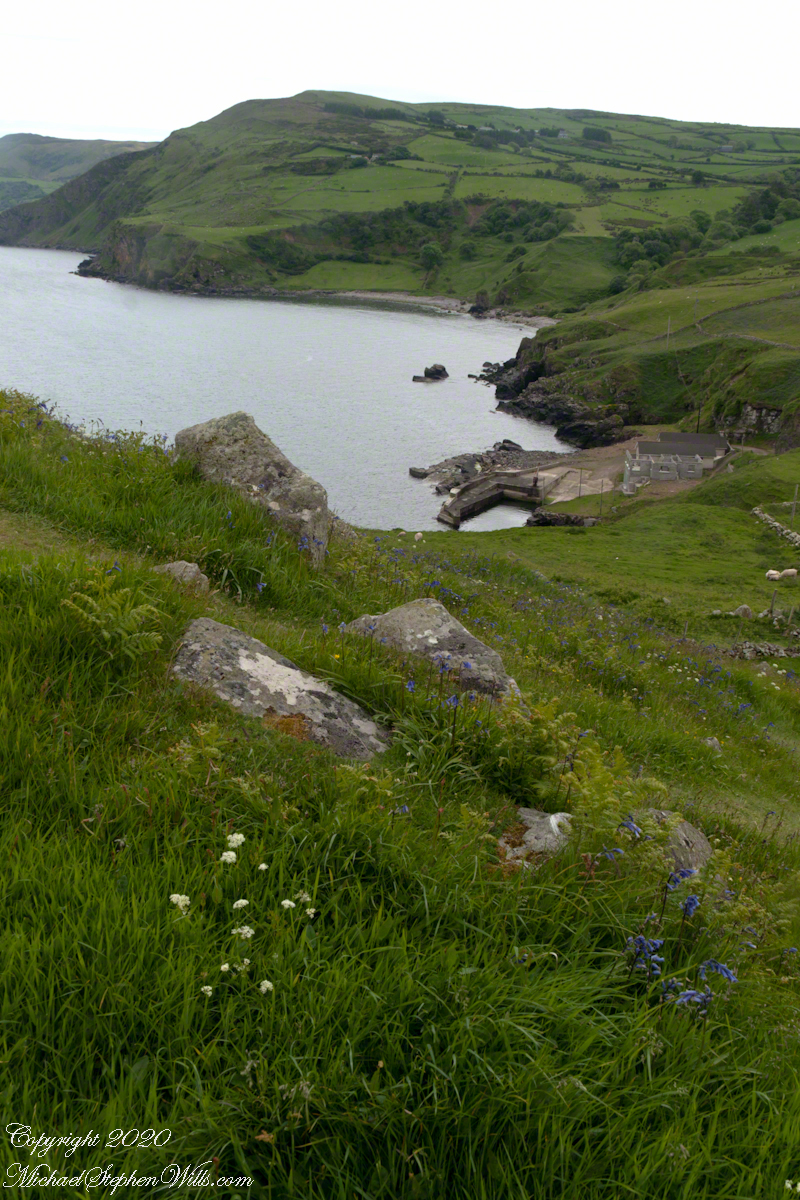
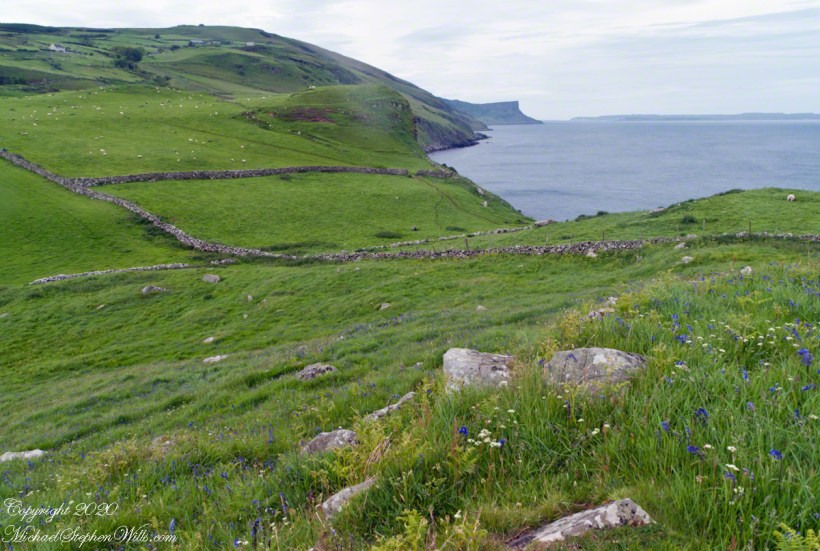
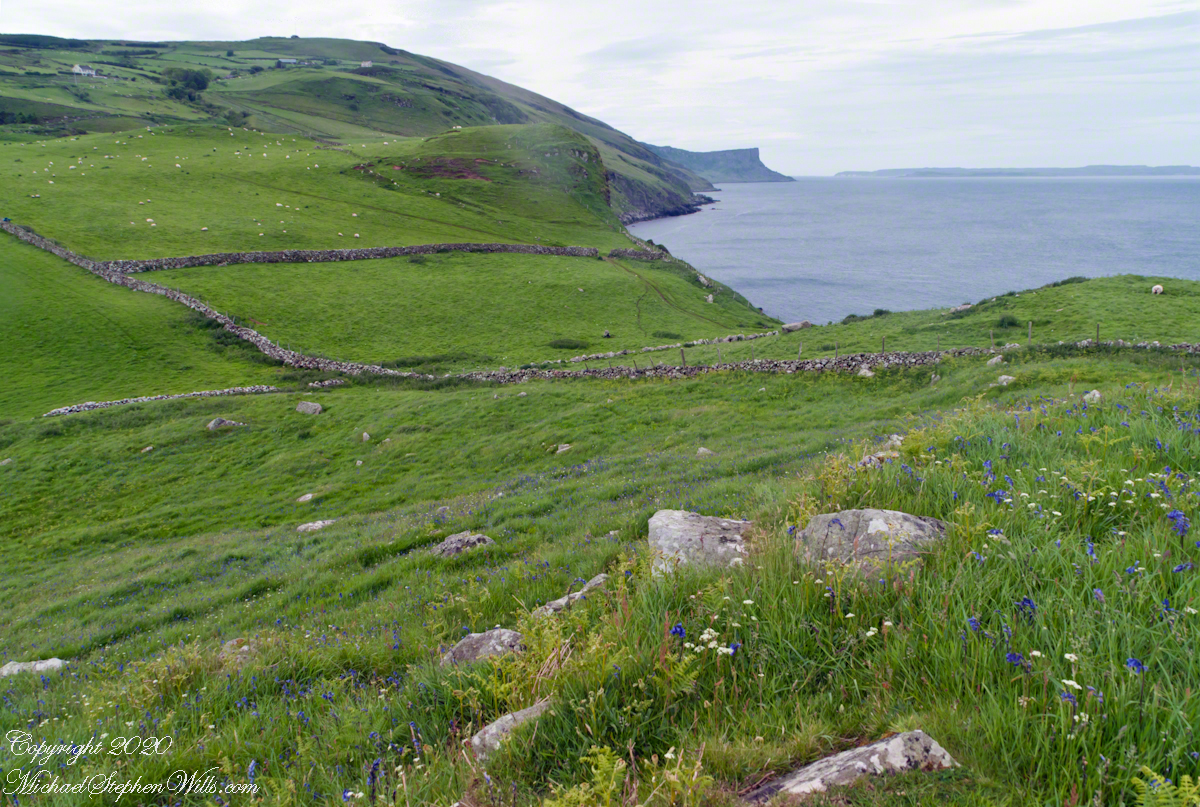
Scottish influences touched the landscape covered by yesterday’s post, today we continue on this subject with these south facing views from Torr Head. The far ridge of Torrcor marks Loughan Bay.

A townland on the other side of Torrcor hill (and townland) has an eponymous ruin, Altagore Cashel. Mores the pity we did not visit this site, a thick drystone enclosing wall from the 5th century (you can see photographs from another site at this link). Cashel is from the Irish Caiseal, a circular, defensive fort (“ring fort”).

Books such as “Antrim and Argyll: Some Aspects of the Connections” tell of connections over the millennia, clan associations between the islands and ring forts such as Altagore Cashel.

Explore my photography on Shutterstock for use with your blogs.

Copyright 2022 All Rights Reserved Michael Stephen Wills

Torr Head Stories IV

Salmon Run

Late spring and summer, weekdays, a net is stretched across the bay to catch salmon nosing up the coast, searching for their home spawning stream, here called Altmore Burn. “Burn” is a Scottish term for a fresh water source, evidence of the influence 12 miles across the north channel.

The small harbor seen here from Torr Head is for the salmon fishery. Small boats will seek shelter here from the wind and tides strong enough to roar in passing the Head, like a fast flowing river.

Click me for the first post of this series.

Copyright 2022 All Rights Reserved Michael Stephen Wills

Torr Head Stories III

Neolithic Passage Tomb

Taking in a flower meadow, foreground, coaster sheep pastures, the photograph, below, looks north from Torr Head. The high hill, midground, is Greenanmore, notable for a the largest passage tomb of the Antrim Glens. Locally known as “Barrach’s Tomb,” for the Red Branch knight of the 1st Century AD fort on Torr Head, tree ring research of the mid-20th Century dates these tombs in the neolithic The hilltop passage tomb was an ancient relic when the mortar of Barrach’s Torr Head fort was drying.

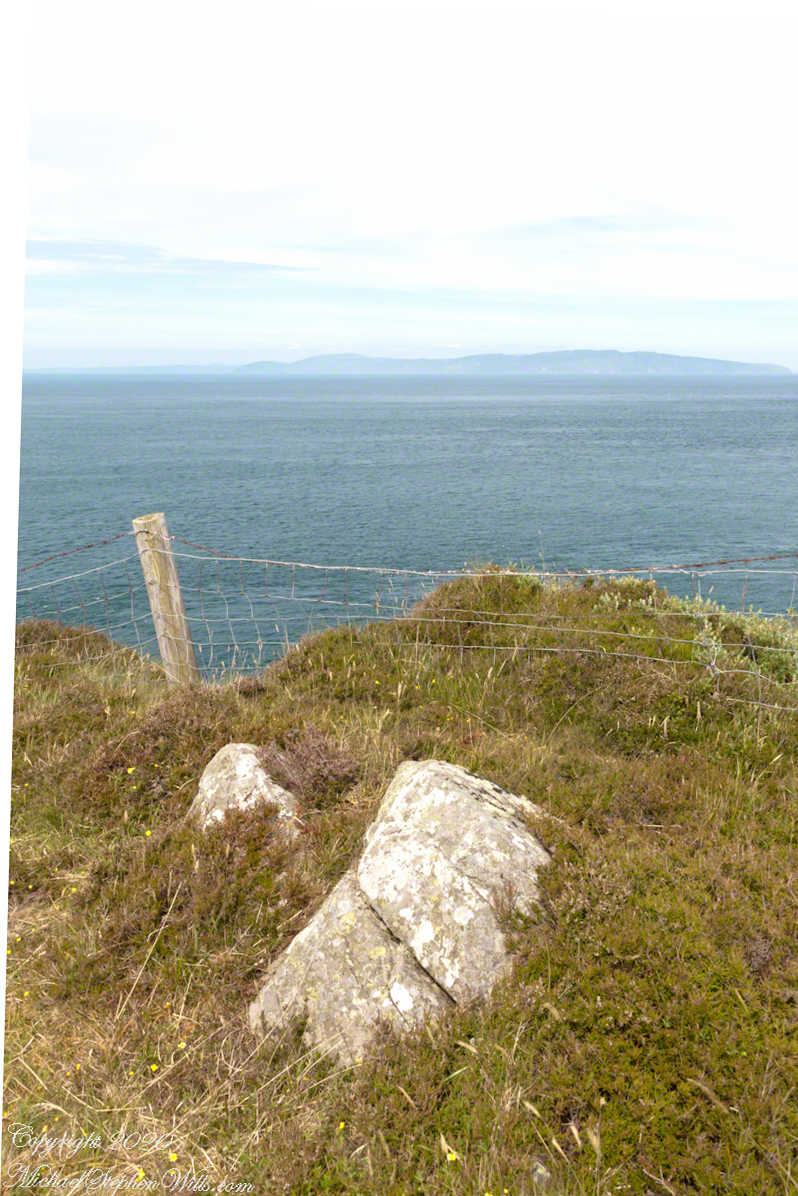
When I enlarge the original photograph, visible on the ridge is a decommissioned Cold War listening post, the tomb is near that. The distant land across the North Channel water is Rathlin Island.

Click photograph for a larger view. To do this from WordPress Reader, you need to first click the title of this post to open a new page.

Click me for the first post of this series.

Copyright 2022 All Rights Reserved Michael Stephen Wills

Very Old, Very New

Lima is home to 10 million Peruvians and over 1000 historical sites.

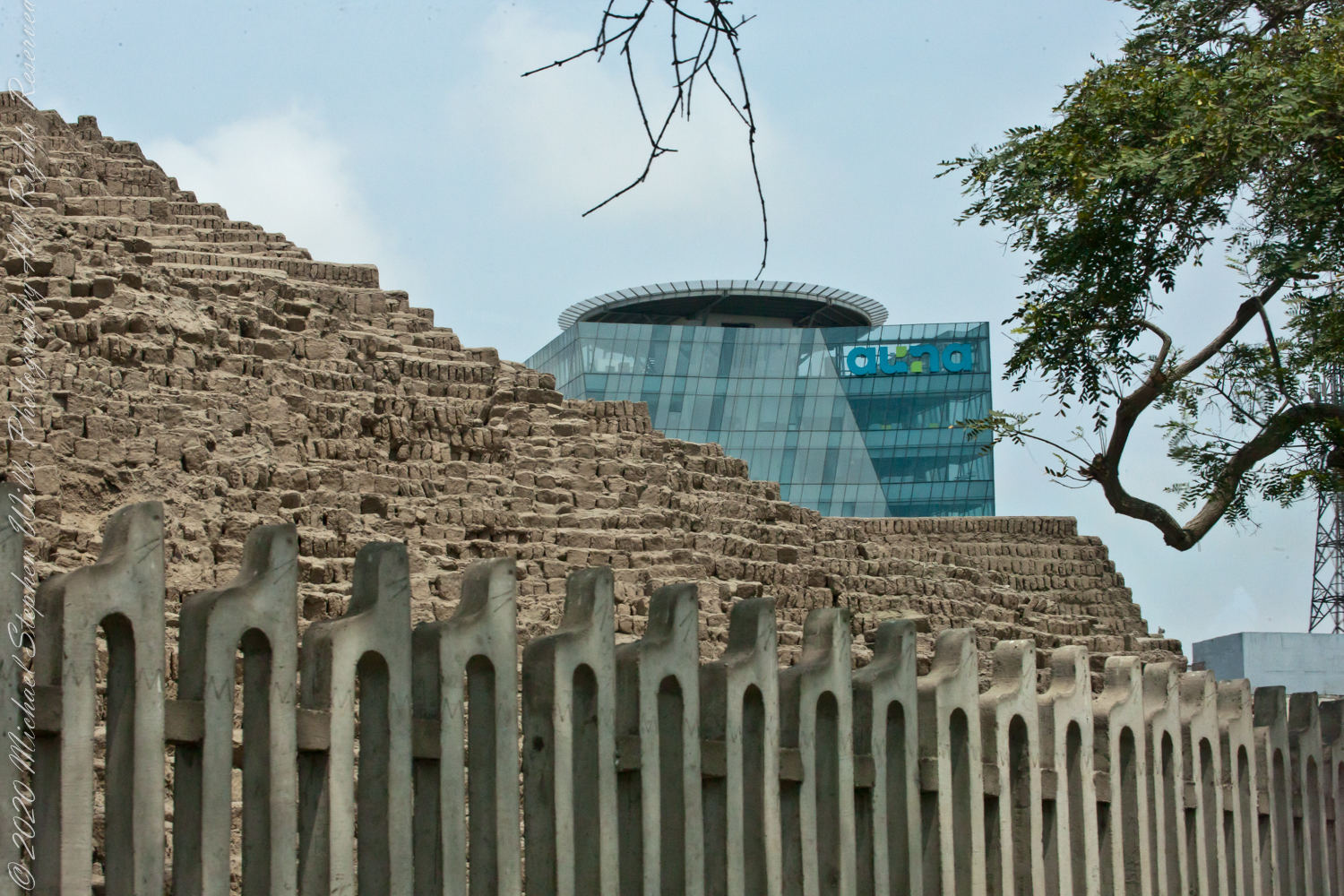
View of Clinica Delgado (hospital) from Lima Peru’s Elias Aguirre (street), Huaca Pucllana filling the foreground. Huacas are commonly located in nearly all regions of Peru outside the deepest parts of the Amazon basin in correlation with the regions populated by the pre-Inca and Inca early civilizations. They can be found in downtown Lima today in almost every district, the city having been built around them. Huaca Pucllana, located in Miraflores district, is an adobe and clay pyramid built from seven staggered platforms. It served as an important ceremonial and administrative center for the advancement of the Lima Culture, a society which developed in the Peruvian Central Coast between the years of 200 AD and 700 AD. 

This is the New York Times article that inspired me to remember visiting Huaca Pucllana during our February 2016 tour of Lima, Peru. “3,000 Years of History Are Literally Just Beneath Our Feet.”

Copyright 2022 Michael Stephen Wills All Rights Reserved

Behind the Stories of Gold

Macro work on Peter’s Trail

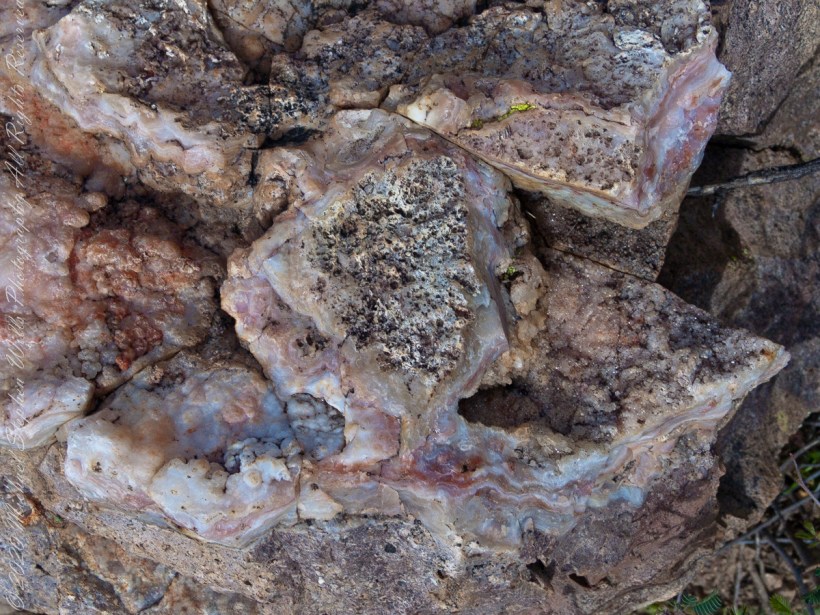
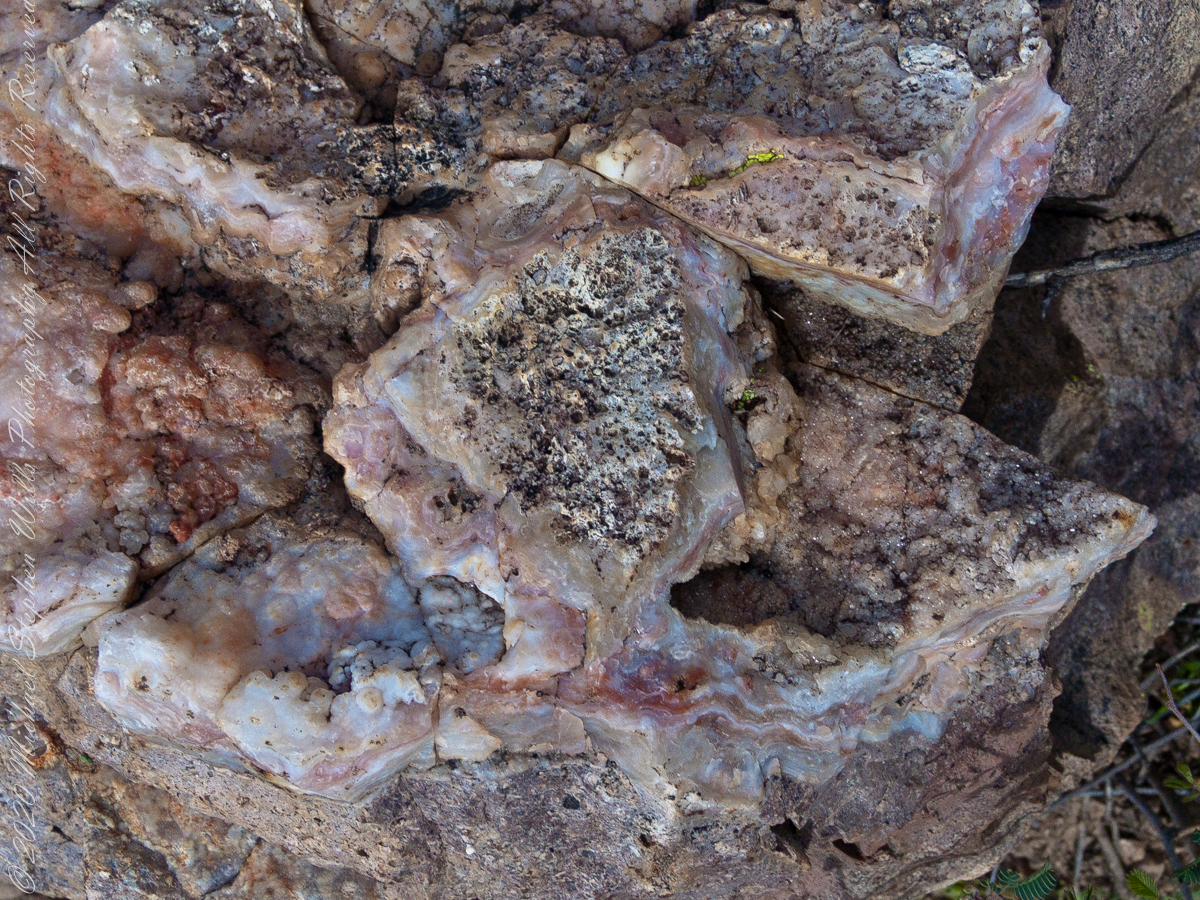
Marled and rose quartz outcroppings such as this appear throughout the Superstitions. The stories are of soldiers and prospectors who return from the wilderness with hoards of gold nuggets picked from quartz.

Click Me for my Online Gallery


Click me for another Superstition Wilderness Episode

Copyright 2022 Michael Stephen Wills All Rights Reserved

Fall Creek View

from abandoned railroad bridge

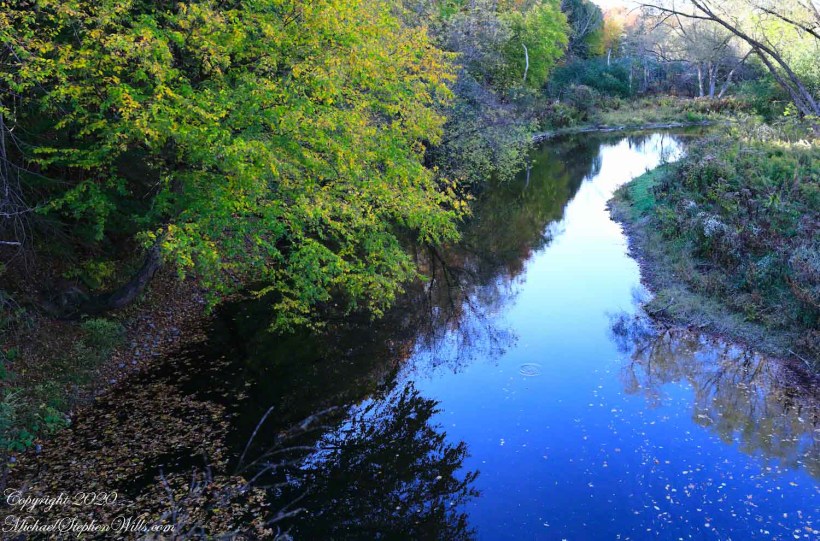
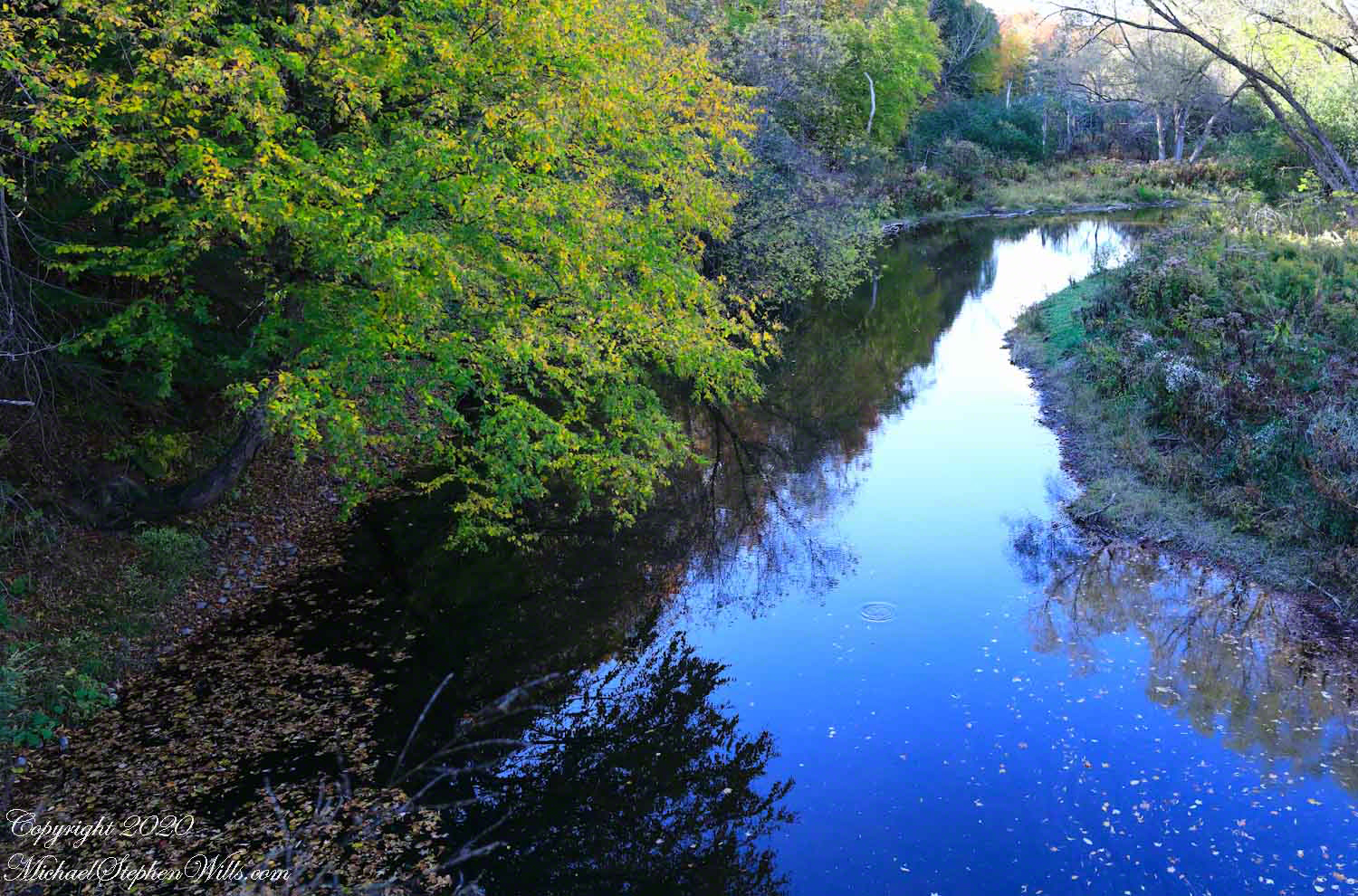
Fall Creek meanders through the esker fields of the Malloryville Preserve. Here is the view from an abandoned railroad bridge. A major watercourse of the Finger Lakes, throughout the 19th century Fall Creek provided water power for local industry: grain grinding mills, cooperage and furniture. Here the stream bed is wide, flow slow and pacific for a mirrored surface, the effect broken by a single drop from an overhanging tree or, maybe, a fin’s flash.

Pam and I visited Malloryville last weekend to enjoy a “socially distanced” walk with family.

Click image for a larger version.

Click Me for another Malloryville post, “Formed By Water.”

Copyright 2022 Michael Stephen Wills All Rights Reserved